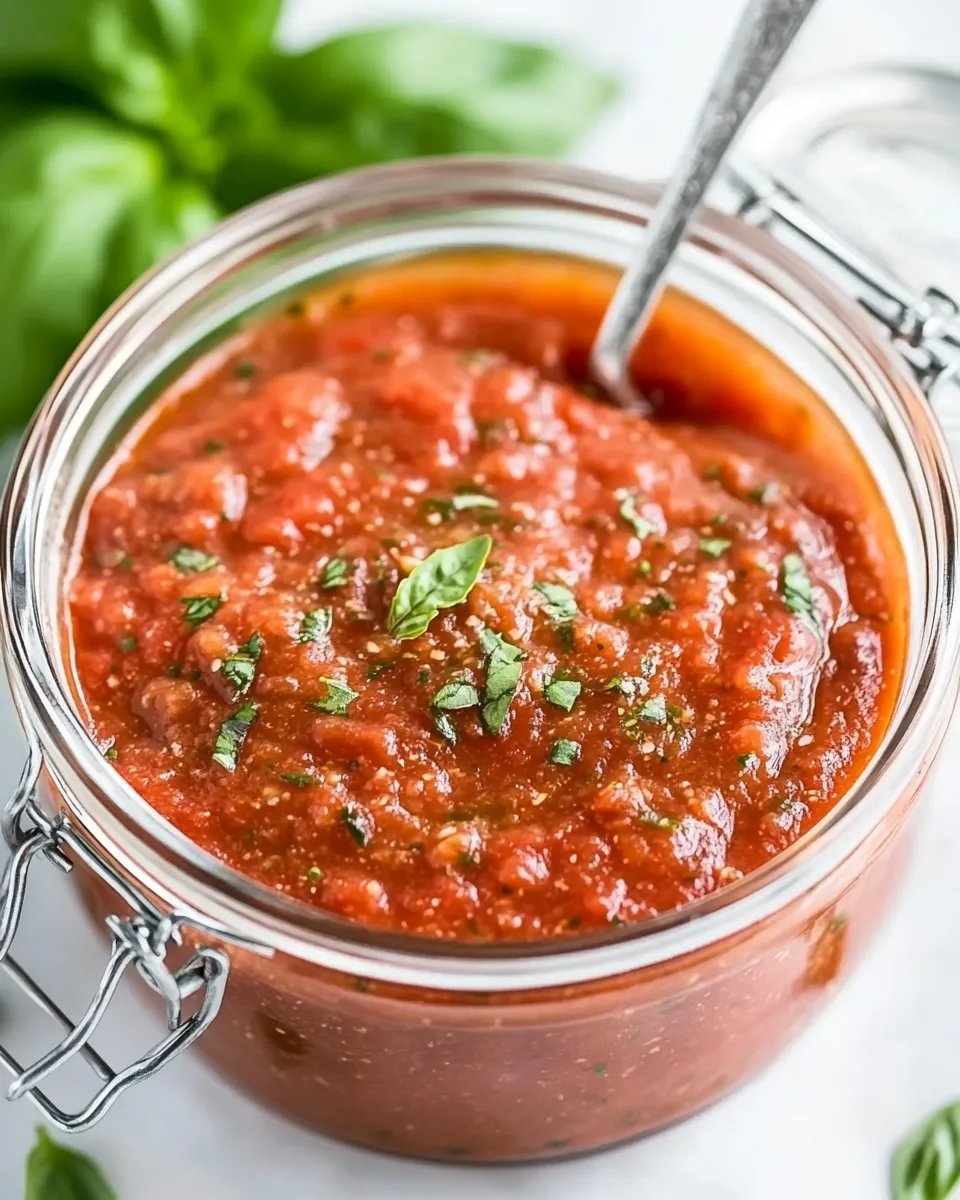
I make a lot of pizza at home and I treat the sauce like the foundation: if it’s bright, balanced and low in carbs, the rest of the pie practically makes itself. This recipe is built for keto cooks who want tomato-forward flavor without hidden sugars or thickening tricks. It’s simple, honest, and flexible — use fresh herbs when you have them, dried when you don’t.
There’s no need for long-cooking reductions or added sweeteners. A quick sauté, a short simmer and a pulse with a hand blender are all it takes. The result is a spreadable sauce with enough body to hold up on cauliflower crusts, fathead dough, or any low-carb base you prefer.
I’ll walk you through the exact ingredients, the step-by-step method straight from the test kitchen, and practical tips for perfect results every time. If you want a smooth sauce or a rustic chunky one, both are covered here.
The Ingredient Lineup
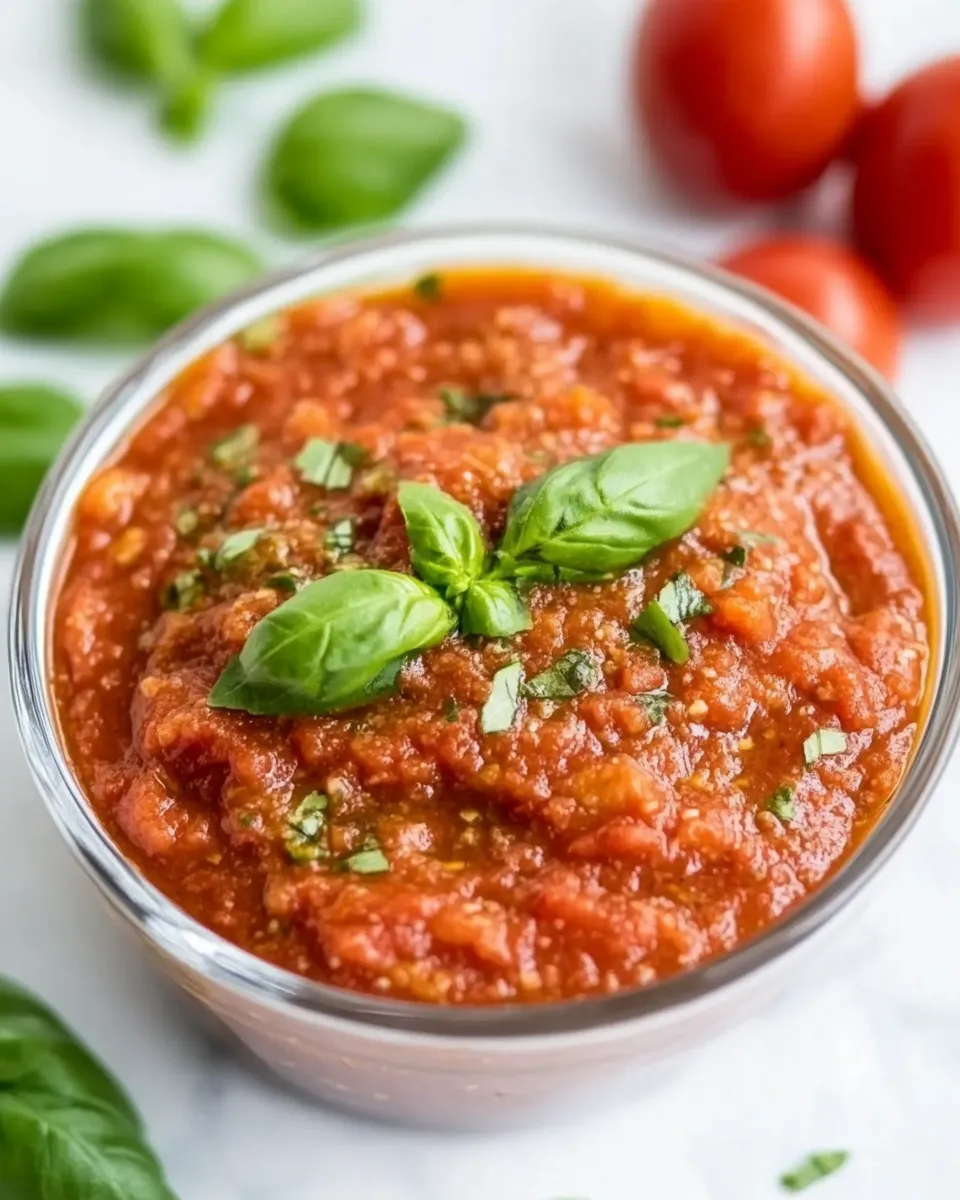
- 2 tablespoons olive oil — heats the pan and carries the flavor of aromatics into the tomatoes.
- 2 tins tomatoes, chopped (800 g / 28 oz total) — the sauce base; check labels for no added sugar on a keto plan.
- ¼ cup tomato puree (50 g) — adds concentrated tomato flavor and thickness without sweeteners.
- ⅓ cup chopped basil leaves (15 g) — fresh option for brightness; or use 1 tablespoon dried basil plus 1 tablespoon dried oregano instead.
- ½ teaspoon dried oregano — an extra herb layer; complements the basil.
- 2 garlic cloves, minced — or 1 teaspoon garlic powder; provides savory depth.
- 1 small onion, finely chopped (50 g) — or 1 teaspoon onion powder; gives sweetness and body when sautéed.
- ½ teaspoon salt — start here and adjust to taste after simmering.
- ½ teaspoon black pepper — a background note to balance acidity.
Cook The Ultimate Keto Pizza Sauce Like This
- Heat 2 tablespoons olive oil in a medium saucepan over medium heat.
- If using the fresh onion (1 small, finely chopped / 50 g): add it to the pan and sauté for 2 minutes, until softened. If using 1 teaspoon onion powder instead, do not sauté it now—you will add it with the tomatoes.
- If using fresh garlic (2 cloves, minced): add it to the pan and cook 1 minute with the onion. If using 1 teaspoon garlic powder instead, add it with the tomatoes.
- Add 2 tins chopped tomatoes (800 g total) and 1/4 cup tomato puree (50 g) to the pan. Add dried herbs now if using dried: 1 tablespoon dried basil and 1 tablespoon dried oregano (the recipe also lists an additional 1/2 teaspoon dried oregano—add that now as well). If using onion or garlic powder, add them now. Add 1/2 teaspoon salt (or to taste) and 1/2 teaspoon black pepper.
- Bring the sauce to a boil, then reduce the heat to maintain a gentle simmer.
- Simmer the sauce for 10 minutes with the lid ajar (to concentrate the sauce and prevent splattering), stirring occasionally.
- If using fresh basil (1/3 cup chopped basil leaves / 15 g), stir the basil through the sauce after simmering.
- Taste and adjust seasoning if needed.
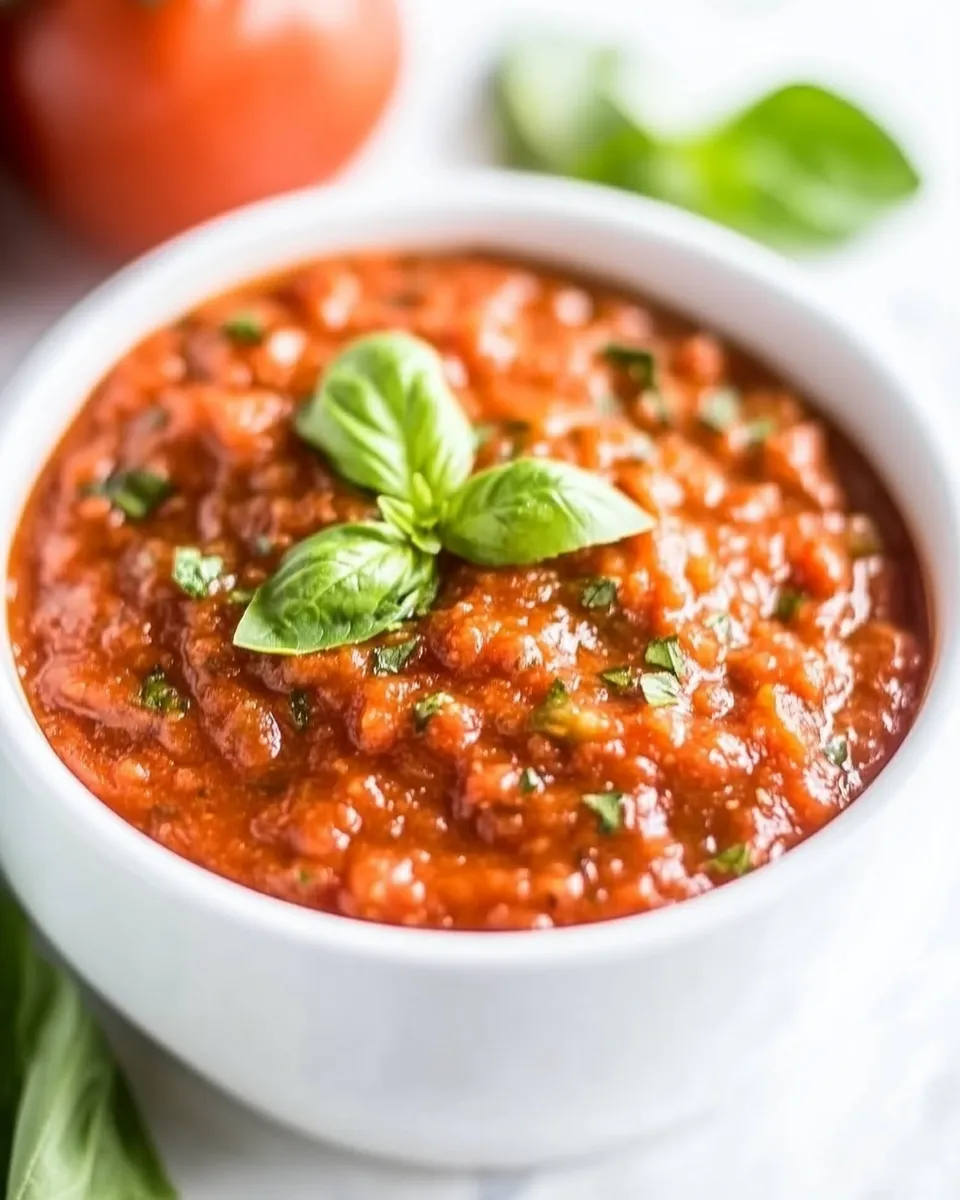
- Use a hand blender to blend the sauce smooth, or leave it chunky—serve or cool for use on pizza.
Why This Recipe Works
This sauce balances acidity and aromatics quickly. The short sauté of onion (and garlic, if using fresh) softens raw edges and unlocks sweetness without caramelizing, so the sauce stays bright rather than jammy. Two tins of chopped tomatoes plus a small amount of concentrated tomato puree give body and tomato intensity without needing sugar or long reduction.
The brief 10-minute simmer with the lid ajar does two things: it concentrates flavor and prevents the mess of a fully uncovered boil. Fresh basil stirred in at the end preserves that herb’s volatile oils, while dried herbs added early hydrate and meld into the sauce. Blend or leave chunky depending on how you want the sauce to behave on your crust.
From a keto perspective, you get tomato-forward flavor with minimal carbs per serving, and no added sweeteners. The ingredients are designed to be pantry-friendly and adaptable to what you have on hand.
Low-Carb/Keto Alternatives
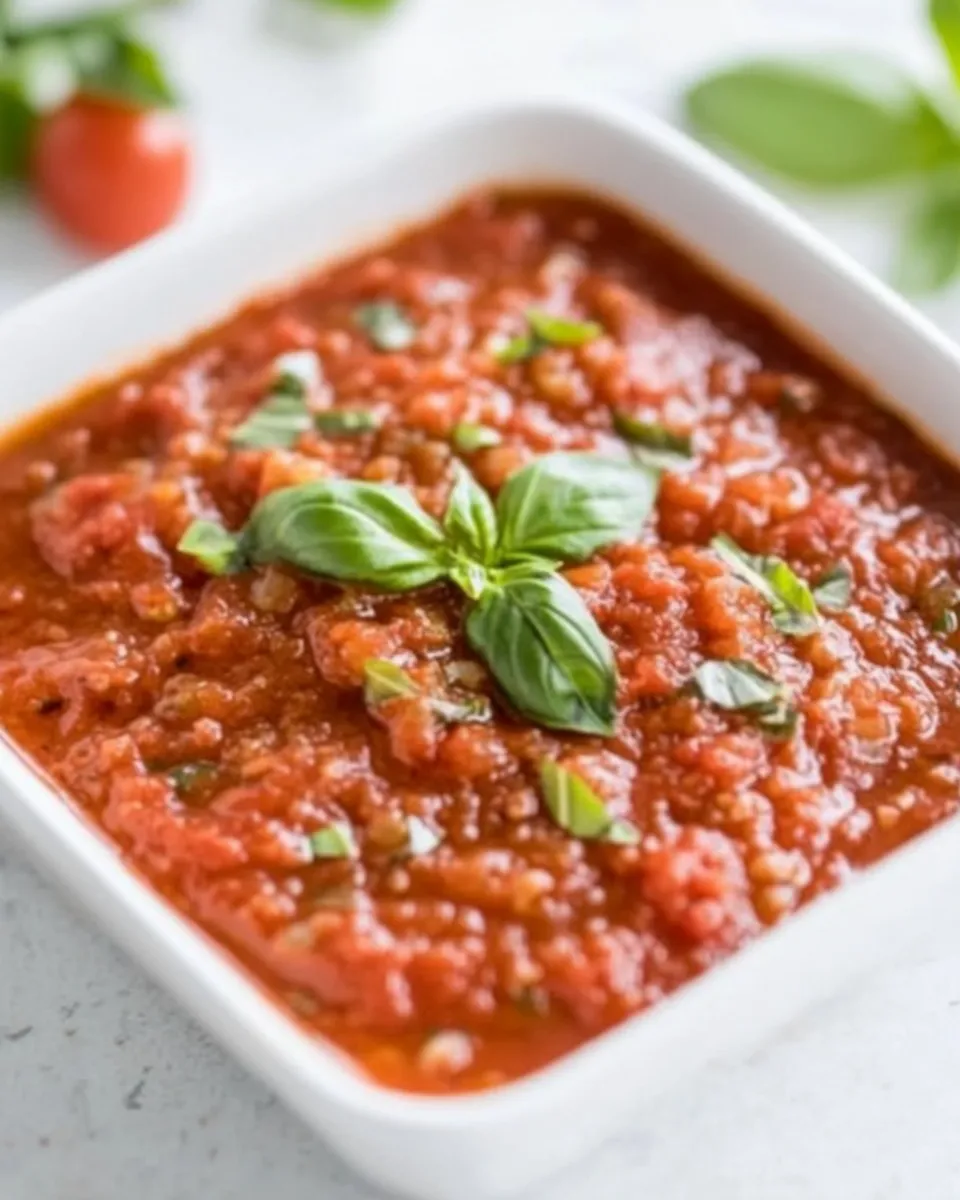
- Tomato choices: Use canned tomatoes labeled “no added sugar” to keep carbs low. Some brands add sugar — check the label to avoid hidden carbs.
- Herb swaps: If you have only dried herbs, follow the recipe’s dried-herb option (1 tablespoon dried basil and 1 tablespoon dried oregano). Dried herbs go in earlier; they need time to rehydrate.
- Aromatics: The recipe already allows onion or garlic powder as low-effort keto-friendly options. Use those when you want to skip fresh chopping or if you’re avoiding FODMAPs in a given meal.
- Thickness control: For a thicker sauce without added carbs, reduce simmer time slightly or add a touch more tomato puree (watch salt and acidity after adding).
Must-Have Equipment
- Medium saucepan — wide enough for easy stirring and gentle simmering.
- Hand blender (immersion blender) — the quickest way to smooth hot sauce safely in the pan.
- Wooden spoon or spatula — for stirring without scratching the pan.
- Measuring spoons and cups — the recipe uses small, specific amounts so accuracy matters.
- Can opener and a small chef’s knife + cutting board — for the tins, onion and fresh basil.
Mistakes That Ruin The Ultimate Keto Pizza Sauce
- Using sweetened canned tomatoes: This adds unexpected carbs and makes the sauce too cloying for keto pies.
- Skipping the sauté step when using fresh aromatics: Raw onion or garlic can taste harsh. If you choose powder, add it at the right time per the method.
- Simmering too long or at too high heat: You can scorch the bottom or over-concentrate the sauce, making it bitter.
- Over-salting after reduction: Salt concentrates as water evaporates — taste before and after to avoid oversalting.
- Blending hot sauce unsafely: If you don’t use an immersion blender and transfer to a countertop blender, let it cool slightly and vent the lid to avoid steam explosions.
Seasonal Serving Ideas
Spring: pile on fresh basil and a drizzle of extra virgin olive oil after baking. The fresh herb lift pairs beautifully with light toppings like prosciutto and arugula.
Summer: when ripe tomatoes are abundant, fold in a small handful of diced summer tomato at the end for fresh texture. Keep the base sauce low-carb and use fresh tomato sparingly.
Fall/Winter: make a double batch and freeze jars for quick weeknight keto pizzas. Hearty toppings like sausage, roasted mushrooms, or caramelized onion (used sparingly) work well with the sauce’s richer notes.
Notes from the Test Kitchen
Texture & Finish
If you want a silky smooth sauce, blitz with the hand blender until uniform. For rustic texture, skip blending and leave small tomato pieces — they cling well to cauliflower crusts. When testing, I found a single 10-minute simmer preserves bright tomato flavor; longer reduced sauces felt sweeter and less fresh.
Herb Timing
Add dried herbs with the tomatoes so they have time to rehydrate and infuse. Fresh basil belongs at the end — it will lose its brightness if cooked too long.
Salt & Acid
Start with the listed 1/2 teaspoon salt, then taste after simmering. Canned tomatoes can vary in acidity and salt, so a final seasoning check is essential. A tiny squeeze of lemon is not in the original method but can help if the tomatoes taste flat — add sparingly and taste.
Leftovers & Meal Prep
Refrigerate cooled sauce in a sealed container for up to 4–5 days. For longer storage, freeze in portions (ice cube trays or small jars) for 2–3 months. Thaw in the fridge overnight and reheat gently on the stove.
Make-ahead tip: double the recipe and store sauce in 1/2-cup portions for single-pizza uses. This saves time and keeps portions keto-friendly. If you plan to use the sauce as a dip or spread, bring it to room temperature and stir before using.
Frequently Asked Questions
- Can I use fresh tomatoes instead of canned? You can, but fresh tomatoes vary widely in sweetness and water content. If you use fresh, peel, seed and drain as much liquid as possible, then adjust simmer time to reach the right consistency.
- Is tomato puree the same as tomato paste? No. Tomato puree is thinner and less concentrated than paste. This recipe uses 1/4 cup tomato puree (50 g) to build texture without overpowering the flavor.
- Can I freeze this sauce? Yes. Freeze in airtight containers or freezer bags for 2–3 months. Thaw in the refrigerator before reheating.
- Do I have to blend the sauce? No. Blending is optional and depends on whether you want a smooth spread or a chunkier, rustic sauce.
- How do I keep it keto? Use canned tomatoes without added sugar and avoid adding sweeteners or high-carb thickeners. Follow the ingredient list and check labels.
The Takeaway
This is a straightforward, keto-friendly pizza sauce that relies on good canned tomatoes, olive oil and a careful but short cook time for excellent flavor. Follow the ingredient options and timing, add fresh basil at the end if you have it, and decide whether to blend based on how you’ll use the sauce. It’s quick, pantry-friendly and designed to perform on low-carb crusts without compromise.
Use the method as written for consistent results, and don’t be afraid to make a double batch — it freezes beautifully and saves you time on busy pizza nights.
The Ultimate Keto Pizza Sauce
Ingredients
Ingredients
- 2 tablespoonolive oil
- 2 tins tomatoeschopped 800 g / 28 oz total
- 1/4 cuptomato puree50 g
- 1/3 cupchopped basil leaves15 g - or 1 tablespoon dried basil plus 1 tablespoon dried oregano
- 1/2 teaspoondried oregano
- 2 garlic clovesminced or 1 teaspoon garlic powder
- 1 small onionfinely chopped 50 g or 1 teaspoon onion powder
- 1/2 teaspoonsaltor to taste
- 1/2 pepper
Instructions
Instructions
- Heat 2 tablespoons olive oil in a medium saucepan over medium heat.
- If using the fresh onion (1 small, finely chopped / 50 g): add it to the pan and sauté for 2 minutes, until softened. If using 1 teaspoon onion powder instead, do not sauté it now—you will add it with the tomatoes.
- If using fresh garlic (2 cloves, minced): add it to the pan and cook 1 minute with the onion. If using 1 teaspoon garlic powder instead, add it with the tomatoes.
- Add 2 tins chopped tomatoes (800 g total) and 1/4 cup tomato puree (50 g) to the pan. Add dried herbs now if using dried: 1 tablespoon dried basil and 1 tablespoon dried oregano (the recipe also lists an additional 1/2 teaspoon dried oregano—add that now as well). If using onion or garlic powder, add them now. Add 1/2 teaspoon salt (or to taste) and 1/2 teaspoon black pepper.
- Bring the sauce to a boil, then reduce the heat to maintain a gentle simmer.
- Simmer the sauce for 10 minutes with the lid ajar (to concentrate the sauce and prevent splattering), stirring occasionally.
- If using fresh basil (1/3 cup chopped basil leaves / 15 g), stir the basil through the sauce after simmering.
- Taste and adjust seasoning if needed.
- Use a hand blender to blend the sauce smooth, or leave it chunky—serve or cool for use on pizza.
Equipment
- Medium Saucepan
- hand blender (optional)
Notes
Net carbs: 2.7g per ⅓ cup (about the amount needed per 1 pizza). Serves 8
Makes 650 ml / 2 and ¾ cups of sauce.
Optional for a sweet and awesome lift: add 1 teaspoon balsamic vinegar or coconut aminos or low carb sweetener.
Note - use chopped, tinned tomatoes for ease over whole. You can also use fresh tomatoes if you prefer, but they will take 10 minutes longer to cook down.
Storage: Tupperware or glass jar for up to 5 days. This sauce can be frozen in either a tupperware or in ice cube trays for smaller batches.