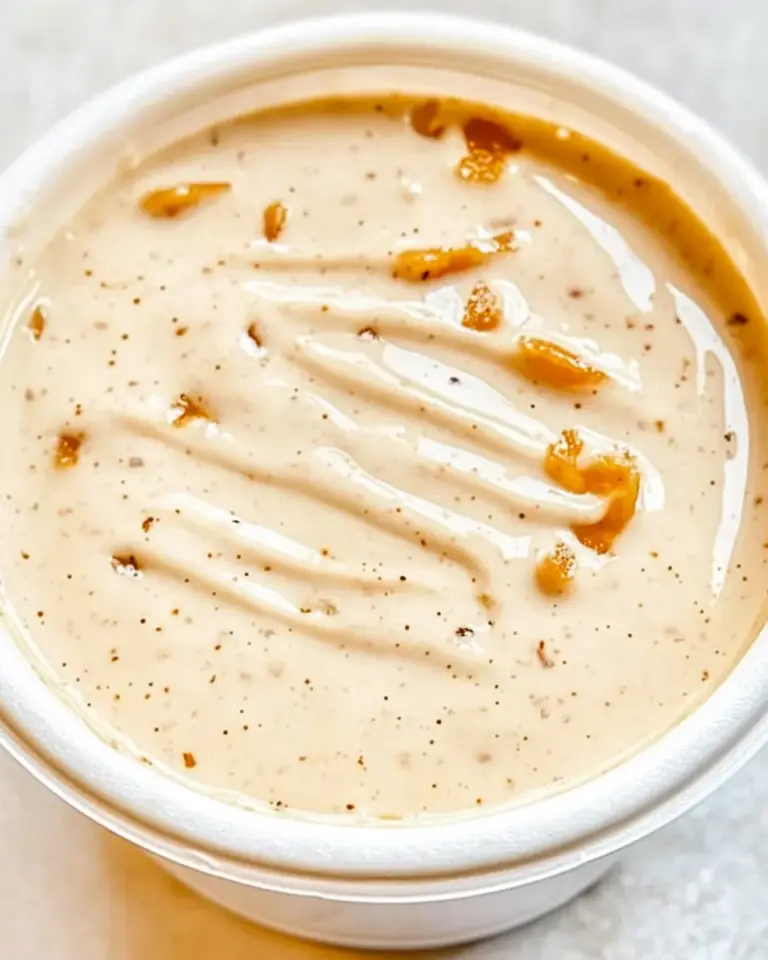
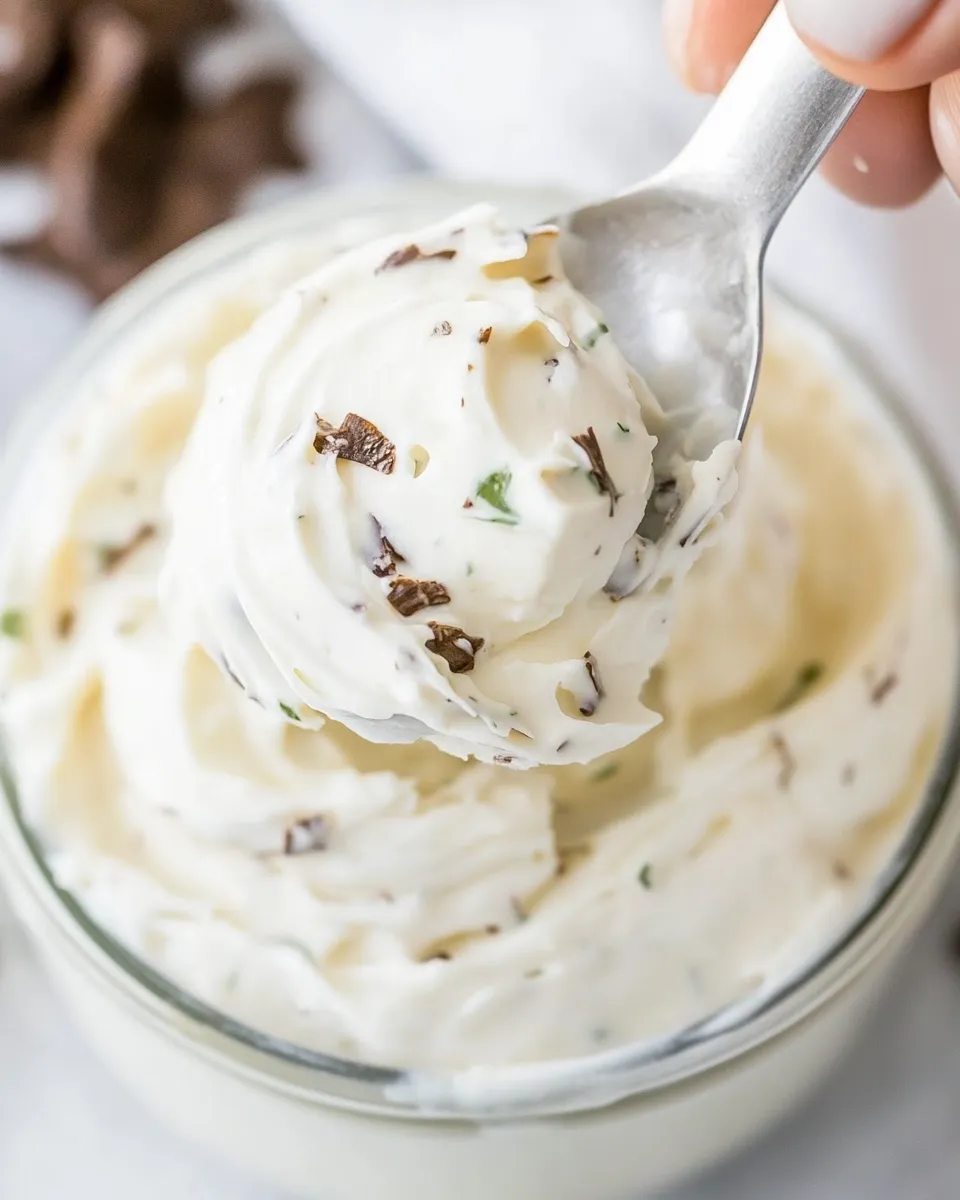
Truffle butter is one of those small luxuries that transforms a simple dish into something memorable. It slips into warm pasta, melts over roasted vegetables, shines on grilled steak, and takes plain toast into a quiet celebration. This recipe is direct: real butter whipped until light, truffle peelings and oil stirred in, chives for brightness, and salt and pepper to taste.
I write recipes that I actually cook, so you’ll get straightforward technique and practical tips you can use the first time through. There’s no need for elaborate equipment or multiple stages — just attention to temperature, a good whisking, and careful seasoning. The result is an intensely aromatic compound butter ready to elevate weeknight dinners or holiday spreads.
Below you’ll find ingredient notes, a step-by-step build of the butter, storage instructions, seasonal variations, and answers to the questions people ask most often. If you want to make this butter ahead or freeze portions, I tell you exactly how. Let’s get into it.
Ingredient Notes
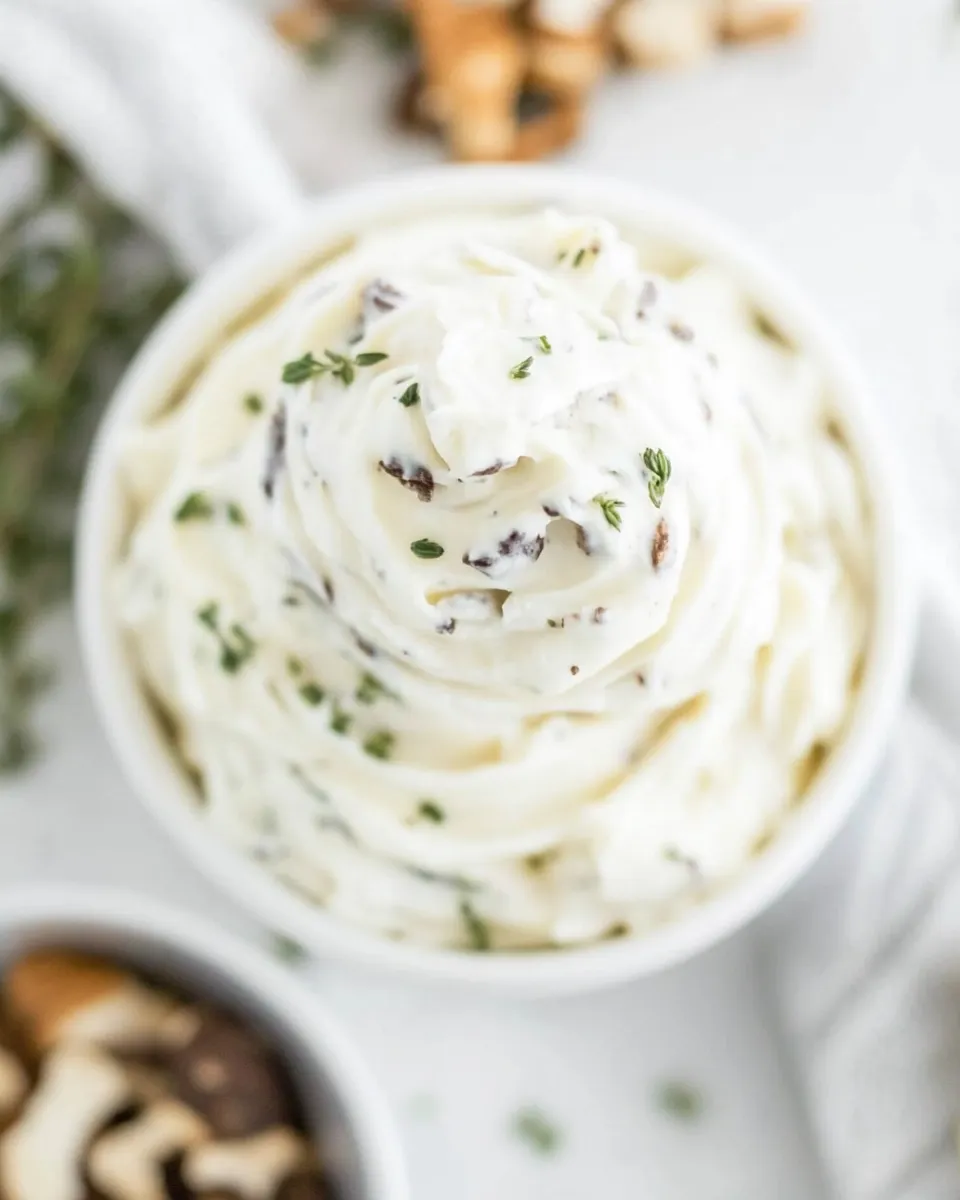
Before you start, understand the role of each ingredient. The butter is the canvas. The truffle elements deliver the signature earthy, musky perfume. Chives add a fresh, oniony lift so the butter doesn’t feel one-note. Salt and pepper sharpen the flavors and bring everything into balance. Keep the proportion of truffle to butter modest — truffle is potent, and a little goes a long way.
Ingredients
- 1 pound softened unsalted butter — the base; softened to room temperature so it whips light without melting.
- 2 tablespoons finely chopped black truffle peelings — provide the concentrated truffle texture and deep aroma.
- 2 ounces white truffle oil — adds heady truffle aroma and helps disperse flavor through the butter.
- 2 tablespoons thinly sliced fresh chives — brightens and lifts the richness with a mild onion note.
- sea salt and pepper to taste — essential for balance; add gradually and taste as you go.
From Start to Finish: Truffle Butter Recipe
- Ensure the 1 pound unsalted butter is softened to room temperature (soft but not melted); place it in the bowl of a stand mixer fitted with the paddle attachment.
- Beat the butter on high speed for 5–7 minutes, until it becomes light and fluffy and has noticeably increased in volume.
- Add 2 tablespoons finely chopped black truffle peelings, 2 ounces white truffle oil, 2 tablespoons thinly sliced fresh chives, and a small amount of sea salt and freshly ground black pepper.
- Mix on low speed for 1–2 minutes, stopping once to scrape down the bowl and paddle, until the truffle peelings, oil, and chives are evenly incorporated into the butter.
- Taste and adjust seasoning by adding additional sea salt and pepper a little at a time, mixing briefly after each addition until you reach the desired flavor.
- Transfer the truffle butter to a container or place it on plastic wrap and shape into a log; smooth the surface.
- Chill in the refrigerator until firm before serving. Use immediately or store chilled (or freeze for longer storage).
Why Cooks Rave About It
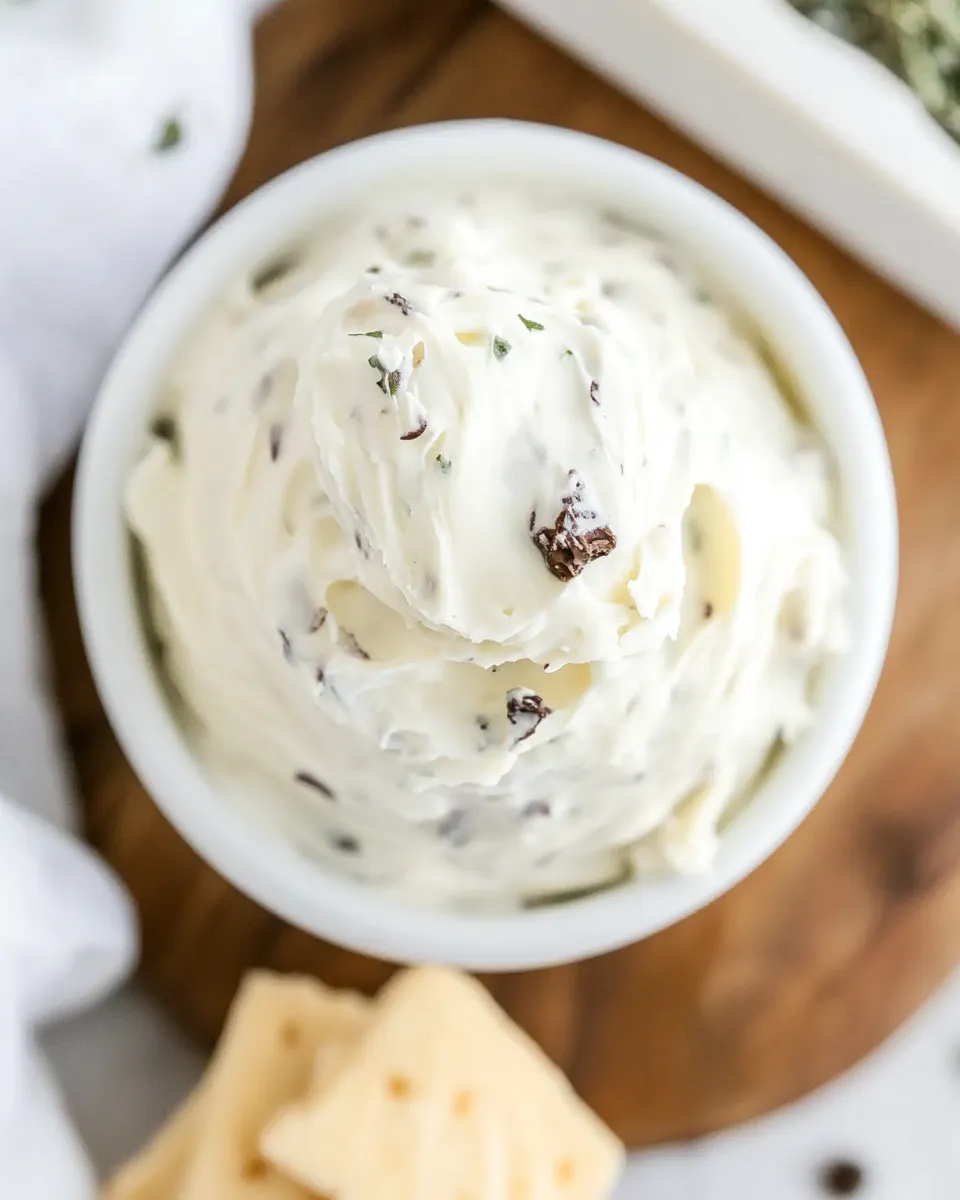
Truffle butter works because it concentrates an intense aroma into a familiar, spreadable format. Butter carries fat-soluble flavors exceptionally well. When you whip butter until it’s airy, it softens the feel and makes the truffle aroma more immediate on the palate. A little truffle goes a long way; this formula gives a clear truffle presence without overpowering whatever it accompanies.
It’s versatile. A dollop over roasted potatoes or a tossed bowl of hot pasta creates a silky, aromatic sauce with almost no effort. Spread on sourdough before grilling, it crisps and releases fragrance. That combination of instant indulgence and easy execution is what keeps cooks coming back to this recipe.
Vegan & Vegetarian Swaps
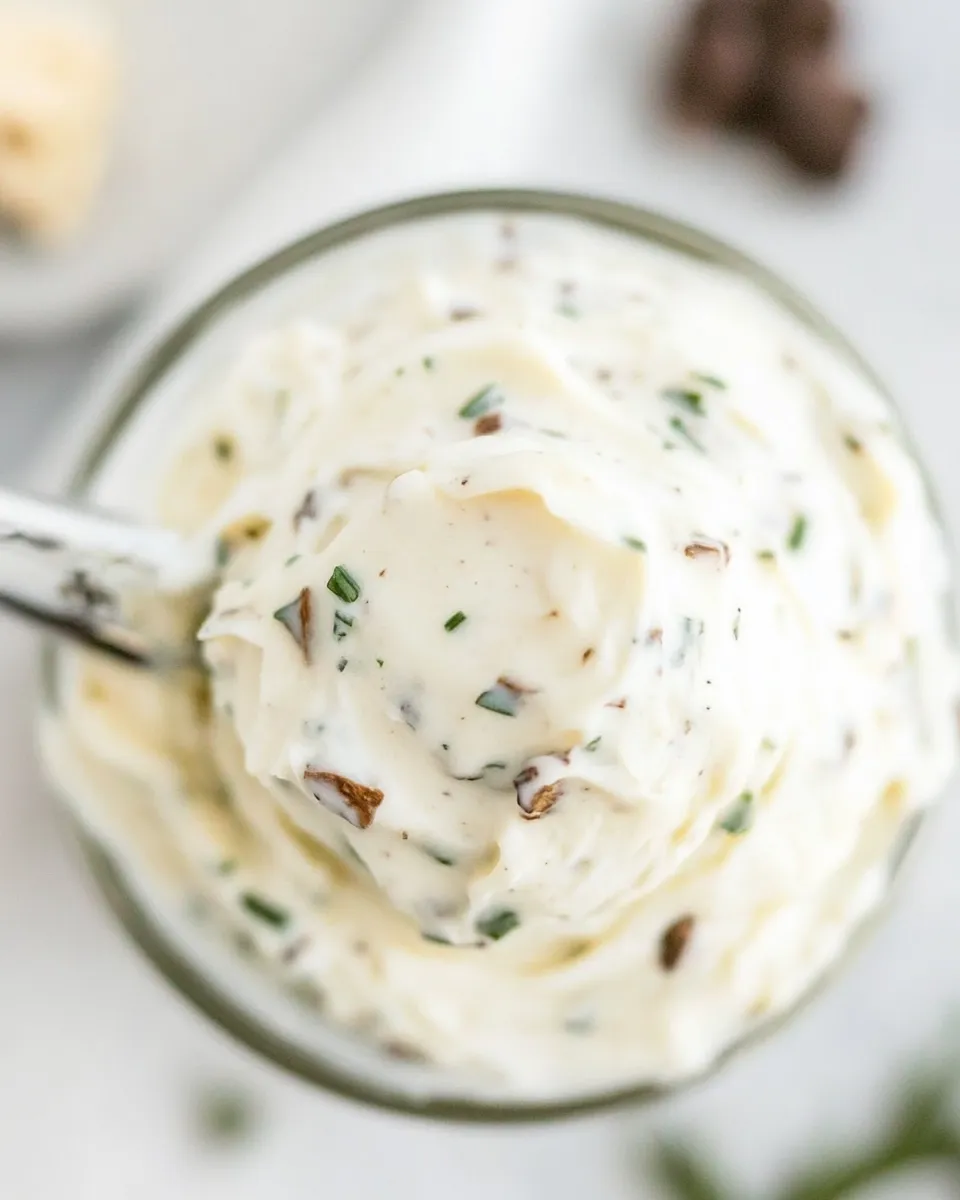
If you need a dairy-free version, think in terms of structure and function rather than exact substitutes. The recipe relies on a firm, spreadable fat as the vehicle for carrying the truffle aroma and for melting behavior when heated. Choose a plant-derived block-style spread that is firm at room temperature and filigree in mouthfeel when whipped. For chive-like brightness, use thinly sliced green onion tops or another mild allium you prefer.
For vegetarian eaters who avoid certain animal products, this recipe is already suitable in spirit — the truffle elements are fungi-derived — but ensure any oil you use matches your preferences. When experimenting with substitutes, add them gradually, and taste often: truffle flavors concentrate differently in alternative fats.
Essential Tools for Success
- Stand mixer with a paddle attachment — for consistent whipping and volume.
- Bowl scraper or spatula — to bring any trapped butter down and ensure even mixing.
- Sharp knife and cutting board — for finely chopping the truffle peelings and slicing chives thinly.
- Plastic wrap or parchment and a small container — for shaping into a log or storing chilled butter.
- Measuring spoons and a kitchen scale — to keep proportions consistent, especially with potent ingredients like truffle oil.
Slip-Ups to Skip
- Using butter that’s too warm. If it’s melted, you won’t achieve the airy, whipped texture; if it’s too cold, it won’t whip properly. Aim for soft but holding shape.
- Overdoing the truffle oil. It’s tempting to chase more aroma, but white truffle oil can dominate quickly and taste synthetic at high doses. Start with the specified 2 ounces and add cautiously if needed.
- Skipping the scrape. Stopping once to scrape the bowl and paddle ensures an even mix. Miss that step and you’ll have pockets of concentrated truffle or chives.
- Too much salt too early. Salt amplifies truffle but can also mask subtleties. Add a small amount, taste, and then increase incrementally.
- Storing at room temperature for long periods. Truffle oil and peelings are delicate; keep the butter chilled to preserve aroma and safety.
Variations by Season
Spring: Keep the profile bright. Add more chives or a finer dice of fresh green herbs that bloom in spring. The butter works beautifully on asparagus and new potatoes.
Summer: Use this butter sparingly on grilled corn, tomatoes that are barely warm, or grilled fish. The truffle aroma pairs surprisingly well with sweet, sun-ripened produce when used as a finishing touch.
Autumn: Lean into the earthiness of fall. Serve melted over roasted mushrooms, root vegetables, or a simple risotto. The pairing with roasted, caramelized flavors feels very natural.
Winter: This is show-off season. Serve slices on top of steak, lamb, or roasted winter squash. The warmth brings forward the truffle perfume and makes the butter feel indulgent and luxurious.
Chef’s Rationale
The method is purposefully simple. Whipping the butter at high speed for 5–7 minutes introduces air, softens texture, and increases perceived volume so the truffle elements are more evenly felt without increasing overall fat content. Adding the truffle peelings and oil after whipping prevents them from being overworked and losing volatility.
Salt is added at the end because it is the variable that changes the most between palates and dishes. The small additions and tasting steps ensure the final product harmonizes with how you intend to use it — whether as a bold topping for steak or a delicate finish for pasta.
Keep-It-Fresh Plan
Short term: Store the truffle butter tightly covered in the refrigerator. Properly chilled, it will keep for one to two weeks while maintaining texture and aroma. Keep it in an airtight container to avoid absorbing other fridge smells.
Long term: Freeze the butter for longer storage. Shape into a log, wrap tightly in plastic wrap and then foil, and label with the date. Frozen, it will keep several months. Thaw in the refrigerator before slicing and serving; avoid microwave thawing as it can separate the fat and change the texture.
Serving tip: If you plan to use the butter as a finishing touch, slice straight from chilled or just-take-it-out-of-the-fridge and place on hot food — the residual heat melts it fast and releases aroma. If spreading on bread, let it sit at room temperature for a few minutes so it’s spreadable but still cool.
Reader Q&A
Q: Can I make this by hand without a stand mixer?
A: Yes. Use a large bowl and a sturdy wooden spoon or a handheld whisk. You’ll need to work a little longer to build volume; patience pays off. Whip until noticeably lighter in color and texture.
Q: My truffle oil tastes artificial. What should I do?
A: Some truffle oils can be strong or synthetic in aroma. Start with a small amount, then taste and decide. If you find the oil aggressive, reduce its use and let the truffle peelings provide more of the authentic flavor.
Q: How do I adjust for stronger truffle punch?
A: Increase the finely chopped truffle peelings slightly rather than pouring in more oil. The peelings give authentic texture and aroma without the flat, sometimes cloying edge of excess oil.
Q: Can I omit the chives?
A: Yes, but chives add a light, fresh counterpoint that keeps the butter from feeling heavy. If you omit them, consider a tiny pinch of another fresh herb for lift.
Next Steps
Make a batch this week and test it two ways: one, spread on toasted country bread for breakfast; two, place a slice on piping-hot pasta or roasted vegetables at dinner. Note the differences in how the truffle aroma behaves across temperatures and textures. Keep a small jar in the fridge for the week and freeze the rest in single-serving slices — it makes future meals feel celebratory with minimal effort.
If you like, experiment with the truffle proportion very cautiously. The beauty of this recipe is how forgiving it is: slight adjustments yield different profiles without breaking the structure. Enjoy the ritual of tasting and tuning. Small, intentional changes are how you make a recipe your own.

Truffle Butter Recipe
Ingredients
Ingredients
- 1 poundsoftened unsalted butter
- 2 tablespoonsfinely chopped black truffle peelings
- 2 ounceswhite truffle oil
- 2 tablespoonsthinly sliced fresh chives
- sea salt and pepper to taste
Instructions
Instructions
- Ensure the 1 pound unsalted butter is softened to room temperature (soft but not melted); place it in the bowl of a stand mixer fitted with the paddle attachment.
- Beat the butter on high speed for 5–7 minutes, until it becomes light and fluffy and has noticeably increased in volume.
- Add 2 tablespoons finely chopped black truffle peelings, 2 ounces white truffle oil, 2 tablespoons thinly sliced fresh chives, and a small amount of sea salt and freshly ground black pepper.
- Mix on low speed for 1–2 minutes, stopping once to scrape down the bowl and paddle, until the truffle peelings, oil, and chives are evenly incorporated into the butter.
- Taste and adjust seasoning by adding additional sea salt and pepper a little at a time, mixing briefly after each addition until you reach the desired flavor.
- Transfer the truffle butter to a container or place it on plastic wrap and shape into a log; smooth the surface.
- Chill in the refrigerator until firm before serving. Use immediately or store chilled (or freeze for longer storage).
Equipment
- stand mixer with paddle attachment
- Mixing Bowl
- Spatula
- Plastic Wrap
- Container
- Refrigerator
Notes
Make-Ahead:
You can make this up to 5 days ahead of time. Keep it in the refrigerator or freezer until you are ready to use it.
How to Store:
Cover and keep in the refrigerator for 7 days. Cover and freeze for up to 6 months.
You can
use this butter directly from the freezer in whatever you want to use it in.
Add
acids
like citrus juice or vinegar to enhance the flavor.
You can
use other fresh herbs such as parsley, oregano, basil, thyme, chervil, or rosemary.
I prefer
if the truffle oil is olive oil based.