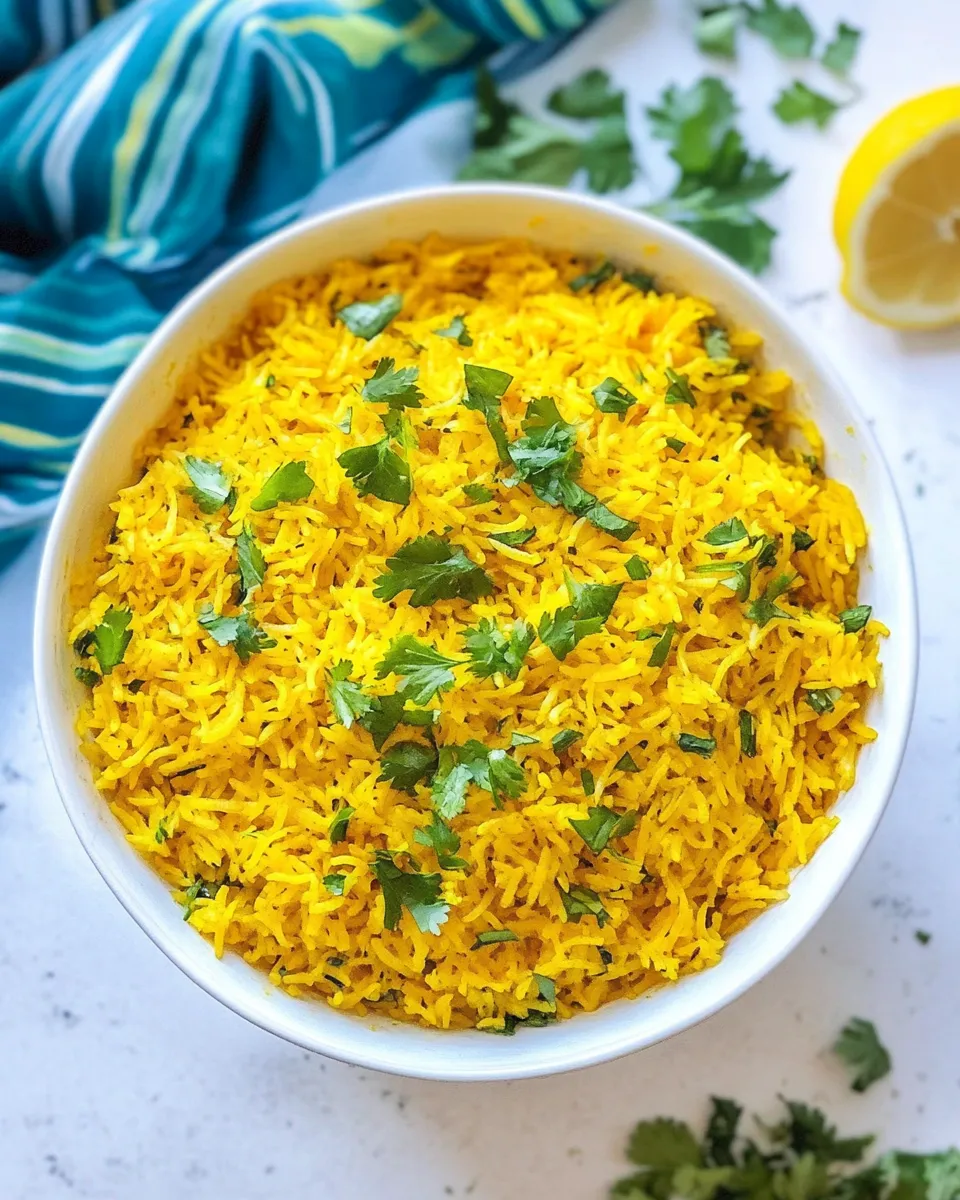
This turmeric rice is the kind of side dish I reach for when I want something bright, comforting, and utterly uncomplicated. The color alone lifts the plate, and the aroma of sautéed onion and garlic carries through the kitchen as it cooks. It pairs beautifully with grilled fish, roasted vegetables, or a saucy curry.
I like recipes that rely on one or two standout ingredients to do the heavy lifting. Here, turmeric gives the rice its warm color and an earthy, slightly bitter note, while butter and olive oil create a savory base that keeps the grains tender and coated. The method is straightforward and forgiving, which makes this a weekday favorite.
Below you’ll find a clear shopping list, step-by-step directions (kept exactly as written), useful substitutions, and practical storage and reheating tips. Read through once, then follow the steps — the result is dependable, fragrant, and quick enough for a weeknight.
Ingredients
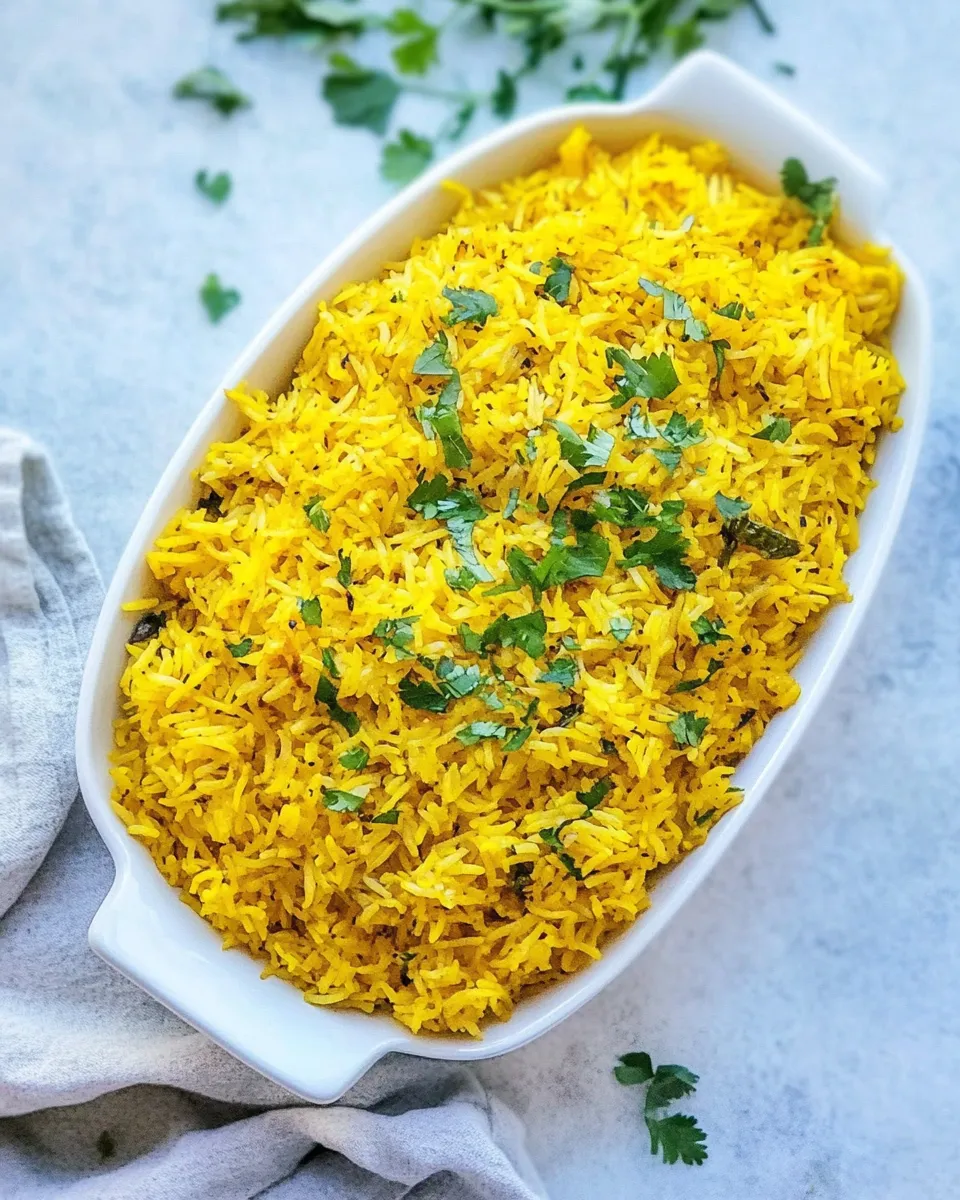
- 1tablespoonbutter — adds richness and helps carry flavor.
- 1tablespoonolive oil — raises the smoke point and balances the butter.
- 1/4cuponionfinely diced — sweetens as it softens; dice small for even cooking.
- 4clovesgarlicminced — fragrant backbone; add when the onion is softened.
- 1cupjasmine ricerinsed — jasmine lends a floral aroma; rinsing removes excess starch.
- 1 and 1/2cupschicken brothlow sodium — for cooking the rice; low-sodium lets you control seasoning.
- 1bay leafdried — subtle savory note; remove before serving.
- saltto taste — seasoning final balance; add gradually and taste.
- pepperto taste — a light grind brightens the finish.
- 1 and 1/2teaspoonturmeric — the star spice; gives color and mild earthiness.
Your Shopping Guide
When you shop for ingredients for Turmeric Rice, focus on quality for the few items that carry most of the flavor. Good jasmine rice will give you the right aroma and texture. Buy a small jar of turmeric you’ll use across multiple dishes; it keeps well in a cool, dark place. If possible, choose low-sodium chicken broth you actually like on its own — it makes a noticeable difference here.
If you prefer vegetarian options, pick a flavorful vegetable stock labeled low sodium. The butter and olive oil are flexible: use salted butter if you like a slightly richer, more seasoned result, but reduce added salt accordingly. For the onion and garlic, fresh is best. Avoid pre-chopped garlic in jars if you can; minced fresh garlic gives a cleaner, brighter flavor.
Turmeric Rice Made Stepwise
- Place 1 cup jasmine rice in a fine-mesh sieve and rinse under cold running water until the water runs clear; drain well.
- In a medium saucepan over medium heat add 1 tablespoon olive oil and 1 tablespoon butter.
- When the butter has melted, add 1/4 cup finely diced onion and 4 cloves minced garlic; sauté until the onion is softened and the garlic is fragrant.
- Add the rinsed rice and 1 and 1/2 teaspoons turmeric to the pan; stir to coat the rice and combine.
- Pour in 1 and 1/2 cups low-sodium chicken broth and add 1 dried bay leaf. Season with salt and pepper to taste. Increase heat and bring the mixture to a boil, uncovered.
- Once boiling, reduce the heat to low, cover the pan, and simmer for 15–20 minutes, or until the liquid is absorbed and the rice is tender.
- Remove the pan from heat and let it sit, covered, for 5 minutes.
- Remove and discard the bay leaf, fluff the rice with a fork, taste and adjust salt and pepper if needed, then serve.
Why It Deserves a Spot
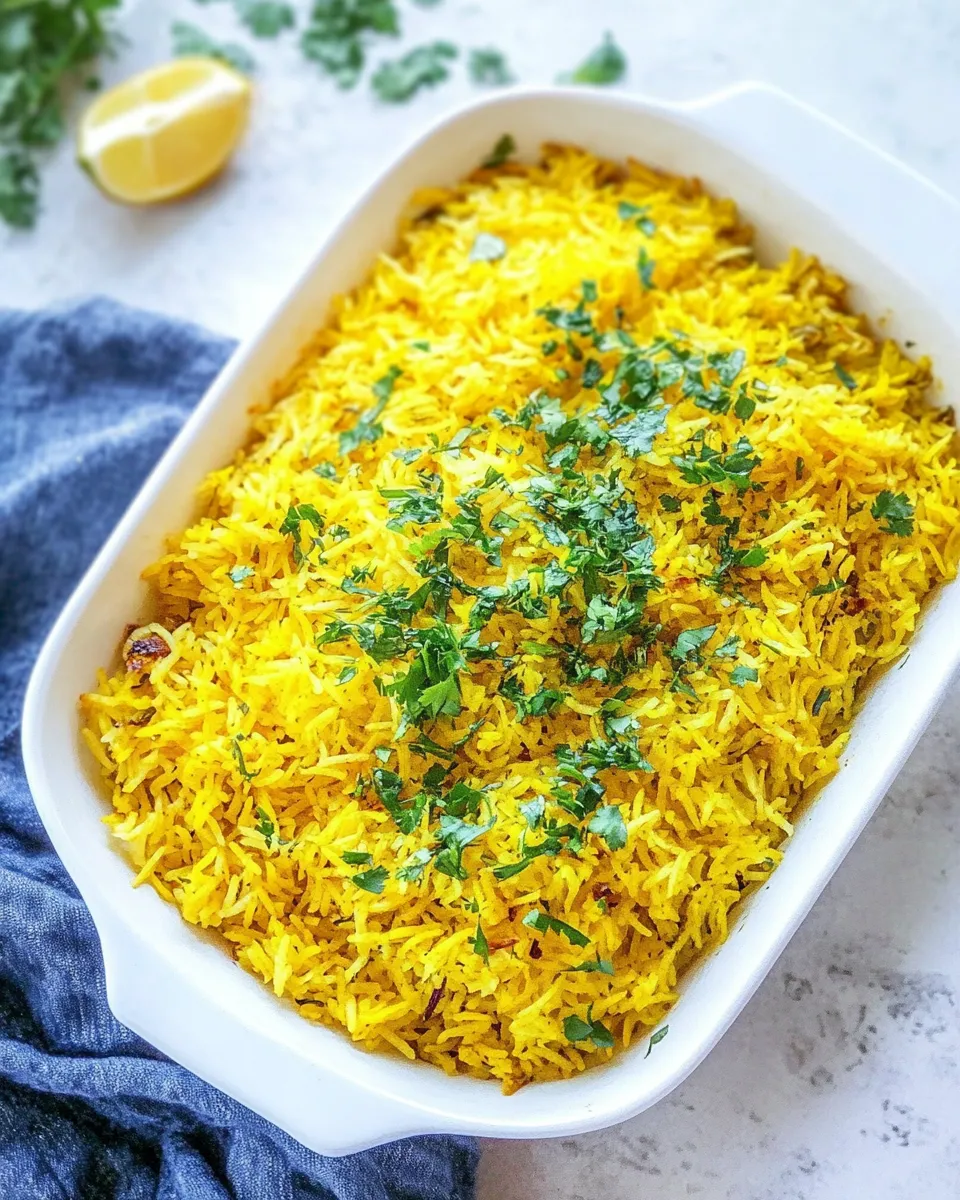
This dish is a tiny bit of theater with a big payoff. The color is inviting and signals the turmeric’s presence without being overpowering. It’s a reliable side that elevates simple proteins and makes weeknight meals feel intentional.
Beyond looks, it’s versatile. Serve it with lemony fish, roasted chicken, or a hearty stew. It stretches well for a few meals and reheats without collapsing into mush if you follow the storage tips below. In short: minimal ingredients, minimal fuss, consistent results.
Substitutions by Category
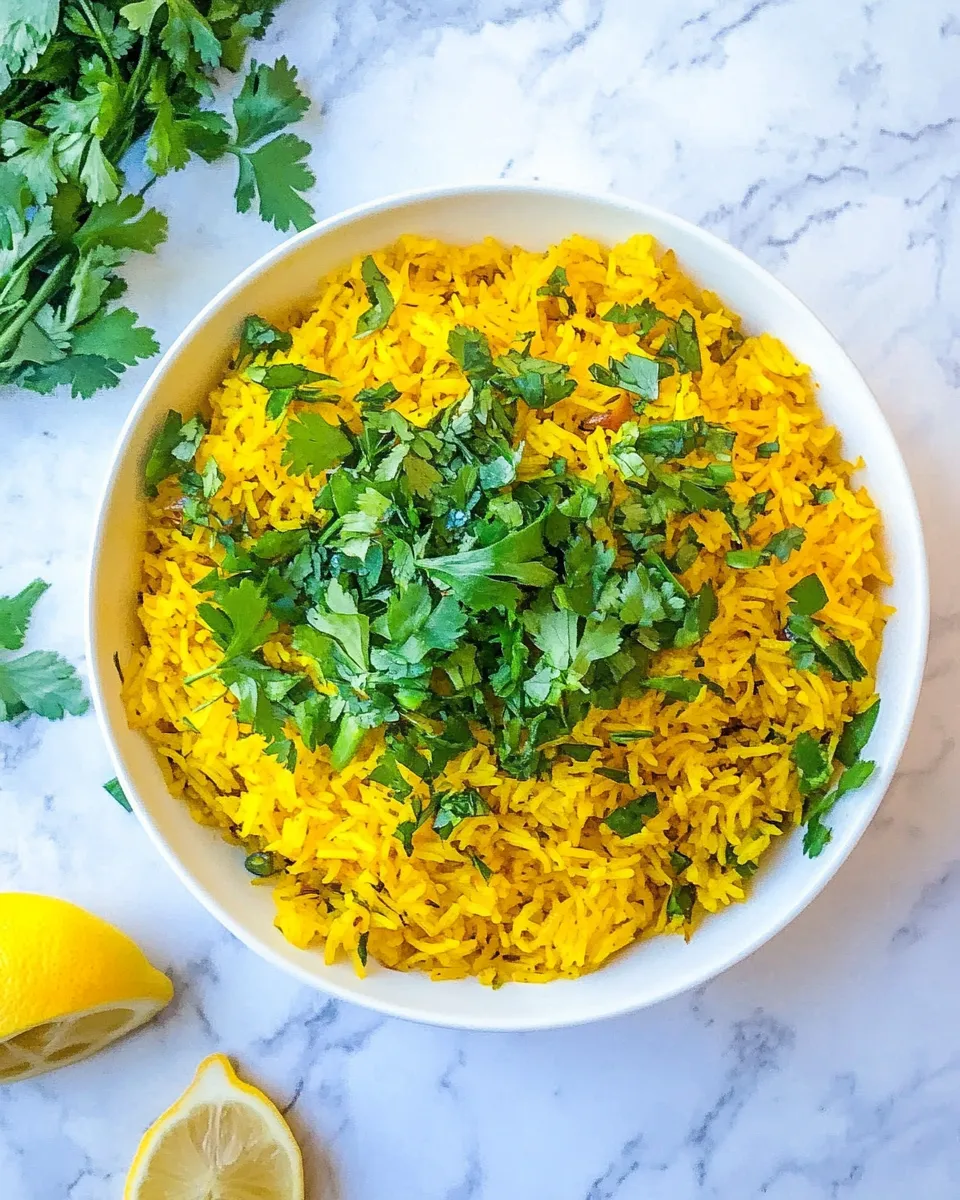
- Rice: Substitute basmati for a nuttier, longer-grain profile; adjust liquid slightly if needed.
- Broth: Use unsalted vegetable broth to make it vegetarian; taste and add salt as required.
- Fats: Swap the butter for ghee for a nuttier depth, or use all olive oil for a dairy-free option.
- Spices: Add 1/4 teaspoon ground cumin or a pinch of cinnamon for warm, aromatic variation.
- Onion/Garlic: Use shallot instead of onion for a milder, slightly sweeter flavor.
Prep & Cook Tools
Use tools that make the straightforward technique even easier. A medium saucepan with a tight-fitting lid prevents steam loss. A fine-mesh sieve is essential to rinse the rice until the water runs clear. A wooden spoon or heatproof spatula helps stir the rice without crushing grains. A fork is best for fluffing at the end.
- Medium saucepan with lid — even simmer and minimal evaporation.
- Fine-mesh sieve — rinse jasmine rice until water runs clear.
- Measuring cups and spoons — keep liquid-to-rice ratios accurate.
- Wooden spoon or spatula — gentle stirring.
- Fork — fluff the rice before serving.
Don’t Do This
Don’t skip rinsing the rice. Rinsing removes excess surface starch that would otherwise make the rice gummy. Don’t lift the lid while it simmers; losing steam changes the cooking time and texture. And avoid stirring the rice once it’s simmering — stirring releases starch and can make the grains clump.
Seasonal Flavor Boosts
Small additions can bring seasonal brightness. In spring, fold in chopped fresh parsley and a squeeze of lemon after fluffing. Summer calls for fresh herbs like cilantro and a scattering of toasted pine nuts. In fall, toss in a handful of caramelized onions and toasted pumpkin seeds for texture. Winter pairs well with a pinch of warm spices like cinnamon or a few saffron threads steeped in the broth for an extra-luxurious aroma.
Method to the Madness
The technique is simple but purposeful: toast aromatics, coat the grains, then use the right liquid ratio and gentle heat to produce separated, tender rice. Toasting the onion and garlic first pulls out their sweetness and creates a flavor base that permeates the rice. Adding the turmeric directly to the pan before the liquid helps the spice bloom, meaning its color and flavor distribute evenly through the grains.
Bring the mixture to a full boil uncovered so the temperature is high enough to start the cooking immediately. Once it’s boiling, reduce to low and cover to trap steam. The low-simmer, enclosed environment allows the rice to absorb the broth evenly. The five-minute rest off the heat finishes the process; it lets the steam continue to gently finish any undercooked centers and firms the grains slightly for better texture.
Storage & Reheat Guide
Cool leftover Turmeric Rice quickly to keep it safe and to preserve texture. Spread it on a baking sheet or shallow container, let it cool to room temperature no longer than an hour, then transfer to an airtight container and refrigerate. It will keep 3–4 days in the fridge.
To reheat, add a splash of water or broth to loosen the grains and cover. Reheat over low heat on the stovetop, stirring occasionally, until warmed through. Alternatively, microwave in short bursts, stirring between intervals and adding a teaspoon or two of water as needed to prevent drying. For a quick fried rice, heat a skillet with a little oil, add the cold rice and toss on high heat until heated and slightly crisped.
Common Questions
Can I use brown rice? Yes, but brown rice requires more liquid and a longer cooking time. Follow the package directions for liquid ratio and simmer time, and consider increasing broth by at least 1/2 cup and extending simmer time until tender.
Will turmeric stain my pan or hands? It can leave a yellow tint on porous surfaces and light countertops. Stainless steel and glass are fine; wipe any spills promptly. If your hands get stained, a little lemon juice and scrubbing will fade the color.
How do I make this vegan? Swap the chicken broth for a flavorful low-sodium vegetable broth and use olive oil instead of butter. Taste and season before serving.
Can I make this ahead? Yes. Cook the rice, cool it quickly, and refrigerate. Reheat gently covered with a splash of water or broth. For events, keep it warm in a covered dish and stir occasionally to prevent the surface from drying.
Save & Share
If this Turmeric Rice makes it into your weekly rotation, pin or bookmark the recipe so you can find it fast. It’s one of those versatile recipes that adapts to pantry odds and ends. Share a photo with a brief note about what you served it with — friends will appreciate a straightforward, colorful side they can replicate quickly.
Want to tweak it? Try finishing with a drizzle of olive oil and a handful of chopped herbs for contrast. If you make a variation you love, leave a comment where you save this recipe so others can try your twist.

Turmeric Rice Recipe
Ingredients
Ingredients
- 1 tablespoonbutter
- 1 tablespoonolive oil
- 1/4 cuponionfinely diced
- 4 clovesgarlicminced
- 1 cupjasmine ricerinsed
- 1 and 1/2 cupschicken brothlow sodium
- 1 bay leafdried
- saltto taste
- pepperto taste
- 1 and 1/2 teaspoonturmeric
Instructions
Instructions
- Place 1 cup jasmine rice in a fine-mesh sieve and rinse under cold running water until the water runs clear; drain well.
- In a medium saucepan over medium heat add 1 tablespoon olive oil and 1 tablespoon butter.
- When the butter has melted, add 1/4 cup finely diced onion and 4 cloves minced garlic; sauté until the onion is softened and the garlic is fragrant.
- Add the rinsed rice and 1 and 1/2 teaspoons turmeric to the pan; stir to coat the rice and combine.
- Pour in 1 and 1/2 cups low-sodium chicken broth and add 1 dried bay leaf. Season with salt and pepper to taste. Increase heat and bring the mixture to a boil, uncovered.
- Once boiling, reduce the heat to low, cover the pan, and simmer for 15–20 minutes, or until the liquid is absorbed and the rice is tender.
- Remove the pan from heat and let it sit, covered, for 5 minutes.
- Remove and discard the bay leaf, fluff the rice with a fork, taste and adjust salt and pepper if needed, then serve.
Equipment
- Fine Mesh Sieve
- Medium Saucepan
- Fork