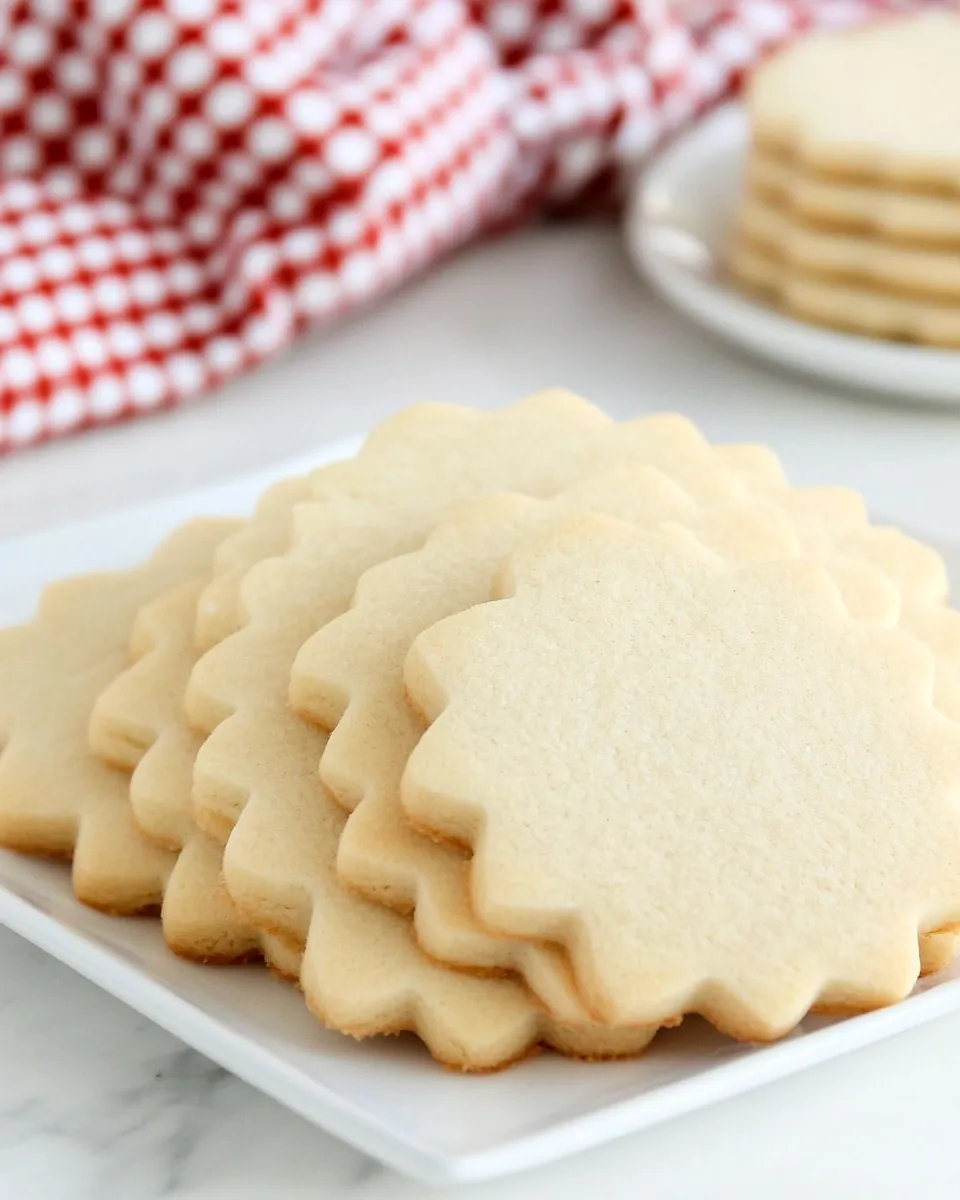
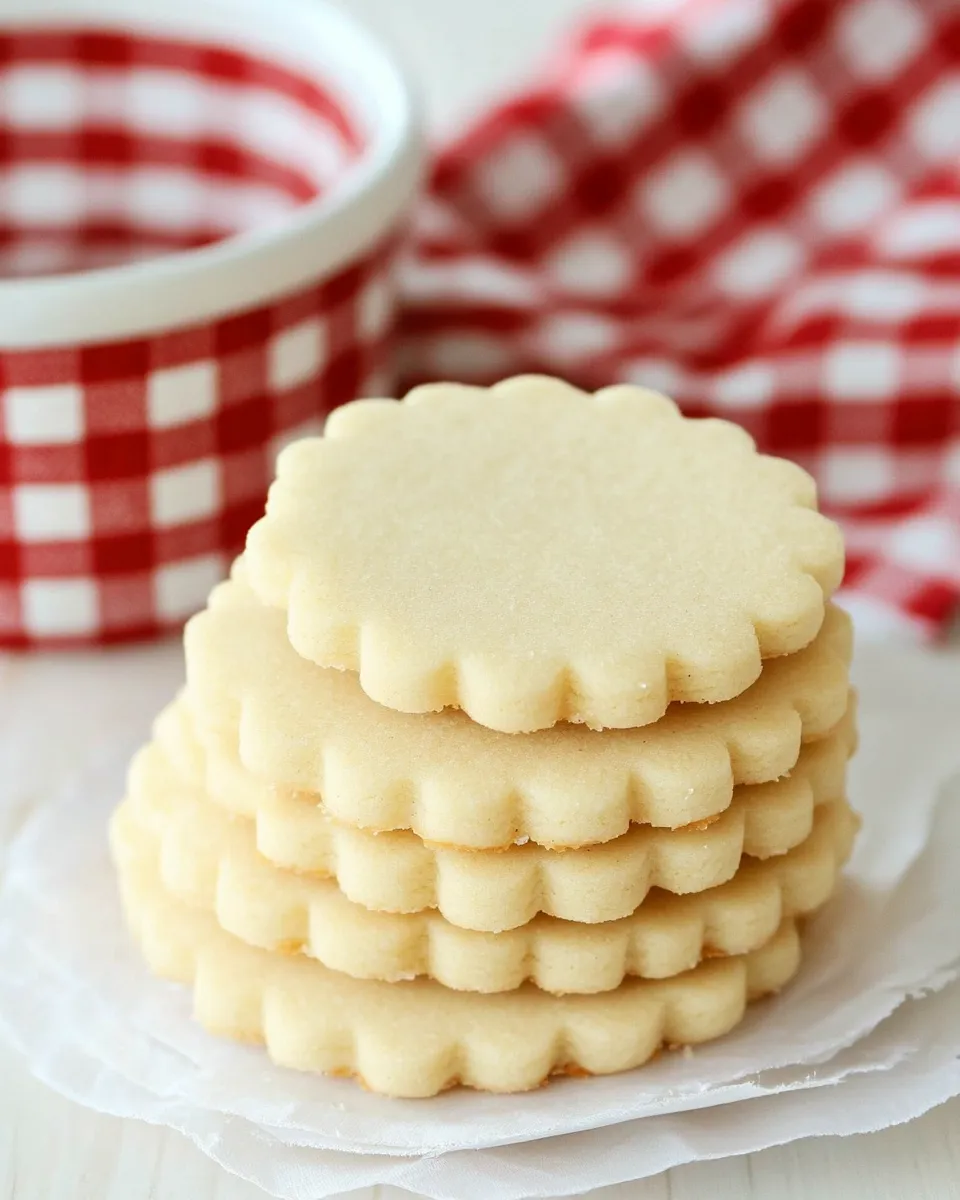
These are the slip-on-your-apron, roll-out-the-dough sugar cookies everyone will ask you to bring back. Crisp at the edges, tender through the middle, and pure vanilla in every bite — they hold shape perfectly for cutters and royal icing, and they keep well for gifting. I rely on this recipe when I want consistent cookies with clean edges.
There’s a straightforward chemistry here: flour for structure, butter for flavor and mouthfeel, a touch of corn syrup to help them stay tender and hold their shape, and a single egg to bind. The steps are intentional and forgiving if you follow timing and temperature notes. I’ll walk you through the essentials, tools that make the job easier, common mistakes to avoid, and how to store and freeze these cookies so you can bake ahead.
Below you’ll find the ingredients, exact directions, and practical notes from my test kitchen. No fluff — just the things that matter when you’re rolling, cutting, and decorating.
What Goes In
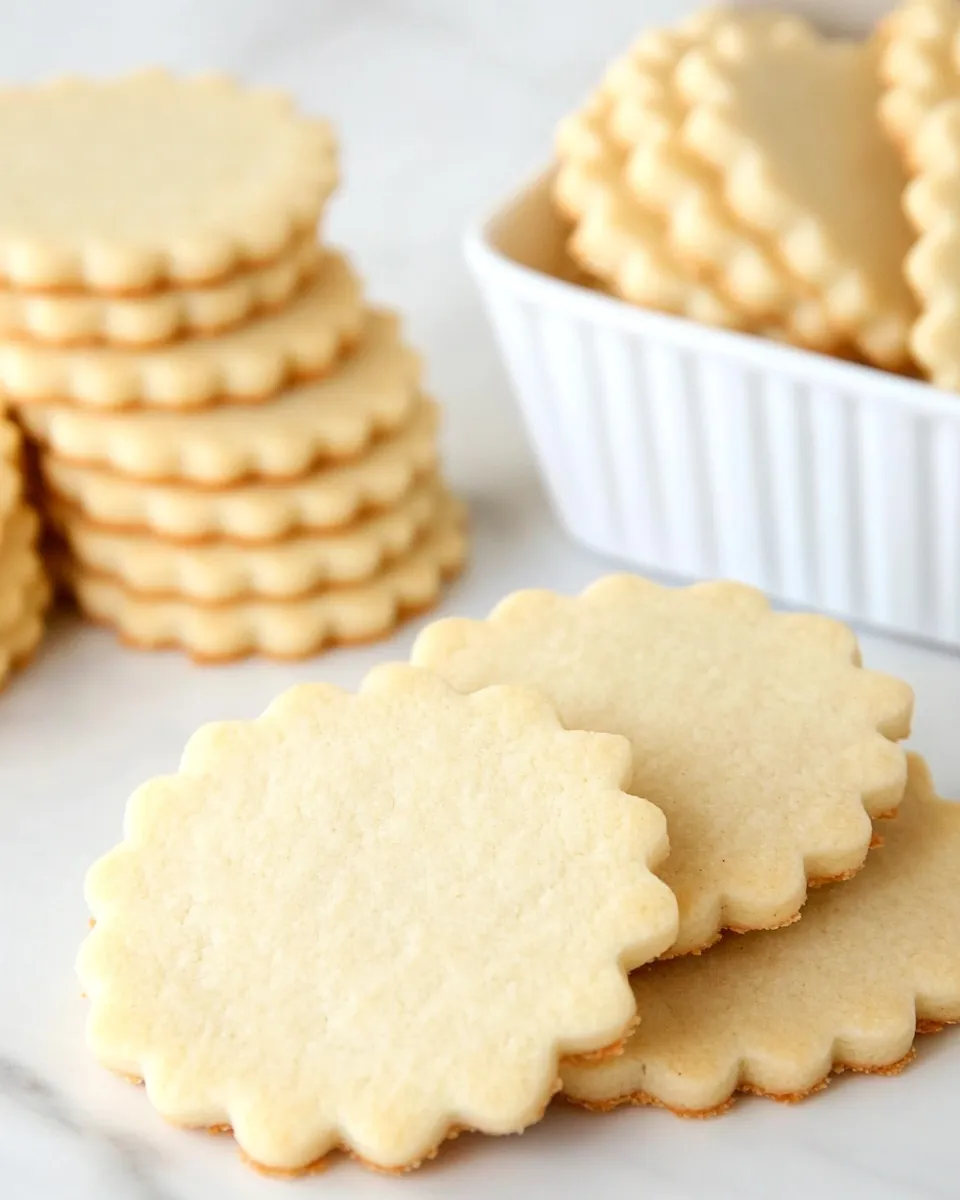
Ingredients
- 4 cups all purpose flour — the base; gives structure and helps cookies hold their cutout shape.
- 1 teaspoon baking powder — a little lift so cookies don’t turn out flat and dense.
- ½ teaspoon salt — balances sweetness and rounds the flavor.
- 1 cup (2 sticks) salted butter (no substitutes) — primary fat and flavor; use exactly salted butter as specified.
- 1 cup granulated white sugar — sweetens and contributes to crisping at the edges.
- ⅔ cup light corn syrup — keeps cookies tender and helps the dough roll smoothly.
- 1 tablespoon vanilla extract — the star flavor here; use pure vanilla for best results.
- 1 large egg, beaten — binds the dough and adds richness.
Directions: Vanilla Cut Out Cookies
- In a medium bowl, whisk together 4 cups all-purpose flour, 1 teaspoon baking powder, and ½ teaspoon salt; set aside.
- In a small saucepan, combine 1 cup (2 sticks) salted butter, 1 cup granulated sugar, and ⅔ cup light corn syrup. Cook and stir over medium heat until the butter is melted and the sugar is dissolved. Do not overheat.
- Pour the butter mixture into a large mixing bowl. Stir in 1 tablespoon vanilla extract. Let the mixture cool about 20 minutes, until it is warm to the touch but not hot (so it will not cook the egg).
- Add the 1 large beaten egg to the cooled mixture and mix until well combined.
- Add the flour mixture to the wet mixture and stir until a cohesive dough forms.
- Divide the dough in half, wrap each half in plastic wrap, and flatten each into a disk. Chill for at least 2 hours. (If chilled overnight, let the dough stand 5 to 10 minutes at room temperature before rolling.)
- On a lightly floured surface, roll one dough disk to 1/8-inch thickness. Keep the other disk chilled until ready to roll.
- Cut shapes with floured cookie cutters or a sharp knife. Place the cutouts 1 inch apart on an ungreased cookie sheet.
- Preheat the oven to 375°F (if not already preheated). Bake the cookies 8 to 10 minutes, or until the edges are lightly browned.
- Cool the cookies on the cookie sheet for 1 minute, then transfer them to wire racks to cool completely.
What Makes This Recipe Special
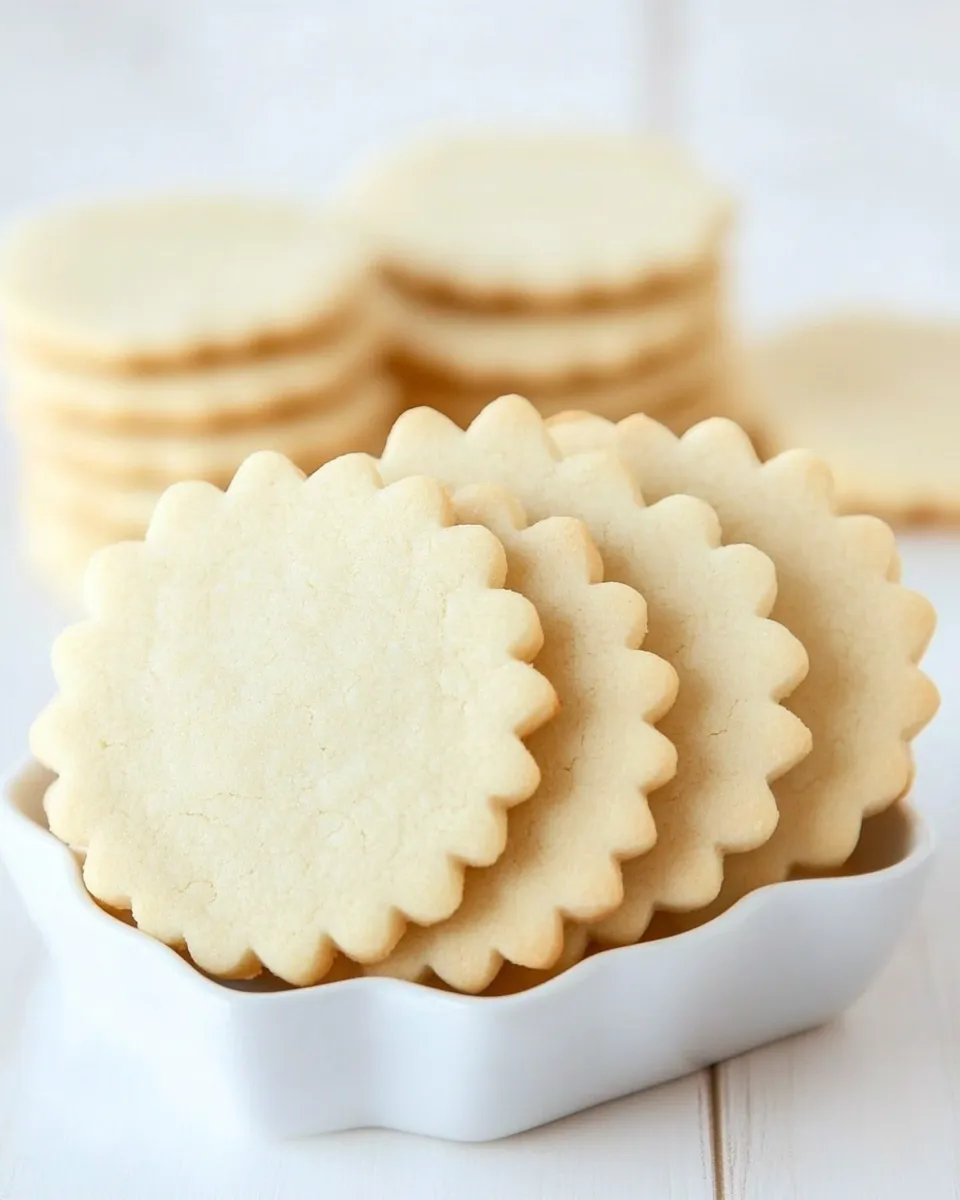
These cookies strike a deliberate balance between hold and tenderness. The corn syrup does the heavy lifting: it keeps the dough pliable, reduces spreading, and yields a cut-out edge that stays crisp without becoming tooth-numbingly hard. The cook-and-cool step with butter and sugar gives the dough a slightly cooked sugar flavor and ensures dissolution without gritty sugar bits.
The method—melting the butter with sugar and corn syrup, then cooling before adding the egg—also improves shelf life and texture. Chilling the dough flat in disks makes rolling easier and lets the fat relax, which minimizes shrinkage while baking. Overall, the result is a cookie that behaves predictably when cut, decorated, and stacked.
Low-Carb/Keto Alternatives
Low-carb swaps will change texture and handling. If you need a keto version, consider these general approaches (no exact quantity conversions here because ingredient substitutions behave differently):
- Replace all-purpose flour with a blend of almond flour and a low-carb binder like coconut flour or a commercial low-carb flour blend, and increase the egg content to provide structure.
- Use a granular erythritol or monk fruit blend in place of granulated sugar; taste and dissolve fully in the butter mixture to avoid grittiness.
- Swap light corn syrup with a low-carb liquid sweetener that mimics viscosity (some commercial sugar-free syrups or a warmed erythritol syrup can work) — expect differences in spread and bite.
These swaps require testing to get rolling thickness and baking time right. Low-carb flours lack gluten, so cookies may be more fragile and won’t brown the same way.
Gear Up: What to Grab
- Medium mixing bowl and large mixing bowl — for dry and wet components.
- Small saucepan — to melt butter with sugar and corn syrup.
- Wire racks — essential for cooling without soggy bottoms.
- Plastic wrap — to flatten dough into disks before chilling.
- Rolling pin and cookie cutters (or a sharp knife) — use a floured rolling pin for smooth rolling.
- Cookie sheets — ungreased, rimmed sheets work best; use parchment if you prefer.
- Measuring cups and spoons — accurate dry and wet measuring prevents texture issues.
- Spatula — for scraping and gentle folding.
What Not to Do
Don’t skip chilling. Rolling warm dough causes tearing, excessive spreading, and warped shapes. Don’t rush the cooling of the butter mixture before adding the egg — a hot mixture will scramble the egg and ruin texture. Avoid overbaking; these cookies go from perfect to dry in a minute or two. Finally, don’t grease the cookie sheet: these cookies are designed to be baked on ungreased sheets for the right base and edge texture.
Make It Year-Round
These cut-out cookies are a blank canvas. For winter holidays, use spices in the dough—cinnamon or cardamom—or swap part of the vanilla for almond extract. Spring and summer are perfect for pale pastel royal icing or a simple glaze of powdered sugar and milk. For fall, add a teaspoon of pumpkin spice to the dough or top with caramel drizzle after baking. You can also sandwich two cookies with jam or chocolate spread for an elegant twist.
To decorate, pipe royal icing for crisp designs, or use a simple powdered sugar glaze for a softer, shiny finish. Sprinkle edible decorations right after icing so they adhere well. Because these cookies hold their shape, layered designs and stencils work especially well.
Chef’s Rationale
I use melted butter and corn syrup intentionally. Melted butter dissolves the sugar and blends more uniformly with the corn syrup, preventing gritty pockets. Corn syrup contributes to chew without excessive spread and helps edges set cleanly.
Texture choices
All-purpose flour is the right middle ground: too little gluten, and cookies fall apart; too much, and they get tough. The single beaten egg adds enough moisture and binding power without making the dough sticky; chilling firms it up so it’s manageable.
Temperature and timing
Controlling temperature is paramount. The recipe’s 20-minute cooling window for the butter mixture and two-hour dough chill are not arbitrary. They stabilize the dough so cutters produce sharp lines and the cookies bake evenly. Baking at 375°F for a short time allows edges to brown without drying the center.
Refrigerate, Freeze, Reheat
Refrigerate: Store baked cookies in an airtight container at room temperature for up to 5 days. If you have icing that needs refrigeration, layer parchment between cookies and keep them chilled but sealed to prevent moisture pickup.
Freeze: You can freeze unbaked dough disks wrapped tightly in plastic wrap for up to 3 months. Thaw in the refrigerator overnight, then let sit 5–10 minutes at room temperature before rolling if chilled overnight originally. Baked cookies also freeze well: arrange in a single layer in a freezer-safe container with parchment between layers for up to 2 months.
Reheat: Gently warm cookies in a 300°F oven for 3–5 minutes to refresh crispness if they soften. Avoid higher heat or longer times, which dry them out.
Vanilla Cut Out Cookies FAQs
- Can I use unsalted butter? — The recipe specifies salted butter (no substitutes) because it accounts for that salt. If you only have unsalted, add ¼ teaspoon salt to match the intended balance.
- My cookies spread too much — what went wrong? — Likely the dough was too warm or not chilled long enough. Also check your baking soda/powder amounts and that your oven temperature is correct.
- How thin should I roll the dough? — Roll to about 1/8-inch thickness for sturdy cutouts that bake evenly.
- Can I freeze the cutouts before baking? — Yes. Flash-freeze them on a tray, then transfer to a bag. Bake from frozen, adding a minute or two to the bake time as needed.
- Why does the recipe use corn syrup? — It keeps the cookies tender, limits spreading during baking, and helps with a smooth dough texture for rolling and cutting.
Ready to Cook?
If you’ve got the ingredients and a few hours for chilling, these cookies are straightforward and reliable. Set up your space: measure dry ingredients first, melt the butter mixture while you prep, then give the dough its mandatory rest. When you pull out the rolled dough, have your cutters floured and a baking plan ready. You’ll end up with clean-edged cookies that take icing and decoration well, and that travel beautifully for gifting.
Make a batch, practice one shape for timing, and you’ll have a dependable cut-out cookie recipe you can use for any occasion. Happy baking — and don’t forget to save a few for yourself.

Vanilla Cut Out Cookies
Ingredients
Ingredients
- 4 cupsall purpose flour
- 1 teaspoonbaking powder
- 1/2 teaspoonsalt
- 1 cup 2 stickssalted butter(no substitutes)
- 1 cupgranulated white sugar
- 2/3 cuplight corn syrup
- 1 tablespoonvanilla extract
- 1 largeegg beaten
Instructions
Instructions
- In a medium bowl, whisk together 4 cups all-purpose flour, 1 teaspoon baking powder, and ½ teaspoon salt; set aside.
- In a small saucepan, combine 1 cup (2 sticks) salted butter, 1 cup granulated sugar, and ⅔ cup light corn syrup. Cook and stir over medium heat until the butter is melted and the sugar is dissolved. Do not overheat.
- Pour the butter mixture into a large mixing bowl. Stir in 1 tablespoon vanilla extract. Let the mixture cool about 20 minutes, until it is warm to the touch but not hot (so it will not cook the egg).
- Add the 1 large beaten egg to the cooled mixture and mix until well combined.
- Add the flour mixture to the wet mixture and stir until a cohesive dough forms.
- Divide the dough in half, wrap each half in plastic wrap, and flatten each into a disk. Chill for at least 2 hours. (If chilled overnight, let the dough stand 5 to 10 minutes at room temperature before rolling.)
- On a lightly floured surface, roll one dough disk to 1/8-inch thickness. Keep the other disk chilled until ready to roll.
- Cut shapes with floured cookie cutters or a sharp knife. Place the cutouts 1 inch apart on an ungreased cookie sheet.
- Preheat the oven to 375°F (if not already preheated). Bake the cookies 8 to 10 minutes, or until the edges are lightly browned.
- Cool the cookies on the cookie sheet for 1 minute, then transfer them to wire racks to cool completely.
Equipment
- Medium Bowl
- Small Saucepan
- Large Mixing Bowl
- Plastic Wrap
- Rolling Pin
- Cookie Cutters
- Cookie Sheet
- wire racks
- Oven