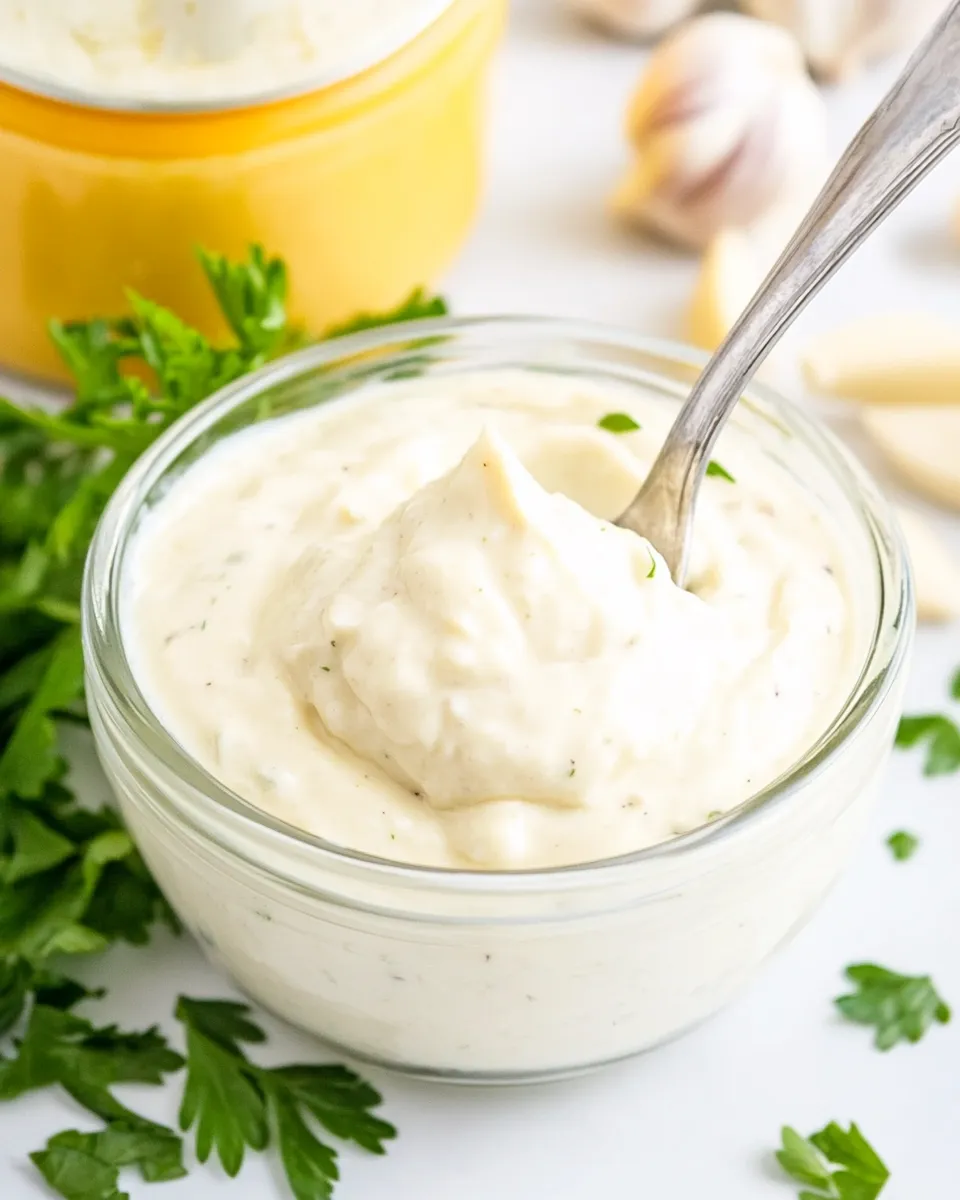
This is the aioli I reach for when I want something bright, garlicky, and creamy without any oil. It leans on soaked cashews for richness, fresh lemon for lift, and a small hit of kala namak for that savory, almost eggy note. It comes together quickly in a high‑speed blender and plays nicely as a dip, spread, or finishing sauce.
No fluff here: the technique is straightforward and forgiving. Soak the cashews briefly, blend with the staples, fold in herbs if you want color and freshness, and thin with water only as needed. Taste, tweak, and store.
Below you’ll find the exact ingredient list and step‑by‑step process used in the test kitchen, plus practical substitutions, troubleshooting, and storage tips so your jar of aioli is reliable every time.
Ingredient List
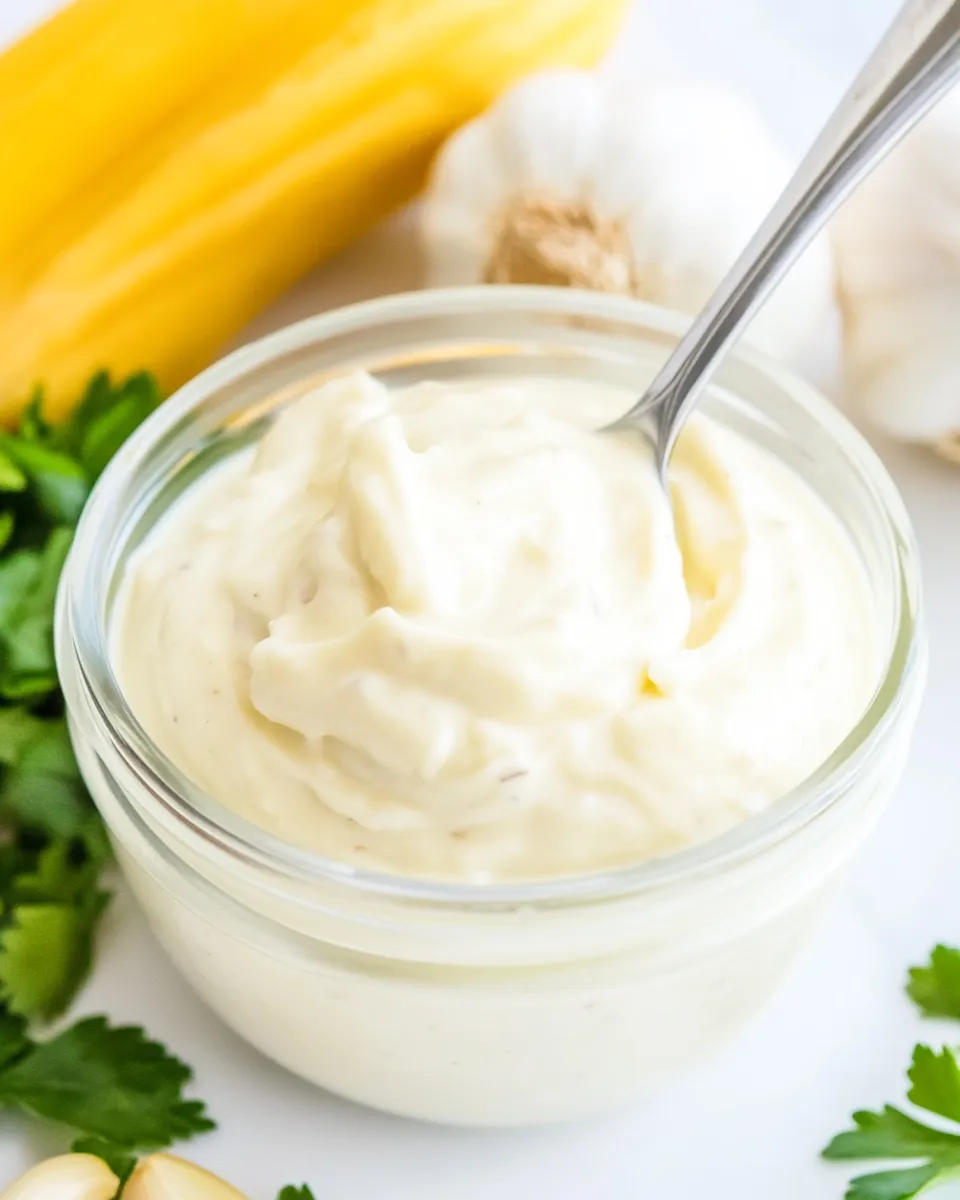
- 1 cup raw cashews — the creamy base; soak briefly to soften for a smoother blend.
- 1/2 cup water — starting liquid to help the blender form an emulsion-like texture.
- 3 Tbsp. fresh lemon juice — brightness and acid to cut through the richness.
- 2–3 cloves garlic — fresh and pungent; adjust based on how garlicky you want it.
- 1 tsp. Dijon mustard — emulsifier and a touch of sharpness to round flavors.
- 1/4 tsp. salt — baseline seasoning; taste and add more if needed.
- 1/8 tsp. kala namak (black salt) — adds a sulfurous, savory note that approximates an “eggy” character.
- 1/4 cup fresh basil, cilantro, parsley, dill, chives — choose one or a mix for color and herbal lift; chop lightly if your blender is small.
Vegan Garlic Aioli (Oil-Free!): How It’s Done
- Place 1 cup raw cashews in a heat‑safe bowl. Pour hot water over the cashews until they are submerged. Let soak for 10 minutes, then drain and rinse the cashews.
- Add the drained cashews to a small high‑speed blender. Add 1/2 cup water, 3 Tbsp fresh lemon juice, 2–3 cloves garlic (peeled), 1 tsp Dijon mustard, 1/4 tsp salt, and 1/8 tsp kala namak (black salt).
- Blend until very smooth, stopping once or twice to scrape down the sides with a spatula so everything is evenly processed. Blend time will vary by blender (about 30–60 seconds for many high‑speed blenders).
- Add 1/4 cup fresh herbs (basil, cilantro, parsley, dill, chives — use one or a mix as listed). Pulse a few times to incorporate the herbs evenly; blend longer if you prefer a completely smooth, uniformly green aioli.
- If you want a thinner consistency, add additional water 1 tablespoon at a time and blend after each addition until you reach the desired thickness.
- Taste and adjust seasonings as needed (more lemon, garlic, or salt). Serve immediately or refrigerate until ready to use.
The Upside of Vegan Garlic Aioli (Oil-Free!)
This version of aioli delivers on creaminess without using oil. That matters if you’re avoiding added fats, cooking for someone with dietary limits, or just want a lighter condiment that still feels indulgent. Cashews provide the mouthfeel; lemon and mustard offer that punch of acidity and sharpness you expect from a traditional aioli.
It’s also fast. From soaking to serving you’re looking at roughly 20 minutes, most of which is passive soaking time. And because it’s blender-based, texture is consistent every batch—if you have a high‑speed blender, you’ll get a silky finish that’s surprisingly close to an emulsion.
Finally, the herbal option in the recipe is flexible. Add basil for sweet warmth, cilantro for a bright edge, parsley for neutrality, dill for freshness, or chives for oniony nuance. Or mix them for a layered herb flavor.
Substitutions by Category
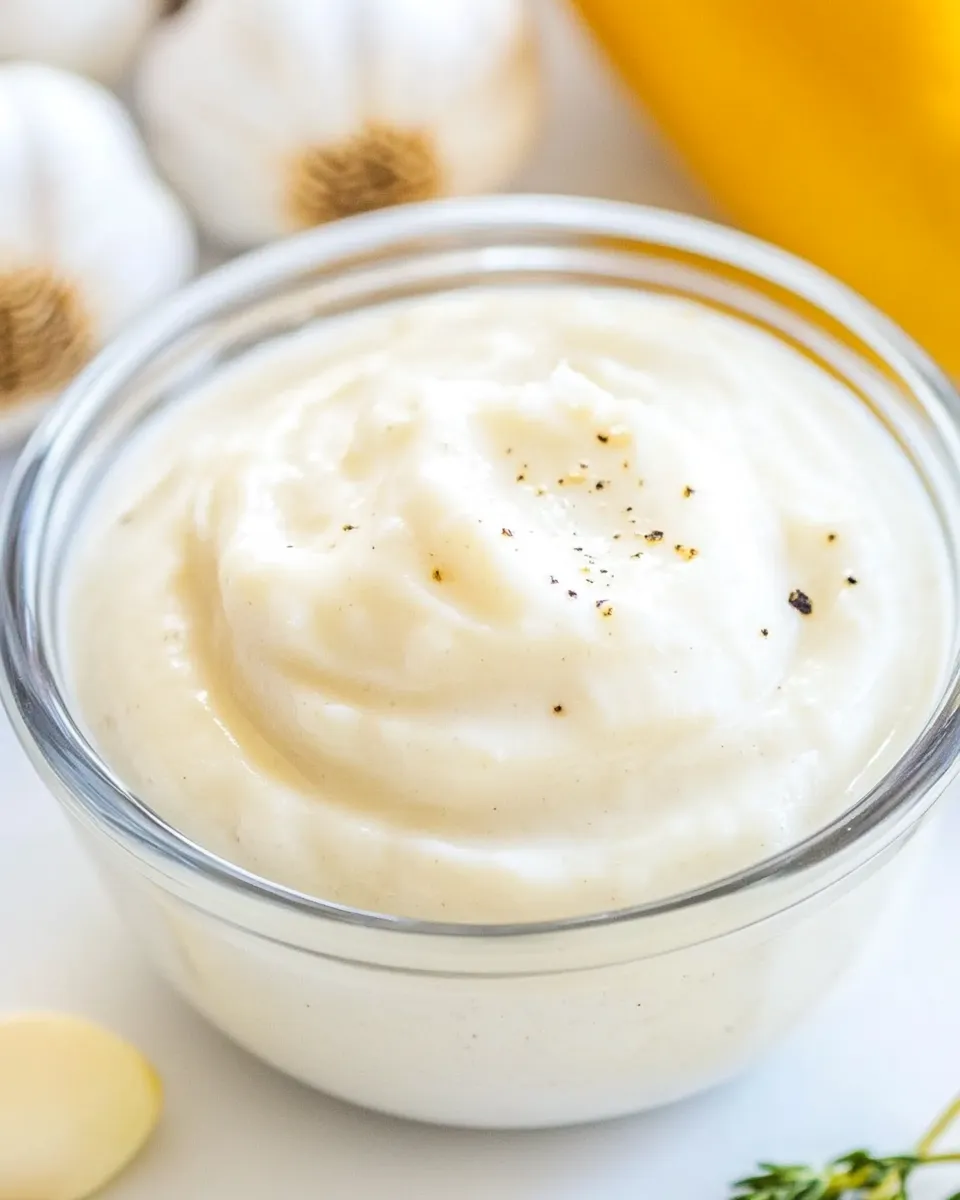
Keep substitutions conservative so the texture and balance aren’t compromised. Below are safe swaps and choices within the recipe’s existing framework.
- Herbs — Use any single herb listed (basil, cilantro, parsley, dill, chives) or combine them. The recipe’s 1/4 cup gives you a clear herb presence without overwhelming the base.
- Salt — The recipe includes both regular salt and kala namak. If you don’t have kala namak, omit it; the aioli will still be bright and savory, though less “eggy.” If you prefer not to use kala namak at all, keep total salt around 1/4 tsp and adjust to taste.
- Lemon and acidity — Stick with fresh lemon juice for the cleanest flavor. If you must, bottled lemon can work but taste carefully—flavor concentration varies.
- Garlic — 2–3 cloves is the recommended range. Use 2 if you want a milder garlic note, 3 if you want it more assertive. Roasted garlic will make the aioli sweeter and milder, but it will change the character (this is an optional textural/tone change rather than a direct substitution).
- Water — The recipe starts with 1/2 cup water. Add more, 1 Tbsp at a time, to thin. Avoid adding too much at once or the aioli will become runny.
Appliances & Accessories
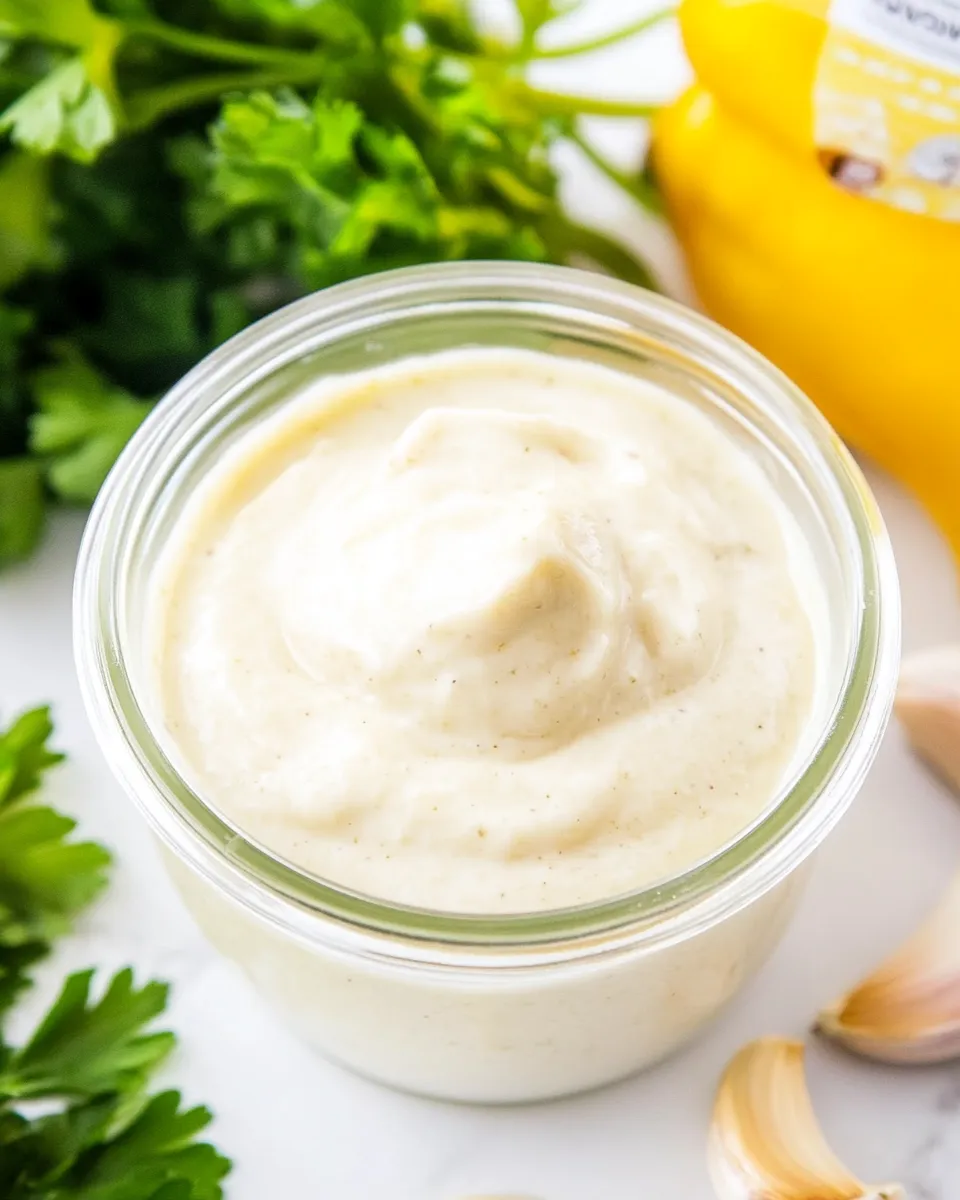
Equipment choices affect yield and texture. Here’s what I used and why it helps:
- High‑speed blender — makes the creamiest result quickly; blends soaked cashews into a silky paste.
- Heat‑safe bowl — for soaking cashews with hot water; prevents warping or cracking.
- Fine spatula — for scraping the sides and ensuring an even blend.
- Measuring spoons and cups — for accurate seasoning and consistency across batches.
- Small sieve or chinois (optional) — only if you want an ultra-smooth finish and don’t mind losing a bit of yield; not required for most blenders.
Pitfalls & How to Prevent Them
Common issues and quick fixes
- Grainy texture — usually the result of under‑soaked cashews or a low‑power blender. Soak the cashews for the full 10 minutes in hot water and drain well. If your blender is less powerful, blend longer and pause to scrape down the sides frequently.
- Too thick — if the aioli refuses to move or spread, add 1 tablespoon of water at a time and blend between additions until you reach a workable consistency.
- Too thin — you can’t easily thicken it without changing ingredients. Start with the 1/2 cup water and add cautiously. If you ended up too thin, chill the aioli; cold increases perceived thickness slightly.
- Undersalted or flat — taste before serving. Add small increments of salt or lemon juice to brighten. Remember kala namak adds a unique savory note, so add that last and sparingly.
- Overpowering garlic — if you went heavy on garlic and it’s too sharp, add a bit more cashew paste (blend a few extra cashews with a splash of water) or a touch more lemon to balance. Dilution with water will reduce intensity but affects thickness.
Fresh Seasonal Changes
Herbs change the aioli’s personality with the seasons. In spring, go heavy on parsley and chives for a green, mild profile. Summer is perfect for basil-forward aioli that pairs beautifully with tomatoes and grilled vegetables. Late summer and early fall, cilantro adds brightness for Mexican or Middle Eastern inspired dishes. In winter, use parsley or chives to keep things fresh without relying on tender basil.
Small seasonal touches: add a few lemon zest shavings in the summer for extra fragrance, or fold in a pinch of smoked paprika in autumn if you want a smoky accent without changing the base technique.
Notes from the Test Kitchen
I tested this recipe across three blenders and made careful notes about texture and blending time. High‑speed blenders hit the 30–60 second window and produced a uniformly smooth result. Lower‑power blenders required intermittent scraping and closer to two minutes total blending time to reach the same silkiness.
Soaking time is deliberately short: 10 minutes in hot water softens the cashews enough for a smooth blend while keeping hands-on time low. Over‑soaking overnight works too, but you’ll need to drain and refresh the water if it’s been sitting a long time.
Kala namak is optional but recommended if you want that savory, almost custardy note. Use it sparingly. In taste tests, small amounts made the aioli more interesting; more than a pinch overwhelmed the herb brightness.
Best Ways to Store
Store the aioli in an airtight container in the refrigerator. It will keep for 4–5 days; the texture may firm up slightly when cold—just give it a stir and bring it to room temperature for a few minutes before serving if you want it softer.
Freezing is possible but not ideal. Texture changes after freezing and thawing; small portions frozen in an ice cube tray can be handy if you plan to use the aioli in cooked applications where textural change is less noticeable. Thaw in the fridge overnight and reblend briefly if separation occurs.
Top Questions & Answers
Can I replace cashews with another nut or seed?
The recipe is built around soaked cashews for their neutral, buttery profile. Other nuts or seeds may work but will alter flavor and texture and may require different soaking times. If you need a nut‑free option, this specific recipe doesn’t provide a tested substitute.
Is kala namak necessary?
No. Kala namak contributes a sulfurous, egg‑like note that some people love. If you omit it, the aioli will still be creamy, bright, and delicious—just without that particular savory depth.
How garlicky will it be?
2–3 cloves offers a noticeable garlic presence. If you’re garlic‑averse, start with 1 clove. If you want it bold, use 3 and consider roasting one clove first to introduce sweetness without raw bite.
Can I make this ahead for a party?
Yes. Make it up to 2 days ahead and store in an airtight container. Taste and adjust lemon or salt just before serving to refresh the flavors.
Ready, Set, Cook
Gather your ingredients, soak the cashews, and blend. Taste as you go. This aioli is forgiving, quick, and versatile—use it on sandwiches, as a dip for roasted vegetables or fries, or spoon it over grain bowls for an extra hit of creaminess. If you try a herb combo you love, jot it down so you can repeat it next time.
Enjoy the bright, garlicky creaminess—no oil required.
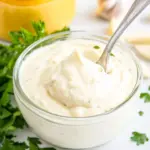
Vegan Garlic Aioli (Oil-Free!)
Ingredients
Ingredients
- 1 cupraw cashews
- 1/2 cupwater
- 3 Tbsp.fresh lemon juice
- 2-3 clovesgarlic
- 1 tsp.Dijon mustard
- 1/4 tsp.salt
- 1/8 kala namak black salt
- 1/4 cupfresh basil cilantro, parsley, dill, chives
Instructions
Instructions
- Place 1 cup raw cashews in a heat‑safe bowl. Pour hot water over the cashews until they are submerged. Let soak for 10 minutes, then drain and rinse the cashews.
- Add the drained cashews to a small high‑speed blender. Add 1/2 cup water, 3 Tbsp fresh lemon juice, 2–3 cloves garlic (peeled), 1 tsp Dijon mustard, 1/4 tsp salt, and 1/8 tsp kala namak (black salt).
- Blend until very smooth, stopping once or twice to scrape down the sides with a spatula so everything is evenly processed. Blend time will vary by blender (about 30–60 seconds for many high‑speed blenders).
- Add 1/4 cup fresh herbs (basil, cilantro, parsley, dill, chives — use one or a mix as listed). Pulse a few times to incorporate the herbs evenly; blend longer if you prefer a completely smooth, uniformly green aioli.
- If you want a thinner consistency, add additional water 1 tablespoon at a time and blend after each addition until you reach the desired thickness.
- Taste and adjust seasonings as needed (more lemon, garlic, or salt). Serve immediately or refrigerate until ready to use.
Equipment
- heat-safe bowl
- small high-speed blender
- Spatula
Notes
Yield:
Recipe makes about 1 heaping cup sauce.
Storing:
Store aioli in an airtight container or jar in the refrigerator. (It will thicken as it chills.) I find it keeps for about 1 week but use your best judgement.
Garlic:
Add even more if you love the flavor. Roasted garlic would be tasty as well.