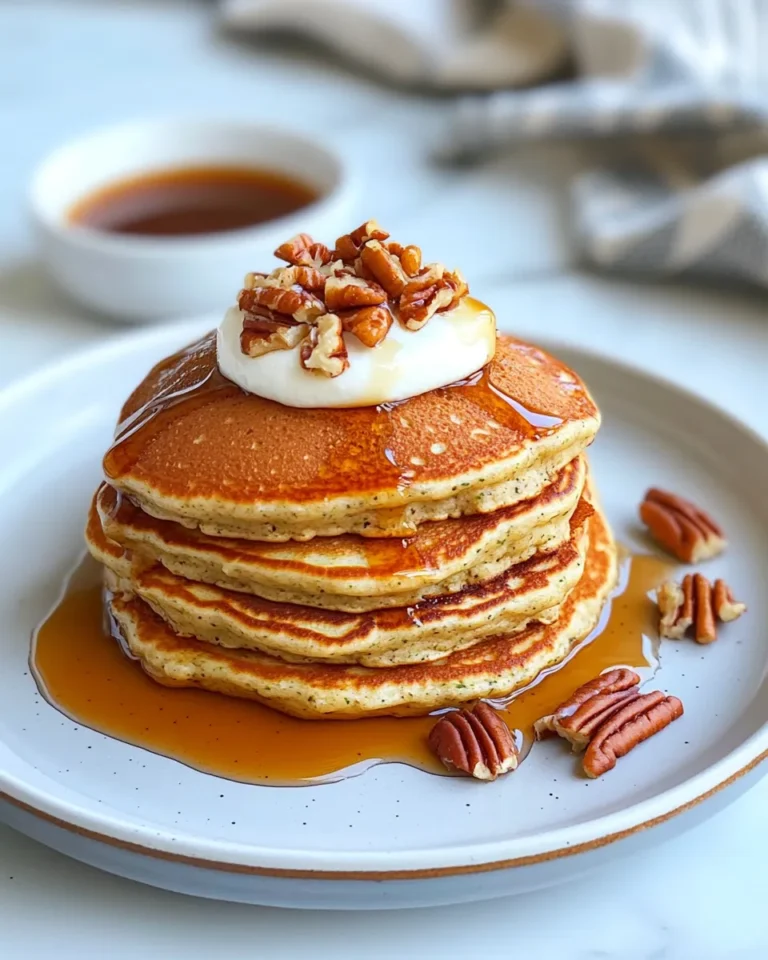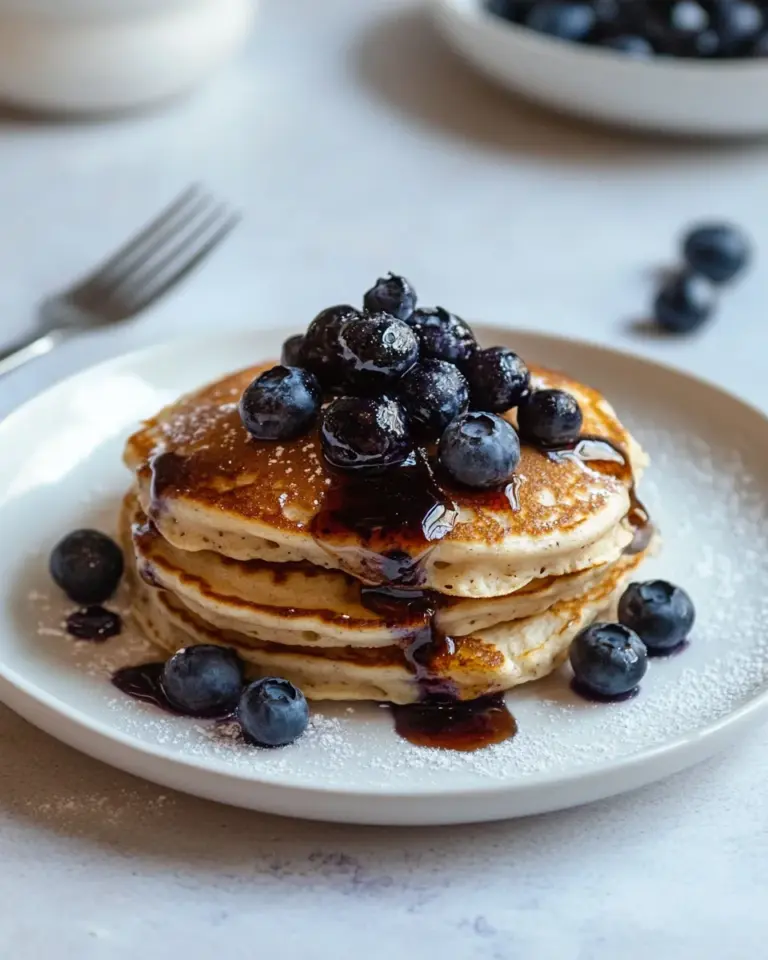
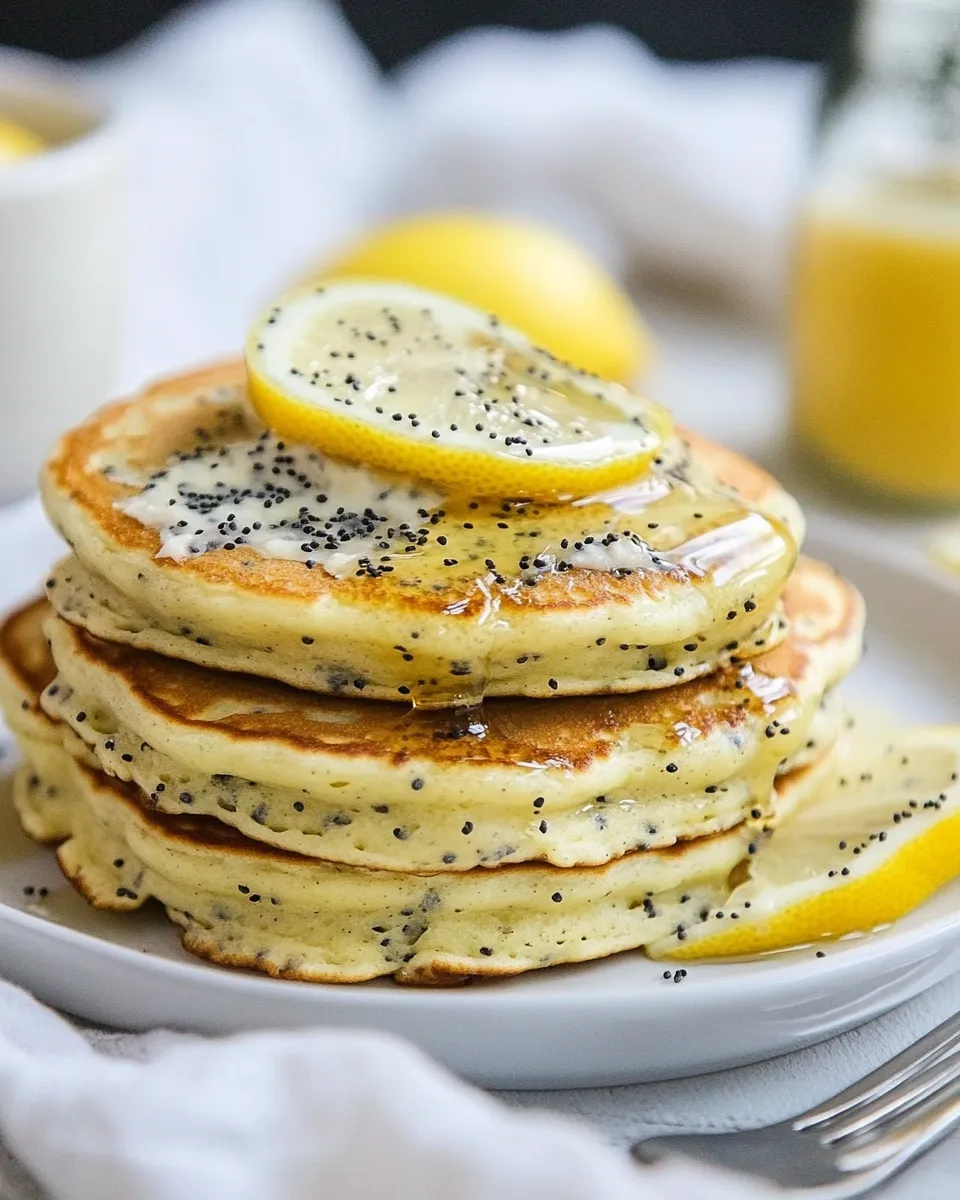
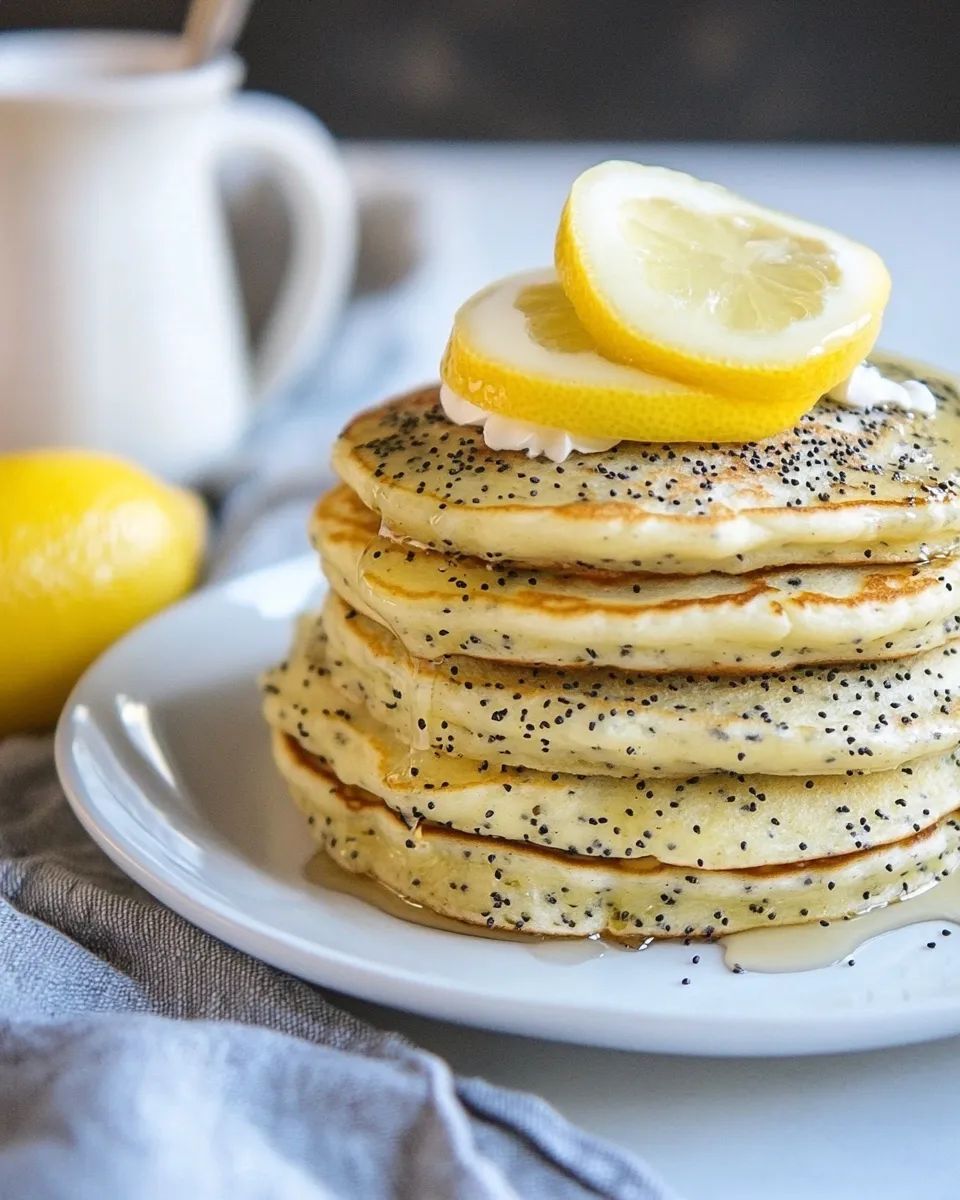
These pancakes are my go-to when I want something bright and satisfying without dairy or eggs. They keep a tender interior and a slight crisp at the edges thanks to a thick batter and a gentle, low heat cook. The lemon zest and poppy seeds make them feel both homey and a little celebratory.
I developed this version for mornings when I want to minimize fuss but still get a stack that looks and tastes like I cared. The batter uses full-fat canned coconut milk for richness and a touch of maple for sweetness—no extra emulsifiers, no weird substitutes. The batter is intentionally thick; it gives the pancakes structure and helps them hold their shape on the griddle.
Read on for the ingredient notes, the exact step-by-step method, troubleshooting, and sensible tips for make-ahead, freezing, and seasonal variations. You’ll find short, practical notes inside each section so you can make a reliable stack every time.
Ingredient Notes
Ingredients
- 1 cup full-fat canned coconut milk — provides fat and creaminess to mimic dairy; use the canned kind for the best texture.
- 3 Tbsp avocado oil or olive oil — for the batter and pan greasing; avocado oil has a neutral flavor, olive oil adds a subtle fruitiness.
- 3 Tbsp pure maple syrup — sweetener and flavor; balances the lemon without being cloying.
- 1/2 tsp pure vanilla extract — highlights the sweetness and rounds the citrus notes.
- 1 cup gluten-free all-purpose flour — the base; make sure it contains a binder like xanthan gum if your blend requires it.
- 1 Tbsp baking powder — the leavening agent; fresh baking powder gives the best lift.
- 1 Tbsp poppy seeds — texture and visual interest; toast lightly if you want a nuttier note.
- 4 lemons, zested — about 2 Tbsp zest — bright citrus flavor; zest only the yellow skin to avoid bitterness.
- 1/8 tsp sea salt — balances sweetness and elevates flavors; don’t skip it.
Vegan Lemon Poppy Seed Pancakes: How It’s Done
- In a mixing bowl, whisk together 1 cup full-fat canned coconut milk, 3 Tbsp avocado oil (or olive oil), 3 Tbsp pure maple syrup, and 1/2 tsp pure vanilla extract until smooth.
- In a separate bowl, whisk together 1 cup gluten-free all-purpose flour, 1 Tbsp baking powder, 1 Tbsp poppy seeds, about 2 Tbsp lemon zest (from the 4 lemons), and 1/8 tsp sea salt.
- Add the dry ingredients to the wet ingredients and stir until just combined. The batter will be very thick — this is normal. Do not overmix.
- Preheat a large nonstick or well-seasoned skillet over medium-low heat. Lightly grease the skillet with a small amount of the oil listed (use a paper towel or brush to spread the oil).
- Measure 1/4 cup of batter for each pancake and place it onto the hot, greased skillet. Use the back of a spoon or a spatula (or clean fingers) to gently smooth each mound into a circular shape.
- Cook each pancake 2 to 3 minutes, until the edges begin to set and the bottom is golden brown. Carefully flip and cook the other side 1 to 2 minutes, until cooked through and golden.
- Transfer cooked pancakes to a plate and keep warm while you cook the remaining batter, re-greasing the skillet lightly with the oil from the ingredient list as needed.
- Serve the pancakes immediately with your preferred toppings.
Why This Vegan Lemon Poppy Seed Pancakes Stands Out
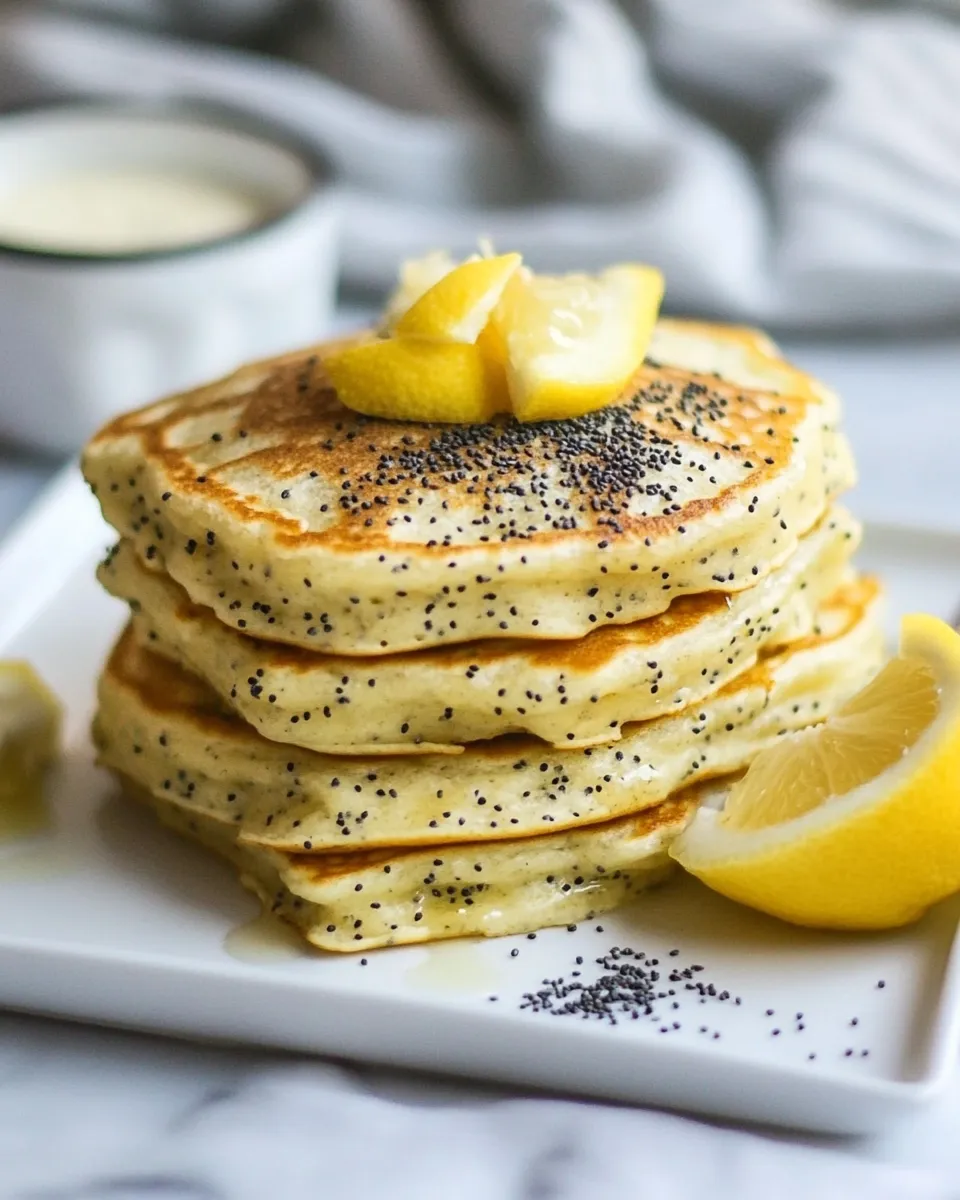
Three things make this recipe reliable: the fat source, the batter consistency, and the lemon intensity. Full-fat canned coconut milk gives body and a tender crumb without dairy. A deliberately thick batter prevents spread and creates a slightly denser pancake that cooks through without burning on the outside. Finally, the generous lemon zest makes the flavor sing even when you use modest toppings.
I also design this recipe to be forgiving. The thick batter means small variations in heat or slightly different flour blends won’t ruin the texture. You don’t need special vegan binders or eggs — just basic pantry ingredients that yield dependable results.
No-Store Runs Needed
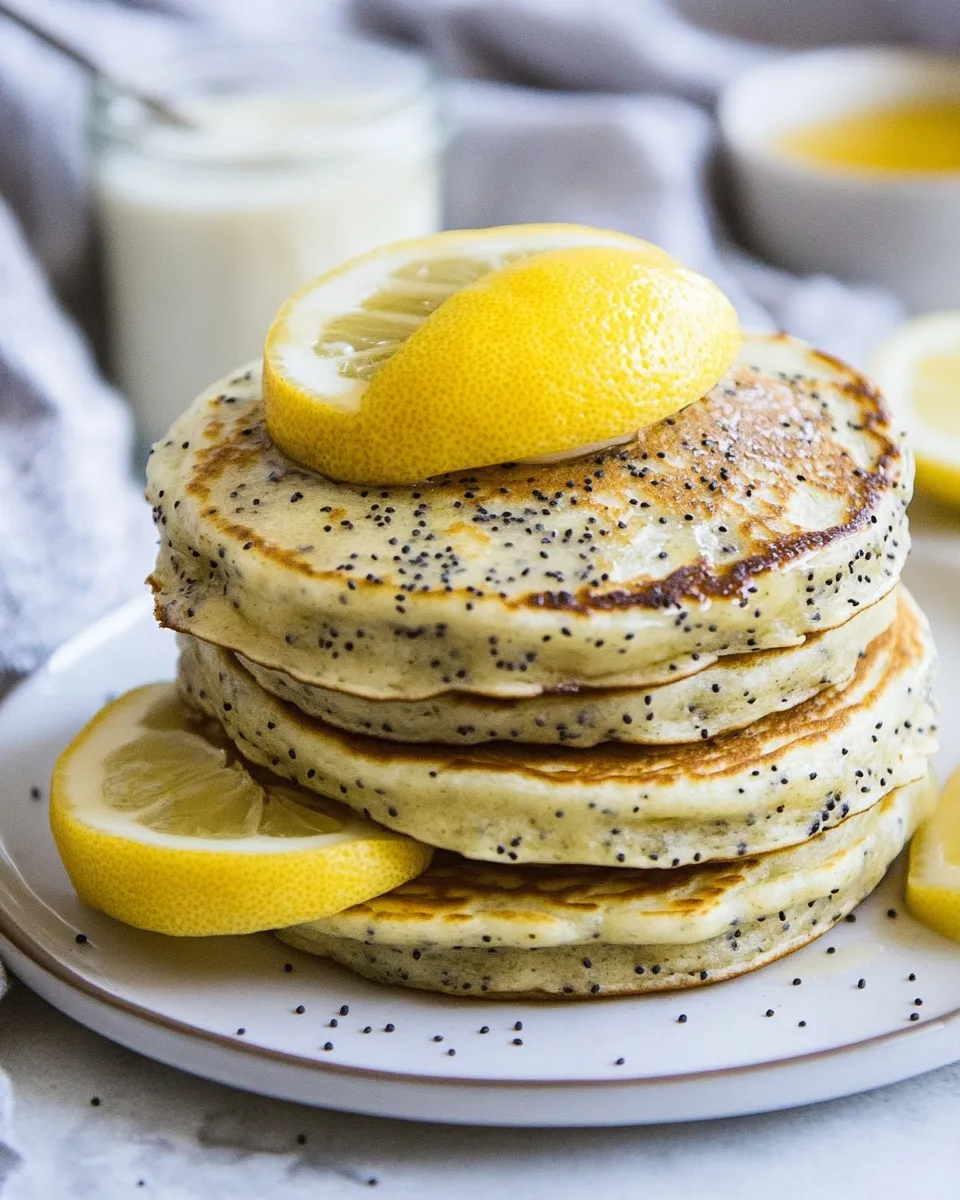
These pancakes were written for a pantry-first approach. If you have canned coconut milk, a neutral oil, and gluten-free all-purpose flour, you’re set. Maple syrup acts as both sweetener and a touch of wet ingredient to balance the batter—no sugar conversions required.
If you’re missing poppy seeds, omit them; the pancakes will still be bright and lemony. If you don’t have fresh lemons but have bottled lemon juice, you can add a teaspoon or two for tang, but note the lost brightness compared to fresh zest. The recipe remains practical: you can make a tasty breakfast with very few special items.
Essential Tools for Success
- Large nonstick or well-seasoned skillet — for even cooking and easy flipping; a cold or warped pan will make this harder.
- Measuring cups and spoons — keep the proportions accurate, especially with the thick batter.
- Microplane or fine grater — for bright, fine lemon zest without the bitter pith.
- Spatula (thin, flexible) — to flip the pancakes cleanly without tearing.
- Small ladle or 1/4 cup measure — to portion consistent pancakes that cook evenly.
Things That Go Wrong
Batter too thin or too thick
This batter is meant to be very thick. If yours ends up thin, check that you used full-fat canned coconut milk and not a watered-down version. If you accidentally thinned it with more liquid, add a tablespoon or two of flour to bring it back.
Pancakes burn before cooking through
Lower your heat. These cook best over medium-low; the first pancakes are your temperature test. If the bottoms brown too quickly and the centers stay raw, reduce the heat and wait a minute before cooking the next batch.
Pancakes fall apart when flipping
Let the edges set fully before flipping and use a thin spatula. Because the batter is thick, it needs a couple minutes to form a stable base. Also make sure the pan is lightly greased so the pancake can release cleanly.
Holiday & Seasonal Touches
For spring brunches, serve the pancakes with a scattering of fresh berries, a dollop of coconut yogurt, and a dusting of extra lemon zest. In winter, warm a berry compote with maple and a splash of orange juice to serve over the stack. For a holiday twist, fold a teaspoon of finely grated ginger into the batter for a subtle warming note that pairs beautifully with lemon.
If you celebrate a citrus-forward holiday, garnish with thin lemon slices and a drizzle of warmed maple mixed with a little heated coconut milk for a shiny finish. These simple tweaks make the recipe feel special without changing the core method.
Chef’s Rationale
I prioritized texture and flavor clarity. Full-fat canned coconut milk gives the mouthfeel we often miss when we omit dairy. The thick batter strategy produces pancakes that don’t collapse and that hold toppings well. Lemon zest, not juice, is the primary citrus element because zest carries volatile oils that give immediate perfume and brightness without thinning the batter.
I kept sweetening minimal—3 tablespoons of maple—so the pancakes work with both neutral toppings (yogurt, fruit) and indulgent ones (maple butter, jam). The gluten-free AP flour makes this accessible for diners avoiding gluten; if you use a different flour, expect a texture change.
Freezer-Friendly Notes
These pancakes freeze and reheat very well. Arrange cooled pancakes in a single layer on a baking sheet and flash-freeze for 30–60 minutes, then transfer to an airtight container or freezer bag. Separate layers with parchment if stacking. They keep up to 2 months.
To reheat, slide frozen pancakes into a 350°F (175°C) oven for 8–12 minutes or toast them in a toaster oven on medium. For a faster method, microwave 1–2 pancakes for 20–30 seconds, then crisp in a warm skillet for 30–60 seconds per side.
Helpful Q&A
Can I make the batter ahead?
You can mix the dry and wet components separately and combine them right before cooking. If you mix the full batter and refrigerate, it will thicken further; give it a stir and let it sit at room temperature for 10–15 minutes before scooping.
Can I swap the coconut milk?
Full-fat canned coconut milk is recommended for texture. Lower-fat plant milks will make a thinner batter and a lighter, less rich pancake. If using a thinner milk, reduce any additional liquid elsewhere and expect a different result.
Is this recipe nut-free?
Yes, as written it’s nut-free. Use a neutral oil like avocado and a certified gluten-free flour if needed for cross-contamination concerns.
How do I get more lift?
Ensure your baking powder is fresh. A tablespoon is already on the generous side; old baking powder will compress rise. Also, don’t overmix—overworked batter can lose lift.
Hungry for More?
If you loved these pancakes, try swapping the lemon zest for an equal amount of orange zest for a sweeter citrus profile, or add a tablespoon of ground flax with two tablespoons of water to experiment with thicker binders. For a savory twist, omit maple and zest and fold in minced chives and smoked paprika before cooking.
Bookmark this page, and next time you want an easy, bright vegan brunch stack, come back. The method is steady, the flavor is clean, and the steps are forgiving. Now heat your skillet and start zesting.
Vegan Lemon Poppy Seed Pancakes
Ingredients
Ingredients
- 1 cupfull-fat canned coconut milk
- 3 Tbspavocado oilor olive oil
- 3 Tbsppure maple syrup
- 1/2 tsppure vanilla extract
- 1 cupgluten-free all-purpose flour
- 1 Tbspbaking powder
- 1 Tbsppoppy seeds
- 4 lemons zestedabout 2 Tbsp zest
- 1/8 tspsea salt
Instructions
Instructions
- In a mixing bowl, whisk together 1 cup full-fat canned coconut milk, 3 Tbsp avocado oil (or olive oil), 3 Tbsp pure maple syrup, and 1/2 tsp pure vanilla extract until smooth.
- In a separate bowl, whisk together 1 cup gluten-free all-purpose flour, 1 Tbsp baking powder, 1 Tbsp poppy seeds, about 2 Tbsp lemon zest (from the 4 lemons), and 1/8 tsp sea salt.
- Add the dry ingredients to the wet ingredients and stir until just combined. The batter will be very thick — this is normal. Do not overmix.
- Preheat a large nonstick or well-seasoned skillet over medium-low heat. Lightly grease the skillet with a small amount of the oil listed (use a paper towel or brush to spread the oil).
- Measure 1/4 cup of batter for each pancake and place it onto the hot, greased skillet. Use the back of a spoon or a spatula (or clean fingers) to gently smooth each mound into a circular shape.
- Cook each pancake 2 to 3 minutes, until the edges begin to set and the bottom is golden brown. Carefully flip and cook the other side 1 to 2 minutes, until cooked through and golden.
- Transfer cooked pancakes to a plate and keep warm while you cook the remaining batter, re-greasing the skillet lightly with the oil from the ingredient list as needed.
- Serve the pancakes immediately with your preferred toppings.
Equipment
- Mixing Bowl
- Whisk
- Skillet
- Spatula
- Measuring Cup
- Measuring Spoons
- Zester