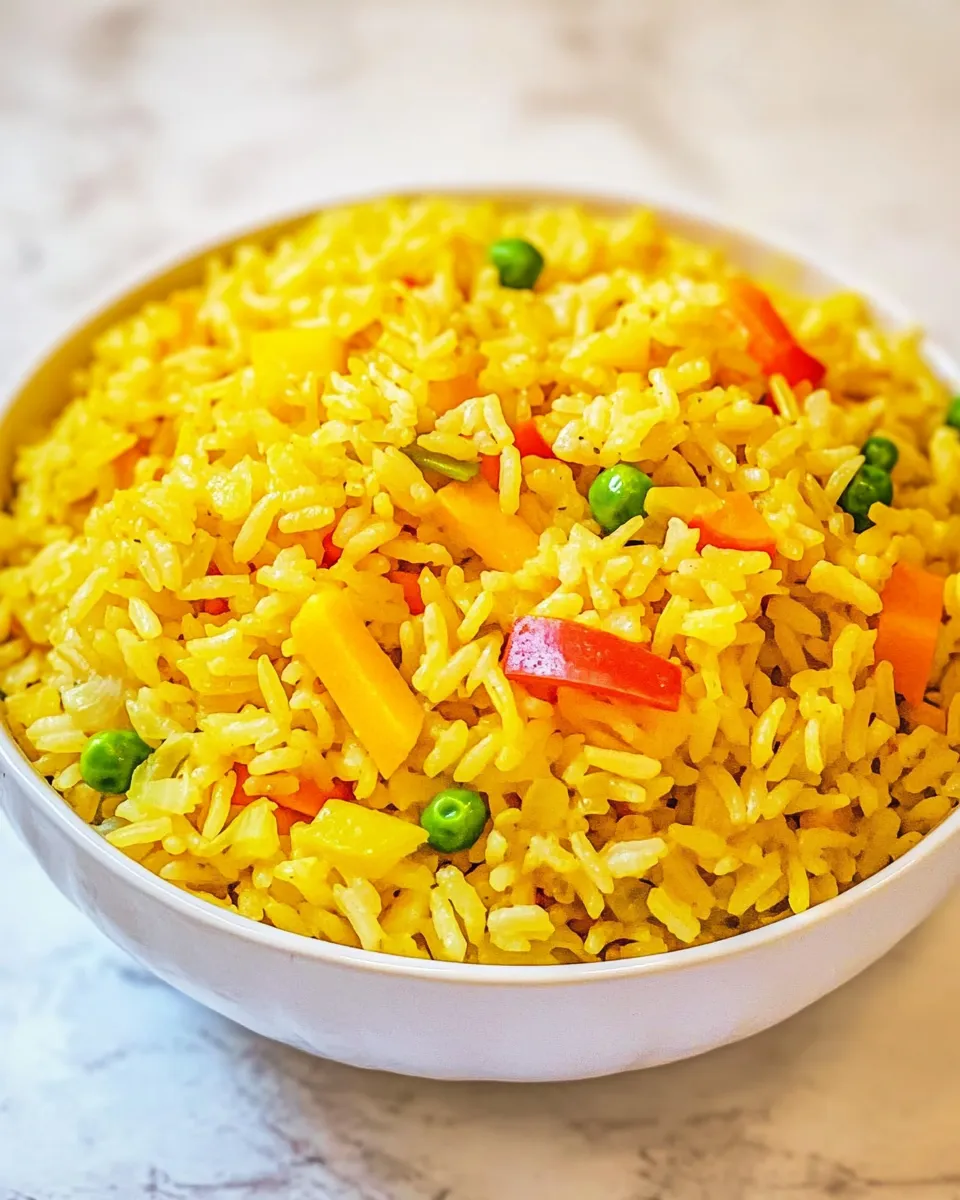
I love a recipe that smells like home while still being fast enough for a weeknight. This Vegetable Rice Pilaf is exactly that: modest ingredients, clear steps, and a reliably good result. The rice comes out tender and separate, the peas and carrots add color and sweetness, and the turmeric gives a warm, sunny tone without overpowering the dish.
There’s no need for complicated technique. You’ll toast the rice briefly, season simply, add broth, cover, then finish with frozen vegetables tucked into the top so they steam gently. It’s forgiving and adaptable — great as a side to roasted chicken or as a simple vegetarian main when you pair it with a salad or some warm beans.
What Goes Into Vegetable Rice Pilaf
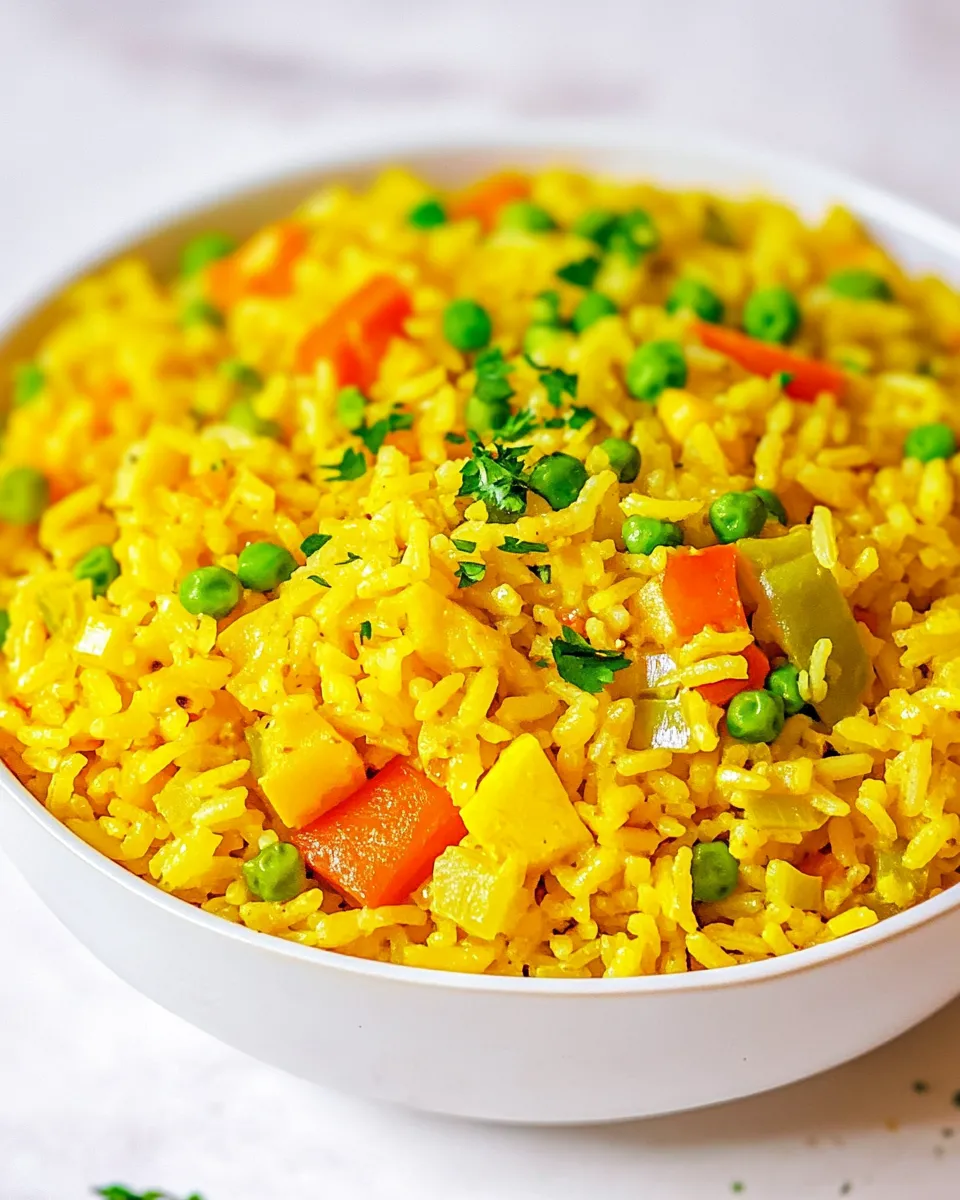
This pilaf uses pantry-staple items and one frozen veggie mix. The focus is on seasoning and timing: a small amount of oil to toast the rice, aromatics from onion and garlic salt, a hint of basil and turmeric for color and aroma, and the liquid to finish the rice properly. The chicken broth gives depth; if you want to switch it up, see the swaps section.
Ingredients
- 2 teaspoons olive oil — for toasting the rice and giving a fragrant, glossy base.
- 1/2 onion, diced — builds savory sweetness; dice small so it softens quickly.
- 1 cup white long-grain rice, uncooked — the main body; long-grain stays fluffy when cooked this way.
- 1/2 teaspoon garlic salt — provides a hit of seasoned garlic; adjust later if you use low-sodium broth.
- 1/2 teaspoon dried basil leaves, crushed — adds a gentle herbal note; crush between fingers before measuring.
- 1/2 teaspoon ground turmeric — for color and a subtle, earthy warmth.
- 2 cups chicken broth — cooks the rice and adds savory depth; use low-sodium if you’re watching salt.
- 1 cup frozen peas and carrots mix — quick, colorful, and already portioned to finish by steaming on top.
Step-by-Step: Vegetable Rice Pilaf
- Heat 2 teaspoons olive oil in a skillet over medium heat until shimmering.
- Add the 1/2 onion (diced) and sauté, stirring occasionally, about 3 minutes, until the onion is translucent.
- Add 1 cup uncooked white long-grain rice and cook, stirring frequently, until the rice is lightly toasted and coated with oil.
- Add 1/2 teaspoon garlic salt, 1/2 teaspoon crushed dried basil leaves, and 1/2 teaspoon ground turmeric; stir until the seasonings are evenly distributed.
- Pour in 2 cups chicken broth and increase heat to bring the mixture to a gentle boil. Stir once to loosen any rice from the pan.
- Immediately reduce heat to low, cover the skillet, and simmer for 10 minutes without lifting the lid.
- Add 1 cup frozen peas and carrots mix on top of the rice (do not stir), recover, and continue to cook on low, covered, for another 10 minutes, until the rice is tender and the liquid is absorbed.
- Remove from heat, fluff the rice gently with a fork, and serve.
Why This Recipe is a Keeper
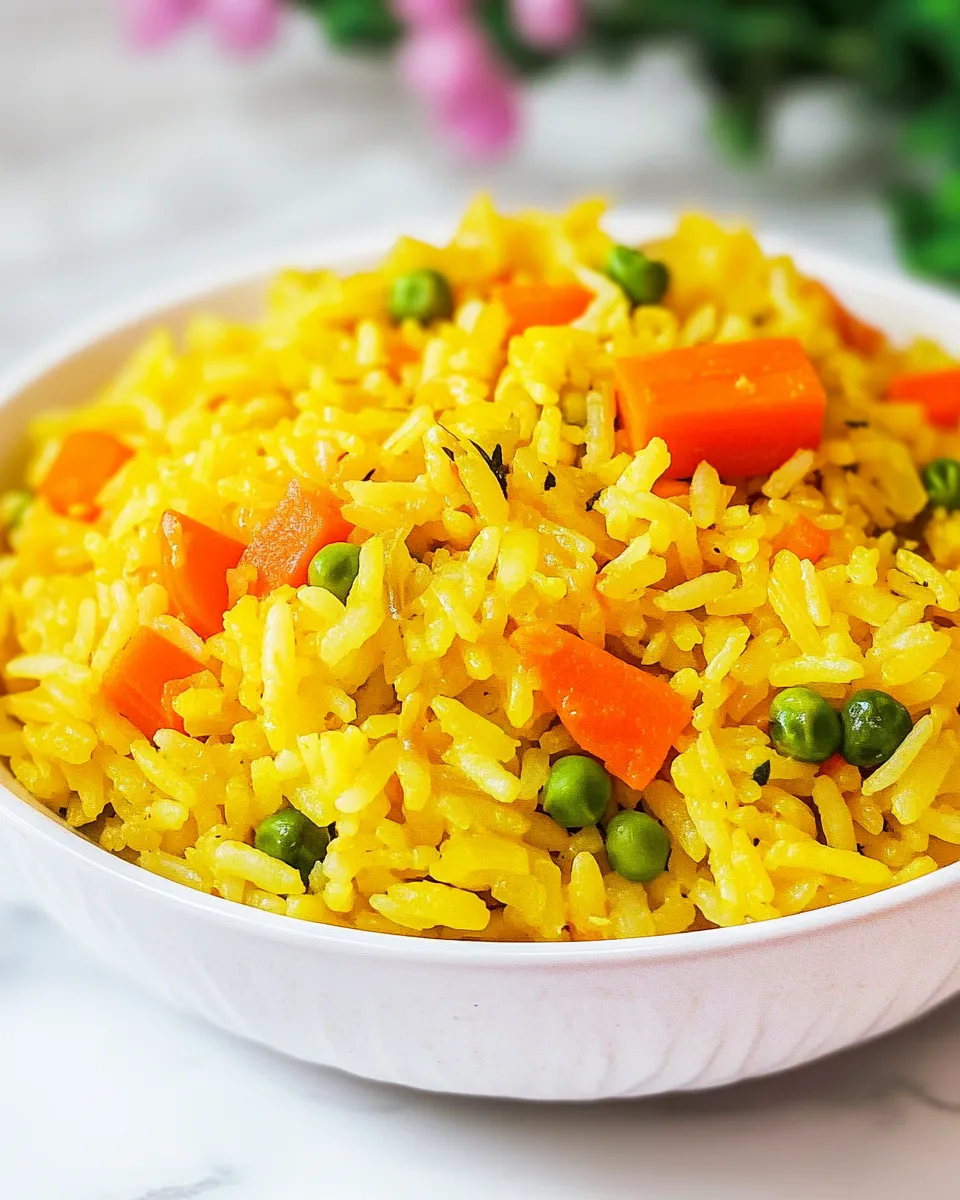
This pilaf is reliable. The method uses a simple sequence — toast, season, simmer, steam — that protects texture and maximizes flavor with minimal fuss. Toasting the rice briefly adds a faint nutty depth and helps the grains separate. The paused steam with frozen vegetables on top prevents them from turning mushy and keeps color bright.
It’s quick: under 30 minutes from start to finish for most cooks. It’s also forgiving. If your stove runs a little hotter or cooler, the rice will still turn out fine so long as you keep the lid closed during the timed cooking stages. Finally, it’s versatile: serve as a side, fold in cooked protein, or use it as a base for a bowl. That kind of dependability is why I make it again and again.
Easy Ingredient Swaps
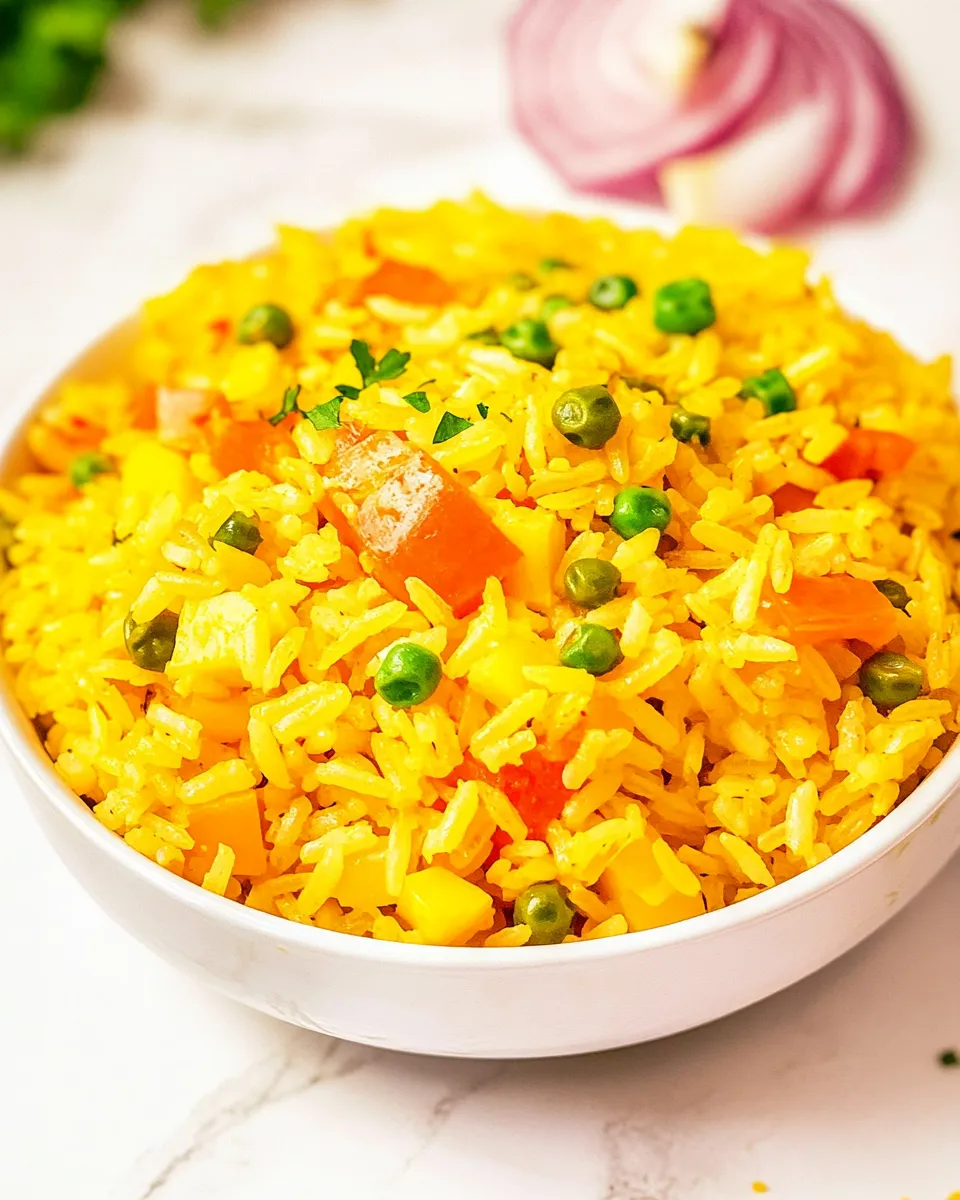
Need to use what’s on hand? No problem. Swap suggestions below keep the spirit of the dish but let you adapt easily.
- Chicken broth → vegetable broth: makes it vegetarian without changing method.
- Olive oil → butter or neutral oil: butter adds richness; use a neutral oil if you prefer.
- Frozen peas and carrots → fresh peas and diced carrots: increase the carrots’ cook time and add them earlier so they soften.
- White long-grain rice → jasmine: yields a slightly more aromatic result; follow the same method but watch the liquid if you use a different rice type.
- Garlic salt → garlic powder + kosher salt: control sodium by mixing to taste.
Tools & Equipment Needed
You don’t need special gear for this. Keep these basics within reach and the process flows smoothly:
- Heavy skillet with a tight-fitting lid — a wide skillet helps rice spread in a single layer for even cooking.
- Measuring cups and spoons — small differences in liquid change texture, so measure closely.
- Cutting board and chef’s knife — for the diced onion.
- Fork or rice paddle — to fluff gently at the end without crushing grains.
- Stove or other consistent heat source — even heat is the key to evenly cooked rice.
Pitfalls & How to Prevent Them
Even this straightforward dish has a few common traps. Here’s what I watch for and how I avoid them.
- Burning the rice while toasting — keep the rice moving and watch for a light golden edge, not dark brown. Medium heat and frequent stirring prevent scorching.
- Lifting the lid too often — every time you peek you let out steam and interrupt cooking. Set a timer and trust it.
- Undercooked or gummy rice — use the exact liquid ratio and keep the heat low while covered. If liquid remains when the rice is tender, cover and let it rest off heat for 5 minutes.
- Mushy peas — add frozen vegetables on top and do not stir; they’ll steam through without overcooking.
- Too salty — if using salted broth, taste before adding extra salt or skip the garlic salt or use low-sodium broth.
Adaptations for Special Diets
With a few swaps this pilaf can suit many needs:
- Vegetarian/Vegan: Use vegetable broth in place of chicken broth. The method and timing are the same.
- Low-sodium: Choose low-sodium broth and omit the garlic salt or reduce it by half. Adjust seasoning after cooking.
- Gluten-free: Rice is naturally gluten-free; confirm your broth is labeled gluten-free if you’re sensitive.
- Whole-grain option: You can use brown rice, but it requires more liquid and a longer cook time — see the Q&A for timing notes.
Pro Tips & Notes
Small habits make a big difference in results. I keep these on-hand and follow them each time I make this pilaf.
- Toast the rice until it’s just starting to take a little color. That quick step adds flavor and helps the grains separate after cooking.
- Crush dried herbs between your fingers before measuring to release oils and aroma.
- Bring the broth to a gentle boil before reducing to low; that jump-start helps the rice settle in for an even simmer.
- When the cook time finishes, remove from heat and let the covered pan sit for 5 minutes if the rice feels slightly underdone — the residual steam finishes it.
- Fluff gently with a fork rather than stirring vigorously. You want separate grains, not mashed rice.
Make-Ahead & Storage
This pilaf stores well and is good for meal prep. Cool it as quickly as possible and refrigerate within two hours.
- Refrigerator: Store in an airtight container for up to 4 days. Reheat with a sprinkle of water in a covered dish on the stove or microwave to restore moisture.
- Freezer: You can freeze cooled pilaf in a freezer-safe container for up to 2 months. Thaw overnight in the fridge and reheat gently with a splash of water or broth.
- Reheating tip: Break up any compacted rice with a fork, add a tablespoon or two of water per cup, cover, and reheat on low until steaming through.
Helpful Q&A
Below are the questions I get most often from readers, and the clear answers that keep this dish working in real kitchens.
- Can I use brown rice? Yes, but brown rice needs more liquid and a longer simmer. As a rule, add about 1/2 to 1 cup extra broth and increase the first covered cook by 20–25 minutes, checking for tenderness. Because cooking times vary by brand, plan for a bit more hands-on checking.
- What if my rice is still hard after the full cook time? Return the skillet to low heat, add 1/4 cup warm broth or water, re-cover, and give it 5–10 minutes. Check again and repeat if necessary.
- Can I stir the peas into the rice instead of placing them on top? You can, but stirring in frozen peas and carrots early can cool the rice and extend cook time, and may make the veg softer. Placing them on top lets them steam without overcooking.
- Is the garlic salt necessary? It adds convenient seasoning. If you prefer fresh garlic, sauté 1 small clove with the onion and omit or reduce the garlic salt to taste.
- How can I make the rice more separated and fluffy? Use long-grain rice, toast it briefly, keep the heat low while covered, and fluff with a fork after a short rest. Avoid vigorous stirring.
See You at the Table
This Vegetable Rice Pilaf is a dependable weeknight companion: quick to make, low on fuss, and easy to adapt. It’s one of those recipes I return to when I want something comforting that plays well with whatever else is on the menu. Give it a try exactly as written once, then make it your own over time.
I’d love to hear how you serve it—leave a comment or a photo when you try it. If you make a swap that worked particularly well, tell me so I can share the tip. See you at the table!
Vegetable Rice Pilaf
Ingredients
Ingredients
- 2 teaspoonsolive oil
- 1/2 oniondiced
- 1 cupwhite long-grain riceuncooked
- 1/2 teaspoongarlic salt
- 1/2 teaspoondried basil leavescrushed
- 1/2 teaspoonground turmeric
- 2 cupschicken broth
- 1 cupfrozen peas and carrots mix
Instructions
Instructions
- Heat 2 teaspoons olive oil in a skillet over medium heat until shimmering.
- Add the 1/2 onion (diced) and sauté, stirring occasionally, about 3 minutes, until the onion is translucent.
- Add 1 cup uncooked white long-grain rice and cook, stirring frequently, until the rice is lightly toasted and coated with oil.
- Add 1/2 teaspoon garlic salt, 1/2 teaspoon crushed dried basil leaves, and 1/2 teaspoon ground turmeric; stir until the seasonings are evenly distributed.
- Pour in 2 cups chicken broth and increase heat to bring the mixture to a gentle boil. Stir once to loosen any rice from the pan.
- Immediately reduce heat to low, cover the skillet, and simmer for 10 minutes without lifting the lid.
- Add 1 cup frozen peas and carrots mix on top of the rice (do not stir), recover, and continue to cook on low, covered, for another 10 minutes, until the rice is tender and the liquid is absorbed.
- Remove from heat, fluff the rice gently with a fork, and serve.
Equipment
- Skillet
- Lid
- Measuring Cups
- Measuring Spoons
- Fork
- Spatula