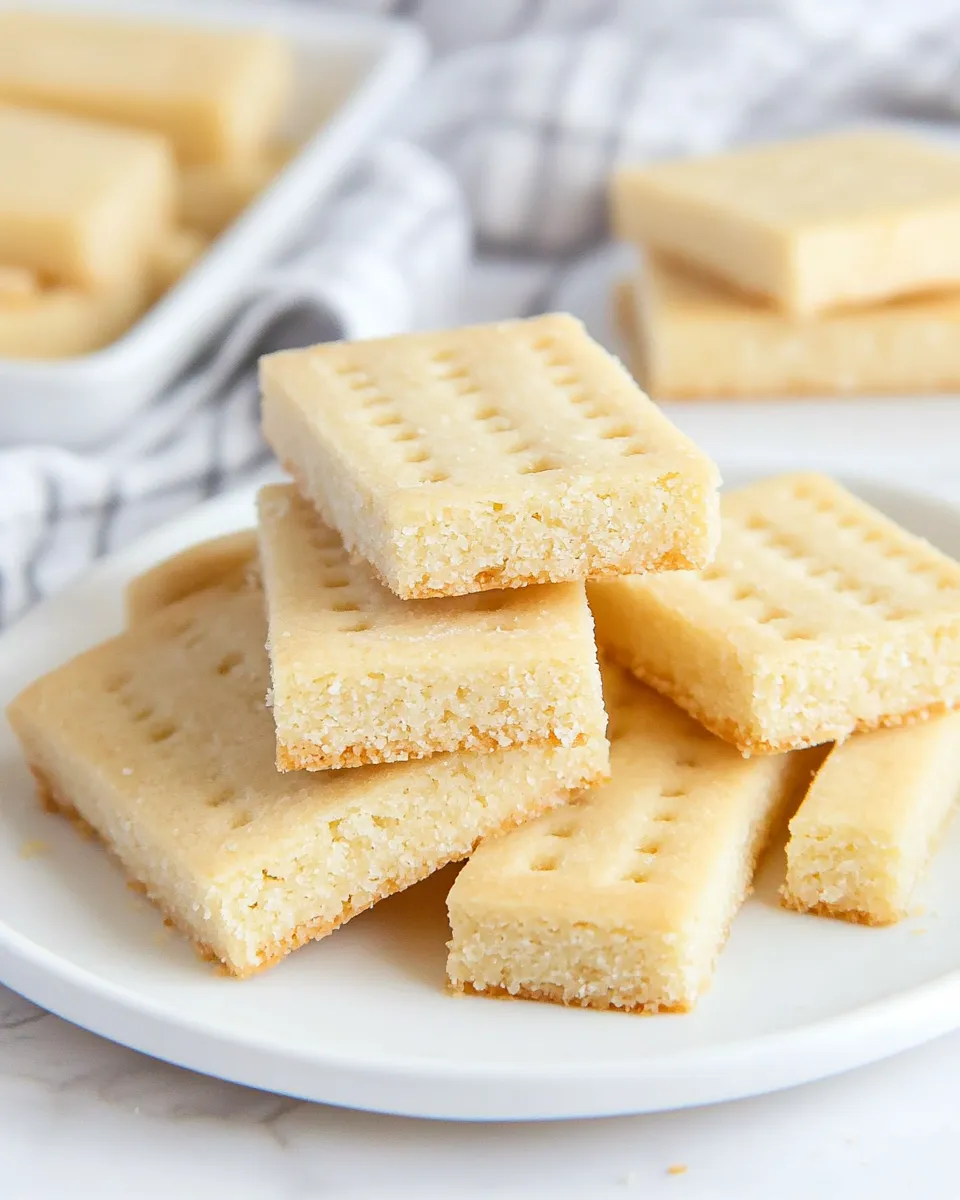
Simple, buttery, and stubbornly elegant — these shortbread cookies are exactly what I reach for when I want a reliable, no-fuss bake that still feels special. The recipe is straightforward: butter, powdered sugar, a touch of vanilla, flour, and a pinch of salt. That’s all you need to get the classic dense, crumbly texture that makes shortbread so addictive.
I like this recipe because it behaves. It tolerates a busy afternoon and rewards a little patience. You don’t need an army of tools or exotic pantry items. Follow the steps, and you’ll get even, sliceable bars with the traditional Walker’s fork marks that make them look like you’ve fussed for hours.
Below you’ll find the ingredient breakdown, the exact method I always use, troubleshooting tips, and a few tested variations for holidays. Read through the tips before you start — a couple of small choices (softened butter, parchment overhang, and the timing for scoring) make a big difference.
What Goes Into Walkers Shortbread Cookies
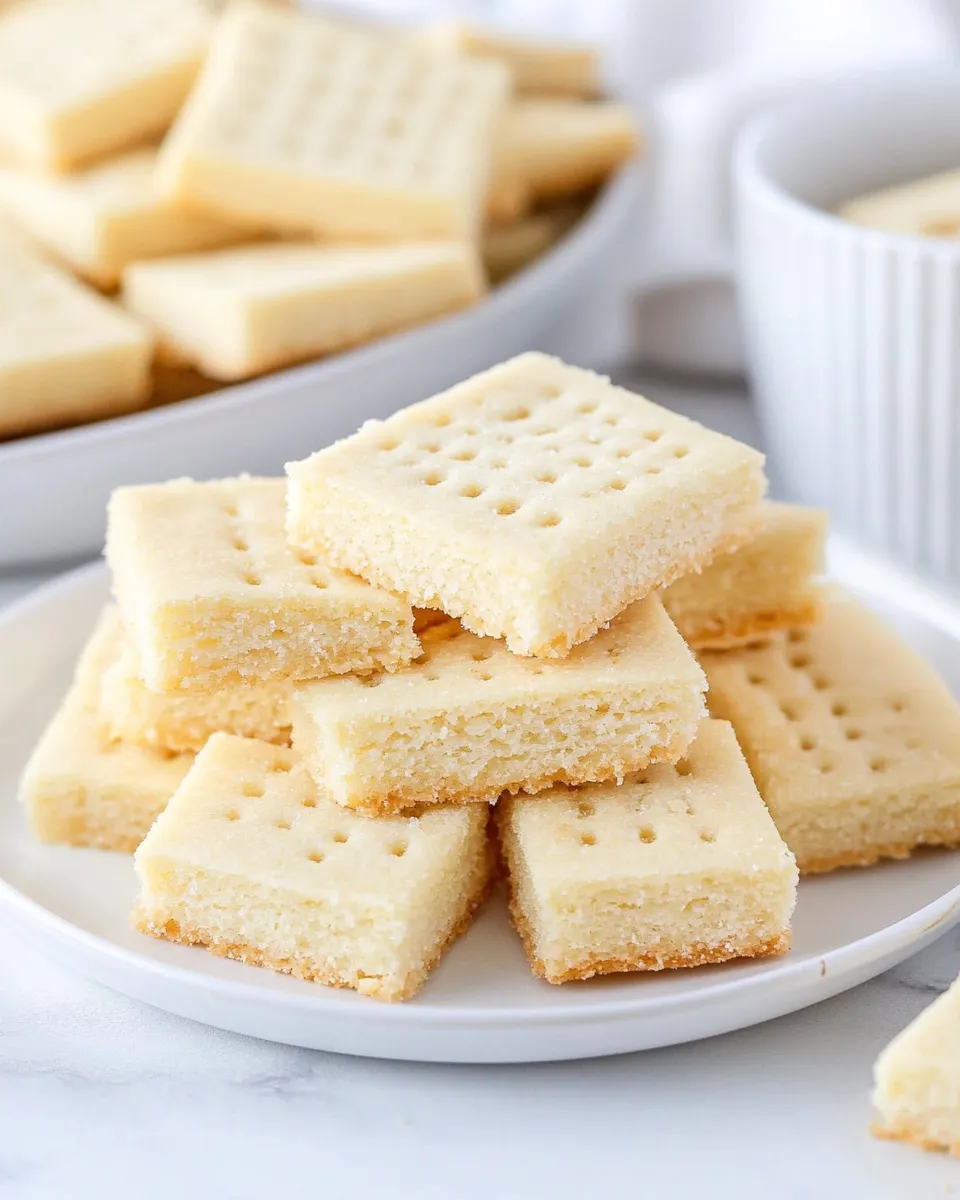
Shortbread is a study in restraint. Each ingredient has a job: butter brings flavor and richness, powdered sugar softens the structure and gives that fine, melt-in-your-mouth crumb, flour provides the framework, and vanilla and salt tie it all together. Because there are so few components, technique matters more than complexity.
Use the ingredients at the correct temperature where called for. Softened butter makes the dough come together easily without overworking. Measure your flour accurately — spoon it into the cup and level it off. These small habits keep the cookies tender and prevent a dry or tough finish.
Ingredients
- 2 sticks unsalted butter — softened at room temperature; provides richness and structure.
- 1 cup powdered sugar — gives a fine, tender crumb and sweetens without grit.
- 1 teaspoon vanilla extract — adds aromatic depth; replace with equal amount of another extract if needed.
- 1 pinch salt — balances sweetness and enhances butter flavor.
- 2 cups all-purpose flour — the framework of the shortbread; measure carefully to avoid dryness.
The Method for Walkers Shortbread Cookies
- Preheat the oven to 325°F (163°C). Lightly spray a 9×13-inch baking pan with nonstick spray and line the bottom with parchment paper, leaving an overhang on two opposite sides to lift the shortbread out later.
- In a large mixing bowl, combine the 2 sticks softened unsalted butter and 1 cup powdered sugar. Use a fork, electric hand mixer, or stand mixer and beat for 2 to 3 minutes until the mixture is smooth and fully combined.
- Add 1 teaspoon vanilla extract and 1 pinch salt to the butter-sugar mixture and mix until incorporated.
- Add the 2 cups all-purpose flour in 2 or 3 additions. Mix after each addition until the flour is just incorporated and the dough is thick and velvety. Do not overmix.
- Transfer the dough into the prepared pan. Use your hands to press the dough evenly across the entire surface and firmly into the corners.
- Place another sheet of parchment paper on top of the dough. Use your hands, a small rolling pin, or a flat-bottomed glass to smooth the surface and create an even, flat layer. Remove and discard the top parchment.
- Bake the shortbread in the preheated oven for 20 minutes.
- Remove the pan from the oven (keep the oven on). With a sharp knife, make 5 even lengthwise cuts parallel to the long side of the pan to divide the shortbread into 6 equal strips. Then make 2 even cuts parallel to the short side to divide each long strip into 3 pieces, for a total of 18 pieces (about 1½ × 4 inches each).
- Using the tines of a fork, gently press two parallel rows of evenly spaced holes into each scored piece to create the traditional Walker’s look.
- Return the pan to the oven and bake for an additional 8 to 9 minutes, until the edges are lightly golden.
- Remove the pan from the oven and allow the shortbread to cool completely in the pan. When cool, lift the shortbread out using the parchment overhang and separate the pieces along the scored lines before serving.
Why You’ll Keep Making It
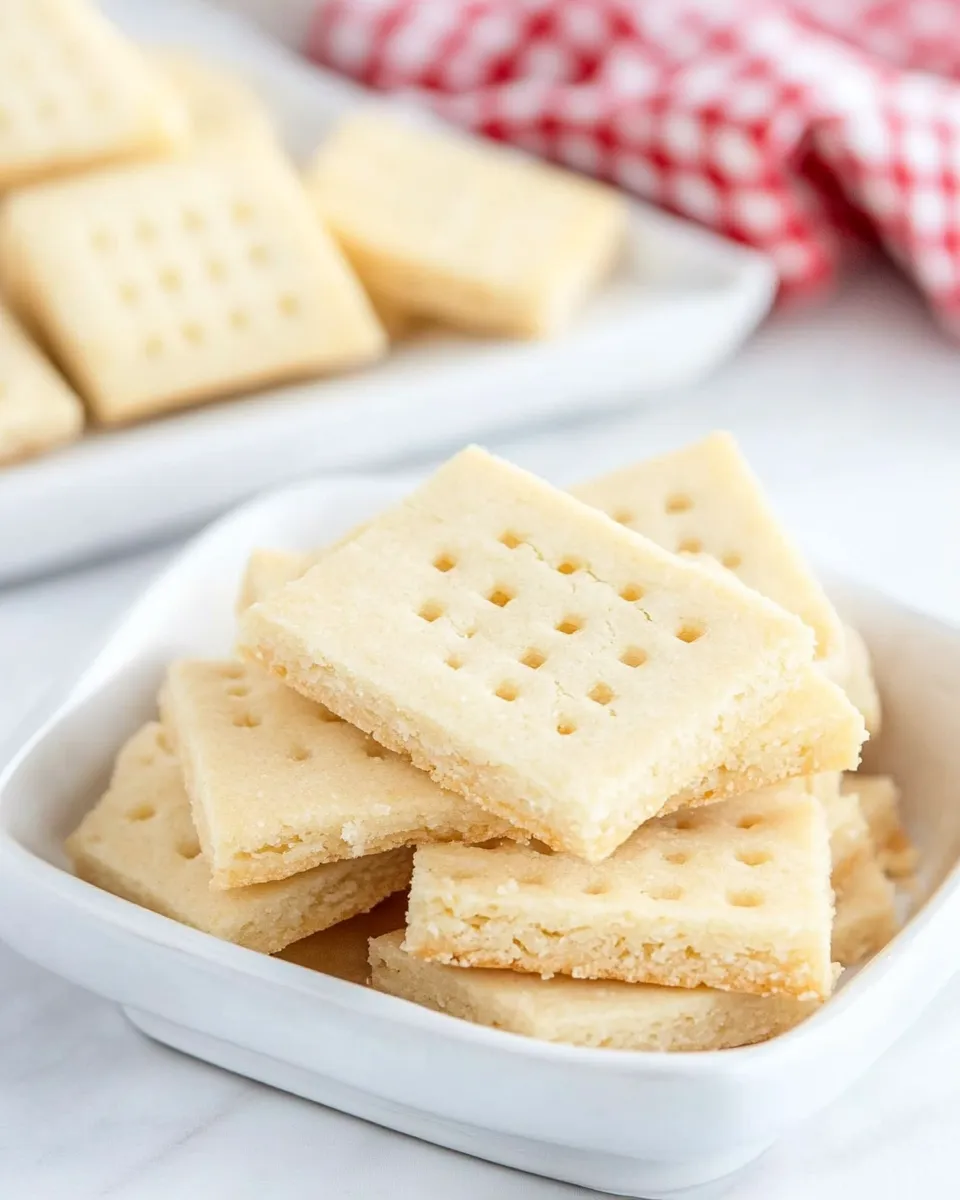
This shortbread is dependable. The ingredient list is short, the technique is repeatable, and the result is universally liked. Whether you’re packing a lunchbox, setting a tea table, or finishing a holiday cookie plate, these ticks every box: buttery taste, clean shape, and a satisfying crumb.
It’s forgiving, too. Dough can sit in the pan a little longer before scoring if you need to answer the door. It keeps well without drying out quickly, so you can make it ahead and still have a fresh-baked look. The scoring step creates neat squares that travel and gift beautifully.
Smart Substitutions
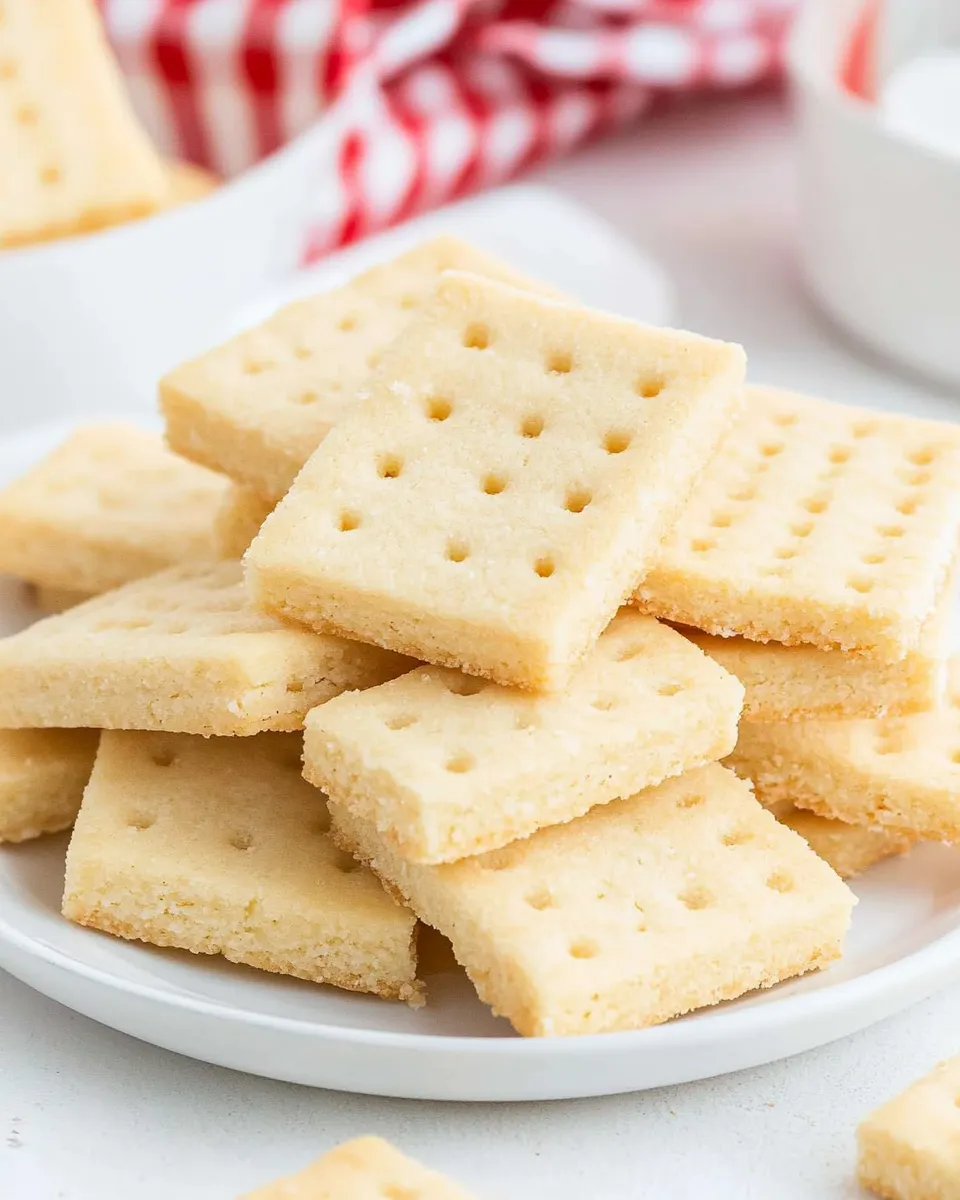
Substitutions can help when the pantry is not perfect. Here are safe swaps that preserve texture and flavor.
- Salted butter in place of unsalted: Use the same amount but skip the pinch of salt, or reduce it; taste preferences vary.
- European-style butter: Higher fat butter will deepen flavor and give a slightly richer mouthfeel — use it straight across for the best result.
- Vanilla adjustments: If you’re out of extract, a small scrape of vanilla bean will intensify aroma. If neither is available, the cookies will still be fine without it.
- Powdered sugar note: Powdered (confectioners’) sugar is what creates the tender crumb. Replacing it with granulated sugar will change texture, so avoid that swap unless you accept a more sandy result.
Hardware & Gadgets
You don’t need fancy tools. Use what you have, but a few items make life easier.
- 9×13-inch baking pan: The recipe is written for this size; different sizes change thickness and baking time.
- Parchment paper with overhang: Critical for lifting the shortbread out cleanly.
- Electric hand mixer or stand mixer: Helpful for creaming butter and sugar smoothly, but you can also use a fork if you prefer.
- Sharp knife: For scoring while the shortbread is hot; a ruler isn’t necessary, just aim for even spacing.
- Fork: For the traditional parallel tines pattern.
- Rolling pin or flat-bottomed glass: To press dough evenly under the top parchment.
What Not to Do
Shortbread missteps are usually simple and avoidable.
- Don’t overmix after adding flour: Overworking develops gluten and makes the shortbread tough.
- Avoid using cold butter: If the butter is too cold, you won’t get a smooth, cohesive dough; it will be lumpy and hard to press into the pan.
- Don’t skip the parchment overhang: Trying to lift the bars out without the overhang can break them and make separating messy.
- Don’t cut before the first bake: Score while warm after the initial 20 minutes as directed — cutting too early or too late affects the finish.
- Avoid overbaking: Shortbread should be lightly golden at the edges; a deep brown means dryness and a brittle texture.
Holiday-Friendly Variations
A plain shortbread base is an invitation to finish creatively. These ideas keep the original method intact and add seasonal flair.
- Chocolate-dipped ends: Melt chocolate and dip one or both ends of each cooled piece for a festive look.
- Sparkling sugar dust: Lightly brush with a touch of water or melted butter and sprinkle coarse sugar for sparkle.
- Citrus zest: Fold a teaspoon of finely grated lemon or orange zest into the dough at step 3 for a bright note.
- Spice mix: A light dusting of cinnamon or nutmeg on top before the second bake adds warmth without changing texture.
What I Learned Testing
I made this recipe multiple times to dial in timing and technique. Here are the practical takeaways that mattered most.
- Softened, not melty, butter: When the butter is softened to room temperature but still cool, it creams smoothly with the powdered sugar and traps air for a lighter bite.
- Press evenly: An even thickness across the pan ensures consistent bake times and edges that brown uniformly.
- Score while warm: Scoring right after the first bake gives crisp, clean edges when you finish baking. Waiting until completely cool makes it harder to separate the pieces cleanly.
- Fork marks are shallow: Press gently. The fork holes are decorative and help steam escape; deep holes can cause pieces to break.
- Watch the edge color: That’s your best indicator. Pull them at a light golden rim, not a deep brown.
How to Store & Reheat
Shortbread stores beautifully and is easy to refresh.
- Room temperature: Keep in an airtight container for up to 5 days. Layer with parchment to prevent sticking.
- Freeze: Wrapped tightly in plastic and placed in a freezer-safe bag or container, these keep for up to 3 months. Thaw at room temperature before serving.
- Reheat: To freshen up slightly stale shortbread, warm in a 300°F (150°C) oven for 5–7 minutes. Watch closely so it doesn’t brown.
Helpful Q&A
Quick answers to common questions I get when friends try this recipe.
- Can I use salted butter? Yes — reduce or omit the pinch of salt. The flavor will be slightly different but still excellent.
- Why powdered sugar instead of granulated? Powdered sugar creates the fine, tender texture characteristic of shortbread. Granulated will make the crumb coarser.
- Can I make this thicker or thinner? You can change pan size, but adjust bake time accordingly. Thicker shortbread needs more time; thinner will bake faster.
- How do I get perfect fork marks? Press gently and evenly with the tines after scoring and before the final bake. Two parallel rows give the classic Walker’s look.
- Are these suitable for gifting? Absolutely. They stack and package well; just layer with parchment and keep them airtight.
Final Thoughts
This recipe is the kind I return to again and again because it reliably makes an elegant cookie with very little fuss. The technique is straightforward, the ingredients are familiar, and the result is classic. Keep the method as written the first few times — especially the quantites and the bake/score timing — and you’ll get the exact texture and look that makes shortbread special.
Make a batch, store half, and give the rest away. You’ll see how fast they disappear. And if you try a variation, note the small changes so you can repeat the ones you like best. Happy baking.
Walkers Shortbread Cookies
Ingredients
Ingredients
- 2 sticksunsalted buttersoftened at room temperature
- 1 cuppowdered sugar
- 1 teaspoonvanilla extract
- 1 pinchsalt
- 2 cupsall-purpose flour
Instructions
Instructions
- Preheat the oven to 325°F (163°C). Lightly spray a 9×13-inch baking pan with nonstick spray and line the bottom with parchment paper, leaving an overhang on two opposite sides to lift the shortbread out later.
- In a large mixing bowl, combine the 2 sticks softened unsalted butter and 1 cup powdered sugar. Use a fork, electric hand mixer, or stand mixer and beat for 2 to 3 minutes until the mixture is smooth and fully combined.
- Add 1 teaspoon vanilla extract and 1 pinch salt to the butter-sugar mixture and mix until incorporated.
- Add the 2 cups all-purpose flour in 2 or 3 additions. Mix after each addition until the flour is just incorporated and the dough is thick and velvety. Do not overmix.
- Transfer the dough into the prepared pan. Use your hands to press the dough evenly across the entire surface and firmly into the corners.
- Place another sheet of parchment paper on top of the dough. Use your hands, a small rolling pin, or a flat-bottomed glass to smooth the surface and create an even, flat layer. Remove and discard the top parchment.
- Bake the shortbread in the preheated oven for 20 minutes.
- Remove the pan from the oven (keep the oven on). With a sharp knife, make 5 even lengthwise cuts parallel to the long side of the pan to divide the shortbread into 6 equal strips. Then make 2 even cuts parallel to the short side to divide each long strip into 3 pieces, for a total of 18 pieces (about 1½ × 4 inches each).
- Using the tines of a fork, gently press two parallel rows of evenly spaced holes into each scored piece to create the traditional Walker’s look.
- Return the pan to the oven and bake for an additional 8 to 9 minutes, until the edges are lightly golden.
- Remove the pan from the oven and allow the shortbread to cool completely in the pan. When cool, lift the shortbread out using the parchment overhang and separate the pieces along the scored lines before serving.
Equipment
- 9x13 inch Baking Pan
- Parchment Paper
- nonstick spray
- Large Mixing Bowl
- Fork
- Electric Hand mixer or Stand mixer
- rolling pin or flat-bottomed glass
- Sharp Knife
- Oven
Notes
Measure flour correctly: Spoon flour into measuring cups and level with a knife rather than scooping directly with the measuring cup, which compacts flour and can result in dry cookies.
Don’t rush the cooling: Allowing the cookies to cool completely in the pan helps them firm up and achieve that perfect shortbread texture.
Gentle handling: Shortbread dough should be handled minimally to avoid developing gluten, which makes cookies tough instead of tender.
Even thickness: Use the rolling pin with parchment method to ensure your shortbread is perfectly even for uniform baking.
Although these cookies won’t rise, use a baking dish that is at least 1 to 2 inches deep for best results.