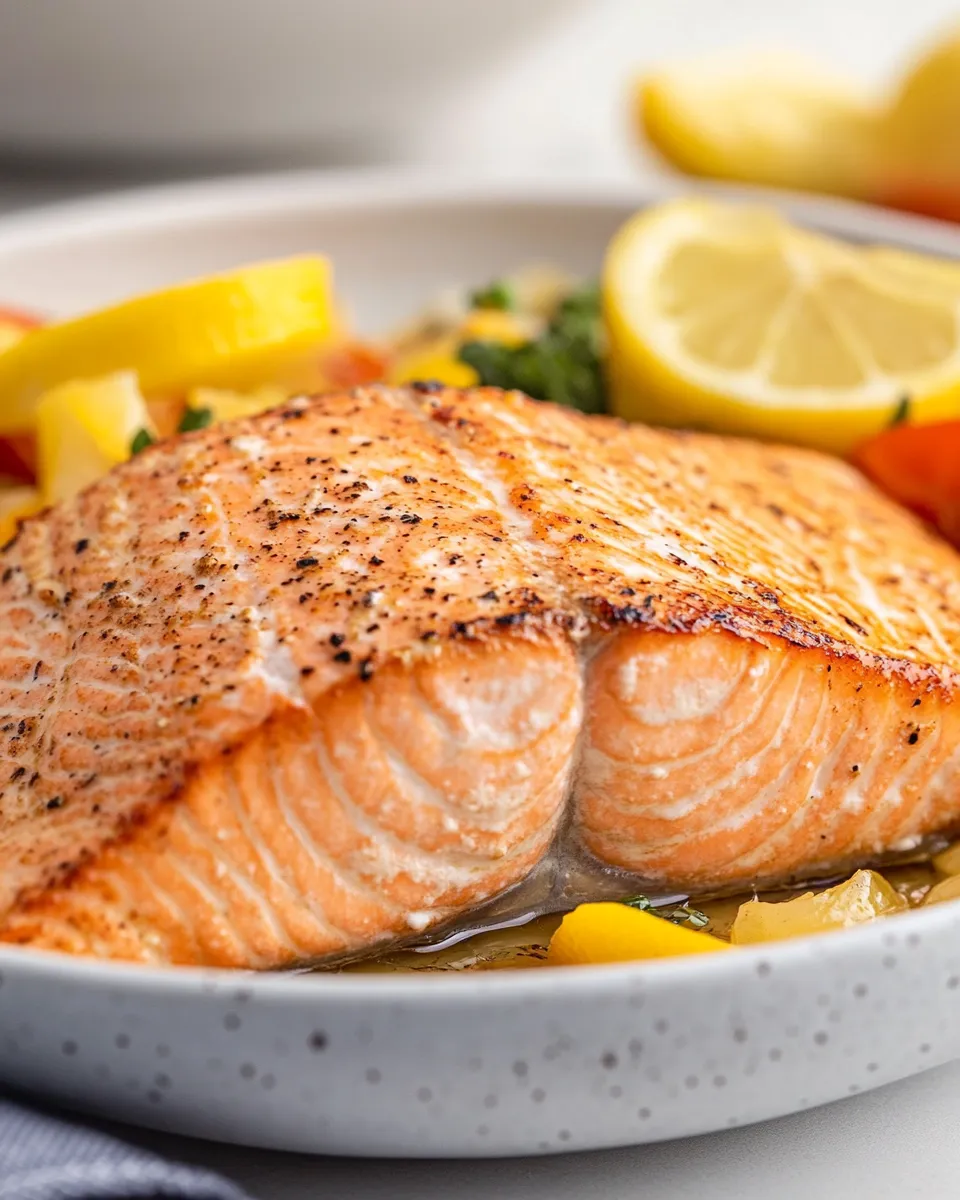
I keep a bag of frozen salmon in my freezer for nights when I want dinner fast but still feel like I made something thoughtful. Air frying frozen salmon with the skin on gives you a flaky, moist fillet without the mess of thawing. It’s straightforward, forgiving, and the skin helps protect the flesh while crisping up if your air fryer gets hot enough.
This recipe uses a simple honey-lemon glaze that balances richness and brightness. You don’t need a lot of fiddly steps: a quick glaze, a hot air fryer, and a few focused minutes of cooking. I’ll walk you through the exact steps I use, frying from frozen when I’m short on time and taking advantage of the skin to keep the salmon tender.
Expect a meal that looks restaurant-ready with minimal cleanup. Whether you’re feeding yourself after work or plating for guests, this method delivers consistent results. Read on for ingredients, step-by-step instructions, troubleshooting tips, and sensible make-ahead advice.
Ingredient Breakdown

Ingredients
- 1 pound salmon (2–3 fillets) — main protein; skin-on fillets hold together better during air frying and protect the flesh.
- 1 tablespoon honey — adds a glossy finish and a touch of sweet balance to the lemon.
- 1 teaspoon olive oil — helps the glaze adhere and encourages slight browning on the flesh.
- 1 teaspoon lemon juice — brightens the glaze and cuts through the richness of the salmon.
- 1 teaspoon salt — seasons the fish; use kosher or table salt but keep the amount as written for balance.
- ¼ teaspoon ground black pepper — adds gentle heat and aromatic depth.
- ¼ teaspoon garlic powder — gives background savory flavor without adding moisture.
- ¼ teaspoon dried dill or 1 teaspoon fresh dill — classic herb note that pairs naturally with salmon; use whatever you have.
Mastering Air Fryer Frozen Salmon Fillet With Skin: How-To
- Preheat the air fryer to 400°F and run it for several minutes while you prepare the salmon.
- If using fresh salmon, pat the fillets dry with paper towels. If using frozen salmon, remove any loose ice but do not thaw.
- In a small bowl, mix 1 tablespoon honey, 1 teaspoon olive oil, 1 teaspoon lemon juice, 1 teaspoon salt, 1/4 teaspoon ground black pepper, 1/4 teaspoon garlic powder, and 1/4 teaspoon dried dill (or 1 teaspoon fresh dill). Stir to combine and set aside.
- For frozen salmon: place frozen fillets skin-side down in a single layer in the air fryer basket without overlapping. Air fry at 400°F for 6 minutes. Open the air fryer, brush the glaze evenly over the tops of the fillets, then close and air fry an additional 6 to 8 minutes, or until the salmon is cooked through and flakes easily.
- For fresh salmon: place fresh fillets skin-side down in a single layer in the air fryer basket. Brush the glaze evenly over the tops of the fillets. Air fry at 400°F for 5 to 8 minutes, depending on thickness, or until the salmon is cooked through and flakes easily.
- Remove the salmon carefully from the air fryer and serve.
Why You’ll Love This Recipe

It’s fast. From freezer to plate in about 15 minutes of cooking time, plus a few minutes of prep. The air fryer does the heavy lifting: high heat, circulating air, and a minimal footprint on your stovetop.
The skin stays on to protect the fish, so the flesh remains juicy instead of drying out. The honey-lemon glaze is simple but effective — it caramelizes slightly and adds a glossy finish that makes the dish feel special without extra effort.
Finally, this method is forgiving. Frozen fillets cook reliably, and the two-stage approach for frozen salmon (partial cook, glaze, finish) ensures the sugar in the glaze won’t burn before the center reaches the right doneness.
Low-Carb/Keto Alternatives
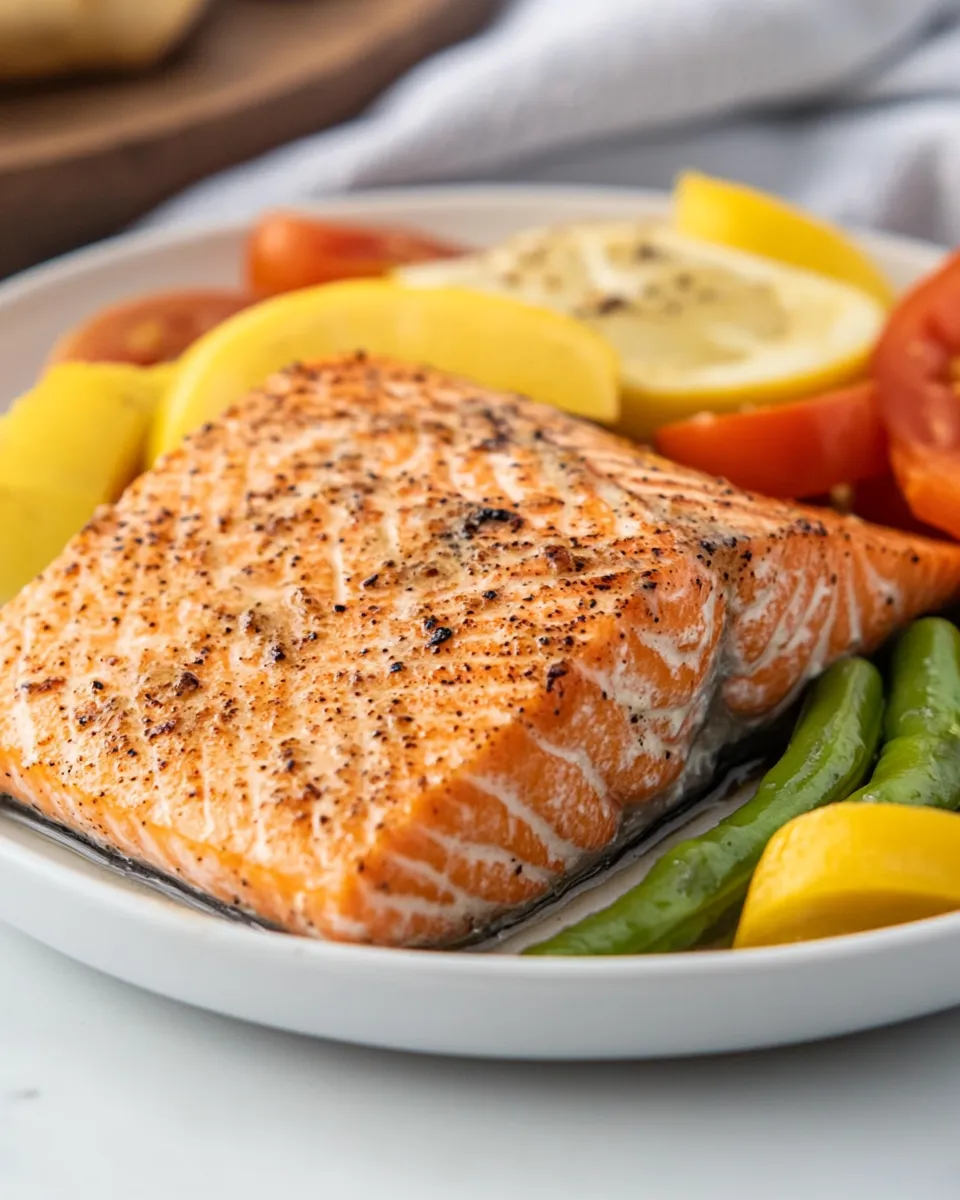
Salmon is already a great low-carb, high-fat protein. To keep the glaze keto-friendly, switch the honey for a low-carb liquid sweetener you like (e.g., erythritol-based syrup or a monk fruit blend) in a similar volume. Skip the change in amounts here — experiment with the sweetness to taste.
If you’re avoiding lemon juice for any reason, a splash of apple cider vinegar can provide acidity without carbs, but start small and taste.
Hardware & Gadgets
Air fryer: Any model that reaches 400°F works. Basket-style or drawer-style both yield good results. Make sure your basket is large enough to hold fillets flat without overlapping.
Pastry brush or spoon: To apply the glaze evenly after the initial cook stage.
Paper towels: For patting fresh fish dry.
Optional: Instant-read thermometer. Salmon is done at about 125–130°F for medium-rare to medium. If you prefer well done, aim closer to 145°F, but watch for dryness.
What Not to Do
Don’t overlap fillets in the basket. Crowding blocks circulating air and causes uneven cooking.
Don’t thaw frozen fillets if you’re following the frozen method. The recipe is written to handle frozen fish safely; thawing changes timing and risks overcooking the edges.
Don’t apply the glaze at the start when cooking frozen fillets. The sugar in the honey can burn if exposed to high heat for the full time. Brush after the first cook interval as instructed.
Don’t assume every air fryer cooks the same. Use the time ranges as guidelines. If you have a particularly powerful unit, check earlier; if you have a gentler one, you may need the upper end of the range.
How to Make It Lighter
The recipe is already lean thanks to salmon, but you can make it feel lighter on the plate with these tweaks:
- Reduce the honey to 2 teaspoons if you want less sweetness and fewer calories from sugar.
- Serve over a bed of greens or zucchini noodles rather than rice or potatoes.
- Swap olive oil for a calorie-free spray if you’re watching every drop of fat. Keep in mind that the oil helps the glaze adhere and encourages browning.
Author’s Commentary
I cook this method several times a month. It’s my fallback for busy nights that still call for something nourishing and impressive enough to serve company. The skin acts like a built-in foil — it keeps the fish intact while giving the option for a crisp edge if you like.
Be honest with your air fryer. Learn how it runs hot or cool. I find that my first run after preheating at 400°F gives a gentle jump-start, then glazing halfway through locks in flavor without overcooking. Small adjustments in time, not temperature, usually fix any issues.
Make-Ahead & Storage
Cooked salmon keeps well in the refrigerator for up to 3 days in an airtight container. Cool to room temperature no longer than two hours after cooking, then refrigerate. To reheat, gently warm in the air fryer at 325°F for 3–5 minutes — just enough to warm through without drying.
If you want to prepare the glaze ahead, store it in a small airtight container in the fridge for up to 3 days. Give it a quick stir or microwave for 5–7 seconds to loosen before brushing onto the fish.
Do not refreeze cooked salmon. If you cooked from frozen and want to freeze leftovers, freeze as soon as it has cooled and pack tightly in a freezer-safe container for up to 1 month. Expect some textural change on reheating.
Handy Q&A
Q: Can I cook multiple fillets at once?
A: Yes, as long as they lie in a single layer without overlapping. Cook in batches if necessary.
Q: How do I know when the salmon is done?
A: The flesh should flake easily with a fork and be opaque through the thickest part. For a precise check, use an instant-read thermometer: 125–130°F for medium, up to 145°F if you prefer well done.
Q: Will the skin be crispy?
A: The skin can crisp if the air fryer gets very hot and the basket is dry, but because we’re cooking frozen and using a glaze, it may be more tender than crackling. If you want extra-crispy skin, pat fresh fillets dry before cooking and avoid brushing oil or glaze on the skin side.
Q: Can I omit the honey?
A: Yes. Leaving it out reduces sweetness but keeps the lemon-salt profile. If you want some glaze texture without sugar, try a light brush of olive oil with the herbs instead.
Q: My glaze burned on the edges. What happened?
A: Likely the glaze was applied too early or the air fryer runs hot. For frozen fillets, follow the two-stage approach: partial cook first, then glaze, then finish. If your air fryer is particularly intense, reduce the second stage time slightly and check early.
Hungry for More?
If you liked this simple air fryer approach, try swapping the herb for smoked paprika and cumin for a different flavor profile, or finish with a squeeze of fresh lemon and chopped fresh herbs for brightness. Small changes, same easy method.
Want more quick seafood dinners? Keep a couple of dependable methods in your rotation: stovetop pan-seared for a crispier skin, foil-baked for hands-off simplicity, and this frozen-air-fryer method for speed. Each has a place, depending on time and appetite.
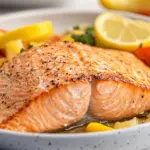
Air Fryer Frozen Salmon Fillet With Skin
Ingredients
Ingredients
- 1 poundsalmon2-3 fillets
- 1 tablespoonhoney
- 1 teaspoonolive oil
- 1 teaspoonlemon juice
- 1 teaspoonsalt
- 1/4 teaspoonground black pepper
- 1/4 teaspoongarlic powder
- 1/4 teaspoondried dillor 1 tsp fresh dill
Instructions
Instructions
- Preheat the air fryer to 400°F and run it for several minutes while you prepare the salmon.
- If using fresh salmon, pat the fillets dry with paper towels. If using frozen salmon, remove any loose ice but do not thaw.
- In a small bowl, mix 1 tablespoon honey, 1 teaspoon olive oil, 1 teaspoon lemon juice, 1 teaspoon salt, 1/4 teaspoon ground black pepper, 1/4 teaspoon garlic powder, and 1/4 teaspoon dried dill (or 1 teaspoon fresh dill). Stir to combine and set aside.
- For frozen salmon: place frozen fillets skin-side down in a single layer in the air fryer basket without overlapping. Air fry at 400°F for 6 minutes. Open the air fryer, brush the glaze evenly over the tops of the fillets, then close and air fry an additional 6 to 8 minutes, or until the salmon is cooked through and flakes easily.
- For fresh salmon: place fresh fillets skin-side down in a single layer in the air fryer basket. Brush the glaze evenly over the tops of the fillets. Air fry at 400°F for 5 to 8 minutes, depending on thickness, or until the salmon is cooked through and flakes easily.
- Remove the salmon carefully from the air fryer and serve.
Equipment
- Air Fryer
- Small Bowl
- Brush
- Paper Towels
Notes
If you prefer not to get the bottom of the air fryer basket dirty, you can place a piece of foil in the basket before adding the salmon fillets.
Salmon will keep well for up to 3 days stored in an airtight container and kept in the fridge. Previously frozen salmon
should no
t be frozen again once cooked. Reheat in the air fryer for up to 5 minutes at 350 degrees F.