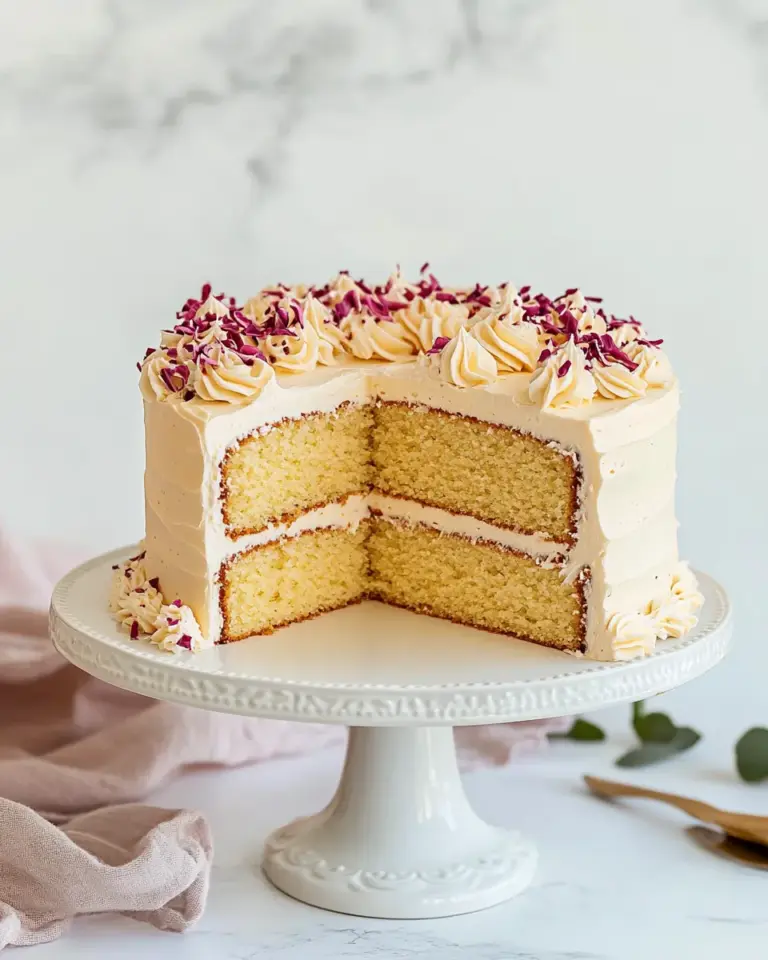
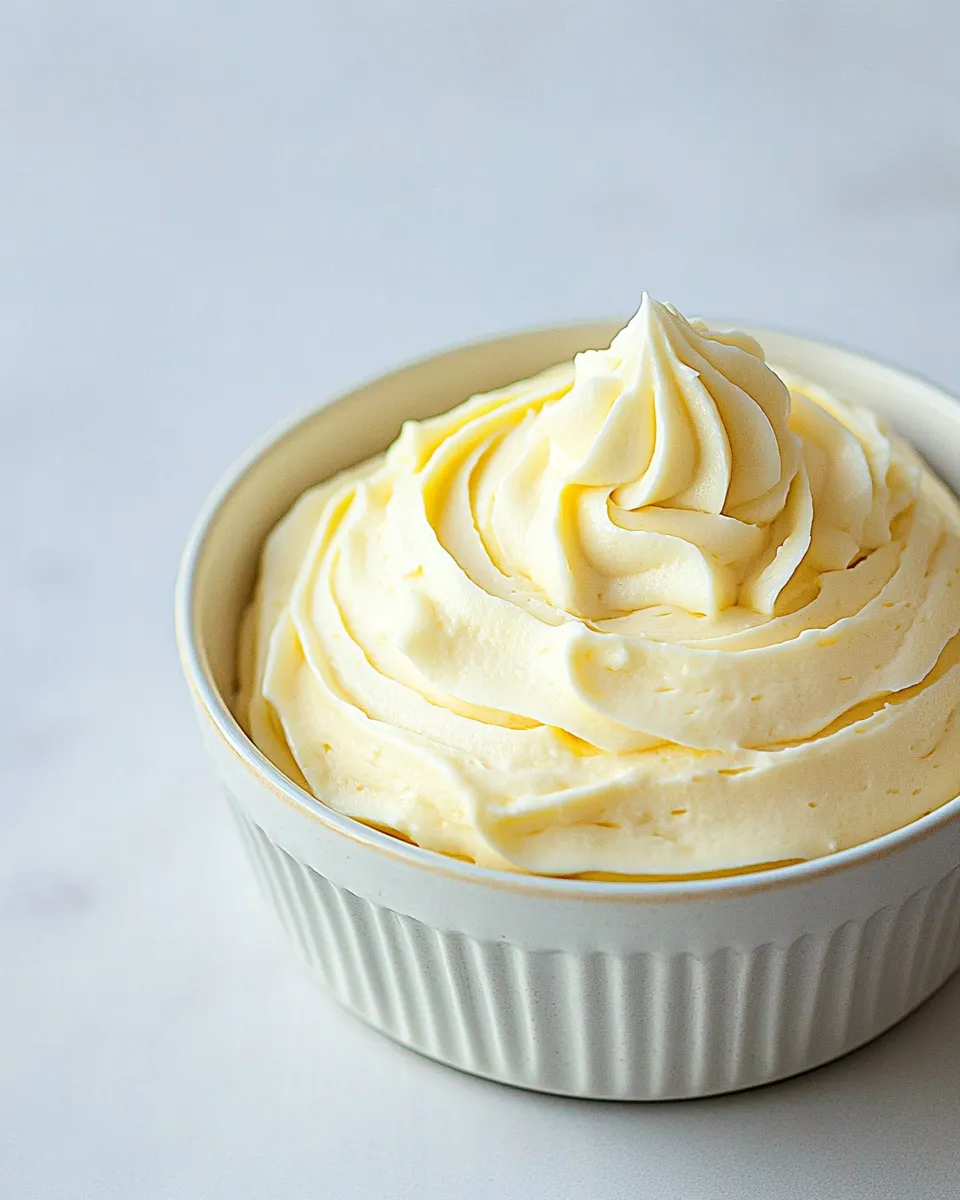
I make this almond buttercream nearly every time I need a dependable, aromatic frosting. It’s straightforward, forgiving, and finishes cakes and cupcakes with a clean, nutty brightness that doesn’t overpower. The texture is smooth, spreadable, and it holds neat edges when you need it to.
No fancy equipment or obscure ingredients required—just butter, powdered sugar, almond extract, and milk. I’ll walk you through the exact steps, what to watch for, and small adjustments that keep the frosting silky whether you’re piping rosettes or spreading a thin layer across a sheet cake.
Practical tips matter here. I’ll point out the moments where temperature, mixing speed, and a careful scrape of the bowl make the difference between gritty sugar and glossy buttercream. You’ll get a reliable result every time if you follow the sequence and little tricks I outline below.
What’s in the Bowl
- 1/2 cup butter, softened — provides the creamy base and structure; softened, not melted, for proper aeration.
- 1 pound powdered sugar — sweetens and stabilizes the frosting; sifted or lump-free gives the smoothest finish.
- 2 teaspoons almond extract — the primary flavor; concentrated, so a little goes a long way.
- 2 tablespoons milk, or more, as needed — adjusts consistency; add cautiously to avoid a runny frosting.
Almond Buttercream Frosting, Made Easy
- Put 1/2 cup softened butter into a large bowl or the bowl of a stand mixer fitted with the paddle attachment.
- Beat the butter on medium speed for about 1–2 minutes until smooth and slightly fluffy (use an electric hand mixer if you don’t have a stand mixer).
- With the mixer on low, add 1 pound powdered sugar in a few additions, mixing briefly after each addition until incorporated. Scrape down the bowl and paddle as needed.
- Add 2 teaspoons almond extract and mix on low just until combined.
- With the mixer running on low, slowly add the 2 tablespoons milk, one tablespoon at a time, mixing after each addition. If the frosting is still too stiff, add a little more milk, a small amount at a time, until it reaches a creamy, spreadable consistency.
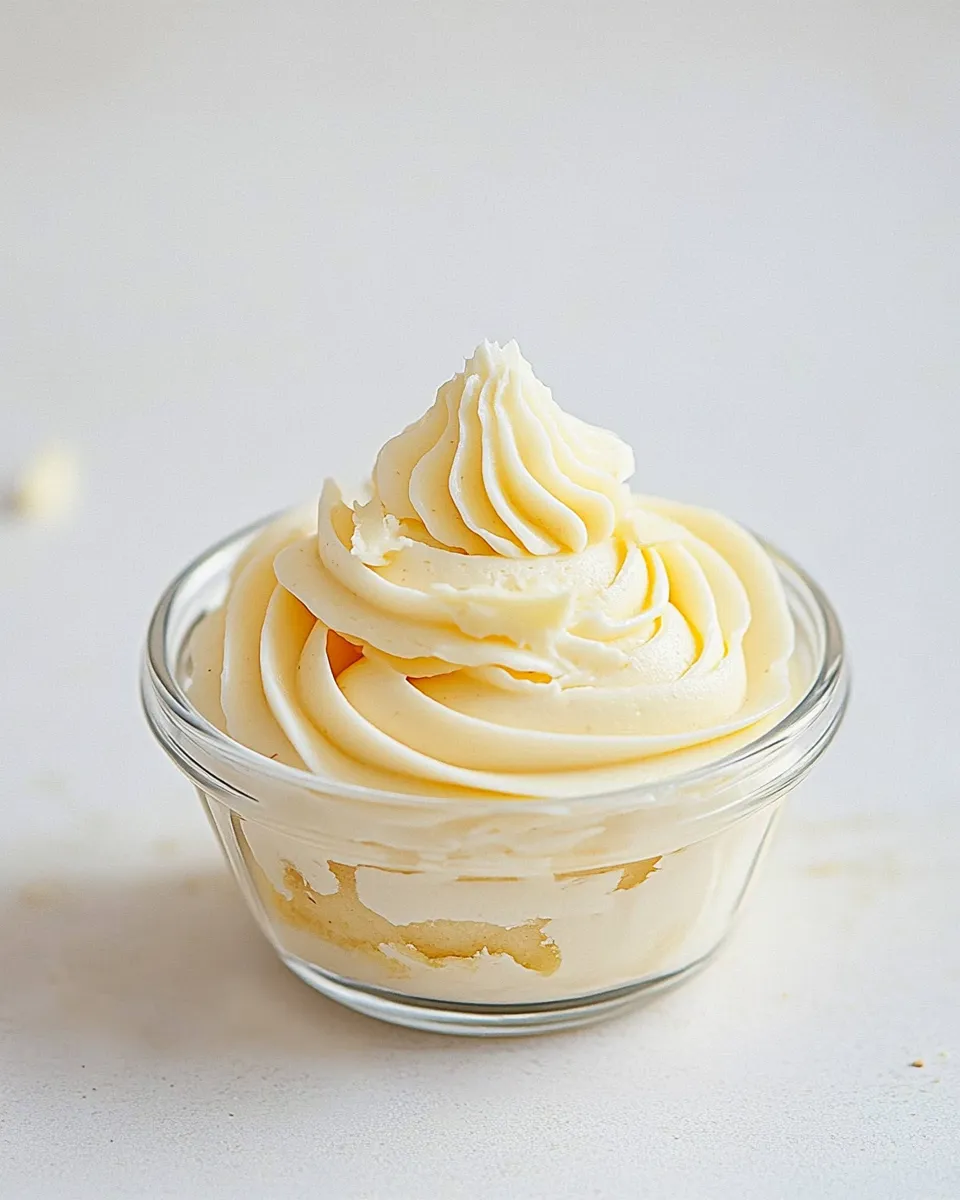
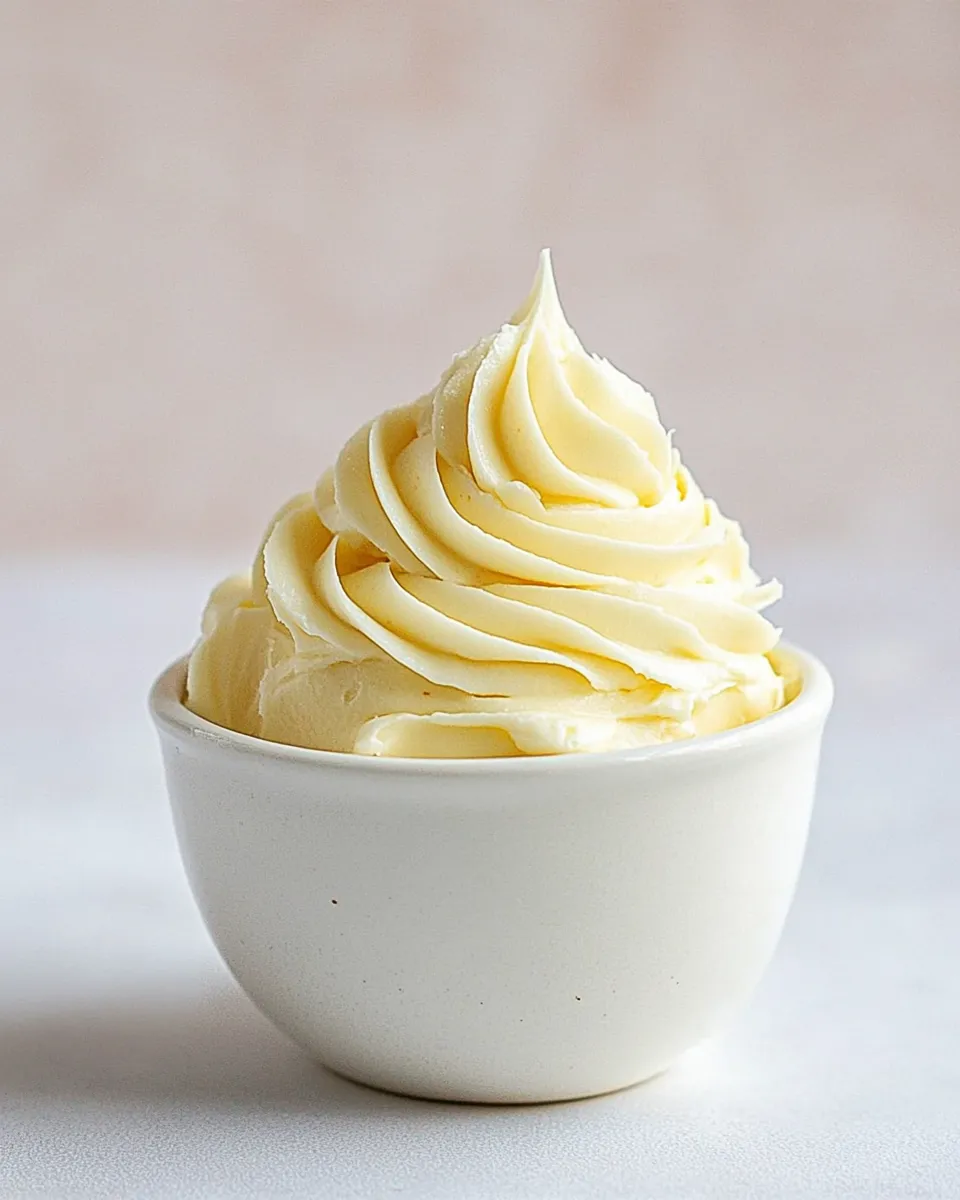
- Increase the mixer speed to medium and beat for 20–30 seconds more to make the buttercream light and smooth. The frosting should hold its shape but be easy to spread.
- Stop the mixer, scrape the bowl and paddle, and use the almond buttercream immediately or store as needed.
Reasons to Love Almond Buttercream Frosting
This frosting balances simplicity and flavor. The almond extract gives a fragrant lift without competing with other cake elements. It’s sweet but not cloying, and it works on everything from vanilla layer cakes to denser pound cakes.
It’s also very forgiving. Small changes to milk or mixing time tweak texture without derailing the final result. Because it relies on familiar pantry staples, you can pull it together at a moment’s notice and still end up with a frosting that looks professional.
Finally, it behaves well for decorators. It smooths easily, holds piped shapes, and you can thin it slightly for a poured-look glaze or keep it thicker for crisp borders. That range makes it a go-to for home bakers who want one reliable buttercream in their toolkit.
Ingredient Swaps & Substitutions
Keep in mind the core ingredient list: butter, powdered sugar, almond extract, and milk. Most adjustments you’ll need are amounts or technique rather than wholesale swaps.
- Butter temperature: If your butter is too cold, the frosting will be lumpy. If it’s too warm, the frosting will be loose. Aim for soft but still cool to the touch.
- Almond intensity: The recipe uses 2 teaspoons almond extract. If you want a subtler note, reduce by 1/2 teaspoon. If you want bolder almond flavor, increase in 1/4-teaspoon increments, tasting as you go.
- Sweetness vs. texture: The 1 pound of powdered sugar gives structure and sweetness. If you need a slightly less sweet result, the texture will change with less sugar; instead, adjust how much milk you add to soften the mouthfeel without removing sugar.
- Milk control: The 2 tablespoons milk is the main lever for consistency. Add it slowly and stop when you reach the desired spreadability. If you overshoot, chill briefly to firm it up before using.
Gear Checklist
- Stand mixer with paddle attachment — ideal for even creaming and quick incorporation.
- Electric hand mixer — perfectly acceptable if you don’t have a stand mixer.
- Large mixing bowl — if using a hand mixer, pick a bowl large enough to avoid sugar clouds when mixing.
- Rubber spatula — for scraping the bowl and paddle so every bit of frosting gets worked evenly.
Easy-to-Miss Gotchas
- Butter temperature: Starting with butter that’s too soft (near-melted) will give a greasy, loose frosting. Too cold and you’ll see butter chunks. Aim for softened but cool.
- Sifting powdered sugar: If your powdered sugar has lumps, they’ll survive mixing and cause a grainy texture. Sift if it’s clumpy.
- Adding liquid too fast: Adding milk all at once can turn the frosting runny. Add one tablespoon at a time and evaluate.
- Not scraping the bowl: Sugar pockets hide on the sides and bottom. Scrape between stages so the almond extract and milk distribute evenly.
- Overbeating after adding sugar: Once you finish the brief final beat to lighten the frosting, don’t continue beating for long—overworking can warm the butter and change the texture.
Season-by-Season Upgrades
Seasonal tweaks don’t require new ingredients—just small technique changes to suit climate and serving conditions.
Summer: In warm kitchens, keep the butter cooler to prevent a runny frosting. Work in short bursts, chilling the bowl briefly if it becomes too soft while you prepare piping bags or cake layers.
Fall/Winter: Cooler air firms butter quickly. If the frosting feels stiff, let it sit at room temperature for 5–10 minutes or add milk in tiny amounts to reach spreadable consistency. The almond flavor plays nicely with denser fall cakes.
Spring: Lighter textures are nice as temperatures rise. If you want a softer mouthfeel for warm days, add a teaspoon or two of milk more than the recipe suggests—stir slowly and test as you go.
Holiday season: Almond notes come forward with richer cakes. Keep the almond extract measurement as written for balance, and only increase if you specifically want a pronounced nutty aroma.
Chef’s Rationale
The sequence in this recipe is not arbitrary. Starting with creamed butter creates a stable aerated base. Adding powdered sugar in a few additions prevents a sugar cloud and allows each addition to incorporate smoothly. Almond extract is added after sugar so the flavor distributes without being lost in excess mixing. Milk is the final textural control, and the brief final beat brightens and smooths the finished buttercream.
Every ingredient and step has a purpose: butter builds structure and flavor, powdered sugar sets sweetness and body, almond extract defines the profile, and milk modulates consistency. The recipe prioritizes balance—and quick corrections—so you can adapt without starting over.
Storage & Reheat Guide
Storage is simple. Room temperature: If you’ll use the frosting within a day and your kitchen is cool (below 70°F/21°C), you can keep it covered at room temperature for short-term use.
Refrigeration: For longer storage, place the buttercream in an airtight container and refrigerate up to one week. When ready to use, bring it to room temperature, then re-whip briefly to restore its light texture. Scrape the sides of the bowl and beat on medium for 20–30 seconds.
Freezing: You can freeze the buttercream for up to three months if needed. Thaw overnight in the refrigerator, then warm gently to room temperature and re-whip before using. If excess moisture appears after thawing, beat briefly to reincorporate.
Using after chilling: If the frosting firms while cold, let it sit at room temperature until it softens slightly, then re-whip to texture. If it becomes too loose after warming, chill briefly and re-whip to reach piping consistency.
Ask the Chef
Q: Can I make this ahead of time for a party?
A: Yes. Make it the day before and refrigerate in an airtight container. Re-whip before using to refresh the texture.
Q: My frosting is gritty. What went wrong?
A: Grittiness usually means powdered sugar wasn’t incorporated smoothly or was lumpy. Sift the sugar next time and scrape the bowl between additions.
Q: How do I adjust texture for piping versus spreading?
A: For piping crisp shapes, use the recipe amounts as written and chill briefly if needed to firm. For smoother spreading or a thinner finish, add milk 1/2 teaspoon at a time until you reach the desired consistency.
Q: Can I double the recipe?
A: Yes. Work in a bowl large enough to allow thorough mixing, and add powdered sugar in a few additions just as you would for a single batch.
See You at the Table
This almond buttercream is one of those reliable, everyday recipes that makes an ordinary cake feel intentional. It’s quick to put together, forgiving to tweak, and flexible in use. Keep the core technique and ingredient ratios in mind, be mindful of butter temperature, and you’ll finish with a smooth, aromatic frosting that looks as good as it tastes.
Try it on cupcakes, use it between cake layers, or spread it thin for a subtle finish. When you do, I’d love to hear how you adapted it for your cake—small changes often make a recipe truly yours.
Almond Buttercream Frosting Recipe
Ingredients
Ingredients
- 1/2 cupbuttersoftened
- 2 teaspoonsalmond extract
- 1 poundpowdered sugar
- 2 tablespoonsmilkor more as needed
Instructions
Instructions
- Put 1/2 cup softened butter into a large bowl or the bowl of a stand mixer fitted with the paddle attachment.
- Beat the butter on medium speed for about 1–2 minutes until smooth and slightly fluffy (use an electric hand mixer if you don’t have a stand mixer).
- With the mixer on low, add 1 pound powdered sugar in a few additions, mixing briefly after each addition until incorporated. Scrape down the bowl and paddle as needed.
- Add 2 teaspoons almond extract and mix on low just until combined.
- With the mixer running on low, slowly add the 2 tablespoons milk, one tablespoon at a time, mixing after each addition. If the frosting is still too stiff, add a little more milk, a small amount at a time, until it reaches a creamy, spreadable consistency.
- Increase the mixer speed to medium and beat for 20–30 seconds more to make the buttercream light and smooth. The frosting should hold its shape but be easy to spread.
- Stop the mixer, scrape the bowl and paddle, and use the almond buttercream immediately or store as needed.
Equipment
- Stand mixer
- paddle attachment
- Electric hand mixer
- Large Bowl
Notes
1 9×13 cake OR
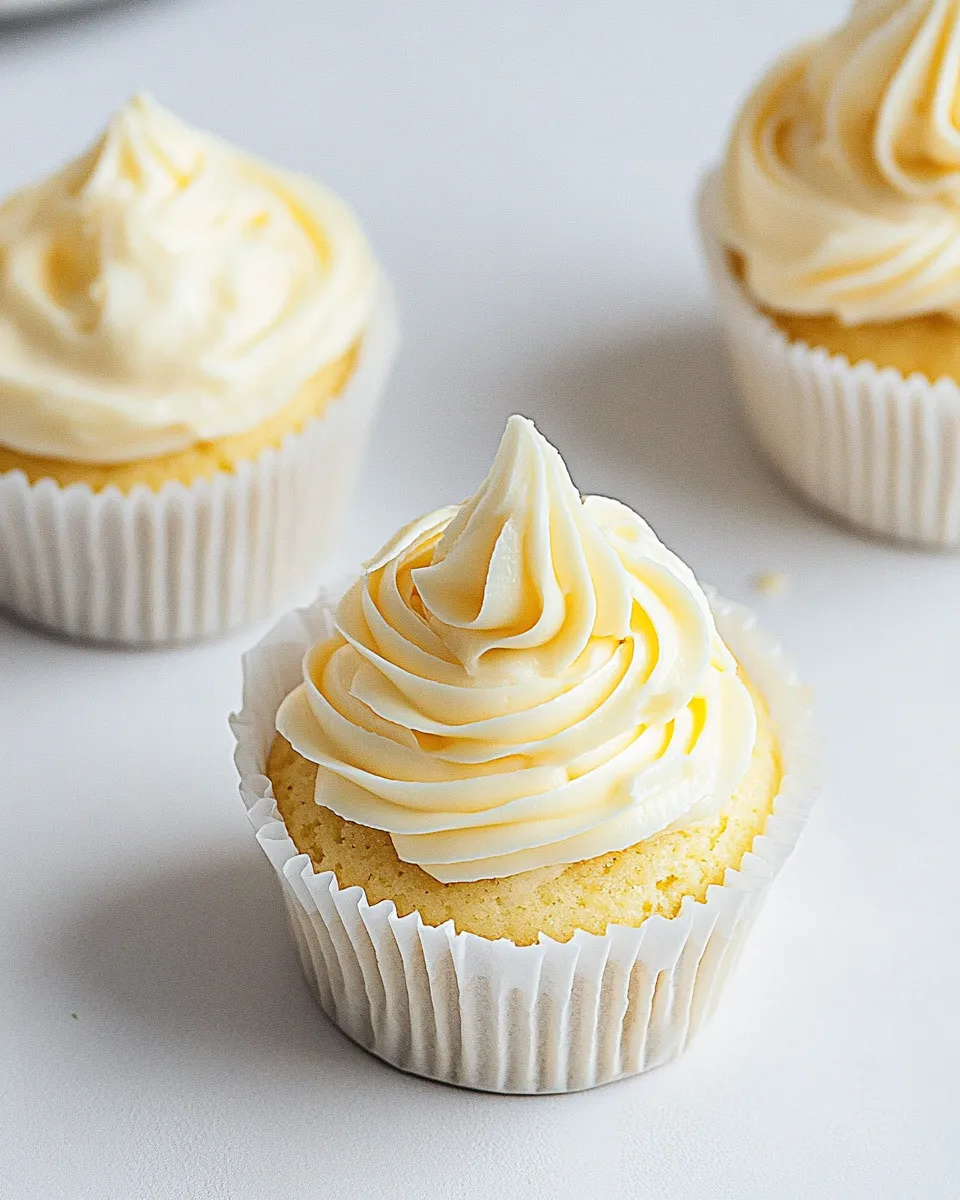
12 cupcakes using a piping bag OR
24 cupcakes using a butter knife