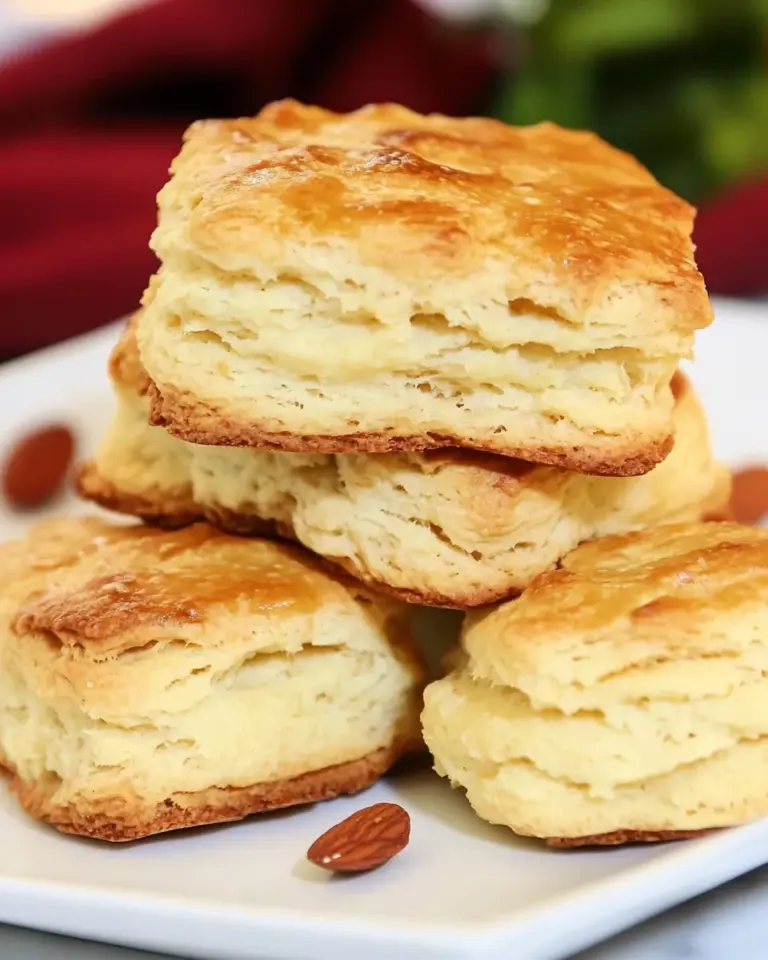

These Almond Flour Biscuits are a small, reliable recipe I reach for when I want a quick, tender bread without wheat. They bake up with a lightly golden edge, a tender crumb, and enough buttery flavor to feel indulgent without fuss. They’re straightforward to make and forgiving in technique, which makes them perfect for busy mornings or a simple side for a weeknight soup.
I like them because the ingredient list is tiny and the method is direct. You don’t need to stretch a recipe or hunt down specialty equipment. A bowl, a fork, your hands, and a baking sheet deliver biscuits that are crisp at the edges and soft inside. Serve them warm with butter, jam, or a slice of cheese.
Below I’ll walk you through exactly what goes into these biscuits, how to handle the dough, swaps you can try, what to avoid, and how to store them so they keep well. Practical tips throughout will keep the process efficient and the result consistently good.
What Goes Into Almond Flour Biscuits
This section describes every ingredient and why it matters. I list the ingredients exactly as provided, and include a short note or tip after each so you know what role it plays in texture and flavor.
Ingredients
- 2 ½ cups ground almonds / almond meal 250g — The base of the dough; provides structure and nutty flavor. Use 2 ¼ cup (225 g) if using super-fine almond flour for slightly different absorption.
- 2 eggs large — Bind the dough and add lift and richness.
- 5 tablespoon melted butter 70g — Adds tenderness, flavor, and helps browning. Melt and cool slightly before mixing.
- 1 ¾ teaspoon baking powder — The leavening agent; it’s what gives the biscuits their lift and light texture.
- ¼ teaspoon salt optional — Enhances flavor. If your butter is salted, you can reduce or skip it.
Mastering Almond Flour Biscuits: How-To
- Preheat the oven to 180°C (350°F) conventional or 160°C (320°F) fan. Line a baking sheet with parchment paper and set aside.
- In a large bowl combine 2 ½ cups ground almonds (250 g), 1 ¾ teaspoons baking powder, and ¼ teaspoon salt (optional). Stir to evenly distribute the dry ingredients.
- In a separate bowl whisk 2 large eggs, then stir in 5 tablespoons melted butter (70 g) until combined.
- Pour the egg-and-butter mixture into the dry ingredients. Use a fork to stir and press the mixture together until it forms a cohesive dough with no large dry patches.
- Using your hands (or a kitchen scale), portion the dough into balls of about 30 g each. Place each ball on the prepared baking sheet, then flatten each ball into a disk roughly 1 inch thick. Leave about 2 inches (5 cm) between biscuits.
- Bake on the center oven rack for about 15 minutes, or until the biscuits are lightly browned around the edges and on top. Start checking at 12 minutes, as ovens vary.
- Remove the baking sheet from the oven and let the biscuits cool on the sheet for about 5 minutes, then transfer them to a wire rack to cool completely.
Why It Deserves a Spot
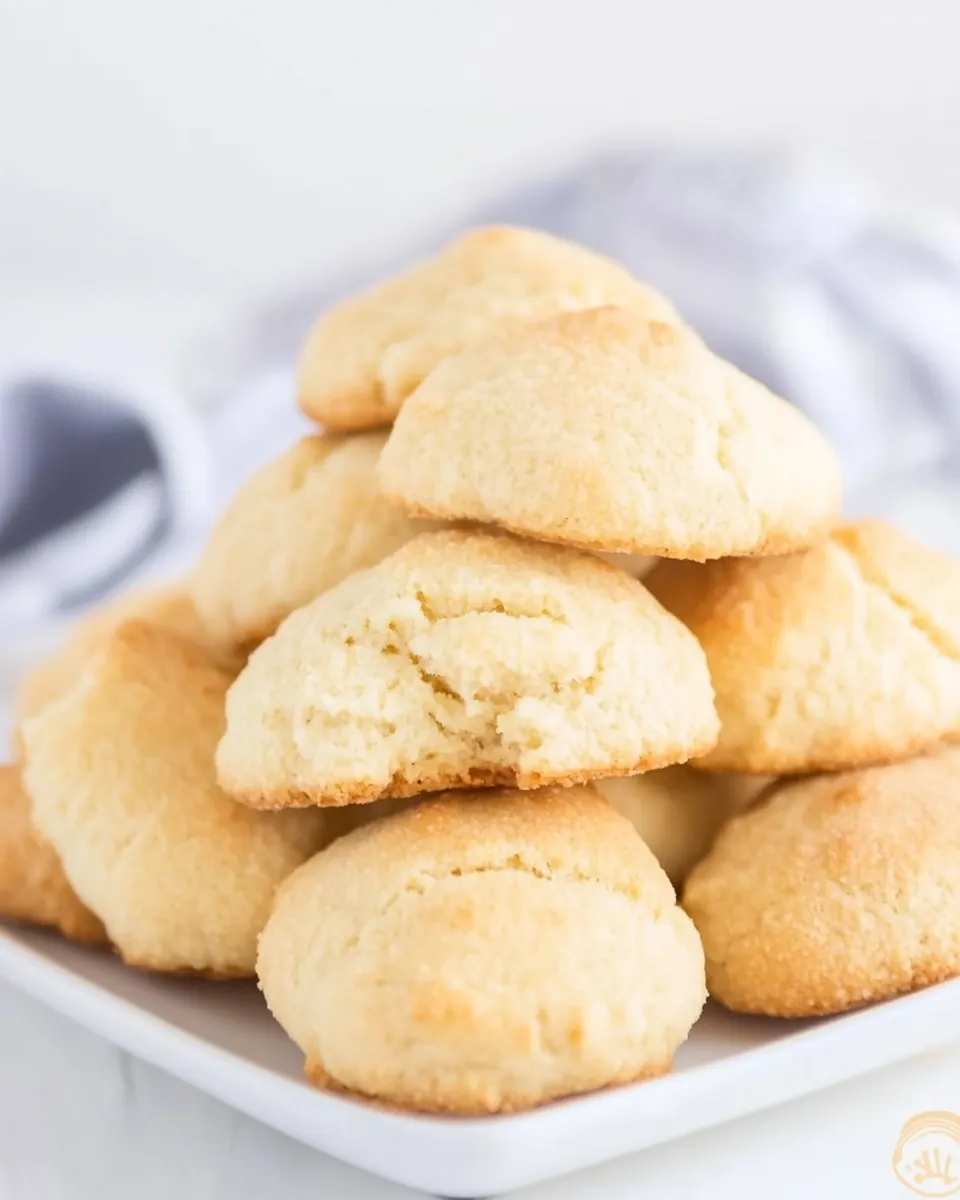
These biscuits are small, quick, and reliable. They require few ingredients and very little hands-on time. If you want a gluten-free, grain-free side that still feels like comfort food, this recipe delivers exactly that without complicated technique.
They’re also versatile. Eat them at breakfast, alongside soup at lunch, or as a snack with cheese in the afternoon. The almond base gives a pleasant bite and keeps them moist longer than some grain-based biscuits.
Finally, they scale well. Make a double batch for guests or a single batch when you want a few fresh biscuits without committing to a long bake. Their simple chemistry—almond meal, eggs, butter, baking powder—means consistent results.
Swap Guide
Swaps can be useful, but remember that almond flour behaves differently from grain flours. It’s higher in fat and lower in absorbency, so substitutions will change texture and hydration.
If you need a nuttier or lighter crumb, try super-fine almond flour (use 2 ¼ cups or 225 g as noted). It will yield a slightly softer, more homogeneous crumb. I don’t recommend swapping in regular wheat flour at a 1:1 ratio—results will be very different. For a completely different texture, experiment with a small test batch using a gluten-free flour blend, but start with small changes and watch for moisture differences.
Butter can be swapped for an equal weight of neutral oil if you need a dairy-free version, though flavor and the way the surface browns will differ. If you do swap, let the liquid proportion cool before combining so you don’t over-soften the almond meal.
Gear Up: What to Grab
Keep this simple: a large mixing bowl, a small bowl for the eggs and butter, a fork or spatula, a baking sheet with parchment, and a wire rack. A kitchen scale is helpful for portioning 30 g balls but not required; a small cookie scoop works fine.
If you have super-fine almond flour and want a very tender texture, sift it lightly before measuring. If your almond meal is coarse, a brief pulse in a food processor can smooth it out, but it’s not necessary.
Steer Clear of These
- Don’t skip the baking powder. Without it the biscuits will be dense and flat.
- Avoid overmixing once the wet and dry ingredients meet. Stir until cohesive; overworking won’t develop gluten here, but it can make the biscuits oily or compressed.
- Don’t crowd the baking sheet. Leaving about 2 inches (5 cm) between biscuits ensures even heat circulation and consistent browning.
- Don’t assume oven temperatures are exact—start checking at 12 minutes. Overbaking dries them out; slight golden edges are the cue.
- Avoid substituting large quantities of liquid ingredients without testing. The ratio here is tuned for almond meal and eggs; adding milk or other liquids will change the dough dramatically.
Seasonal Spins
These biscuits take flavor additions nicely. In cooler months I like folding in a teaspoon of dried herbs—rosemary or thyme—into the dry mix for a savory twist that pairs beautifully with soups. For spring or summer, a sprinkle of lemon zest and a tablespoon of chopped chives brightens them for picnics.
If you want a slightly sweet treat, add a teaspoon of honey or a tablespoon of maple syrup to the egg-and-butter mixture, plus a pinch more baking powder if you notice they deflate. Alternatively, fold in a tablespoon of grated Parmesan and a little cracked black pepper for a savory cheese biscuit.
If You’re Curious
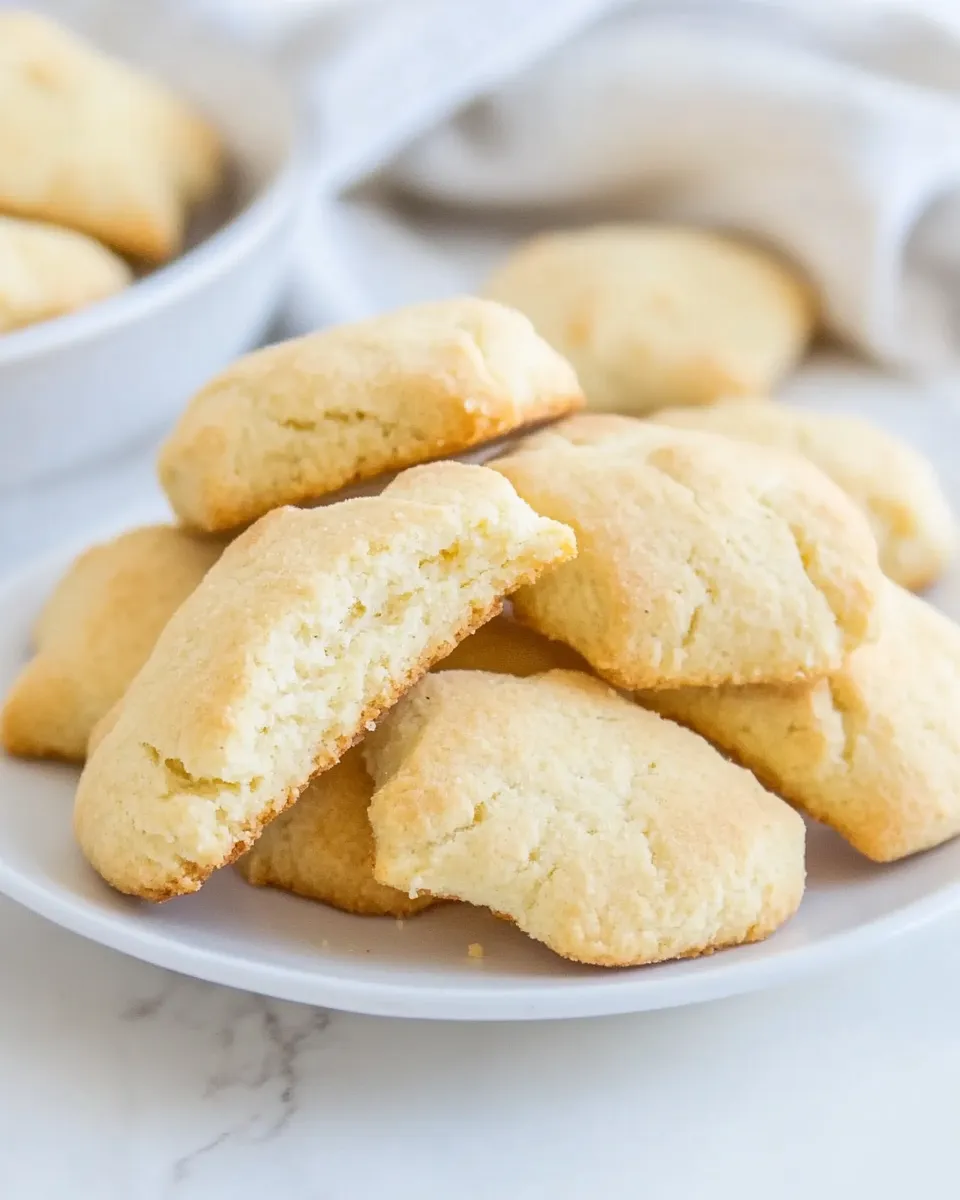
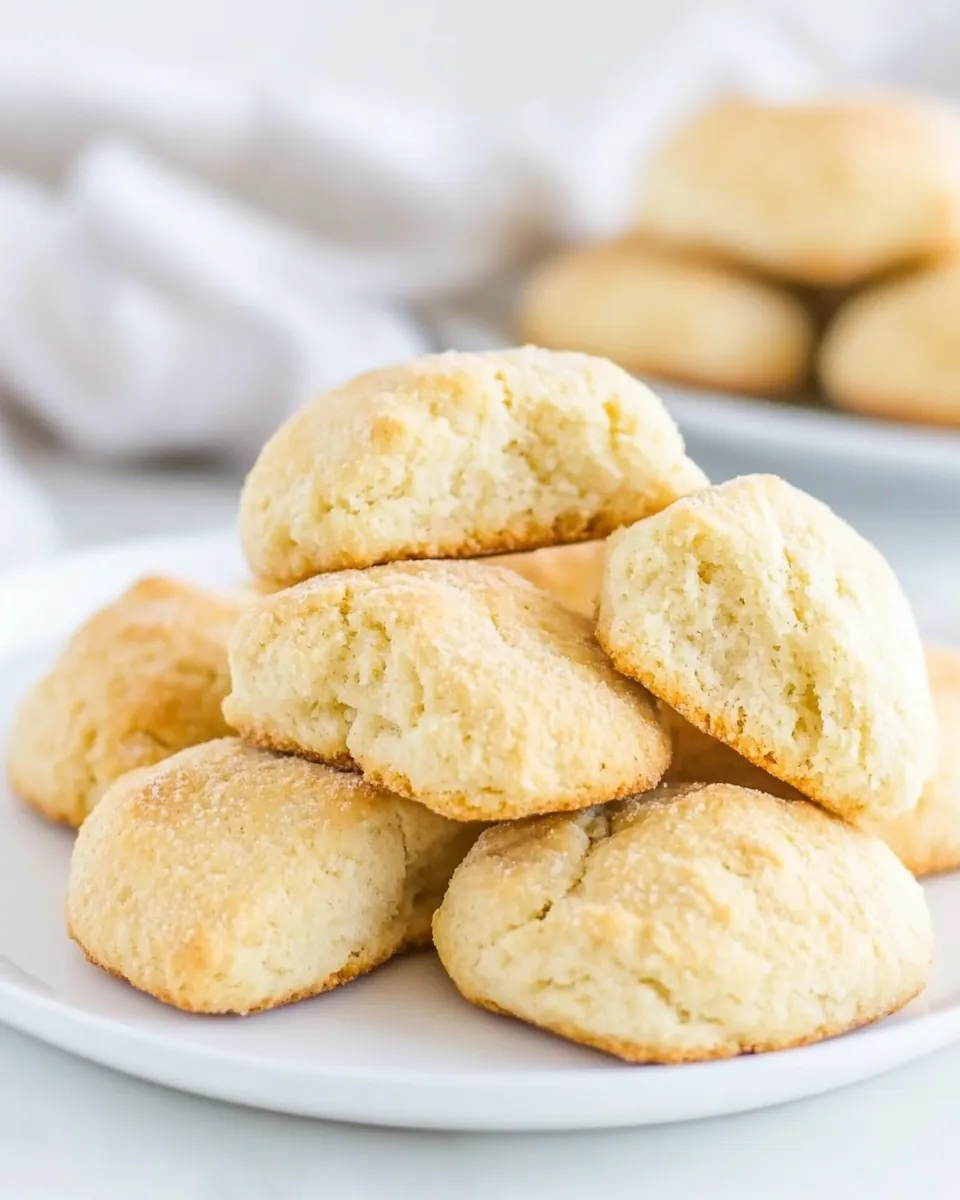
People often wonder about texture and how almond flour compares to other flours. Almond flour contributes a tender, moist crumb because of its fat content. It won’t behave like wheat flour where gluten provides chew. Expect a denser but soft biscuit with a pleasant almond flavor.
For crispier edges, place the sheet on a lower rack for the last 2–3 minutes of bake time. For an even softer top, brush the disks lightly with a little extra melted butter before baking. These are small tweaks that change mouthfeel without altering the basic recipe.
Make-Ahead & Storage
Short-term
Store cooled biscuits in an airtight container at room temperature for up to 2 days. They’ll stay soft but will lose the fresh-from-oven warmth and crisp edge. Reheat for a few minutes in a 160°C (320°F) oven to refresh them.
Long-term
For longer storage, freeze on a tray until solid, then transfer to a freezer bag. They’ll keep well for up to one month. Reheat from frozen in a 160°C (320°F) oven for about 8–12 minutes, or until warmed through.
Helpful Q&A
Q: Can I make these dairy-free?
A: Yes. Replace the melted butter with an equal weight of neutral oil or a dairy-free butter substitute. Texture will shift slightly and browning may be reduced.
Q: My biscuits are crumbly. Why?
A: Crumbliness usually means not enough binders or too much dry mixture. Ensure you’ve mixed until cohesive and that eggs and butter are properly combined into the almond meal. If your almond meal is particularly coarse, try using the super-fine measurement adjustment suggested in the ingredients list.
Q: Can I add cheese or herbs?
A: Absolutely. Fold finely grated hard cheese or chopped fresh herbs into the dry ingredients before adding the wet mix. Keep additions modest so they don’t alter the hydration too much.
Q: How do I scale the recipe?
A: You can double or triple the quantities. Use a kitchen scale to keep proportions accurate and bake on multiple sheets as needed—don’t overcrowd a single tray.
Save & Share
If these Almond Flour Biscuits become a staple in your kitchen, save the recipe where you keep favorites—printed, bookmarked, or saved in your phone. They’re handy to pull together in under 30 minutes and are a crowd-pleasing gluten-free alternative.
Share them with friends who appreciate simple, homemade food. They travel well to a potluck if you reheat briefly at the host’s home. And if someone asks for a quick, grain-free bread, you can point them straight to this recipe with confidence.

Almond Flour Biscuits
Ingredients
Ingredients
- 2 1/2 cupsground almonds / almond meal250 g Use 2 1/4 cup or 225 grams if using super-fine almond flour
- 2 eggslarge
- 5 tablespoonmelted butter70 g
- 1 3/4 teaspoonbaking powder
- 1/4 teaspoonsaltoptional
Instructions
Instructions
- Preheat the oven to 180°C (350°F) conventional or 160°C (320°F) fan. Line a baking sheet with parchment paper and set aside.
- In a large bowl combine 2 ½ cups ground almonds (250 g), 1 ¾ teaspoons baking powder, and ¼ teaspoon salt (optional). Stir to evenly distribute the dry ingredients.
- In a separate bowl whisk 2 large eggs, then stir in 5 tablespoons melted butter (70 g) until combined.
- Pour the egg-and-butter mixture into the dry ingredients. Use a fork to stir and press the mixture together until it forms a cohesive dough with no large dry patches.
- Using your hands (or a kitchen scale), portion the dough into balls of about 30 g each. Place each ball on the prepared baking sheet, then flatten each ball into a disk roughly 1 inch thick. Leave about 2 inches (5 cm) between biscuits.
- Bake on the center oven rack for about 15 minutes, or until the biscuits are lightly browned around the edges and on top. Start checking at 12 minutes, as ovens vary.
- Remove the baking sheet from the oven and let the biscuits cool on the sheet for about 5 minutes, then transfer them to a wire rack to cool completely.
Equipment
- Oven
- Baking Sheet
- Parchment Paper
- Mixing Bowl
- Fork
- Wire Rack
- kitchen scale (optional)
Notes
1.7 g net carbs per biscuit. Makes 12.
These biscuits are fragile when hot. This is because of the lack of gluten. Wait until they are cool before handling! They will firm up as they cool down.