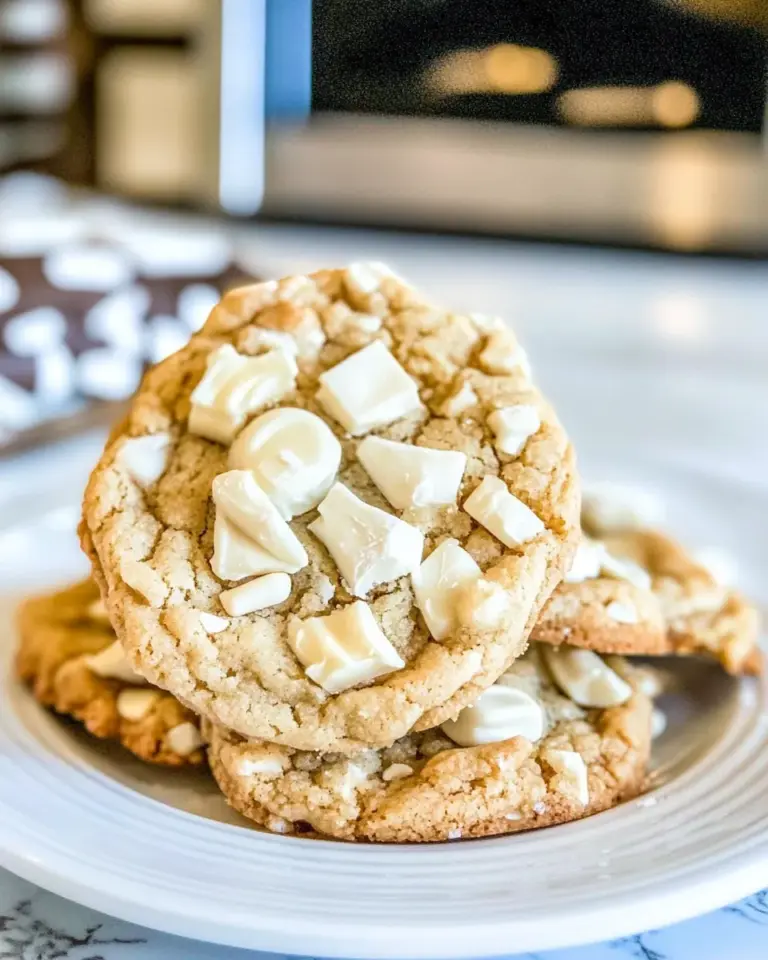
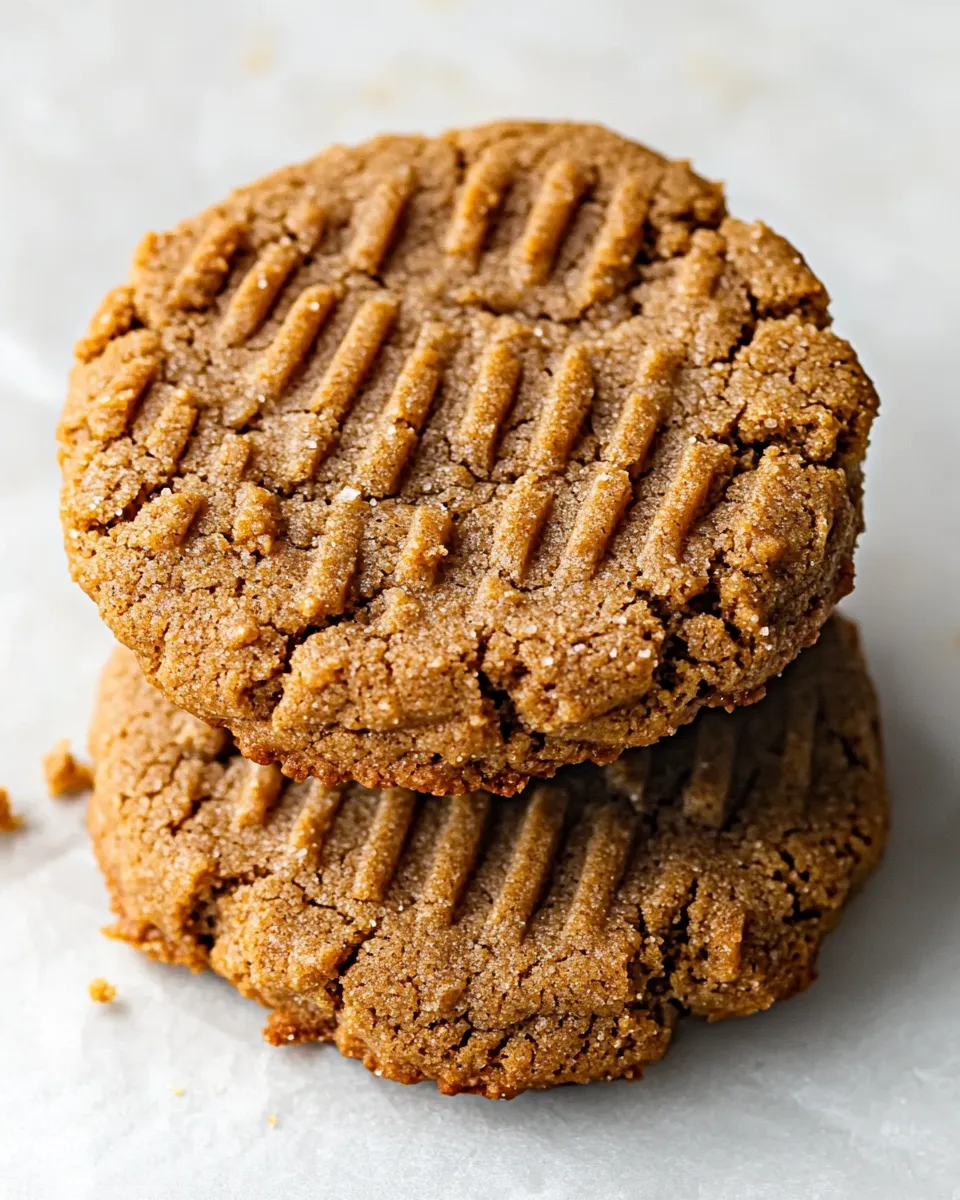
These Almond Flour Peanut Butter Cookies are the sort of recipe I keep coming back to when I want a quick, satisfying cookie with minimal fuss. They come together in one bowl, use pantry-stable ingredients, and bake up tender at the center with edges that hold shape. If you like straightforward baking that still feels a little special, this is it.
I developed this method to be reliable weeknight baking: no chilling required, no complicated creaming, and no ingredients list that needs a trip to a specialty store. The texture is slightly cakey from the almond flour but rich from the peanut butter and egg yolks, and coconut sugar gives a warm, caramel-like note.
Below you’ll find the exact ingredients and the step-by-step directions I use every time, plus practical swaps, common mistakes to avoid, and storage tips that keep these cookies tasting fresh for days. Let’s get baking.
What You’ll Need
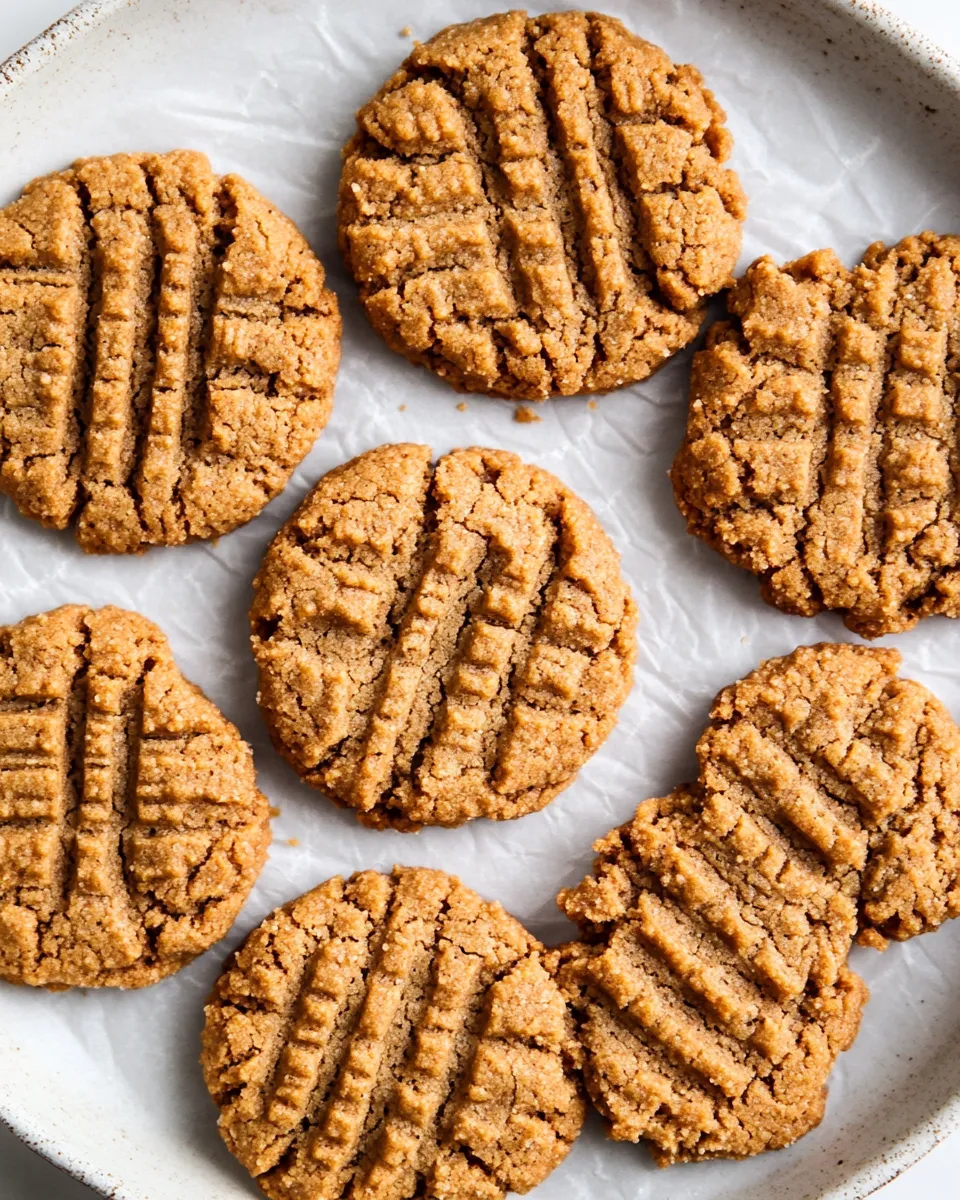
- 1 cup no-stir natural peanut butter — the base of the dough; choose a no-stir variety so the oil won’t separate during mixing.
- 1 1/4 cup coconut sugar (packed) (or brown sugar) — sweetens and browns the cookies; packed coconut sugar gives a deeper flavor similar to brown sugar.
- 1 large egg — adds structure and moisture.
- 1 egg yolk — enriches the dough and keeps the centers tender.
- 1 teaspoon vanilla extract — brightens and rounds the peanut butter flavor.
- 3/4 cup almond flour — the dry framework for the cookies; almond flour yields a soft crumb and nutty taste.
- 3/4 teaspoon baking soda — the leavener that helps the cookies spread and lift slightly.
- 1/2 teaspoon salt — balances sweetness and enhances peanut flavor; if your peanut butter is salted, you can cut this slightly.
Almond Flour Peanut Butter Cookies: Step-by-Step Guide
- Preheat oven to 350°F and line a baking sheet with parchment paper; set the sheet aside.
- In a large bowl, beat 1 cup no-stir natural peanut butter and 1 1/4 cup coconut sugar (packed) with an electric hand mixer until smooth and combined, about 1–2 minutes.
- Add 1 large egg, 1 egg yolk, and 1 teaspoon vanilla extract to the bowl and beat until fully incorporated, scraping the sides of the bowl as needed.
- Add 3/4 cup almond flour, 3/4 teaspoon baking soda, and 1/2 teaspoon salt. Stir with a spatula until the dough is uniform and no streaks of flour remain.
- Use a 1-tablespoon measuring spoon or small scoop to portion the dough into 1-tablespoon balls; roll between your palms if needed.
- Place the balls on the prepared baking sheet about 2 inches apart. Press each ball to about 1/2 inch thick using lightly damp hands (or the bottom of a glass), shaping them into cookies.
- Bake for 13–15 minutes, until the cookies feel set at the edges but still slightly soft in the center.
- Remove the baking sheet from the oven and let the cookies cool completely on the pan before transferring or serving.
Why This Almond Flour Peanut Butter Cookies Stands Out
There are a few practical reasons I reach for this recipe instead of a more traditional wheat-flour peanut butter cookie. First, almond flour keeps the crumb tender and gives the cookies a naturally nutty flavor that complements the peanut butter. Second, the recipe’s single-bowl method is forgiving — you don’t have to worry about overworking gluten or carefully creaming butter.
Third, the combination of a whole egg plus an extra yolk is a simple trick that increases richness without making the dough oily. The yolk adds moisture and a soft center, while the whole egg provides lift. Finally, the use of coconut sugar (or brown sugar) gives the cookies a deeper caramel tone that pairs beautifully with roasted peanuts.
Quick Replacement Ideas
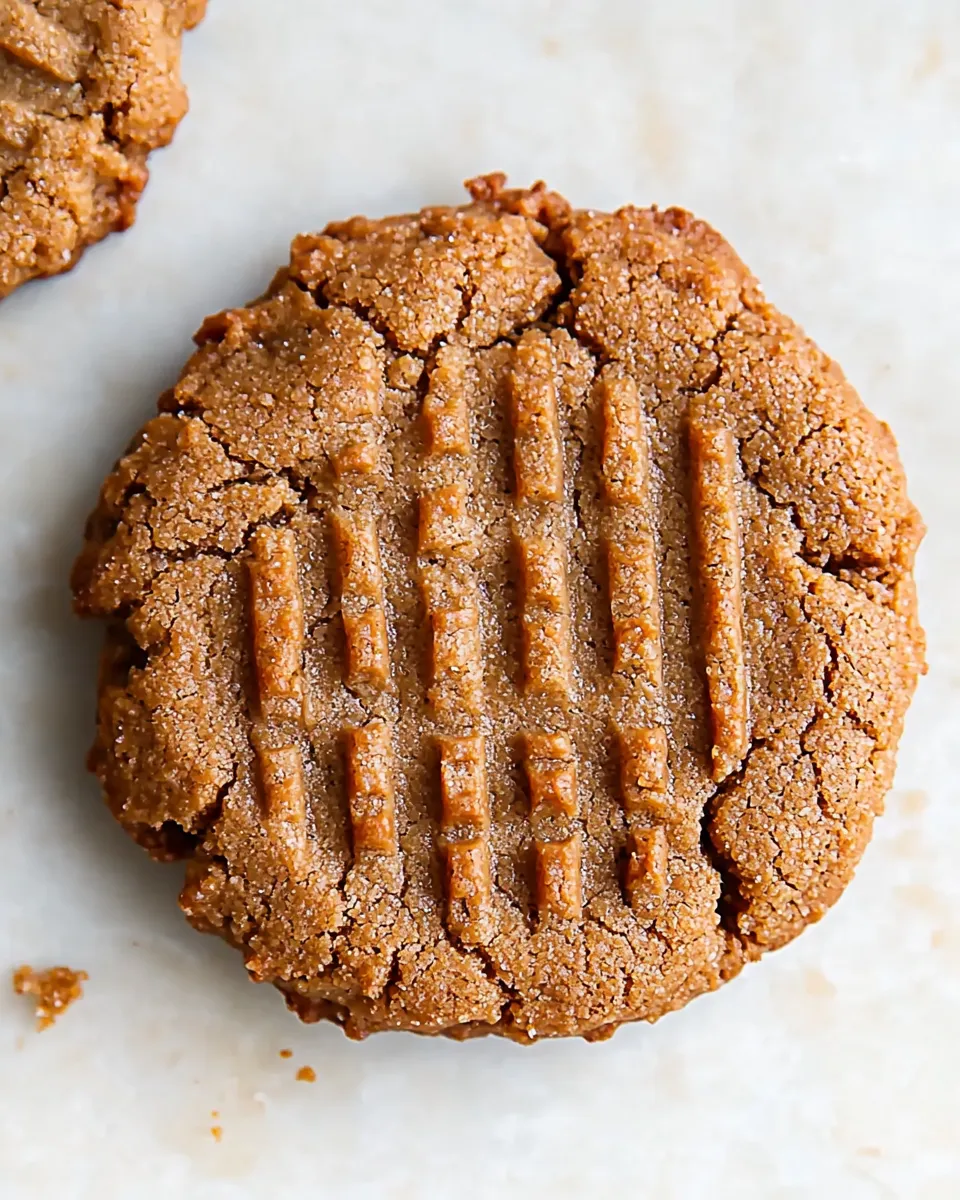
- Peanut butter — swap for almond butter or sunflower seed butter if you need a nut-free option. Note: flavor and texture will change slightly.
- Coconut sugar — brown sugar is an acceptable one-to-one substitute and will produce almost the same color and moisture.
- Almond flour — finely ground hazelnut flour could work, though it will deepen the nutty profile; do not swap in regular all-purpose flour without adjusting liquids.
- Eggs — there’s no exact vegan swap in this recipe without changing texture; a commercial egg replacer or flax egg will yield a different result.
- Salt — if your peanut butter is salted, reduce the added salt to 1/4 teaspoon to avoid over-salting.
Tools of the Trade
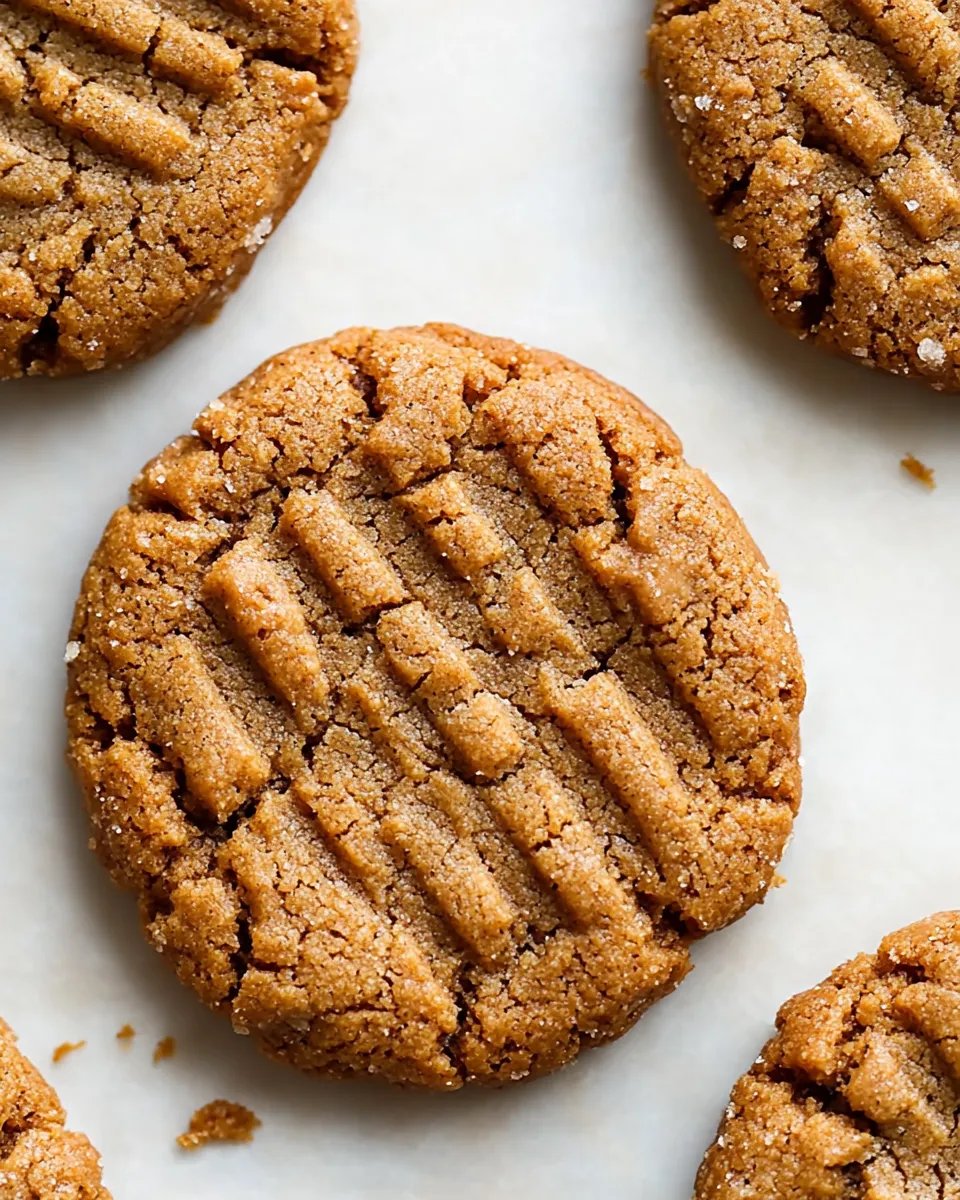
- Electric hand mixer — makes combining the peanut butter and sugar effortless and smooth.
- Large mixing bowl — gives you room to beat and then fold in the dry ingredients without spilling.
- Spatula — for scraping the bowl and finishing the dough.
- 1-tablespoon measuring spoon or small cookie scoop — ensures uniform cookies for even baking.
- Parchment-lined baking sheet — prevents sticking and promotes even browning.
- Bottom of a glass or damp hands — for flattening the dough balls to the right thickness.
Errors to Dodge
- Using stirred peanut butter — if you use a peanut butter where the oil has separated, the dough can be greasy and inconsistent. No-stir is best.
- Overmixing the almond flour — stir just until no streaks remain. Overworking can make the crumbs dense or dry.
- Baking too long — these cookies should be slightly soft in the center when you pull them. They continue to set on the pan; overbaking dries them out.
- Skipping the parchment — without it, peanut oil can stick to the sheet and cause uneven bottoms.
- Flattening too thin — aim for about 1/2 inch thickness; thinner cookies will crisp rather than remain tender.
Variations by Season
Small changes in add-ins or toppings can make these cookies feel seasonal without altering the base method.
- Spring — fold in a tablespoon of finely grated lemon zest to brighten the nutty base.
- Summer — add a tablespoon of chopped roasted peanuts on top before baking for a salty crunch.
- Autumn — sprinkle a pinch of ground cinnamon and a few chopped toasted pecans into the dough for warming spice.
- Winter — press a few dark chocolate chips into each cookie just after baking for a festive, melty touch.
Insider Tips
- Measure the almond flour correctly — spoon into the cup and level off. Packed almond flour can throw off the texture.
- Adjust salt to taste — different peanut butters have different salt levels; taste the dough (raw egg aside) by noting the peanut butter saltiness and adjust added salt accordingly.
- Use a light hand when flattening — dampening your fingers or the bottom of the glass prevents sticking and gives a smooth finish.
- Let them cool completely — the dough firms as it cools; moving cookies too soon can make them fall apart.
- Make a test cookie — bake one or two first to check texture and adjust baking time for your oven.
Make Ahead Like a Pro
These cookies are forgiving when it comes to prep and storage. If you want to save time on the day you plan to serve them, follow these approaches.
- Make dough ahead — form the dough balls, place them on a sheet, freeze until solid, then transfer to a zip-top bag. Bake from frozen, adding a minute or two to the bake time.
- Bake and store — fully baked cookies keep well in an airtight container at room temperature for up to 4 days. Place a slice of bread or a folded paper towel in the container to help preserve softness.
- Freeze baked cookies — cool completely, then freeze in a single layer before transferring to a bag. Thaw at room temperature; they taste nearly fresh.
Quick Q&A
- Can I use crunchy peanut butter? — Yes, but the texture will be chunkier and less uniform. If you like bits of peanut, go for it.
- Why almond flour instead of all-purpose? — Almond flour gives a tender, nutty cookie and works well with the single-bowl, no-chill method. All-purpose will change moisture balance and may need more binding.
- Can I reduce sugar? — You can reduce sugar slightly, but the texture and browning will change. Try reducing by 2 tablespoons and test one cookie first.
- My cookies spread too much — why? — Likely from too-soft peanut butter, too much sugar, or a warm baking sheet. Chill the dough briefly or use a fresh baking sheet.
Ready, Set, Cook
When you want a cookie that’s quick, comforting, and unfussy, these Almond Flour Peanut Butter Cookies deliver. Follow the exact steps above for reliable results, keep the tips in mind, and make any small swaps intentionally. The next time you want a batch for school lunch boxes, an after-work treat, or a weekend pick-me-up, this recipe will be waiting.
Preheat your oven, line a sheet, and enjoy the scent of peanut butter and caramelizing sugar filling your kitchen. Happy baking — and if you try a seasonal tweak, come back and tell me what worked best.
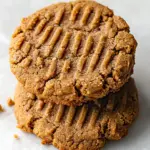
Almond Flour Peanut Butter Cookies
Ingredients
Ingredients
- 1 cupno-stir natural peanut butter
- 1 1/4 cupcoconut sugarpacked or brown sugar
- 1 large egg
- 1 egg yolk
- 1 teaspoonvanilla extract
- 3/4 cupalmond flour
- 3/4 teaspoonbaking soda
- 1/2 teaspoonsalt
Instructions
Instructions
- Preheat oven to 350°F and line a baking sheet with parchment paper; set the sheet aside.
- In a large bowl, beat 1 cup no-stir natural peanut butter and 1 1/4 cup coconut sugar (packed) with an electric hand mixer until smooth and combined, about 1–2 minutes.
- Add 1 large egg, 1 egg yolk, and 1 teaspoon vanilla extract to the bowl and beat until fully incorporated, scraping the sides of the bowl as needed.
- Add 3/4 cup almond flour, 3/4 teaspoon baking soda, and 1/2 teaspoon salt. Stir with a spatula until the dough is uniform and no streaks of flour remain.
- Use a 1-tablespoon measuring spoon or small scoop to portion the dough into 1-tablespoon balls; roll between your palms if needed.
- Place the balls on the prepared baking sheet about 2 inches apart. Press each ball to about 1/2 inch thick using lightly damp hands (or the bottom of a glass), shaping them into cookies.
- Bake for 13–15 minutes, until the cookies feel set at the edges but still slightly soft in the center.
- Remove the baking sheet from the oven and let the cookies cool completely on the pan before transferring or serving.
Equipment
- Oven
- Mixing Bowl
- Electric hand mixer
- Spatula
- Baking Sheet
- Parchment Paper
- measuring spoon or small scoop
- glass (to flatten)