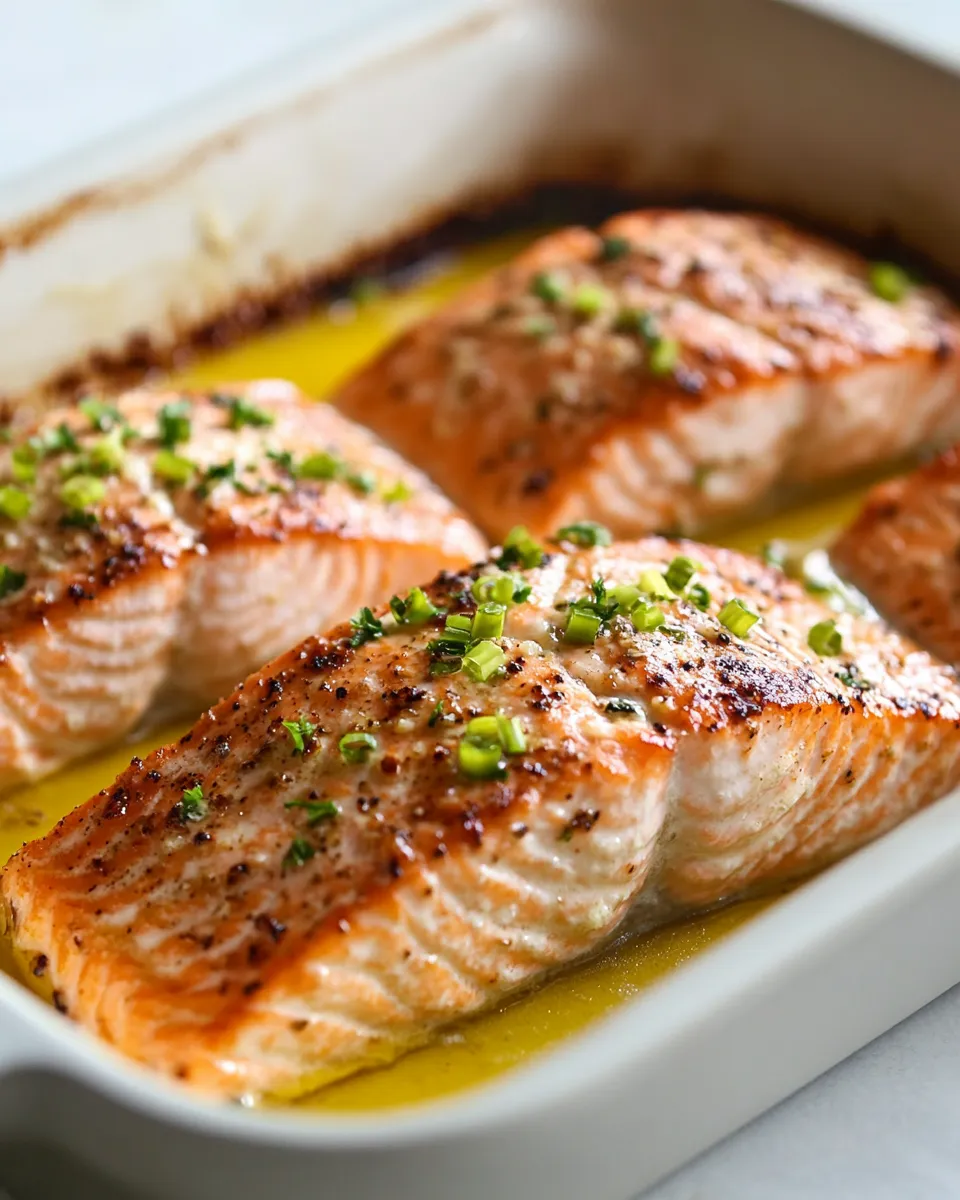
This is one of those dinners I come back to when I want fast, reliable flavor without a long list of steps. Salmon cooks quickly and responds beautifully to a little butter and garlic — the classic combo that keeps the fish moist and adds a glossy finish. It’s an everyday recipe that also looks and tastes like something special.
I’ll keep this practical: clear steps, a short ingredient list, and precise timing so you don’t overcook. There are simple options for texture preferences and small variations for whatever’s in your pantry. Read through the storage and reheating notes so leftovers stay as good as possible.
If you want a weeknight hero that’s easy enough for a busy evening and impressive enough for guests, this Baked Garlic Butter Salmon fits the bill. No fuss. Just well-executed technique and honest flavor.
Ingredient Breakdown
Ingredients
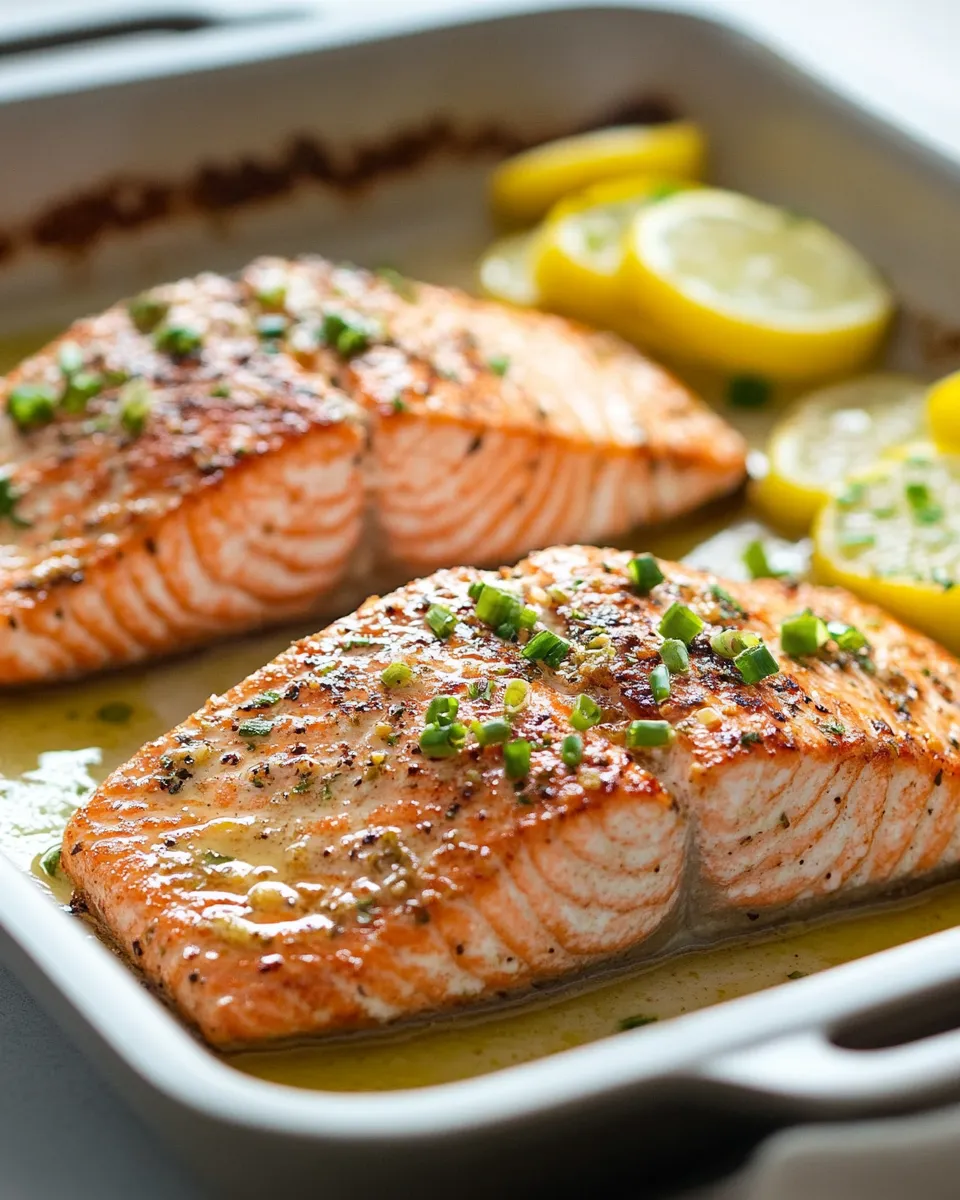
- 1 1/2 to 2lbs fresh salmon cut into 4 filets — main ingredient; choose even-thickness filets for consistent cooking.
- Sea salt and black pepper — basic seasoning; salt highlights the salmon, pepper adds a gentle bite.
- 2 tsp ground paprika — provides color and a mild smoky-sweet note.
- 6 Tbsp unsalted butter — melts into the fish to keep it rich and moist; unsalted lets you control final seasoning.
- 4 cloves garlic minced — aromatics that infuse the butter; minced for quick release of flavor.
Baked Garlic Butter Salmon: How It’s Done
- Preheat the oven to 400°F.
- If the salmon is not already portioned, cut 1 1/2 to 2 lbs fresh salmon into 4 filets.
- In a small microwave-safe bowl, microwave 6 Tbsp unsalted butter until melted, then immediately stir in 4 cloves minced garlic. (Alternatively, melt the butter in a small saucepan over low heat and stir in the minced garlic, cooking briefly until fragrant.) Reserve the bowl with the melted butter-garlic mixture.
- Place the salmon filets skin-side down in a large casserole dish or on a large rimmed baking sheet.
- Drizzle about 2 tablespoons of the melted butter-garlic mixture over the filets, ensuring each filet has a light coating. Set the remaining butter-garlic mixture aside for serving.
- Evenly sprinkle the 2 tsp ground paprika over the filets, then season with sea salt and black pepper to taste.
- Bake the salmon at 400°F for 10 minutes.
- Change the oven setting to High Broil and broil the salmon 4 to 6 minutes, watching closely, until the top is slightly crisp and the fish is cooked to your desired doneness.
- To check doneness, insert a meat thermometer into the thickest part of a filet. Salmon is commonly considered fully cooked at 140°F; some prefer lower internal temperatures for a more tender texture. Remove from the oven when it reaches your preferred temperature.
- Immediately spoon the reserved butter-garlic sauce over the hot salmon (or serve it on the side). Let the salmon rest briefly, then serve.
Why It Deserves a Spot
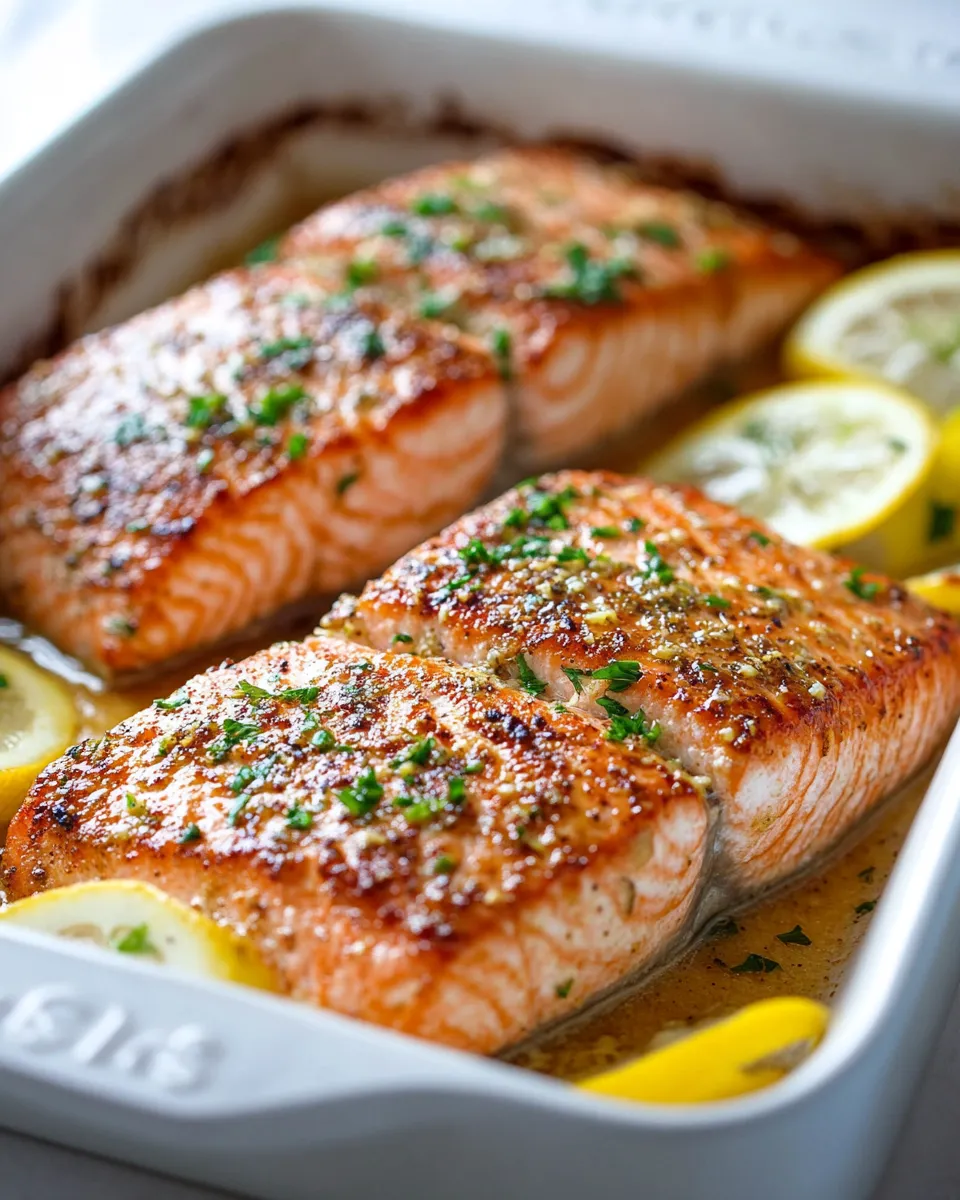
This recipe deserves regular rotation because it delivers big, clean flavor with minimal work. The butter-garlic combination is classic for a reason: it enhances the salmon’s natural richness without masking it. Paprika gives finished filets a warm color and a faint sweetness that balances the butter.
Timing is short but precise, so dinner feels quick without compromising quality. You get contrast: tender interior, slightly crisped top from broiling, and a bit of sheen from the final butter spooned on. That texture contrast elevates what could otherwise be a plain baked fish.
Lastly, it’s flexible. Serve it with rice, a leafy salad, roasted vegetables, or simple steamed greens. It works for busy weeknights and casual weekend dinners alike.
Texture-Safe Substitutions
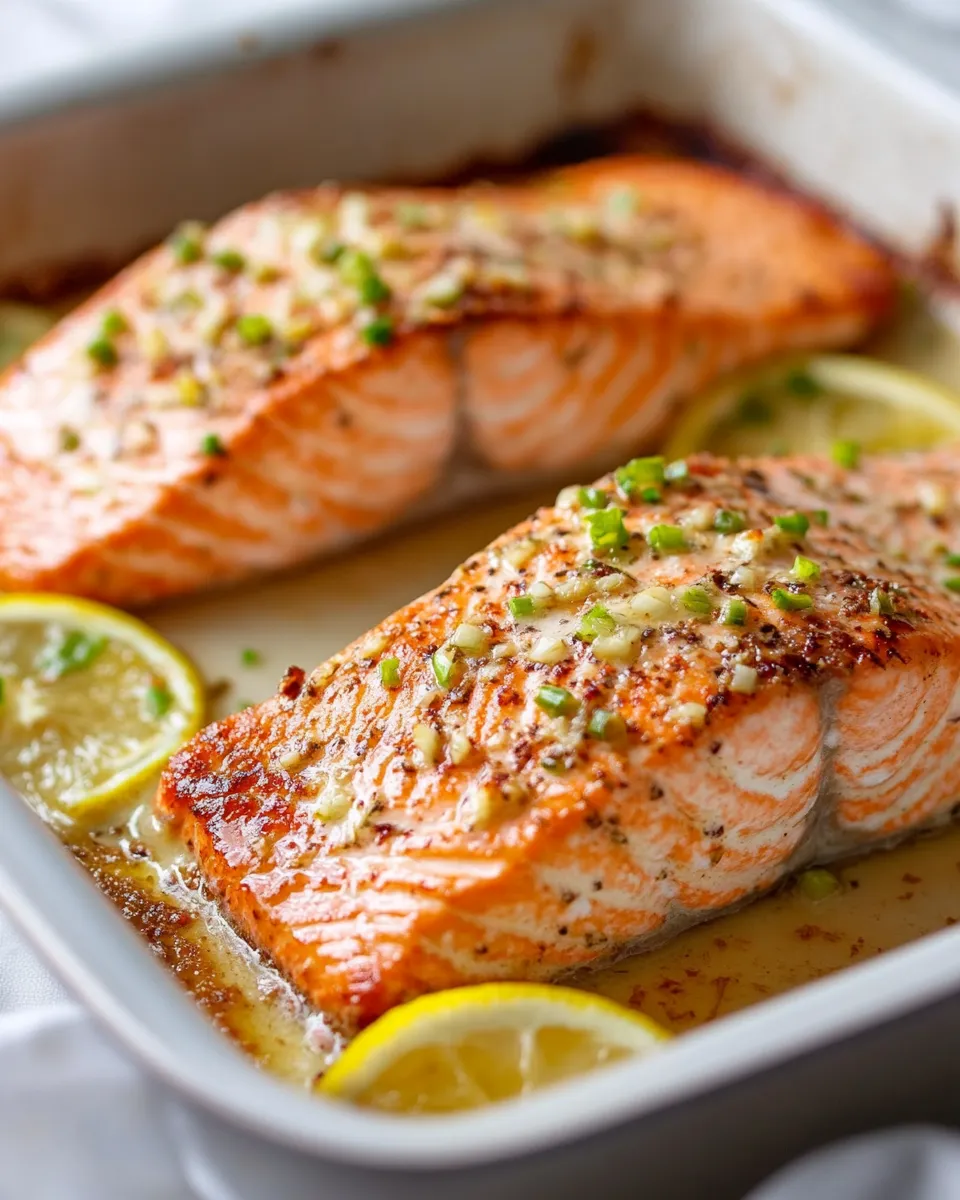
If you need to swap ingredients for dietary reasons or pantry constraints, choose options that preserve texture and moisture:
- Butter → Olive oil or ghee — olive oil keeps things lighter; ghee maintains a rich, buttery mouthfeel without dairy solids. Use the same amount (6 Tbsp) if substituting oil or ghee.
- Garlic → Garlic paste or roasted garlic — roasted garlic is milder and spreadable; garlic paste integrates quickly. If you prefer a subtler garlic presence, use 2 cloves roasted instead of raw minced garlic.
- Paprika → Smoked paprika or chili powder — smoked paprika deepens the flavor; chili powder adds heat. Keep the 2 tsp measure but use smoked paprika if you want a gentle smokiness.
- Fresh salmon → Salmon portions with skin on or off — skin-on is helpful for lifting filets after baking and can protect the flesh during broil; adjust broil time if filets are significantly thicker.
Equipment Breakdown
Keep the tools minimal and purposeful. You don’t need fancy gadgets for a reliable result:
- Oven with reliable bake and broil settings — consistent heat and a working broiler are essential.
- Large rimmed baking sheet or casserole dish — rimmed sheet promotes airflow and easy cleanup; a casserole dish gives slightly gentler heat.
- Small microwave-safe bowl or small saucepan — for melting butter and infusing garlic.
- Meat thermometer — the easiest way to hit your preferred doneness without guesswork.
- Pastry brush or spoon — for coating filets with butter; a spoon is perfectly fine here.
Frequent Missteps to Avoid
These are the common mistakes I see and how to prevent them so the salmon stays tender, not dry.
- Overcooking: Salmon goes from tender to dry quickly. Use the suggested times as a baseline and rely on a thermometer or the flake test. Remove a little earlier if you like it medium.
- Skipping the broil watch: Broiling can go from golden to burnt in a minute. Stay by the oven for those 4–6 minutes.
- Too much butter on initial bake: Only drizzle about 2 tablespoons over the filets before baking. Reserve the rest for finishing — it keeps the top from being soggy while baking.
- Uneven filet thickness: Thick-thin pieces bake unevenly. If needed, trim or fold thinner sections so all filets cook evenly.
Year-Round Variations
The core technique stays the same year-round; small seasonal additions change the flavor profile:
- Spring: Spoon a lemon-dill vinaigrette over the finished fish or serve with blanched asparagus and new potatoes.
- Summer: Top with fresh tomato salsa or a quick cucumber-dill relish. Bright, acidic toppings contrast the buttery fish.
- Fall: Pair with roasted root vegetables and a sprinkle of toasted pumpkin seeds for texture.
- Winter: Serve with a warm grain salad (farro, barley) and wilted greens; fold in roasted beets or citrus segments for depth.
Cook’s Commentary
I rely on this recipe for last-minute entertaining because it’s forgiving and scales easily. For one or two people, halve the salmon and keep timing similar; for a crowd, spread filets on two sheets so they roast rather than steam.
My preference for finished internal temperature hovers between 125°F and 135°F when I want a silky texture. If you serve elderly guests or are cooking for those who prefer fully cooked fish, aim for 140°F as the directions note.
When I’m in a hurry, I use pre-minced garlic from a jar — it’s not the same as fresh, but it’s a practical shortcut. I still melt the butter and give it a minute to warm with the garlic for better flavor integration.
Storage & Reheat Guide
Storing
Cool the salmon to room temperature for no more than two hours, then transfer to an airtight container. Store refrigerated up to 3 days. For longer storage, wrap tightly and freeze up to one month for best quality; label the package with date.
Reheating
Gently reheat to avoid drying out:
- Oven: Preheat to 275°F. Place filets in a single layer, cover loosely with foil, and warm 10–15 minutes depending on thickness. This preserves moisture best.
- Skillet: Warm a teaspoon of butter or oil over low heat, add salmon skin-side down (if present), and cover briefly until warmed through — 4–6 minutes.
- Microwave: Use short intervals (20–30 seconds) on medium power, checking between bursts. Spoon a little reserved butter or a splash of water over the filet to reduce drying.
Do not reheat repeatedly. Heat only what you plan to serve immediately.
Frequently Asked Questions
Q: Can I use frozen salmon?
A: Yes, but thaw completely and pat dry before proceeding. Excess moisture will steam the fish and change texture.
Q: Can I skip the broil step?
A: You can, but you’ll miss the slightly crisp top and the concentrated flavor broiling adds. If you skip it, consider increasing bake time by a few minutes and finishing with a quick glaze of the reserved butter.
Q: How do I know if salmon is safe to eat at lower temperatures?
A: Safety guidelines vary. The recipe notes 140°F as widely considered fully cooked. Many chefs serve salmon at lower temperatures for a moister texture. Follow local food safety recommendations if serving young children, pregnant people, or those with compromised immune systems.
Q: Can I add herbs?
A: Yes. Fresh dill, parsley, or chives tossed over the finished fish add brightness. Add herbs after cooking so they keep their color and freshness.
Save & Share
If you made this Baked Garlic Butter Salmon tonight, bookmark the page or save the recipe card for quick reference. It’s one of those dependable dishes that rewards precise timing and simple ingredients. Share it with friends who want a no-fuss dinner with restaurant-worthy results.
Let me know how you like your salmon — slightly rare, medium, or fully cooked — and what side you paired it with. I’m always collecting practical variations that work for real weeknights.
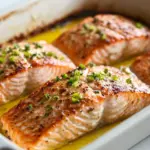
Baked Garlic Butter Salmon
Ingredients
Ingredients
- 1 1/2 to 2 lbsfresh salmoncut into 4 filets
- Sea salt and black pepper
- 2 tspground paprika
- 6 Tbspunsalted butter
- 4 clovesgarlicminced
Instructions
Instructions
- Preheat the oven to 400°F.
- If the salmon is not already portioned, cut 1 1/2 to 2 lbs fresh salmon into 4 filets.
- In a small microwave-safe bowl, microwave 6 Tbsp unsalted butter until melted, then immediately stir in 4 cloves minced garlic. (Alternatively, melt the butter in a small saucepan over low heat and stir in the minced garlic, cooking briefly until fragrant.) Reserve the bowl with the melted butter-garlic mixture.
- Place the salmon filets skin-side down in a large casserole dish or on a large rimmed baking sheet.
- Drizzle about 2 tablespoons of the melted butter-garlic mixture over the filets, ensuring each filet has a light coating. Set the remaining butter-garlic mixture aside for serving.
- Evenly sprinkle the 2 tsp ground paprika over the filets, then season with sea salt and black pepper to taste.
- Bake the salmon at 400°F for 10 minutes.
- Change the oven setting to High Broil and broil the salmon 4 to 6 minutes, watching closely, until the top is slightly crisp and the fish is cooked to your desired doneness.
- To check doneness, insert a meat thermometer into the thickest part of a filet. Salmon is commonly considered fully cooked at 140°F; some prefer lower internal temperatures for a more tender texture. Remove from the oven when it reaches your preferred temperature.
- Immediately spoon the reserved butter-garlic sauce over the hot salmon (or serve it on the side). Let the salmon rest briefly, then serve.
Equipment
- Oven
- Microwave-safe Bowl
- Small Saucepan
- large casserole dish or rimmed baking sheet
- Measuring Spoons
- Spoon
- Meat Thermometer
Notes
Store any leftover baked salmon in an airtight container in the refrigerator for up to 5 days.