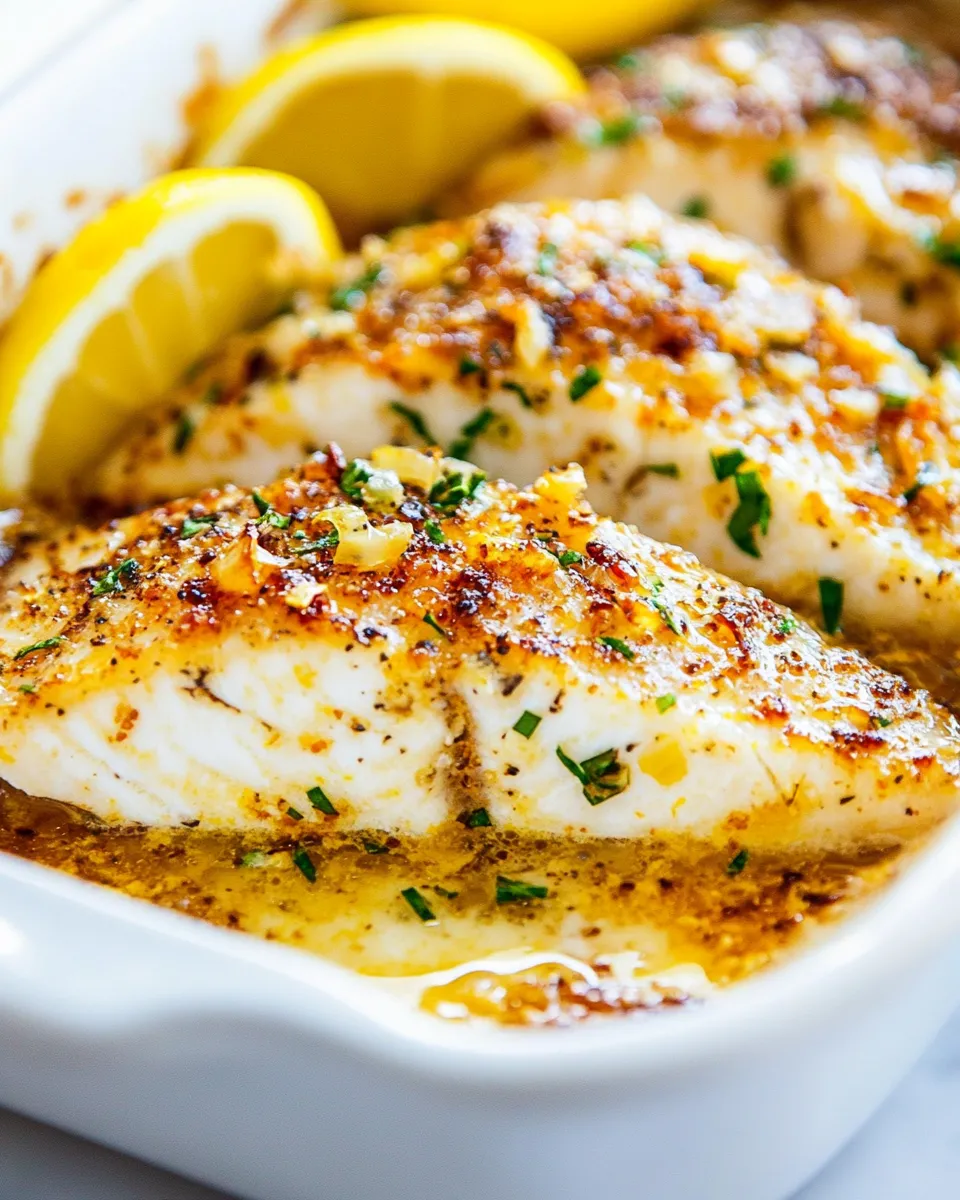
I love recipes that feel like a shortcut to dinner without sacrificing flavor. This baked lemon garlic tilapia is exactly that: straightforward, bright, and forgiving. The lemon and garlic cut through the mild tilapia, while a little ginger and red pepper flakes add a subtle lift so each bite feels fresh and lively.
It cooks fast, which makes it a weekday hero, but the flavors are clean enough to serve for guests. There’s no heavy sauce, no frying, and very little hands-on time — just a quick mix, a spread over fillets, and the oven does the rest. I’ll walk you through what to buy, the exact steps, and practical tips to make this turn out well every time.
What to Buy
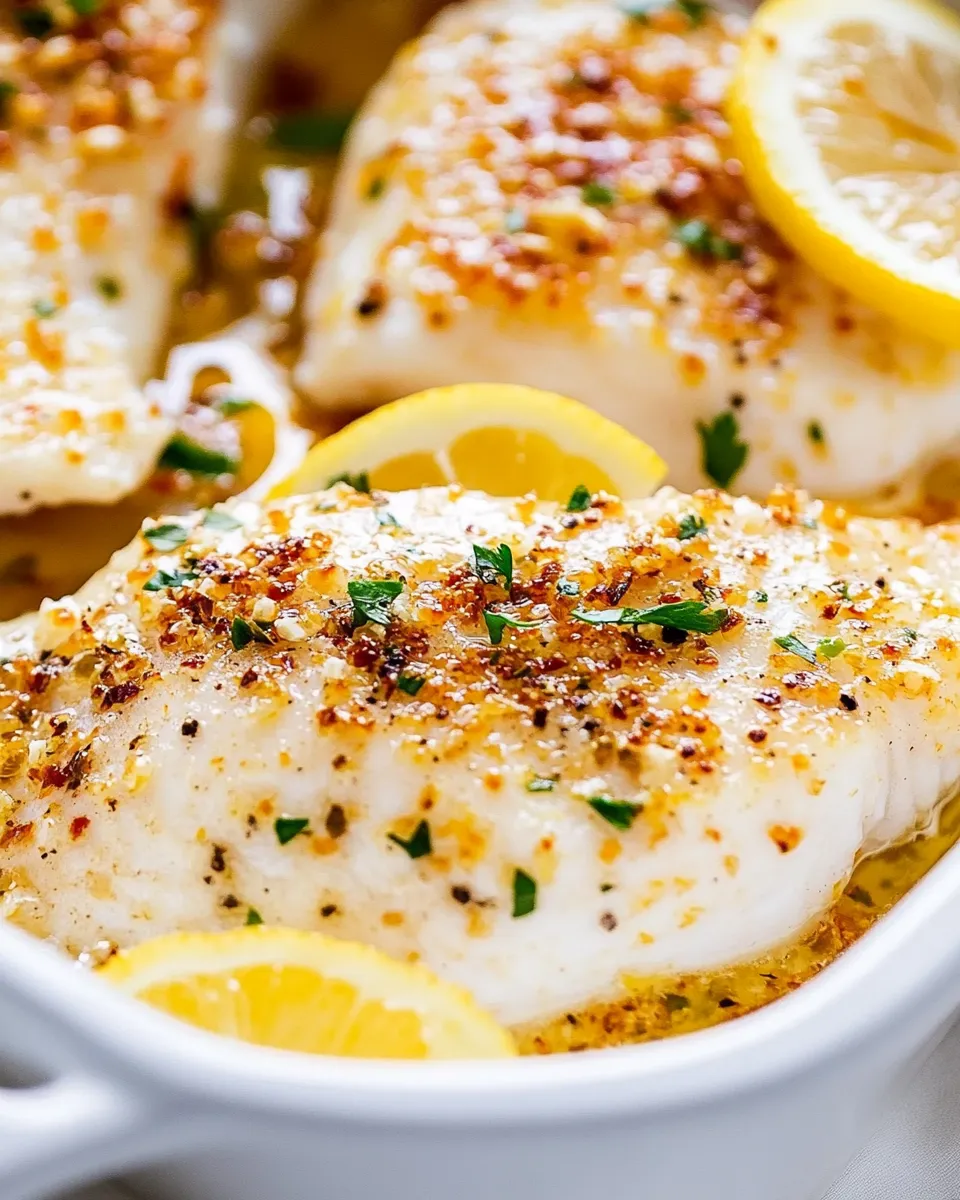
Start with fresh, or properly thawed, tilapia fillets. Tilapia has a mild flavor and flaky texture that takes on lemon and garlic beautifully. Look for fillets that are moist and translucent without any strong fishy smell — that’s your sign of freshness.
Pick a firm, juicy lemon (for both zest and juice), a head of garlic, and a small piece of fresh ginger. A good extra virgin olive oil will carry the aromatics and keep the fish moist while baking. If you like a touch of heat, red pepper flakes are all you need. Finally, have kosher or sea salt and freshly cracked black pepper on hand — they’re small touches that make a big difference.
Ingredients
- 4 tilapia fillets (fresh or thawed) — the mild, flaky base for the lemon-garlic topping.
- 4 cloves garlic (minced) — adds pungent, savory flavor that browns lightly in the pan sauce.
- 1 teaspoon fresh ginger (minced) — gives a bright, slightly spicy note to lift the lemon and garlic.
- 1/4 teaspoon salt and pepper — essential seasoning; measure sparingly and adjust to taste after baking.
- 1/4 teaspoon red pepper flakes — a little heat to balance the citrus; optional if you prefer no spice.
- 1 lemon (juiced and zested) — zest for aromatics, juice for tang and to form the pan sauce.
- 1/4 cup olive oil — helps the aromatics cling to the fish and keeps fillets moist while they bake.
Cooking (Baked Lemon Garlic Tilapia): The Process
- Preheat the oven to 400°F (200°C).
- Lightly grease a baking dish with olive oil. Pat the 4 tilapia fillets (fresh or thawed) dry if desired and arrange them in a single layer in the dish.
- In a medium bowl, combine 4 cloves garlic (minced), 1 teaspoon fresh ginger (minced), 1/4 teaspoon salt and pepper, 1/4 teaspoon red pepper flakes, and the zest and juice of 1 lemon. Stir to combine.
- Add 1/4 cup olive oil to the bowl and stir until the mixture is well combined.
- Pour the mixture evenly over the fillets, spreading it so each fillet is coated.
- Bake in the preheated oven 10–15 minutes, or until the fish is opaque and flakes easily with a fork. About halfway through the cooking time, remove the dish briefly and baste the fillets with the pan sauce, then return to the oven to finish baking.
- Remove from the oven and serve immediately.
Why I Love This Recipe
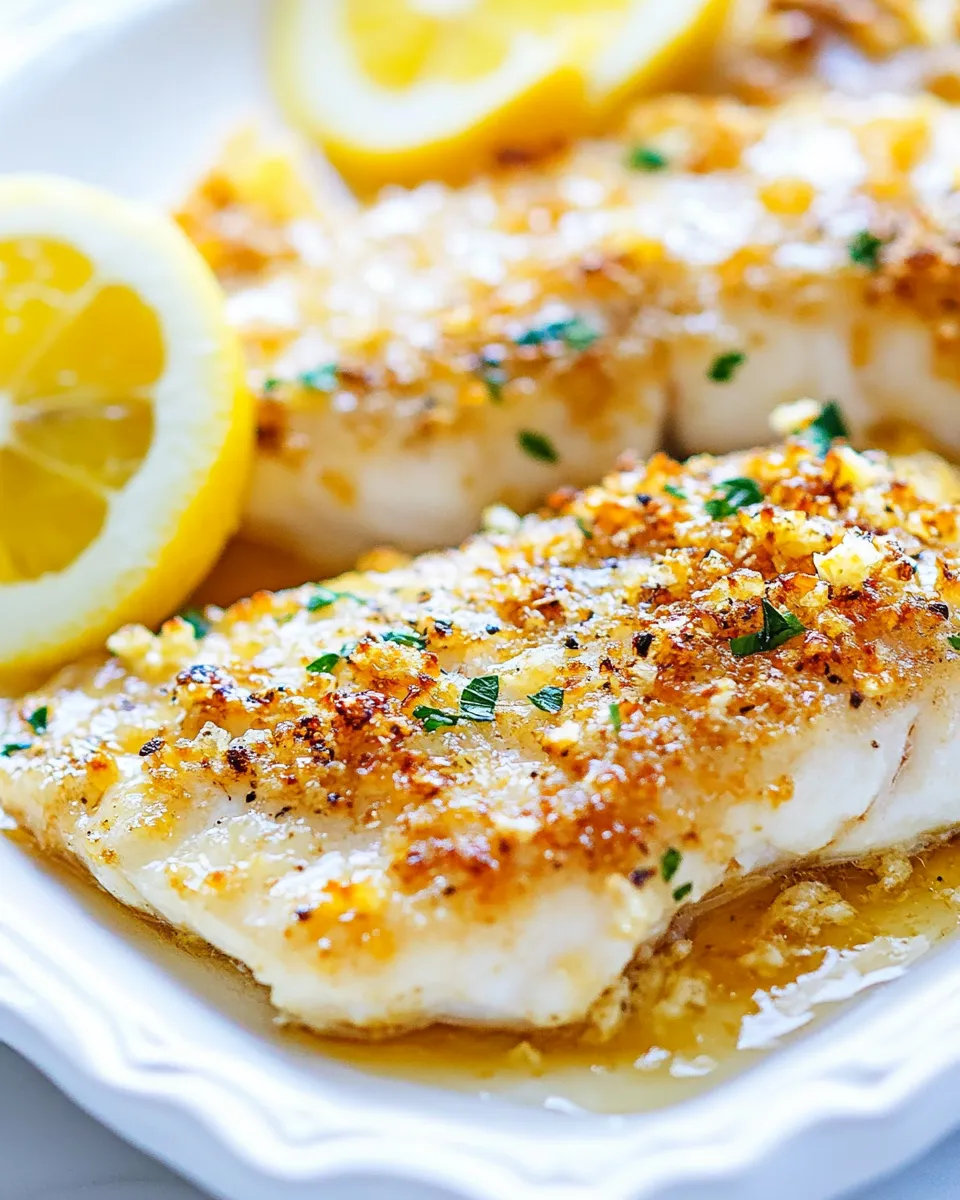
This is a go-to because it’s fast, forgiving, and bright in flavor. The whole process — from preheating to plating — takes about 20 minutes on a busy night. The combination of lemon, garlic, and a touch of ginger wakes up the mild tilapia without overpowering it.
It’s also versatile. Serve it with a simple grain, over salad greens, or alongside roasted vegetables. Because there’s minimal handling and no heavy breading, the natural texture and moisture of the fish shine through every time.
International Equivalents
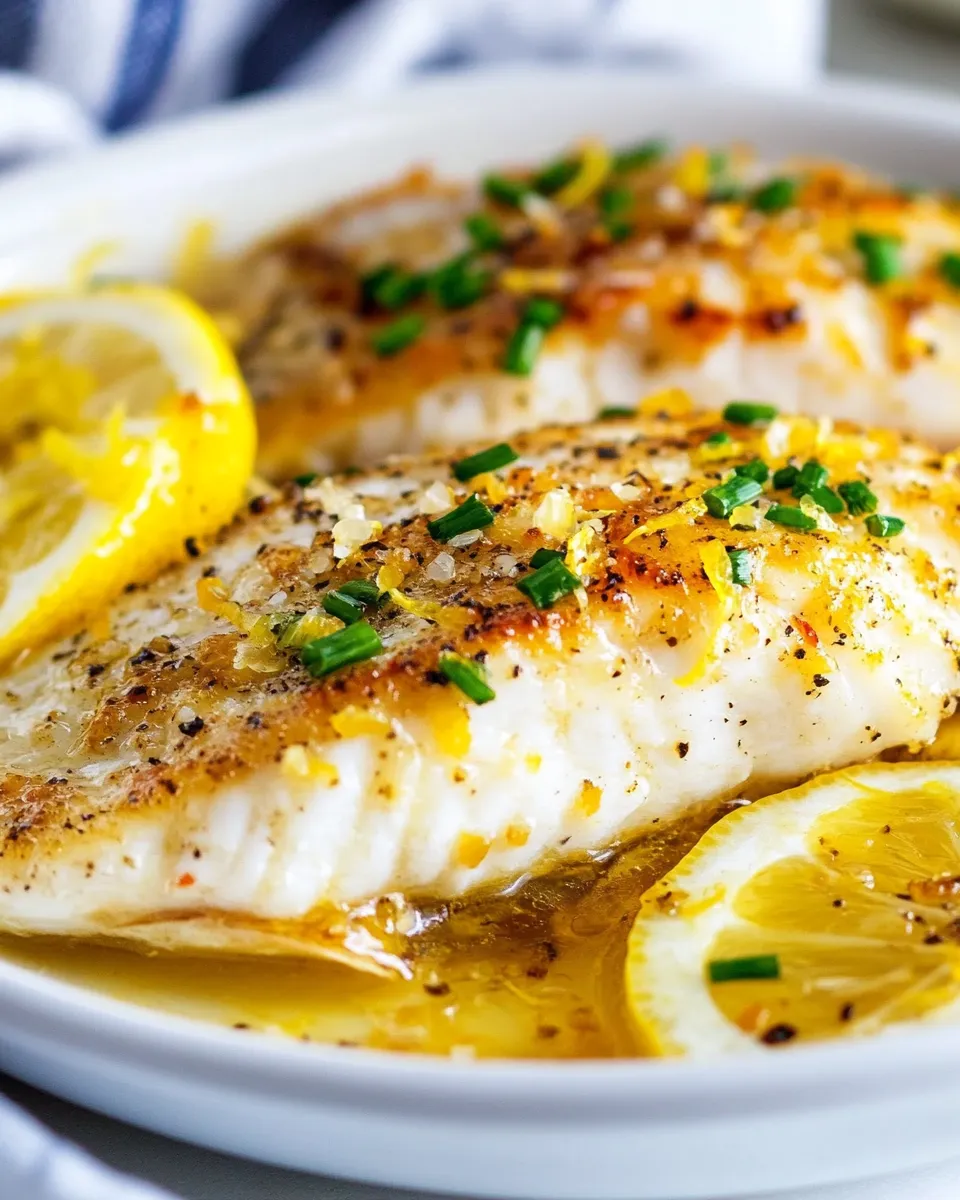
Many cuisines cook delicate white fish with citrus and aromatics. In Mediterranean kitchens you’ll find similar preparations with lemon, olive oil, and herbs; in parts of East Asia the same idea appears with ginger, garlic, and a splash of soy or sesame for umami. Think of this recipe as a simple, adaptable template — the core idea (fish + bright citrus + aromatics) is universal.
Must-Have Equipment
- Oven capable of holding 400°F (200°C).
- Baking dish large enough to hold 4 fillets in a single layer (glass or metal works well).
- Small mixing bowl to combine garlic, ginger, lemon, spices, and oil.
- Microplane or zester for lemon zest.
- Spoon or small spatula for spreading and basting.
- Instant-read thermometer (optional) if you prefer checking internal temperature rather than flake test.
Steer Clear of These
- Overcrowding the pan — fillets should sit in a single layer so they cook evenly.
- Using too much heat — the recipe works at a moderate 400°F; higher temps will dry thin fillets quickly.
- Skipping the zest — lemon juice alone gives acid but zest adds essential aromatic oils that brighten the dish.
- Letting fillets sit in the marinade for too long (more than 30 minutes) — acid will start to ‘cook’ the fish and change the texture.
In-Season Flavor Ideas
When citrus is at its peak, use extra lemons and pair the fish with a simple salad of shaved fennel or baby arugula. In late spring and early summer, serve with steamed asparagus or new potatoes. In fall and winter, roasted root vegetables or a warm grain like farro complements the brightness of the lemon.
Fresh herbs that are in season (parsley, dill, or chives) are lovely sprinkled on at the end. If you have fresh herbs on hand, add them as a last-minute garnish to preserve their fragrance.
Method to the Madness
Why the order matters
Preheating the oven ensures even and predictable cooking. Patting fillets dry helps the lemon-garlic mixture adhere and prevents steam from forming contact points that can make the surface soggy. Combining garlic, ginger, lemon zest and juice with oil releases their flavors into a pan sauce that both flavors and protects the fish while it bakes.
Mid-cook basting
Basting halfway through keeps the top glossy and infuses flavor without overcooking. It’s a small extra step that yields moist fillets and helps the aromatics mingle into the sauce rather than simply sitting on the surface.
Prep Ahead & Store
Prep the garlic-ginger-lemon mixture up to a day ahead and store it covered in the refrigerator. Keep the fillets separate and assemble just before baking to avoid any texture changes from sitting in the acidic mix too long.
Leftovers: cool completely, transfer to an airtight container, and refrigerate up to 2 days. Reheat gently in a low oven (about 300°F) for 8–10 minutes or warm in a microwave in short bursts. Note: reheated tilapia will be firmer than fresh out of the oven, so use it in salads, tacos, or flaked over grains if texture is a concern.
Quick Q&A
- Q: Can I use frozen tilapia? A: Yes — thaw completely and pat dry before baking to ensure even cooking and good sauce adhesion.
- Q: What if I don’t like ginger? A: Omit the ginger and the recipe still sings with garlic and lemon. Ginger is a bright lift but isn’t required.
- Q: How can I tell when the fish is done? A: The fish should be opaque and flake easily with a fork; an internal temperature around 145°F (63°C) is the standard target for most white fish.
- Q: Can I double the recipe? A: Yes, use a larger baking dish and keep fillets in a single layer; you may need a couple extra minutes of cooking depending on the dish depth.
Save & Share
When this becomes one of your weeknight staples, save the page or jot the ingredients on your grocery list. Share it with friends who need quick dinner wins — it’s exactly the sort of recipe that converts fish skeptics. If you try a tweak that works (a herb garnish or a different side), note it down for the next time — small changes can turn this reliable base into a signature weeknight dinner.
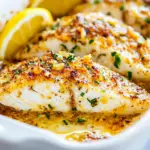
Baked Lemon Garlic Tilapia
Ingredients
Ingredients
- 4 filetstilapiafresh or thawed
- 4 clovesgarlicminced
- 1 teaspoonfresh gingerminced
- 1/4 teaspoonsalt and pepper
- 1/4 teaspoonred pepper flakes
- 1 lemonjuiced and zested
- 1/4 cupolive oil
Instructions
Instructions
- Preheat the oven to 400°F (200°C).
- Lightly grease a baking dish with olive oil. Pat the 4 tilapia fillets (fresh or thawed) dry if desired and arrange them in a single layer in the dish.
- In a medium bowl, combine 4 cloves garlic (minced), 1 teaspoon fresh ginger (minced), 1/4 teaspoon salt and pepper, 1/4 teaspoon red pepper flakes, and the zest and juice of 1 lemon. Stir to combine.
- Add 1/4 cup olive oil to the bowl and stir until the mixture is well combined.
- Pour the mixture evenly over the fillets, spreading it so each fillet is coated.
- Bake in the preheated oven 10–15 minutes, or until the fish is opaque and flakes easily with a fork. About halfway through the cooking time, remove the dish briefly and baste the fillets with the pan sauce, then return to the oven to finish baking.
- Remove from the oven and serve immediately.
Equipment
- Oven
- Baking Dish
- Mixing Bowl
- Fork
- Spoon
Notes
When purchasing frozen tilapia, avoid packages with ice crystals or frost, as this may indicate that the fish has been thawed and refrozen.
I learned that the best places to buy tilapia are Taiwan, Indonesia, or Colombia. Naturland, BAP, or ASC should rate them.
Pat the fish fillets dry before baking them for the best results.Tilapia absorbs moisture and will become soggy.
Do not handle the tilapia or poke at it once it is cooking.It is very delicate and prone to falling apart easily.
It can also break apart if it sticks to the pan,so use cooking oil or butter.
Be careful not to overcook the fish,as it may become tough and dry to chew. Only bake it to just under 145 degrees F. I like to remove mine when it is 142 degrees F. Then it will continue to rise to 145 degrees as it rests.