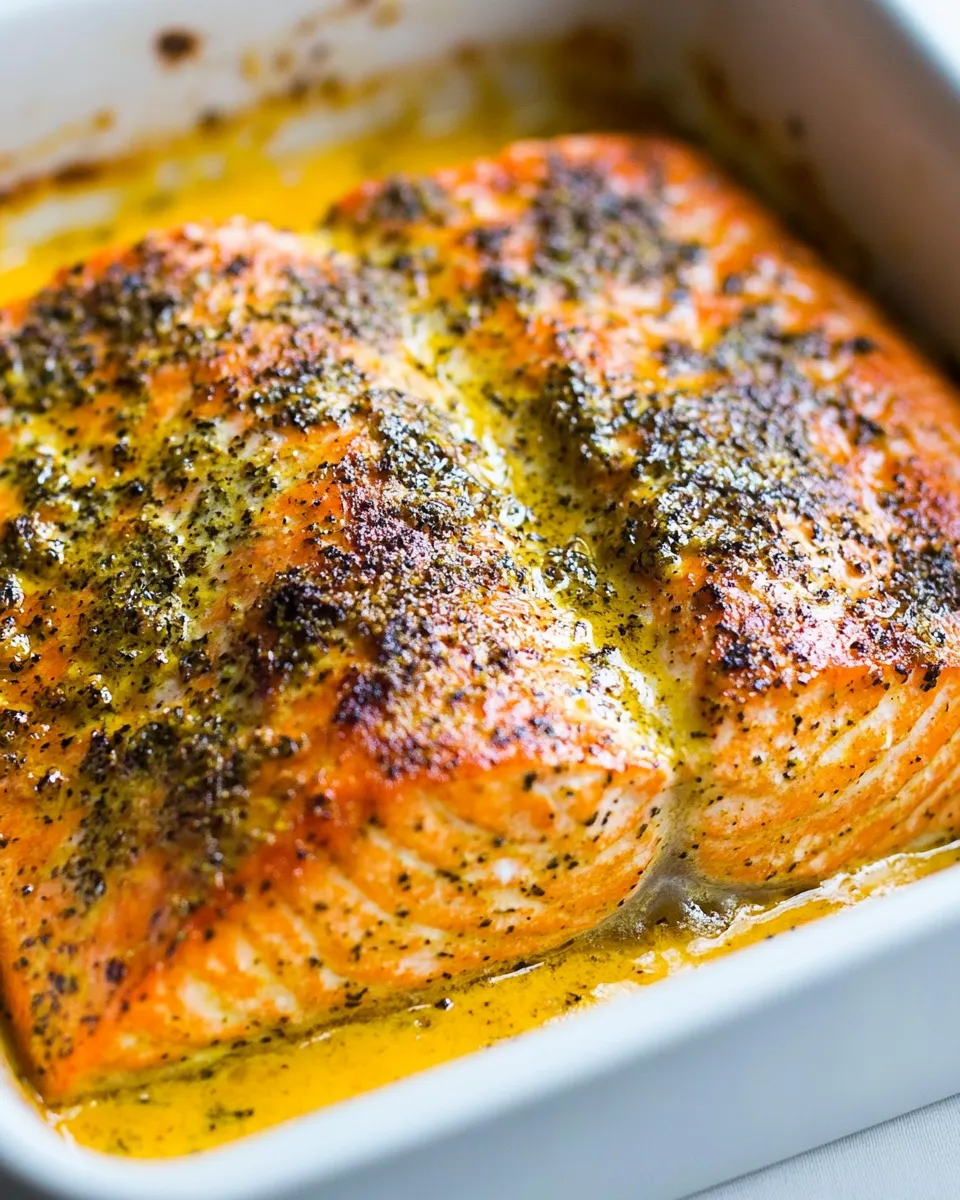
I love a recipe that feels effortless and still delivers a punch of flavor. This Baked Turmeric Salmon does exactly that: a handful of pantry spices, a quick oil rub, and the oven does the rest. It’s bright, warming, and has a golden color that makes a simple weeknight dinner feel intentional.
It’s the sort of meal I make when I want something wholesome without standing over the stove. The turmeric gives an earthy warmth, paprika adds a gentle smokiness, and garlic and onion powders round it out. No fussy steps, just clean ingredients and a straightforward bake time.
Below I’ll walk you through exactly what to use, the precise steps to follow, how to fix common problems, and a few practical ways to customize this to your tastes or pantry. Let’s get into it.
What Goes In
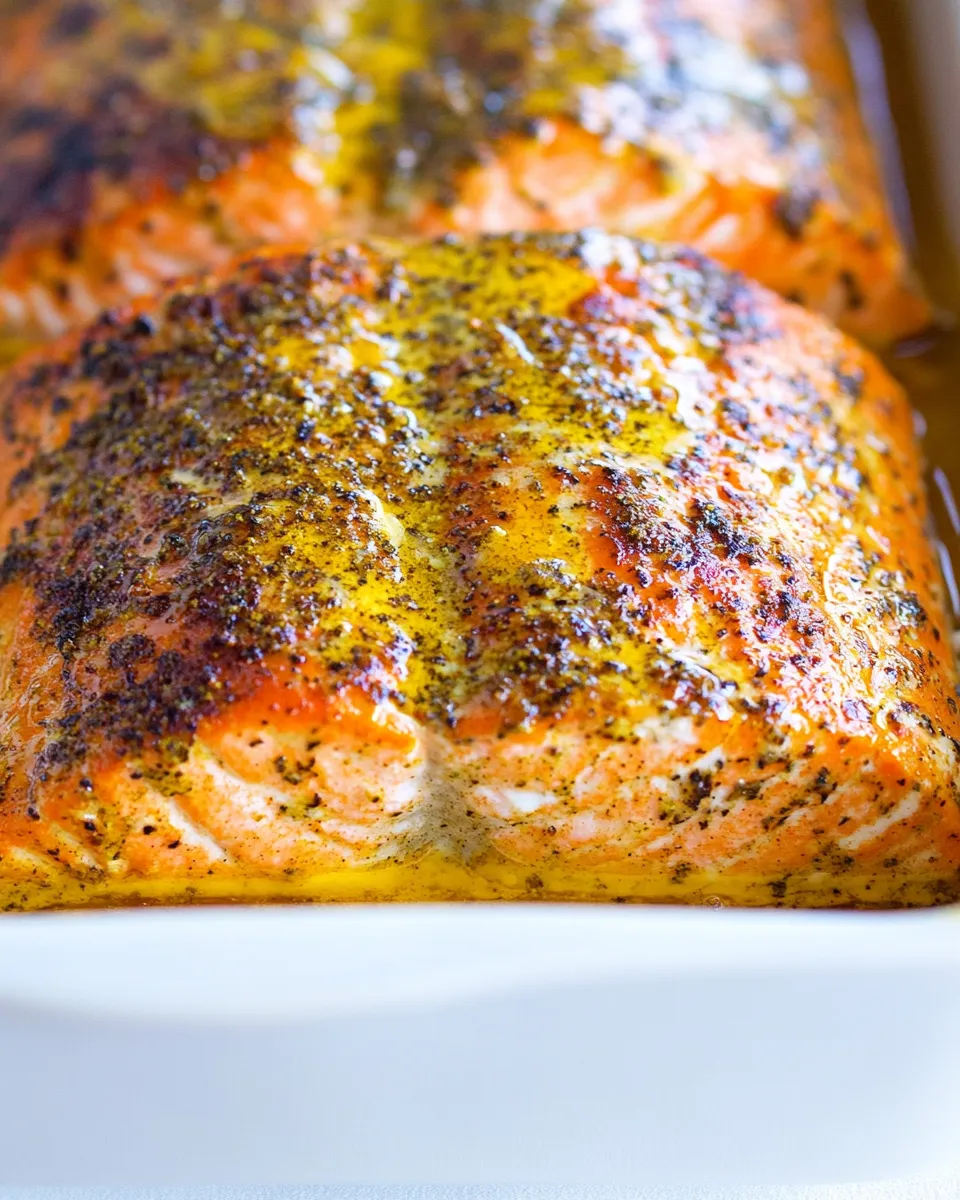
Everything you need comes from a short list. I keep these staples on hand so this comes together quickly.
Ingredients
- 1 to 1.5 lb salmon fillet — the main protein; choose a single, even-thickness fillet for even cooking.
- 1 tablespoon avocado oil — helps the spices stick and promotes a gentle, even bake without smoking.
- ¼ tsp sea salt — seasons the fish; adjust to taste.
- ½ to 1 tsp ground turmeric — the star spice; use less if you prefer a milder turmeric flavor.
- ½ tsp ground paprika — adds color and a sweet-smoky base note.
- 1/2 tsp garlic powder — gives savory depth without fresh garlic’s sharpness.
- ¼ tsp onion powder — rounds out the aromatics in a subtle way.
- ¼ tsp black pepper — brightens and balances the turmeric’s earthiness.
Step-by-Step: Baked Turmeric Salmon
- Preheat the oven to 350°F (175°C).
- Place the 1 to 1.5 lb salmon fillet in a baking dish in a single layer.
- Drizzle 1 tablespoon avocado oil over the salmon and use a spoon or your fingers to spread the oil and lightly coat the surface.
- Sprinkle the seasonings evenly over the salmon: ¼ tsp sea salt (to taste), ½ to 1 tsp ground turmeric (according to taste), ½ tsp ground paprika, ½ tsp garlic powder, ¼ tsp onion powder, and ¼ tsp black pepper. Gently pat the seasonings onto the fish so they stick.
- Allow the seasoned salmon to sit while the oven finishes preheating (a few minutes is fine).
- Bake the salmon in the preheated 350°F oven for 20 to 30 minutes, depending on the thickness of the fillet, until the salmon is opaque and flakes easily with a fork.
- Remove from the oven and let the salmon rest a few minutes before serving.
Why Baked Turmeric Salmon is Worth Your Time
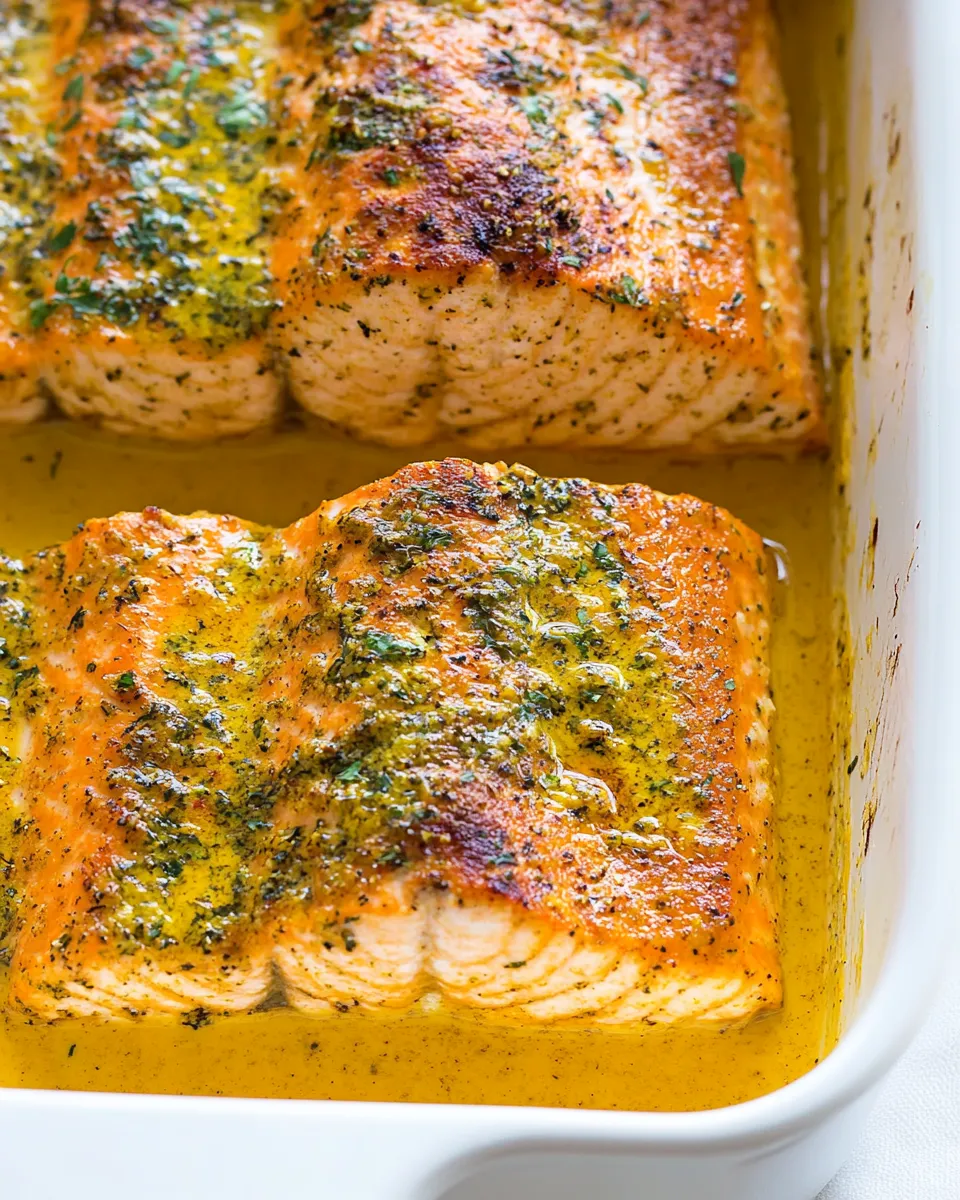
This recipe rewards you for very little effort. You get bright flavor, beautiful color, and an oven-handled texture that keeps the salmon moist without much babysitting. Turmeric brings a subtle, peppery earthiness that pairs especially well with fatty fish like salmon; it’s a simple way to add complexity without layering on many ingredients.
It’s also versatile: the basic spice mix complements sides from steamed greens to roasted vegetables or a quick grain bowl. The method—oil, season, bake—is forgiving. Even if your fillet varies a bit in thickness, the range of bake time (20–30 minutes) covers most home-cooking scenarios without ruining the outcome.
Nutritiously, salmon provides heart-healthy omega-3s and protein while turmeric adds anti-inflammatory compounds. So it’s an honest, feel-good dish that works for weeknights, light entertaining, or meal-prep for a few days.
If You’re Out Of…
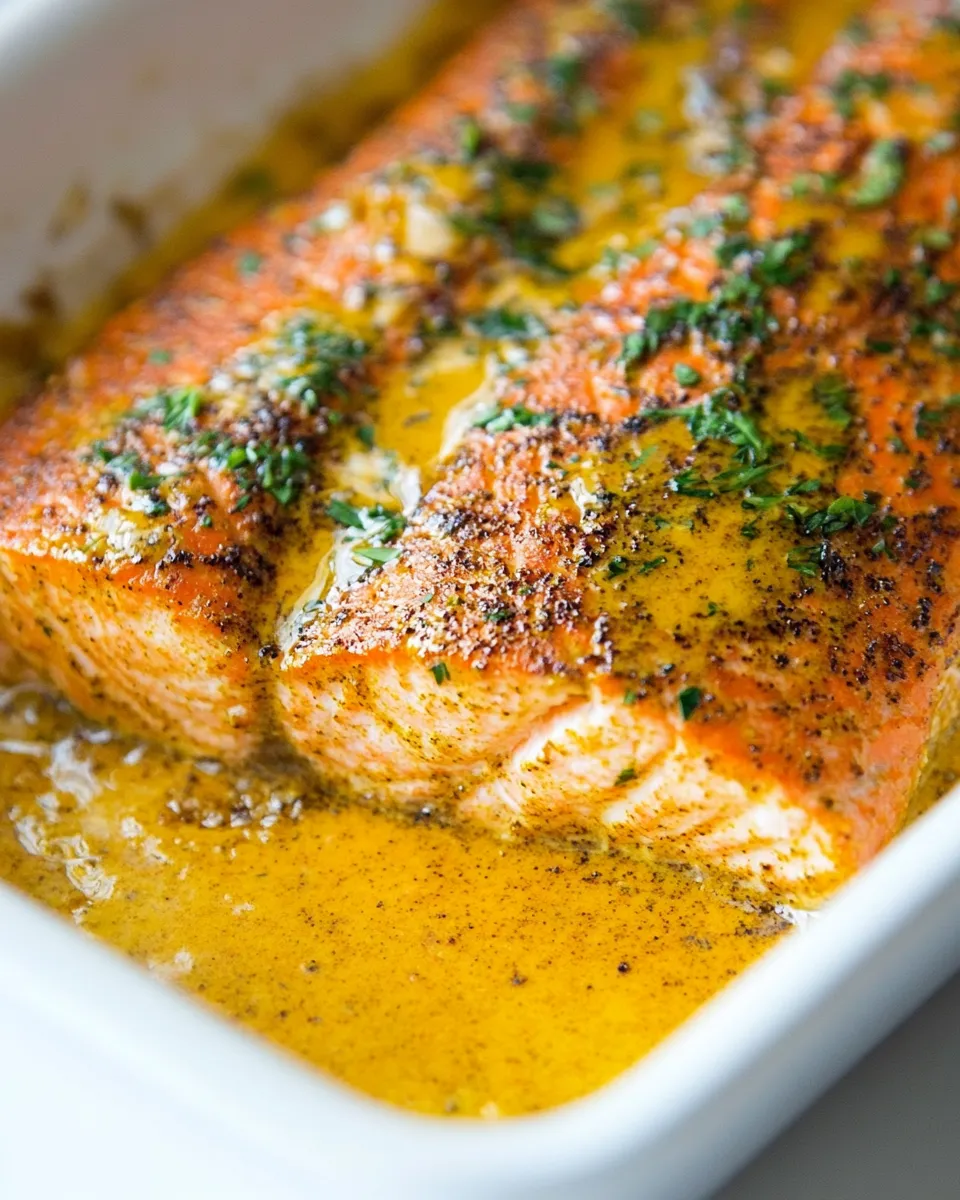
If you’re missing one of the listed items, here are practical options:
- If you don’t have avocado oil: a neutral oil that tolerates oven heat will do. Use a small amount to coat the fish so the spices adhere.
- If you’re short on turmeric or want a lighter flavor: use the lower range (½ tsp) or skip it and lean on the paprika and garlic powder instead—your fish will still taste great.
- If you have no paprika: the mix will be milder but still tasty; add a touch more black pepper for lift.
- If you don’t have a whole fillet and are using portions: reduce the bake time and check for doneness earlier—smaller pieces cook faster.
Gear Checklist
- Baking dish or rimmed baking sheet — large enough to hold the fillet in a single layer.
- Measuring spoons — for accurate spice amounts.
- Spoon or brush (or clean fingers) — to spread the oil.
- Oven thermometer (optional) — helpful if your oven runs hot or cold.
- Fork — to test flakiness when checking doneness.
- Kitchen timer — follow the suggested window of 20–30 minutes depending on thickness.
Watch Outs & How to Fix
Doneness
Watch out for overcooking. Salmon can go from moist to dry quickly. If you open the oven and see the fish flaking and opaque through the thickest part, remove it. For a slightly more tender result, pull it at the lower end of the window and let carryover heat finish it during the rest period.
Uneven Cooking
If one end of the fillet is noticeably thinner and cooks faster, tent that thinner edge with foil for the last several minutes while the thicker part finishes. Alternatively, remove the thinner piece earlier if you’re serving immediately.
Underseasoned
If it tastes flat, a final squeeze of citrus (lemon or lime) or a light sprinkle of flaky salt right before serving brightens everything. Seasoning during cooking is important, but finishing salt and acid fix a lot.
Turmeric Staining
Turmeric can stain countertops and fabrics. Use a sheet of parchment under the dish if you’re worried, and handle with care—wipe spills quickly with a damp cloth and soap.
Fish Sticking to the Dish
If the fish sticks, a quick tip is to slide a thin spatula between the fish and dish while it’s still warm. Using a lightly oiled baking dish and not overbaking makes sticking less likely.
Customize for Your Needs
This recipe is deliberately simple so you can personalize it.
- Brighten it: finish with a squeeze of lemon or a scattering of fresh herbs if you have them on hand.
- Sweet-savory: a tiny drizzle of honey or maple in the last 2–3 minutes of baking adds a glaze note—use sparingly so the turmeric still shines.
- For more heat: add a pinch of cayenne or red pepper flakes to the spice mix if you like a kick.
- Make it a bowl: serve over rice, quinoa, or greens and spoon any juices from the baking dish over the grain.
Notes on Ingredients
Salmon: Choose a fillet with consistent thickness so it cooks evenly. Wild and farmed salmon have different fat content—adjust to taste.
Turmeric: The powder brings color and a mild earthy flavor. Start with ½ tsp if you’re unsure, then work up to 1 tsp next time if you enjoy it more assertively.
Avocado oil: I use it for its neutral flavor and higher smoke point. If you don’t have it, any neutral oil will work—just use a light hand so the fish doesn’t pool in oil.
Salt & pepper: The recipe lists modest amounts because salt is personal. Adjust to your preference, but remember seasoning is a key part of bringing the flavors together.
Prep Ahead & Store
Make-ahead: Season the fillet and keep it covered in the fridge for up to 2 hours before baking. This short rest lets the spices settle and speeds up dinner when you’re ready.
Leftovers: Cool the salmon to room temperature no longer than two hours after cooking, then refrigerate in an airtight container for up to 3 days. Reheat gently in a low oven (about 275–300°F) for 8–10 minutes or flake cold into salads.
Freezing: For longer storage, freeze cooked salmon tightly wrapped for up to 1 month. Thaw overnight in the refrigerator before reheating. Fresh, uncooked fillet can be seasoned and vacuum-sealed for freezing, but texture may shift slightly on thaw.
FAQ
Q: How do I know when the salmon is done?
A: It should be opaque and flake easily with a fork at the thickest part. If you like a touch of translucency inside, check closer to 20 minutes.
Q: Can I cook this at a higher temperature for a shorter time?
A: Yes—if you increase the oven to 400–425°F, the cook time will drop considerably (often 8–15 minutes depending on thickness). Watch closely to avoid drying. The 350°F method is gentler and more forgiving.
Q: Will the turmeric flavor be strong?
A: Turmeric is more about color and subtle earthiness than heat. Use the lower measure (½ tsp) if you want it mild; up to 1 tsp will be more pronounced but still not overpowering when balanced with paprika and garlic powder.
Q: My spice mix turned bitter—what happened?
A: Overcooking spices can darken their flavor. Stick to the recommended bake times and avoid burning or charring the seasoning.
Save & Share
If you try this Baked Turmeric Salmon, save the recipe for nights when you want something quick, nourishing, and full of color. Snap a photo if you like—golden, baked salmon is a favorite on my dinner table and a great way to make weeknight cooking feel a little celebratory. Share it with friends or leave a note about how you tweaked it—I’d love to hear what you try.
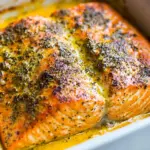
Baked Turmeric Salmon
Ingredients
Ingredients
- 1 to 1.5 lbssalmon fillet
- 1 tablespoonavocado oil
- 1/4 tspsea saltto taste
- 1/2 to 1 tspground turmericaccording to taste
- 1/2 tspground paprika
- 1/2 tspgarlic powder
- 1/4 tsponion powder
- 1/4 tspblack pepper
Instructions
Instructions
- Preheat the oven to 350°F (175°C).
- Place the 1 to 1.5 lb salmon fillet in a baking dish in a single layer.
- Drizzle 1 tablespoon avocado oil over the salmon and use a spoon or your fingers to spread the oil and lightly coat the surface.
- Sprinkle the seasonings evenly over the salmon: ¼ tsp sea salt (to taste), ½ to 1 tsp ground turmeric (according to taste), ½ tsp ground paprika, ½ tsp garlic powder, ¼ tsp onion powder, and ¼ tsp black pepper. Gently pat the seasonings onto the fish so they stick.
- Allow the seasoned salmon to sit while the oven finishes preheating (a few minutes is fine).
- Bake the salmon in the preheated 350°F oven for 20 to 30 minutes, depending on the thickness of the fillet, until the salmon is opaque and flakes easily with a fork.
- Remove from the oven and let the salmon rest a few minutes before serving.
Equipment
- Oven
- Baking Dish
- Spoon
- Fork
Notes
Nutrition Facts calculated based on 1.5 lbs of King Salmon