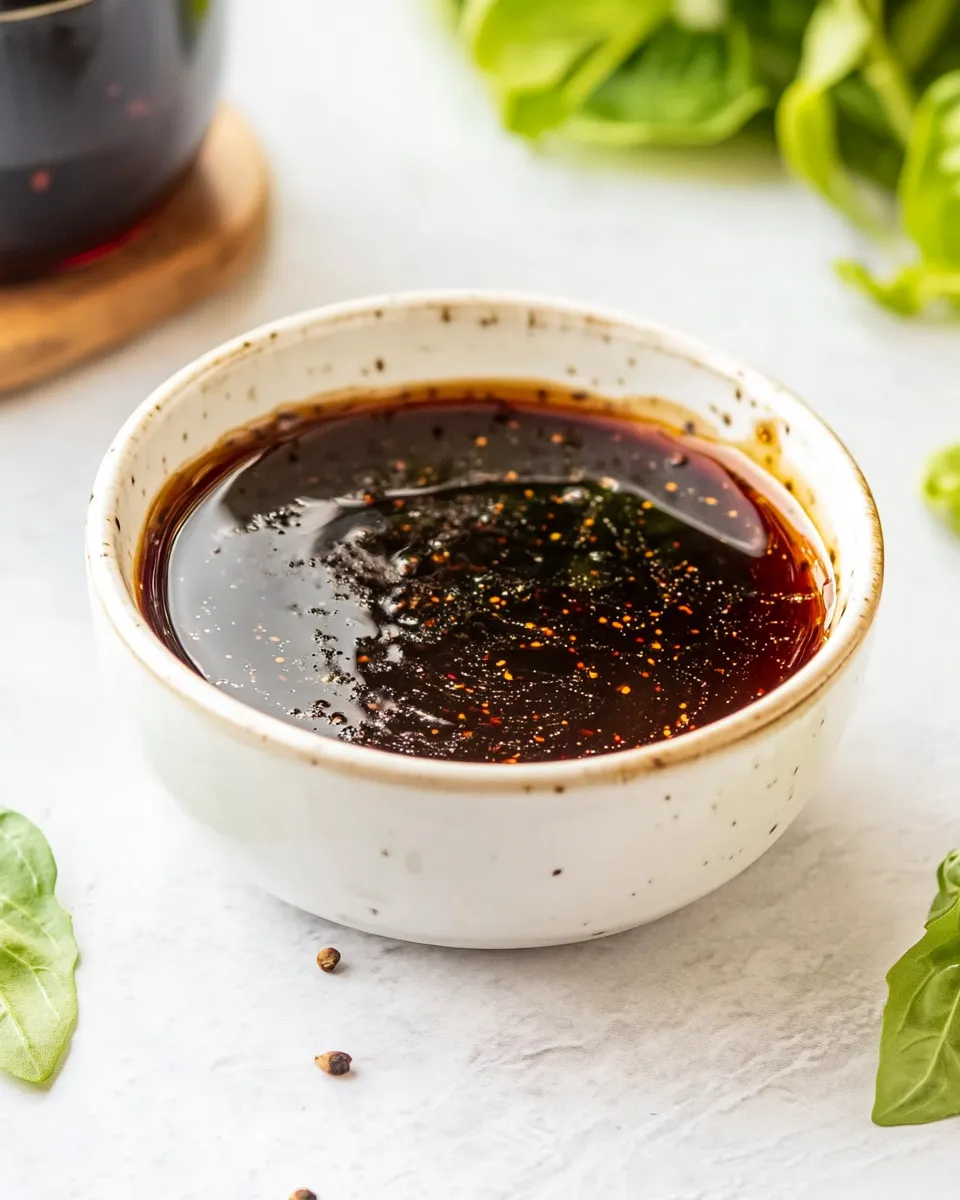
I keep a jar of this balsamic vinaigrette in the fridge most weeks. It’s the kind of recipe that wakes up a bowl of greens, dresses roasted vegetables, and adds a little shine to a simple grain salad. The balance of aged balsamic, olive oil, honey and mustard is straightforward but flexible, which is exactly what I want on busy weeknights.
This recipe is intentionally short on fuss: measure, shake, taste, adjust. You don’t need a blender or special equipment — just a jar with a tight-fitting lid. It takes under five minutes to make and stores cleanly, so you can mix a batch and forget about it until dinner.
Below I’ll walk you through exactly what goes into it, the method step by step, and sensible tips for fixing common hiccups. There are also swap ideas for different pantries and notes on storing it safely. If you like bright, balanced dressings with a touch of sweetness, this one will become a staple.
What Goes Into Balsamic Vinaigrette
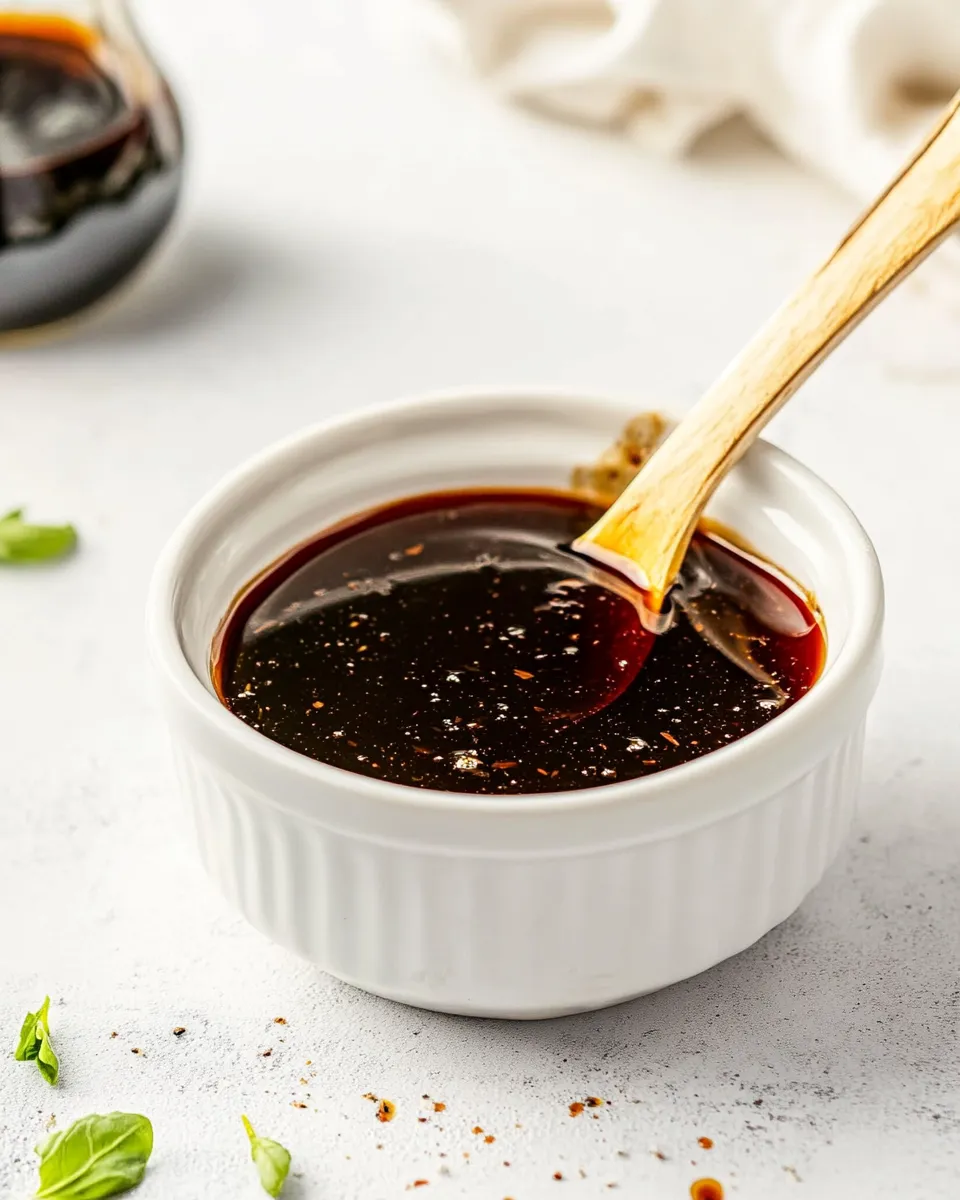
This dressing runs on a simple structure: acid + oil + sweet + binder + aromatics + seasoning. The aged balsamic brings depth and sweetness on its own, but the honey helps round the edges and smooth the bite. Dijon mustard helps the oil and vinegar hold together while adding a subtle tang. Dried thyme and garlic bring savory notes that make the vinaigrette feel finished even in small amounts.
Ingredients
- 1/4 cup aged balsamic vinegar — the primary acid; gives depth and a slightly sweet, tangy backbone.
- 1/4 cup extra virgin olive oil — provides body and a silky mouthfeel; use a good-quality oil for the best flavor.
- 2-3 tablespoons honey — balances acidity and rounds flavors; start with less and add more if needed.
- 2 teaspoons Dijon mustard — acts as an emulsifier and adds sharp, savory tang.
- 1/2 teaspoon dried thyme — a subtle herb note that complements the balsamic without overpowering.
- 1 clove garlic, minced — brings fresh savory aroma; mince fine so it doesn’t overpower any single bite.
- Salt and pepper — essential seasonings; add gradually and taste until balanced.
Cook Balsamic Vinaigrette Like This
- Put 1/4 cup aged balsamic vinegar, 1/4 cup extra virgin olive oil, 2 to 3 tablespoons honey (start with 2 tablespoons), 2 teaspoons Dijon mustard, 1/2 teaspoon dried thyme, and 1 clove garlic (minced) into a jar with a tight-fitting lid.
- Close the jar and shake vigorously for about 30 seconds, until the mixture is smooth and emulsified.
- Taste the vinaigrette. If you want it sweeter, add up to 1 more tablespoon of honey (staying within the 2–3 tablespoon range), then shake to combine. Season with salt and pepper to taste, adding a little at a time and shaking after each addition until balanced.
- Shake again just before serving to re-emulsify if separation occurs.
Why You’ll Love This Recipe
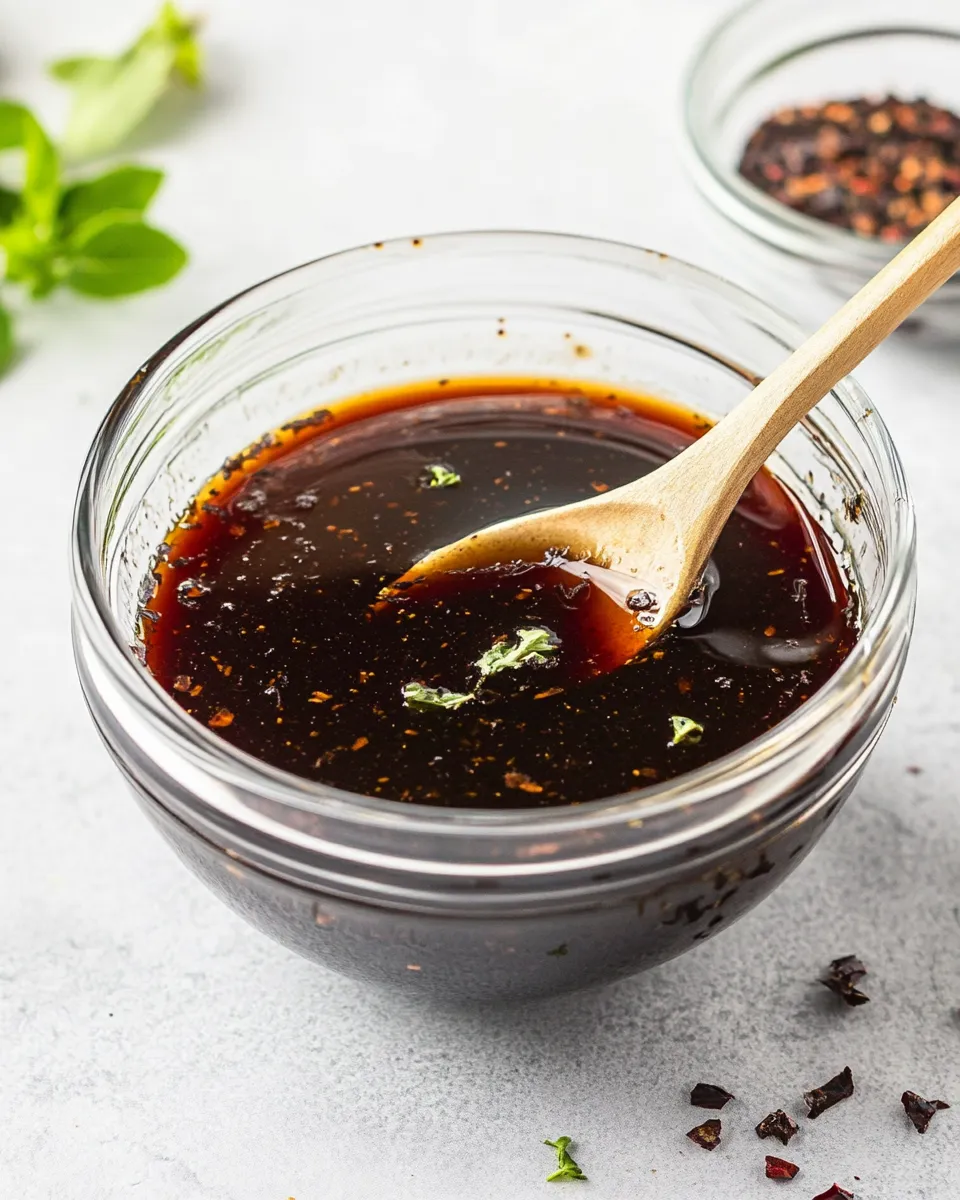
It’s fast. This vinaigrette comes together in a jar in under a minute and barely needs cleanup. That makes it perfect for weeknights when you want something fresh without a lot of fuss.
It’s balanced. Aged balsamic brings a richer, more mellow sweetness than plain vinegar, while honey helps the dressing feel glossy. Dijon mustard ties oil and vinegar together and adds subtle heat so the dressing reads as more than the sum of its parts.
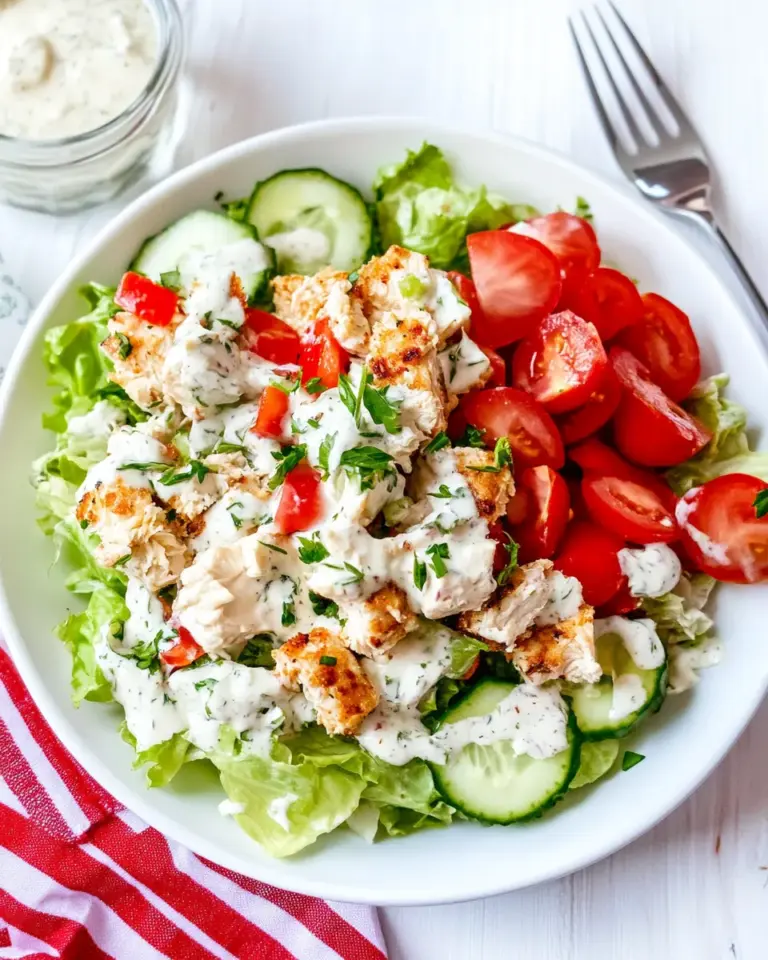
It’s versatile. Use it on green salads, grain bowls, as a light marinade for chicken or vegetables, or drizzled over roasted tomatoes and fresh mozzarella. Change one element and you’ve got a different vibe—swap the herb, add citrus, or stir in a spoonful of yogurt for creaminess.
Swap Guide
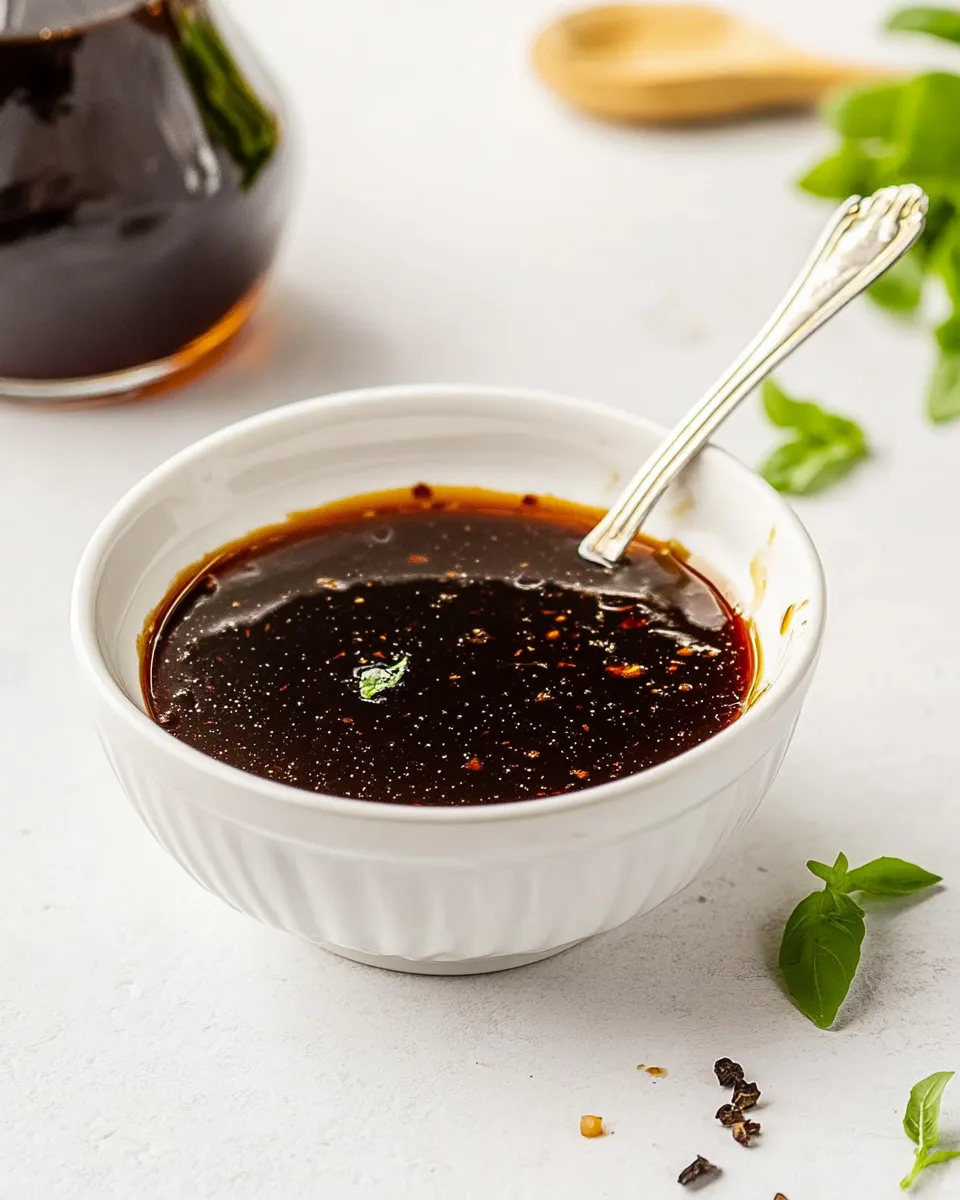
Swap ideas are about keeping the spirit of the dressing while using what you have at hand.
- Honey — Replace with maple syrup for a deeper, woodsy sweetness; use the same amount as a 1:1 substitute.
- Aged balsamic — If you only have regular balsamic, it will still work; you may want to reduce honey slightly because some balsamics are already quite sweet.
- Extra virgin olive oil — For a milder flavor, use a light olive oil or a neutral oil like avocado. The texture will be similar, but the olive flavor will be less pronounced.
- Dijon mustard — Whole-grain mustard gives a nuttier texture and visual interest but keep the same volume so emulsification stays reliable.
- Dried thyme — Substitute with dried oregano or rosemary in small amounts. If using fresh herbs, add them at the end so they stay bright.
- Garlic — If raw garlic is too bold, swap for a pinch of garlic powder or a few thin slices of shallot for a milder, sweeter bite.
Appliances & Accessories
You don’t need fancy gear. I often make this in the jar I store it in.
- Jar with tight-fitting lid — ideal for shaking and storage.
- Measuring spoons and cups — to keep the balance consistent each time.
- Small whisk or fork — if you prefer to emulsify in a bowl instead of shaking.
- Microplane or fine grater — useful if you want a finer mince of garlic or a touch of citrus zest.
- Blender or immersion blender (optional) — gives a more stable emulsion if you plan to store it for several days, but not necessary for immediate use.
Missteps & Fixes
Separation
What happens: Oil and vinegar separate after sitting. Why it happens: Oil and water don’t stay mixed without an emulsifier and agitation.
Fix: Shake vigorously just before serving. If you want a longer-lasting emulsion, whisk the vinaigrette quickly in a bowl while drizzling the oil into the vinegar, or use an immersion blender for 10–20 seconds.
Too Sweet or Too Sharp
Too sweet: Add a splash more aged balsamic or a teaspoon of Dijon to restore balance. Add salt slowly to temper sweetness.
Too sharp (too acidic): Add a little more oil—start with a teaspoon at a time—or a small extra pinch of honey if you prefer sweetness over oil for smoothing.
Garlic Overpowering
Raw garlic can dominate. If that happens, slice a fresh clove and steep it briefly in the warm vinaigrette before removing, or blend the dressing briefly to distribute the garlic more evenly. For future batches, mince the garlic finer or reduce to half a clove.
Seasonal Flavor Boosts
Small seasonal additions make this dressing feel new without changing the base recipe.
- Spring: Fold in a tablespoon of finely chopped fresh chives or tarragon for a gentle onion-herb lift.
- Summer: Stir in a teaspoon of lemon zest or a tablespoon of pureed raspberries for brightness and fruit-forward acidity.
- Autumn: Add a teaspoon of finely chopped fresh sage or swap honey for a touch of maple syrup.
- Winter: A pinch of crushed red pepper and a tablespoon of orange juice brings warmth and citrus to heavier winter salads.
Chef’s Notes
Aged balsamic is the backbone here: it’s sweeter and more concentrated than basic balsamic vinegar. If you use a very dark, syrupy aged balsamic, you’ll get a richer, almost glaze-like finish. Taste as you go when using different vinegars.
Emulsify properly. Dijon mustard helps, but the quickest method is to add all ingredients to a jar and shake hard for 20–30 seconds. If you make larger batches, consider an immersion blender to form a more stable emulsion.
Adjust by teaspoons, not splashes. With a template this simple, small increments matter. Add honey or salt a little at a time and taste. Keep notes if you plan to scale the recipe.
Freezer-Friendly Notes
Dressings made with oil and vinegar are not ideal for freezing. Freezing can change texture and often causes separation that’s harder to bring back. Instead, store the vinaigrette in the refrigerator in a sealed jar for up to 1 week. If you need longer storage, make a smaller amount and refresh more often.
Common Qs About Balsamic Vinaigrette
How long does this keep in the fridge? Stored in a clean jar with a tight lid, it will keep well for about one week. Fresh garlic shortens the shelf life slightly; use within 5–7 days for best flavor.
Can I double or halve the recipe? Yes. Keep the proportions the same. For larger batches, whisk while slowly adding the oil to form a sturdier emulsion, or use an immersion blender.
Is this safe to make ahead? Yes — making it a day ahead helps flavors marry. Shake or whisk again before serving if the oil has separated.
Can I omit honey for a sugar-free version? You can omit it, but the dressing will be noticeably tarter. Try a small amount of a sugar substitute that tolerates heat if you need sweetness without sugar, or reduce the vinegar slightly to smooth the bite.
What if my vinaigrette is cloudy or grainy? Cloudiness can come from crystallized honey or coarse mustard seeds. Warm the jar briefly in warm water and shake to dissolve any crystals, or strain if you prefer a smooth finish.
Save & Share
Keep this recipe handy: it’s a reliable foundation for many salads and a smart way to use pantry staples. Label your jar with the date you made it so you know when to use it by. If you liked this method, try changing one element at a time—different herb, different sweetener—to find your favorite variation.
If this dressing took the edge off dinner tonight, tell a friend or drop a note in your recipe app so you can pull it up next time. Small recipes like this one save time and lift meals, and they get better with the tiny adjustments you make along the way.
Balsamic Vinaigrette Recipe
Ingredients
Ingredients
- 1/4 cupaged balsamic vinegar
- 1/4 cupextra virgin olive oil
- 2-3 tablespoonshoney
- 2 teaspoonsDijon mustard
- 1/2 teaspoondried thyme
- 1 clovegarlic minced
- Saltand pepper
Instructions
Instructions
- Put 1/4 cup aged balsamic vinegar, 1/4 cup extra virgin olive oil, 2 to 3 tablespoons honey (start with 2 tablespoons), 2 teaspoons Dijon mustard, 1/2 teaspoon dried thyme, and 1 clove garlic (minced) into a jar with a tight-fitting lid.
- Close the jar and shake vigorously for about 30 seconds, until the mixture is smooth and emulsified.
- Taste the vinaigrette. If you want it sweeter, add up to 1 more tablespoon of honey (staying within the 2–3 tablespoon range), then shake to combine. Season with salt and pepper to taste, adding a little at a time and shaking after each addition until balanced.
- Shake again just before serving to re-emulsify if separation occurs.
Equipment
- jar with tight-fitting lid
Notes
Kept in an airtight container in the fridge, this dressing will keep well for
2-3 weeks
. Just give it a good shake before serving.