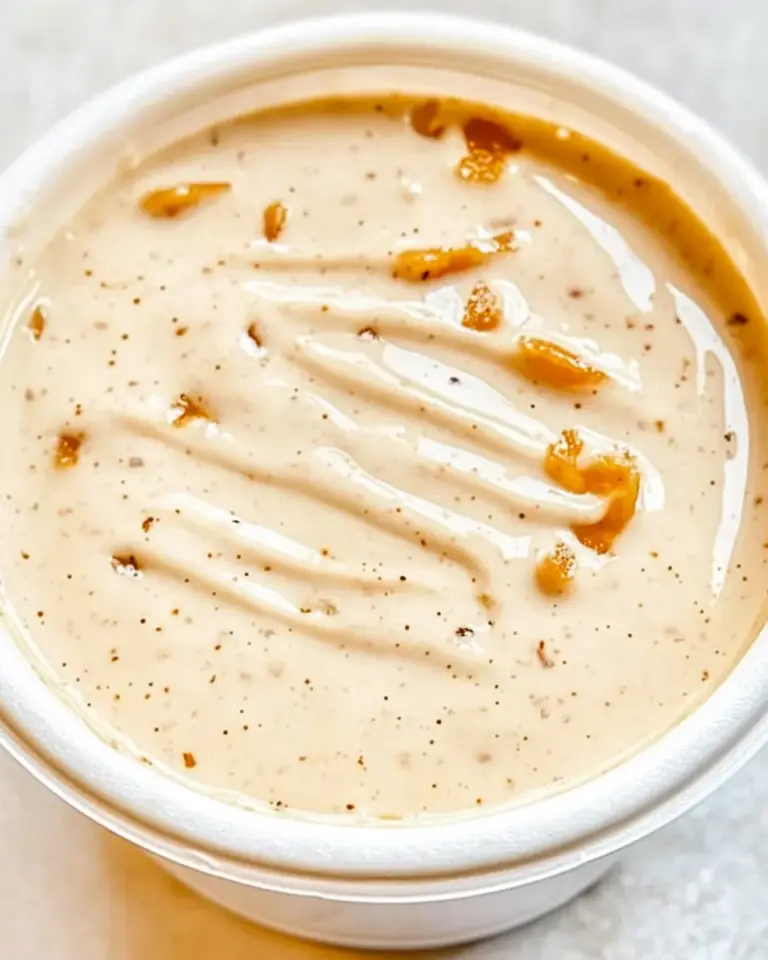
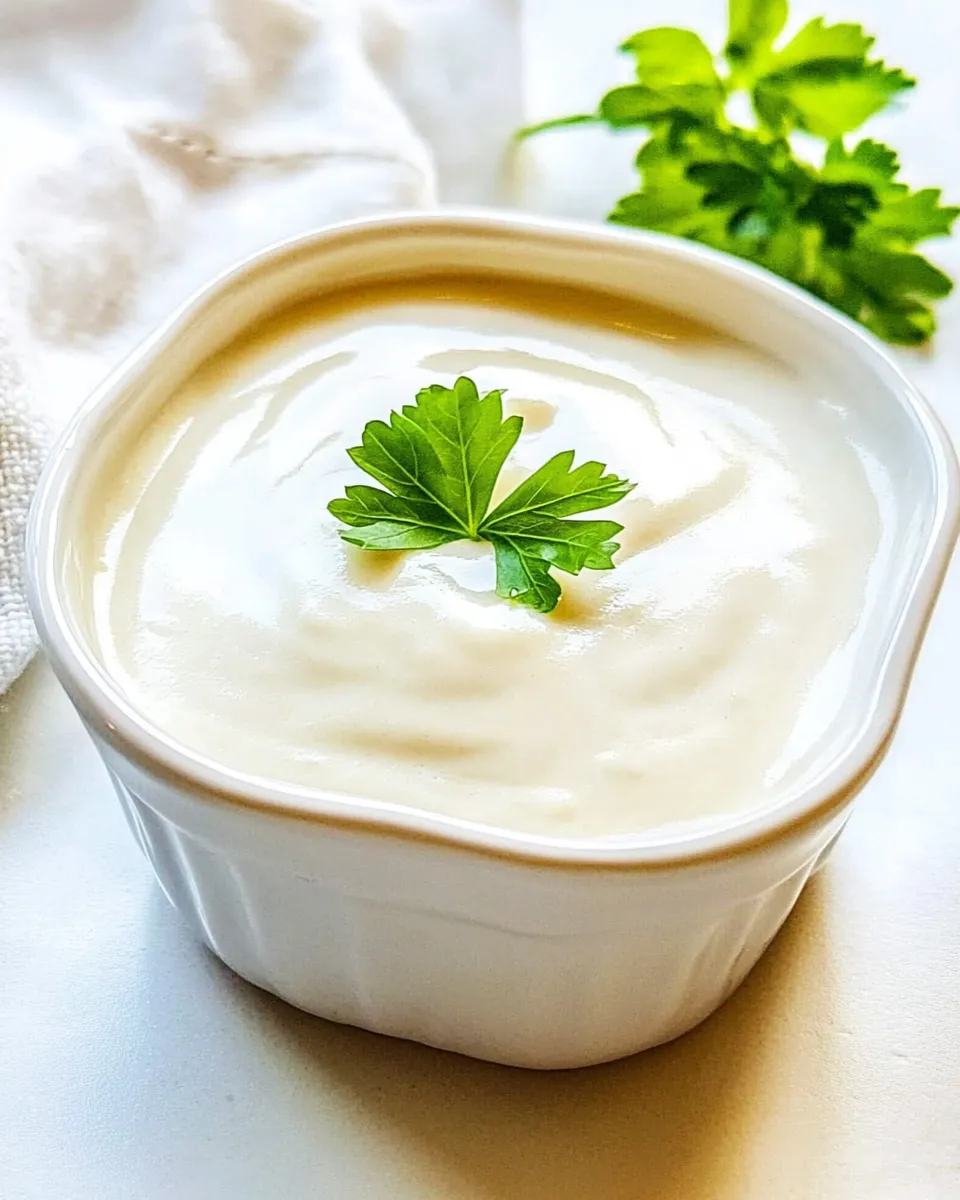
There’s something quietly comforting about a smooth, creamy bechamel. It’s the kind of sauce that turns ordinary vegetables into coziest-of-sides and humble casseroles into something gently luxurious. I reach for it when I want a neutral, silky base that carries flavors without stealing the show.
In this post I’ll walk you through a straightforward method that gives you a lump-free, glossy sauce every time. No tricks, no special equipment — just attention and a good whisk. I’ll also cover what to buy, common mistakes to avoid, low-carb swaps, and practical make-ahead tips so you can use bechamel in weeknight dinners or weekend projects.
Whether you’re building a lasagna, finishing a gratin, or draping it over steamed greens, this version is reliable. Read on for step-by-step directions and real-world tips that keep the sauce smooth from start to finish.
What to Buy
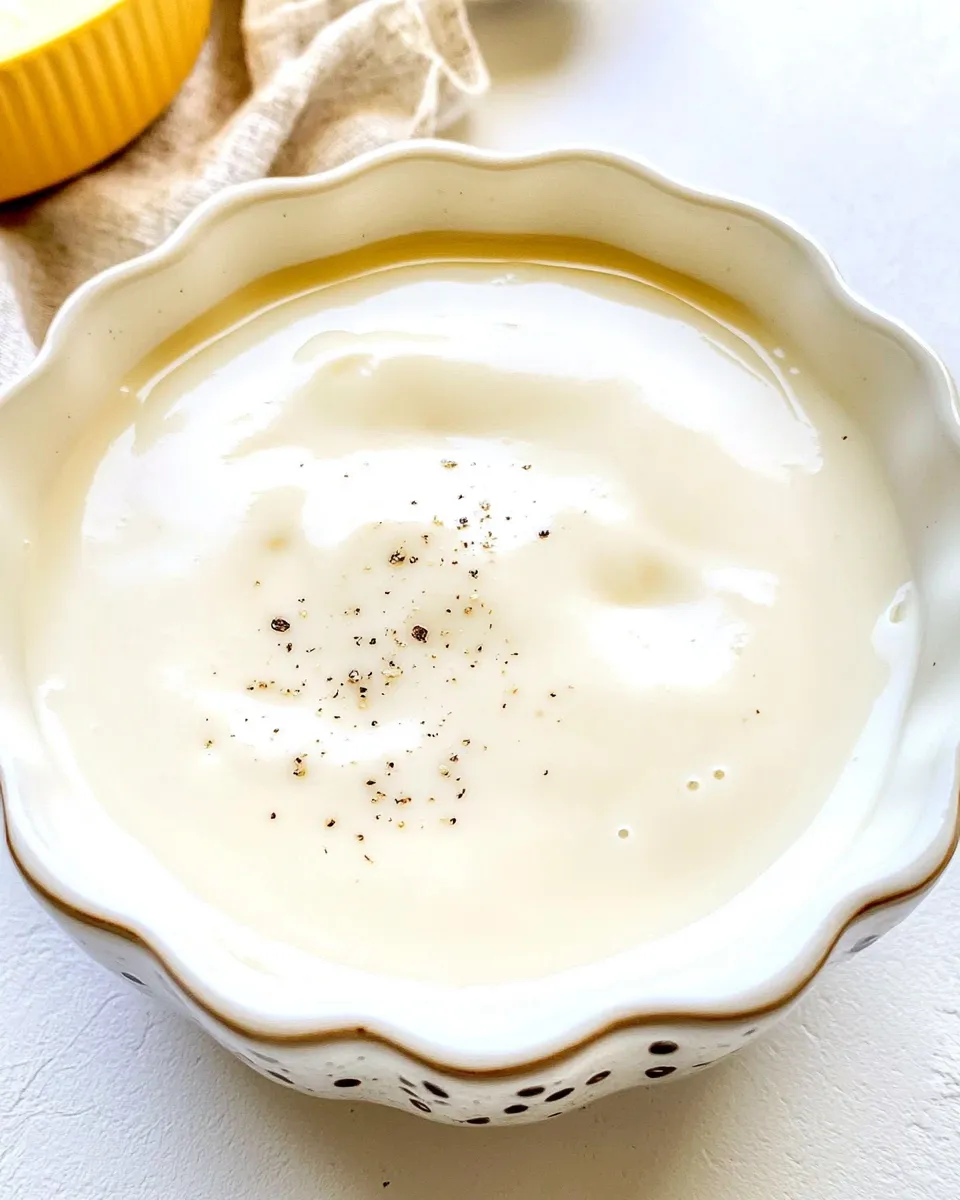
- Unsalted butter — buy a small block so you can measure 3 tablespoons easily; unsalted gives better control over seasoning.
- All-purpose flour — pick a fresh bag; 3 tablespoons will make a light, versatile roux.
- Milk — whole milk is best for creaminess; 2 cups is the right ratio for this roux, but any milk you prefer will work.
- Nutmeg — whole or pre-ground; a pinch (1/8 teaspoon) adds warmth without being obvious.
- Salt — keep a fine salt handy to measure 1/4 teaspoon and to adjust to taste.
- Fresh produce or proteins to serve with the sauce — for example, a head of cauliflower for gratin or lasagna sheets for layering.
Ingredients
- 3 tablespoons unsalted butter — provides the fat to make the roux and a rich foundation for the sauce.
- 3 tablespoons all-purpose flour — thickening agent; cooks with the butter to form the roux.
- 2 cups milk — the liquid base that becomes the creamy sauce; room temperature milk prevents lumps.
- ⅛ teaspoon nutmeg — adds subtle warmth and depth; a little goes a long way.
- ¼ teaspoon salt — seasons the sauce; add more after tasting if needed.
From Start to Finish: Bechamel Sauce
- In a medium saucepan over medium heat, melt 3 tablespoons unsalted butter.
- Add 3 tablespoons all-purpose flour and whisk constantly until the flour and butter form a smooth paste and cook for 2–3 minutes without browning.
- Gradually pour in 2 cups milk: start with a small amount while whisking to make a smooth paste, then slowly add the remaining milk in a steady stream while whisking to prevent lumps.
- Add 1/8 teaspoon nutmeg and 1/4 teaspoon salt (or to taste) and whisk to combine.
- Reduce heat to medium-low and bring the sauce to a gentle simmer, whisking frequently. Cook about 5 minutes, until the sauce is smooth and has thickened.
- Remove from heat and taste; adjust salt if needed. Serve warm.
Why This Recipe is a Keeper
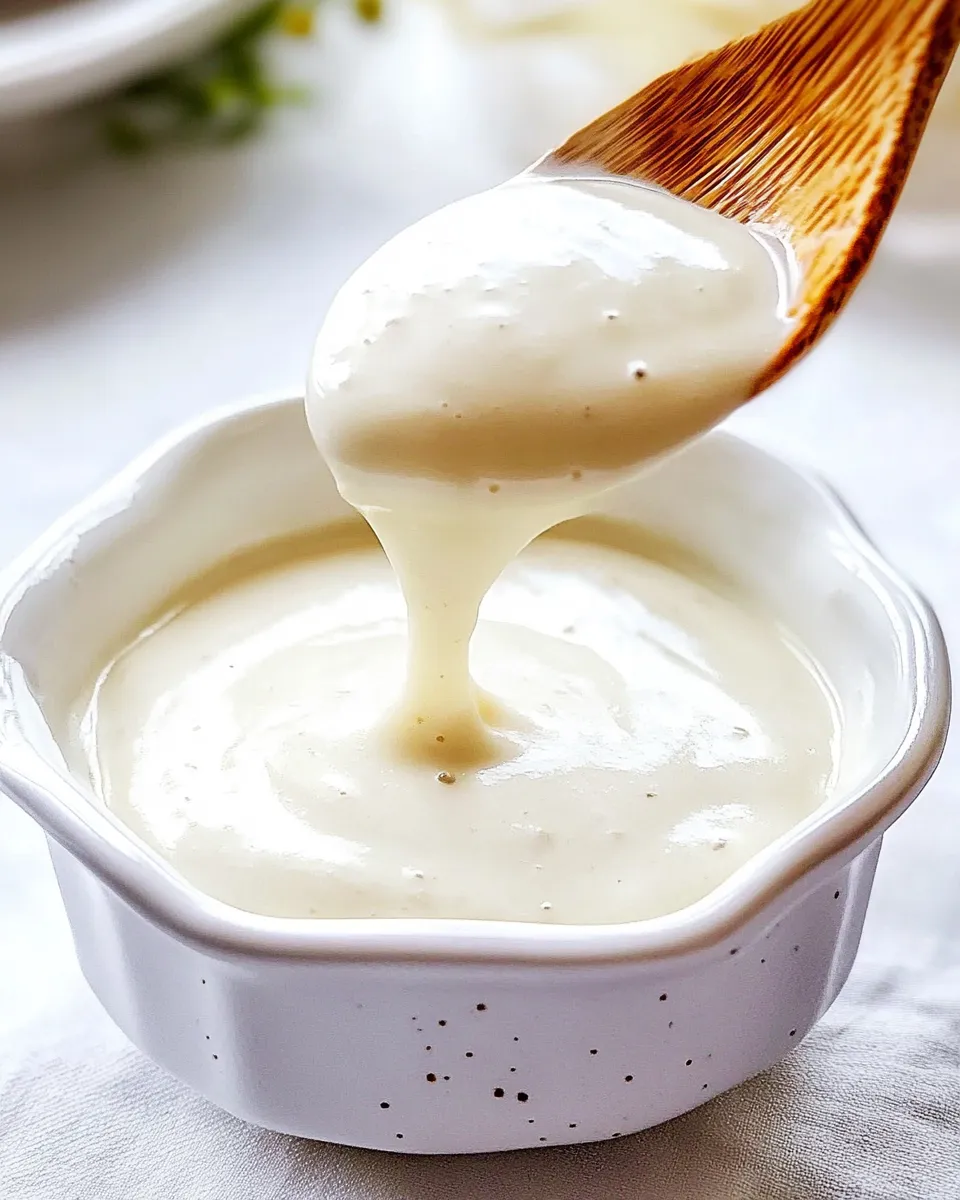
This bechamel is a keeper because it hits three important marks every time: simplicity, consistency, and versatility. The proportions are balanced so the sauce thickens reliably without turning gluey. The technique — making a roux, then slowly incorporating milk — is classic and forgiving once you get the rhythm of whisking and pouring.
It’s an essential building block. Use it plain to coat steamed vegetables, thicken it with cheese for a Mornay, or season it to carry stronger flavors. It’s the kind of recipe you’ll return to because it adapts to so many dishes while remaining predictably good.
Low-Carb/Keto Alternatives
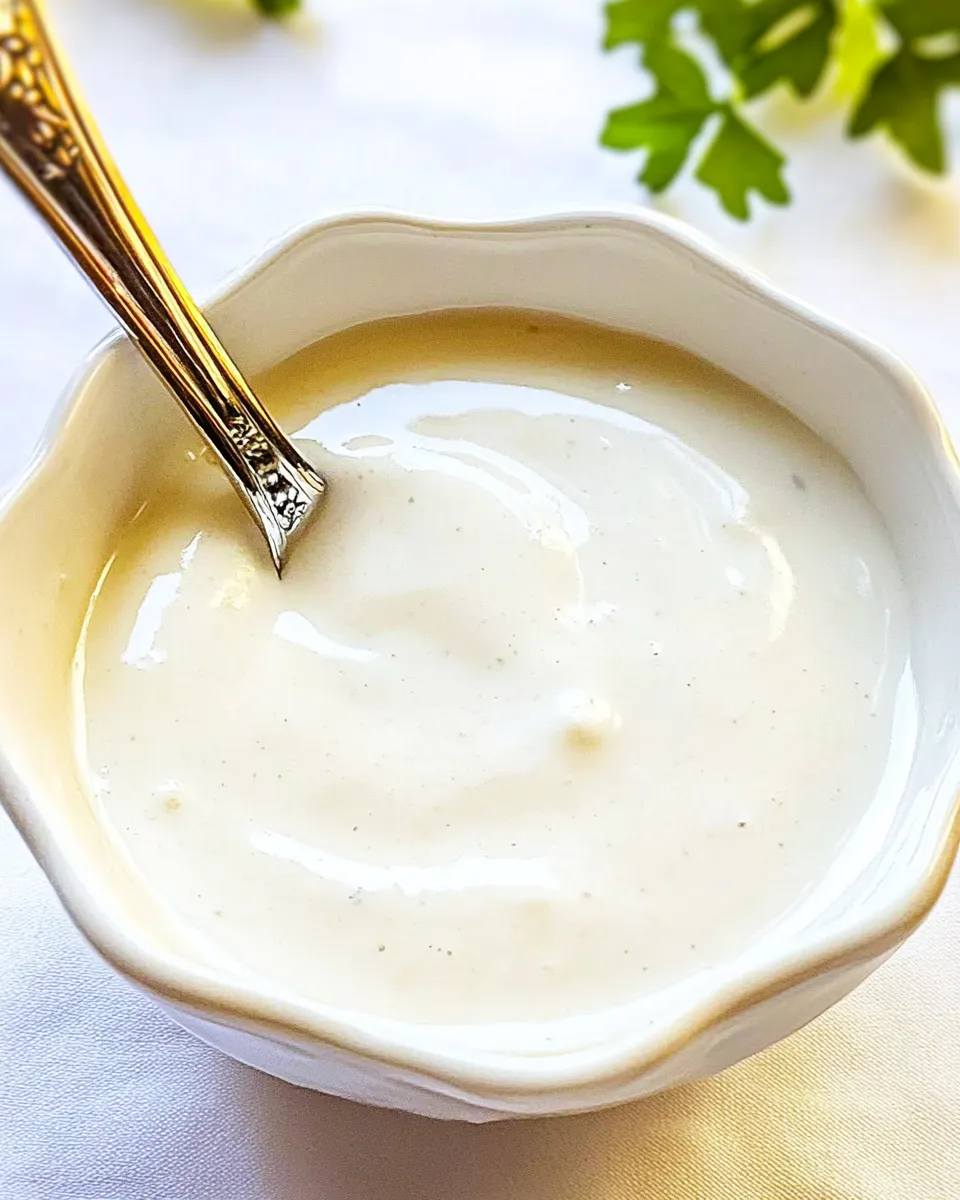
- Heavy cream swap: Replace some or all of the milk with heavy cream for a richer, lower-carb sauce. Keep the flour amount the same for structure, or reduce it slightly if you prefer a looser texture.
- Flour-free thickening: Use a small pinch of xanthan gum (start with 1/8 teaspoon) whisked into cold cream or milk before warming, then heat gently until thickened. Work slowly—xanthan gums can clump if added to hot liquids.
- Cauliflower bechamel: Steam cauliflower until very soft, then puree with warm cream or butter to create a lower-carb white sauce alternative. This shifts the texture but keeps a creamy feel for casseroles and gratins.
Equipment & Tools
- Medium saucepan — choose a heavy-bottomed one to promote even heat and prevent hotspots.
- Whisk — a good, flexible whisk makes all the difference for smoothness.
- Measuring spoons and cups — accurate measurements keep the sauce predictable.
- Rubber spatula — helpful for scraping the pan and transferring sauce.
- Fine grater or microplane — useful if you grate fresh nutmeg instead of using pre-ground.
Don’t Do This
- Don’t add cold milk all at once. That’s the fastest way to get lumps. Always start with a small amount and whisk to loosen the roux first.
- Don’t let the roux brown. The recipe calls for cooking the flour and butter 2–3 minutes without browning; once it starts to darken you change the flavor profile and the thickening behavior.
- Don’t leave the sauce unattended on high heat. Boiling can scald milk and break the sauce; keep it at a gentle simmer and whisk frequently.
- Don’t over-thicken. If the sauce seems too thick after resting, whisk in a splash of warm milk until you reach the desired consistency.
In-Season Flavor Ideas
- Spring asparagus: Blanch asparagus tips and drizzle with warm bechamel, finish with lemon zest and cracked pepper.
- Summer tomato gratin: Layer thinly sliced tomatoes with breadcrumbs and spoon bechamel between layers for a creamy, bright gratin (add a touch of basil when serving).
- Fall mushroom sauce: Sauté mixed mushrooms until golden, fold into bechamel, and finish with thyme for an earthy topping for roasted chicken.
- Winter cauliflower bake: Toss roasted cauliflower in bechamel, sprinkle with nutmeg and breadcrumbs, and bake until bubbly and golden.
Cook’s Commentary
I make bechamel a lot because it’s a small, reliable lift for many dishes. The trick I repeat to myself each time is: whisk early and often. When you see the roux and milk come together without drama, you’ve won the battle. Also, warming the milk slightly before adding it helps reduce the initial temperature shock and keeps lumps at bay.
Another habit: taste before you finish. Salt can be shy in milks, so a final adjustment after the sauce has cooked for a few minutes ensures it isn’t flat. Nutmeg is subtle; too much overwhelms, too little is unnoticed. I err on the side of less and add more later if needed.
Make Ahead Like a Pro
- Refrigeration: Cool the sauce quickly by transferring it to a shallow container, cover directly on the surface with plastic wrap to prevent skin formation, and refrigerate for up to 3 days.
- Freezing: Bechamel can be frozen for up to 1 month. Portion it in airtight containers leaving some headroom; thaw in the refrigerator overnight and reheat slowly.
- Reheating: Warm gently over low heat, whisking constantly. If the sauce separates or feels grainy, whisk in a tablespoon of warm milk at a time to smooth it out. A short blitz with an immersion blender will also rescue texture.
- Using in baked dishes: If you’re assembling a casserole ahead, undercook the final bake slightly because the sauce and ingredients will continue to cook together when you finish it in the oven.
Your Questions, Answered
- What if my sauce has lumps? Stop cooking, whisk vigorously while slowly adding a little warm milk to loosen the lumps. Straining through a fine sieve helps remove persistent clumps.
- Can I use skim milk? Yes, but the sauce will be less rich. Consider adding a tablespoon of butter or a splash of cream for a silkier mouthfeel.
- How thick should bechamel be? It depends on use. For pouring over vegetables keep it slightly thinner; for lasagna or gratin aim for a thicker, coating consistency. This recipe lands in a middle, versatile thickness after 5 minutes of simmering.
- Can I add cheese? Absolutely — make a Mornay by stirring in grated cheese off heat or on very low heat. Add a little at a time so it melts smoothly.
That’s a Wrap
Bechamel is a quiet workhorse in the kitchen: modest to make, powerful in application. Follow the steps, pay attention to temperature, and you’ll have a silky sauce that lifts casseroles, pastas, and vegetables with ease. Keep the ingredients simple, taste as you go, and don’t fear small adjustments — a little more milk or salt will often be all you need.
Make a batch, stash a portion in the fridge, and you’ll find yourself reaching for it all week. It’s one of those base recipes that repays a little practice with a lot of delicious returns.

Bechamel Sauce
Ingredients
Ingredients
- 3 tablespoonbutter unsalted
- 3 tablespoonall-purpose flour all purpose
- 2 cupsmilk
- 1/8 teaspoonnutmeg
- 1/4 teaspoonsalt or to taste
Instructions
Instructions
- In a medium saucepan over medium heat, melt 3 tablespoons unsalted butter.
- Add 3 tablespoons all-purpose flour and whisk constantly until the flour and butter form a smooth paste and cook for 2–3 minutes without browning.
- Gradually pour in 2 cups milk: start with a small amount while whisking to make a smooth paste, then slowly add the remaining milk in a steady stream while whisking to prevent lumps.
- Add 1/8 teaspoon nutmeg and 1/4 teaspoon salt (or to taste) and whisk to combine.
- Reduce heat to medium-low and bring the sauce to a gentle simmer, whisking frequently. Cook about 5 minutes, until the sauce is smooth and has thickened.
- Remove from heat and taste; adjust salt if needed. Serve warm.
Equipment
- Saucepan
- Whisk
Notes
Cool the leftovers and place a piece of plastic saran wrap directly in contact with the surface of thesauce prior to refrigerating it! This will ensure that your bechamel won’t form a skin and will also help slow down oxidation!