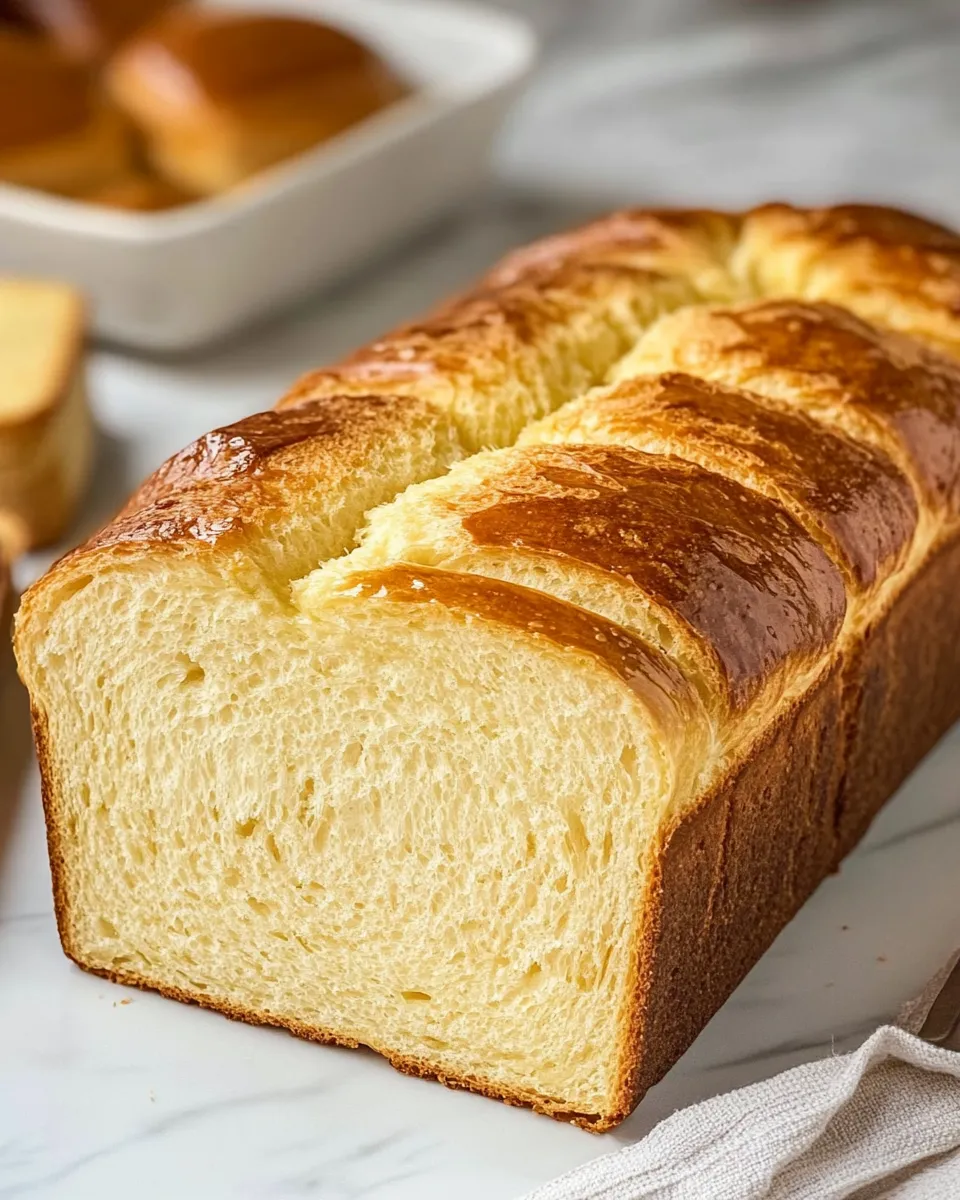
This brioche is the kind of bread that feels like a small celebration every time you pull it from the oven. It’s rich, tender, and buttery — a dough that behaves more like pastry than a lean loaf. The recipe below gives you that glossy, golden crust and pillowy crumb without unnecessary complication.
I test recipes in a busy home kitchen and aim for techniques that actually work when life is happening around you. Expect practical timing, clear stages, and a few notes about feel and texture so you can tell whether things are on track. You’ll make the dough, add the butter in stages, proof it twice, and bake until the crust sings hollow.
If you’ve made bread before, you’ll recognize the rhythm. If you haven’t, this brioche is forgiving when you pay attention to temperature and the feel of the dough. Gather the ingredients, warm the milk to the right temperature, and let’s get started.
Your Shopping Guide
Before you start, pick the best basic ingredients you can easily access. Brioche depends on a few star players — flour, eggs, butter, milk, and yeast — so small upgrades pay off. A good unsalted butter and fresh active dry yeast make a noticeable difference in flavor and texture.
Look for full-fat milk and avoid ultra-low-fat options; the richness helps the dough develop its tender crumb. For flour, all-purpose works for this recipe and keeps the crust soft; you can swap to bread flour if you want a slightly chewier crumb, but it’s not necessary.
What to have on hand
- Stand mixer with dough hook (optional but helpful) or a sturdy mixing bowl for hand-kneading.
- Instant-read thermometer to check milk temperature (aim for about 110°F / 45°C when proofing yeast).
- Loaf pans or a baking sheet depending on whether you want loaves or rolls.
Ingredients
- 6 cups all-purpose flour — forms the structure of the loaf; measure by weight if possible for consistency.
- ¾ cup milk (lukewarm (110°F or 45°C)) — used to proof the yeast; warmth activates the yeast without killing it.
- ½ cup sugar — adds sweetness and helps with browning; 1 tablespoon is reserved for proofing the yeast.
- 2¼ teaspoons active dry yeast (or 1 packet) — the leavener; proof in the milk and reserved sugar until frothy.
- 6 large eggs — add richness and structure to the dough; used in the main dough mixture.
- 1 tablespoon salt — balances sweetness and strengthens gluten.
- 1½ cups unsalted butter (3 sticks, at room temperature, cut into small pieces) — folded in gradually for that tender, buttery crumb.
- 1 egg (beaten, for egg wash) — brushed on the surface before baking to create a glossy, deep golden crust.
Brioche Bread in Steps
- Reserve 1 tablespoon of the ½ cup sugar for proofing. In a small bowl, combine the lukewarm milk (¾ cup, about 110°F / 45°C), the reserved 1 tablespoon sugar, and the active dry yeast (2¼ teaspoons). Stir once, then let sit 5–10 minutes until the mixture is frothy.
- In a large mixing bowl or the bowl of a stand mixer fitted with a dough hook, combine the all-purpose flour (6 cups), the remaining sugar (the ½ cup minus the 1 tablespoon used for proofing), and the salt (1 tablespoon). Stir to blend.
- Add the frothy yeast mixture and the 6 large eggs to the dry ingredients. Mix on low speed (or stir by hand) until the ingredients come together, then increase to medium-low and knead until the dough is smooth and elastic, about 5–10 minutes.
- With the mixer running on low (or while kneading by hand), add the room-temperature, cubed unsalted butter (1½ cups / 3 sticks) a few pieces at a time. Make sure each addition is fully incorporated before adding more. Continue kneading until all butter is incorporated and the dough is smooth and slightly sticky; this may take up to 10 additional minutes.
- Lightly grease a large bowl. Transfer the dough to the greased bowl, turning once to coat the top. Cover the bowl with plastic wrap or a damp cloth and let the dough rise in a warm, draft-free place until doubled in size, about 1–2 hours.
- After the dough has doubled, gently punch it down to deflate. Divide and shape the dough into the form you prefer (loaves or rolls). For loaves, place shaped dough into greased loaf pans; for rolls, place them on a greased baking sheet, leaving space between rolls.
- Cover the shaped dough with plastic wrap or a clean towel and let rise until nearly doubled, about 30–60 minutes.
- While the dough is finishing its final rise, preheat the oven to 375°F (190°C). Use the reserved beaten egg (the single egg listed for egg wash) as-is—do not add additional liquid—and gently brush the surface of the risen dough with the beaten egg, taking care not to deflate it.
- Bake: loaves for about 25–30 minutes or rolls for about 18–20 minutes, until the crust is deep golden brown and the bread sounds hollow when tapped on the bottom.
- Remove the bread from the oven and let it cool in the pans for a few minutes. Then transfer the bread to a wire rack to cool completely before slicing.
The Upside of Brioche Bread
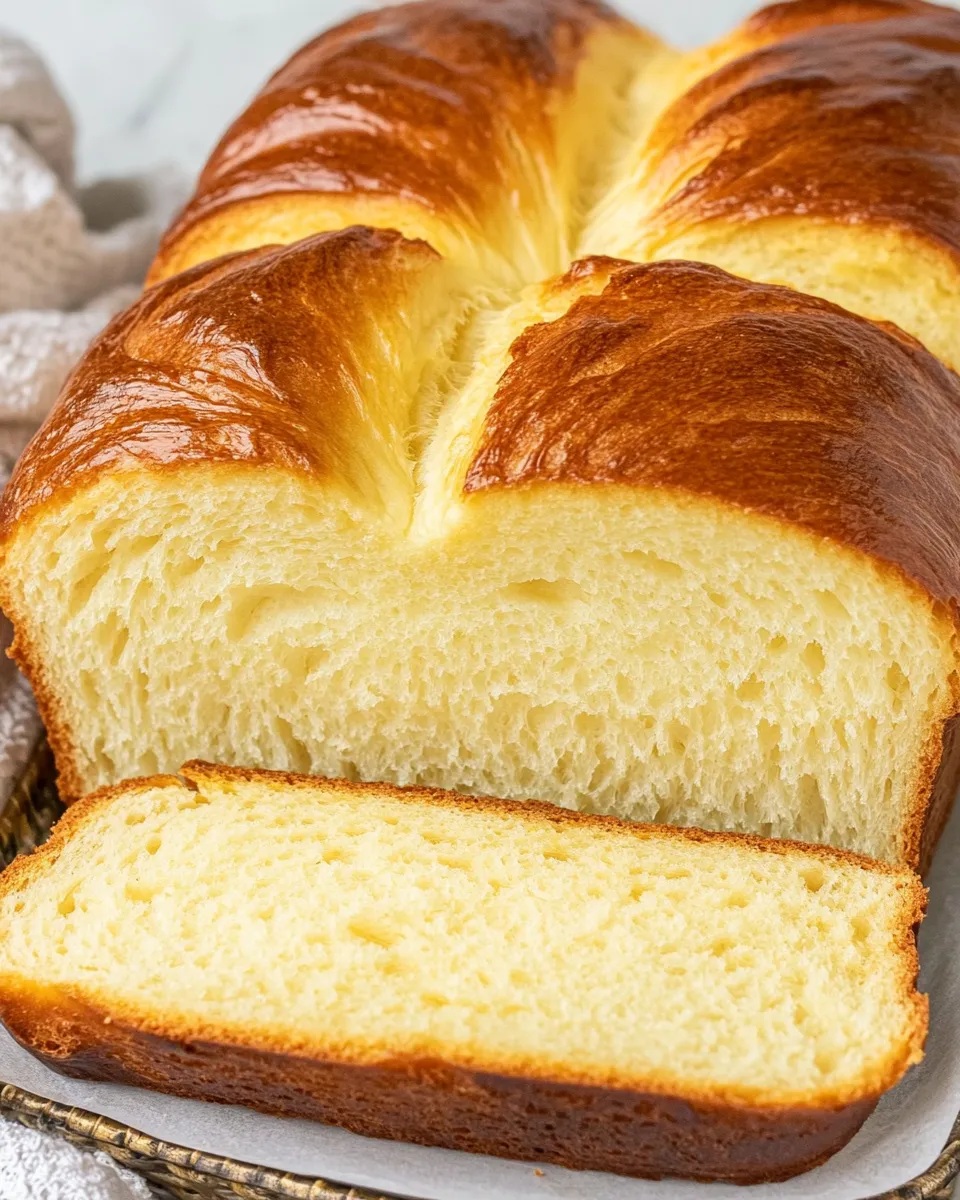
Brioche is indulgent in texture and versatile in use. It’s rich enough to stand in for pastries at breakfast while still soft enough to make excellent sandwiches. The high egg and butter content gives a tender, almost cake-like crumb that toasts beautifully without crumbling.
You’ll find it keeps well for a couple of days at room temperature and freezes beautifully, so you can bake once and enjoy multiple breakfasts, brunches, or quick meals. It also takes on flavor additions — a little citrus zest or vanilla during mixing — but this base recipe is elegant on its own.
Texture-Safe Substitutions
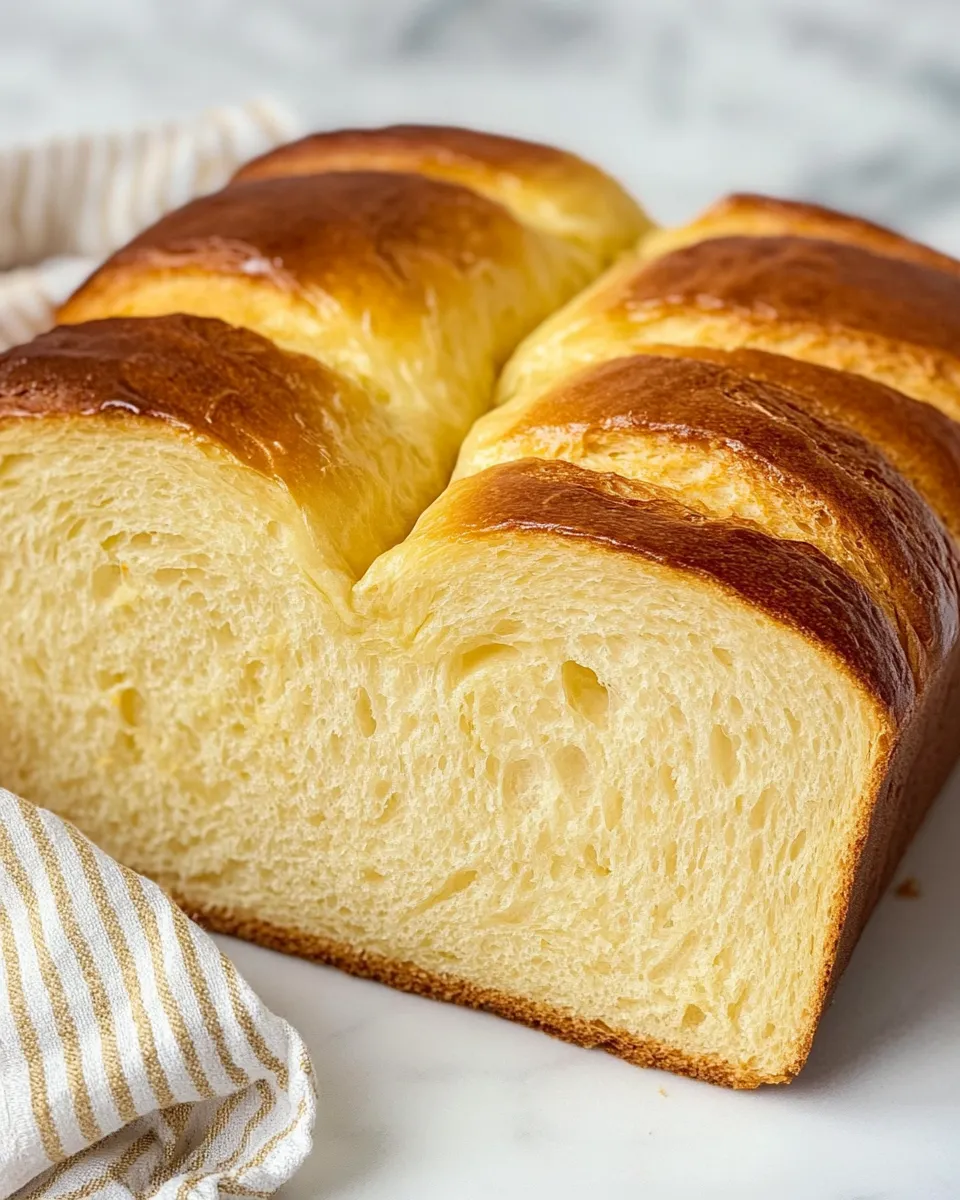
Substitutions change texture, so choose with intent:
- All-purpose flour → bread flour: yields a slightly chewier crumb and stronger rise; expect more elasticity.
- Unsalted butter → salted butter: fine in a pinch; reduce extra salt slightly to keep balance.
- Active dry yeast → instant yeast: you can substitute without proofing, but follow packet directions for activation if you skip the proof step.
- Milk type: whole milk gives the richest crumb; lower-fat milks will produce a slightly drier result.
Hardware & Gadgets
- Stand mixer with dough hook — makes the long kneading and gradual butter incorporation easier and more consistent.
- Instant-read thermometer — for checking milk temperature (aim for about 110°F / 45°C when proofing yeast).
- Loaf pans or rimmed baking sheet — depending on whether you want loaves or rolls.
- Wire rack — cool loaves fully to avoid soggy bottoms.
- Bench scraper — handy for dividing and shaping sticky dough cleanly.
Slip-Ups to Skip
These are the mistakes I see most often:
- Adding butter all at once — it will smear and make the dough greasy. Add small pieces, incorporate fully, then add more.
- Using milk that’s too hot — it can kill the yeast. Keep it around 110°F / 45°C for proofing.
- Over-flouring during kneading — you want a slightly sticky dough; resist adding more flour until you’re sure it’s necessary.
- Skipping the second rise — shaping and a final proof are important for lightness; under-proofed brioche will be dense.
- Brushing egg wash too hard — use a light touch so you don’t deflate the dough.
Fresh Seasonal Changes
Swap how you serve brioche through the seasons rather than changing the core recipe. In winter, serve warm slices with citrus marmalade or a pat of butter for a cozy breakfast. In spring and summer, toast slices and top with soft cheeses and fresh berries or a light honey drizzle. For holidays, brioche makes a beautiful base for French toast or bread pudding.
Cook’s Commentary
This recipe asks for patience more than precision. Watch the dough’s feel: after adding butter, it should transform from shaggy to glossy and supple. That transition can take time — don’t rush it. If you’re using a stand mixer, give it the full time needed; if kneading by hand, be ready for a workout and allow extra minutes.
Proofing windows are broad: aim for doubled volume but remember that dough rising times depend on room temperature. A warm, draft-free corner inside the oven with just the light on can be a steady spot. When brushing with egg wash, be gentle — a soft hand preserves the airy structure you worked to build.
Save It for Later
Cool completely before storing. For short-term storage, wrap in plastic or place in an airtight container at room temperature for 2 days. For longer storage, slice and freeze in a freezer bag for up to 2 months. Reheat slices directly from frozen in a toaster or oven to restore that fresh-baked texture.
If you freeze whole loaves, wrap tightly in plastic wrap and then foil to prevent freezer burn. Thaw at room temperature, then refresh in a 300°F (150°C) oven for 8–10 minutes if desired.
Reader Q&A
Q: Can I use instant yeast instead of active dry yeast?
A: Yes. Instant yeast can be used; it often doesn’t require proofing. If you use it, you can add it directly to the dry ingredients and proceed. The dough may rise a bit faster, so keep an eye on proofing times.
Q: My dough is very sticky after adding butter. Is that right?
A: Yes. Brioche dough is naturally tacky because of the high fat content. It should be slightly sticky but smooth and elastic after sufficient kneading. If it’s excessively wet, give it a minute on the counter; a little stickiness is normal.
Q: Can I make this by hand without a stand mixer?
A: Absolutely. It takes more elbow grease and a bit more time, especially when incorporating butter, but hand-kneading works. Use a sturdy bowl and be patient as the dough becomes glossy.
Q: Why are there seven eggs total? That seems like a lot.
A: The recipe separates eggs: 6 large eggs go into the dough for richness and structure; 1 egg is reserved beaten for the egg wash to create the glossy crust. This high egg ratio is what gives brioche its characteristic tender crumb.
Bring It Home
Bake this brioche when you want something a little special out of simple pantry staples. The method is straightforward: proof the yeast, mix and knead, add butter patiently, proof twice, then bake. The result is buttery, soft bread that feels luxurious without requiring pastry-level effort.
Slice it thin for toast, thick for French toast, or split and fill for a decadent sandwich. Store smart, and you’ll have warm, buttery goodness at the ready. Happy baking — and enjoy the small victory of perfect brioche straight from your oven.
Brioche Bread Recipe
Ingredients
Ingredients
- 6 cupsall-purpose flour
- 3/4 cupmilk lukewarm (110°F or 45°C)
- 1/2 cupsugar
- 2 1/4 teaspoonsactive dry yeast or 1 packet
- 6 largeeggs
- 1 tablespoonsalt
- 1 1/2 cupsunsalted butter 3 sticks, at room temperature, cut into small pieces
- 1 egg beaten, for egg wash
Instructions
Instructions
- Reserve 1 tablespoon of the ½ cup sugar for proofing. In a small bowl, combine the lukewarm milk (¾ cup, about 110°F / 45°C), the reserved 1 tablespoon sugar, and the active dry yeast (2¼ teaspoons). Stir once, then let sit 5–10 minutes until the mixture is frothy.
- In a large mixing bowl or the bowl of a stand mixer fitted with a dough hook, combine the all-purpose flour (6 cups), the remaining sugar (the ½ cup minus the 1 tablespoon used for proofing), and the salt (1 tablespoon). Stir to blend.
- Add the frothy yeast mixture and the 6 large eggs to the dry ingredients. Mix on low speed (or stir by hand) until the ingredients come together, then increase to medium-low and knead until the dough is smooth and elastic, about 5–10 minutes.
- With the mixer running on low (or while kneading by hand), add the room-temperature, cubed unsalted butter (1½ cups / 3 sticks) a few pieces at a time. Make sure each addition is fully incorporated before adding more. Continue kneading until all butter is incorporated and the dough is smooth and slightly sticky; this may take up to 10 additional minutes.
- Lightly grease a large bowl. Transfer the dough to the greased bowl, turning once to coat the top. Cover the bowl with plastic wrap or a damp cloth and let the dough rise in a warm, draft-free place until doubled in size, about 1–2 hours.
- After the dough has doubled, gently punch it down to deflate. Divide and shape the dough into the form you prefer (loaves or rolls). For loaves, place shaped dough into greased loaf pans; for rolls, place them on a greased baking sheet, leaving space between rolls.
- Cover the shaped dough with plastic wrap or a clean towel and let rise until nearly doubled, about 30–60 minutes.
- While the dough is finishing its final rise, preheat the oven to 375°F (190°C). Use the reserved beaten egg (the single egg listed for egg wash) as-is—do not add additional liquid—and gently brush the surface of the risen dough with the beaten egg, taking care not to deflate it.
- Bake: loaves for about 25–30 minutes or rolls for about 18–20 minutes, until the crust is deep golden brown and the bread sounds hollow when tapped on the bottom.
- Remove the bread from the oven and let it cool in the pans for a few minutes. Then transfer the bread to a wire rack to cool completely before slicing.
Equipment
- 9x5x3-inch Loaf Pan
Notes
Dough Consistency: Properly incorporated butter is crucial for this recipe. The dough might feel very sticky after adding all the butter, but keep kneading; it will become smoother as it fully absorbs the butter.
Temperature Variations: All ovens vary, so keep an eye on your brioche, especially during the final minutes of baking. Use the golden-brown crust and hollow sound when tapped as your primary indicators of doneness.
Storing & Freezing: Brioche stays fresh at room temperature for up to 2-3 days when stored in an airtight container. For longer storage, consider freezing (see “Storage” for details).
Serving Suggestion: Brioche slices toast beautifully! Try it with a dab of butter and your favorite jam for a morning treat or use it to elevate your sandwich game.