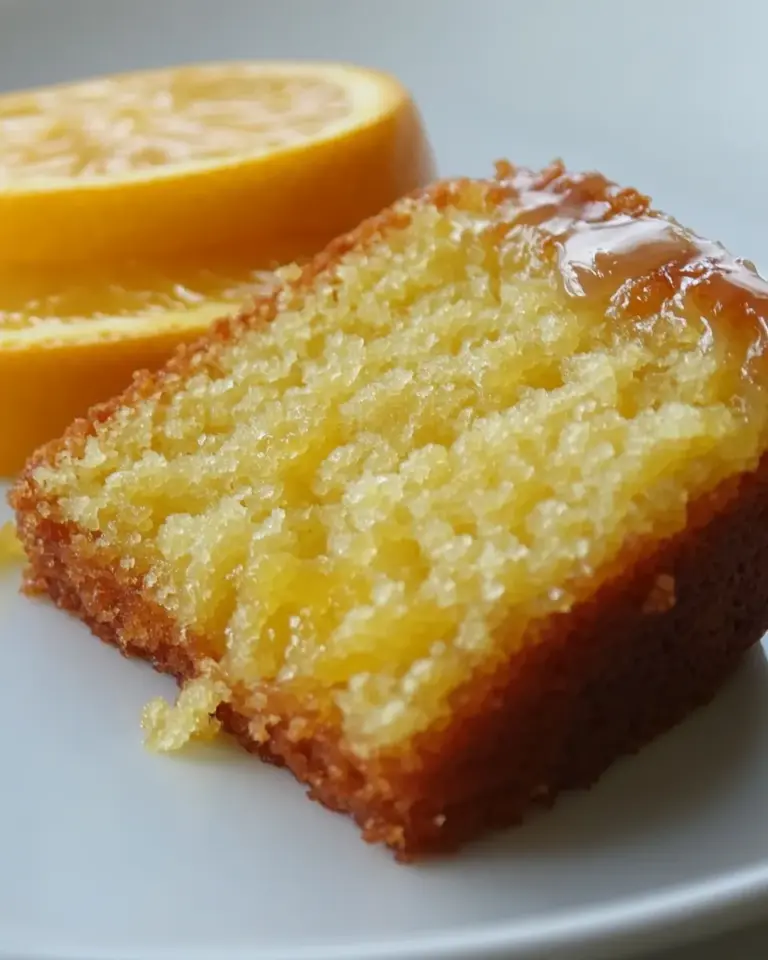
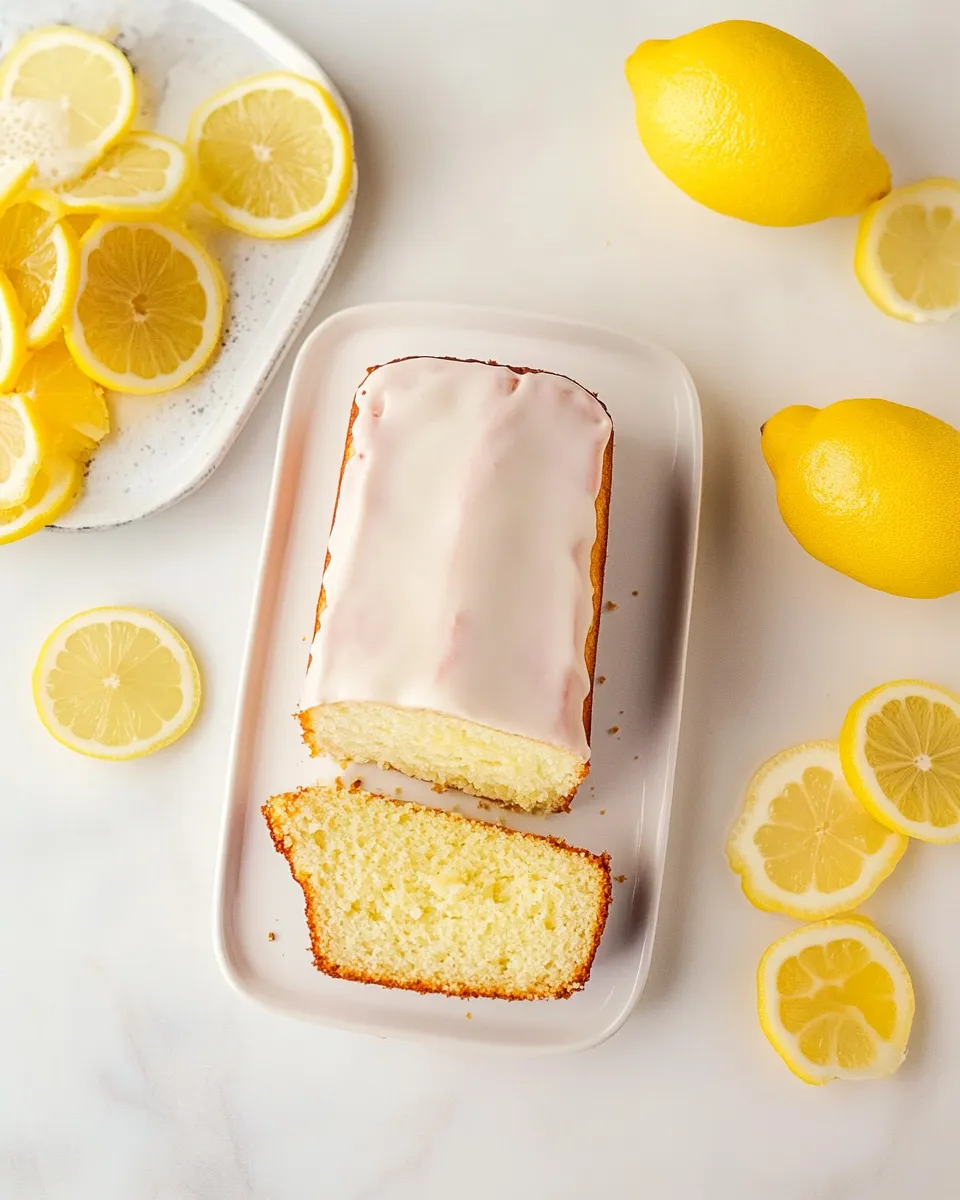
This lemon loaf is the kind of baking I turn to when I want something bright, comforting, and completely no-fuss. It dresses up a weekday coffee or slides into a picnic box without drama. The crumb is tender, the top has a gentle golden crust, and the lemon glaze gives just the right zing without being cloying.
I tested this version until the balance felt right: lemon in the batter, lemon in the glaze, a touch of almond extract for depth, and a simple oil-based crumb that stays moist for days. It’s forgiving — if you stick to the method it rewards you every time.
Below you’ll find a clear ingredient list, step-by-step instructions straight from the recipe, and practical tips for swaps, equipment, storage, and troubleshooting. No fluff. Just directions that work, and a few small tricks I use when I want the loaf to be especially pretty.
The Ingredient Lineup

Ingredients
- 1 ½ cups all-purpose flour — the base; measure by spooning into the cup and leveling for accuracy.
- 1 teaspoon baking powder — provides lift; make sure it’s fresh for best rise.
- ½ teaspoon kosher salt — balances sweetness and enhances flavor.
- 1 cup granulated sugar — sweetens and helps tenderize when rubbed with zest.
- 1 tablespoon lemon zest — concentrated lemon oil; rub into the sugar to release aroma.
- ¾ cup milk — keeps the crumb tender; room temperature helps with even mixing.
- ½ cup vegetable oil — gives moistness and keeps the loaf soft for days.
- 2 eggs — bind and provide structure; use at room temperature if possible.
- 2 teaspoons lemon juice — brightens the batter; included in the wet mix.
- 1 teaspoon vanilla extract — rounds the flavor without overpowering lemon.
- 1 teaspoon almond extract — a subtle note that deepens the lemon.
- 1 cup powdered sugar — for the glaze; sift if it’s lumpy for a smooth finish.
- 2 teaspoons lemon juice — for the glaze; adds fresh tang to the powdered sugar.
- 1 teaspoon almond extract — glaze flavoring; mirrors the batter’s hint.
Lemon Loaf: From Prep to Plate
- Preheat the oven to 350°F. Grease a 9″ x 5″ x 3″ loaf pan with nonstick spray and lightly dust with flour, tapping out the excess.
- In a medium bowl, whisk together 1 ½ cups all-purpose flour, 1 teaspoon baking powder, and ½ teaspoon kosher salt.
- In a large bowl, combine 1 cup granulated sugar and 1 tablespoon lemon zest. Use your fingers to rub the zest into the sugar until fragrant. Add the flour mixture to the sugar-zest mixture and stir to combine; set aside.
- In a small bowl, whisk together ¾ cup milk, ½ cup vegetable oil, 2 eggs, 2 teaspoons lemon juice, 1 teaspoon vanilla extract, and 1 teaspoon almond extract until smooth.
- Pour the wet ingredients into the dry ingredients and gently fold with a spatula or wooden spoon until just combined and no large streaks of flour remain. Do not overmix.
- Transfer the batter to the prepared loaf pan and smooth the top. Bake for 50–60 minutes, until the top is golden and a toothpick inserted into the center comes out clean or with a few moist crumbs.
- Remove the pan from the oven and let the loaf cool in the pan for 15 minutes. Run a knife around the edges, then turn the loaf out onto a wire rack and cool until warm or room temperature (about 30 minutes) before glazing.
- While the loaf cools, make the glaze: in a small bowl whisk together 1 cup powdered sugar, 2 teaspoons lemon juice, and 1 teaspoon almond extract until smooth.
- Place the loaf on a tray or plate to catch drips, then drizzle the glaze evenly over the cooled loaf. Let the glaze set for a few minutes before slicing.
- Store the loaf tightly wrapped or in an airtight container for up to 3 days, or freeze for up to 3 months.
What You’ll Love About This Recipe

This is a loaf that delivers consistent, homey results without the anxiety. It’s moist because of the oil, bright from both zest and juice, and moreish thanks to the thin, sweet glaze. The technique is simple: rub zest into sugar, fold wet into dry, and avoid overmixing. Those small steps make a clear difference in texture.
It’s also very adaptable in presentation. Serve it warm with a thin smear of butter, or cool it completely and slice it thin for an afternoon tea. The glaze sets quickly, so the loaf looks finished and polished even when you’re short on time.
Ingredient Swaps & Substitutions
- Milk — can be swapped 1:1 with buttermilk for a tangier crumb; reduce baking powder slightly if using very acidic swaps long-term.
- Vegetable oil — replace with light olive oil or melted coconut oil 1:1 if you prefer, but expect a subtle flavor change.
- Almond extract — omit if you’re allergic; vanilla can carry the loaf on its own.
- Powdered sugar for glaze — if you want a thinner glaze, add a few drops more lemon juice; for a thicker glaze, add a little more powdered sugar.
- Granulated sugar and lemon zest mix — you must keep the same amounts, but you can use superfine sugar if you want the zest to integrate even more smoothly.
Tools & Equipment Needed
- 9″ x 5″ x 3″ loaf pan — essential for the bake to hold shape.
- Nonstick spray or oil and flour — for greasing the pan.
- Medium and large mixing bowls — for dry and wet ingredient stages.
- Whisk and spatula — whisk for wet and dry mixes, spatula for gentle folding.
- Wire rack — cools the loaf evenly and prevents sogginess under the loaf.
- Toothpick or cake tester — checks doneness in the loaf center.
Watch Outs & How to Fix
Common problems and quick fixes
- Top browns too quickly: Tent with foil for the last 15–20 minutes of baking or move the rack down one position.
- Loaf sinks in the center: That often means underbaked or the oven temperature is too low; verify oven temp with an oven thermometer and bake until a toothpick comes out clean or with a few moist crumbs.
- Crumb is dense: Don’t overmix once the wet meets the dry. Fold gently until no large streaks of flour remain.
- Glaze too runny: Add a touch more powdered sugar, a teaspoon at a time, until you reach the desired thickness.
Health-Conscious Tweaks
If you want to shave calories or fat without reinventing the loaf, small changes help. Replace half the vegetable oil with unsweetened applesauce for a lighter crumb. Use low-fat milk in place of whole milk. Keep in mind these swaps slightly change texture and moistness — the loaf will be a touch denser and less tender, but still pleasant.
For reduced sugar, you can try cutting the granulated sugar by up to 25% in the batter, but keep the glaze as written if you want the classic finish. Removing or swapping almond extract has no nutritional impact, but if nut allergy is a concern, omit it entirely.
Little Things that Matter
Rubbing the lemon zest into the sugar is worth the extra 30 seconds; it disperses the zest oils and gives an immediate lift to the aroma. Room-temperature eggs and milk mix more smoothly into the batter, which reduces the chance you’ll overmix trying to incorporate stubborn cold ingredients. When glazing, place the loaf on a tray to catch drips — it keeps cleanup tidy and lets the glaze pool attractively at the base of each slice.
Storing Tips & Timelines
- Room temperature: Tightly wrapped or in an airtight container for up to 3 days. Keep away from direct sunlight and heat.
- Refrigeration: Not necessary; refrigeration can dry the loaf faster. If you live in a hot, humid climate, refrigerate and bring slices to room temperature before serving.
- Freezing: Wrap the cooled loaf tightly in plastic wrap, then foil, and freeze for up to 3 months. Thaw in the refrigerator or at room temperature before glazing (or glaze after thawing for a fresher finish).
Troubleshooting Q&A
- Q: My loaf is raw in the middle but browned on top. What happened?
A: Your oven may run hot on the top or the loaf was positioned too high. Tent with foil and continue baking until the center tests clean. Also confirm oven temperature accuracy. - Q: The glaze slid off the loaf and pooled too much.
A: Make sure the loaf is only warm or at room temperature before glazing. If it’s warm, the glaze will run more. Adjust glaze thickness by adding powdered sugar to thicken. - Q: Can I double the recipe for two loaves?
A: Yes. Bake in two pans rather than a larger pan to maintain baking time and loaf shape.
Save & Share
If you make this Lemon Loaf, wrap a slice for a friend or tuck it into a lunchbox — it travels well and brightens someone’s day. Save this page as a go-to for a reliable, friendly loaf that doesn’t demand special ingredients or advanced techniques. If you try a small swap or a variation that works especially well, note it next to the recipe so the next bake is even better.
Happy baking — and if you have a question about a specific step or oven quirk, ask away. I’m happy to help you troubleshoot so your next loaf comes out exactly how you want it.

Lemon Loaf Recipe
Ingredients
Ingredients
- 1 1/2 cupsall-purpose flour
- 1 teaspoonbaking powder
- 1/2 teaspoonkosher salt
- 1 cupgranulated sugar
- 1 tablespoonlemon zest
- 3/4 cupmilk
- 1/2 cupvegetable oil
- 2 eggs
- 2 teaspoonslemon juice
- 1 teaspoonvanilla extract
- 1 teaspoonalmond extract
- 1 cuppowdered sugar
- 2 teaspoonslemon juice
- 1 teaspoonalmond extract
Instructions
Instructions
- Preheat the oven to 350°F. Grease a 9" x 5" x 3" loaf pan with nonstick spray and lightly dust with flour, tapping out the excess.
- In a medium bowl, whisk together 1 ½ cups all-purpose flour, 1 teaspoon baking powder, and ½ teaspoon kosher salt.
- In a large bowl, combine 1 cup granulated sugar and 1 tablespoon lemon zest. Use your fingers to rub the zest into the sugar until fragrant. Add the flour mixture to the sugar-zest mixture and stir to combine; set aside.
- In a small bowl, whisk together ¾ cup milk, ½ cup vegetable oil, 2 eggs, 2 teaspoons lemon juice, 1 teaspoon vanilla extract, and 1 teaspoon almond extract until smooth.
- Pour the wet ingredients into the dry ingredients and gently fold with a spatula or wooden spoon until just combined and no large streaks of flour remain. Do not overmix.
- Transfer the batter to the prepared loaf pan and smooth the top. Bake for 50–60 minutes, until the top is golden and a toothpick inserted into the center comes out clean or with a few moist crumbs.
- Remove the pan from the oven and let the loaf cool in the pan for 15 minutes. Run a knife around the edges, then turn the loaf out onto a wire rack and cool until warm or room temperature (about 30 minutes) before glazing.
- While the loaf cools, make the glaze: in a small bowl whisk together 1 cup powdered sugar, 2 teaspoons lemon juice, and 1 teaspoon almond extract until smooth.
- Place the loaf on a tray or plate to catch drips, then drizzle the glaze evenly over the cooled loaf. Let the glaze set for a few minutes before slicing.
- Store the loaf tightly wrapped or in an airtight container for up to 3 days, or freeze for up to 3 months.
Equipment
- 19" X 5" X 3" loaf pan
Notes
The lemon loaf can be wrapped tightly in plastic wrap or stored in an airtight container for up to 3 days or frozen for up to 3 months.