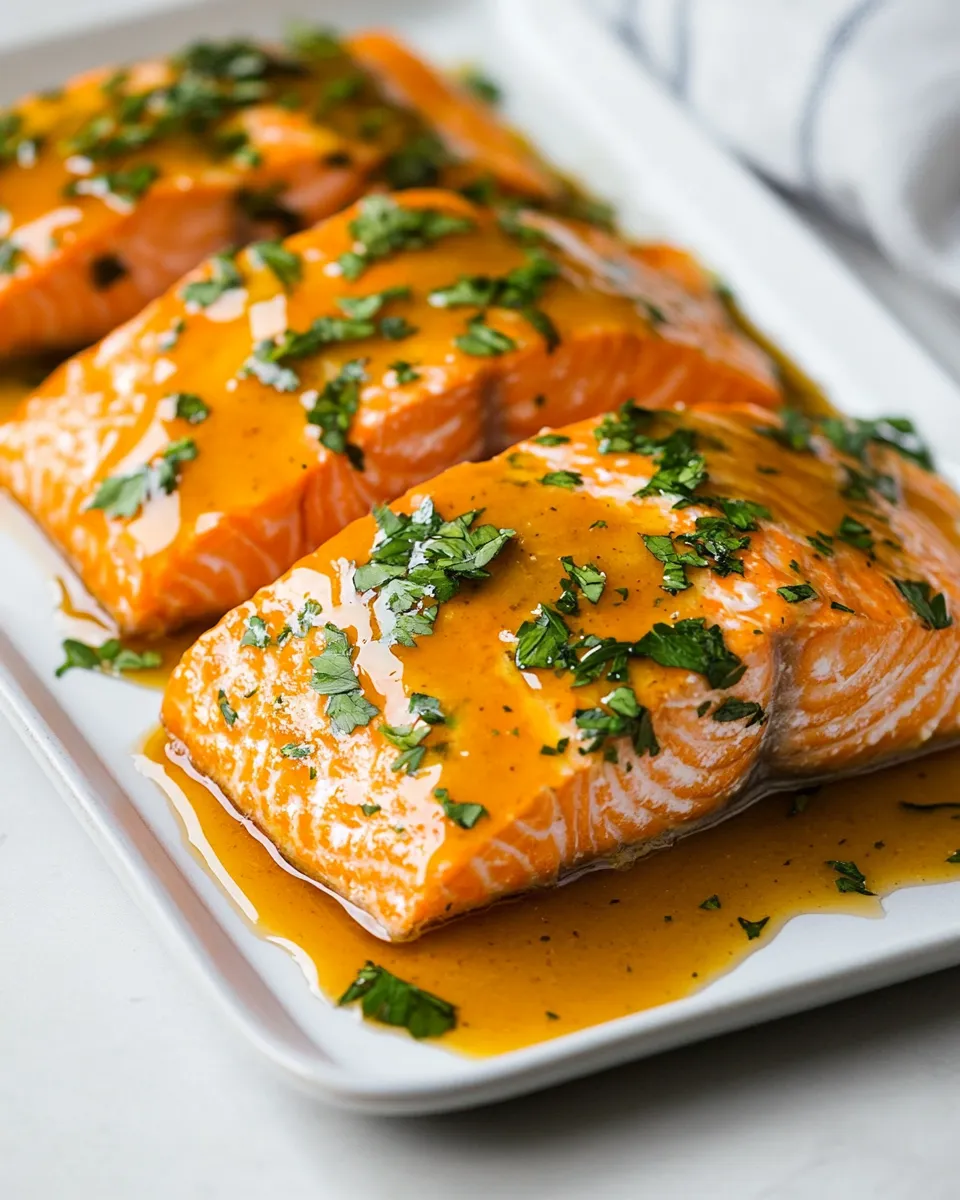
There are recipes that feel like comfort and those that feel like celebration. This brown sugar glazed salmon sits squarely between the two: an easy weeknight entree that also works when you want to impress without sweating it. The glaze is sweet, tangy and glossy—just enough to caramelize without hiding the clean, rich flavor of the salmon.
I make this when I want something fast, flavorful, and a little bit special. It takes minutes to assemble and then the oven does the rest. The technique is forgiving; even modest changes in timing won’t ruin the dish, and the glaze is very forgiving of personal tweaks.
Gather These Ingredients
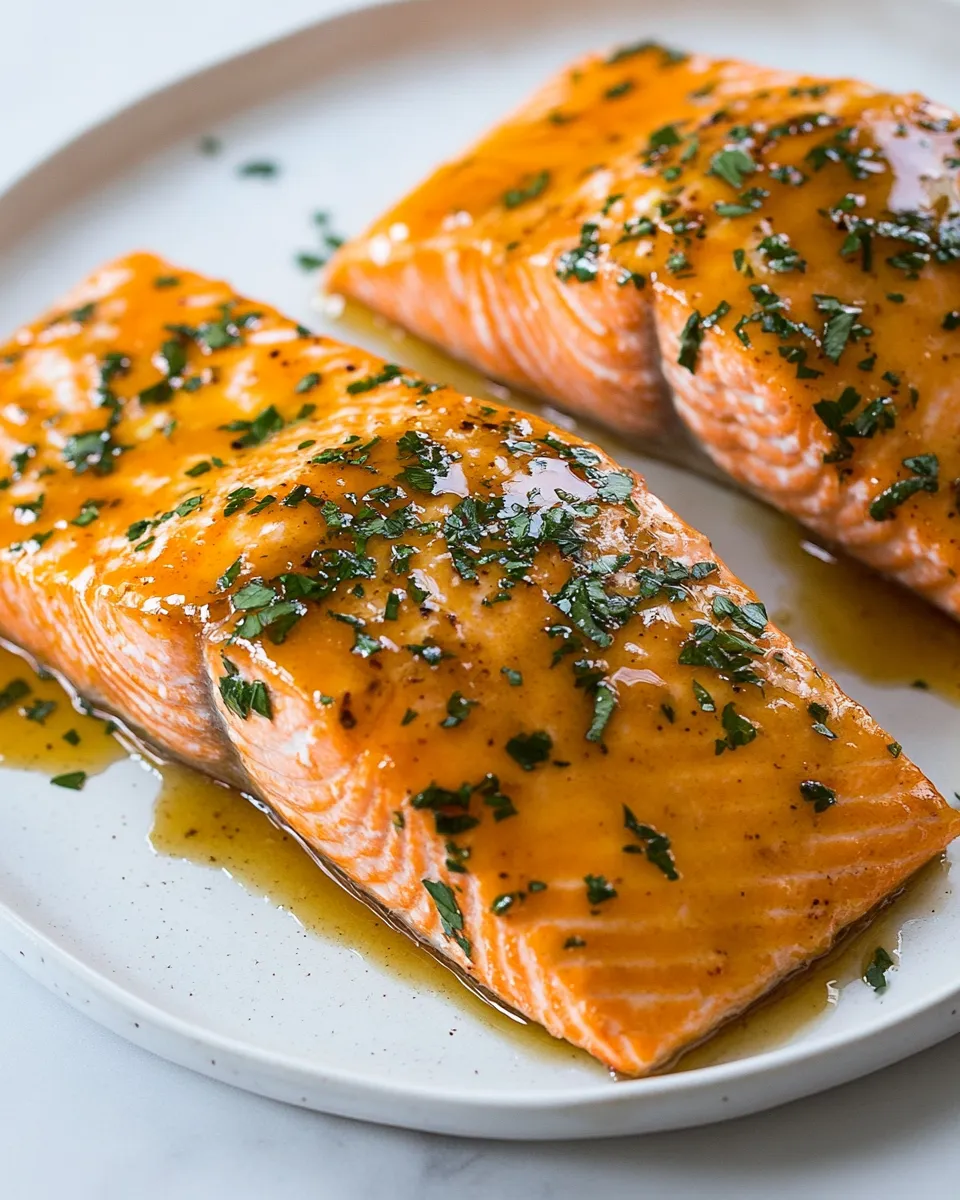
Ingredients
- 4 (7 oz) salmon fillets, skin-on or skinless — pick firm, evenly sized fillets so they cook uniformly.
- Salt and freshly ground black pepper — basic seasoning to lift the salmon’s natural flavor; season just before glazing.
- 2 Tbsp light brown sugar — gives the glaze its caramel note and glossy finish.
- 2 Tbsp Dijon mustard — adds tang and helps the glaze cling to the fish.
- 1 tsp lemon zest — brightens the glaze; use a microplane and avoid the white pith.
- 1 tsp minced garlic — for savory depth; fresh is best but jarred minced garlic can work if you’re in a pinch.
- 1 1/2 tsp chopped fresh parsley (optional) — for a fresh, herbal finish if you like a little color on the plate.
Brown Sugar Glazed Salmon in Steps
- Preheat the oven to 400°F (200°C). Line a baking sheet (13 x 9 or 18 x 13-inch) with aluminum foil.
- Arrange the 4 salmon fillets on the prepared baking sheet, leaving space between each fillet. If using skin-on fillets, place them skin-side down. Season the top of each fillet with salt and freshly ground black pepper.
- In a small bowl, whisk together 2 Tbsp light brown sugar, 2 Tbsp Dijon mustard, 1 tsp lemon zest, and 1 tsp minced garlic until smooth and combined.
- Spoon and spread the brown sugar–mustard mixture evenly over the top of each salmon fillet.
- Bake in the preheated oven for 11–14 minutes, depending on fillet thickness and desired doneness. Fillets are done when the fish flakes easily with a fork or reaches your target internal temperature (about 125–135°F for medium-rare; 145°F is the USDA-recommended temperature for well-done).
- Remove the salmon from the oven. If desired, sprinkle 1 1/2 tsp chopped fresh parsley over the fillets for garnish and serve.
Why This Recipe is a Keeper
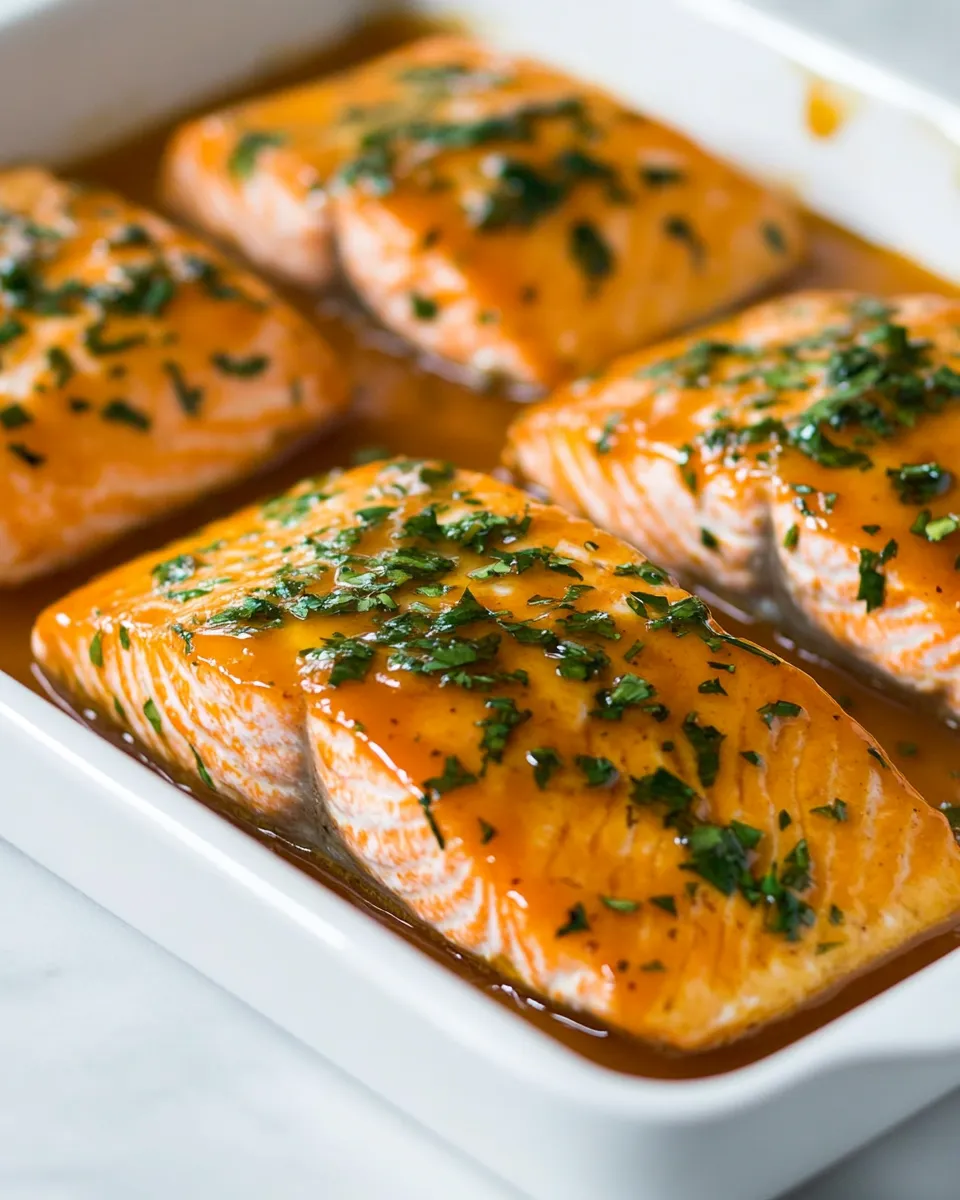
This recipe wins on two fronts: speed and flavor. It’s assembled in under 10 minutes and baked while you finish the sides. The brown sugar and Dijon create a balance of sweet and tang that caramelizes just enough to give a glossy, almost lacquered finish—without becoming cloying.
The technique highlights the salmon itself. You’re not masking the fish with heavy sauces; instead, you’re accentuating its natural oils and texture. The result is a clean, restaurant-worthy plate you can make any night of the week.
It’s also forgiving. If you slightly overbake, the sugar helps keep a sense of richness, and the short ingredient list means there’s very little to go wrong. Keep a thermometer handy if you cook to a precise temperature, but don’t be afraid to rely on the fork-flake test.
If You’re Out Of…
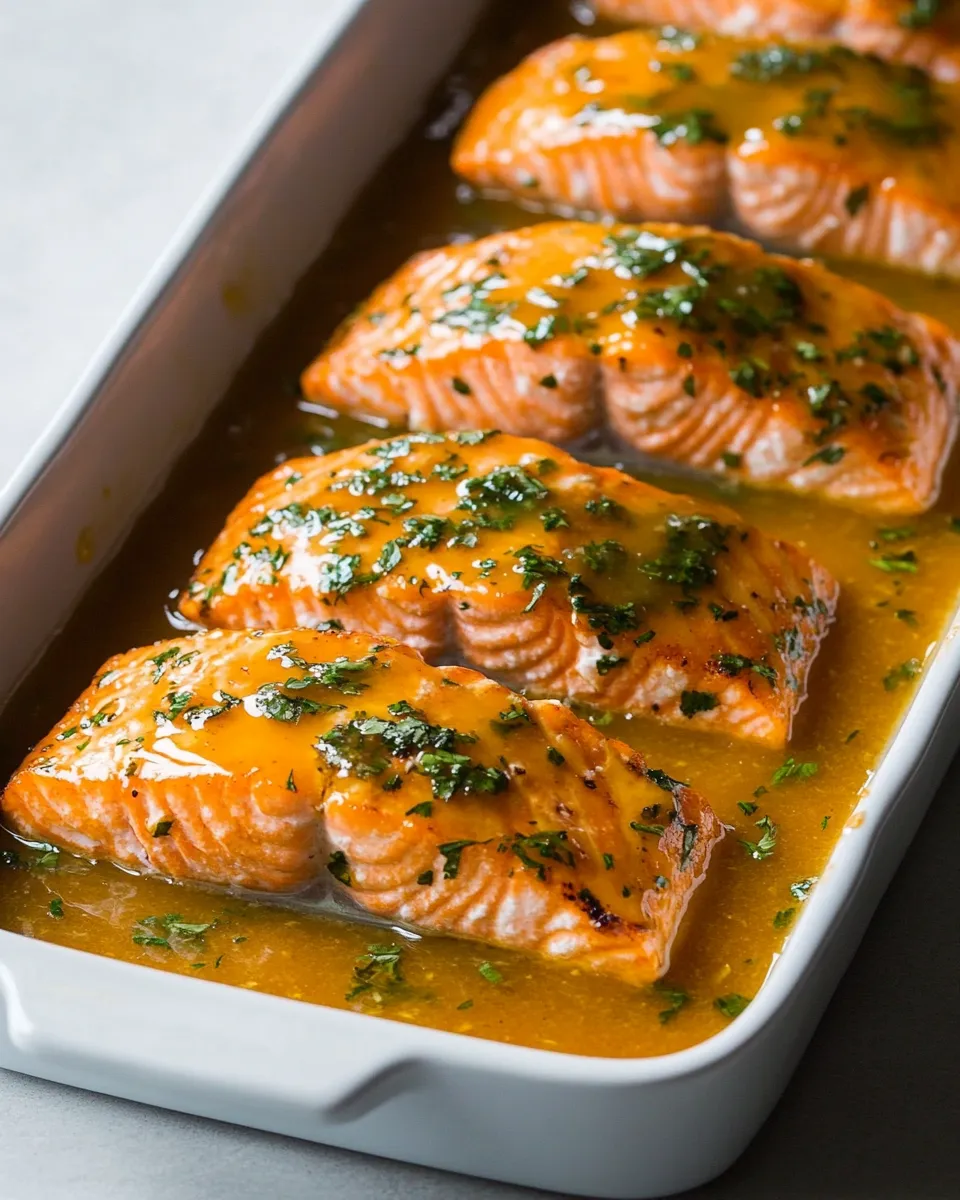
- Dijon mustard — whole grain or yellow mustard will work in a pinch; you’ll lose a touch of the Dijon’s sharpness but the glaze will still be balanced.
- Light brown sugar — use dark brown sugar for a deeper molasses flavor or granulated sugar with a tiny pinch of molasses if that’s all you have.
- Lemon zest — a squeeze (not more than 1/2 teaspoon) of lemon juice stirred into the glaze will add brightness; add after mixing so the texture stays right.
- Fresh garlic — 1/4–1/2 teaspoon of garlic powder can substitute; adjust to taste since powder is more concentrated.
- Fresh parsley — chopped chives or a small sprinkle of dried parsley work for color, though fresh herbs add the most brightness.
Tools of the Trade
- Baking sheet (13 x 9 or 18 x 13-inch) — gives the fillets room and promotes even baking.
- Aluminum foil — for an easier cleanup; you can also use parchment if you prefer.
- Small bowl and whisk or fork — to emulsify the glaze ingredients into a smooth paste.
- Offset or silicone spatula / spoon — to spread the glaze evenly without tearing the fish.
- Instant-read thermometer (optional) — handy if you like to hit an exact doneness.
Slip-Ups to Skip
- Over-glazing — too thick a layer of sugar mixture can burn. A thin, even coat is all you need.
- Skipping seasoning — salt and pepper are small steps but essential. They let the glaze sing instead of masking the salmon.
- Uneven fillets — very thick and very thin pieces on the same tray cook at different rates. If necessary, fold thin tails under or separate thick pieces to different trays.
- Walking away completely — ovens vary. Check the salmon a minute or two before the lower end of the suggested time if your fillets are thin.
- Applying glaze after cooking — it won’t caramelize properly that way. You want the glaze on for baking so it melts and forms that glossy top.
Spring–Summer–Fall–Winter Ideas
Salmon is incredibly versatile across seasons. Here are practical serving ideas that make this recipe feel fresh year-round.
Spring
Serve with a light pea puree, steamed asparagus, and a wedge of lemon. Add a few radish slices for crunch and snap—the bright, green flavors keep the dish feeling fresh.
Summer
Pair with a cucumber-dill salad and simple grilled corn. The sweet glaze matches well with summery sides and a chilled glass of white wine or rosé.
Fall
Go heartier: roasted root vegetables (think carrots and parsnips) and a warm grain salad like farro or wild rice. The glaze complements autumnal sweetness.
Winter
Serve over creamy mashed potatoes or parsnip purée and wilted spinach. Add a browned butter drizzle for warmth—this keeps the meal cozy without adding complexity.
If You’re Curious
Want to tweak the glaze intensity? Reduce brown sugar by a tablespoon for less sweetness, or add 1/2 teaspoon of soy sauce for an umami boost. If you like heat, a pinch of crushed red pepper flakes folded into the glaze brightens the profile without overpowering the fish.
Skin-on fillets provide a textural contrast: the skin crisps against the sweet glaze if you broil for the last minute or so (watch carefully). Skinless fillets are faster to plate and sometimes preferred by guests who don’t want to deal with a crisped skin.
Save It for Later
To store leftovers: refrigerate in an airtight container for up to 2 days. The glaze will firm up in the fridge, but gently reheat to restore gloss and texture. For best results, reheat in a 300°F oven for 8–10 minutes, or until warmed through. A quick, low-temperature reheat keeps the salmon moist without further cooking it to dryness.
Freezing is possible but not ideal because the glazed top loses some texture after thawing. If you must freeze, flash-freeze on a tray, then wrap tightly and store for up to 1 month. Thaw in the refrigerator and reheat gently.
Quick Q&A
- Can I use frozen salmon? — Yes. Thaw completely in the refrigerator before prepping so the glaze spreads evenly and the cooking time is accurate.
- What internal temperature should I aim for? — For a medium result, 125–135°F. USDA recommends 145°F for well-done. Carryover heat will rise a few degrees after you remove it from the oven.
- Can I make the glaze ahead? — You can whisk the glaze a few hours ahead and refrigerate it. Bring it back to room temperature before spreading; a quick stir is usually all it needs.
- Is this safe for kids? — Yes. If you want the texture more familiar to children, aim for the higher end of the temperature range (140–145°F).
- How to get a crisper top? — After baking, broil for 30–60 seconds while watching closely. The sugar will caramelize quickly, so stay nearby.
Make It Tonight
Decide on your sides, preheat the oven, and give yourself 10 minutes to pull this together. Season the fillets, mix the glaze, and spread it—then let the oven do the finishing. The smell that fills your kitchen in those last few minutes tells you it’s working: the brown sugar and Dijon transform into something glossy and irresistible.
Serve the salmon on warm plates, sprinkle with the optional parsley for a quick pop of color, and enjoy a dinner that looks like you spent more time on it than you actually did. It’s the kind of recipe I come back to again and again because it’s simple, reliable, and just plain delicious.
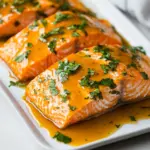
Brown Sugar Glazed Salmon
Ingredients
Ingredients
- 4 7 ozsalmon fillets, skin-on or skinless
- Saltand freshly ground black pepper
- 2 Tbsplight brown sugar
- 2 Tbspdijon mustard
- 1 tsplemon zest
- 1 tspminced garlic
- 1 1/2 tsp choppedfresh parsley optional
Instructions
Instructions
- Preheat the oven to 400°F (200°C). Line a baking sheet (13 x 9 or 18 x 13-inch) with aluminum foil.
- Arrange the 4 salmon fillets on the prepared baking sheet, leaving space between each fillet. If using skin-on fillets, place them skin-side down. Season the top of each fillet with salt and freshly ground black pepper.
- In a small bowl, whisk together 2 Tbsp light brown sugar, 2 Tbsp Dijon mustard, 1 tsp lemon zest, and 1 tsp minced garlic until smooth and combined.
- Spoon and spread the brown sugar–mustard mixture evenly over the top of each salmon fillet.
- Bake in the preheated oven for 11–14 minutes, depending on fillet thickness and desired doneness. Fillets are done when the fish flakes easily with a fork or reaches your target internal temperature (about 125–135°F for medium-rare; 145°F is the USDA-recommended temperature for well-done).
- Remove the salmon from the oven. If desired, sprinkle 1 1/2 tsp chopped fresh parsley over the fillets for garnish and serve.
Equipment
- Oven
- Baking Sheet
- Aluminum Foil
- Small Bowl
- Whisk
Notes
Nutrition estimate is based of skins being removed before eating (they're soft and oily with this cooking method, not recommended to eat), or using skinless salmon.