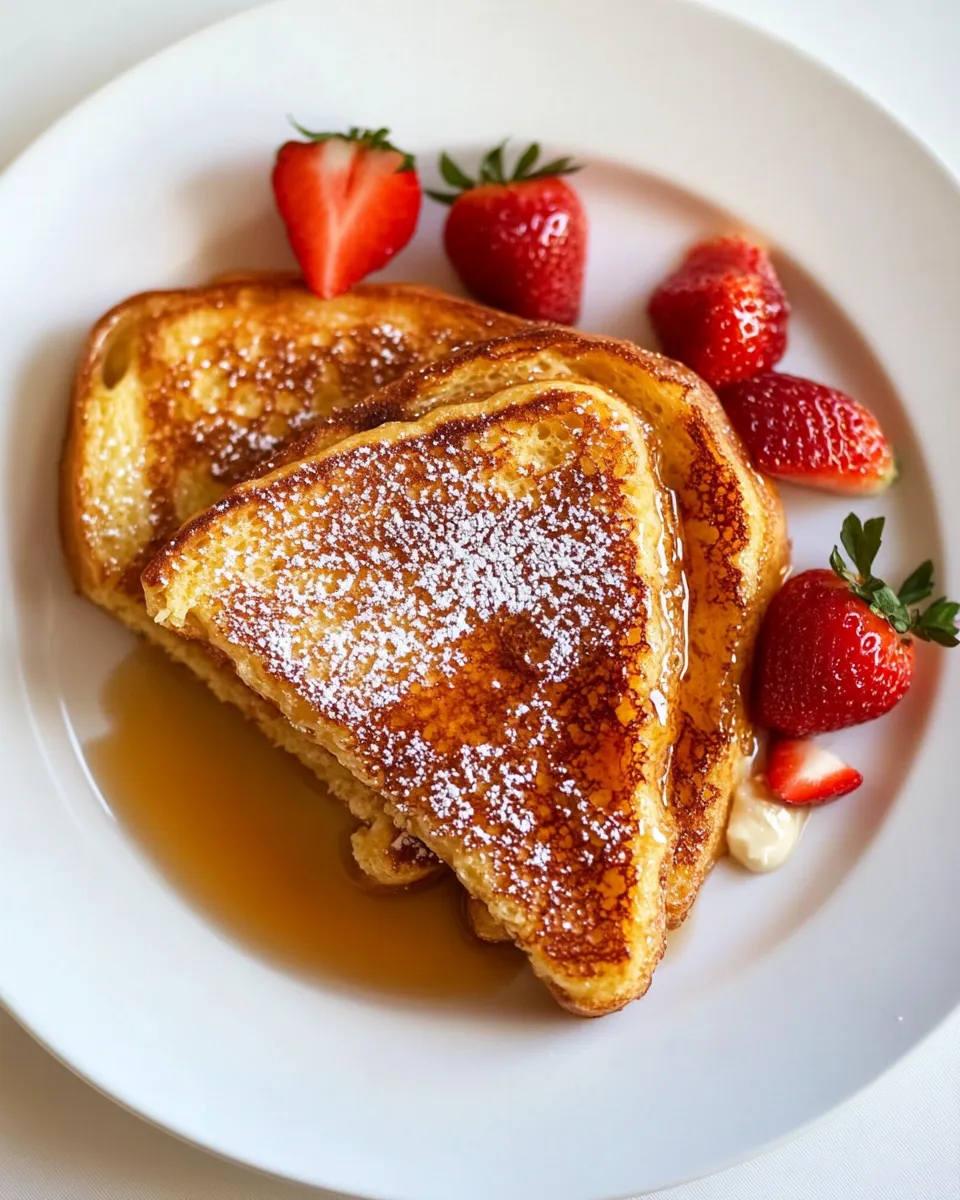
There are breakfasts that are functional and there are breakfasts that feel like a warm hug. This Buttermilk French Toast sits firmly in the second camp. It’s straightforward, forgiving, and turns ordinary bread into something you’ll want to make again and again.
I keep this recipe on rotation for weekend mornings or when friends drop by unexpectedly. It’s quick to pull together, and the buttermilk keeps the custard bright and a little tangy — a small detail that makes a big difference. Read through the steps once, gather your ingredients, and you’ll have golden slices ready in minutes.
No frills, no complicated technique. Just a reliable method, sensible tips, and ways to tweak it for what’s in your pantry. Let’s get cooking.
What You’ll Gather
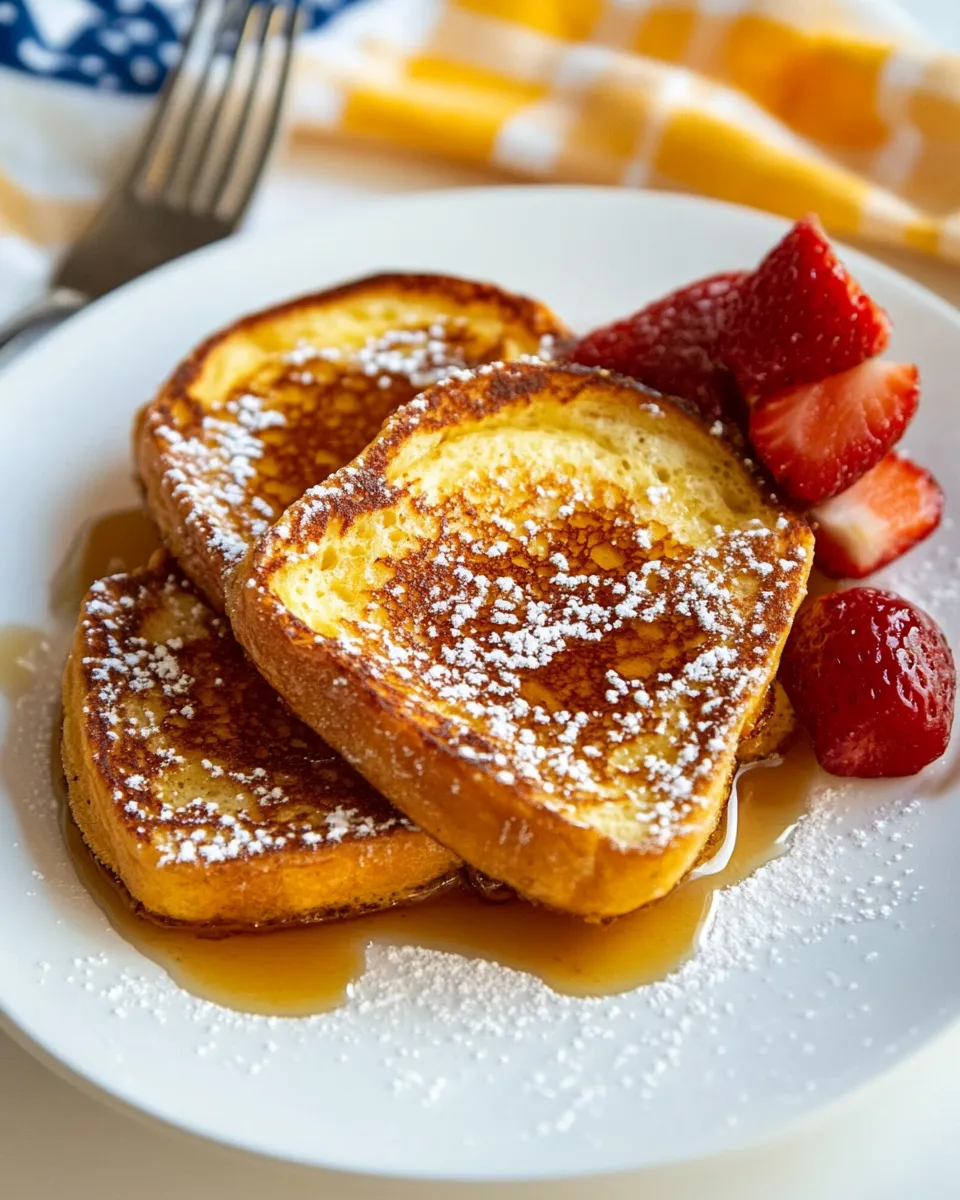
Before you start: pull together your mixing bowl, a shallow dish for dipping, a whisk, a nonstick or well-seasoned cast‑iron skillet or griddle, and a baking sheet with a rack if you want to keep slices warm while you finish. The recipe uses sturdy slices of bread — 3/4-inch thick — so choose something that will soak and hold without falling apart (see notes below).
Plan for the number of slices listed in the ingredients. This batch is ideal for a small crowd or a hearty family breakfast. If you want to double it, make the custard in the same proportions and cook in batches.
Ingredients
- 1 1/2 cups buttermilk — lends tang and keeps the custard silky; brighter flavor than milk.
- 5 eggs — provide structure and richness; whisk until uniform.
- 2 Tbsp granulated sugar — adds a touch of sweetness and aids browning.
- 1 tsp vanilla extract — rounds the custard with warm aroma.
- 10 (3/4-inch) slices hearty French bread, or brioche — sturdy slices that soak without falling apart; brioche gives extra richness.
Cooking (Buttermilk French Toast): The Process
- In a shallow dish, whisk together 1 1/2 cups buttermilk, 5 eggs, 2 Tbsp granulated sugar, and 1 tsp vanilla extract until smooth (the mixture may seem to curdle at first—keep whisking).
- Preheat a nonstick or well‑seasoned cast‑iron griddle or skillet over medium heat.
- Working with one 3/4‑inch slice of bread at a time, dip a slice into the buttermilk mixture for about 20 seconds per side, or until just soaked through. Let any excess drip back into the dish.
- Place the soaked slice on the preheated griddle and cook until the bottom is golden brown, about 1 to 2 minutes.
- Flip the slice and cook until the opposite side is golden brown and the center is cooked through, about 1 to 2 minutes more. Reduce the heat if slices are browning too quickly.
- As slices finish, keep them warm on a baking sheet in a 200°F oven while you cook the remaining slices.
- Serve the French toast immediately.
Why This Recipe is a Keeper
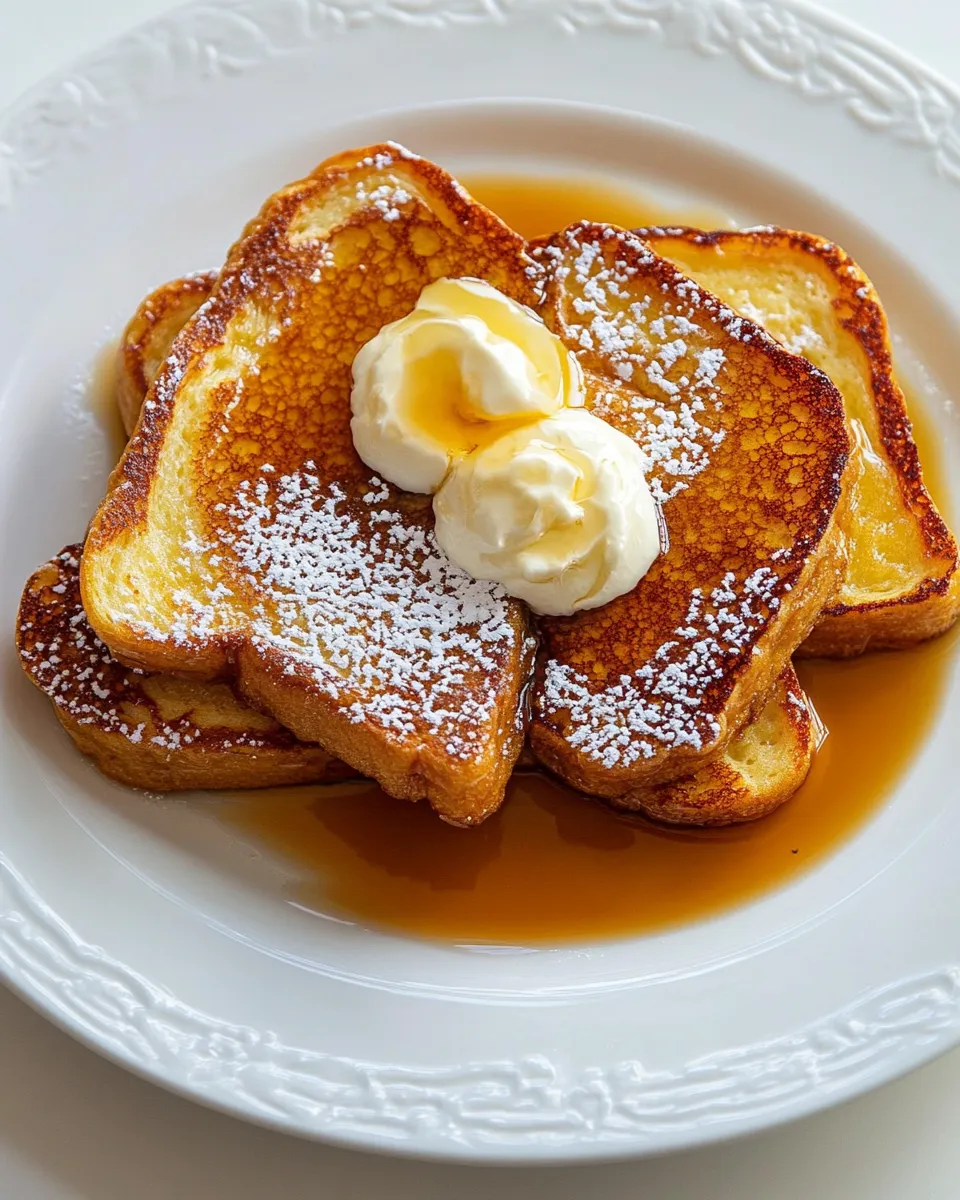
This version balances simplicity and flavor. The buttermilk adds a pleasant acidity that prevents the custard from tasting flat, while the modest sugar and vanilla keep the flavor classic and versatile. You don’t need a lot of technique to get consistent results — the timing is forgiving and the steps are repeatable.
It’s also flexible. The recipe handles different breads, and keeping slices warm in a low oven means you can cook a few at a time without serving cold toast. If you want restaurant-style eggs-and-toast comfort with minimal fuss, this is the one to go to.
International Equivalents
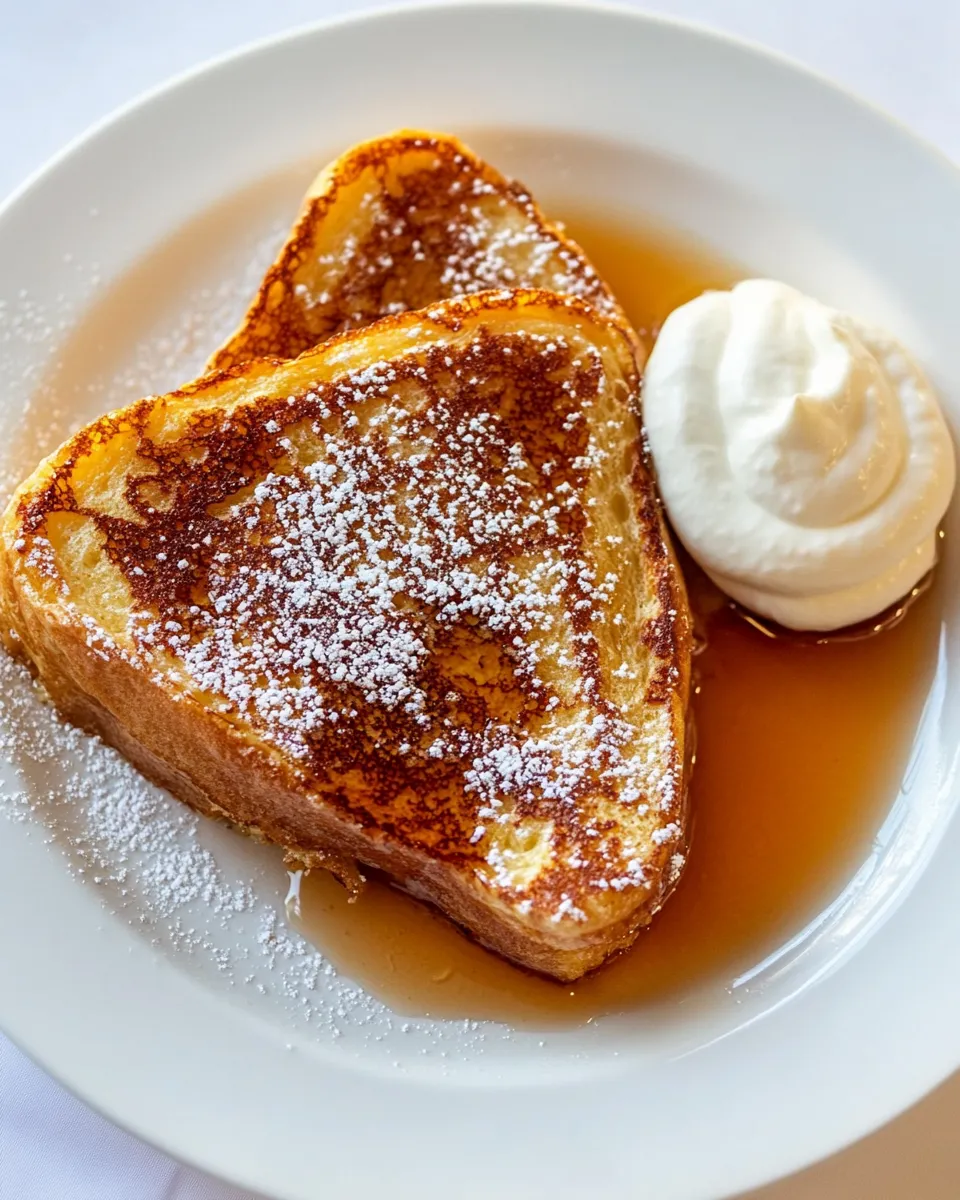
French toast appears around the world under many names:
- Pain perdu (France) — literally “lost bread,” made to rescue stale bread with an eggy custard.
- Torrijas (Spain) — often soaked in milk, sometimes wine, and commonly served with honey or sugar.
- Rabanadas (Portugal/Brazil) — served around holidays, occasionally soaked in fortified wine or syrup.
- Arme ristet brød / Milky toast variations — numerous regional takes emphasize local breads and toppings.
The method here is classic: a milk-based custard, quick soak, and a hot griddle. Swap the buttermilk for milk or a mixture of milk and cream if you prefer a milder flavor, and you’ll approximate these other styles.
Gear Checklist
- Shallow dish or pie plate — for dipping slices evenly.
- Whisk — to fully combine eggs and buttermilk.
- Nonstick or well‑seasoned cast‑iron skillet/griddle — for even browning without sticking.
- Spatula — wide and sturdy to flip thick slices.
- Baking sheet and rack (optional) — to keep finished slices warm in a 200°F oven.
- Measuring cups and spoons — to keep the custard proportions correct.
Learn from These Mistakes
- Over‑soaking the bread — Soggy slices break apart and can be doughy inside. Dip about 20 seconds per side for 3/4‑inch slices and let excess drip.
- Griddle too hot — If the outside browns before the center cooks, lower the heat. You want a steady medium heat that gives 1–2 minutes per side.
- Using very thin or fresh soft bread — It can fall apart. Use 3/4‑inch hearty slices or brioche to maintain structure.
- Skipping the warm oven — Without a warm holding spot the first slices cool while you finish the batch. Use a 200°F oven to keep them ready to serve.
Seasonal Serving Ideas
- Spring — Top with macerated strawberries and a dollop of yogurt or crème fraîche for brightness.
- Summer — Pile with summer berries and a squeeze of lemon, or serve with peach compote.
- Autumn — Warm sliced apples with cinnamon and maple syrup make a cozy topping.
- Winter — Toasted nuts, a drizzle of warmed maple syrup and a scattering of orange zest add warmth.
Keep toppings simple and let the custard flavor shine. Fresh citrus, quick macerations, or a spoonful of jam all work beautifully.
Recipe Notes & Chef’s Commentary
Bread choice matters. Sturdy slices — day‑old or slightly stale — are ideal because they soak without collapsing. Brioche adds richness; a hearty French loaf gives a neutral canvas. If your bread is very fresh and soft, dry it in a low oven for 10–15 minutes or slice it slightly thicker.
Don’t panic if the custard looks a bit curdled when you first whisk it. Whisking until smooth will bring it together. The eggs provide structure; the buttermilk and sugar keep the custard tender and help with browning.
Butter versus oil: I cook in a little butter for flavor and add a touch of neutral oil if I need a higher smoke point. Cast‑iron gives a lovely crust but requires a well‑seasoned surface to prevent sticking. Nonstick is the easiest for consistent results.
Timing and heat control are the two things to watch. Medium heat should give you the 1–2 minutes per side described in the steps. If slices brown in 30–45 seconds, lower the heat. The internal center should feel set but still tender.
Cooling, Storing & Rewarming
Cooling: Let any leftover slices cool completely on a rack to avoid sogginess. Don’t stack hot slices.
Storing: Refrigerate cooled French toast in an airtight container for up to 3 days. For longer storage, freeze single slices between sheets of parchment in a sealed freezer bag for up to 1 month.
Rewarming: Heat refrigerated slices in a 350°F oven for 8–10 minutes or in a toaster oven until warmed through and crisped. From frozen, reheat at 350°F for 12–15 minutes, flipping halfway. Avoid microwaving if you want to retain crisp edges; use it only as a quick option and expect softer texture.
Troubleshooting Q&A
- Q: My toast is browning too fast but still raw in the middle. What went wrong?
A: Your pan is too hot. Reduce heat to medium or medium‑low and allow a bit more time per side so the center cooks before the crust darkens. - Q: The slices are falling apart when I dip them.
A: Your bread is too thin or too fresh. Use 3/4‑inch thick slices from a sturdy loaf or briefly dry fresh slices in a low oven before dipping. - Q: The custard seems grainy or curdled.
A: Keep whisking — eggs and buttermilk can look separated at first. Whisk until smooth and homogeneous. Also avoid overcooking the custard before dipping. - Q: How do I get a crisp edge?
A: Use a hot enough pan and a pat of butter or butter+oil for browning. Don’t crowd the pan; browning develops when slices have space and steady contact with the surface.
Hungry for More?
If you loved this, try swapping the buttermilk for a mix of milk and cream for an extra‑rich version, or add a sprinkle of cinnamon or nutmeg to the custard for spice. For a savory twist, omit sugar and vanilla, add a pinch of salt and a little grated Parmesan to the custard, and finish with herbs — a great brunch option.
Bookmark this recipe. It’s simple, reliable, and easy to customize. The method works beyond breakfast: a savory loaf makes a great base for a light lunch or dinner. Keep it in your repertoire — you’ll use it more than you expect.

Buttermilk French Toast
Ingredients
Ingredients
- 1 1/2 cupsbuttermilk
- 5 eggs
- 2 Tbspgranulated sugar
- 1 tspvanilla extract
- 10 3/4-inch sliceshearty French bread, or brioche
Instructions
Instructions
- In a shallow dish, whisk together 1 1/2 cups buttermilk, 5 eggs, 2 Tbsp granulated sugar, and 1 tsp vanilla extract until smooth (the mixture may seem to curdle at first—keep whisking).
- Preheat a nonstick or well‑seasoned cast‑iron griddle or skillet over medium heat.
- Working with one 3/4‑inch slice of bread at a time, dip a slice into the buttermilk mixture for about 20 seconds per side, or until just soaked through. Let any excess drip back into the dish.
- Place the soaked slice on the preheated griddle and cook until the bottom is golden brown, about 1 to 2 minutes.
- Flip the slice and cook until the opposite side is golden brown and the center is cooked through, about 1 to 2 minutes more. Reduce the heat if slices are browning too quickly.
- As slices finish, keep them warm on a baking sheet in a 200°F oven while you cook the remaining slices.
- Serve the French toast immediately.
Equipment
- Shallow Dish
- Whisk
- griddle or skillet
- Baking Sheet
- Oven