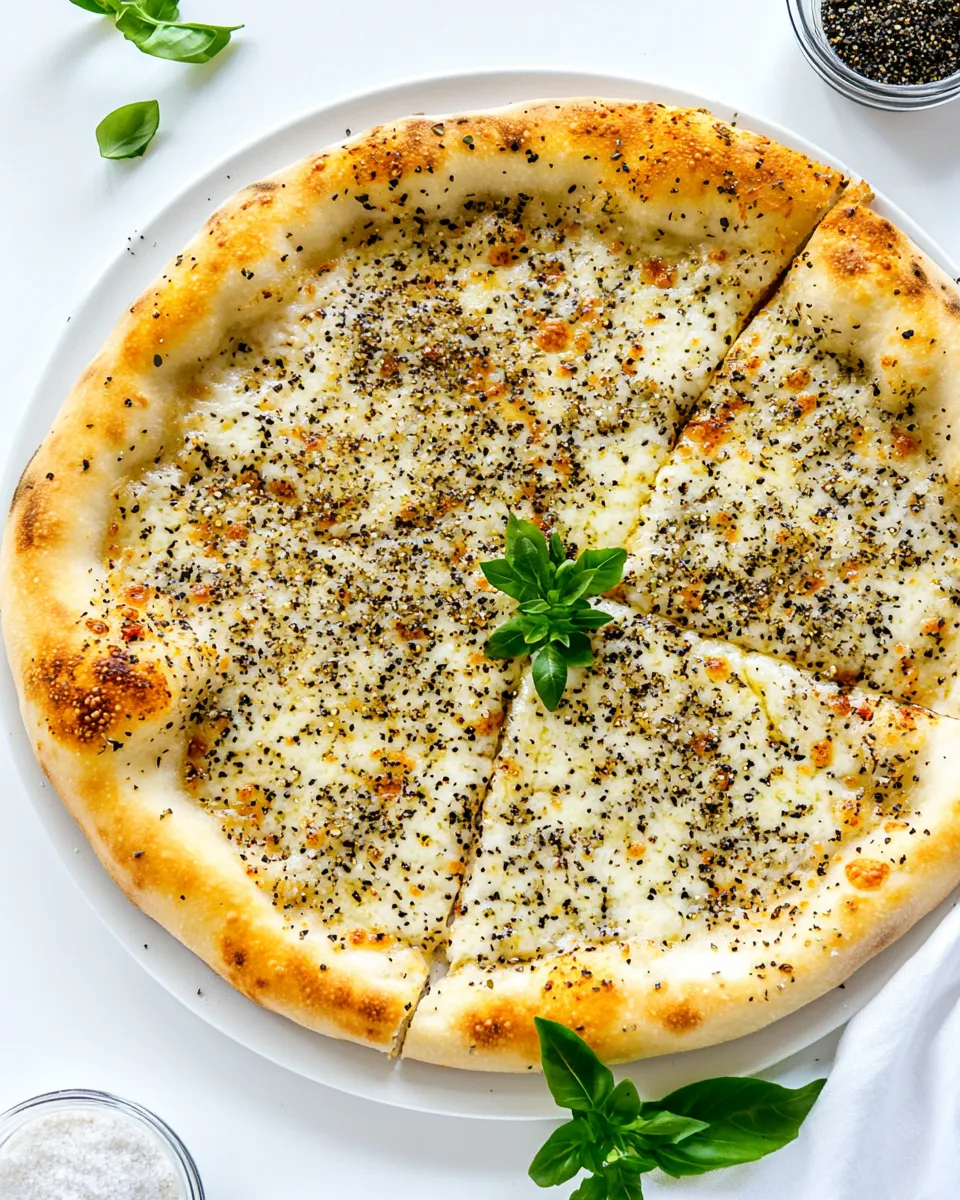
This is my quick, reliable take on turning classic Roman cacio e pepe into a weeknight pizza that actually delivers on flavor. It’s all about a thin, crisp crust, a generous blanket of pecorino, and plenty of freshly cracked black pepper. You don’t need a million toppings — and you shouldn’t. The restraint is the point.
I make this when I want something fast but elegant: dinner for two, a solo treat, or a starter for guests who appreciate bold, simple flavors. The method keeps things practical. Roll the dough, oil the surface, pile on pecorino, grind the pepper, and bake until the crust sings.
Below you’ll find a tight shopping list, the step-by-step bake, troubleshooting, tools that matter, and safe swaps for various diets. Read the mistakes section before you start; a few tiny habits will make this pizza reliably great every time.
What to Buy
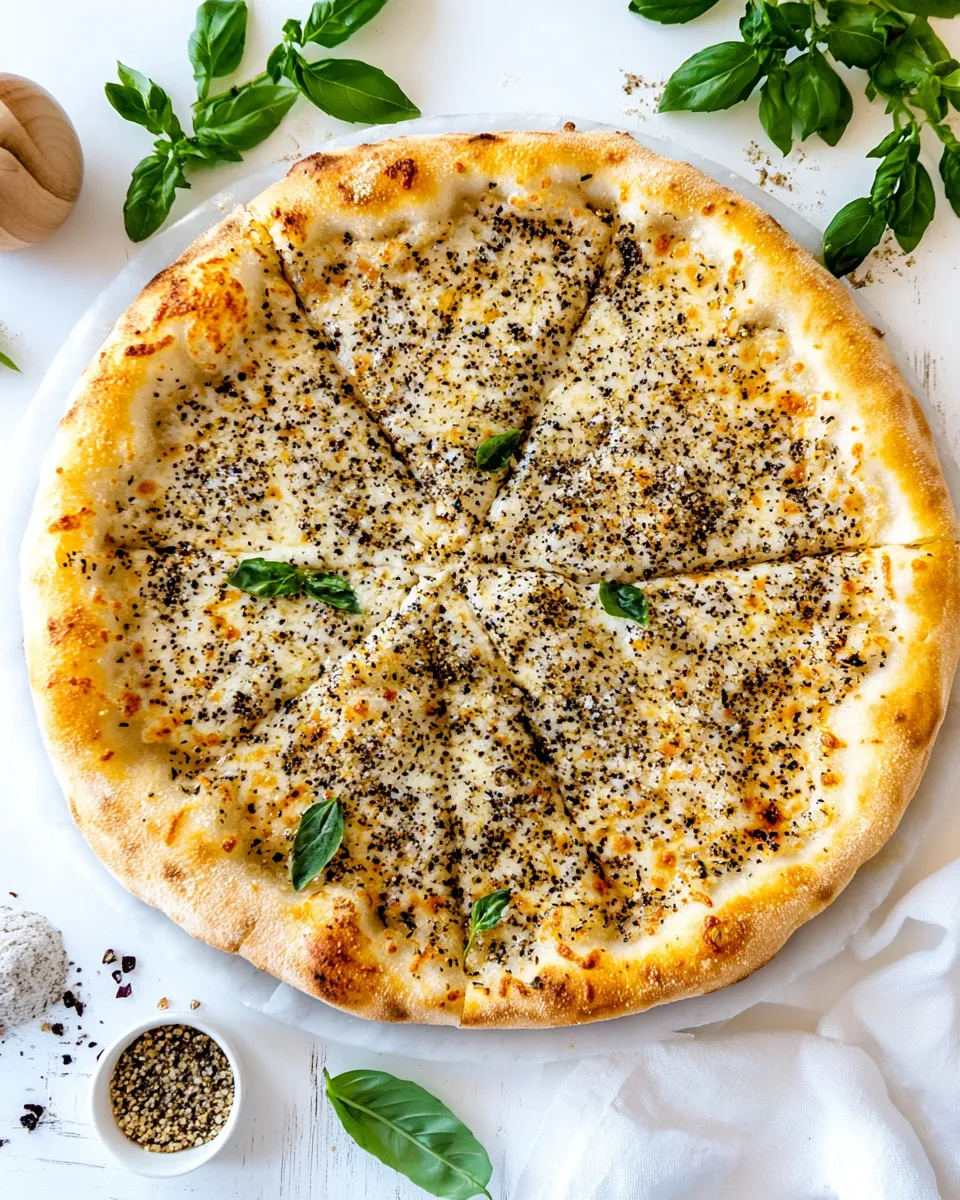
Ingredients
- 1 Pizza Dough — the base; use a single ball sized for your pan or pre-made refrigerated dough to save time.
- 1 tablespoon olive oil — brushed to help the cheese brown and to crisp the edge.
- 1 cup pecorino romano cheese freshly grated — the star: salty, sharp, and the body of cacio e pepe on a pizza.
- 2 teaspoons black pepper — freshly cracked for aroma and heat; the dish is named for it, so don’t skimp.
- 2 teaspoons Italian seasoning — a background herb note; optional for a slight Mediterranean lift.
- Fresh basil leaves — added after baking for a pop of freshness and color.
- Salt to taste — add sparingly because pecorino is already salty; use only if needed after baking.
Build Cacio e Pepe Pizza Step by Step
- Preheat oven to 500°F (260°C). Line a baking sheet with parchment paper or use a pizza pan.
- Roll the 1 pizza dough into a shape and size that fits your prepared pan.
- Transfer the rolled dough to the prepared pan.
- Pour and spread 1 tablespoon olive oil evenly over the surface of the dough, leaving a small edge for a crust.
- Evenly sprinkle 1 cup freshly grated pecorino romano cheese over the oiled dough.
- Evenly sprinkle 2 teaspoons black pepper and 2 teaspoons Italian seasoning over the cheese.
- Bake on the middle rack for 8–10 minutes, or until the crust is evenly golden brown and browned in spots.
- Remove the pizza from the oven, sprinkle salt to taste, and place fresh basil leaves across the surface.
- Let the pizza rest 1–2 minutes, then slice and serve immediately.
Why It Works Every Time
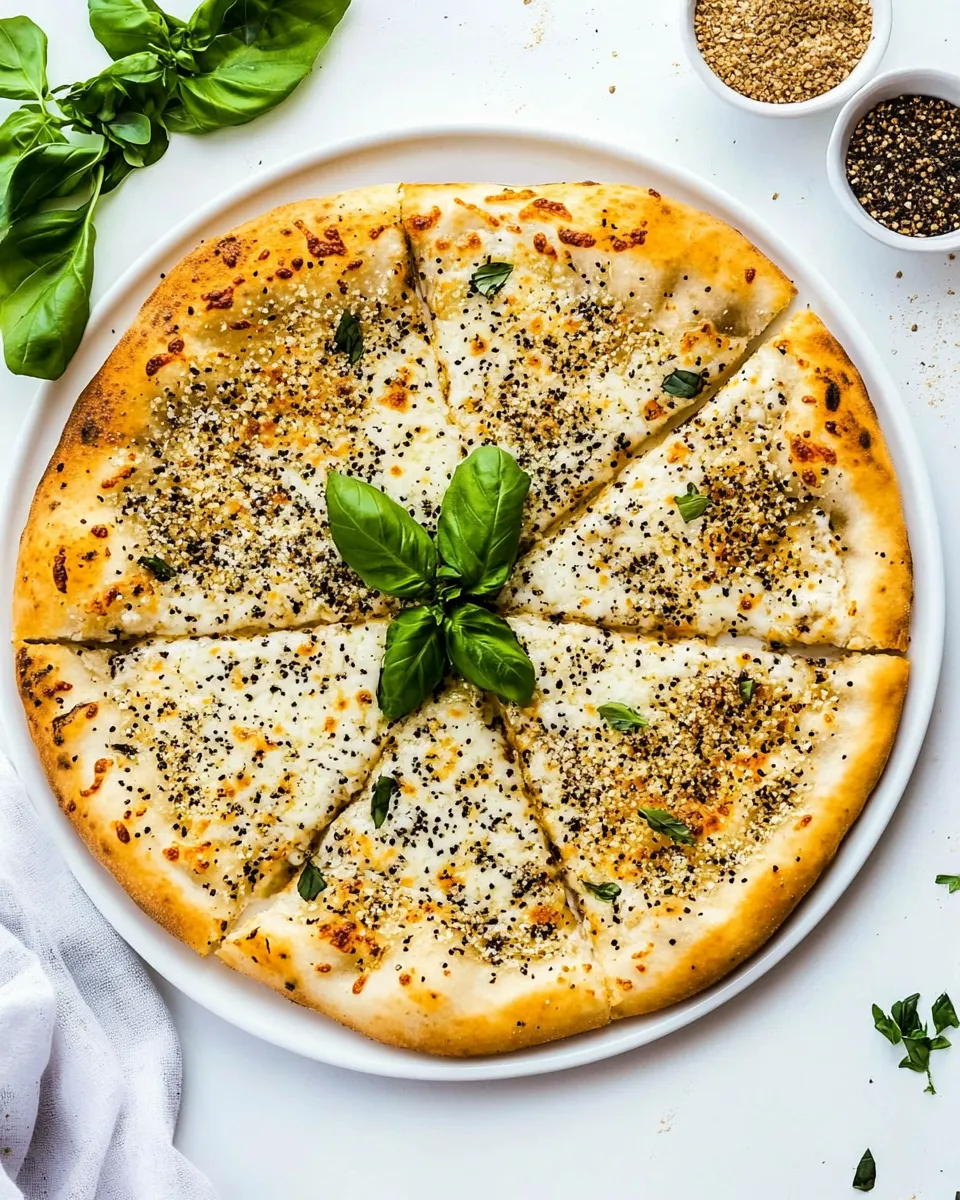
This recipe is a lesson in restraint. Pecorino romano brings concentrated salt and savory richness that stands in for both cheese and sauce; olive oil forms a barrier that helps the cheese melt into the dough rather than sink into it. The black pepper provides an aromatic top note and a little heat; because the pizza isn’t loaded with other ingredients, every element reads clearly.
Preheating the oven to 500°F ensures the crust gets those quick, high-heat reactions — Maillard browning and a crisp exterior with a slight chew. Baking on the middle rack balances bottom crisp and even top browning; nine minutes is usually enough, so watch closely around the 8-minute mark for your oven’s personality.
Quick Replacement Ideas
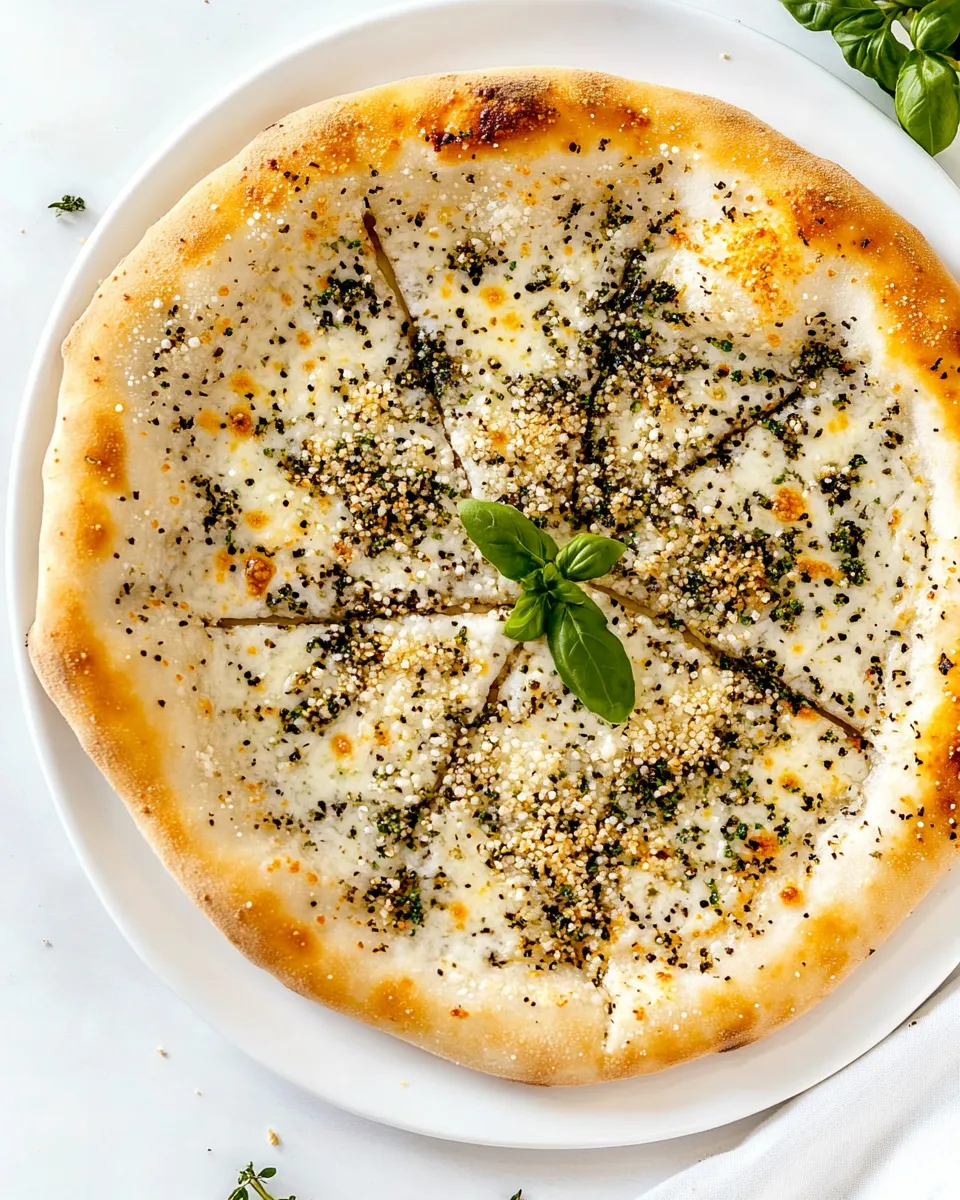
If you need to swap or adapt on the fly, stick to substitutions that echo texture and flavor intensity:
- Cheese — If pecorino is unavailable, a very sharp aged pecorino or a 50/50 mix of Parmesan and aged Asiago can approximate the tang and salt (but these are swaps, not identical replacements).
- Olive oil — Any mild vegetable oil will work in a pinch; flavor will be blunter but baking behavior similar.
- Italian seasoning — Replace with a light dusting of dried oregano or a pinch of crushed red pepper for a different aromatic profile.
- Fresh basil — Arugula or a scattering of finely chopped parsley can add a fresh herb note if basil isn’t on hand.
Toolbox for This Recipe
Tools that do the most for you:
- Pizza pan or rimmed baking sheet — A prepped surface keeps the dough in place; a perforated pizza pan encourages a crisper bottom.
- Parchment paper — Eases transfer to the oven and cleanup when you don’t have a pizza peel or stone.
- Box grater or microplane — Freshly grated pecorino melts and tastes better than pre-grated blends.
- Oven thermometer — If your oven runs hot or cool, this saves you from overbrowning or undercooking.
- Rolling pin or hands — You can press the dough by hand for a more rustic edge; a pin helps get an even shape.
- Fresh pepper mill — Cracking pepper just before baking preserves the aromatics that define the dish.
Avoid These Mistakes
Small errors have big consequences here. Avoid them and the pizza will behave every time.
- Using pre-grated pecorino — It often contains anti-caking agents and won’t melt as cleanly. Freshly grate your cup of pecorino.
- Skipping the olive oil — The oil helps the cheese brown and protects the dough. Omitting it can lead to soggier patches.
- Overloading the cheese — One cup is enough. Too much cheese can weigh the dough down and prevent a crisp bottom.
- Underheating the oven — A lower temperature will dry out the cheese without properly crisping the crust; bake at 500°F as directed.
- Adding basil before baking — Heat wilts the basil and dulls its freshness. Add leaves after baking for color and aroma.
Substitutions by Diet
Quick swaps to accommodate common diets. Keep in mind these change the flavor profile.
- Vegetarian — This recipe is already vegetarian. Pecorino, however, is traditionally made with animal rennet; look for pecorino labeled as made with microbial or vegetable rennet if strict vegetarian.
- Lacto-vegetarian / Rennet-free — Use a rennet-free Parmesan-style cheese or other hard Italian cheeses labeled vegetarian.
- Lower sodium — Reduce the pecorino slightly and add salt only if needed after baking, but understand the dish will be less assertive.
- Dairy-free — The core of this recipe is dairy; dairy-free hard cheeses exist but won’t replicate the pecorino’s melting or salt. For a dairy-free option, use a robust dairy-free grated cheese designed for melting, and increase black pepper for character.
- Gluten-free — Use a gluten-free pizza dough in the same weight/shape; baking time may vary slightly depending on dough formulation and pan conductivity.
Method to the Madness
Understanding why each step exists helps you adapt without ruining the final pie.
Heat and timing
500°F targets a fast bake: the crust puffs and chars in spots while the cheese melts and browns quickly. If your oven peaks lower, you’ll need longer bake time, but expect different texture. For a crisper bottom use a pizza stone or preheated steel on the middle rack.
Cheese placement
Spreading the pecorino on top of the oiled dough allows the cheese to form a mostly even layer that browns where it contacts heat and bubbles where air pockets form in the crust. Salt after baking because pecorino provides a strong baseline saltiness.
Keep It Fresh: Storage Guide
Best eaten immediately. That brief 1–2 minute rest in step 9 lets the cheese settle so you can slice without excessive sliding. If you must store:
- Room temp — Not recommended for longer than two hours due to dairy.
- Refrigerator — Store in an airtight container up to 2 days. Reheat on a baking sheet at 375°F until warmed and crisped, about 6–8 minutes.
- Freezing — Not ideal after baking because the texture degrades. If you want frozen pizza, par-bake the crust, cool, then freeze with cheese and pepper added separately, then finish bake from frozen adding a few extra minutes.
Reader Questions
Q: Can I make this on a grill?
A: Yes. Preheat the grill to high, oil a cast-iron or pizza stone, and cook covered. Watch closely; you’ll get fast charring and need to balance top and bottom heat by moving the pizza or using indirect zones.
Q: My black pepper tastes bitter after baking. What gives?
A: Overly fine ground pepper or very old pepper can taste bitter when heated. Use freshly cracked coarse pepper and don’t exceed the 2 teaspoons unless you enjoy a stronger bite.
Q: The crust was soggy in the middle. Why?
A: Three usual causes: underbaked because oven temp is too low; too much cheese in one spot; or dough was too cold and didn’t snap in the oven. Preheat thoroughly and spread toppings evenly; consider a hotter surface like a pizza stone.
The Takeaway
Cacio e Pepe Pizza is a lesson in focused flavors and efficient technique. Keep your ingredients simple and of good quality: fresh pecorino and freshly cracked pepper make all the difference. Follow the order — oil, cheese, pepper, high heat — and you’ll have a pizzeria-style, sharp, peppery pizza in under 15 minutes of hands-on time.
Make the dough your canvas and let the pecorino and pepper do the talking. It’s fast, forgiving, and impressive without being complicated. Slice, serve, and enjoy the kind of dinner that feels special but was simple to pull off.
Cacio e Pepe Pizza
Ingredients
Ingredients
- 1 Pizza Dough
- 1 tablespoonolive oil
- 1 cuppecorino romano cheesefreshly grated
- 2 teaspoonsblack pepper
- 2 teaspoonsItalian seasoning
- Fresh basil leaves
- Salt to taste
Instructions
Instructions
- Preheat oven to 500°F (260°C). Line a baking sheet with parchment paper or use a pizza pan.
- Roll the 1 pizza dough into a shape and size that fits your prepared pan.
- Transfer the rolled dough to the prepared pan.
- Pour and spread 1 tablespoon olive oil evenly over the surface of the dough, leaving a small edge for a crust.
- Evenly sprinkle 1 cup freshly grated pecorino romano cheese over the oiled dough.
- Evenly sprinkle 2 teaspoons black pepper and 2 teaspoons Italian seasoning over the cheese.
- Bake on the middle rack for 8–10 minutes, or until the crust is evenly golden brown and browned in spots.
- Remove the pizza from the oven, sprinkle salt to taste, and place fresh basil leaves across the surface.
- Let the pizza rest 1–2 minutes, then slice and serve immediately.
Equipment
- Oven
- Baking Sheet
- Parchment Paper
- pizza pan
Notes
You can also use a pre made pizza crust for this recipe!