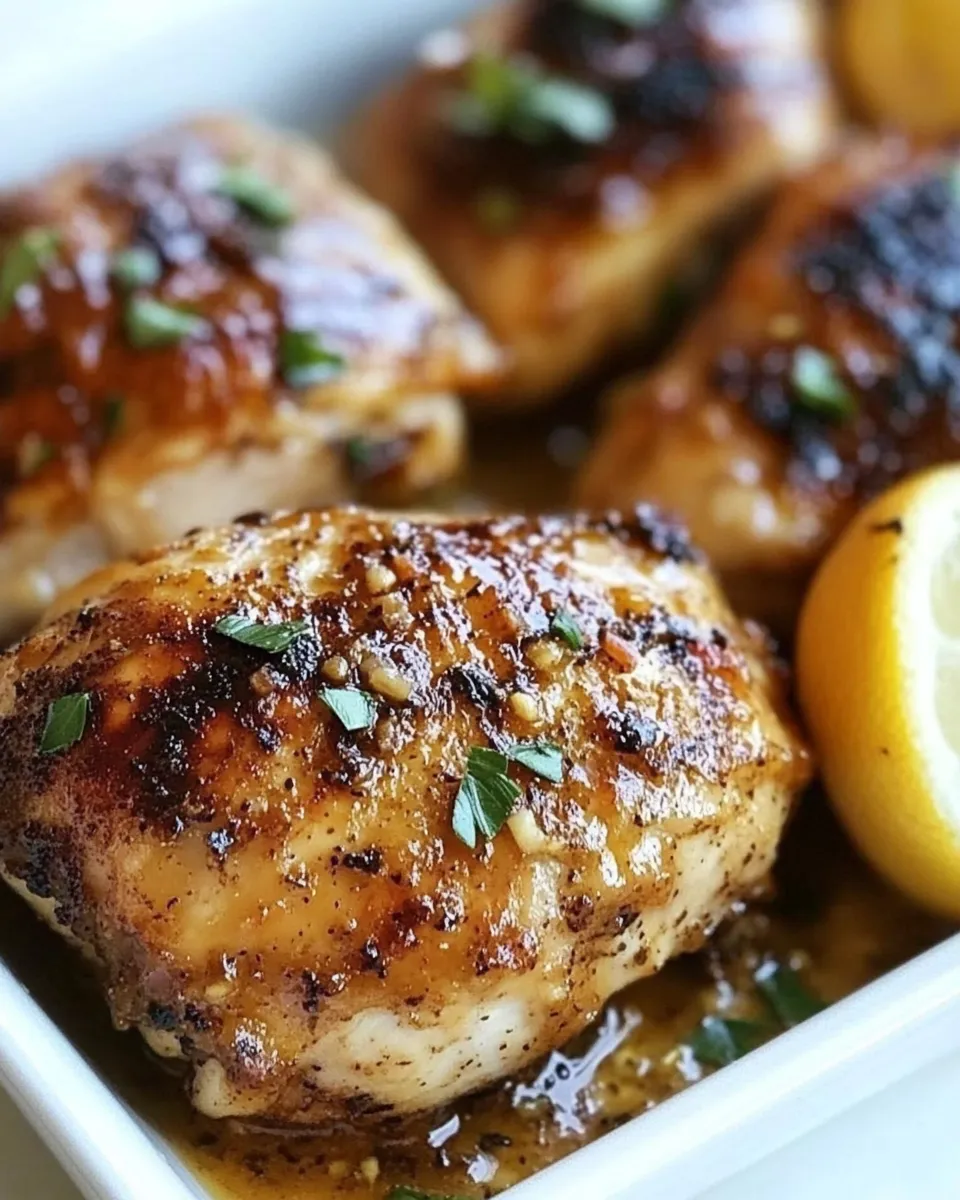
This is the kind of dinner that looks like you spent hours on it but comes together almost entirely in one bowl and one baking dish. Crisp, spiced skin; juicy meat; a buttery, slightly sweet heat that sits on the tongue. It’s straightforward, forgiving, and perfect for weeknights when you want something with personality but not a giant time commitment.
The recipe leans on a small set of pantry-friendly ingredients and a short marinate time to build flavor quickly. You don’t need to debone the thighs, and a quick broil at the end gives you that irresistible blistered finish. I make this when I want a bold meal with minimal fuss.
Below you’ll find exactly what to use, the ordered steps to follow, and practical tips to avoid common slip-ups. Read through once, then cook—this one rewards a confident approach.
What You’ll Need
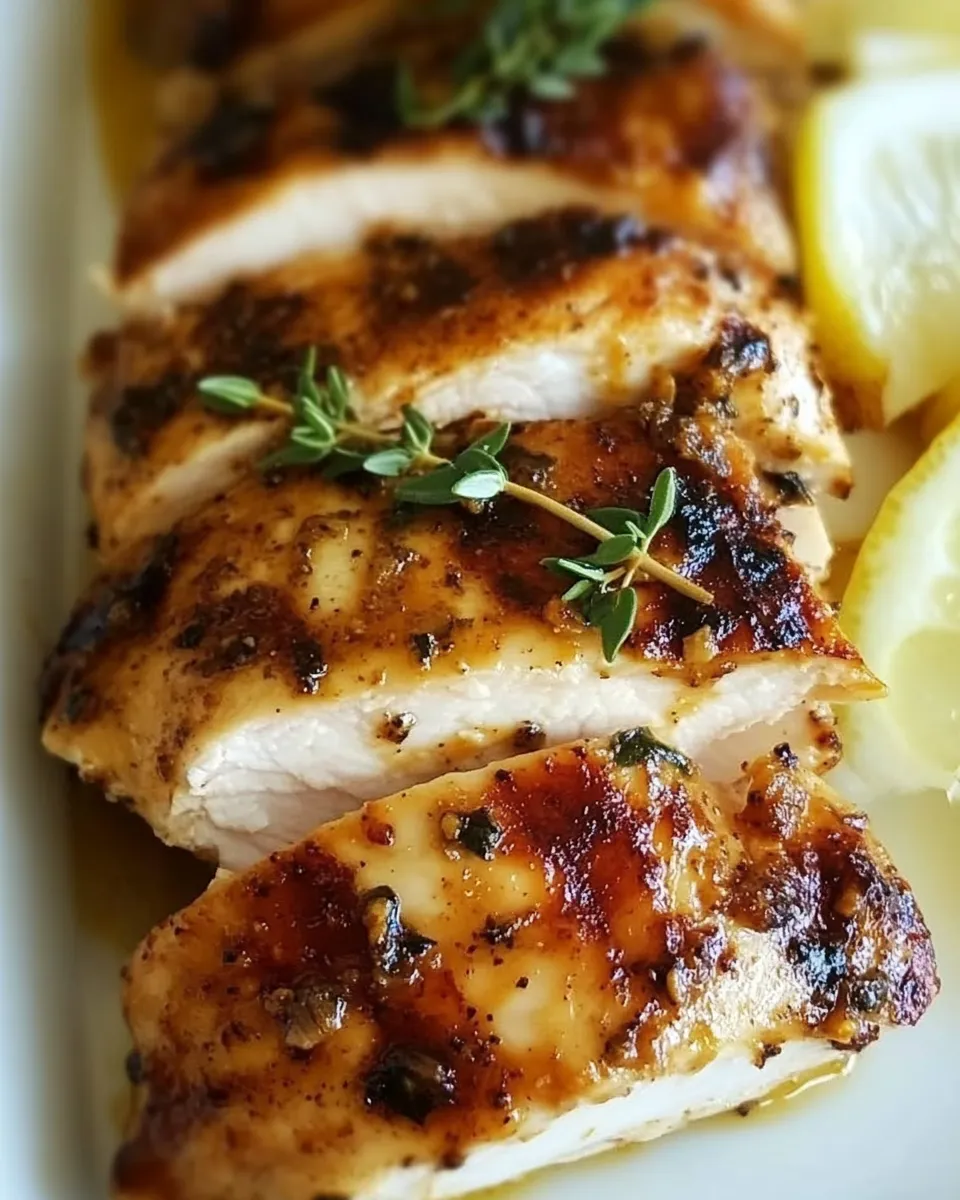
Ingredients
- 2lbs. (1kg) skin-on, bone-in chicken thighs — the skin and bone give flavor and juiciness; don’t debone.
- 4 tablespoons unsalted butter, melted — carries the seasonings and helps the skin brown and crisp.
- 1 tablespoon Cajun seasonings, McCormick Gourmet Cajun Seasonings — the primary spice blend for the dish; use as listed for the intended flavor.
- 1 tablespoon honey — adds a touch of sweetness that balances the spice and helps caramelize the skin.
- 1 teaspoon salt — seasons the chicken through; essential for bringing out the flavors.
- 3 dashes cayenne pepper — adds a focused heat; it’s measured in dashes so it won’t overwhelm when used as directed.
Mastering Cajun Chicken: How-To
- Do not debone the chicken thighs—use the 2 lbs of skin-on, bone-in chicken thighs as listed. Pat the thighs dry with paper towels and set aside.
- In a small bowl, whisk together 4 tablespoons melted unsalted butter, 1 tablespoon Cajun seasonings (McCormick Gourmet Cajun Seasonings), 1 tablespoon honey, 1 teaspoon salt, and 3 dashes cayenne pepper until well combined.
- Place the chicken thighs in a large bowl or a resealable bag. Pour the Cajun butter mixture over the chicken and rub to coat each piece evenly. Let the chicken marinate for 30 minutes (at room temperature) or refrigerate for up to 30 minutes.
- Preheat the oven to 400°F (207°C). Arrange the marinated chicken thighs skin-side up in a single layer in a baking dish, leaving space between pieces. Spoon any remaining butter mixture from the bowl over the chicken.
- Bake in the preheated oven for 20–25 minutes, or until the chicken is cooked through and the skin is browned. The internal temperature should reach 165°F (74°C) when checked with an instant-read thermometer inserted into the thickest part of the thigh without touching bone.
- To deepen the char on the skin, place the baking dish under the broiler for about 10 seconds—watch constantly to avoid burning.
- Transfer the chicken and any pan juices to a platter, drizzle the pan juices/sauce over the chicken, then slice (if desired) and serve.
Why Cooks Rave About It
There are three reasons this recipe becomes a favorite quickly: contrast, efficiency, and reliability. The butter and honey temper the Cajun spices, creating a layered flavor rather than a single-note heat. The skin crisps while the meat stays tender because of the bone and the short, high-temperature cook.
It’s efficient: a short marinade, straightforward whisk-and-rub technique, and a single baking vessel make cleanup minimal. Reliability comes from clear internal temperature guidance—when you stop guessing and use an instant-read thermometer, you consistently end up with perfectly cooked thighs.
Finally, the final broil is a small extra step with a big payoff. That few seconds under high heat creates the caramelized, slightly charred finish that makes people say, “this tastes restaurant-level.”
No-Store Runs Needed
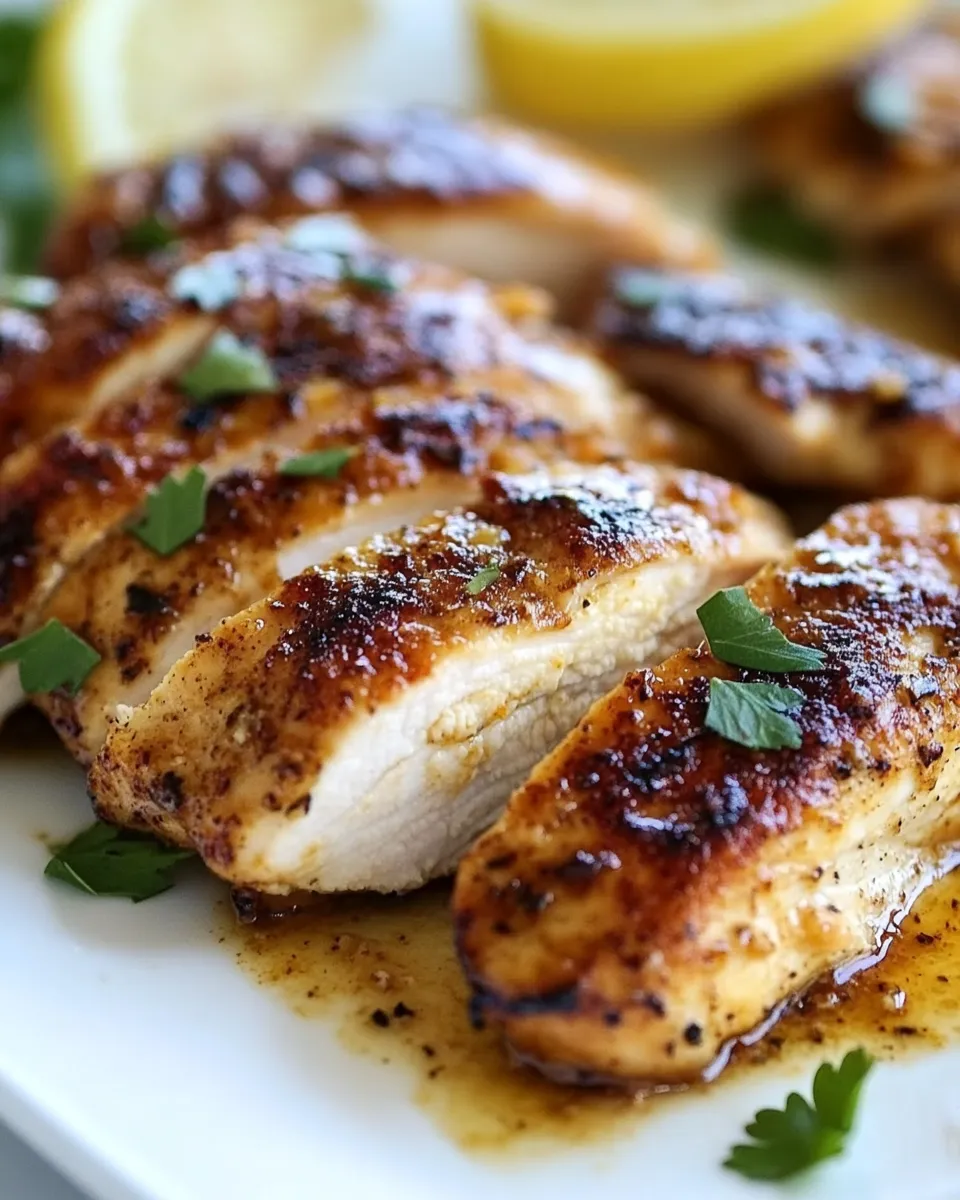
This recipe was intentionally kept to things most home cooks keep on hand: butter, a jar of spice blend, a small squeeze of honey, salt, and a pinch of cayenne. If you have those basics, you’re set. The technique does the heavy lifting, so you don’t need specialty ingredients to get standout results.
Even if you don’t have an exact brand of seasoning, sticking to the outlined amounts will still produce a tasty dish—the Cajun blend is the anchor, but the butter and honey create the real depth.
Cook’s Kit
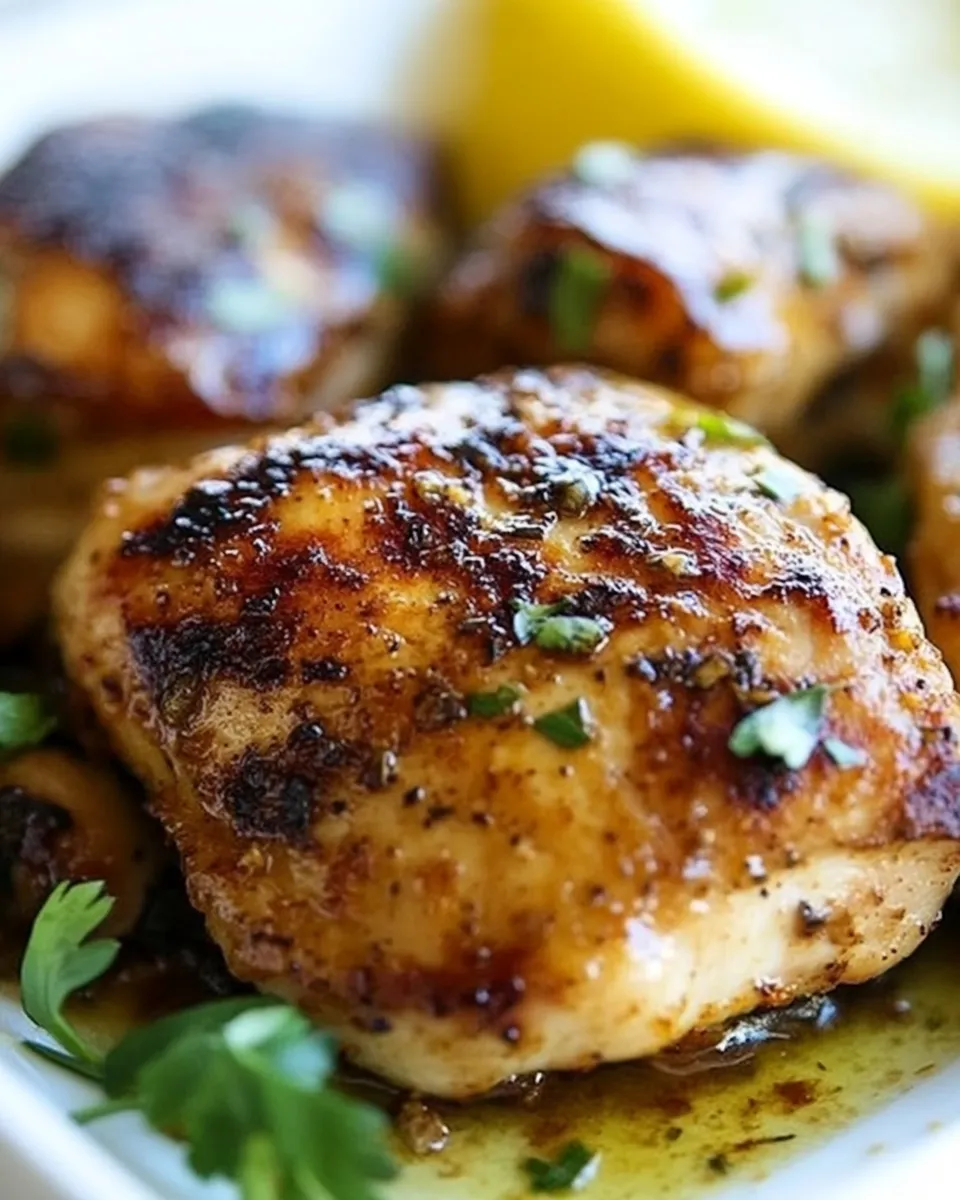
- Baking dish — big enough to hold the thighs in a single layer.
- Small bowl and whisk — for mixing the butter and seasonings.
- Paper towels — for patting the thighs dry (this improves browning).
- Large bowl or resealable bag — to marinate and evenly coat the chicken.
- Instant-read thermometer — the most reliable way to confirm doneness (165°F / 74°C in the thickest part of the thigh, not touching bone).
- Oven with broiler — a brief broil crisps the skin and adds color; watch it closely.
Troubles You Can Avoid
Here are the practical fixes I use when something threatens to go sideways.
- Gummy skin: make sure the thighs are patted very dry before applying the butter mixture. Moisture is the enemy of crispness.
- Burning during broil: keep the broiler step extremely short (about 10 seconds as written) and stand by the oven. Broilers vary widely; err on the safe side.
- Undercooked center: check the internal temperature at the thickest part of the thigh away from the bone. If it’s under 165°F (74°C), return to the oven for a few minutes rather than cutting into it immediately.
- Too spicy: the cayenne is listed as dashes—start conservative and remember that the butter and honey mellow heat. If you prefer less heat, use fewer dashes when you mix the butter.
Seasonal Spins
This preparation pairs well with seasonal sides without altering the main ingredient list. In spring, a simple green salad complements the richness. In summer, serve alongside grilled corn or a light slaw to offset the warmth of the spices. In cooler months, pair with roasted root vegetables or a heap of creamy mashed starchy sides for comfort.
Keep the chicken recipe unchanged and rotate the side dishes to reflect what’s fresh—this keeps the meal feeling new without adding complexity to the core method.
What Could Go Wrong
Here are the likely mishaps and the quick ways to prevent them.
- Problem: Soggy skin from wet chicken. Fix: Pat dry thoroughly before seasoning; if you have time, let the thighs air-dry in the fridge uncovered for 30–60 minutes to tighten the skin.
- Problem: Uneven browning. Fix: Space the thighs so air circulates and don’t crowd the baking dish; turn on the oven rack to a middle position for even heat.
- Problem: Spices not sticking. Fix: Warm melted butter helps the seasonings adhere; rub well so each piece is coated.
- Problem: Overcooked meat while chasing crispy skin. Fix: Rely on oven temperature and finish with a short broil rather than longer baking at higher heat.
Meal Prep & Storage Notes
Cooked chicken thighs store very well. After cooking, cool to room temperature (no more than two hours), then refrigerate in an airtight container for up to 3–4 days. Save any pan juices; they make an easy reheating sauce that keeps the meat moist.
To reheat, warm gently in a 300°F (150°C) oven until heated through, spooning pan juices over the thighs. Microwaving works in a pinch—cover and use short bursts of time to avoid drying—but the oven preserves texture best.
If you want to meal-prep ahead, you can marinate the chicken in the butter mixture and refrigerate for up to 30 minutes as directed. For longer storage, cook fully and freeze portions in a freezer-safe container for up to 2–3 months. Thaw in the refrigerator before reheating.
Ask the Chef
Q: Can I use boneless thighs or chicken breasts instead?
A: This recipe specifically calls for skin-on, bone-in thighs because the bone and skin help retain moisture and impart flavor. Boneless thighs or breasts will cook faster and can dry out more easily. If you must substitute, adjust cooking time and monitor temperature closely.
Q: Do I have to use that specific Cajun seasoning?
A: The recipe lists McCormick Gourmet Cajun Seasonings to set expectations for flavor intensity, but any Cajun-style blend will work. The listed amount balances with the butter and honey—if your blend is saltier or hotter, adjust by eye, but the recipe quantities are a reliable baseline.
Q: My broiler is fierce—what then?
A: Since broiler strength varies, treat the broiler step as a moment for color, not cooking. Ten seconds is a guideline; if your broiler is strong, 5–7 seconds may be enough. Stand at the oven when broiling and be ready to pull the dish out immediately.
Make It Tonight
Plan on roughly 10 minutes of active prep, a 30-minute window including the brief marinade, and 25 minutes in the oven. Start by preheating the oven midway through your 30-minute marinate so everything moves smoothly from countertop to oven.
Steps in a quick timeline:
- Prep and pat dry the chicken (5–10 minutes).
- Mix the butter, Cajun seasoning, honey, salt, and cayenne; coat the thighs and let rest for 30 minutes.
- Preheat to 400°F (207°C) and bake for 20–25 minutes; broil briefly for color. Check for 165°F (74°C).
It’s a solid weeknight winner: bold, straightforward, and made from a short list of pantry-friendly items. Put the steps to work and enjoy the crisp skin and deep, buttery spice. Serve with your favorite simple sides and a cold drink, and you’ve got a meal that feels like a treat without demanding a whole evening in the kitchen.

Cajun Chicken
Ingredients
Ingredients
- 2 lbs. 1 kgskin-on, bone-in chicken thighs
- 4 tablepoonsunsalted butter melted
- 1 tablespoonCajun seasonings McCormick Gourmet Cajun Seasonings
- 1 tablespoonhoney
- 1 teaspoonsalt
- 3 dashescayenne pepper
Instructions
Instructions
- Do not debone the chicken thighs—use the 2 lbs of skin-on, bone-in chicken thighs as listed. Pat the thighs dry with paper towels and set aside.
- In a small bowl, whisk together 4 tablespoons melted unsalted butter, 1 tablespoon Cajun seasonings (McCormick Gourmet Cajun Seasonings), 1 tablespoon honey, 1 teaspoon salt, and 3 dashes cayenne pepper until well combined.
- Place the chicken thighs in a large bowl or a resealable bag. Pour the Cajun butter mixture over the chicken and rub to coat each piece evenly. Let the chicken marinate for 30 minutes (at room temperature) or refrigerate for up to 30 minutes.
- Preheat the oven to 400°F (207°C). Arrange the marinated chicken thighs skin-side up in a single layer in a baking dish, leaving space between pieces. Spoon any remaining butter mixture from the bowl over the chicken.
- Bake in the preheated oven for 20–25 minutes, or until the chicken is cooked through and the skin is browned. The internal temperature should reach 165°F (74°C) when checked with an instant-read thermometer inserted into the thickest part of the thigh without touching bone.
- To deepen the char on the skin, place the baking dish under the broiler for about 10 seconds—watch constantly to avoid burning.
- Transfer the chicken and any pan juices to a platter, drizzle the pan juices/sauce over the chicken, then slice (if desired) and serve.
Equipment
- Small Bowl
- large bowl or resealable bag
- Baking Dish
- Instant-read thermometer
- oven with broiler
Notes
You may add two tablespoons of plain yogurt or Greek yogurt in step 3. Yogurt retains moisture in the chicken.
You may use chicken breast for this recipe. Leave the skin on.
400F is the perfect temperature to bake chicken thighs.
I recommend Challenge brand unsalted butter andMcCormick Gourmet Cajun Seasonings.
You can prepare the Cajun marinade ahead of time and store it in an airtight container. It will keep in the fridge for up to 4 weeks. Use it for seasoning chicken, fish, or shrimp.