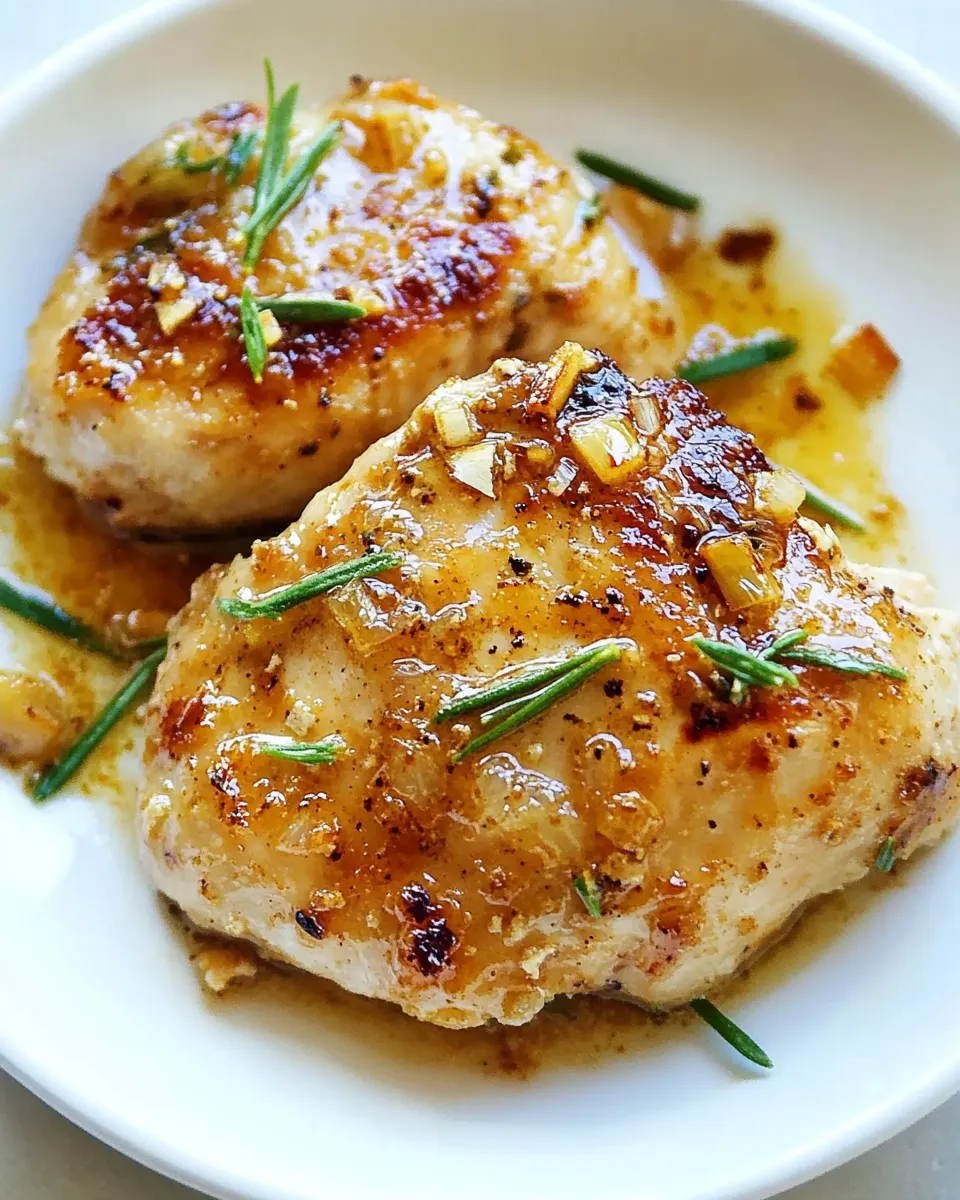
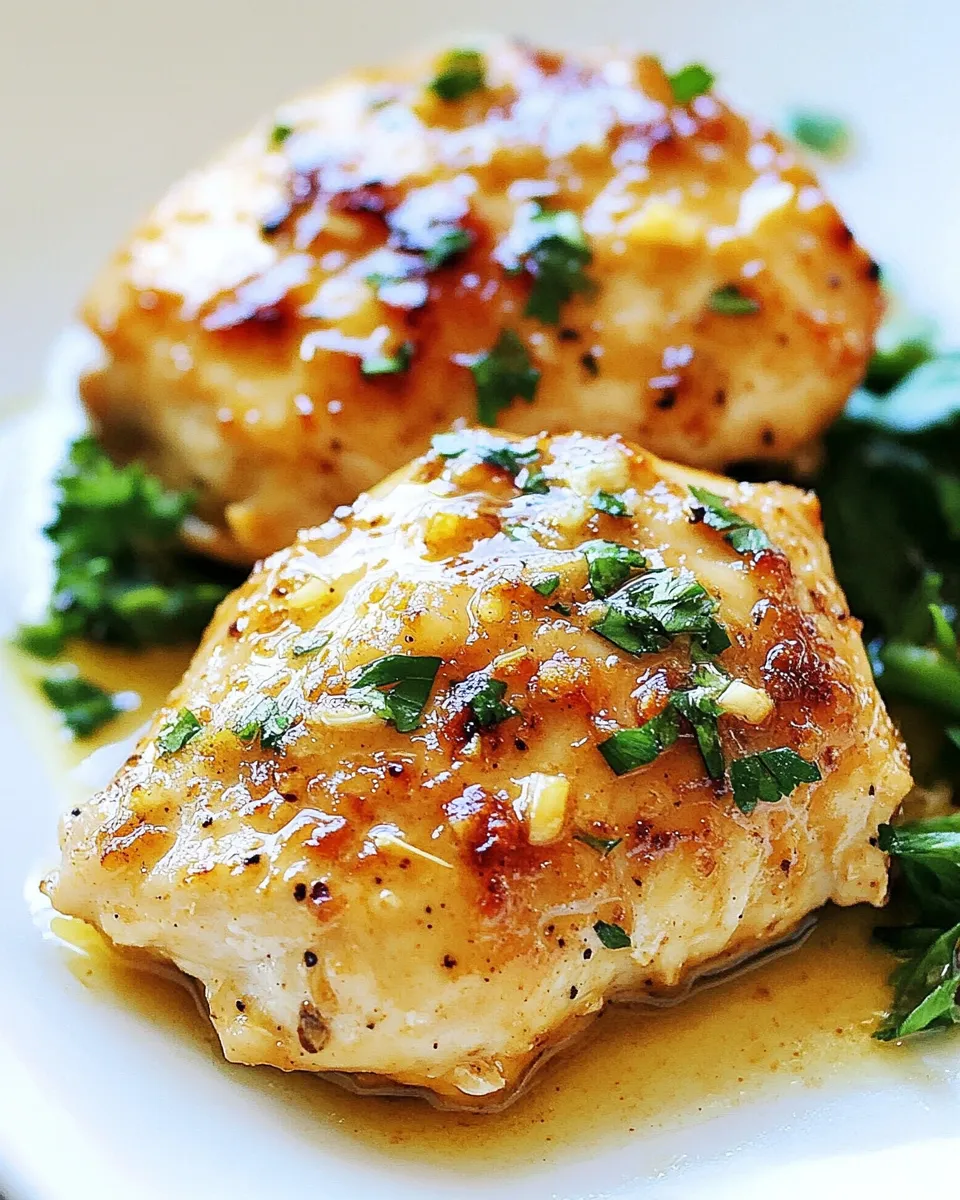
I love recipes that feel like a small, everyday celebration — the kind you can pull together on a weeknight and still feel proud sending to the table. This Chicken Dijon does exactly that: straightforward steps, pantry-friendly ingredients, and a glossy honey-Dijon sauce that clings to crisp, skin-on thighs. It’s the kind of dinner that satisfies quickly without a fuss.
There are no complicated techniques here. The focus is on good heat control to render the skin, catching the flavorful browned bits, and finishing the chicken in a quick, balanced sauce. If you pay attention to timing — and don’t rush the skin — the result is reliably tender chicken with a tangy-sweet coating.
I’ll walk you through exactly what to buy, how to cook it step by step, and why each move matters. You’ll also find practical tips for substitutions, storage, and common missteps so your outcome is consistent every time.
Shopping List
Head to the store with this short list. Everything is pantry-friendly and the quantities are modest, so you can pull this together without a big grocery run.
- 1 lb chicken thighs (deboned and skin on)
- Salt (two pinches required)
- Black pepper
- 2 teaspoons olive oil
- 4 cloves garlic (minced)
- 3 tablespoons honey
- 3 teaspoons Dijon mustard
- 1/4 cup water
Ingredients
- 1 lb chicken thighs, deboned and skin on — skin gives crisp texture and renders fat that flavors the pan sauce.
- 1 pinch salt — seasons the meat up front so the flavor is built into the thighs.
- black pepper — brightens the seasoning; freshly cracked is best if you have it.
- 2 teaspoons olive oil — used in two stages: one to render the skin and one to cook the garlic and build the sauce.
- 4 cloves garlic, minced — adds aromatic depth to the sauce; mince finely so it releases evenly.
- 3 tablespoons honey — balances Dijon’s tang with sweetness and helps the sauce glaze the chicken.
- 3 teaspoons Dijon mustard — the punchy, tangy base of the sauce; provides the dish’s signature flavor.
- 1/4 cup water — loosens the sauce so it coats the chicken without becoming cloying.
- 1 pinch salt — added to the sauce to round out the flavor; it’s listed separately because it’s used at a different step.
Chicken Dijon Made Stepwise
- Pat the 1 lb chicken thighs dry with paper towels. Sprinkle 1 pinch of salt and black pepper evenly on both sides of the chicken.
- Heat a skillet over medium heat and add 1 teaspoon olive oil. Place the chicken skin-side down and cook until the skin is golden and fat renders, about 5–7 minutes. Flip and cook the other side until the chicken is cooked through (juices run clear or internal temperature reaches 165°F), about 5–7 more minutes.
- Remove the chicken from the skillet and set it aside on a plate. Pour off any excess liquid fat from the skillet, leaving the browned bits and juices.
- Return the skillet to medium heat and add the remaining 1 teaspoon olive oil. Add the minced garlic and cook, stirring, just until fragrant and lightly golden, about 30 seconds to 1 minute.
- Add 3 tablespoons honey, 3 teaspoons Dijon mustard, 1/4 cup water, and the second pinch of salt to the skillet. Stir to combine and simmer briefly until the sauce is well blended and slightly thickened, about 1–2 minutes.
- Return the cooked chicken and any accumulated juices on the plate to the skillet. Spoon the sauce over the chicken and heat for 1–2 minutes, turning the chicken to coat it evenly.
- Remove from heat and serve immediately.
The Upside of Chicken Dijon
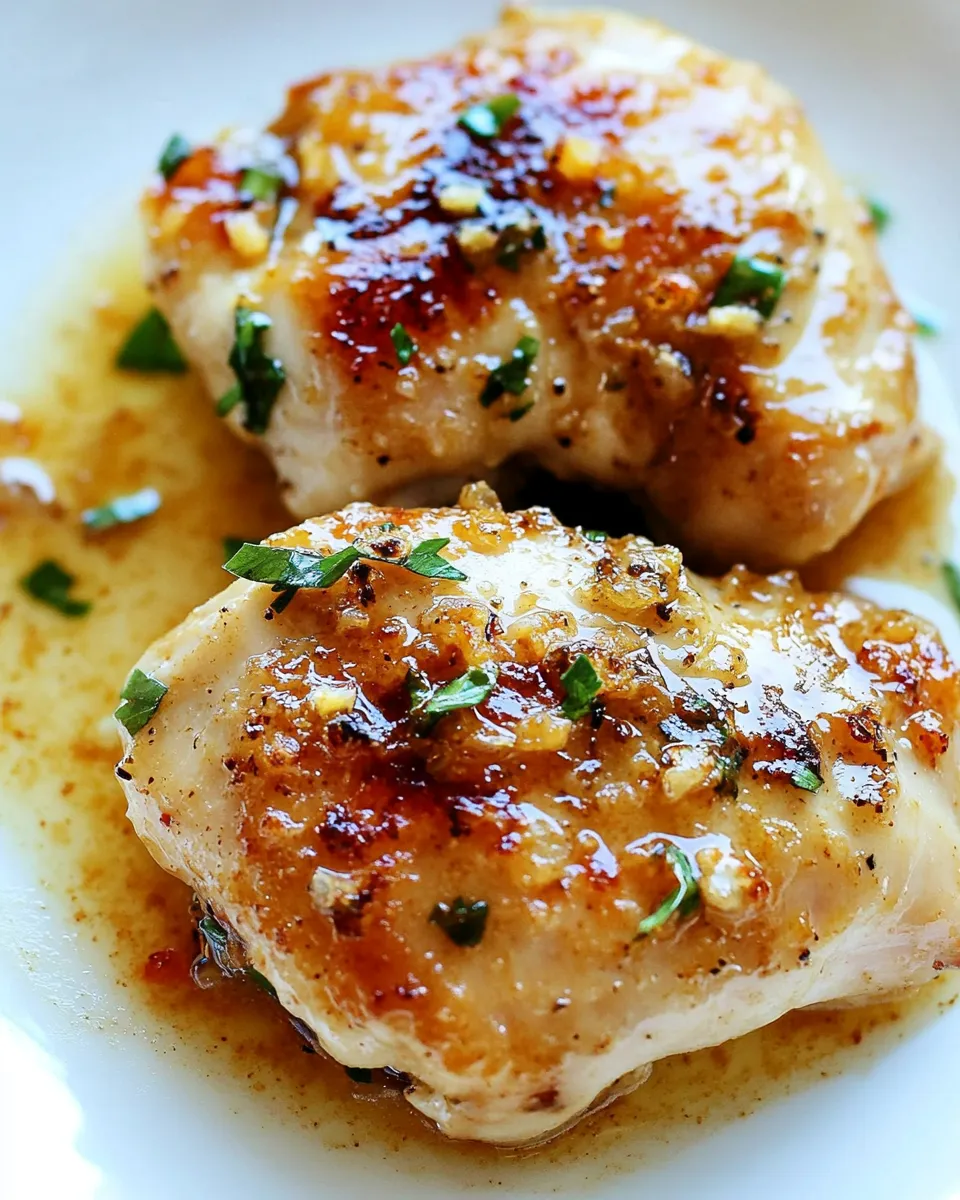
This dish works because it leverages contrasts: crisp skin, tender meat, and a sauce that’s both sweet and tangy. Using skin-on thighs makes the cooking forgiving — thighs are more forgiving than breasts and stay juicy even if you cook a little long. The honey softens Dijon’s sharpness, so the sauce feels balanced without any heavy cream or complicated reductions.
It’s fast. From skillet to table in under 30 minutes for most cooks, and it uses ingredients most people keep on hand. The sauce is concentrated but not overpowering, so it pairs beautifully with simple sides like steamed greens, roasted vegetables, or a quick salad.
Texture-Safe Substitutions
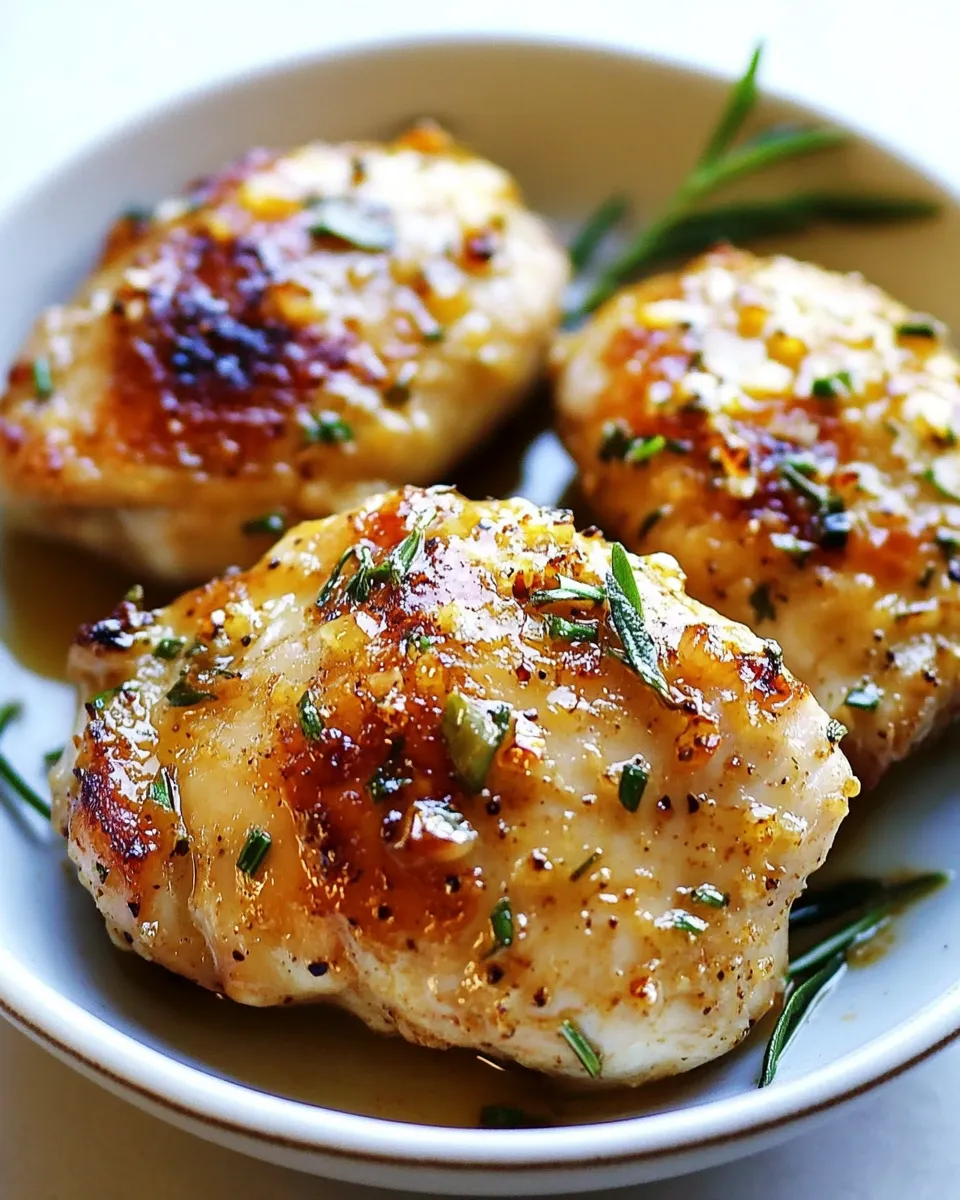
If you need to adjust textures without changing the recipe’s character, focus on technique rather than swapping many ingredients.
- If you prefer leaner meat: remove the skin before cooking. The thighs will be less crisp and the dish will be slightly drier, so watch cooking time carefully.
- If you want a crisper finish: let the skin render fully in the skillet before flipping, and avoid moving the chicken too often during that first sear.
- To soften texture for sensitive eaters: slice the cooked thighs into bite-sized pieces and spoon the sauce over them so every bite is evenly coated and tender.
Equipment at a Glance
- Heavy skillet (cast iron or stainless steel) — helps build a good sear and holds heat steadily.
- Tongs — for safe flipping and turning the thighs.
- Measuring spoons and 1/4-cup measure — for accurate sauce ratios.
- Paper towels — to dry the chicken so the skin crisps up.
- Instant-read thermometer (optional) — to check the chicken reaches 165°F for safety.
- Spoon or small ladle — for spooning sauce over the chicken when finishing.
What Not to Do
There are a few simple missteps that undermine results.
- Don’t skip patting the chicken dry. Moisture on the skin prevents a good sear and leads to steaming rather than crisping.
- Don’t overcrowd the skillet. Crowding lowers the pan temperature and stops the skin from browning properly.
- Don’t cook the garlic too long or at too high a heat when making the sauce — it can go bitter quickly. Follow the short timing in the steps.
- Don’t pour off all the pan fat. Remove just the excess liquid fat but keep the browned bits; they’re the flavor base for your sauce.
In-Season Flavor Ideas
Use the honey-Dijon base as a platform and finish with seasonal touches to complement the dish. Late-summer tomatoes or quick-charred peppers add brightness. In cooler months, roasted root vegetables provide a caramelized counterpoint. If you have fresh herbs on hand, a scatter of chopped parsley, thyme, or chives right before serving adds lift without changing the core recipe.
If You’re Curious
Why does the sauce come together so fast? Honey and Dijon emulsify quickly with a splash of water and heat; the rendered chicken fat and browned bits in the pan carry a lot of flavor, so the sauce only needs brief simmering to thicken and concentrate. The small amount of water keeps the honey from becoming cloying and helps you coat the chicken evenly.
Also, the choice of thigh matters. Skin-on, deboned thighs render fat that enriches the sauce naturally. If you use skinless cuts, the sauce will still taste good, but it will miss some of that depth.
Leftovers & Meal Prep
Storage
Cool leftovers to room temperature, then store in an airtight container in the refrigerator for up to 3 days. The sauce soaks into the meat over time, which can be a benefit for next-day meals.
Reheating
Reheat gently. The oven at 325°F for 10–12 minutes keeps the skin from getting rubbery, or reheat in a skillet over low heat, spooning sauce over the chicken to revive gloss and moisture. Avoid the microwave if you can; it tends to toughen the skin and dry the meat.
Turnovers
Leftover Chicken Dijon is excellent sliced into grain bowls, stuffed into a warm pita, or served cold over a salad for a quick lunch. Because the sauce is balanced, it plays well with both starches and fresh greens.
Top Questions & Answers
- Can I use chicken breast instead? Yes, but breasts cook faster and can dry out. Watch the time closely and remove from heat as soon as the internal temperature hits 165°F.
- How do I thicken the sauce more? Cook it an extra minute or two to reduce, or remove the chicken and simmer briefly to concentrate the sauce. Be careful not to burn the sugars in the honey.
- Is the second pinch of salt really necessary? Yes. The first pinch seasons the raw meat; the second seasons the sauce so the finished dish tastes balanced when spooned over the chicken.
- Can I make this ahead? You can cook the chicken and sauce, cool, and store them separately in the fridge. Reheat together gently to finish.
Hungry for More?
If you liked this easy Chicken Dijon, try using the same honey-Dijon approach on roasted vegetables or a quick salmon fillet. The balance of sweet, tangy, and savory is a versatile framework that adapts well across proteins and seasonal produce. For more weeknight-friendly dinners with simple techniques and bold flavor, come back for another recipe soon.
Chicken Dijon
Ingredients
Ingredients
- 1 lbchicken thighs deboned and skin on
- 1 pinchsalt
- black pepper
- 2 teaspoonsolive oil
- 4 clovesgarlic minced
- 3 tablespoonshoney
- 3 teaspoonsDijon mustard
- 1/4 cupwater
- 1 pinchsalt
Instructions
Instructions
- Pat the 1 lb chicken thighs dry with paper towels. Sprinkle 1 pinch of salt and black pepper evenly on both sides of the chicken.
- Heat a skillet over medium heat and add 1 teaspoon olive oil. Place the chicken skin-side down and cook until the skin is golden and fat renders, about 5–7 minutes. Flip and cook the other side until the chicken is cooked through (juices run clear or internal temperature reaches 165°F), about 5–7 more minutes.
- Remove the chicken from the skillet and set it aside on a plate. Pour off any excess liquid fat from the skillet, leaving the browned bits and juices.
- Return the skillet to medium heat and add the remaining 1 teaspoon olive oil. Add the minced garlic and cook, stirring, just until fragrant and lightly golden, about 30 seconds to 1 minute.
- Add 3 tablespoons honey, 3 teaspoons Dijon mustard, 1/4 cup water, and the second pinch of salt to the skillet. Stir to combine and simmer briefly until the sauce is well blended and slightly thickened, about 1–2 minutes.
- Return the cooked chicken and any accumulated juices on the plate to the skillet. Spoon the sauce over the chicken and heat for 1–2 minutes, turning the chicken to coat it evenly.
- Remove from heat and serve immediately.
Equipment
- Skillet
- Paper Towels
- Plate
Notes
Garlicreally takes the sauce to the next level! Sauté it until it’s lightly browned to bring out that sweet, rich flavor. Just be careful not to burn it—burnt garlic gets bitter, and we want all that savory goodness in the sauce!
Thosechicken drippings in the skillet? That’s liquid gold right there! Don’t even think about tossing it. That flavor-packed goodness is what will take your Honey Dijon sauce to the next level. Pour it right into the sauce for an extra burst of richness!