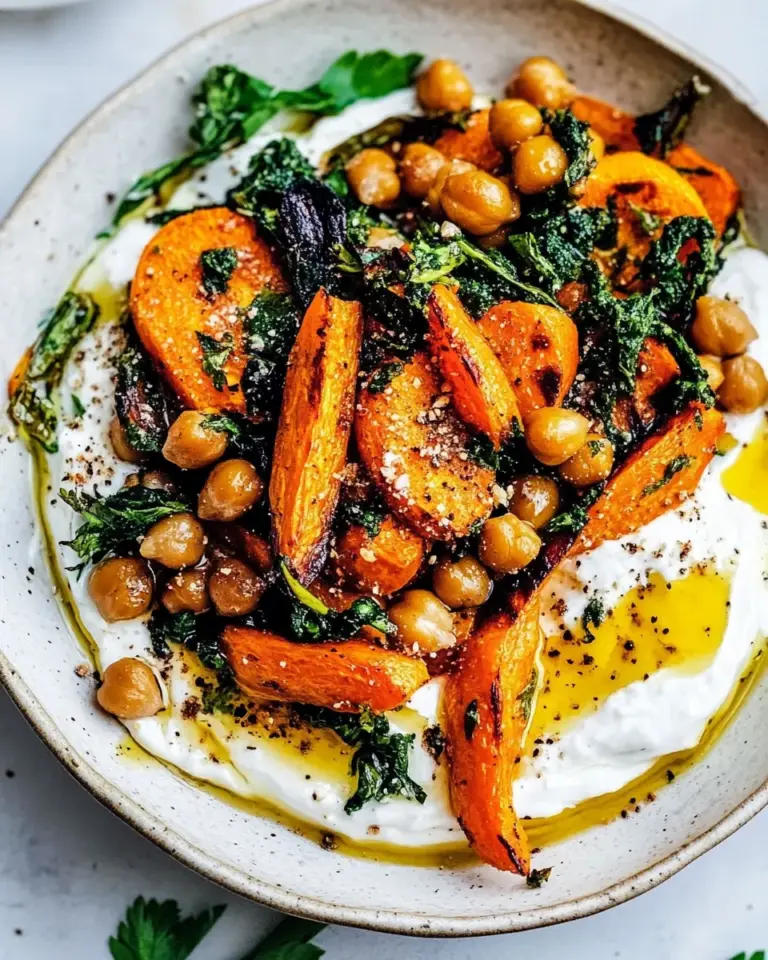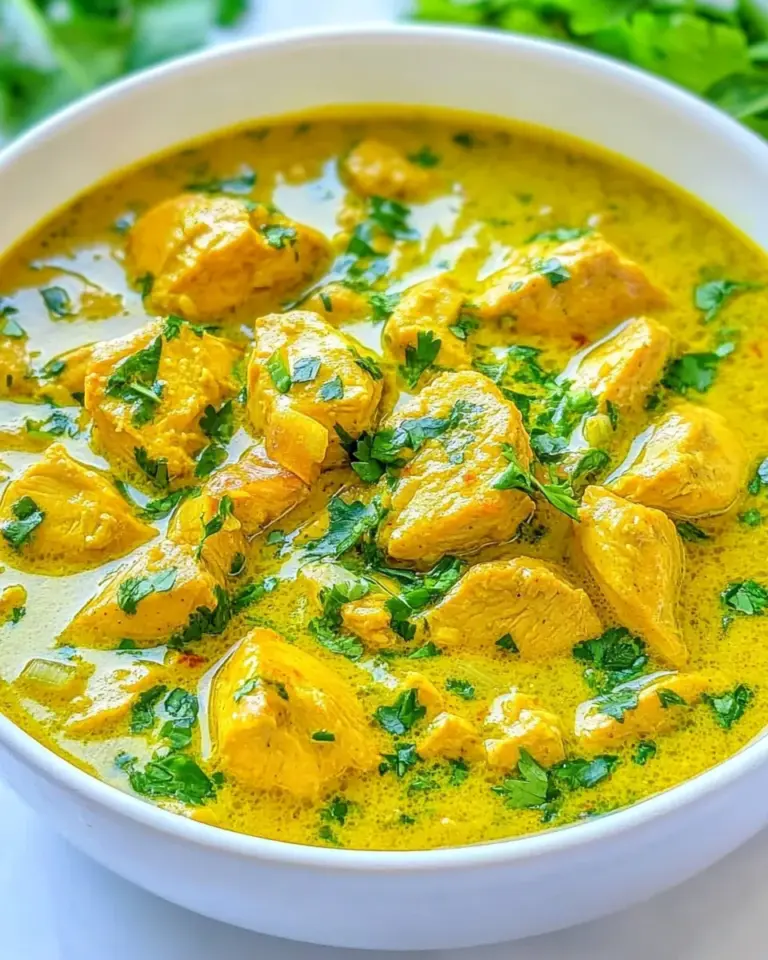
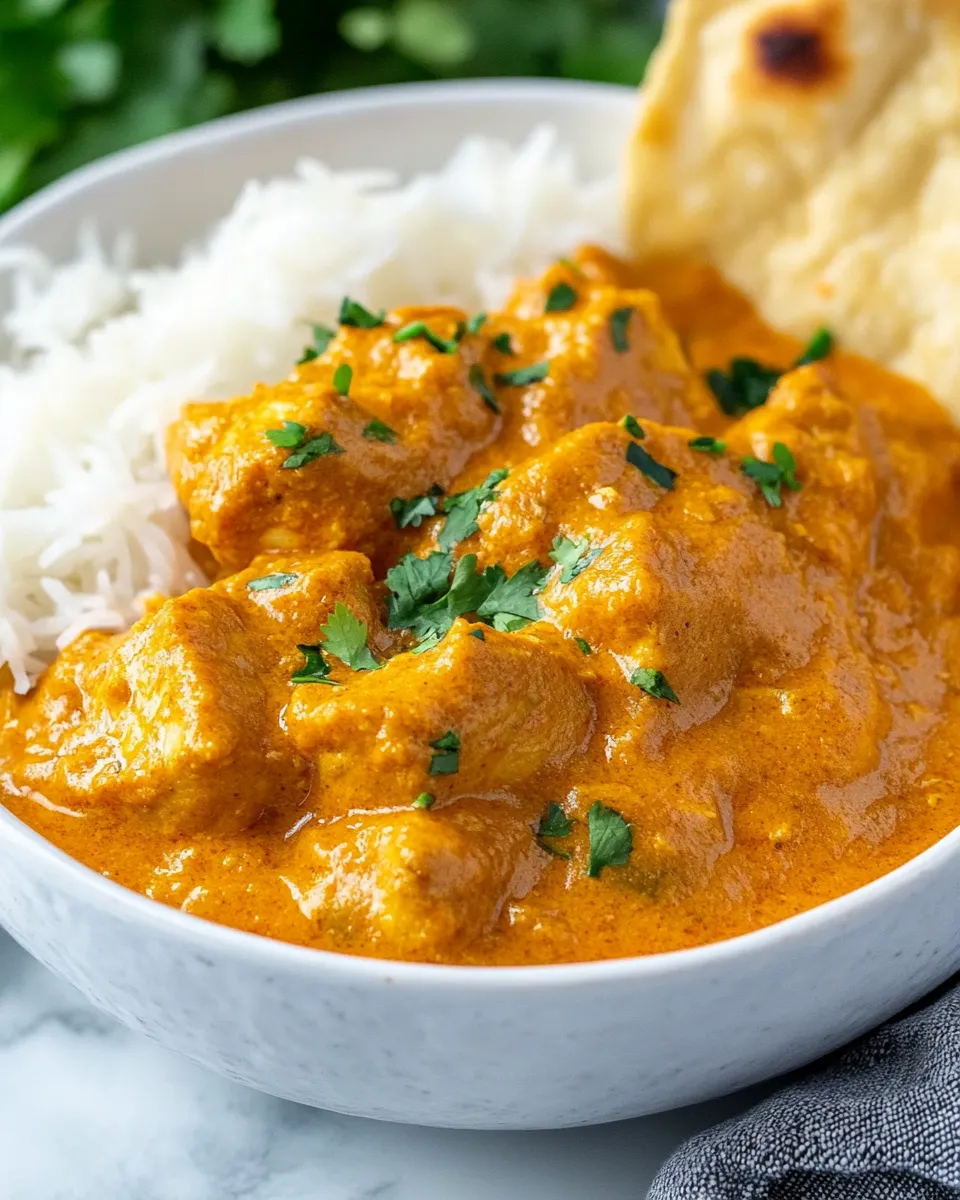
This is my go-to Chicken Korma: comforting, creamy and straightforward. It doesn’t rely on dozens of obscure spices, but rather on a tight, fragrant paste and a gentle simmer in coconut cream. The result is a curry that’s richly textured, slightly sweet, and layered with warm spice — exactly what I want on a weeknight when I still want something that feels special.
I’ll walk you through the exact shopping list, the ingredient roles, and each step so you won’t be guessing about temperatures or timing. There are clear options if you prefer chickpeas or want to mix them with chicken; I’ll call those out where they matter so you can pick your path and follow the same steps without confusion.
No fuss, practical tips, and the small details that make this korma behave — when to add chickpeas, how long to thicken the sauce, and what to expect when you sear the chicken. If you cook from this post, you’ll end up with a dependable, delicious korma that tastes like you spent more time on it than you actually did.
Shopping List
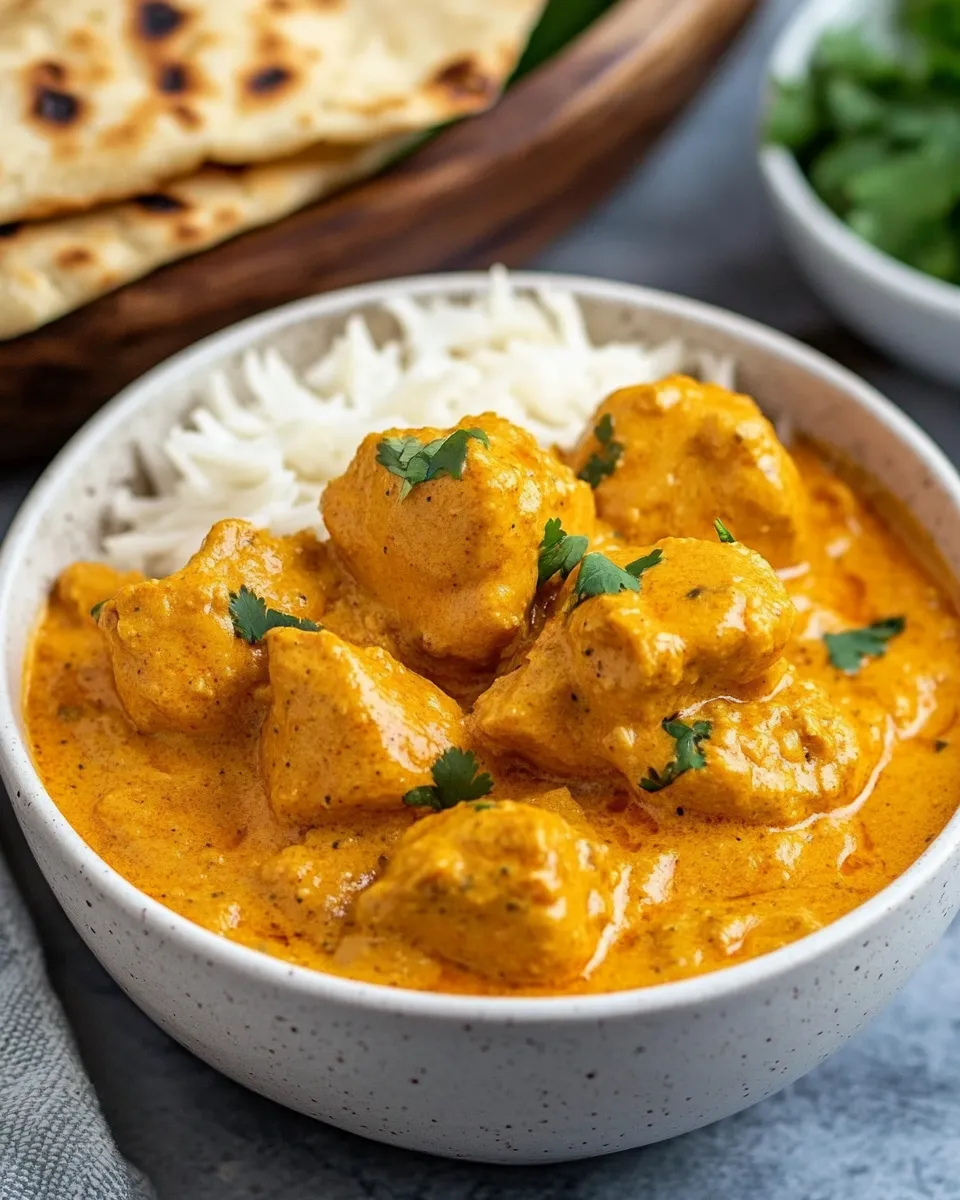
- Almond butter — 3 tablespoons (60 g).
- Garlic — 4 cloves.
- Onion — 1 small.
- Ground cardamom — ½ teaspoon.
- Ground cinnamon — ½ teaspoon.
- Chilli — optional pinch (start with ¼ teaspoon if using).
- Ground coriander — 1 teaspoon.
- Ground ginger — ½ teaspoon.
- Paprika — ½ teaspoon.
- Turmeric — ½ teaspoon.
- Water — ½ cup.
- Chicken breast or boneless thighs — 700 g (or see chickpea options).
- Canned chickpeas — 400 g (optional; or 2 × 400 g cans to replace chicken).
- Coconut cream — 400 ml.
Ingredients
- 3 tablespoons (60 g) almond butter — forms the creamy, nutty body of the paste; can be substituted with cashew butter.
- 4 cloves garlic — adds savory depth and aromatics to the paste.
- 1 onion (small) — provides sweetness and a classic curry base when blended into the paste.
- ½ teaspoon cardamom — a floral lift that’s small but important to the korma profile.
- ½ teaspoon cinnamon — warms the sauce and pairs with the cardamom.
- Pinch of chilli (optional) — controls heat; start with ¼ teaspoon if you want a little warmth.
- 1 teaspoon coriander — adds earthiness and helps round the spice mix.
- ½ teaspoon ginger — brightens and lifts the richer notes.
- ½ teaspoon paprika — color and mild smoke/sweetness.
- ½ teaspoon turmeric — color and gentle bitter edge; classic to curries.
- ½ cup water — thins the paste for blending and helps the spices integrate.
- 700 g chicken breast or boneless thighs — cut into 1–2 cm pieces; the main protein option.
- 400 g canned chickpeas — optional; can be used alongside reduced chicken (500 g) or to replace chicken entirely (2 × 400 g cans).
- 400 ml coconut cream — the cooking liquid that gives the sauce its luxurious, silky finish.
Chicken Korma: From Prep to Plate
- Prepare ingredients: peel and roughly chop 1 small onion; peel 4 cloves garlic; measure 3 tablespoons (60 g) almond butter and ½ cup water; measure each spice (½ teaspoon cardamom, ½ teaspoon cinnamon, optional pinch chilli — start with ¼ teaspoon if using, 1 teaspoon coriander, ½ teaspoon ginger, ½ teaspoon paprika, ½ teaspoon turmeric). If using chicken, cube 700 g chicken breast or boneless thighs into 1–2 cm pieces. If using canned chickpeas, drain the 400 g can(s).
- Make the korma paste: in a blender or food processor combine the chopped onion, garlic, 3 tbsp almond butter, ½ cup water, and all the measured spices. Blitz until a smooth paste forms.
- Heat a large frypan over medium heat. Add the korma paste to the dry pan and cook, stirring frequently, for 2–5 minutes until the paste is fragrant and begins to thicken.
- Add protein:
- If using only chicken (700 g): add the cubed chicken to the pan, stir to coat each piece thoroughly in the paste, and cook until the outside is sealed/opaque (about 5–8 minutes).
- If using a mix (reduce chicken to 500 g + 1 × 400 g can chickpeas): add the 500 g cubed chicken and proceed as above; do not add the chickpeas yet.
- If using chickpeas only (substitute chicken with 2 × 400 g drained chickpea cans): do not add chicken; instead add the drained chickpeas in step 5.
- Add 400 ml coconut cream to the pan and stir to combine with the paste and protein. Bring to a gentle simmer, then reduce heat to low.
- Simmer:
- For chicken (700 g) or chicken + chickpeas (500 g chicken): simmer gently, partially covered, for approximately 20 minutes until the chicken is cooked through and the sauce has darkened and thickened. If using the 400 g can of chickpeas with 500 g chicken, add the drained chickpeas in the last 5 minutes of simmering to heat through.
- For chickpeas only (2 × 400 g cans): simmer the drained chickpeas in the coconut-cream sauce for about 10–15 minutes to warm and allow flavors to meld.
- Check doneness: ensure chicken is fully cooked (no pink inside) or chickpeas are heated through and the sauce has thickened to your liking. Adjust cooking time a few minutes as needed.
Why It’s Crowd-Pleasing
This version of korma focuses on texture and balance. The almond butter creates a creamy, nutty backbone without needing dozens of whole spices. Coconut cream softens the heat and adds a silky mouthfeel that people associate with comfort food. The spice mix — cardamom, cinnamon, coriander, ginger, paprika and turmeric — gives aromatic complexity without being aggressive, so the curry appeals to people who enjoy spice layers rather than just heat.
It’s also flexible: you can make it with all chicken, mix in chickpeas for bulk and fiber, or make it vegetarian with extra chickpeas. That flexibility makes it an easy choice when cooking for a group with mixed preferences. Finally, the timing is predictable; you can simmer and leave it on low while you finish rice or bread, and the flavors only improve a little as it rests.
If You’re Out Of…
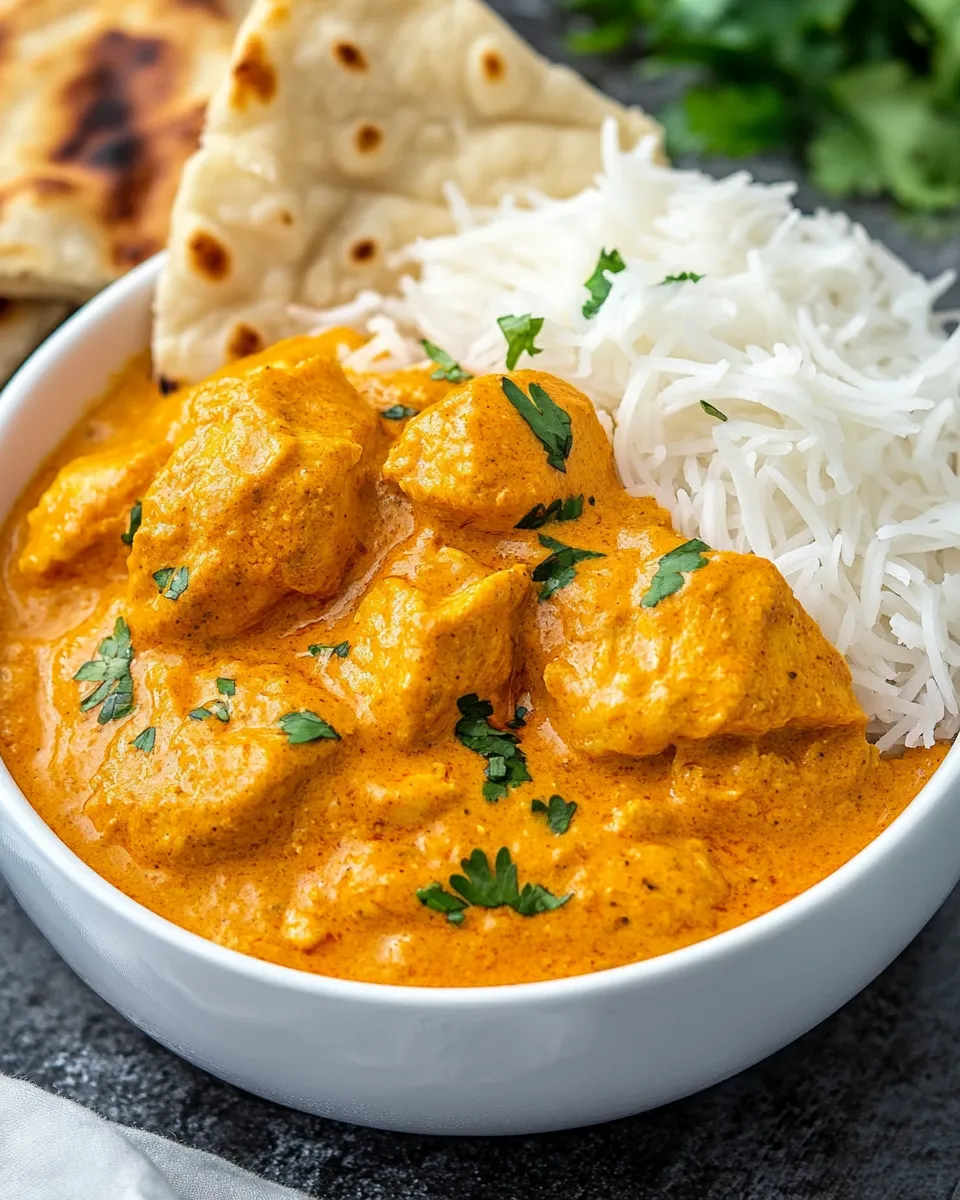
If you don’t have almond butter, the recipe itself notes cashew butter is a straightforward substitute — it keeps the creaminess and neutral nut flavor. If you’ve run out of coconut cream but have coconut milk, use full-fat coconut milk; the sauce will be slightly thinner but still rich. If you’re short on fresh garlic or onion, I recommend postponing substitution since they form the paste’s base; a small amount of powdered garlic or onion can help in a pinch, but flavors won’t be the same.
Tools & Equipment Needed
- Blender or food processor — to blitz the paste smooth.
- Large frypan with a lid (or a wide, shallow saucepan) — gives surface area to seal chicken and simmer the sauce.
- Measuring spoons and a scale or measuring cups — to measure spices and almond butter accurately.
- Spatula or wooden spoon — for stirring the paste and folding in coconut cream.
- Sharp knife and cutting board — to cube the chicken into 1–2 cm pieces.
Errors to Dodge
- Adding coconut cream too early at very high heat — it can separate. Bring the paste to a gentle simmer then reduce to low before adding the coconut cream.
- Skipping the paste cook step — those 2–5 minutes in a dry pan bloom the spices and tame raw onion/garlic notes.
- Overcrowding the pan when searing chicken — add the chicken in a single layer so pieces can seal; otherwise they steam and don’t develop a bit of texture.
- Not checking spice balance — taste after simmering and adjust salt (if you add it) or heat via the optional chilli; the recipe gives a mild backbone, so adjust to your household’s palate.
- Rushing the simmer — the sauce needs time to darken and thicken; be patient for the best depth of flavor.
In-Season Swaps
Stick to the core ingredient options listed: almond butter (or cashew butter), chicken or chickpeas, and coconut cream. The recipe is intentionally minimal so the seasonal swaps are more about what you serve with it than what’s in it. If you want to bulk out the dish without changing the base, add in canned chickpeas (as described) or serve with seasonal roasted vegetables. The important part: when you add additional vegetables, add them late enough that they don’t overcook or detract from the sauce’s texture.
Method to the Madness
Prep
Get everything measured and chopped before you heat the pan. The paste comes together quickly in a blender, and once it hits the pan you’ll need to move at a steady pace. Cube the chicken into 1–2 cm pieces so they cook evenly and absorb the paste.
Paste
The paste is the backbone. Blender it smooth with the water so it disperses easily in the pan. If your blender struggles, scrape and pulse rather than overheat the motor.
Cook
Cook the paste in a dry pan for 2–5 minutes. You’re not browning it; you’re soft-cooking it so the raw edges of the onion and garlic mellow and the spices bloom. Then add protein and seal the pieces so they maintain some texture.
Simmer
Once coconut cream is added, bring to a gentle simmer and reduce heat. Timing differs by protein choice: ~20 minutes for chicken (or chicken + chickpeas), 10–15 minutes for chickpeas only. Adjust a few minutes if your stove runs hot or you prefer a thicker reduction.
Save for Later: Storage Tips
Cool the curry to near room temperature within two hours of cooking, then transfer to an airtight container. Stored in the fridge it will keep 3–4 days. For longer storage, freeze portions for up to 2 months. Thaw overnight in the fridge and reheat gently on the stove over low heat; add a splash of water or coconut milk if the sauce tightens up.
Leftovers often taste even better the next day as the flavors meld. When reheating, stir gently and avoid boiling to prevent the coconut cream from breaking.
Ask the Chef
Q: Can I make this dairy-free? A: Yes — the recipe is already dairy-free thanks to almond butter and coconut cream.
Q: Can I swap almond butter for peanut butter? A: I’d avoid peanut butter because it has a stronger, distinct flavor. Cashew butter is the closest neutral substitute.
Q: How do I know when the chicken is done? A: The pieces should be opaque all the way through with no pink center; a quick internal check with a thermometer should read 75°C (165°F) if you want absolute certainty.
Q: I want more heat — when do I add it? A: Use the optional chilli in the paste stage so the heat infuses the whole sauce. Taste and add a little extra at the end if needed.
See You at the Table
Make this Chicken Korma when you want a reliably cozy meal that still feels a little special. It’s straightforward to scale, forgiving in the hands of a busy cook, and flexible enough to suit different diets. Whether you’re feeding a family, batch-cooking for the week, or making something for guests, the steps here set you up for consistent results.
When you make it, take a moment to notice the paste as it softens in the pan — that smell is the sign your korma is on its way to being something lovely. Then sit down and enjoy it with rice, bread, or whatever your household likes. See you at the table.
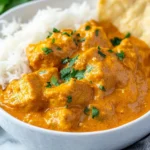
Chicken Korma
Ingredients
Ingredients
- ?3 tablespoonalmond butter60 g | Can be substituted for cashew butter
- ?4 clovesgarlic
- ?1 onion small
- ?1/2 teaspooncardamon
- ?1/2 teaspooncinnamon
- ?1 pinchchillithis is optional and as little or as much can be used I would start with 1/4 of a teaspoon
- ?1 teaspooncoriander
- ?1/2 teaspoonginger
- ?1/2 teaspoonpaprika
- ?1/2 teaspoonturmeric
- ?1/2 Cupwater
- ?700 gchickenbreast or boneless chicken thighs. Or reduce chicken to 500 g and add a 400 g of chickpeas, or substitute the chicken for 2 x 400 g cans of chickpeas
- ?400 gcanned chickpeasoptional
- ?400 mlcoconut cream
Instructions
Instructions
- Prepare ingredients: peel and roughly chop 1 small onion; peel 4 cloves garlic; measure 3 tablespoons (60 g) almond butter and ½ cup water; measure each spice (½ teaspoon cardamom, ½ teaspoon cinnamon, optional pinch chilli — start with ¼ teaspoon if using, 1 teaspoon coriander, ½ teaspoon ginger, ½ teaspoon paprika, ½ teaspoon turmeric). If using chicken, cube 700 g chicken breast or boneless thighs into 1–2 cm pieces. If using canned chickpeas, drain the 400 g can(s).
- Make the korma paste: in a blender or food processor combine the chopped onion, garlic, 3 tbsp almond butter, ½ cup water, and all the measured spices. Blitz until a smooth paste forms.
- Heat a large frypan over medium heat. Add the korma paste to the dry pan and cook, stirring frequently, for 2–5 minutes until the paste is fragrant and begins to thicken.
- Add protein: - If using only chicken (700 g): add the cubed chicken to the pan, stir to coat each piece thoroughly in the paste, and cook until the outside is sealed/opaque (about 5–8 minutes). - If using a mix (reduce chicken to 500 g + 1 × 400 g can chickpeas): add the 500 g cubed chicken and proceed as above; do not add the chickpeas yet. - If using chickpeas only (substitute chicken with 2 × 400 g drained chickpea cans): do not add chicken; instead add the drained chickpeas in step 5.
- Add 400 ml coconut cream to the pan and stir to combine with the paste and protein. Bring to a gentle simmer, then reduce heat to low.
- Simmer: - For chicken (700 g) or chicken + chickpeas (500 g chicken): simmer gently, partially covered, for approximately 20 minutes until the chicken is cooked through and the sauce has darkened and thickened. If using the 400 g can of chickpeas with 500 g chicken, add the drained chickpeas in the last 5 minutes of simmering to heat through. - For chickpeas only (2 × 400 g cans): simmer the drained chickpeas in the coconut-cream sauce for about 10–15 minutes to warm and allow flavors to meld.
- Check doneness: ensure chicken is fully cooked (no pink inside) or chickpeas are heated through and the sauce has thickened to your liking. Adjust cooking time a few minutes as needed.
Equipment
- Blender or Food Processor
Notes
Use a good quality coconut cream, you want it to be thick when it pours out of the can
Don't let the curry boil on a high heat, you just want a gentle simmer, otherwise, the coconut cream can lose its thickness and your curry will be thin and runny.
This is a rich curry, be sure to serve it with plenty of vegetables on the side to lighten it up, green beans, roasted cauliflower, cucumber sticks are all nice