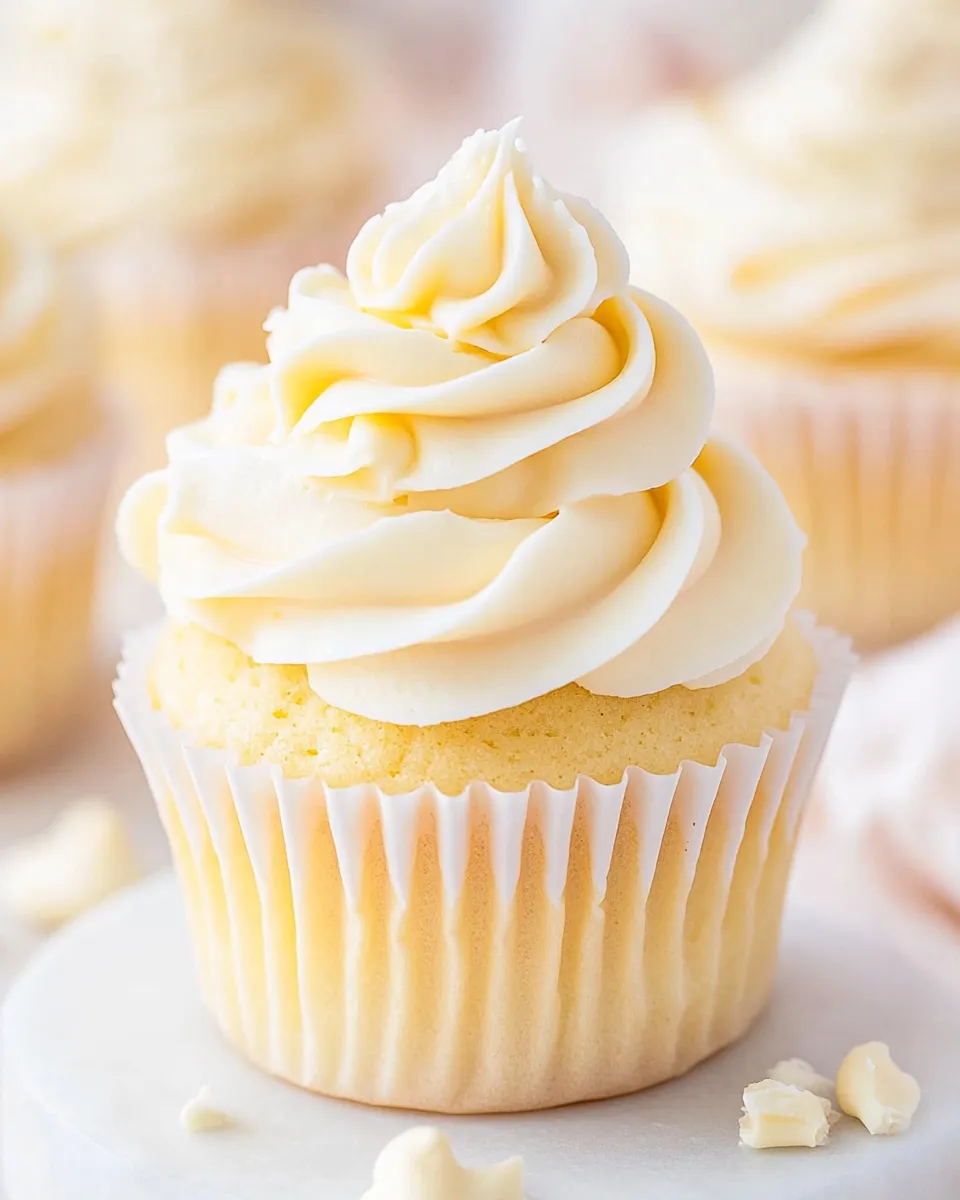
White Chocolate Buttercream is one of those frostings that reads as pure indulgence and actually delivers on taste and texture. It’s glossy, rich, and surprisingly light when whipped properly. I reach for it when I want a frosting that feels special but still behaves well on cakes and cupcakes.
There’s a little technique involved — tempering the chocolate with cool-down time and keeping the butter at the right temperature — but it’s straightforward. Follow the steps and you’ll end up with a stable, spreadable buttercream that tastes like dessert on its own. This post gives the recipe, practical tips, troubleshooting, and ways to adapt it to your kitchen routine.
I test recipes in a small, busy kitchen and write from that perspective: clear, practical, and focused on results. Read on for the exact ingredients, step-by-step directions, common mistakes to avoid, and answers to the questions I get asked most about White Chocolate Buttercream.
What We’re Using
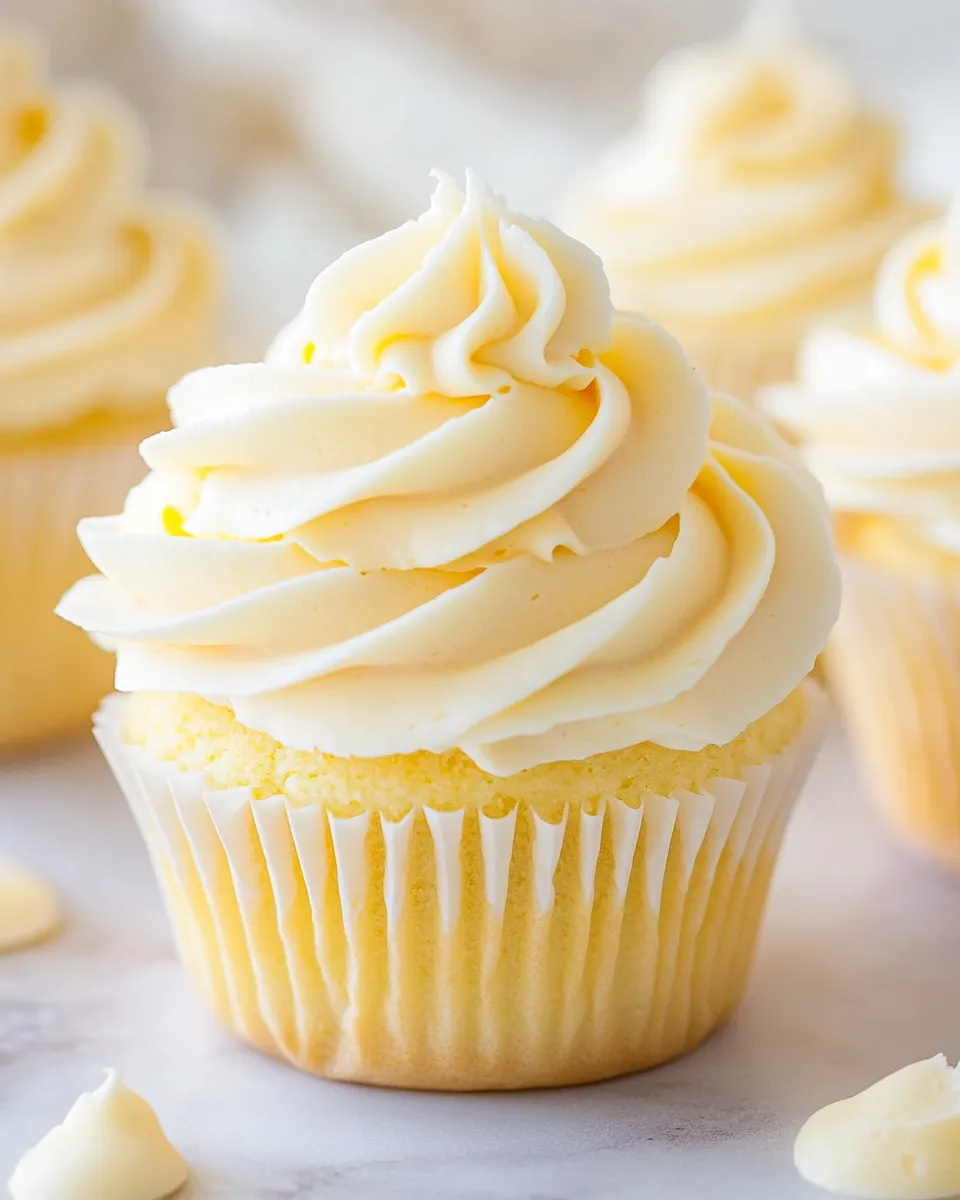
These are the raw materials and small equipment choices that make this buttercream shine. Use the best-quality white chocolate you can find and keep an eye on temperatures — they dictate success here.
Ingredients
- ?8ouces(225g)premium white chocolate baking bar — Provides sweetness, structure, and the classic white chocolate flavor; chop into small pieces for even melting.
- ?1cup(225g)unsalted buttersoftened to room temperature, 2 sticks in total — The base for texture and stability; room temperature is key so it creams smoothly.
- ?2cups(250g)powdered sugar — Sweetens and helps thicken the buttercream; add gradually to avoid dust and lumps.
- ?1-2tablespoons(15ml)heavy whipping creamdouble cream in the UK — Adjust for consistency; start with 1 tablespoon and add more if you want a looser frosting.
- ?1teaspoon(5ml)pure vanilla extract — Balances sweetness and enhances flavor; use pure extract for best results.
- ??teaspoonsalt — Cuts the sweetness and rounds out the flavor; use the amount shown in the ingredient list as your guide.
White Chocolate Buttercream: Step-by-Step Guide
- Break the white chocolate into pieces and place in a microwave-safe bowl. Microwave at 50% power for 1 minute, stir, then continue melting in 30-second intervals, stirring between each, until the chocolate is completely melted and smooth. Do not overheat.
- Let the melted chocolate cool until it is no longer warm to the touch but still pourable (cool enough that it will not melt the butter when combined).
- In a mixing bowl, beat the softened unsalted butter with a hand mixer until smooth and creamy, about 1 minute. Scrape down the bowl as needed.
- Pour the slightly cooled melted chocolate into the butter and mix on low speed until the chocolate and butter are fully combined and uniform in color. Scrape the bowl and beaters as needed.
- With the mixer on low, gradually add the powdered sugar a little at a time until incorporated and no dry pockets remain.
- Add the heavy whipping cream (1–2 tablespoons), the vanilla extract (1 teaspoon), and the salt (use the amount shown in the ingredient list). Increase the mixer speed and whip until the buttercream is smooth, light, and fluffy.
Top Reasons to Make White Chocolate Buttercream
- Decadent flavor: White chocolate gives a rich, creamy sweetness that feels luxurious without being heavy.
- Versatile: Use it to frost cakes, cupcakes, macarons, or as a filling for cookies and sandwich cakes.
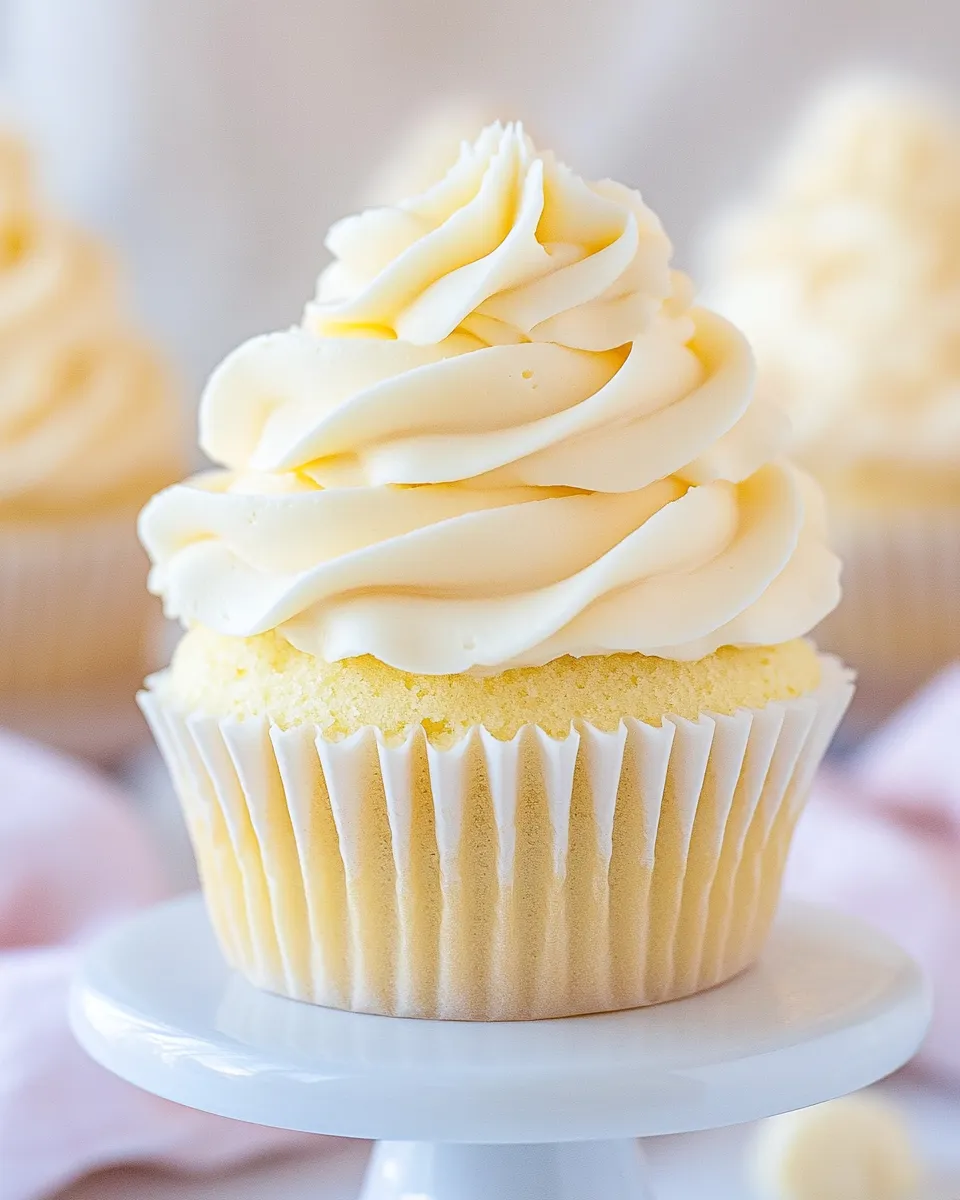
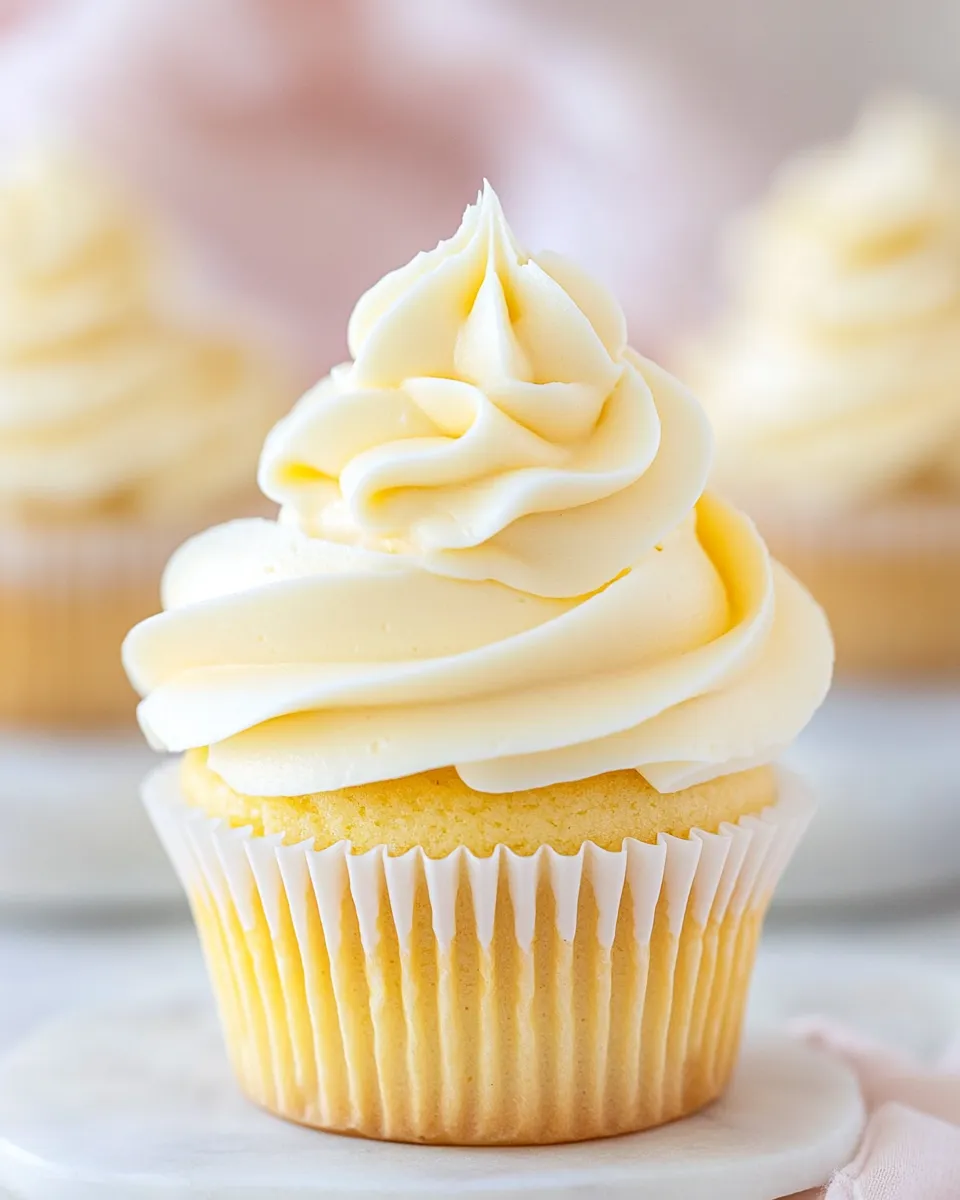
- Stable and spreadable: When made correctly it holds peaks and pipes well while staying soft enough to spread smoothly.
- Beautiful color: Its pale ivory tone works well with delicate decorations and colored drips without overpowering them.
- Customizable: You can tweak cream, extracts, or add citrus zest for bright notes — small changes make a big difference.
Ingredient Flex Options
You don’t have to be rigid with every component, but a few swaps and adjustments will affect flavor and texture. Below are realistic options and what to expect when you use them.
- Different white chocolate: Lower-quality bars can be waxy or overly sweet. If you must substitute, choose a reputable brand and accept a slight change in texture.
- Butter variations: Salted butter will change the salt balance. If you use salted, reduce added salt or skip it entirely and taste as you go.
- Cream amount: The recipe lists 1–2 tablespoons; start with 1 and add the second tablespoon only if the buttercream feels stiff. More cream makes it softer and lighter, but add sparingly.
- Vanilla alternatives: Almond or orange extract can give an interesting twist, but use sparingly — extracts are concentrated.
- Powdered sugar: If your powdered sugar is very dense, sift it before adding to avoid lumps and to keep the frosting smooth.
Appliances & Accessories
- Hand mixer or stand mixer — A mixer gives the best texture; hand mixer is perfectly fine for small batches.
- Microwave-safe bowl — For melting the chocolate safely in short bursts.
- Rubber spatula — Essential for scraping the bowl and making sure everything combines evenly.
- Measuring cups and spoons — Accurate measures keep the balance between butter, sugar, and cream consistent.
- Optional: small food thermometer — Helpful if you want to be precise about chocolate temperature when cooling it before adding to butter.
Mistakes That Ruin White Chocolate Buttercream
- Adding warm chocolate to warm butter — This will melt the butter and turn the mixture greasy. Always cool the chocolate until it’s not warm to the touch.
- Overheating the chocolate — White chocolate burns easily and becomes grainy. Melt gently at half power and stir frequently.
- Using butter that’s too cold — Cold butter won’t become smooth and you’ll get lumps. Bring butter to room temperature before starting.
- Dumping all the powdered sugar in at once — This creates dust, pockets of dry sugar, and an uneven texture. Add gradually on low speed.
- Skipping the salt — White chocolate is very sweet; a small amount of salt balances and prevents cloying sweetness.
Tailor It to Your Diet
Want to adapt this buttercream for dietary needs? Here are practical options that keep the spirit of the recipe while accommodating restrictions.
- Lower lactose / dairy-free: Use a vegan white chocolate and a vegan butter substitute; note that texture and flavor will shift. Choose a high-quality vegan chocolate for best results.
- Reduced-sugar approach: White chocolate and powdered sugar define this frosting, so reducing sugar will significantly alter flavor and texture. If you must, work with smaller cakes and less frosting instead of changing the core recipe.
- Allergen substitutions: If vanilla extract is a concern, use a food-grade vanilla powder or omit and increase cream slightly for dilution of sweetness.
Behind the Recipe
This buttercream works because of controlled temperature and the right mixing technique. White chocolate is cocoa butter plus sugar and milk solids. Melt it gently so the cocoa butter stays smooth. If the chocolate is too hot when it meets butter, the butter’s fat phase will break and you’ll get a greasy or separated consistency.
Whipping introduces air, making the frosting light. Powdered sugar helps stabilize the structure and the cream loosens it so it’s spreadable. Salt and vanilla balance and amplify the flavors — without them the frosting can taste flat and overly sweet.
I developed this version by testing small temperature adjustments and mixing times. Cooling the chocolate until it’s pourable but not warm is the single most important step. From there, slow combining and gradual sugar addition prevent graininess and encourage a shiny, consistent finish.
Shelf Life & Storage
Store freshly made buttercream in an airtight container. Here’s how to keep it at peak quality:
- Room temperature: Up to 1 day in a cool kitchen. Keep covered to prevent drying.
- Refrigerator: Up to 5 days. Bring to room temperature and re-whip briefly before using to restore texture.
- Freezer: Up to 2 months. Thaw overnight in the refrigerator, then bring to room temperature and re-whip to reincorporate air.
Top Questions & Answers
- Q: My buttercream looks grainy after adding the chocolate — what happened? — A: The chocolate was likely overheated or not fully melted smoothly. Reheat gently in short bursts and stir. If the texture is set, chilling briefly and re-whipping can sometimes help, but prevention (gentle melting) is best.
- Q: Can I use white chocolate chips instead of a baking bar? — A: Yes, but chips often contain stabilizers that affect melting behavior. A high-quality white chocolate baking bar usually melts more smoothly.
- Q: How do I fix a runny buttercream? — A: Chill it briefly, then whip again. If still loose, add a small dusting of powdered sugar and re-whip, or reduce cream slightly next time.
- Q: Can I color this buttercream? — A: Yes. Use gel or paste food coloring sparingly to avoid adding water which can break the frosting. Fold in color and whip briefly to distribute.
- Q: Will this hold up in warm weather? — A: It’s more delicate than chocolate buttercreams that use shortening. Keep finished cakes cool and consider serving in a cooler environment. For outdoor events, store cakes in a shaded, cool spot until serving.
Hungry for More?
If you loved this White Chocolate Buttercream, try pairing it with a light citrus cake — the brightness of lemon or orange cuts through the sweetness beautifully. You can also experiment with a thin layer of fruit curd between cake layers to add contrast.
I post variations and troubleshooting notes regularly. If you try this recipe, take a photo and note any changes you made — I love hearing what works in other kitchens. Happy baking, and enjoy the frosting!
White Chocolate Buttercream
Ingredients
Ingredients
- ?8 ouces 225 gpremium white chocolate baking bar
- ?1 cup 225 gunsalted buttersoftened to room temperature, 2 sticks in total
- ?2 cups 250 gpowdered sugar
- ?1-2 tablespoons 15 mlheavy whipping creamdouble cream in the UK
- ?1 teaspoon 5 mlpure vanilla extract
- ??teaspoonsalt
Instructions
Instructions
- Break the white chocolate into pieces and place in a microwave-safe bowl. Microwave at 50% power for 1 minute, stir, then continue melting in 30-second intervals, stirring between each, until the chocolate is completely melted and smooth. Do not overheat.
- Let the melted chocolate cool until it is no longer warm to the touch but still pourable (cool enough that it will not melt the butter when combined).
- In a mixing bowl, beat the softened unsalted butter with a hand mixer until smooth and creamy, about 1 minute. Scrape down the bowl as needed.
- Pour the slightly cooled melted chocolate into the butter and mix on low speed until the chocolate and butter are fully combined and uniform in color. Scrape the bowl and beaters as needed.
- With the mixer on low, gradually add the powdered sugar a little at a time until incorporated and no dry pockets remain.
- Add the heavy whipping cream (1–2 tablespoons), the vanilla extract (1 teaspoon), and the salt (use the amount shown in the ingredient list). Increase the mixer speed and whip until the buttercream is smooth, light, and fluffy.
Equipment
- Electric Hand mixer or Stand mixer
Notes
Make sure that you start with room-temperature butterfor the best results. Do not attempt to make this with cold butter as it won’t mix properly with the sugar and will curdle and separate.
Use high-quality white chocolate bars. White chocolate chips don’t melt very well, and might affect the texture of the frosting. If you want use chocolate chips, I recommend going for a premium brand like Ghirardelli.
To avoid air bubbles from forming, avoid using the whisk attachment and use a flat paddle attachment instead.
Scrape down the bowlas needed to make sure that your frosting is well blended.