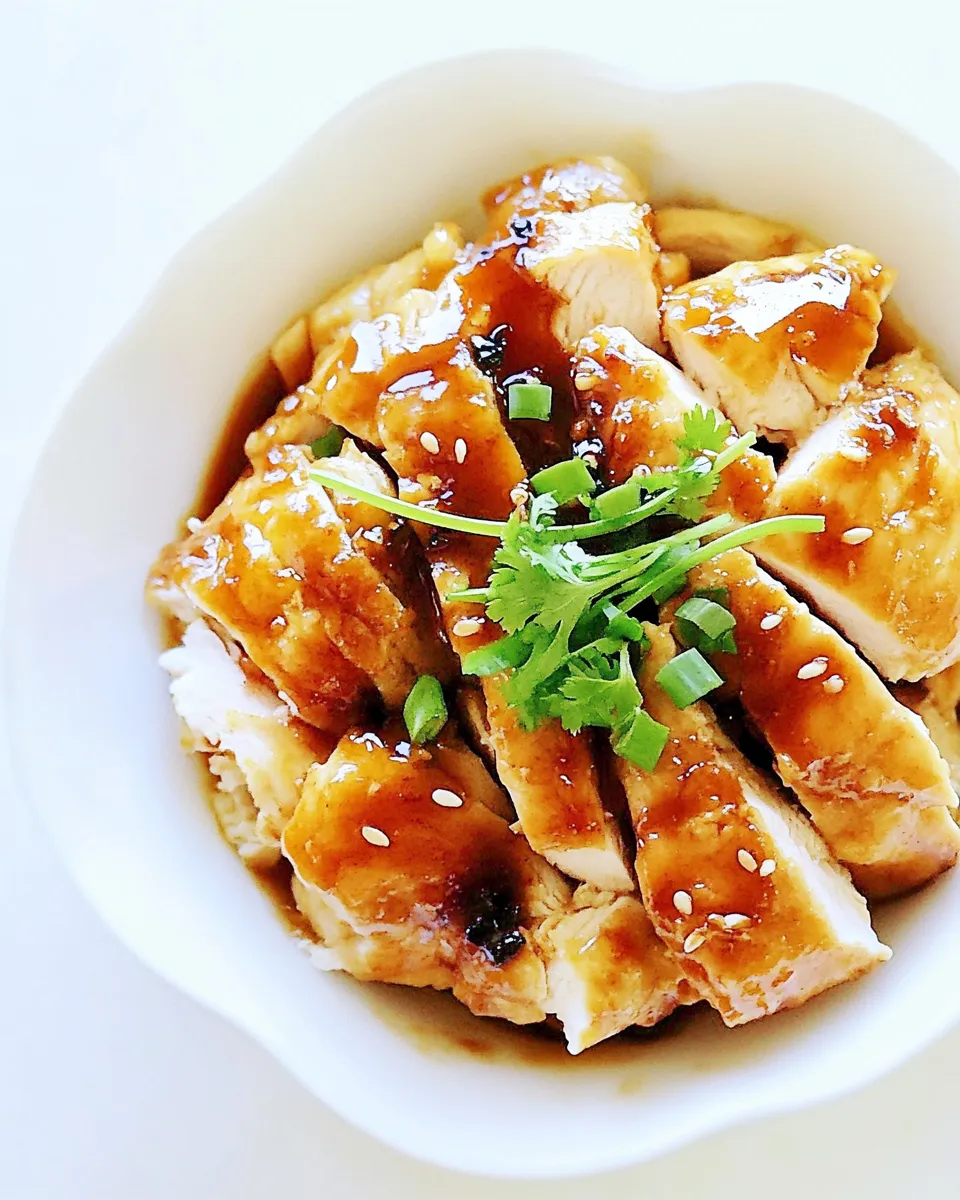
I make this Mandarin-style chicken whenever I want a quick, bright dinner that still feels special. It uses simple pantry ingredients, cooks fast, and rewards you with a glossy, lemony-sweet sauce and tender chicken. No deep frying, no complicated marinades—just straightforward technique and a few minutes at the stove.
In this post I’ll walk you through everything you need: the exact ingredient list I used, the simple pan-fry method, common mistakes and how to avoid them, and variations you can try depending on what you have on hand. I keep the writing practical and clear so you can get dinner on the table without guesswork.
Ingredients
- 2skinless and boneless chicken breasts — the main protein; trimmed and patted dry so they brown evenly.
- oil,for pan-frying — a thin layer in the skillet so the chicken doesn’t stick and develops a golden crust.
- scallion,chopped , for garnishing — adds a fresh, bright finish when sprinkled over the plated chicken.
- 4tablespoonssoy sauce — the salty umami base of the sauce; provides depth and color.
- 1tablespoonlemon juice — lifts the sauce with acidity and gives the Mandarin-style tang.
- 2tablespoonssugar — balances the soy and lemon with gentle sweetness and helps the sauce thicken.
- 3slicesginger,peeled — infuses the sauce with warm, aromatic ginger flavor while it simmers.
What’s in the Bowl
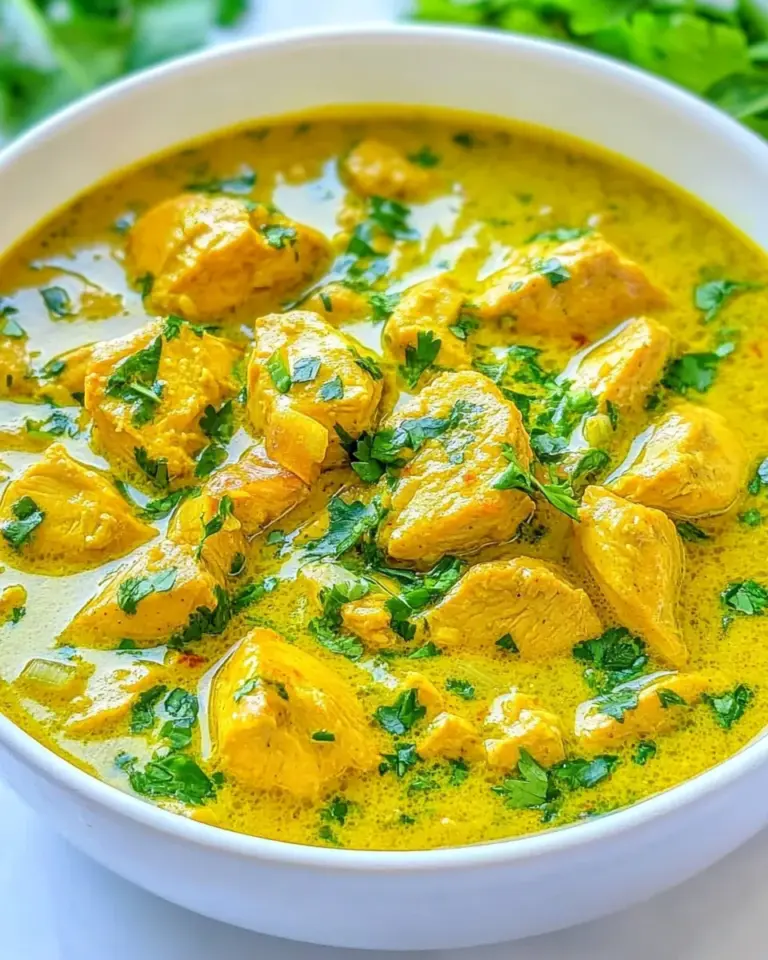
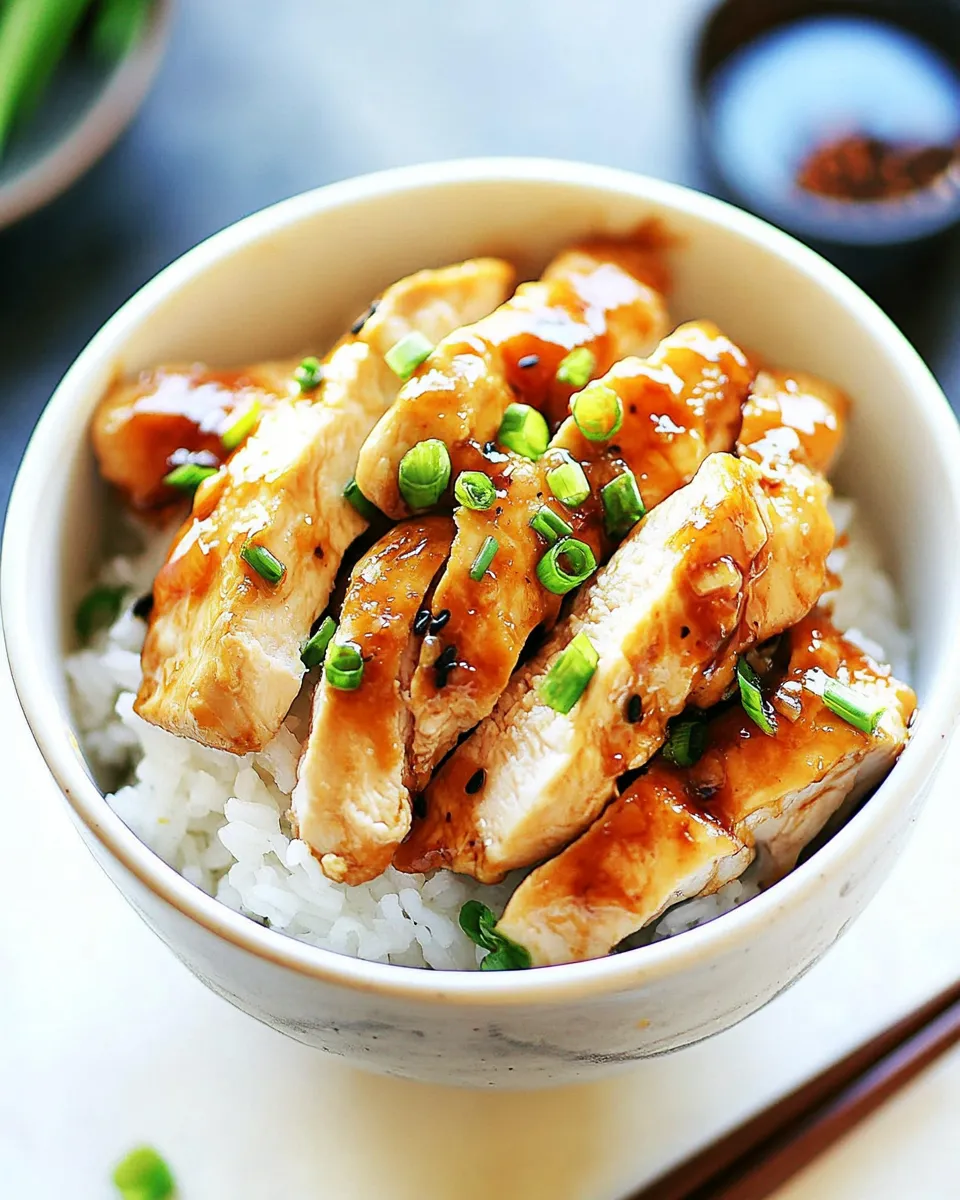
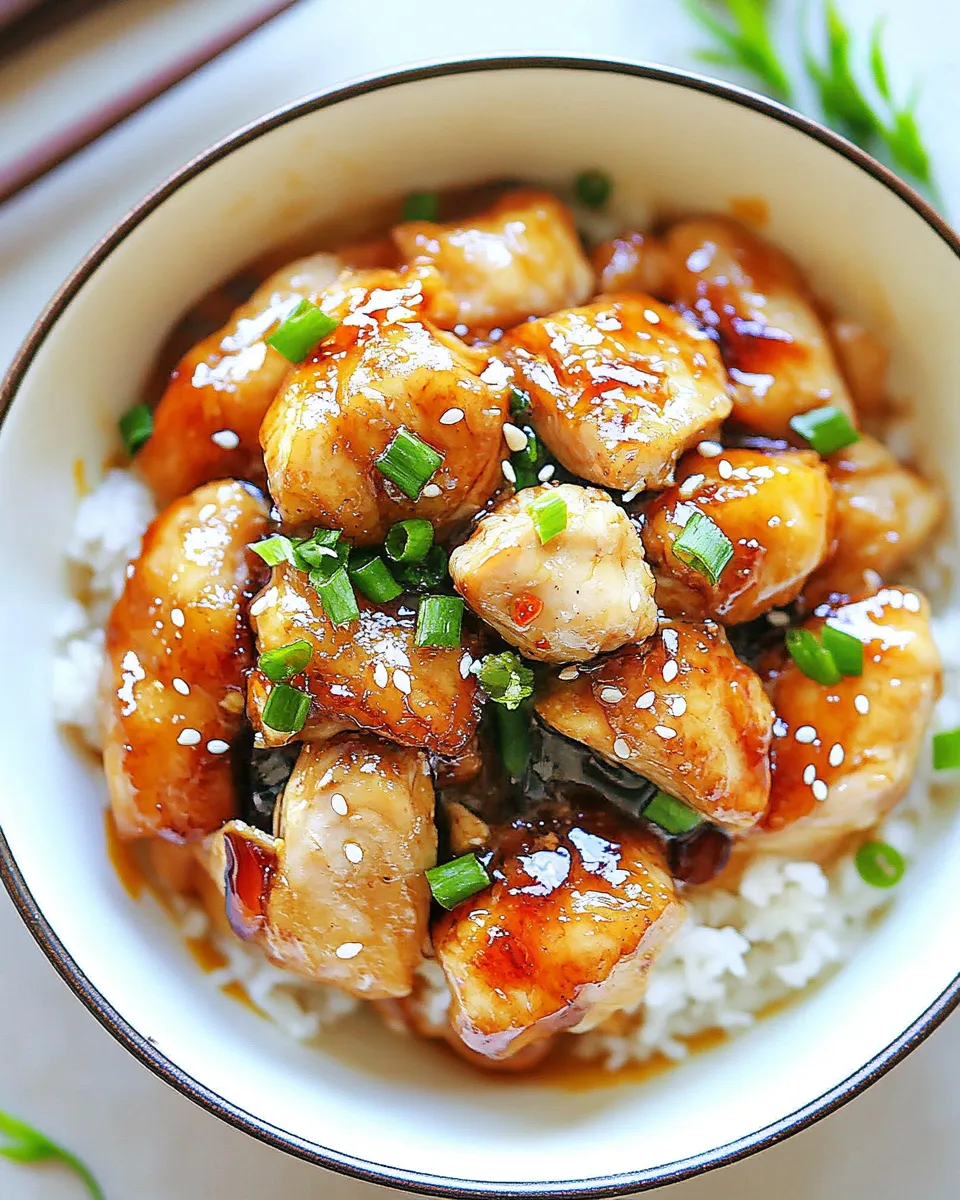
This preparation is small and focused: two chicken breasts pan-fried and dressed in a quick soy-lemon-ginger glaze. The “bowl” is really the plated chicken with the warm sauce spooned on top and a scattering of chopped scallion. The flavors are simple — salty from soy, sweet from sugar, bright from lemon, and aromatic from ginger — but balanced. Texture comes from the seared exterior of the breasts contrasted with the smooth, slightly syrupy sauce.
If you imagine restaurant-style Mandarin chicken, think of glossy sauce and neat slices of chicken rather than a sticky, clumped stir-fry. The technique keeps the meat moist and makes it easy to slice and serve family-style.
How to Prepare (Chinese Mandarin Chicken)
- Pat the 2 skinless, boneless chicken breasts dry with paper towels. Heat a thin layer of oil in a skillet over medium-high heat until shimmering.
- Pan-fry the chicken breasts until cooked through, about 5–8 minutes per side depending on thickness, or until an instant-read thermometer inserted into the thickest part reads 165°F (74°C). Transfer the chicken to a cutting board and let rest 5 minutes.
- While the chicken rests, combine 4 tablespoons soy sauce, 1 tablespoon lemon juice, 2 tablespoons sugar, and the 3 peeled ginger slices in a small saucepan.
- Heat the saucepan over medium heat, stirring occasionally, until the sugar dissolves and the sauce slightly thickens, about 3–5 minutes. Remove and discard the ginger slices.
- Slice the rested chicken into pieces, arrange on a serving plate, drizzle the warm sauce over the chicken, and garnish with the chopped scallion. Serve immediately.
Why This Recipe Is Reliable
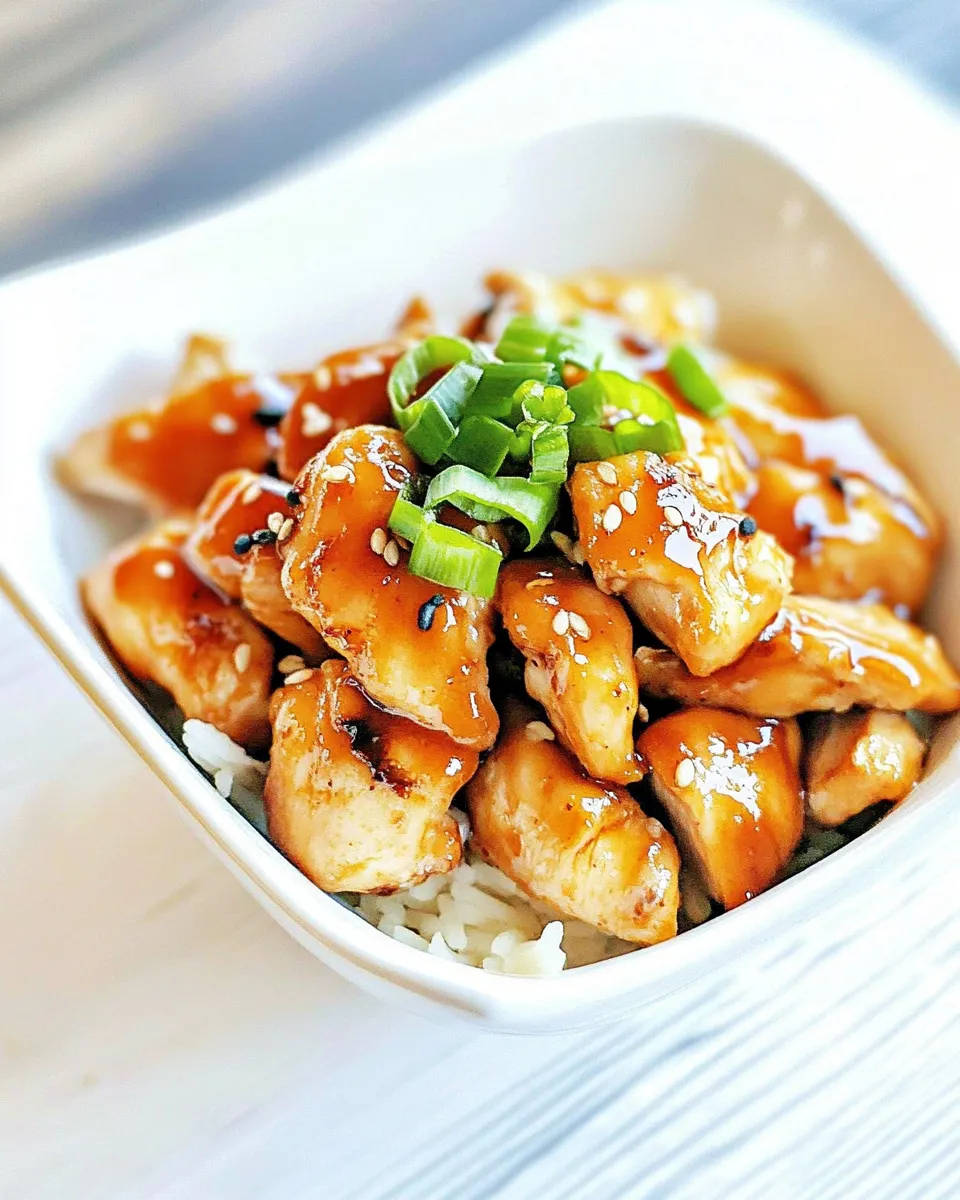
The method is simple and the timing is forgiving. Pan-frying whole breasts in a single thin layer of oil produces a consistent sear and cooks the meat all the way through without drying it out—especially if you let the cooked chicken rest before slicing. The sauce is built on a small, precise ratio of soy to lemon to sugar that dissolves and thickens quickly; no cornstarch slurry is required for a light gloss. Because the sauce is made separately, you can control its consistency and temperature, then finish the dish with a vivid garnish.
Reliability also comes from measurable endpoints rather than vague descriptions: a shimmering pan for searing, 165°F (74°C) internal temperature for doneness, and a 3–5 minute simmer to dissolve sugar and concentrate flavors. Follow those tangible cues and the result will be repeatable.
What to Use Instead
Substitutions let you adapt this to what’s in your kitchen without changing the final intent.
- Oil: Use any neutral high-heat oil you have (vegetable, canola, grapeseed, or light olive oil) for pan-frying.
- Soy sauce: If you prefer less salt, choose a low-sodium soy or tamari. Both preserve the savory backbone of the sauce.
- Lemon juice: Fresh lemon gives the brightest flavor; if you only have bottled, use it but adjust to taste since bottled can be slightly less vibrant.
- Sugar: Granulated white sugar is specified here because it dissolves cleanly. You can use cane sugar or superfine sugar as equivalents; if you must use a liquid sweetener, reduce the amount slightly and simmer until the texture matches.
- Ginger slices: Fresh slices steep and are then discarded. If you only have ground ginger, use a very small pinch and taste as you go — it’s more concentrated.
Appliances & Accessories
This recipe requires minimal equipment and favors speed over gadgets:
- Sturdy skillet or frying pan — ideally nonstick or well-seasoned cast iron so the chicken doesn’t stick and you can get an even sear.
- Small saucepan — for the sauce. Wide is better than narrow so the sugar dissolves quickly and the sauce reduces slightly.
- Instant-read thermometer — not mandatory, but the most reliable way to confirm the chicken has reached 165°F (74°C) without overcooking.
- Tongs or a spatula — to flip the breasts cleanly in the pan.
- Cutting board and sharp knife — for resting and slicing the chicken into neat pieces before serving.
Pitfalls & How to Prevent Them
Common missteps are easy to fix once you know what to watch for.
- Chicken doesn’t brown: If your pan isn’t hot enough the meat will steam rather than sear. Wait until the oil shimmers before adding the chicken. Give the chicken room; overcrowding the pan drops the temperature and prevents browning.
- Dry chicken: Overcooking is the usual culprit. Use the 165°F (74°C) endpoint or the suggested timing (5–8 minutes per side) as a guide, and let the meat rest for 5 minutes before slicing so juices redistribute.
- Sauce too thin: The recipe’s sauce is intentionally light. If you want it thicker, let it reduce a touch longer in the saucepan, stirring occasionally. Avoid adding cornstarch without measuring—start with a teaspoon slurry if you must thicken and add gradually.
- Sauce too salty: Soy sauce controls the salt. Use low-sodium soy if you’re concerned, or add a bit more lemon and sugar to balance if you’ve oversalted.
Customize for Your Needs
Small tweaks change the meal’s character while keeping the core method intact.
For more sauce
Double the sauce ingredients and warm extra in the saucepan. Spoon additional warm sauce over plated chicken at service. This keeps the chicken glossy and ensures everyone gets sauce on every slice.
For a brighter finish
Add more chopped scallion at the end or finish with a few drops of fresh lemon juice right before serving to sharpen the citrus note. If you like a hint of heat, a few thinly sliced fresh chilies or a pinch of red pepper flakes can be sprinkled over each plate.
To serve differently
Serve slices over steamed rice or simple greens to make it a complete meal. You can also slice the chicken thin and use it as a sandwich filling or wrap component with crisp lettuce and extra scallion.
Insider Tips
These are the practical details I rely on when I cook this at home.
- Dry the chicken thoroughly: Paper-toweling the breasts removes surface moisture and helps the outside crisp up quickly.
- Control the heat: Medium-high is the sweet spot. If the pan smokes excessively, lower the heat slightly. If nothing browns after a minute or two, increase the heat.
- Resting matters: Letting the chicken rest for 5 minutes keeps it juicy and makes slicing neater.
- Warm the sauce: Drizzling warm sauce over warm chicken keeps the texture pleasant. If the sauce cools and thickens too much, rewarm it gently, stirring so the sugar dissolves again.
- Serve immediately: This dish is best hot. The sauce is most attractive and flavors are freshest when served right away.
Make-Ahead & Storage
You can make components ahead for speed on the day you plan to serve.
- Cooked chicken: Cook and cool completely, then store in an airtight container in the refrigerator for up to 3 days. Reheat gently in a skillet over low heat or in a 300°F (150°C) oven until warm; then slice and dress with freshly warmed sauce.
- Sauce: The sauce can be made ahead and refrigerated in a sealed jar for up to 4 days. Warm it slowly before using. If it has gelled, a short, gentle reheat will restore the glossy texture.
- Freezing: I don’t recommend freezing once dressed with the sauce. Plain cooked chicken can be frozen for up to 2 months, but texture may change.
Common Questions
Q: Can I use chicken thighs instead of breasts?
A: Yes. Thighs have more fat and stay moist, but adjust cooking time. Sear until the internal temperature reaches 165°F (74°C) and rest before slicing.
Q: What’s the best way to get the sauce glossy?
A: Dissolving the sugar fully and reducing the sauce slightly over medium heat gives a natural gloss. Avoid rapid boiling; a gentle simmer does the job cleanly.
Q: Is fresh ginger necessary?
A: Fresh ginger gives the cleanest, most aromatic flavor. If you must use ground ginger, use it sparingly and taste as you go because it’s more concentrated.
Wrap-Up
This Chinese Mandarin Chicken recipe gives you a quick weeknight main that feels polished enough for company. The steps are short, the ingredient list is compact, and the technique is forgiving. Keep the pan hot, watch your cook times, and warm the sauce just enough to melt and glaze the chicken. The final touch of chopped scallion brightens the plate and makes the dish look as good as it tastes.
Make it tonight if you want something simple but satisfying. Once you understand the few key moves—drying the breasts, getting a good sear, resting, and finishing with warm sauce—you can turn this into a go-to recipe that you tweak to your liking.
Chinese Mandarin Chicken
Ingredients
Ingredients
- 2 skinless and boneless chicken breasts
- oil for pan-frying
- scallion chopped , for garnishing
- 4 tablespoonssoy sauce
- 1 tablespoonlemon juice
- 2 tablespoonssugar
- 3 slicesginger peeled
Instructions
Instructions
- Pat the 2 skinless, boneless chicken breasts dry with paper towels. Heat a thin layer of oil in a skillet over medium-high heat until shimmering.
- Pan-fry the chicken breasts until cooked through, about 5–8 minutes per side depending on thickness, or until an instant-read thermometer inserted into the thickest part reads 165°F (74°C). Transfer the chicken to a cutting board and let rest 5 minutes.
- While the chicken rests, combine 4 tablespoons soy sauce, 1 tablespoon lemon juice, 2 tablespoons sugar, and the 3 peeled ginger slices in a small saucepan.
- Heat the saucepan over medium heat, stirring occasionally, until the sugar dissolves and the sauce slightly thickens, about 3–5 minutes. Remove and discard the ginger slices.
- Slice the rested chicken into pieces, arrange on a serving plate, drizzle the warm sauce over the chicken, and garnish with the chopped scallion. Serve immediately.
Equipment
- Skillet
- Small Saucepan
- Cutting Board
- Knife
- Paper Towels
- instant-read thermometer (optional)