This recipe is one of those simple, unfussy dishes I turn to when I want something silky, warm, and comforting without fuss. Chinese steamed egg is a delicate custard — smooth, savory, and forgiving — that highlights how technique matters more than a long ingredient list. It’s quick to make but rewards attention to a few small details.
In my kitchen I treat it like a small practice in patience: gentle heat, careful mixing, and a moment of restraint before peeking. The result is a satin-textured egg custard that makes a perfect side for rice or a light, protein-rich snack. Below I’ll walk you through every step, what to watch for, and how to recover if something goes sideways.
No fluff, just clear tips and the exact steps you need for consistent results. Follow the method as written, and you’ll have a restaurant-style steamed egg in about 20 minutes from start to finish.
Ingredients at a Glance
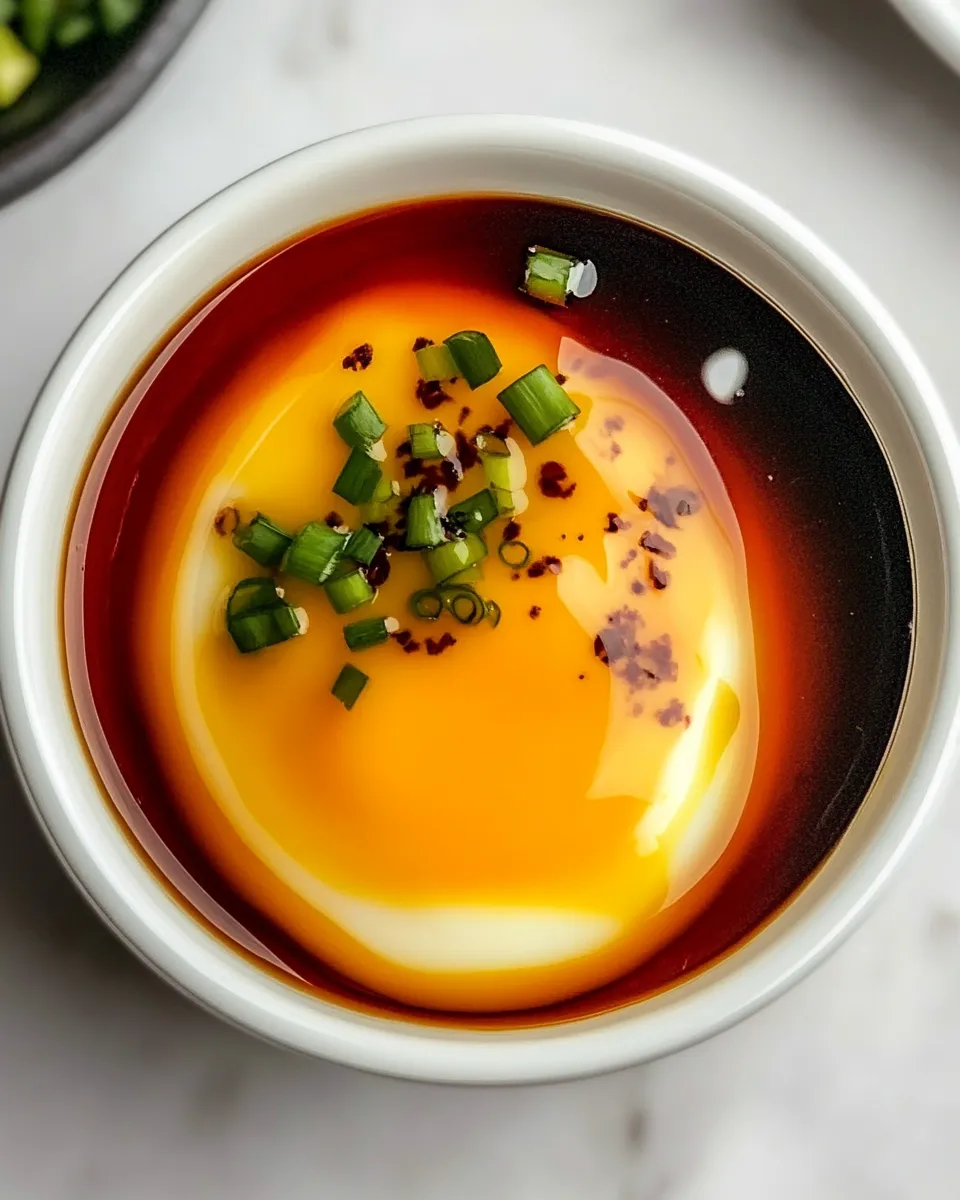
- 2 large eggs — the base. Fresh eggs give the cleanest flavor and best texture.
- Warm water or low-sodium chicken broth as needed — dilutes the eggs to create the custard; broth adds subtle savory depth.
- 2 pinches salt — seasons the custard; adjust to taste if using broth.
- 1 teaspoon sesame oil — added after steaming for aroma and a glossy finish.
- 3/4 teaspoon soy sauce — adds umami when drizzled on top after steaming; taste and adjust.
- 1 tablespoon sliced scallions (optional) — fresh garnish for color and a mild oniony bite.
Method: Chinese Steamed Egg
- Crack 2 large eggs into a bowl and whisk until well combined.
- Pour the whisked eggs into a measuring cup and note their volume.
- Add warm water or low-sodium chicken broth in a 2:1 ratio to the egg volume (for every 1 part egg, add 2 parts warm liquid). Add 2 pinches salt and gently mix to combine.
- Pour the egg mixture through a fine-mesh sieve into a heatproof bowl (one that will fit in your steamer) to remove bubbles and foam.
- Cover the bowl tightly with plastic wrap or a lid, leaving a small vent for steam to escape.
- Fill the steamer pot with enough water so it will not touch the bowl, bring the water to a simmer over medium heat, then reduce to medium-low.
- Place the covered bowl in the steamer, cover the steamer, and steam for 10–12 minutes until the surface is set but the center is still slightly jiggly when gently shaken.
- Carefully remove the bowl from the steamer.
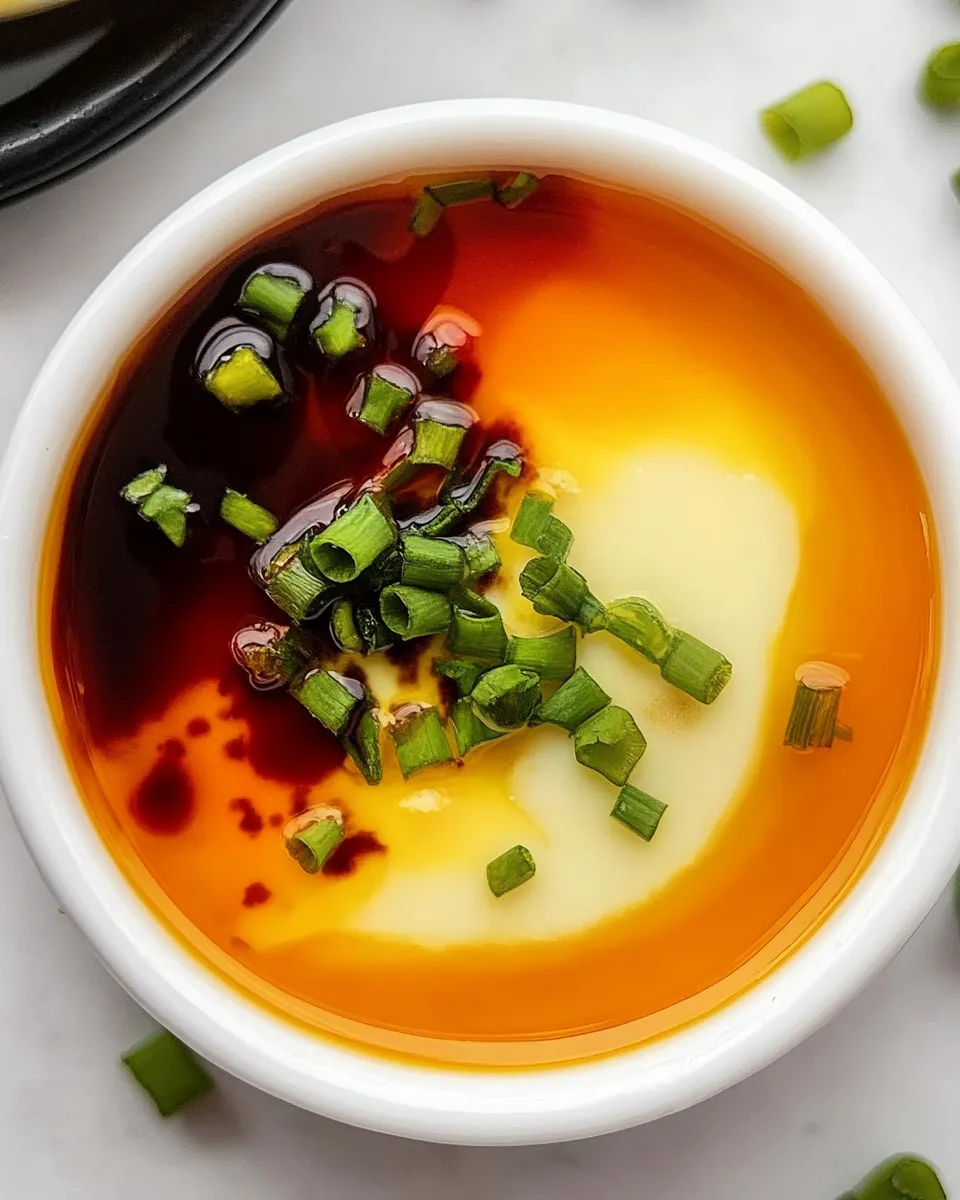
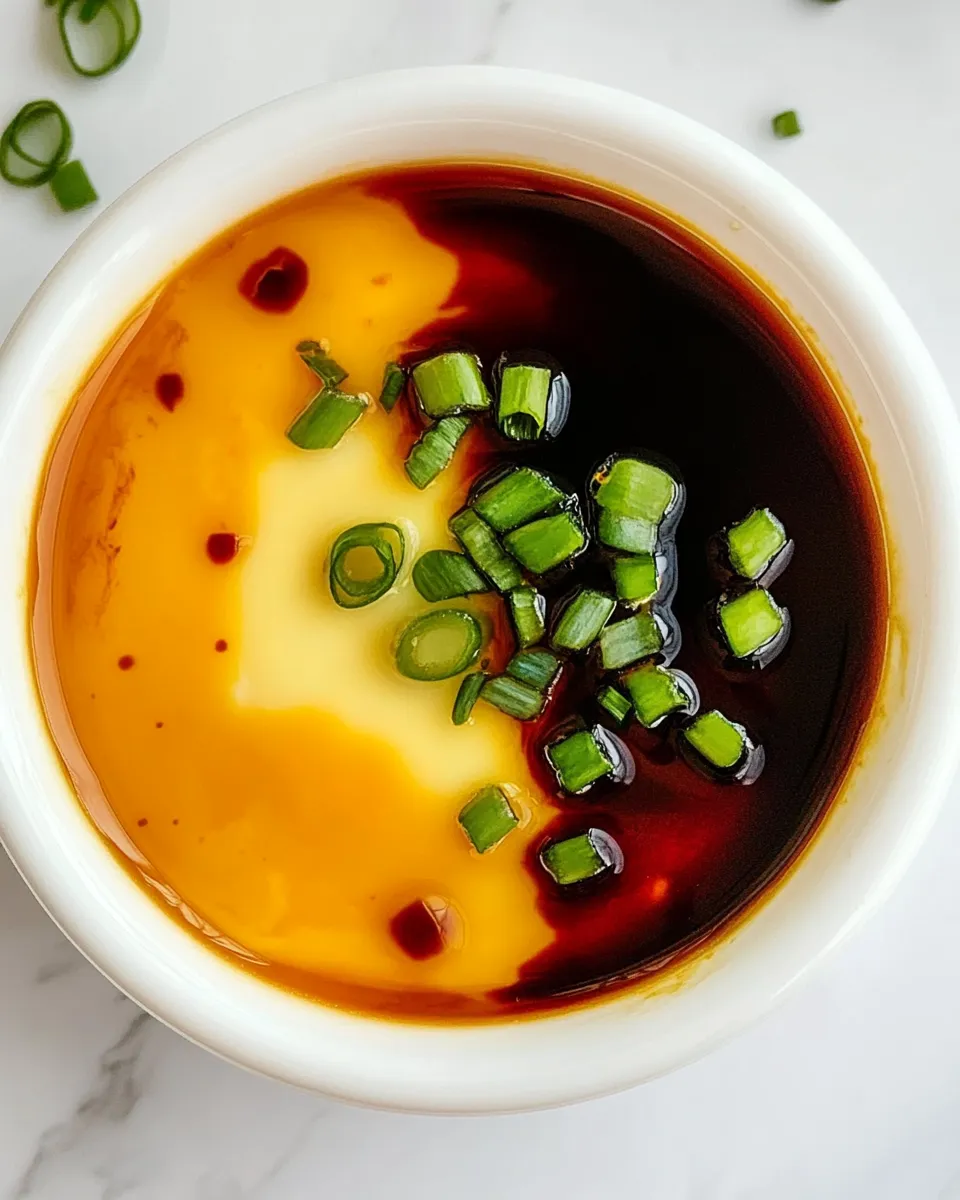
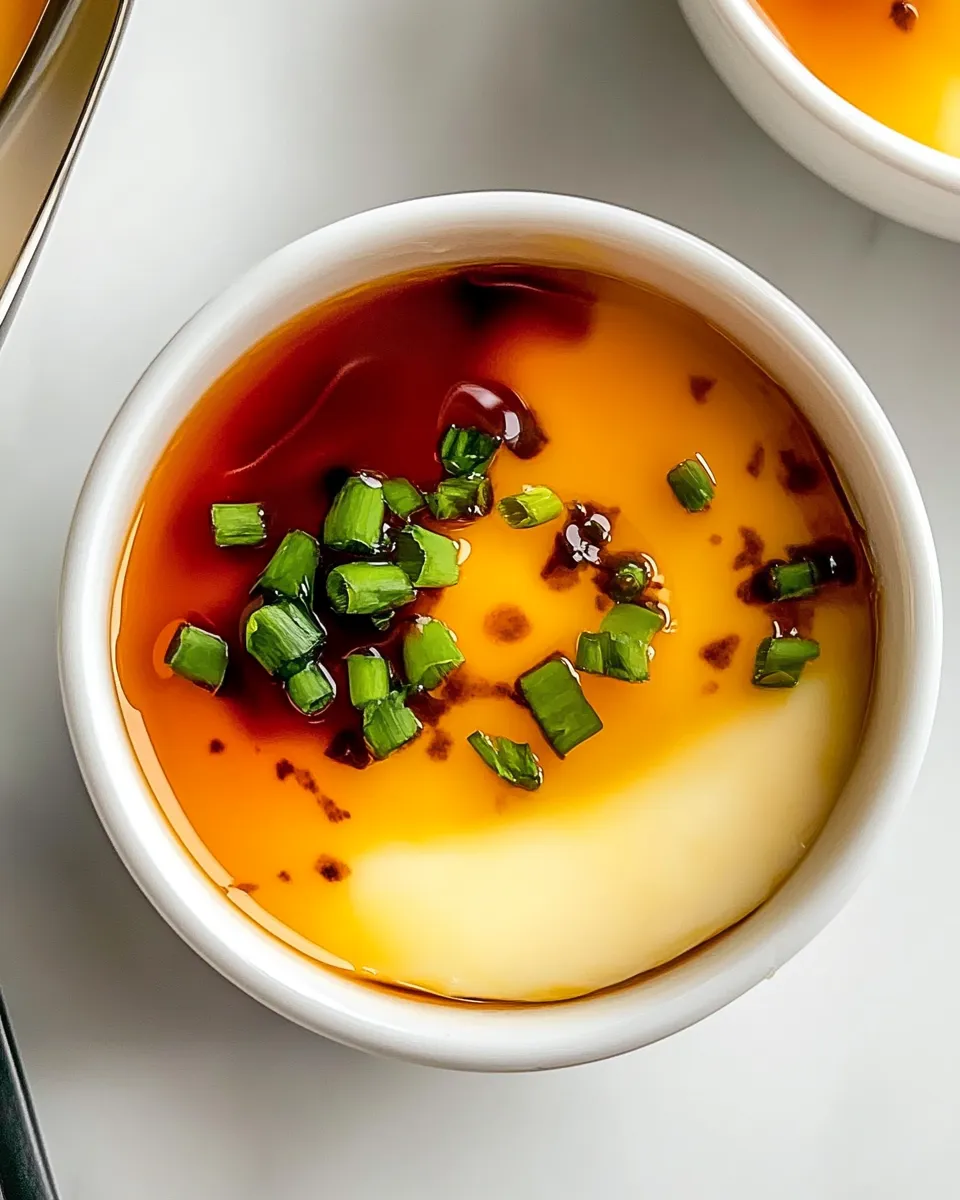
- Drizzle 1 teaspoon sesame oil and 3/4 teaspoon soy sauce evenly over the steamed eggs.
- Garnish with 1 tablespoon sliced scallions, if desired, and serve warm.
Why You’ll Love This Recipe
This dish is elegance in restraint. With only a handful of ingredients you get a silky texture that contrasts beautifully with plain rice, pickles, or greens. It’s low-effort but high-impact: the silky custard looks impressive and tastes nuanced because of the light seasoning and finishing drizzle.
It’s also very adaptable to the level of time and attention you want to give it. If you’re busy, it still comes together quickly. If you want to be meticulous, straining and controlling the steam will reward you with the silkiest results. Most importantly, it’s nourishing and gentle — perfect for breakfast, a light dinner, or a soothing meal when you’re under the weather.
Substitutions by Category
Keep substitutions minimal because the charm of this dish is its simplicity. These are safe swaps that won’t change technique.
- Liquid: The recipe allows Warm water or low-sodium chicken broth — use water for a neutral custard or broth for a savory depth. Maintain the 2:1 liquid-to-egg ratio.
- Seasoning: You can adjust the 2 pinches salt depending on whether you used broth. If your broth is salty, reduce the salt by a pinch.
- Finishing: Sesame oil and soy sauce are listed as the finishing flavors. If you prefer less salt up front, reduce the soy sauce drizzle or omit it entirely; the sesame oil alone still gives aroma.
- Garnish: Scallions are optional. If you don’t have scallions, serve plain — the custard is still delicious.
Tools & Equipment Needed
Use simple, common tools. Having the right pieces helps the texture and timing.
- Mixing bowl — to whisk the eggs.
- Measuring cup — to measure egg volume precisely and calculate the 2:1 liquid ratio.
- Fine-mesh sieve — removes bubbles and foam for a smoother custard.
- Heatproof bowl that fits in your steamer — important so the bowl can sit above simmering water without being touched.
- Steamer pot with lid — a stovetop steamer or a pot with a steaming rack works fine.
- Plastic wrap or lid — seals the bowl while leaving a slight vent for steam escape.
Watch Outs & How to Fix
Curdled or Grainy Texture
Problem: If the custard turns grainy instead of silky, it’s usually because the heat was too high or it steamed too long.
Fix: Next time lower your heat more after the water reaches a simmer. Aim for a gentle, even steam (medium-low). If this batch is grainy, it’s still fine to eat — serve it as a warm scramble over rice rather than a custard.
Surface Full of Bubbles or Foamy
Problem: Bubbles or foam from vigorous whisking will show on the surface and create an uneven texture.
Fix: Always pour the mixture through a fine-mesh sieve into the final bowl. If you forgot, gently tap the bowl on the counter before covering to release large bubbles, but next time sieve to avoid the issue.
Undercooked Center
Problem: The center remains too runny after the recommended time.
Fix: Return the covered bowl to the steamer and steam in 1–2 minute increments until the center is slightly jiggly but not liquid. Avoid overcooking; check frequently.
Water Getting into the Custard
Problem: Condensation or splashing water drips into the bowl.
Fix: Leave a small vent in the plastic wrap rather than fully uncovered; this directs steam out without letting droplets fall. Ensure the water level stays below the bowl rim so it doesn’t touch it.
Variations for Dietary Needs
This recipe is naturally gluten-free if you use a gluten-free soy sauce or omit soy sauce entirely. It’s also low in volume and easily portioned for smaller appetites.
- Lower sodium: Use warm water instead of broth, reduce the 2 pinches of salt, and drizzle less soy sauce at the end.
- Protein boost: The base is already a good source of protein. Serve it with a bowl of rice or steamed vegetables for a balanced meal without changing the recipe.
- Allergen notes: Sesame oil can be omitted if there are sesame allergies; the custard will still be pleasant though a bit less aromatic.
Pro Perspective
Chefs focus on three things for a perfect steamed egg: the egg-to-liquid ratio, gentle heat, and the sieve. The 2:1 liquid-to-egg ratio is key — it creates that custardy softness without being soupy. Straining removes tiny bubbles that would otherwise create a pockmarked surface.
Heat control matters more than exact steaming time. A simmer that’s too vigorous coagulates the proteins unevenly. When I teach cooks, I demonstrate how to watch the custard rather than the clock: look for the surface to set while the center keeps a soft wobble. That wobble becomes a silky center as it rests briefly after steaming.
Prep Ahead & Store
You can prepare the egg mixture ahead up to the point of steaming. Whisk the eggs, measure the volume, and mix with warm liquid and salt. Keep it covered in the refrigerator for up to 4 hours before straining and steaming.
Leftover steamed egg keeps well in the refrigerator for 2–3 days in an airtight container. Reheat gently in a microwave at low power in short bursts or steam again for a few minutes until warmed through. Add the sesame oil and soy sauce after reheating rather than before; the finish loses potency with reheating.
FAQ
Q: Can I double the recipe?
A: Yes. Use a larger heatproof bowl and ensure it fits comfortably in your steamer. If the custard is deeper, it may need extra steaming time — check by the gentle jiggle method.
Q: Do I have to use a steamer?
A: A steamer gives the most even result. If you don’t have one, improvise with a pot and a heatproof rack or a metal colander set over simmering water. Make sure the bowl is not touching the water.
Q: Can I use cold water instead of warm?
A: Warm water helps the mixture approach a steady temperature so it sets evenly. Cold water can slow the cooking and make the texture less smooth. Use warm for best results.
Q: What does “slightly jiggly” mean?
A: When you gently shake the covered bowl, the surface should look mostly set but move subtly in the center — not liquid, but not completely firm. Residual heat finishes the set as it rests.
Q: My custard cracked on top — why?
A: Rapid temperature changes and vigorous boiling are common causes. Reduce the simmer to medium-low and keep a small vent in the cover to release steam steadily.
Ready, Set, Cook
This is a recipe you’ll make again and again because it’s forgiving and fast. Follow the method exactly for reliable texture: whisk, measure, mix to a 2:1 ratio, strain, cover with a small vent, and steam gently for 10–12 minutes. Finish with the sesame oil and soy sauce, sprinkle the scallions if you like, and serve immediately while warm.
It takes little time and few ingredients, but the technique transforms them into something silky and satisfying. Enjoy the quiet pleasure of a perfectly steamed egg.
Chinese Steamed Egg
Ingredients
Ingredients
- 2 large eggs
- Warm water or low-sodium chicken brothas needed
- 2 pinchessalt
- 1 teaspoonsesame oil
- 3/4 teaspoonsoy sauce
- 1 tablespoonsliced scallionsoptional
Instructions
Instructions
- Crack 2 large eggs into a bowl and whisk until well combined.
- Pour the whisked eggs into a measuring cup and note their volume.
- Add warm water or low-sodium chicken broth in a 2:1 ratio to the egg volume (for every 1 part egg, add 2 parts warm liquid). Add 2 pinches salt and gently mix to combine.
- Pour the egg mixture through a fine-mesh sieve into a heatproof bowl (one that will fit in your steamer) to remove bubbles and foam.
- Cover the bowl tightly with plastic wrap or a lid, leaving a small vent for steam to escape.
- Fill the steamer pot with enough water so it will not touch the bowl, bring the water to a simmer over medium heat, then reduce to medium-low.
- Place the covered bowl in the steamer, cover the steamer, and steam for 10–12 minutes until the surface is set but the center is still slightly jiggly when gently shaken.
- Carefully remove the bowl from the steamer.
- Drizzle 1 teaspoon sesame oil and 3/4 teaspoon soy sauce evenly over the steamed eggs.
- Garnish with 1 tablespoon sliced scallions, if desired, and serve warm.
Equipment
- Steamer
- Heatproof bowl
- Fine Mesh Sieve
- Measuring Cup
- Whisk
- plastic wrap or lid