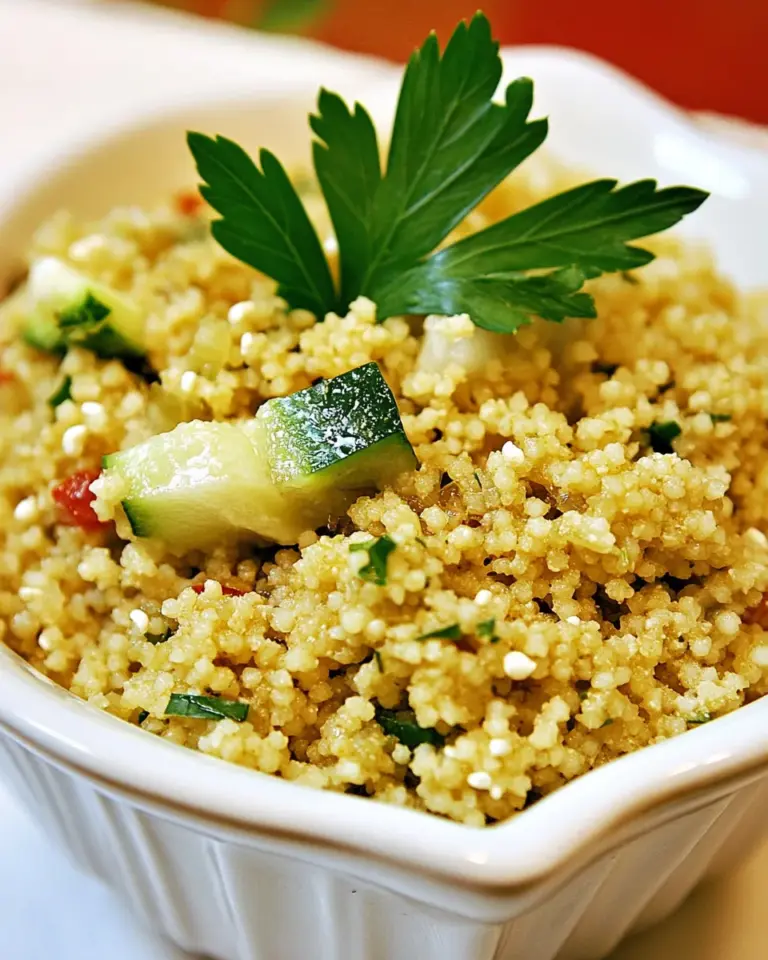
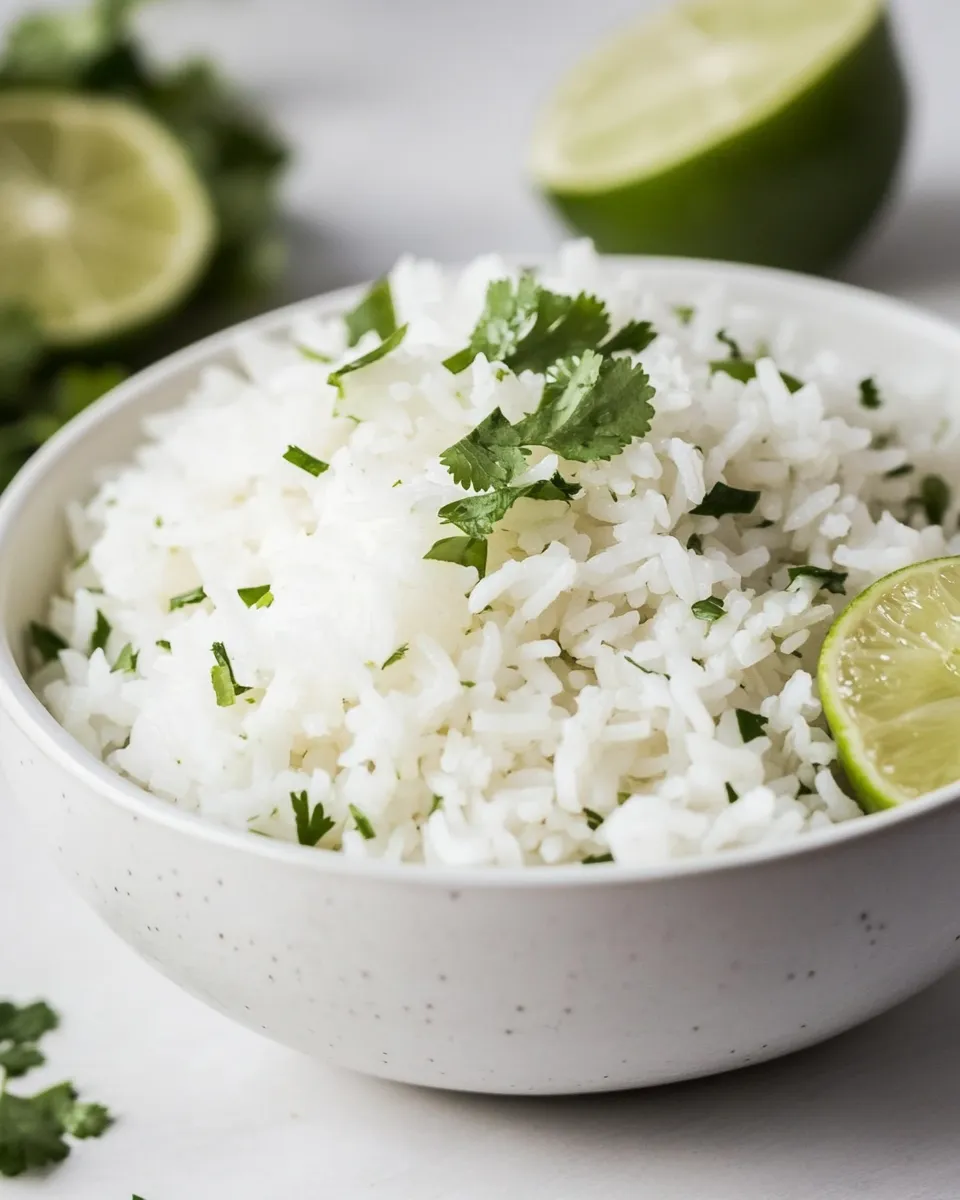
This is the recipe I turn to when I want that bright, tangy rice that makes a simple bowl feel like a celebration. It’s the kind of side that holds its own next to smoky proteins, roasted vegetables, or a pile of beans. The texture is fluffy, the herbs are fresh, and the citrus cuts through the starch so every bite feels lively.
No tricks, no special ingredients. The technique matters more than anything — rinse when you should, don’t when you shouldn’t, and fold in the herbs at the right time. I’ll walk you through the exact methods and the small adjustments that make this copycat taste like the real deal.
If you like meal prep, this rice behaves well: it keeps, reheats cleanly, and stands up as the base of quick bowls and lunches. Follow the steps below, and you’ll have consistent results every time.
Ingredients
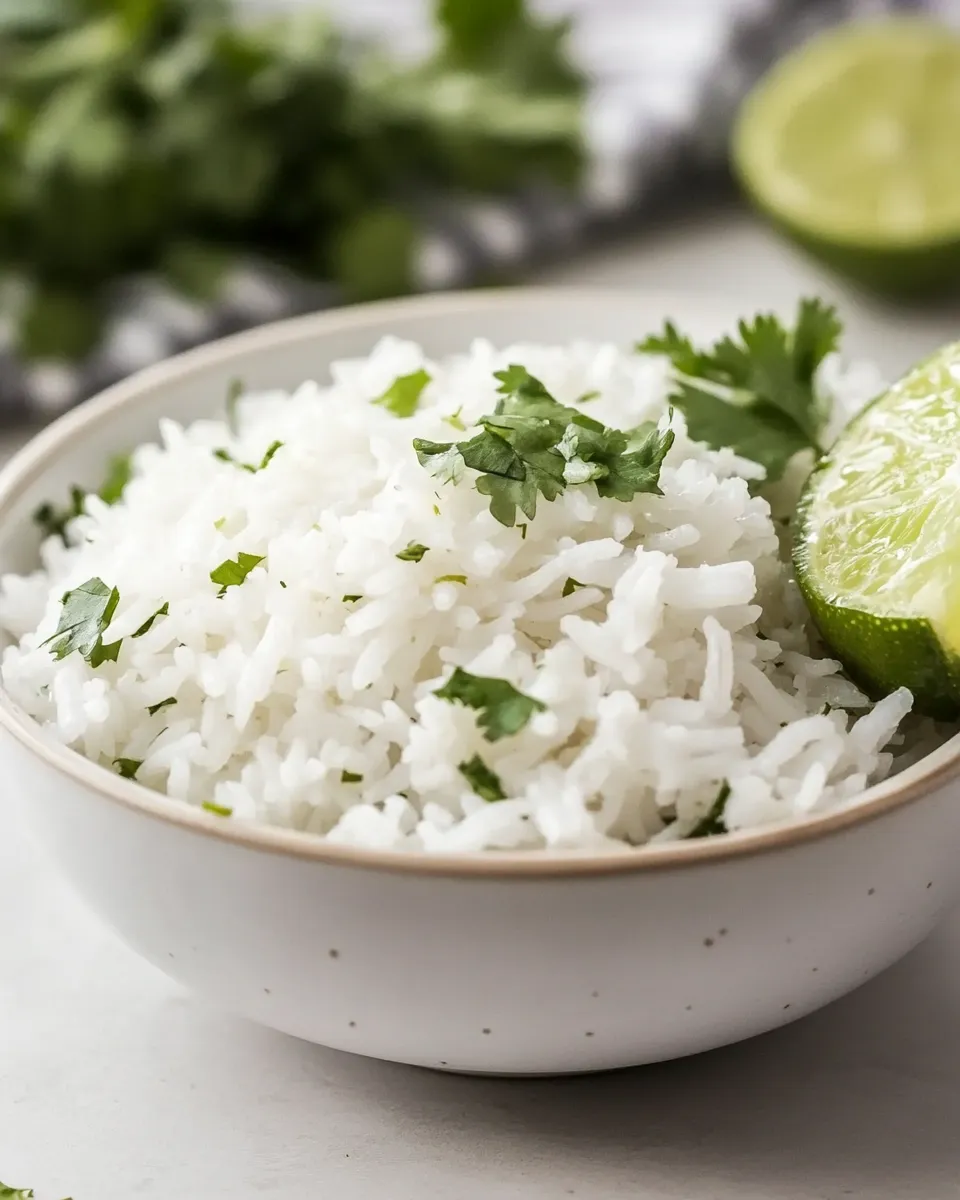
- 2 cups basmati rice, unrinsed, or any long-grain white rice, rinsed (see note 1) — basmati gives the fluffiest, separated grains; rinse only if you’re using a non‑basmati long‑grain rice to remove excess starch.
- 1 bay leaf — adds a subtle, savory background aroma while the rice cooks; remember to remove it before serving.
- Salt — essential for seasoning the grains during cooking so the rice isn’t flat once you add the citrus and herbs.
- 1 teaspoon olive oil or rice bran oil, optional — helps separate grains and adds a touch of richness; skip it if you prefer no added oil.
- 2 tablespoons minced fresh cilantro (or omit or substitute parsley) — the fresh, herbal lift; parsley is a milder stand‑in if cilantro isn’t available.
- 2 tablespoons lime juice — bright acidity that defines the flavor profile; fresh is best when possible.
- 2 tablespoons lemon juice — adds a complementary citrus note and balances the lime.
Your Shopping Guide
Start with the rice. If you can get basmati, buy it: the long, narrow grains separate beautifully and produce that light texture we want. If basmati is out of budget or unavailable, a standard long‑grain white rice works fine — just plan to rinse it under cold water until the rinse runs clear.
Choose fresh cilantro with bright green stems and leaves; avoid wilted bunches. The citrus can be whatever you find ripe — limes with thin, juicy skin are ideal, but a firm, fragrant lemon will work if lime prices spike. Pick up a bay leaf in the spice aisle if you don’t already have one; a single leaf goes a long way.
The optional oil is flexible: olive oil is common in most kitchens, and rice bran oil is listed as an alternative — both are fine for a teaspoon that helps grains slip apart. Salt is salt: kosher or sea salt are my go‑tos because they’re easy to measure and season evenly.
Chipotle Cilantro Lime Rice (Copycat) Cooking Guide
- Prepare the rice: if using the basmati called for in the ingredient list, do not rinse; if using any other long‑grain white rice, rinse under cold running water until the water runs clear and drain.
- Boil-and-drain stovetop method (quick): bring 8 cups water to a boil in a large pot. Add the rice, bay leaf, optional oil, and salt to taste. Stir, return to a boil, and cook uncovered for 10–12 minutes, watching so the rice does not become mushy. Remove from heat, discard the bay leaf, drain the rice in a fine‑mesh strainer, rinse with hot water, and transfer the rice to a large bowl.
- Absorption stovetop method (no draining): bring 4 cups water to a boil in a large pot. Add the rice, bay leaf, optional oil, and salt to taste. Stir, return to a boil, then reduce heat to low, cover, and cook for 15 minutes (or until the water is absorbed and the rice is tender). Remove from heat, discard the bay leaf, and transfer the rice to a large bowl; fluff with a fork.
- Rice cooker method: add the rice (rinsed if using non‑basmati long‑grain), water according to the rice cooker manufacturer’s instructions, bay leaf, optional oil, and salt to taste. Close the cooker and cook according to the manufacturer’s instructions. When the rice is done, remove the bay leaf and transfer the rice to a large bowl.
- Stir in the minced cilantro, lime juice, and lemon juice until evenly combined. Taste and adjust salt as needed.
- Serve the rice hot or at room temperature.
Why This Recipe Works
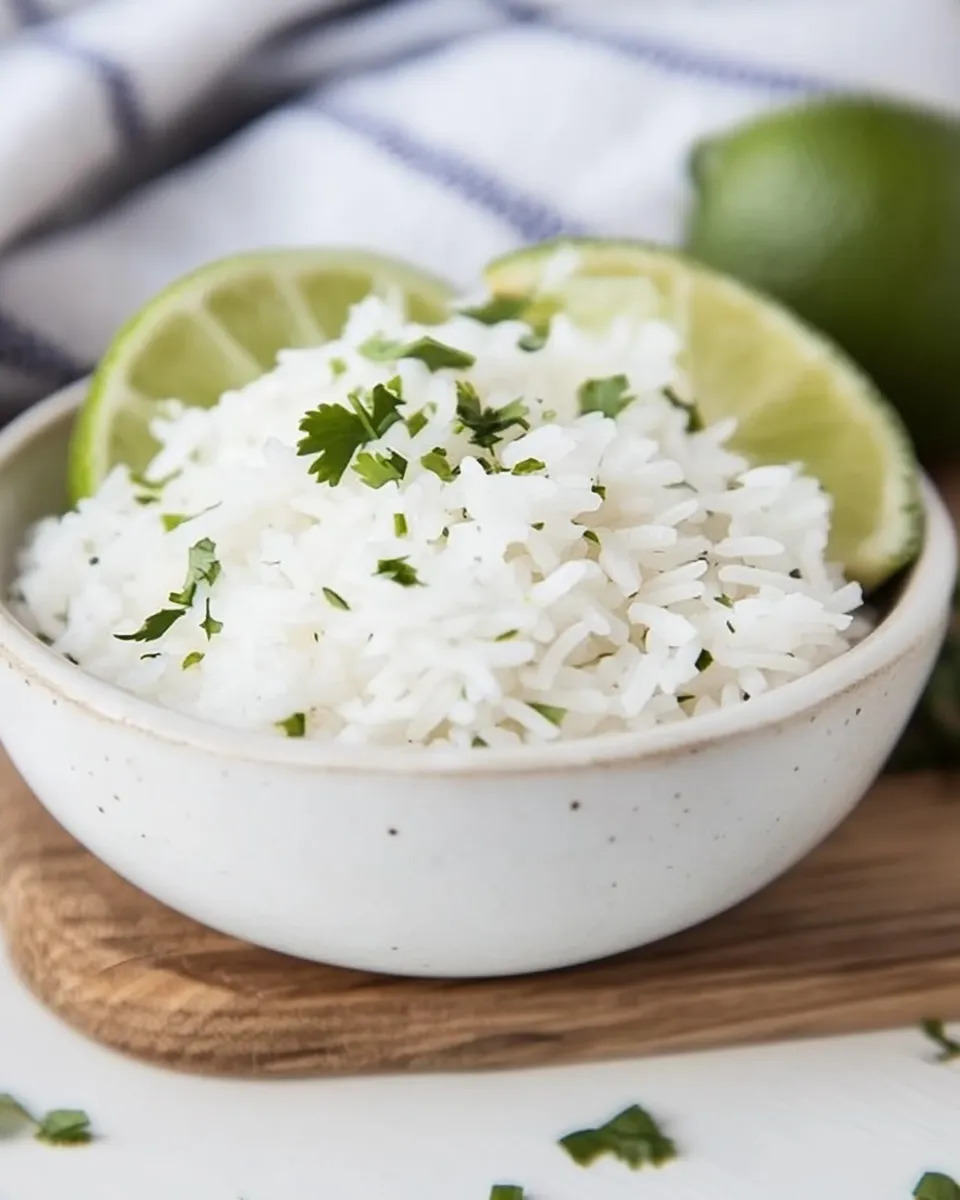
There are three simple reasons: grain choice, controlled cooking, and fresh finish. Basmati’s longer, dryer grains cook up fluffy, which prevents that sticky mass you get with short‑grained rice. The cooking methods provided let you choose whether you want a quick boil‑and‑drain or the classic absorption approach — both aim to end with separate, tender grains.
The tiny additions — a bay leaf and a teaspoon of oil — do outsized work. The bay leaf deepens the background flavor without changing the rice’s character. The oil coats individual grains lightly, making the final texture less clumpy. Lastly, folding in cilantro and citrus after the rice is cooked preserves freshness. Heat kills bright herb flavor; adding them at the end keeps the lime and cilantro vibrant.
Budget & Availability Swaps
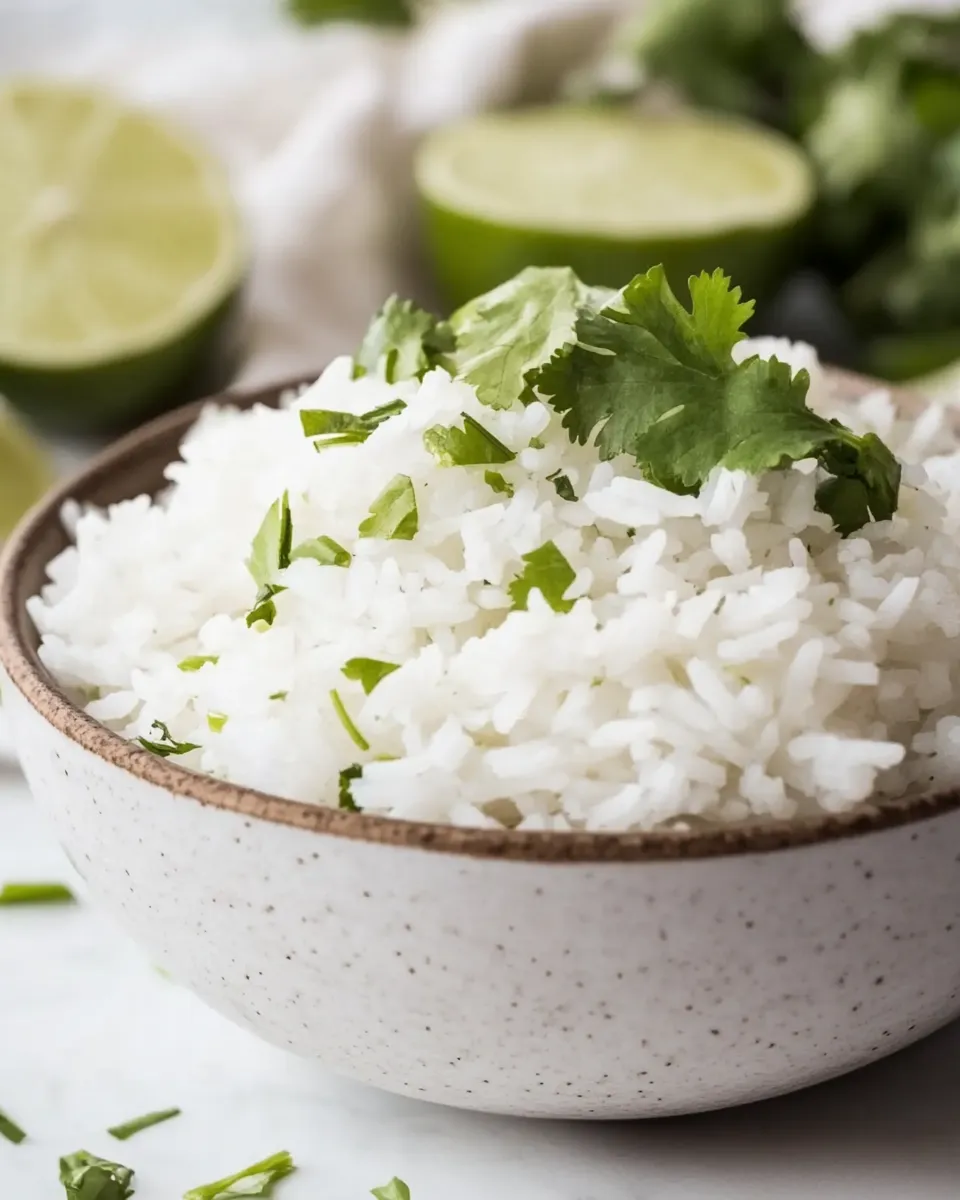
On a tight budget, choose a standard long‑grain white rice and rinse it well — you’ll still get great texture. If cilantro costs too much or you dislike its taste, the recipe explicitly allows parsley as a substitute; parsley offers a green freshness without the intense cilantro flavor.
If you lack fresh limes, you can lean a little more on the lemon already in the ingredient list. The recipe calls for both lime and lemon juice; if one is scarce, use what you have but taste as you go. The oil is optional, so skip it to save a few cents — your rice will still be good, just a touch less glossy.
Equipment Breakdown
- Large pot with lid — needed for both the boil‑and‑drain and absorption methods; choose one that holds at least 6 quarts for ease of stirring and boiling.
- Fine‑mesh strainer — essential for the boil‑and‑drain method so you can quickly remove excess water and rinse with hot water without losing grains.
- Rice cooker — useful if you want a set‑and‑forget option; follow the cooker’s water ratios and add the bay leaf and oil there.
- Large bowl and fork — for transferring and fluffing the rice; a wide bowl helps the rice cool evenly and keeps steam from recondensing.
- Citrus juicer (optional) — makes quick work of extracting lime and lemon juice, but you can also squeeze by hand.
Watch Outs & How to Fix
Sticky, mushy rice: this usually means the boil time was too long or the rice was overhandled while hot. If it’s only slightly sticky, spread the rice on a wide tray and let it steam off for a few minutes, then fluff with a fork. For heavily overcooked rice, repurpose it into another dish like fried rice or rice cakes — it’ll be softer but still usable.
Undercooked, hard centers: that’s typically undercooking or insufficient liquid. For the absorption method, return the pot to low heat with a tablespoon or two of hot water, cover tightly, and let it sit off the heat for 5–10 minutes. For boil‑and‑drain, it’s harder to rescue; if the texture is just a bit firm, steaming in a covered pot with a damp towel over the lid can finish it gently.
Bitter or over‑tart rice: if you added too much citrus, sprinkle a pinch more salt and mix thoroughly. If that doesn’t help, scoop the rice into a bowl and add a neutral starch (like more cooked rice if you have it) to dilute the acidity.
Year-Round Variations
Spring and summer: serve the rice at room temperature in bowls with fresh grilled veggies and a squeeze of extra lime. The bright herb and citrus profile is especially refreshing when the weather is warm.
Fall and winter: pair the rice with heartier proteins and roasted root vegetables. The citrus still lifts the palate and prevents the meal from feeling too heavy.
Meal prep note: make a double batch and keep portions in shallow airtight containers. The rice holds up well for 3–4 days in the refrigerator and reheats cleanly for quick lunches or add‑on bowls.
What Could Go Wrong
Too much stirring while the rice is hot will break grains and create gluey clumps. The fix is simple: handle the rice gently and use a fork to fluff rather than an aggressive spoon. Also, adding the cilantro too early will blunt its brightness. Always fold herbs and citrus in at the end, after the rice has cooled slightly but is still warm enough to absorb flavors.
Using the wrong water ratio for your rice type leads to inconsistent results. If you switch rice varieties, follow the package directions for water and cooking times, then apply the same finish of bay leaf and citrus. When in doubt, the rinse test for non‑basmati long‑grain rice is your friend: rinse until water runs clear to avoid excessive starchiness.
Cooling, Storing & Rewarming
Cool the rice quickly by spreading it in a shallow container or bowl to let steam escape. Don’t leave cooked rice at room temperature for more than two hours; if you won’t eat it right away, cool and refrigerate promptly.
Store in airtight containers for up to 3–4 days in the refrigerator. To reheat, sprinkle a little water over the portion, cover, and microwave in short bursts, fluffing between intervals, or reheat in a skillet over medium heat with a splash of water or oil and cover until heated through. The rice also freezes well in portioned bags; thaw in the fridge before reheating.
Reader Q&A
- Q: Can I use pre‑cooked or instant rice? A: Instant rice has different water and timing requirements; follow the instant rice instructions for cooking, then finish with the cilantro and citrus. The texture won’t match basmati, but the flavor will still be pleasant.
- Q: Do I have to use both lime and lemon juice? A: No. Both are called for because they give a layered citrus character, but you can use more of one and omit the other. Taste and adjust seasoning after adding them.
- Q: Can I make this ahead for a party? A: Yes. Make the rice, cool it quickly, and keep it covered at room temperature for a short party window or refrigerate and reheat gently before serving. Add a little fresh cilantro right before serving to revive the herb note.
See You at the Table
This rice is dependable, quick, and bright — exactly what you want when you need a side that pulls a meal together. Follow the methods above for consistent texture, add the citrus and herbs at the end, and don’t skip tasting for salt at the finish. Little adjustments at the end make a big difference.
Once you’ve tried both the boil‑and‑drain and absorption methods, you’ll know which works best for your stove and your time. Make a batch, build bowls, and enjoy the little lift that cilantro and citrus bring to every spoonful. See you back here for more simple, reliable recipes.
Chipotle Cilantro Lime Rice (Copycat)
Ingredients
Ingredients
- 2 cupsbasmati riceunrinsed or any long-grain white rice, rinsed (see note 1)
- 1 bay leaf
- Salt
- 1 teaspoonolive oilorrice bran oil optional
- 2 tablespoonsminced fresh cilantro or omit or substitute parsley
- 2 tablespoonslime juice
- 2 tablespoonslemon juice
Instructions
Instructions
- Prepare the rice: if using the basmati called for in the ingredient list, do not rinse; if using any other long‑grain white rice, rinse under cold running water until the water runs clear and drain.
- Boil-and-drain stovetop method (quick): bring 8 cups water to a boil in a large pot. Add the rice, bay leaf, optional oil, and salt to taste. Stir, return to a boil, and cook uncovered for 10–12 minutes, watching so the rice does not become mushy. Remove from heat, discard the bay leaf, drain the rice in a fine‑mesh strainer, rinse with hot water, and transfer the rice to a large bowl.
- Absorption stovetop method (no draining): bring 4 cups water to a boil in a large pot. Add the rice, bay leaf, optional oil, and salt to taste. Stir, return to a boil, then reduce heat to low, cover, and cook for 15 minutes (or until the water is absorbed and the rice is tender). Remove from heat, discard the bay leaf, and transfer the rice to a large bowl; fluff with a fork.
- Rice cooker method: add the rice (rinsed if using non‑basmati long‑grain), water according to the rice cooker manufacturer’s instructions, bay leaf, optional oil, and salt to taste. Close the cooker and cook according to the manufacturer’s instructions. When the rice is done, remove the bay leaf and transfer the rice to a large bowl.
- Stir in the minced cilantro, lime juice, and lemon juice until evenly combined. Taste and adjust salt as needed.
- Serve the rice hot or at room temperature.
Equipment
- Rice cooker(optional
- I own and recommend theAroma Housewares Rice Cooker)
Notes
When using a rice cooker,it is important to follow the manufacturer’s instructions for rice and water portions. Many rice cookers come with a specific “measuring cup” that may not be equivalent to a standard 8-oz. cup. They will also specify exactly how much water to use in relation to their measuring cup for best results. Those instructions supersede my quantities of rice and water here, but the other ingredients should remain the same (subject to your own taste preference, of course). If you’re looking to buy a rice cooker, I use and recommend theAroma Housewares Rice Cooker, which you can buy fromAmazon.
Yield:1 cup uncooked white rice makes 3 cups cooked white rice. 1 cup uncooked brown rice makes 4 cups cooked brown rice. This recipe will make about 6 cups. Cilantro-Lime Rice, enough for 12 (1/2-cup) servings. That means it’s great for plenty ofburrito bowlsandmeal prep!
Storage:Store leftovers covered in the refrigerator for up to 4 days.
Freezer:Rice is one of the easiest things to freeze. I love to pack it into 2-cup portions (in plastic bags). Label, date, and lay flat in the freezer. Freeze for up to 3 months. Thaw as needed or add to soups or stir-fries straight from the freezer.