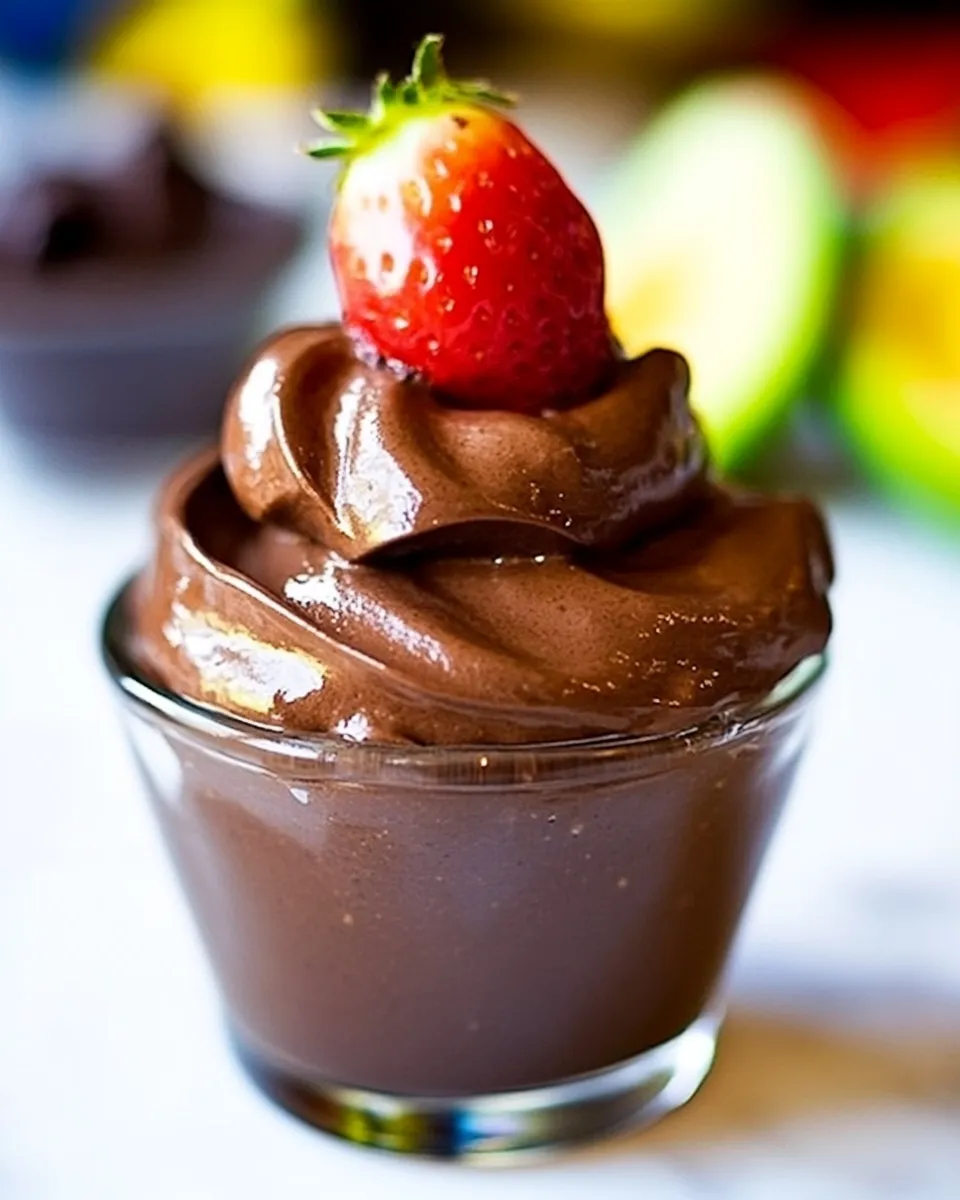
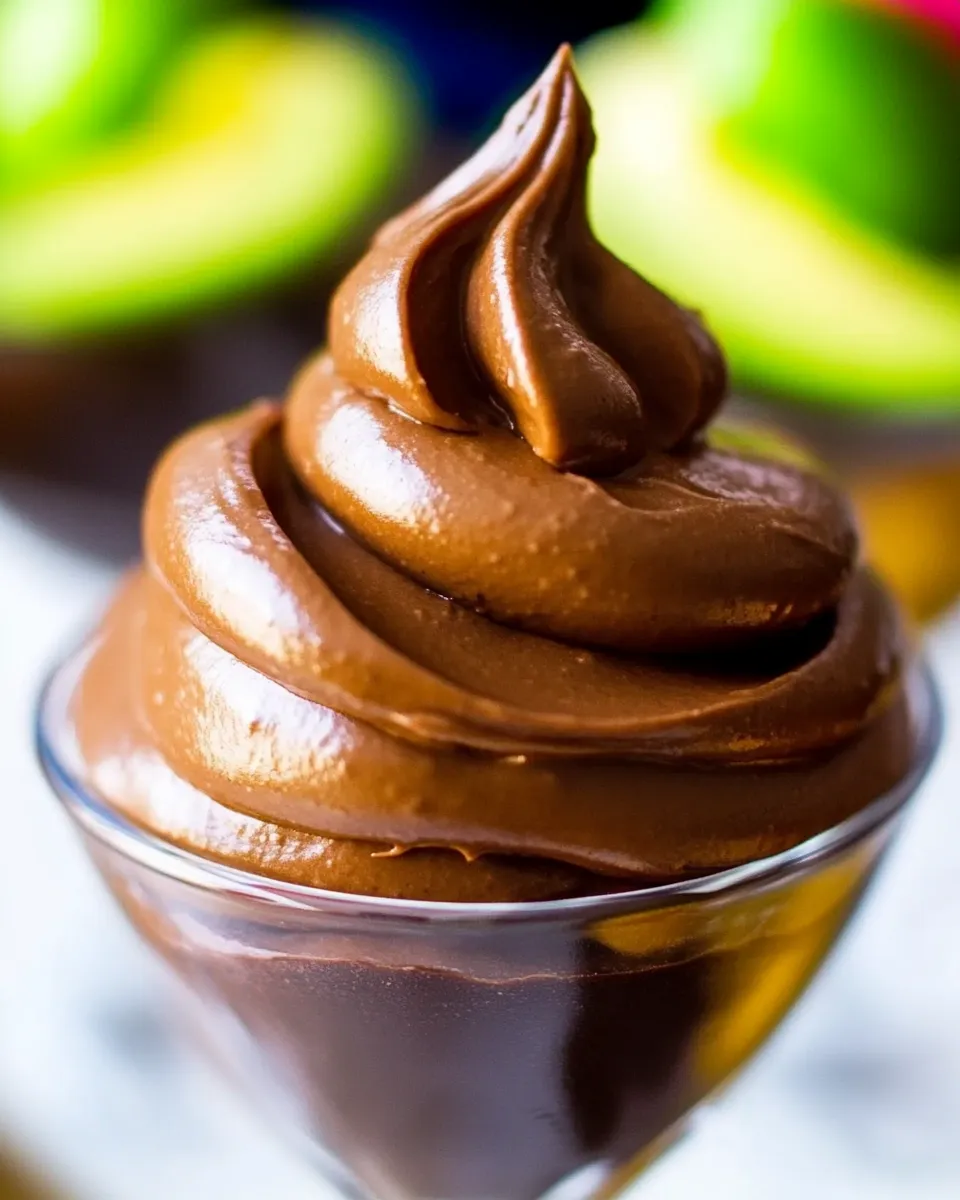
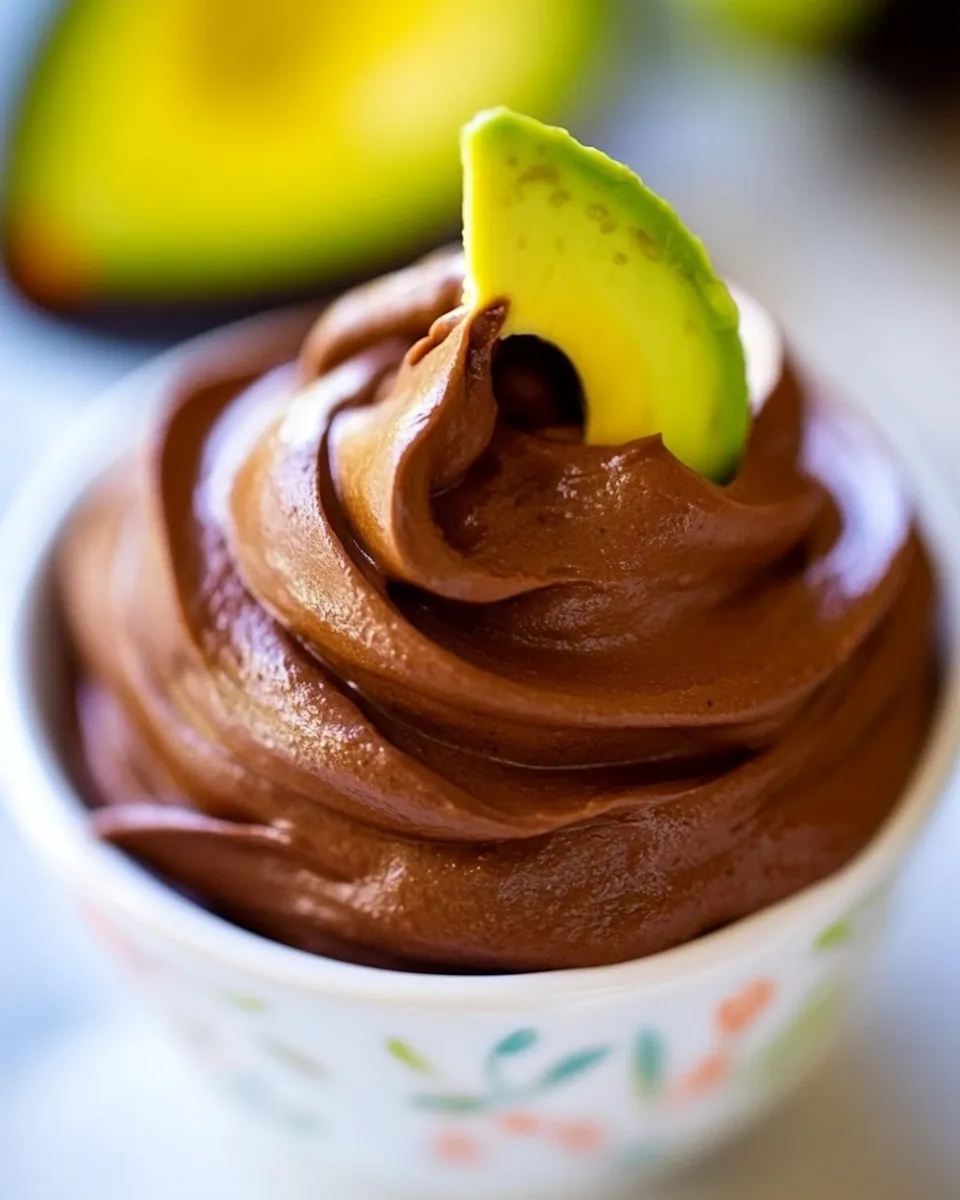
Ripe avocados and cocoa powder come together to make a frosting that’s glossy, chocolatey, and surprisingly simple. It spreads like a dream, tastes indulgent, and keeps things on the lighter side without losing the decadence you’d expect from chocolate frosting. I reach for this when I want something quick, less sweet than traditional frostings, and with a texture that stays stable for a day or two.
This recipe is practical and forgiving. A few straightforward steps in a blender or food processor, a bit of tasting, and you have a versatile frosting for cupcakes, cake layers, or spooning over fruit. If you want a richer hit, there’s an optional step for melting chocolate chips—just be careful not to add them hot to the avocado.
Keep your expectations realistic: this is not a buttercream replacement if you need a stiff, pipeable peak that holds for hours at warm temperatures. But for quick finishes, a healthier swap, or a silky vegan option, it’s one of my go-to tricks. Below you’ll find ingredient notes, exact steps, equipment suggestions, and troubleshooting so you can make it confidently every time.
Ingredients at a Glance
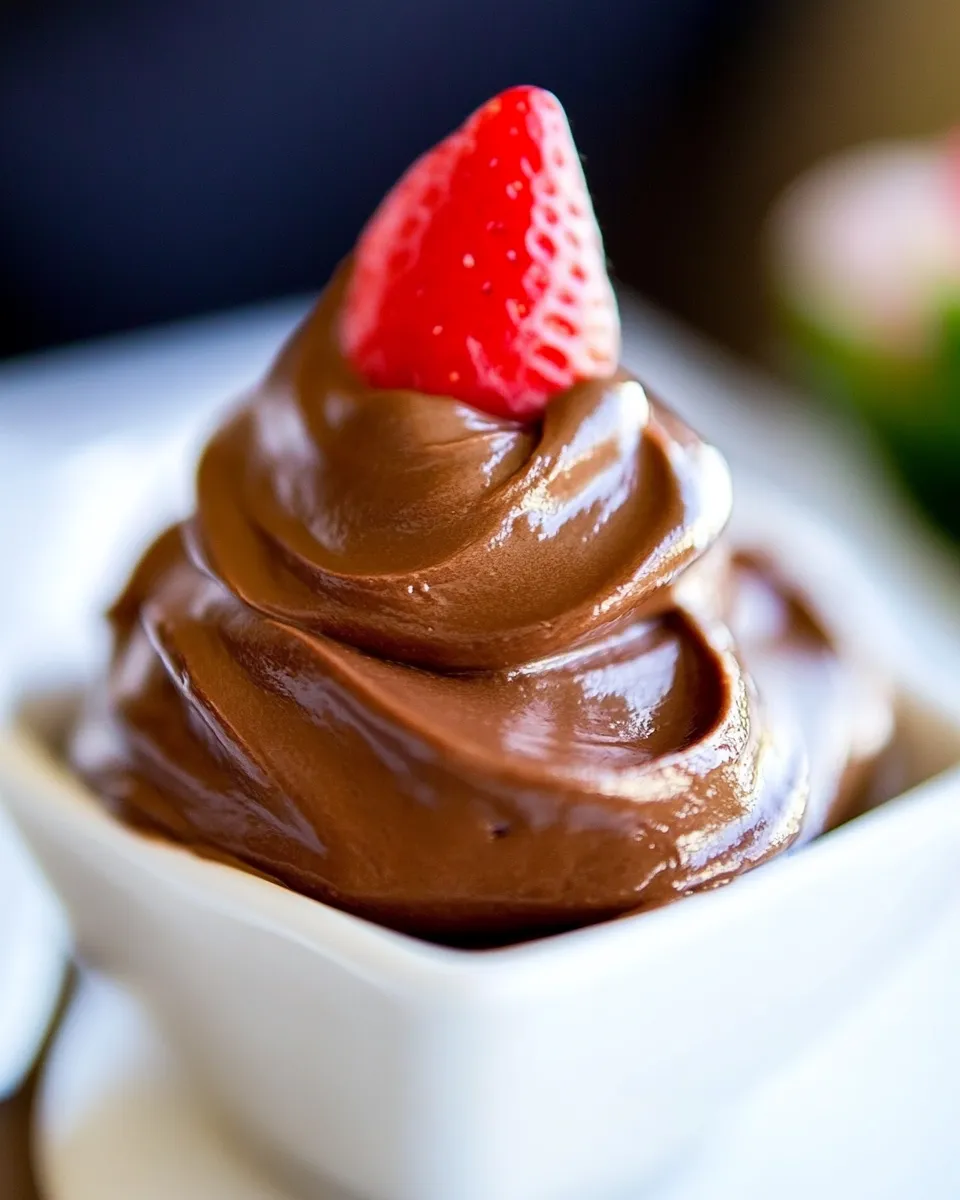
- 2 avocados — ripe but not overripe; they provide creaminess and healthy fats.
- 1/2 cup cocoa powder — unsweetened; gives rich chocolate flavor and balances the avocado’s color.
- 6-8 tbsp pure maple syrup or sweetener of choice — start at 6 tbsp and adjust to taste; maple adds depth and a smooth sweetness.
- 1/4 tsp pure vanilla extract — rounds out chocolate notes and lifts the flavor.
- 1/8 tsp salt — small but essential; enhances chocolate and balances sweetness.
- 2 oz chocolate chips (optional for richer flavor) — melts into a deeper, more decadent base when cooled and blended in.
Chocolate Avocado Frosting — Do This Next
- Halve the 2 avocados, remove and discard the peels and pits, then scoop the avocado flesh into a food processor or blender.
- If using the 2 oz chocolate chips, melt them and let them cool slightly: microwave in 20–30 second intervals, stirring between intervals until smooth, or melt in a heatproof bowl set over simmering water (double boiler), stirring until smooth. Do not add hot chocolate directly to the avocado.
- Add 1/2 cup cocoa powder, 6–8 tbsp pure maple syrup (start with 6 tbsp and add up to 8 tbsp to taste), 1/4 tsp pure vanilla extract, and 1/8 tsp salt to the food processor or blender. Add the cooled melted chocolate if using.
- Blend until completely smooth, stopping to scrape down the sides with a spatula as needed so no lumps remain.
- Taste and, if desired, adjust sweetness within the 6–8 tbsp range of maple syrup/sweetener already listed. Blend briefly again if you added more.
- Use the frosting immediately for best color and texture. Store any leftovers in an airtight container in the refrigerator for up to three days.
Why It Works Every Time
This frosting relies on a few dependable principles. First, ripe avocados give an ultra-smooth, emulsified base because of their creamy texture and natural fats. They bind cocoa powder and any melted chocolate into a stable, spreadable paste without adding dairy or heavy oils.
Second, the balance of bitter (unsweetened cocoa), sweet (maple syrup), and a pinch of salt creates the classic chocolate profile our palates expect. Vanilla acts as a flavor bridge, making the chocolate taste rounder and more pronounced. If you use the optional melted chocolate, you add cocoa butter back into the mix for a silkier mouthfeel and a deeper chocolate intensity.
Finally, blending until completely smooth and scraping down the bowl ensures there are no lumps of avocado or dry cocoa pockets—which is key for even flavor and a uniform spread. Cooling melted chocolate before adding prevents cooking the avocado and keeps the texture intact.
Swap Guide
Need to swap something? Here are practical, tested alternatives that won’t break the recipe.
- Avocados: No direct swap mimics the texture exactly, but for a non-avocado alternative, consider a cashew cream (soaked cashews blended with a bit of water). Expect a slightly different flavor profile and consistency.
- Cocoa powder: Use Dutch-processed cocoa for a smoother, deeper flavor; reduce sweetness slightly if you like it less sweet.
- Maple syrup: Honey or agave syrup work in a pinch, though they change the flavor. For a zero-sugar option, use an erythritol-based liquid sweetener and taste as you go.
- Melted chocolate: Dark chocolate (60–70%) gives the best balance; milk chocolate will add sweetness and soften the chocolate note. If omitting, increase cocoa slightly if you want more chocolate intensity.
Must-Have Equipment
Keep this list short and practical. You don’t need specialized tools, but some equipment makes the process easier and more reliable.
- Food processor or high-speed blender: Essential for getting that silky-smooth texture; a regular blender will work but may require more scraping.
- Rubber spatula: For scraping down the sides so everything blends evenly and no pockets of dry cocoa remain.
- Small heatproof bowl (if melting chocolate): For either microwave or double boiler melting—convenient and safer for cooling.
- Airtight container: To store leftovers and protect the frosting from oxidizing flavors in the fridge.
Avoid These Traps
Several common mistakes will compromise texture or flavor. Watch for them and you’ll save time and frustration.
- Adding hot chocolate to avocado: This cooks the avocado and can create gritty texture. Always let melted chocolate cool slightly before combining.
- Using overripe avocados: If they’re brown and mushy, flavor can be off and texture too loose. Aim for avocados that yield to gentle pressure without feeling collapsed.
- Skipping the scrape-down: Cocoa pockets or lumps of avocado will remain if you don’t stop and scrape the bowl. Blend until completely smooth.
- Over-sweetening right away: Start at the lower end of the maple syrup range and add more after tasting; sweetness perception changes after blending.
- Leaving it out too long: Avocado frosting can brown if exposed to air for extended periods. Use quickly and store leftovers in an airtight container.
Tailor It to Your Diet
This frosting is already naturally dairy-free and can easily be made vegan and gluten-free. Here are specific tweaks for common dietary needs.
- Vegan: Use maple syrup and omit any non-vegan chocolate chips. Most dark chocolate is vegan, but check the label.
- Nut-free: The base contains no nuts. If swapping avocado for cashew cream (not recommended if you must strictly avoid nuts), be aware of cross-contamination.
- Lower sugar: Use a calorie-free liquid sweetener compatible with baking (stevia/erythritol blends) and add slowly to taste. Texture will be largely similar.
- Whole-food focus: Stick with pure maple syrup and unsweetened cocoa powder for the cleanest ingredient list.
Little Things that Matter
Small details change the result more than you think. I keep a short checklist before I blend:
- Temper the chocolate: If using chips, melt gently and cool briefly; add when warm to room temperature, not hot.
- Taste in stages: After initial blending, taste and decide if you want more maple syrup or a touch more salt to highlight the cocoa.
- Consistency adjustments: If the frosting seems too thick, a teaspoon of plant milk or water can loosen it slightly—add sparingly.
- Room temperature fruit pairing: Cold cake or chilled fruit will firm the spread; for a softer finish, bring the frosting to room temp briefly before spreading.
Best Ways to Store
Storage is simple but important for color and texture. Transfer any leftover frosting to an airtight container and press a piece of plastic wrap directly onto the surface before sealing to minimize browning.
Keep refrigerated for up to three days. When you’re ready to use it again, let it sit at room temperature for 10–20 minutes and stir or briefly re-blend to refresh the texture. If it firms too much in the fridge, a little gentle fold or a short pulse in the blender brings back spreadability.
Your Questions, Answered
Q: Can I pipe this frosting?
A: It depends on the piping tip and the temperature. This frosting is softer and less stable than buttercream. It can be piped with a wide tip for rustic swirls immediately after blending, but it won’t hold very fine details or tall peaks—chill briefly to firm it if needed.
Q: Will it taste like avocado?
A: Properly balanced with cocoa, vanilla, salt, and a bit of sweetener, the avocado melts into the background and primarily provides texture. The chocolate notes dominate, especially if you use the optional melted chocolate.
Q: Can I freeze it?
A: Freezing isn’t ideal because thawing may change the texture. If you must freeze, expect some separation; re-blend thoroughly after thawing and use within a week.
Q: Can I make it ahead for a party?
A: Yes—make it up to two days ahead, store tightly covered in the fridge, and bring to room temperature and stir before serving. For best appearance, apply to baked goods close to serving time.
Bring It Home
Chocolate Avocado Frosting is one of those small kitchen wins: quick to make, flexible, and reliably delicious when you follow a few simple rules. Start with ripe avocados, balance your sweetness, and blend well. The optional melted chocolate is a nice upgrade if you want extra depth, but the core combination of avocado, cocoa, maple, vanilla, and salt already delivers a satisfying finish.
Use it on cupcakes, as a thin layer between cake layers, dolloped over warm brownies, or served alongside fresh fruit. It’s an easy way to add a touch of chocolate that feels a little lighter and a lot savvy. Try it once and you’ll have a new go-to frosting that’s quick, versatile, and forgiving.
Chocolate Avocado Frosting
Ingredients
Ingredients
- 2 avocados
- 1/2 cupcocoa powder
- 6-8 tbsppure maple syrupor sweetener of choice
- 1/4 tsppure vanilla extract
- 1/8 tspsalt
- 2 ozchocolate chips optional for richer flavor
Instructions
Instructions
- Halve the 2 avocados, remove and discard the peels and pits, then scoop the avocado flesh into a food processor or blender.
- If using the 2 oz chocolate chips, melt them and let them cool slightly: microwave in 20–30 second intervals, stirring between intervals until smooth, or melt in a heatproof bowl set over simmering water (double boiler), stirring until smooth. Do not add hot chocolate directly to the avocado.
- Add 1/2 cup cocoa powder, 6–8 tbsp pure maple syrup (start with 6 tbsp and add up to 8 tbsp to taste), 1/4 tsp pure vanilla extract, and 1/8 tsp salt to the food processor or blender. Add the cooled melted chocolate if using.
- Blend until completely smooth, stopping to scrape down the sides with a spatula as needed so no lumps remain.
- Taste and, if desired, adjust sweetness within the 6–8 tbsp range of maple syrup/sweetener already listed. Blend briefly again if you added more.
- Use the frosting immediately for best color and texture. Store any leftovers in an airtight container in the refrigerator for up to three days.
Equipment
- Food processor or blender
- Microwave (optional)
- Heatproof bowl
- saucepan (for double boiler)
- Spatula
Notes
Use leftover avocados to make
Avocado Ice Cream
.