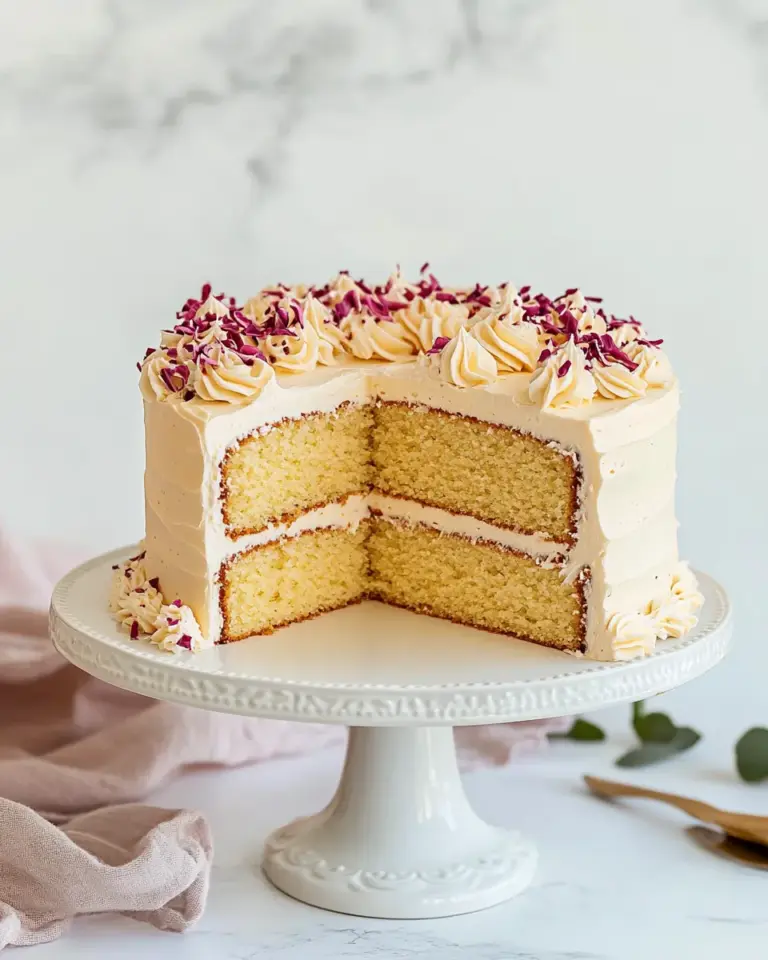
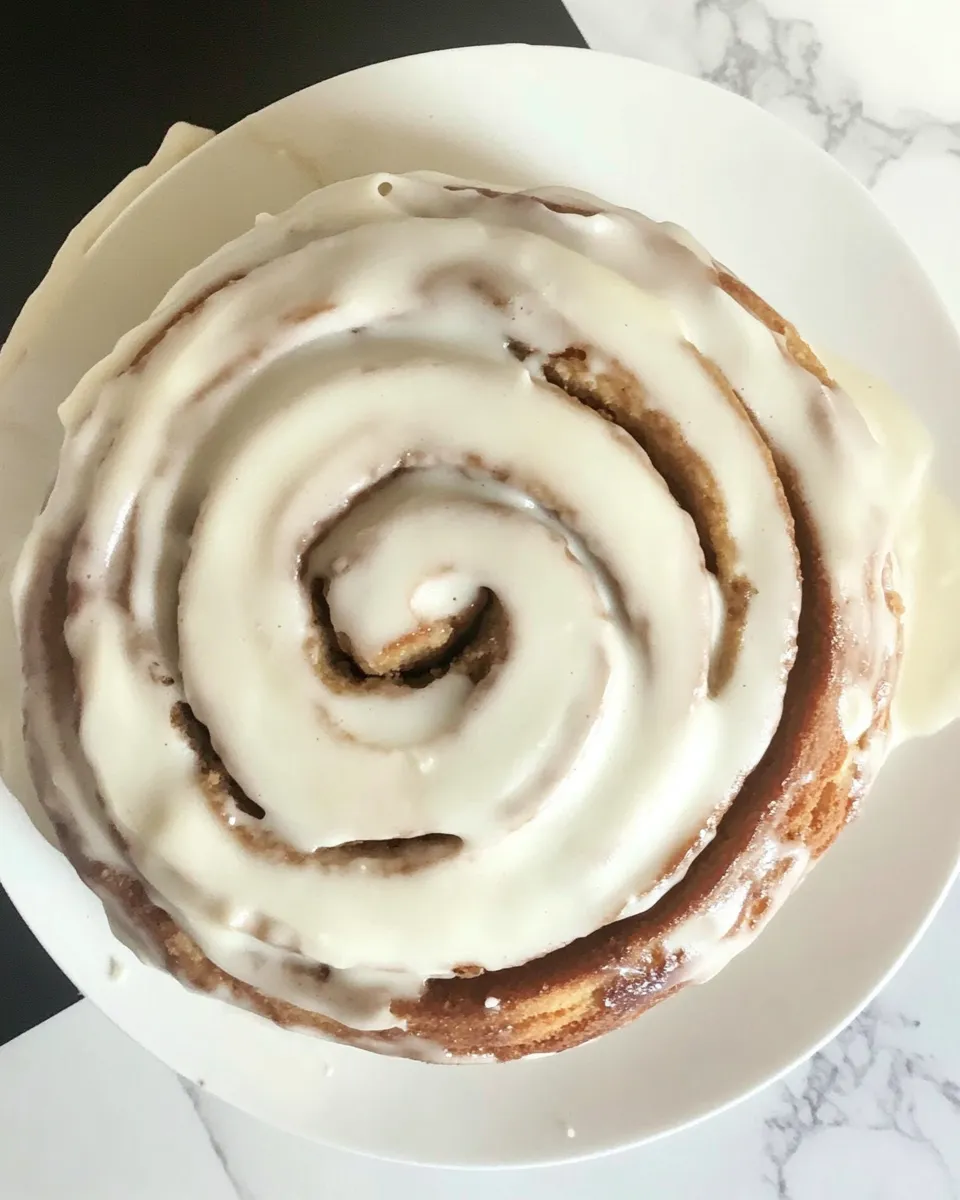
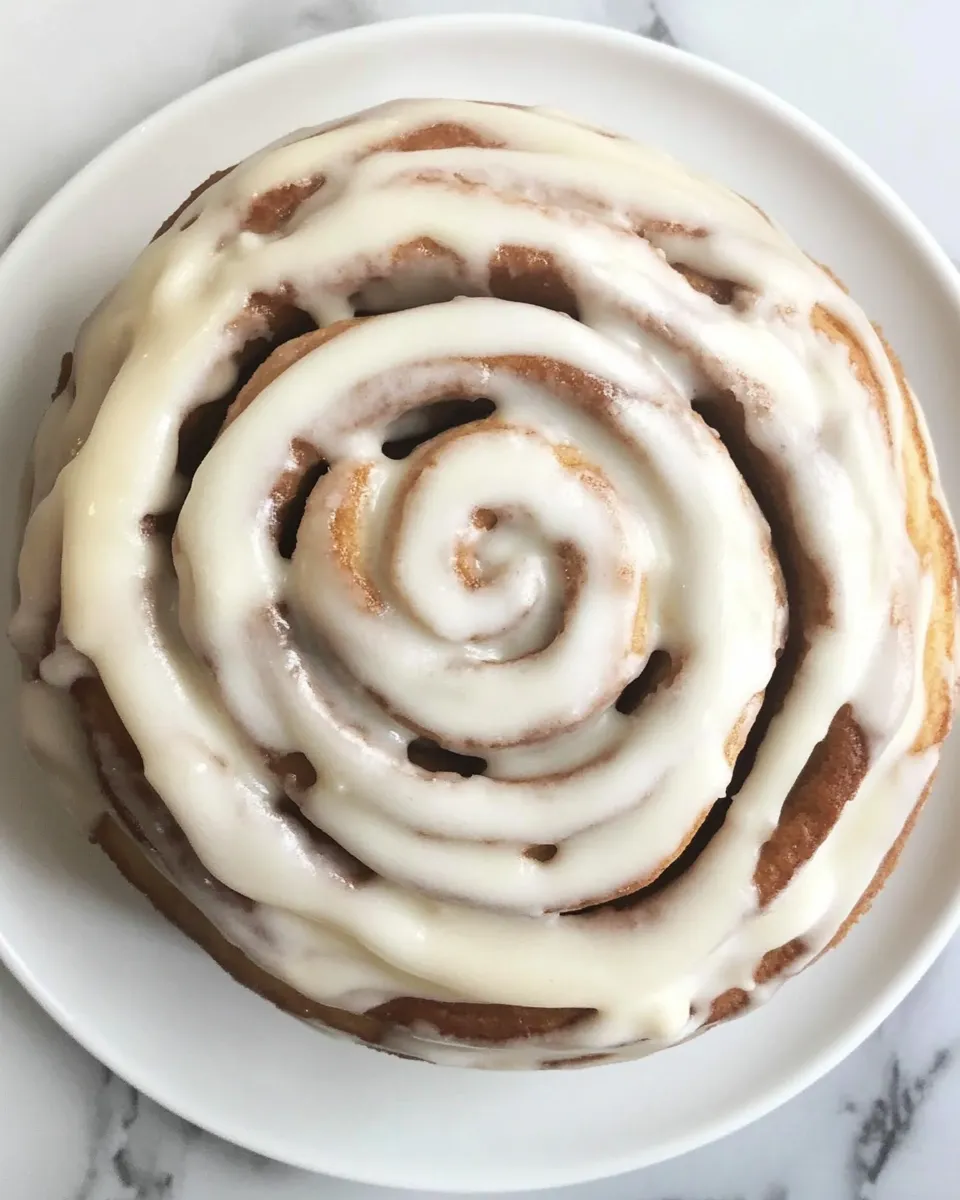
This cinnamon roll cake is everything I want from a weekend bake: a tender, buttery cake with a swirled cinnamon-sugar ribbon and a simple glaze that soaks into every forkful. It’s built from pantry staples and comes together quickly because the batter is straightforward and the cinnamon filling does the flavor heavy lifting.
I like this recipe because it reads like a cinnamon roll without the fuss of rolling individual buns. You get the same comforting spices and brown-sugar richness but as a sheet cake—perfect for mornings when you want something celebratory without an all-day commitment.
Below I’ll walk you through the ingredients and the step-by-step directions exactly as written, then share practical tips, equipment notes, and sensible swaps so you can adapt without guessing. Read through the full page first if you want context; otherwise, scroll straight to the steps and bake.
What You’ll Need
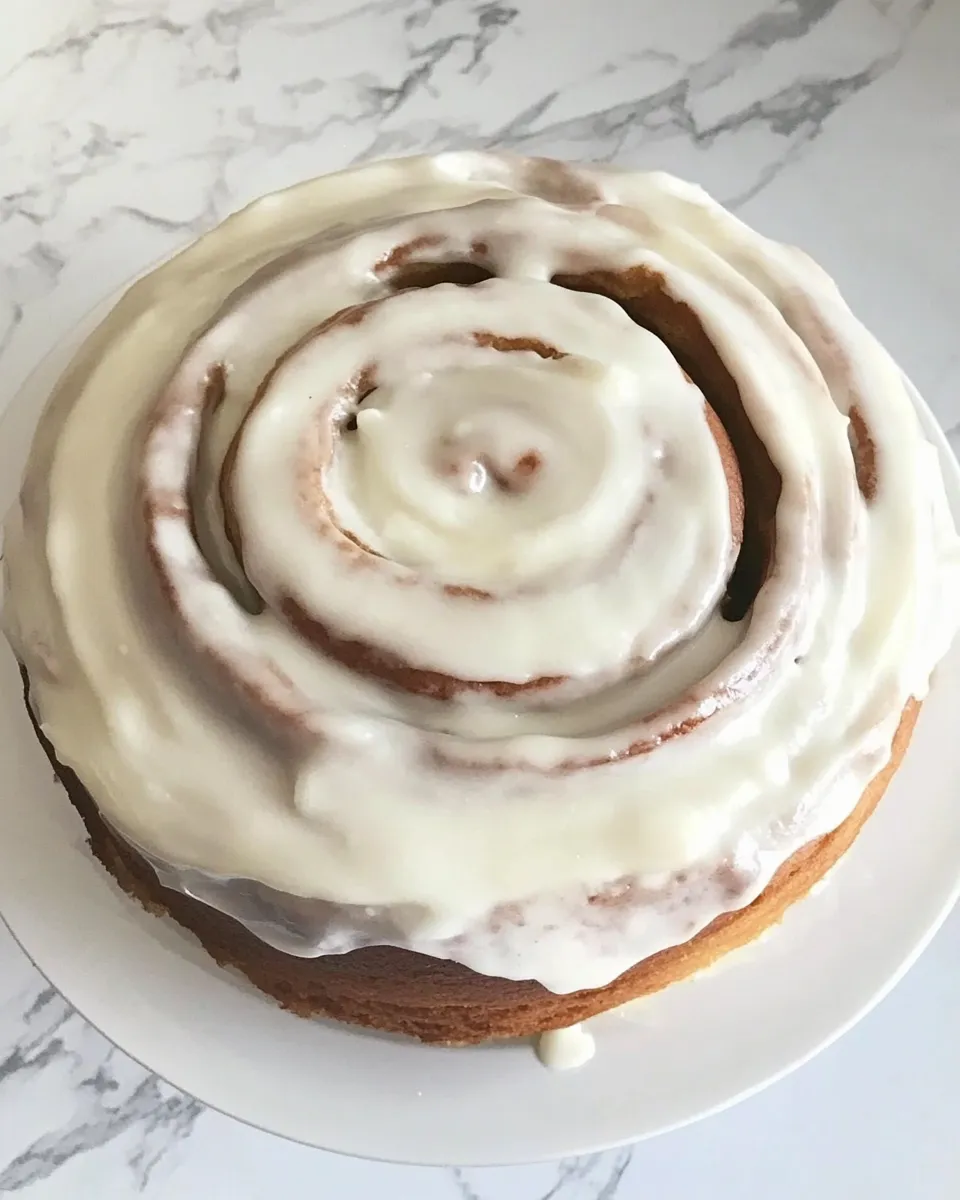
Ingredients
- 3 cups all-purpose flour, sifted — the structure of the cake; sifting helps keep it light.
- ¼ teaspoon salt — balances sweetness and enhances flavor.
- 1 cup granulated sugar — primary sweetener for the cake layer.
- 4 teaspoon baking powder — leavening to give the cake lift.
- 1 and ½ cup milk — hydrates the batter and contributes tenderness.
- 2 large eggs — binders that add richness and help with rise.
- 2 teaspoon vanilla extract — flavor boost for the cake batter.
- ½ cup unsalted butter, melted, 1 stick — folded into the batter for moisture and flavor.
- 1 cup unsalted butter, softened to room temperature, 2 sticks — used in the cinnamon filling for creaminess and spreadability.
- 1 cup packed light brown sugar — the filling’s caramel notes; packed gives consistent sweetness.
- 2 tablespoon all-purpose flour — stabilizes the cinnamon filling so it holds together while baking.
- 1 tablespoon ground cinnamon — the signature spice; fresh-ground delivers the best aroma.
- 2 cup powdered sugar, sifted — for the glaze; sifting prevents lumps and ensures a smooth drizzle.
- 5 tablespoon milk — hydrates the glaze and controls consistency.
- 1 teaspoon vanilla extract — adds depth to the glaze.
Cinnamon Roll Cake From Scratch in Steps
- Preheat the oven to 350°F. Grease a 9″x13″ cake pan (or line it with parchment paper or aluminum foil and grease the sides and bottom). Set the pan aside.
- In a large mixing bowl, whisk together 3 cups sifted all-purpose flour, 1/4 teaspoon salt, 1 cup granulated sugar, and 4 teaspoons baking powder.
- Add 1 and 1/2 cups milk, 2 large eggs, and 2 teaspoons vanilla extract to the dry ingredients and whisk until smooth.
- Slowly whisk in 1/2 cup melted unsalted butter until the batter is uniform.
- Spread the batter evenly into the prepared pan. Set aside.
- In a medium mixing bowl, beat 1 cup softened unsalted butter with an electric mixer until creamy. Add 1 cup packed light brown sugar, 2 tablespoons all-purpose flour, and 1 tablespoon ground cinnamon. Beat about 2 minutes until fluffy — the mixture may look crumbly at first but will come together.
- Spread the filling mixture over the batter, leaving at least a 1-inch border from the edges of the pan. Gently swirl the filling into the batter with an offset spatula or rubber spatula.
- Bake for 28 to 32 minutes, or until a toothpick inserted into the cake portion (not the filling) comes out clean.
- Remove the pan from the oven and cool the cake in the pan on a wire rack for 15 minutes.
- While the cake cools, sift 2 cups powdered sugar into a medium bowl. Add 5 tablespoons milk and 1 teaspoon vanilla extract, then whisk until smooth and of a drizzling consistency (if it seems too thick, add a few drops of milk and whisk again).
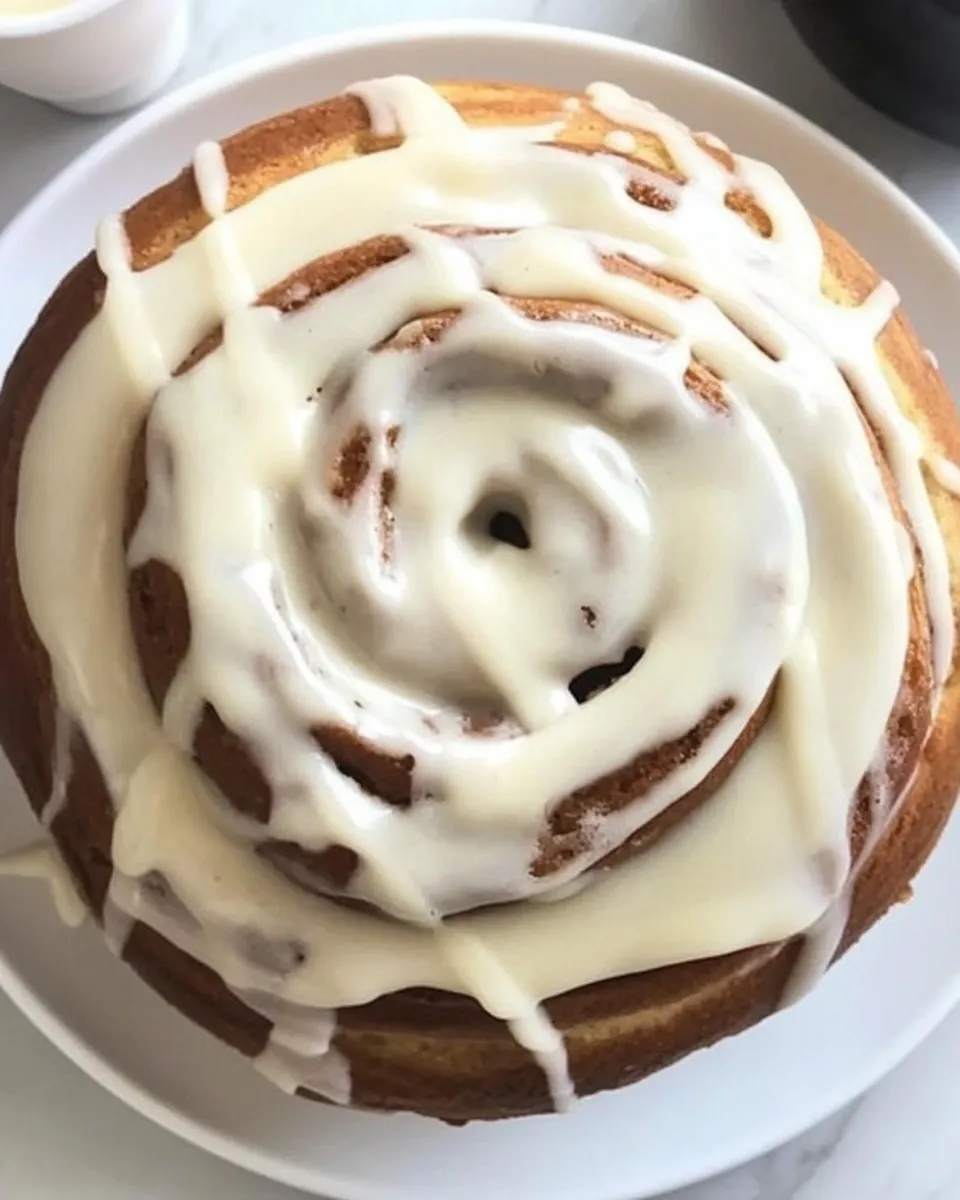
- Pour the glaze evenly over the still-warm cake and spread to cover.
- Allow the glaze to set, then store the cake covered at room temperature for up to 3 days.
Why This Recipe Works
The chemistry here is simple and reliable. The balance of flour, baking powder, eggs, and milk creates a tender crumb that still holds up under a dense cinnamon-sugar ribbon. The melted butter in the batter introduces moisture without overworking the gluten, while the whipped softened butter in the filling traps air and builds a pillowy, spreadable texture.
Leaving a 1-inch border before swirling prevents the filling from baking out into the pan and keeps the cake’s edges clean. Baking until a toothpick in the cake portion comes out clean ensures the cake is set while the filling stays slightly gooey—exactly where you want it.
Budget & Availability Swaps
- Butter: Use salted butter if unsalted isn’t available; reduce added salt slightly if you prefer. The flavor will be fine either way.
- Milk: Whole milk gives more richness, but 2% or a milk alternative (oat or soy) will work in a pinch. The texture may be slightly lighter with plant milks.
- Brown sugar: If you only have granulated sugar, make a quick substitute with 1 cup granulated sugar plus 1 tablespoon molasses for each cup of brown sugar needed.
- Vanilla extract: If you’re out, skip it rather than substituting extracts that are much stronger. The cake will still be delicious.
Equipment Breakdown
- 9″x13″ cake pan — essential; the recipe is calibrated for this size.
- Mixing bowls — one large for batter, one medium for filling, and one for glaze.
- Whisk and electric mixer — whisk for the batter and glaze; a handheld mixer speeds up the filling step and ensures a fluffy texture.
- Offset spatula or rubber spatula — for spreading and swirling the filling gently into the batter.
- Wire rack — for cooling the pan evenly to set the glaze properly.
Steer Clear of These
- Overmixing the batter — mix just until smooth. Overworking develops gluten and can make the cake tough.
- Placing the filling right to the edges — it will bake out and create an uneven border. Leave that 1-inch margin.
- Testing doneness in the filling — the filling stays moist; always test the cake portion for doneness so you don’t overbake.
- Pouring glaze on a cold cake — it won’t spread or soak in. The cake should still be warm so the glaze sinks in slightly.
Variations for Dietary Needs
You can adapt the concept without changing technique, but expect texture differences.
- Egg-free: Use a commercial egg replacer or two tablespoons ground flaxseed mixed with 6 tablespoons water (per egg substitute guidance) — the cake will be denser and slightly coarser.
- Dairy-free: Swap butter for a 1:1 dairy-free spread that bakes well and use a full-fat plant milk. Choose a neutral-flavored spread to avoid coconut notes unless you want them.
- Lower sugar: Reduce granulated sugar in the cake by 1/4 cup and trim the brown sugar in the filling by 2 tablespoons. The cake will be less sweet but still flavorful because of the cinnamon.
Behind-the-Scenes Notes
I make this cake on mornings when guests are arriving within the hour. The batter is forgiving, and the filling is more forgiving than a laminated dough or yeast-based roll. The swirl technique is important: don’t overdo the stirring—gentle swirls create pockets of filling throughout the cake without collapsing the batter.
When I prep ahead, I’ll make the batter and filling the night before, store them separately in the fridge, then assemble and bake in the morning. Cold butter in the filling will need extra beating time to come back to a spreadable consistency.
Refrigerate, Freeze, Reheat
Storage is straightforward. Once glazed, store the cake covered at room temperature for up to 3 days. For longer storage, freeze unfrosted slices tightly wrapped; they’ll keep well for up to 2 months. Thaw in the fridge or at room temperature and add the glaze fresh if you prefer a freshly drizzled look.
To reheat, warm single slices in a microwave for 10–15 seconds or in a 325°F oven for 8–10 minutes wrapped loosely in foil. Warmth brings the filling back to that soft, gooey state without melting the glaze into a puddle.
Your Top Questions
- Can I make this in a round pan? The recipe is scaled for a 9″x13″. A round pan will change the thickness and bake time; I don’t recommend that unless you adjust bake time and watch closely.
- Why does the filling sometimes sink? If the filling is too heavy or you over-swirl, it can sink. Beat the filling until fluffy and keep that 1-inch border before swirling.
- Can I use brown butter? You can brown the melted butter for the batter for a nuttier flavor. Cool it slightly before adding so you don’t affect the batter texture.
- Is the glaze necessary? It adds the classic sweet finish, but the cake is still lovely without it—just dust with powdered sugar if you prefer a lighter finish.
Bring It Home
This Cinnamon Roll Cake From Scratch is the recipe I reach for when I want classic cinnamon-roll flavor without the hands-on time of rolling and proofing. It’s forgiving, friendly, and scales beautifully for a crowd. Follow the steps as written, keep the filling airy, and mind the bake time for a perfectly moist crumb with those swirled pockets of cinnamon-sugar goodness. Bake, slice warm, and enjoy with coffee or a late-morning crowd—it’s the kind of recipe that disappears fast.

Cinnamon Roll Cake From Scratch
Ingredients
Ingredients
- 3 cupsall-purpose floursifted
- 1/4 teaspoonsalt
- 1 cupgranulated sugar
- 4 teaspoonbaking powder
- 1 and 1/2 cupmilk
- 2 large eggs
- 2 teaspoonvanilla extract
- 1/2 cupunsalted buttermelted 1 stick
- 1 cupunsalted buttersoftened to room temperature 2 sticks
- 1 cuppacked light brown sugar
- 2 tablespoonall-purpose flour
- 1 tablespoonground cinnamon
- 2 cuppowdered sugarsifted
- 5 tablespoonmilk
- 1 teaspoonvanilla extract
Instructions
Instructions
- Preheat the oven to 350°F. Grease a 9"x13" cake pan (or line it with parchment paper or aluminum foil and grease the sides and bottom). Set the pan aside.
- In a large mixing bowl, whisk together 3 cups sifted all-purpose flour, 1/4 teaspoon salt, 1 cup granulated sugar, and 4 teaspoons baking powder.
- Add 1 and 1/2 cups milk, 2 large eggs, and 2 teaspoons vanilla extract to the dry ingredients and whisk until smooth.
- Slowly whisk in 1/2 cup melted unsalted butter until the batter is uniform.
- Spread the batter evenly into the prepared pan. Set aside.
- In a medium mixing bowl, beat 1 cup softened unsalted butter with an electric mixer until creamy. Add 1 cup packed light brown sugar, 2 tablespoons all-purpose flour, and 1 tablespoon ground cinnamon. Beat about 2 minutes until fluffy — the mixture may look crumbly at first but will come together.
- Spread the filling mixture over the batter, leaving at least a 1-inch border from the edges of the pan. Gently swirl the filling into the batter with an offset spatula or rubber spatula.
- Bake for 28 to 32 minutes, or until a toothpick inserted into the cake portion (not the filling) comes out clean.
- Remove the pan from the oven and cool the cake in the pan on a wire rack for 15 minutes.
- While the cake cools, sift 2 cups powdered sugar into a medium bowl. Add 5 tablespoons milk and 1 teaspoon vanilla extract, then whisk until smooth and of a drizzling consistency (if it seems too thick, add a few drops of milk and whisk again).
- Pour the glaze evenly over the still-warm cake and spread to cover.
- Allow the glaze to set, then store the cake covered at room temperature for up to 3 days.
Equipment
- 9×13-inch Cake Pan
- Mixing bowls
- Whisk
- Electric Mixer
- offset spatula or rubber spatula
- Wire Rack
- parchment paper or aluminum foil (optional)
Notes
Please note, that the nutrition value can vary depending on what product you use. The information below is an estimate. Always use calorie counter you are familiar with.