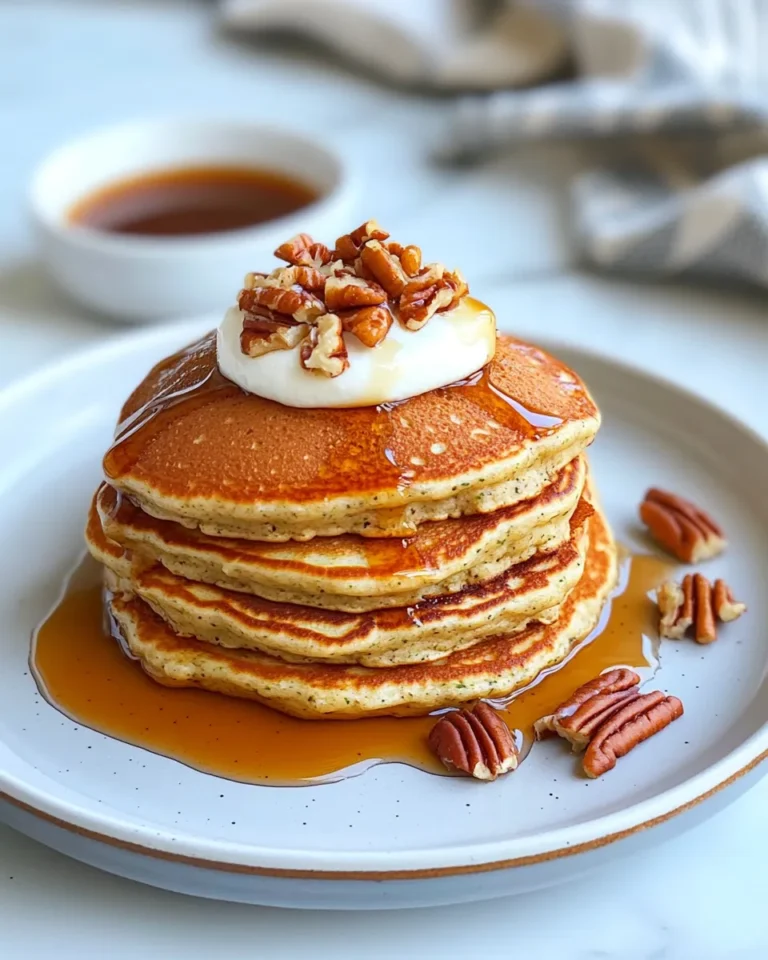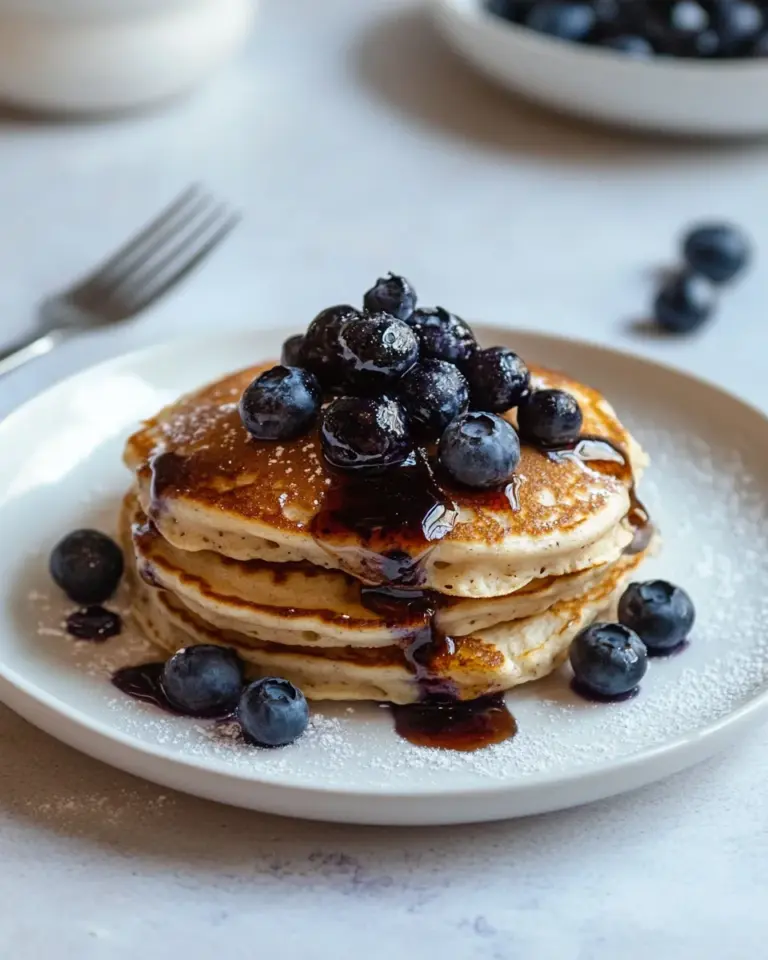
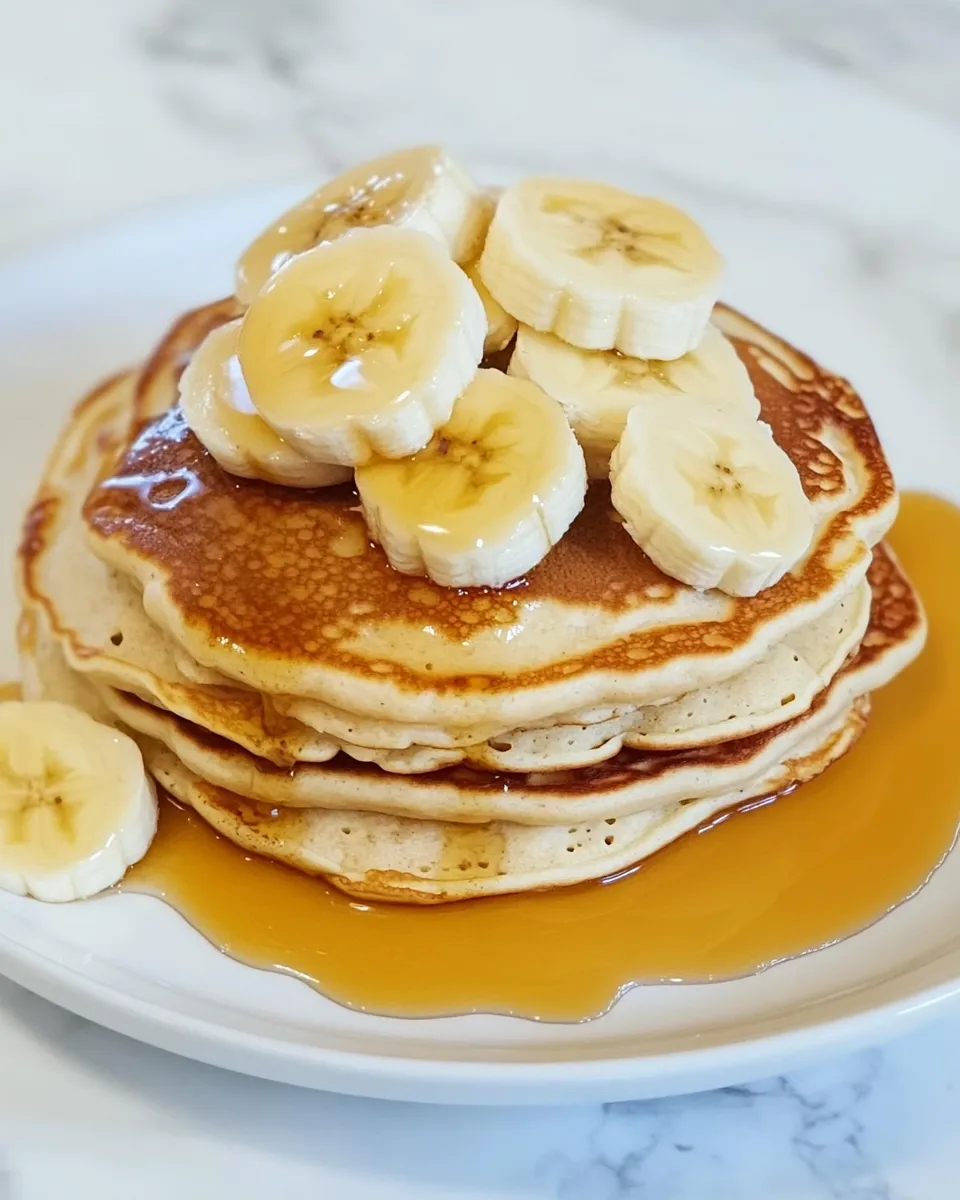
These pancakes live at the intersection of simple pantry cooking and satisfyingly soft breakfast. They use only a handful of ingredients and behave like a sticky, forgiving batter that turns into warm, small cakes with a tender interior. There’s no flour milling, no sugar to measure, and minimal cleanup.
I make these when bananas are too ripe to ignore. The coconut flour pulls moisture and gives a pleasant, slightly grainy texture that holds together with eggs and banana. They’re quick, predictable, and forgiving if you pay attention to one or two small details.
Below you’ll find exactly what I use, the exact step-by-step directions to follow, practical swaps within the recipe’s limits, and troubleshooting tips so your batch comes out consistent every time.
What We’re Using
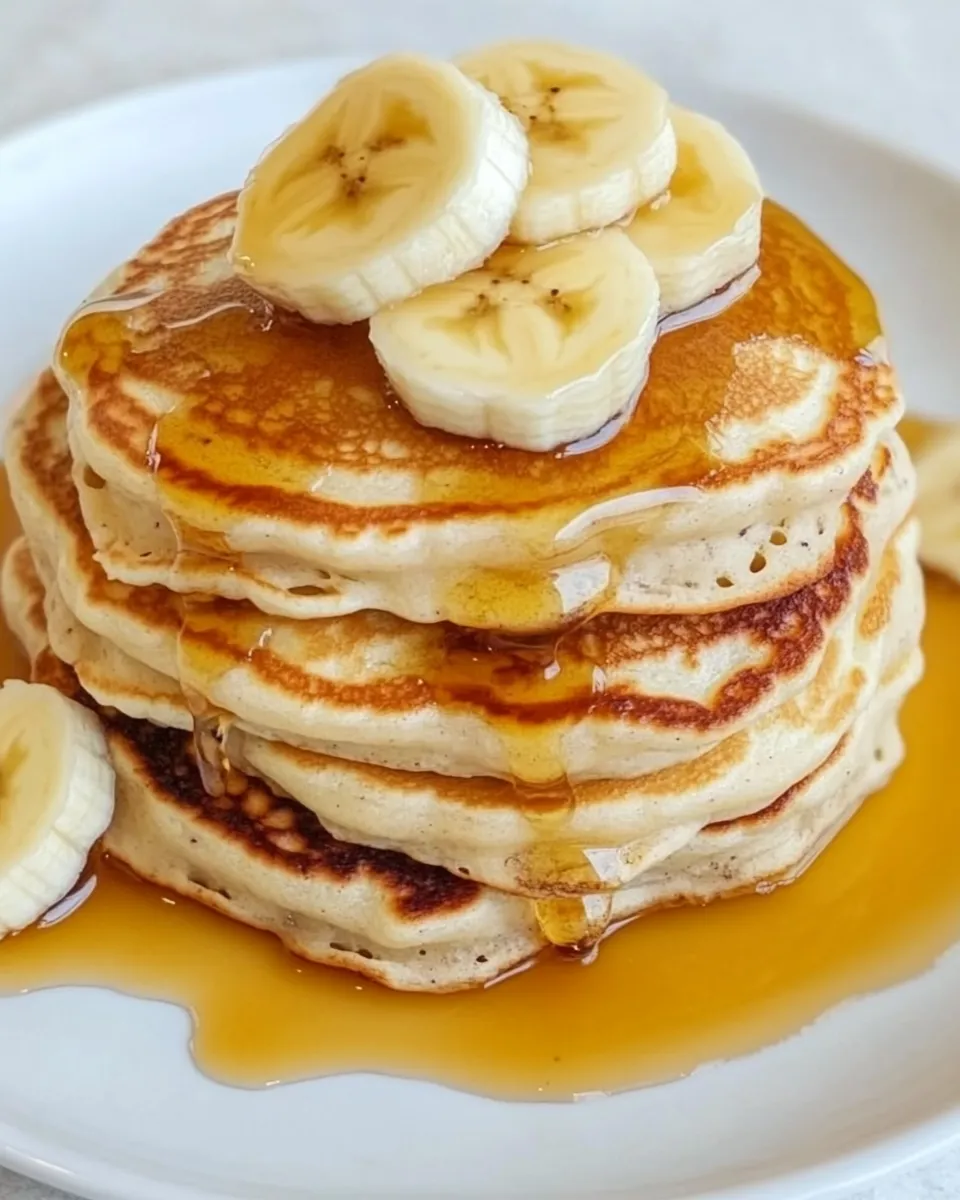
This recipe relies on the natural sweetness and binding power of very ripe bananas combined with eggs for structure and sifted coconut flour to absorb moisture and add body. A small amount of milk is optional if the batter is too thick — it’s there purely to tweak the consistency.
I keep the method straightforward: mash or blend, whisk in the eggs, fold in the coconut flour, rest briefly, and cook covered on a medium-hot pan. The cover helps the pancakes set through without burning the bottom.
Ingredients
- 3 large bananas (overripe) — provide sweetness, moisture, and most of the structure; the riper they are, the sweeter and easier to mash.
- 1/4 cup coconut flour (sifted) — absorbs moisture and creates a thick, cohesive batter; sifted is recommended to avoid clumps.
- 3 large eggs — bind the batter and give the pancakes lift and stability while cooking.
- 1-2 tablespoon milk of choice (Optional) — use only if the batter is too thick to drop from a spoon; adds a small amount of looseness for easier portioning.
Coconut Flour Banana Pancakes — Do This Next
- Peel the 3 large overripe bananas and place them in a large mixing bowl or a high-speed blender.
- If using a blender, blend the bananas until mostly smooth. If using a bowl, mash the bananas thoroughly with a fork until mostly smooth.
- Add the 3 large eggs to the mashed/blended bananas and whisk together until evenly combined.
- Add 1/4 cup sifted coconut flour to the bowl and whisk until a thick, cohesive batter forms. Let the batter sit 1–2 minutes to allow the coconut flour to absorb moisture.
- If the batter is too thick to drop from a spoon, add milk of choice, 1 tablespoon at a time, up to 2 tablespoons total (optional), until the batter reaches a spoonable but thick consistency.
- Heat a large non-stick pan over medium heat until hot. Use large spoonfuls of batter to drop pancakes onto the pan, then immediately cover the pan. Cook the pancakes 2–3 minutes, until the edges look set and the bottoms are golden.
- Flip each pancake and cook for an additional 2 minutes, until cooked through. Repeat dropping, covering, and cooking until all the batter is used.
Why I Love This Recipe
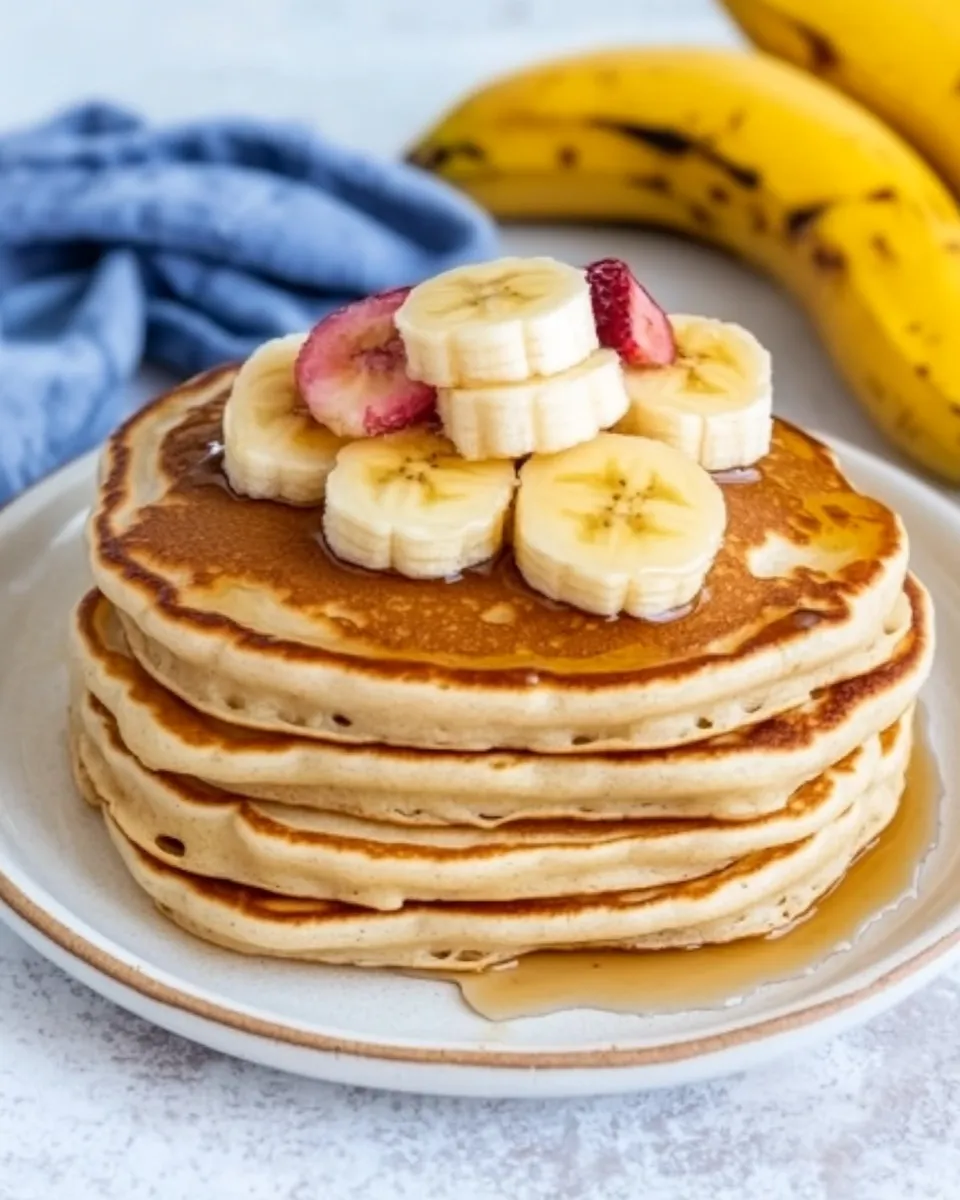
First, it’s fast. From mixing to the first plate takes about 12–15 minutes. No whisking separate dry and wet bowls, no waiting for the pan to reach a special temperature. The technique is compact and forgiving.
Second, it’s economical. Overripe bananas get eaten, not tossed. Coconut flour is used sparingly here, which keeps cost and starchiness down while still giving you that coconut undertone. The eggs do the heavy lifting structurally, so you don’t need leaveners or starches beyond the coconut flour.
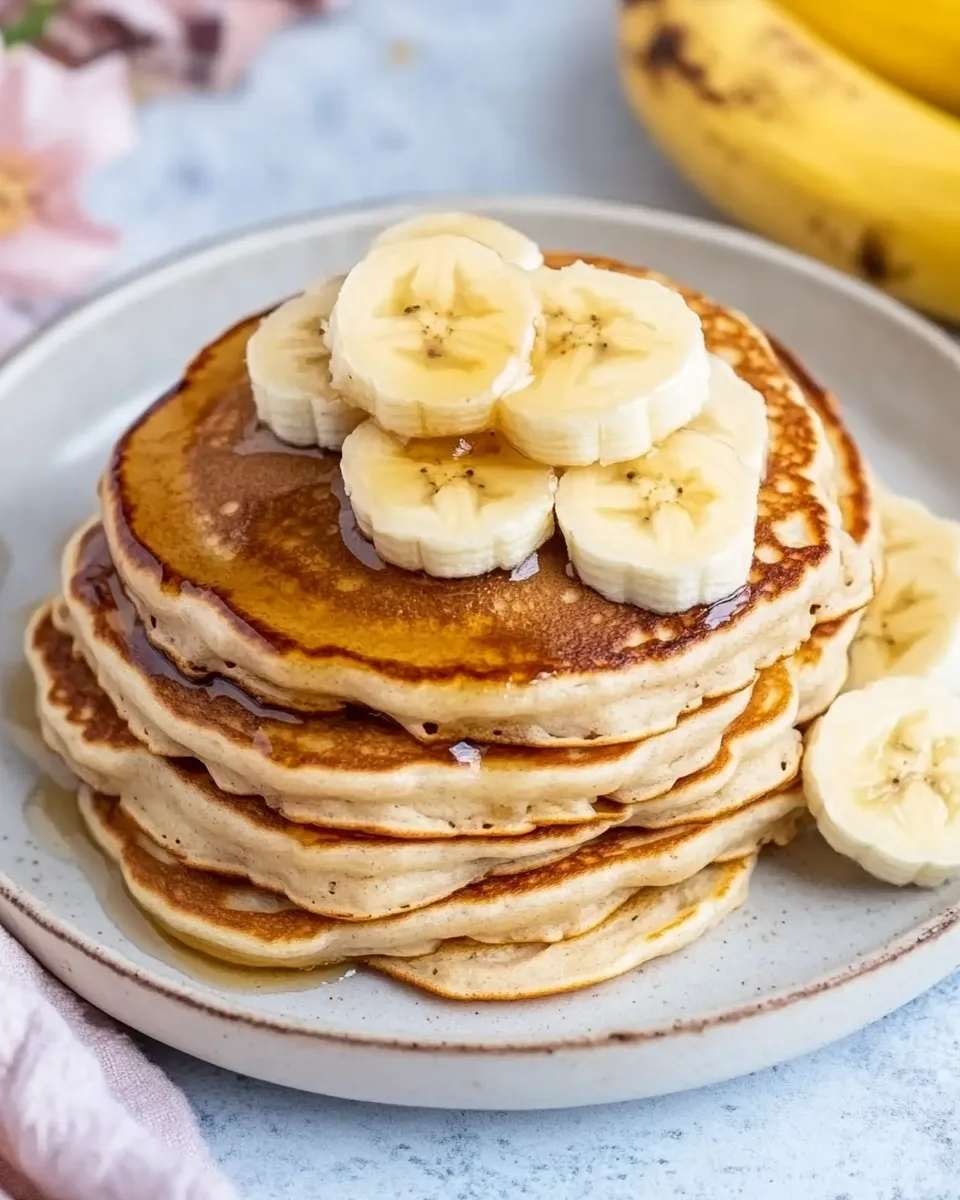
Finally, the texture is specific and pleasant: slightly dense compared to fluffy wheat pancakes but tender and moist thanks to the banana and eggs. They work well as a quick solo breakfast or scaled up for a small family brunch.
Quick Replacement Ideas
- For dairy-free: stick with the recipe and use a plant-based milk if you need the optional milk at all — the recipe already anticipates “milk of choice.”
- If the batter seems too thick, follow the recipe and add up to the allowed amount of milk of choice in 1 tablespoon increments.
- If you’re out of a blender, mash the bananas thoroughly with a fork and whisk the eggs vigorously to create the same homogenous base.
Gear Up: What to Grab
- Large mixing bowl or high-speed blender — either works; the blender makes the batter smoother and easier to pour.
- Fork or whisk — for mashing and combining the eggs into the banana.
- Sifter — helpful for the coconut flour to avoid lumps (you can push it through a fine sieve if you don’t have a sifter).
- Large non-stick pan with a lid — the lid is essential for getting the pancakes set through without burning their bottoms; a heavy skillet works too.
- Spatula and large spoon — to drop batter, flip gently, and transfer pancakes to a plate.
Don’t Do This
- Don’t skip sifting the coconut flour or breaking up clumps — coconut flour tends to clump, and dry pockets will ruin the batter’s texture.
- Don’t try to make very large pancakes. The batter is thick and works best as medium-sized to large spoonfuls; overly large pancakes can undercook in the center before the outside browns.
- Don’t cook uncovered at high heat trying to rush them. The bottoms will brown too fast while the centers remain unset. The recipe calls for covering the pan to finish cooking gently.
Variations for Dietary Needs
- Dairy-free: This recipe already accommodates dairy-free cooking by listing milk of choice as optional. Use a plant-based milk for the optional step if needed.
- Lower-sugar approach: Use very ripe bananas for flavor so you don’t need any added sweeteners. The bananas provide the sweetness here.
- Simple texture adjustments: If you want looser batter for larger batches or slightly lighter pancakes, add the optional milk of choice within the recipe’s stated limits and proceed the same way.
Notes on Ingredients
Bananas: Use overripe fruit. The more brown spots, the sweeter and easier to mash they are. Overripe bananas are also softer, which helps create that cohesive batter that binds with the eggs and coconut flour.
Coconut flour: It absorbs a lot of moisture relative to other flours. Measuring by scoop and then sifting helps avoid dense clumping. The recipe specifies 1/4 cup sifted — take that literally for a consistent batter.
Eggs: They provide structure and cook to set the pancakes. The ratio here (3 eggs for the quantities listed) is deliberate; eggs replace the gluten function that wheat flour would normally offer.
Milk of choice: Optional and only to be added if the batter won’t drop from a spoon. Add in the small increments described in the instructions. You don’t need the milk unless the batter is unworkably thick.
Storing Tips & Timelines
Refrigerate cooked pancakes in an airtight container for up to 3 days. Reheat gently in a skillet over low heat or in a toaster oven to avoid steaming them soggy. If you need longer storage, cool completely and freeze in a single layer on a tray, then transfer to a sealed bag or container; they’ll keep in the freezer for up to 1 month. Reheat straight from frozen in a skillet over low heat, turning as needed to warm through.
As for leftover batter: because this batter includes raw eggs, I don’t recommend storing uncooked batter for more than a short period. If you must wait, cook it right away or discard it.
Ask & Learn
If something goes off-script, here are quick diagnostics:
- If pancakes are falling apart on the pan: check that the coconut flour was sifted and the batter was given the 1–2 minute rest to hydrate. Also confirm eggs were fully whisked in.
- If bottoms burn before centers set: reduce heat slightly and keep the pan covered as instructed. That cover traps steam and finishes the tops without more browning.
- If batter is gluey or overly dense: confirm you used the correct measured amount of sifted coconut flour. Coconut flour is very absorbent; using more than specified will thicken it beyond what the small optional milk addition can correct.
That’s a Wrap
These Coconut Flour Banana Pancakes are a small-ingredient, technique-forward breakfast that rewards attention to simple details: ripe bananas, sifted coconut flour, and patient, covered cooking. Follow the directions exactly for reliable results, and use the short optional step for milk only when necessary.
Make a batch when your bananas are past their prime. They’ll turn bland waste into a warm, homey breakfast that’s fast to prepare and easy to enjoy. If you try them, tell me what worked or what you tweaked — troubleshooting together is the best way to dial in consistent results.
Coconut Flour Banana Pancakes
Ingredients
Ingredients
- 3 largebananasoverripe
- 1/4 cupcoconut floursifted
- 3 largeeggs
- 1-2 tablespoonmilk of choiceOptional * See notes
Instructions
Instructions
- Peel the 3 large overripe bananas and place them in a large mixing bowl or a high-speed blender.
- If using a blender, blend the bananas until mostly smooth. If using a bowl, mash the bananas thoroughly with a fork until mostly smooth.
- Add the 3 large eggs to the mashed/blended bananas and whisk together until evenly combined.
- Add 1/4 cup sifted coconut flour to the bowl and whisk until a thick, cohesive batter forms. Let the batter sit 1–2 minutes to allow the coconut flour to absorb moisture.
- If the batter is too thick to drop from a spoon, add milk of choice, 1 tablespoon at a time, up to 2 tablespoons total (optional), until the batter reaches a spoonable but thick consistency.
- Heat a large non-stick pan over medium heat until hot. Use large spoonfuls of batter to drop pancakes onto the pan, then immediately cover the pan. Cook the pancakes 2–3 minutes, until the edges look set and the bottoms are golden.
- Flip each pancake and cook for an additional 2 minutes, until cooked through. Repeat dropping, covering, and cooking until all the batter is used.
Equipment
- Mixing Bowl
- Blender
- Fork
- large non-stick pan
- Spoon
- Lid
Notes
TO STORE
: Leftover pancakes can be stored in the refrigerator, covered, for up to 1 week.
TO FREEZE
: Place pancakes in a ziplock bag and store them in the freezer for up to 6 months.