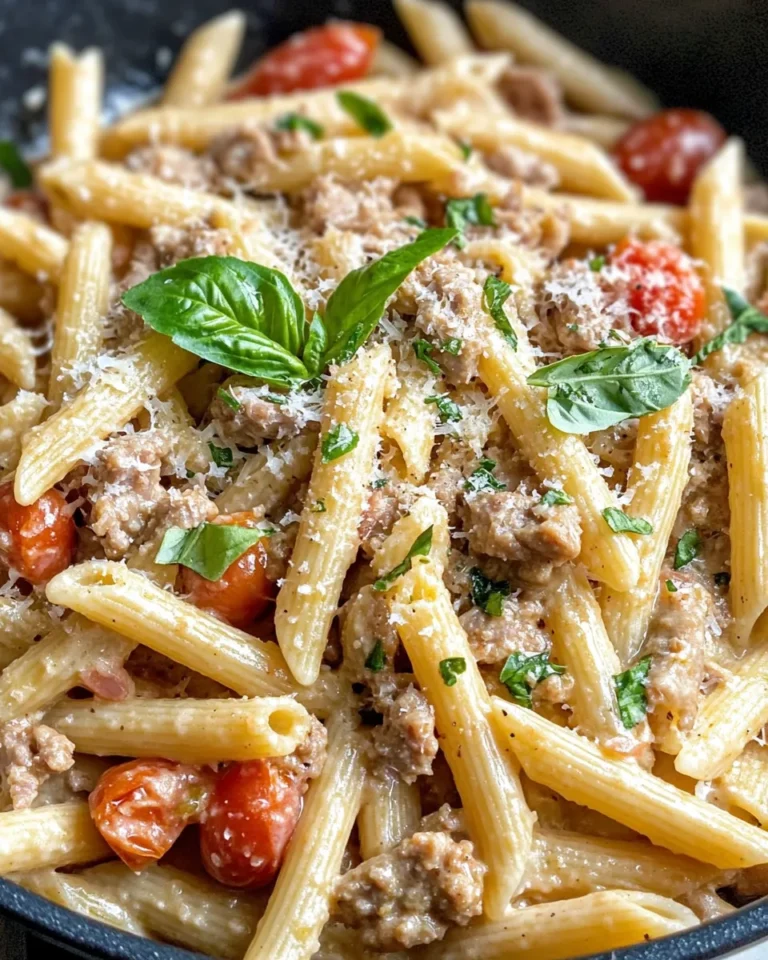
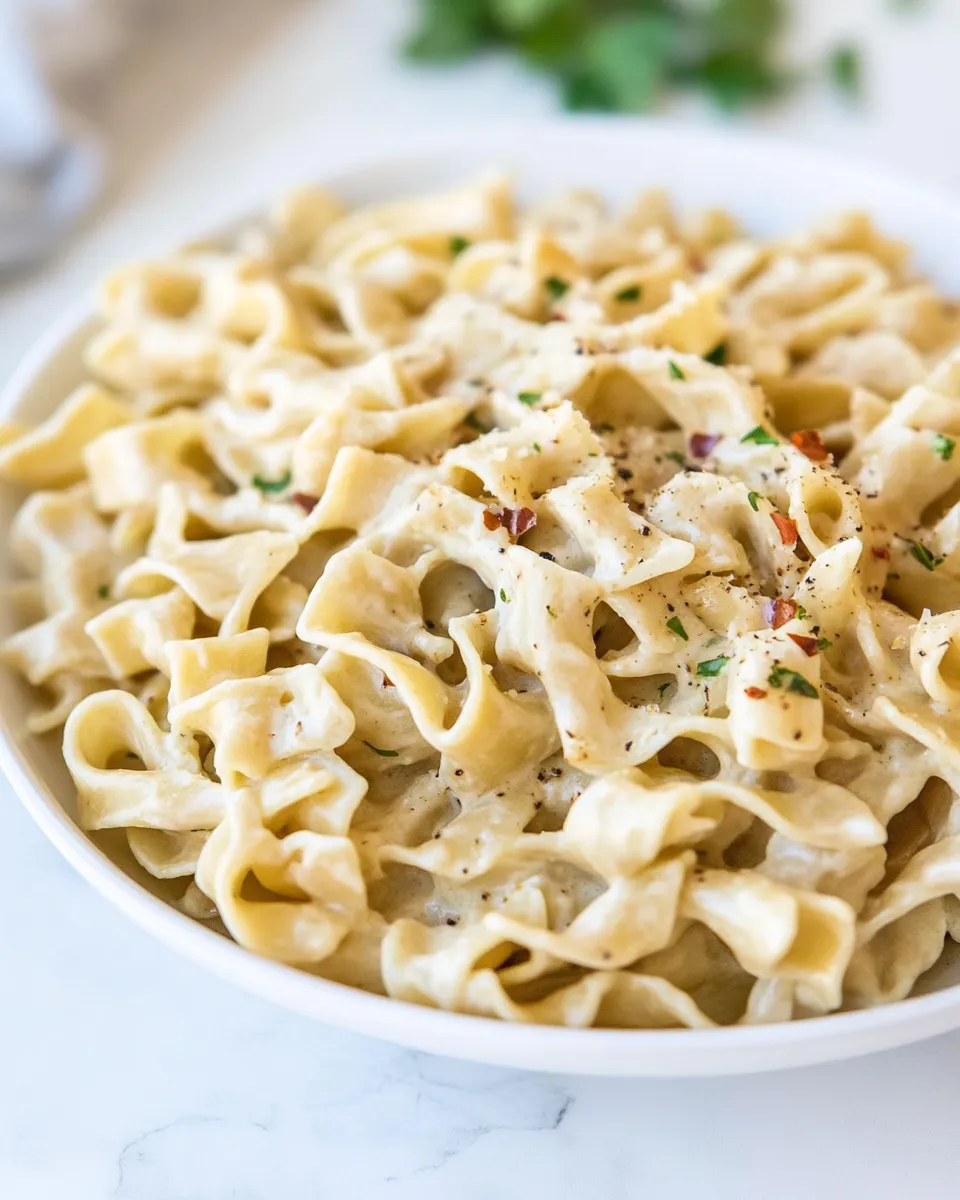
I fell in love with this dish the first time I needed dinner in under 20 minutes and nothing fancy in the fridge. Cream cheese turns ordinary pantry pasta into a silky, comforting bowl with almost no fuss. It’s the kind of recipe I rely on when I want something gentle, reliable, and crowd-pleasing without a long grocery list.
There’s a quiet magic to this sauce: cream cheese brings body and a subtle tang, Parmesan adds nutty umami, and a little milk loosens everything into a glossy coating. You’ll get creamy results whether you’re feeding yourself after a long day or serving something simple but satisfying to friends.
Below I’ll walk you through exactly what to have on hand, the exact cooking steps (kept to the source recipe), and practical tips I’ve learned from making this many times. No gimmicks—just a dependable, delicious weeknight win.
The Essentials
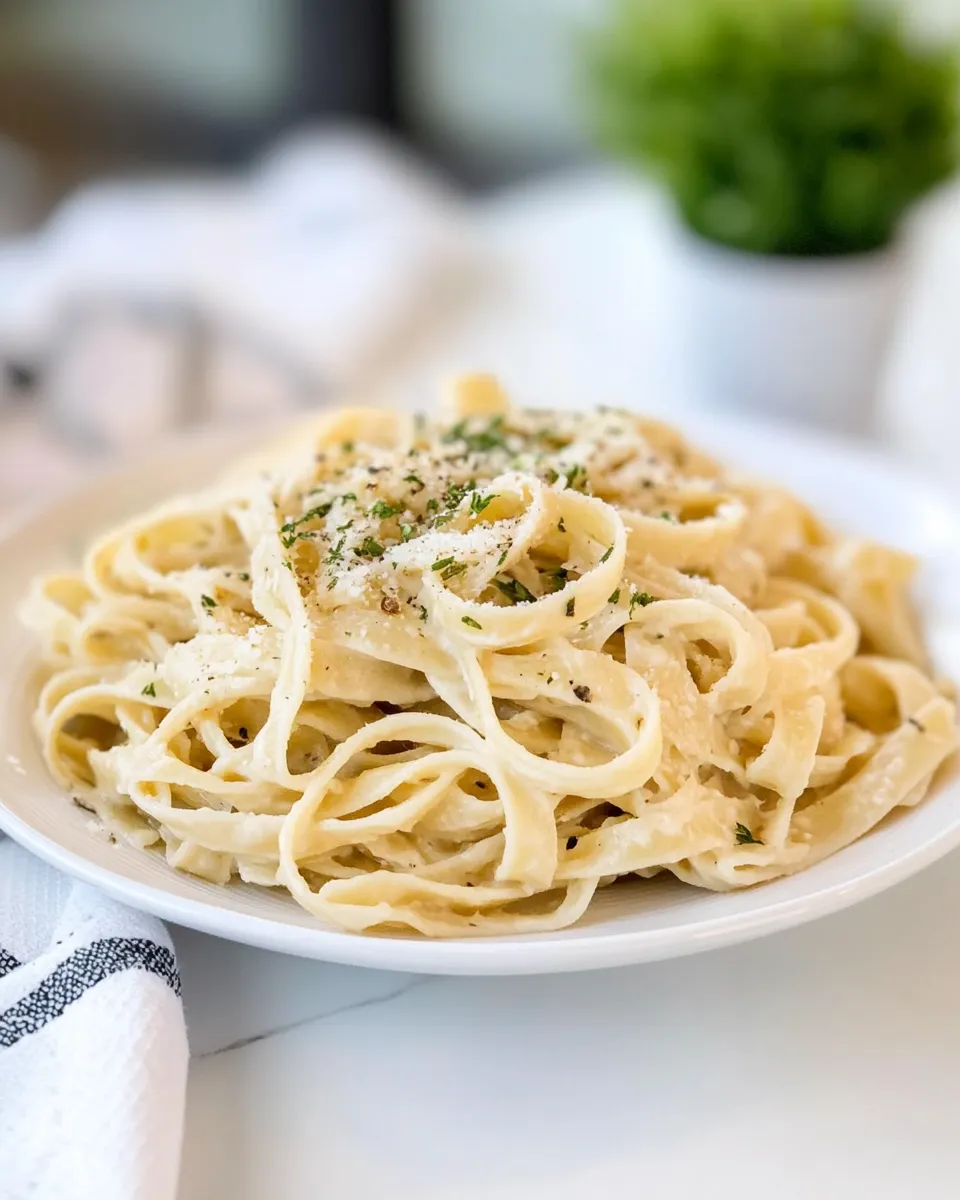
Keep these basics in mind before you start: time, temperature, and texture matter more than theatrics. Use a large pot so the pasta cooks evenly. Cut the cream cheese into smaller pieces so it melts quickly and doesn’t form clumps. Heat gently once you combine the cheese and milk; low, patient heat gives you a smooth sauce.
Ingredients
- 16 ounces uncooked pasta — the starch base; choose a shape that holds sauce (shells, fusilli, or elbows work well).
- 8 ounces cream cheese — softened; provides the creamy body and slight tang that defines the sauce.
- ½ cup shredded Parmesan — adds savory, salty depth and helps create a cohesive sauce.
- 1 Tablespoon butter — softened; rounds the mouthfeel and adds richness.
- ½ teaspoon garlic powder — concentrates garlic flavor without added moisture.
- ½ teaspoon onion powder — gives a subtle aromatic backbone.
- ½ teaspoon salt — seasons the whole dish; adjust to taste if your Parmesan is especially salty.
- ½ teaspoon pepper — brightens and balances the creaminess.
- 1 cup milk — thins and emulgates the cheese into a saucy coating; add gradually to control consistency.
Cooking (Cream Cheese Pasta): The Process
- Bring a large pot of salted water to a boil and cook 16 ounces pasta al dente according to package directions.
- While the pasta cooks, cut the 8 ounces softened cream cheese into smaller pieces so it will melt more easily.
- Drain the pasta and return it to the same pot (off high heat).
- Add the cream cheese pieces, ½ cup shredded Parmesan, and 1 tablespoon softened butter to the pasta. Cover the pot and heat on low for 1–2 minutes, stirring once or twice, until the cheeses have softened/melted.
- Uncover and sprinkle in ½ teaspoon garlic powder, ½ teaspoon onion powder, ½ teaspoon salt, and ½ teaspoon pepper; stir to combine.
- Add about ¼ cup of the 1 cup milk and toss or stir until the sauce begins to coat the pasta. Gradually add more milk as needed, stirring, until you reach a creamy consistency (you may not use the entire cup). Keep the heat on low to avoid scorching.
- Taste and adjust by stirring until smooth, then serve immediately.
Why You’ll Love This Recipe
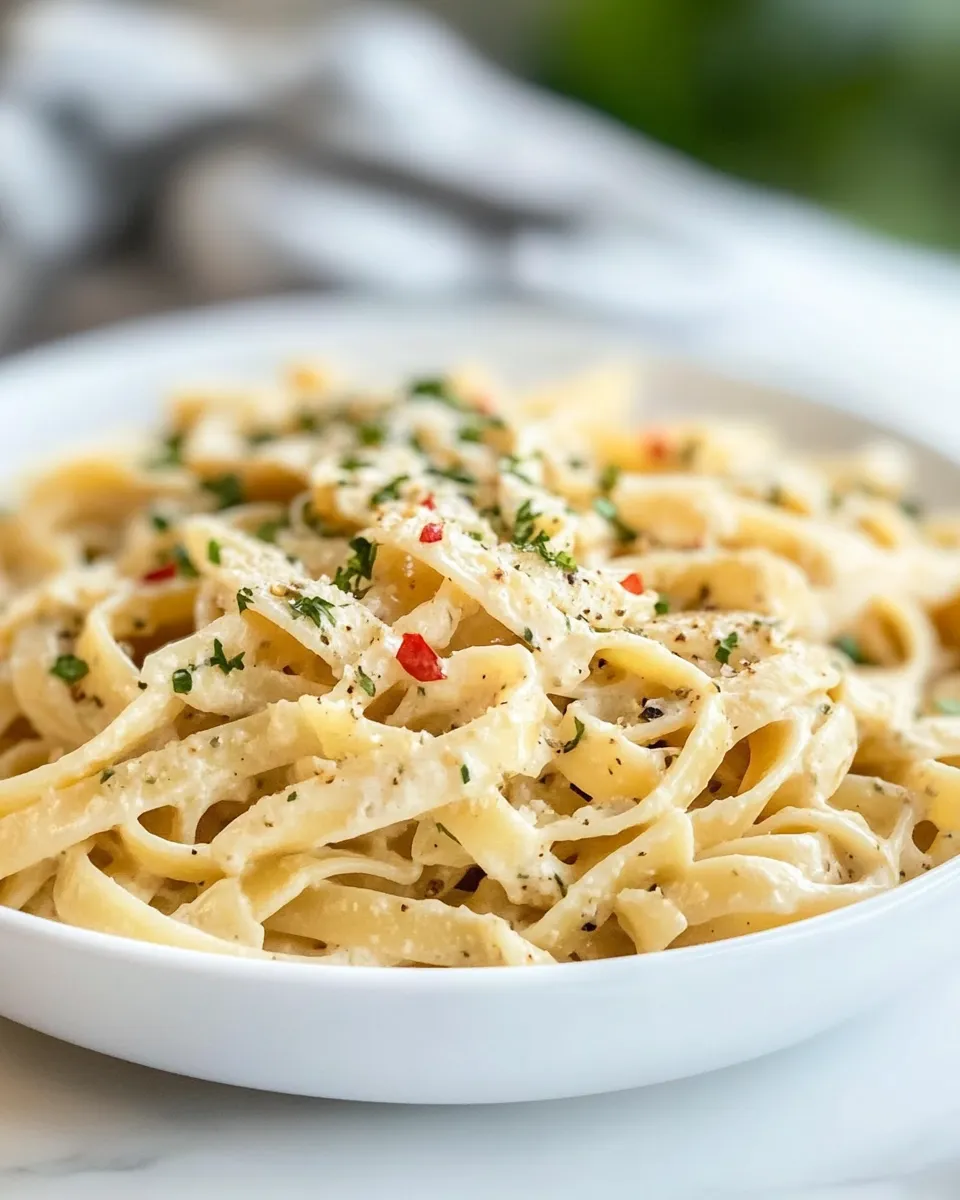
This is comfort food with efficiency. It’s fast, forgiving, and deeply satisfying. The cream cheese creates a rich creaminess without needing heavy cream or a long béchamel. Parmesan gives the sauce a savory anchor, while milk lets you control thickness.
It’s also versatile in texture: you can make it loose and saucy for dinner bowls, or slightly thicker to coat pasta shapes for better bite. The flavors are familiar, so picky eaters usually respond well. And because the ingredient list is short and pantry-friendly, it’s an ideal standby.
Flavor-Forward Alternatives
Work with what’s already in the recipe to change the character without adding new ingredients. Want a brighter tang? Use a touch more cream cheese and a little less milk for punchier flavor and thicker texture. Prefer a cheesier, saltier profile? Stir in a touch more Parmesan, but taste as you go—Parmesan can push the saltiness quickly.
If you want the sauce lighter, add milk a tablespoon at a time until you reach a looser, silkier finish. For thicker clinging sauce, hold back on milk and use all of the cream cheese and Parmesan. You can also change the pasta shape to alter how the sauce delivers each bite.
Gear Checklist
- Large pot — for boiling pasta comfortably without crowding.
- Colander — to drain pasta quickly and return it to the pot.
- Measuring spoons and cups — for precise amounts, especially with milk and spices.
- Spoon or spatula — a heatproof option for stirring and folding the sauce until smooth.
- Lid for the pot — used briefly to help melt the cheeses gently.
Learn from These Mistakes
Common missteps and how to fix them
Not cutting the cream cheese into pieces. If you add an entire brick to hot pasta, it will clump and take longer to incorporate. Cut it into small cubes so it melts quickly and evenly.
Using high heat once the cheeses are added. High heat scorches dairy. Keep the pot off high heat and use low to coax the cheeses into a smooth sauce. If you see small solids forming, lower the heat and stir more consistently.
Over-thinning or under-thinning the sauce. Add milk gradually. Start with about ¼ cup as the recipe directs and only add more if the pasta needs it. You can always thin, but you can’t easily thicken without more cheese.
Skipping the seasoning step. Parmesan brings salt, but the recipe still calls for salt and pepper. Sprinkle and taste—seasoning at the end lets you make a final balance adjustment.
Variations by Season
Spring and summer calls for lighter textures: use the lower end of the milk range to keep it bright and toss pasta while it’s warm so the sauce clings without feeling heavy. Fall and winter are the opposite—lean into richness by using the full cream cheese and Parmesan proportions and keep the sauce a touch thicker for heartier comforting bowls.
Adjust the milk amount rather than adding new ingredients. In colder months, a slightly richer mouthfeel reads as cozier. In warm months, a looser, silkier sauce feels fresher. The recipe’s tools—cream cheese, Parmesan, milk—let you pivot seasonally without changing the ingredient list.
Flavor Logic
Understanding why this works helps you tweak with confidence. Cream cheese provides emulsifying fats and mild acidity which helps the sauce cling to pasta. Parmesan adds umami and salt, balancing the creaminess and preventing the dish from tasting flat. Butter fills mouthfeel gaps left by reduced fat in cream cheese and smooths the finish.
Milk acts as the thinning agent and temperature buffer. Add it slowly while stirring so the warm cheese disperses evenly. Low heat prevents separation: too hot and dairy proteins tighten and squeeze out moisture, producing a grainy or oily texture. Gentle heat keeps the blend smooth and cohesive.
Storage Pro Tips
Cool any leftovers quickly and store them in an airtight container in the refrigerator for up to 3–4 days. The sauce will firm up as it chills because of the cream cheese. When reheating, do it gently: add a splash of milk and warm in a skillet over low heat, tossing until the sauce loosens and becomes glossy again.
Freezing isn’t ideal because dairy sauces change texture dramatically after thawing. If you must freeze, portion into single servings and plan to use in baked dishes where texture change is less obvious. Thaw slowly in the fridge before reheating and whisk in a bit of milk to bring back creaminess.
Ask & Learn
Q: Can I use low-fat cream cheese or milk? A: Yes, you can, but the sauce will be less rich and may need more attention while melting. Low-fat options can sometimes separate more easily, so keep the heat low and stir continuously.
Q: How do I fix a grainy sauce? A: Lower the heat immediately and stir. Add a small splash of milk and continue whisking; the extra liquid and gentle heat often help reincorporate the proteins. If graininess persists, you can blend briefly with an immersion blender to smooth it.
Q: Can I double the recipe? A: You can, but use a pot big enough to give the pasta room to cook and the ingredients space to emulsify. Melt the cheeses slowly and add milk gradually to avoid scorching.
The Takeaway
Cream Cheese Pasta is a straightforward, fast comfort dish that leans on technique more than a long ingredient list. Cut the cream cheese small, heat gently, add milk gradually, and taste as you go. With those simple steps you’ll get a silky, satisfying sauce every time—perfect for busy weeknights or whenever you want something reliably delicious.
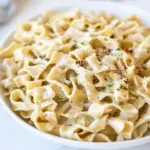
Cream Cheese Pasta
Ingredients
Ingredients
- 16 ouncesuncooked pastachoose your favorite
- 8 ouncescream cheesesoftened
- 1/2 cupshredded parmesan
- 1 Tablespoonbuttersoftened
- 1/2 teaspoongarlic powder
- 1/2 teaspoononion powder
- 1/2 teaspoonsalt
- 1/2 teaspoonpepper
- 1 cupmilk
Instructions
Instructions
- Bring a large pot of salted water to a boil and cook 16 ounces pasta al dente according to package directions.
- While the pasta cooks, cut the 8 ounces softened cream cheese into smaller pieces so it will melt more easily.
- Drain the pasta and return it to the same pot (off high heat).
- Add the cream cheese pieces, ½ cup shredded Parmesan, and 1 tablespoon softened butter to the pasta. Cover the pot and heat on low for 1–2 minutes, stirring once or twice, until the cheeses have softened/melted.
- Uncover and sprinkle in ½ teaspoon garlic powder, ½ teaspoon onion powder, ½ teaspoon salt, and ½ teaspoon pepper; stir to combine.
- Add about ¼ cup of the 1 cup milk and toss or stir until the sauce begins to coat the pasta. Gradually add more milk as needed, stirring, until you reach a creamy consistency (you may not use the entire cup). Keep the heat on low to avoid scorching.
- Taste and adjust by stirring until smooth, then serve immediately.
Equipment
- Large Pot
Notes
Fridge:
Store leftover cream cheese pasta in the fridge in an airtight container for up to 5 days.
Freezer:
I do not recommend freezing this dish. Pasta can become quite mushy when you reheat it and the cream cheese sauce will separate and have a different consistency.
Reheat leftover creamy pasta covered on the stove top or in the microwave.
If reheating on the stove top, heat slowly over a lower heat and add a little bit of milk or water to keep the pasta from drying out. Stir frequently.
Add moisture when reheating in the microwave as well but heat in intervals, stirring in between.