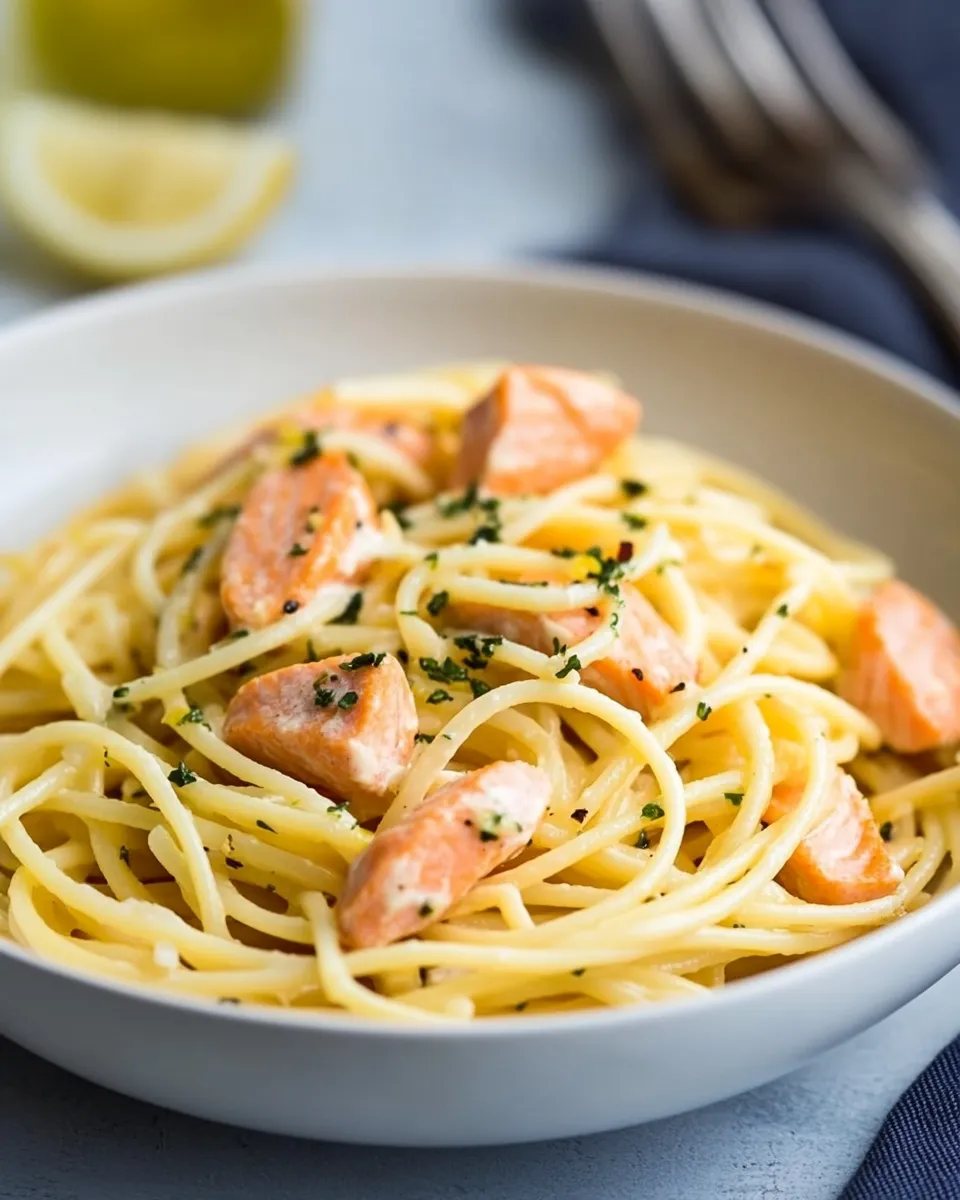
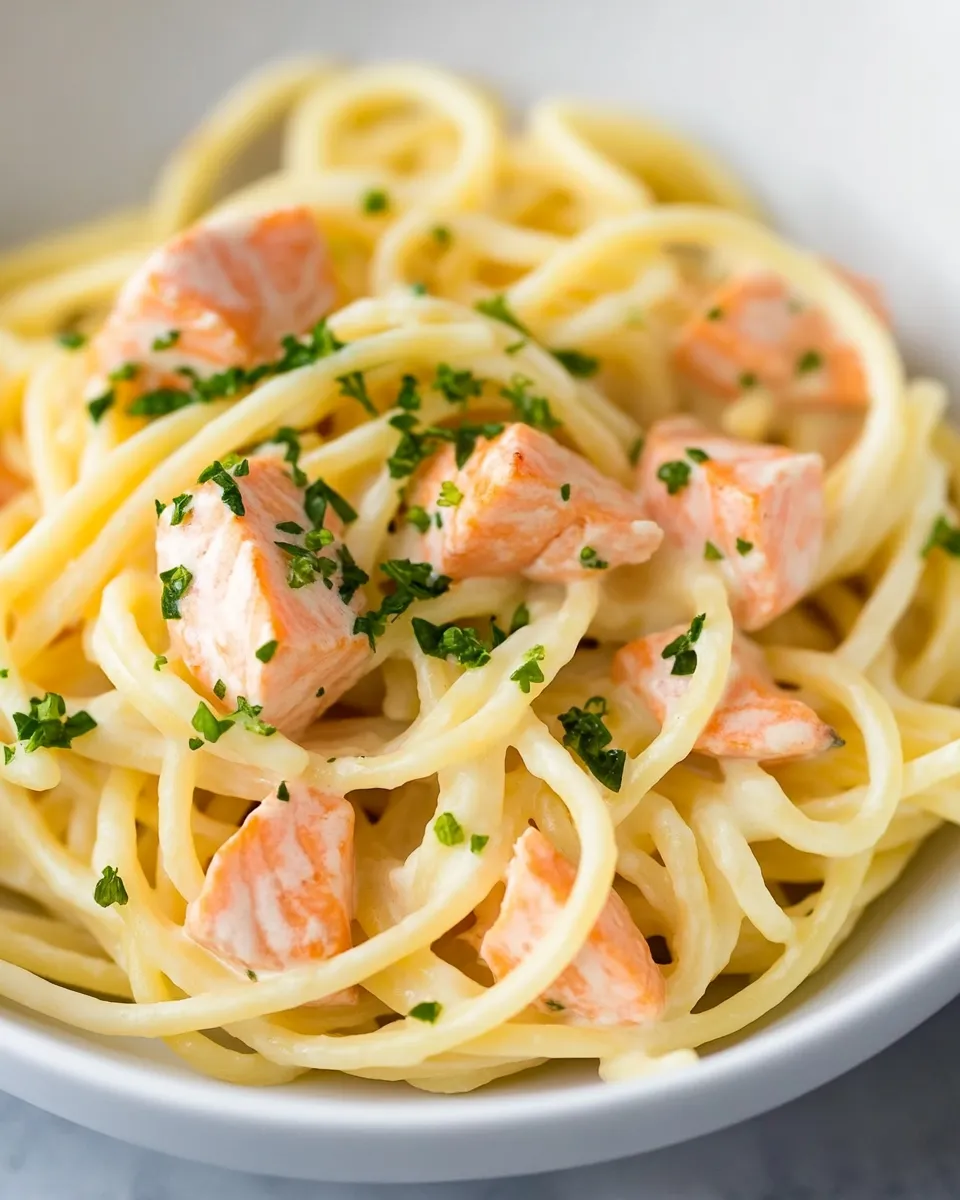
This recipe is one of those weeknight winners that feels like a treat without a lot of fuss. Bright lemon, rich cream, and tender salmon come together in a single skillet sauce that clings to spaghetti for silky bites. It’s straightforward, forgiving, and fast enough for a busy evening but elegant enough for guests.
I’ll walk you through exactly what to do and why each step matters so you end up with perfectly cooked pasta and salmon every time. There are a few small tricks — reserving pasta water, finishing the salmon off the heat, and using zest plus juice — that make the sauce sing.
Keep the ingredients simple and the timing tight. Read the method once before you start, have the lemon and parsley ready, and you’ll have dinner on the table in under 30 minutes. Let’s get started.
What You’ll Need
- 12 oz spaghetti — the pasta base; long noodles pick up the lemon-cream sauce nicely.
- 2 salmon fillets – boned and skinned — the protein; cut into bite-sized pieces for even cooking and easy serving.
- ½ teaspoon cracked black pepper — seasoning for the salmon to add a bright peppery note.
- 1 teaspoon butter — helps flavor and browns in the skillet with the oil; adds richness.
- 1 tablespoon olive oil — provides the cooking fat for searing salmon without burning the butter.
- 2 lemons — both zest and juice are used: zest for aroma, juice for brightness in the sauce and to finish the fish.
- 1 cup heavy cream — the base of the silky lemon sauce; heats quickly and thickens to coat the pasta.
- ¼ teaspoon salt — for the pasta water so the spaghetti is seasoned from the inside out.
- 3 tablespoons coarsely chopped parsley — fresh herb to finish; adds color and a clean herbaceous lift.
The Method for Creamy Lemon Salmon Pasta
- Bring a large pot of water to a boil. Add the 12 oz spaghetti and the 1/4 teaspoon salt; cook until al dente according to package directions. When done, reserve 1 cup of the pasta cooking water, then drain the pasta and set it aside.
- While the water is heating (or while the pasta cooks), cut the 2 salmon fillets into bite-sized pieces. Season the salmon evenly with the 1/2 teaspoon cracked black pepper.
- Zest one of the 2 lemons and set the zest aside. Cut both lemons in half and juice them. Reserve the juice of 1/2 lemon to squeeze over the cooked salmon; set aside the remaining 1 1/2 lemons’ juice for the sauce.
- Heat a large nonstick skillet over medium-high heat. Add the 1 teaspoon butter and 1 tablespoon olive oil; heat until the butter has melted and begins to foam.
- Add the salmon pieces in a single layer (work in batches if they crowd the pan). Cook undisturbed about 1.5–2 minutes, flip, and cook another 1–2 minutes until a light crust forms and the salmon is almost cooked through.
- Transfer the salmon to a warmed plate, squeeze the reserved 1/2 lemon juice over it, tent with foil, and set aside.
- Pour the 1 cup heavy cream into the same skillet. Add the reserved lemon zest and the juice of the remaining 1 1/2 lemons. Bring to a gentle simmer over medium heat and cook, stirring occasionally, about 2 minutes until the sauce thickens slightly.
- Stir in 1/4 cup of the reserved pasta cooking water to loosen the sauce. Return the drained pasta to the skillet and toss gently to coat; add more reserved pasta water, a tablespoon at a time, if the sauce needs to be thinner.
- Gently fold the cooked salmon into the pasta and sauce to warm through, taking care not to break up the pieces.
- Divide the pasta among plates and sprinkle with the 3 tablespoons coarsely chopped parsley. Serve immediately.
Why You’ll Keep Making It
This dish hits a rare sweet spot: it looks and tastes like restaurant food but uses pantry-friendly techniques and a handful of fresh ingredients. The lemon lifts the richness of the cream and salmon, so it never feels too heavy. That balance is addicting.
It’s fast. From boiling water to plated dinner is largely guided by the pasta cooking time. You get a seared exterior on the salmon for texture, and the interior stays moist. The sauce emulates a restaurant-style cream sauce without complicated emulsions or finishing steps.
Finally, the components are flexible. Keep the core method and customize with herbs, spice, or swaps depending on what’s in your fridge. That flexibility makes this one of those recipes I turn to again and again.
Ingredient Swaps & Substitutions
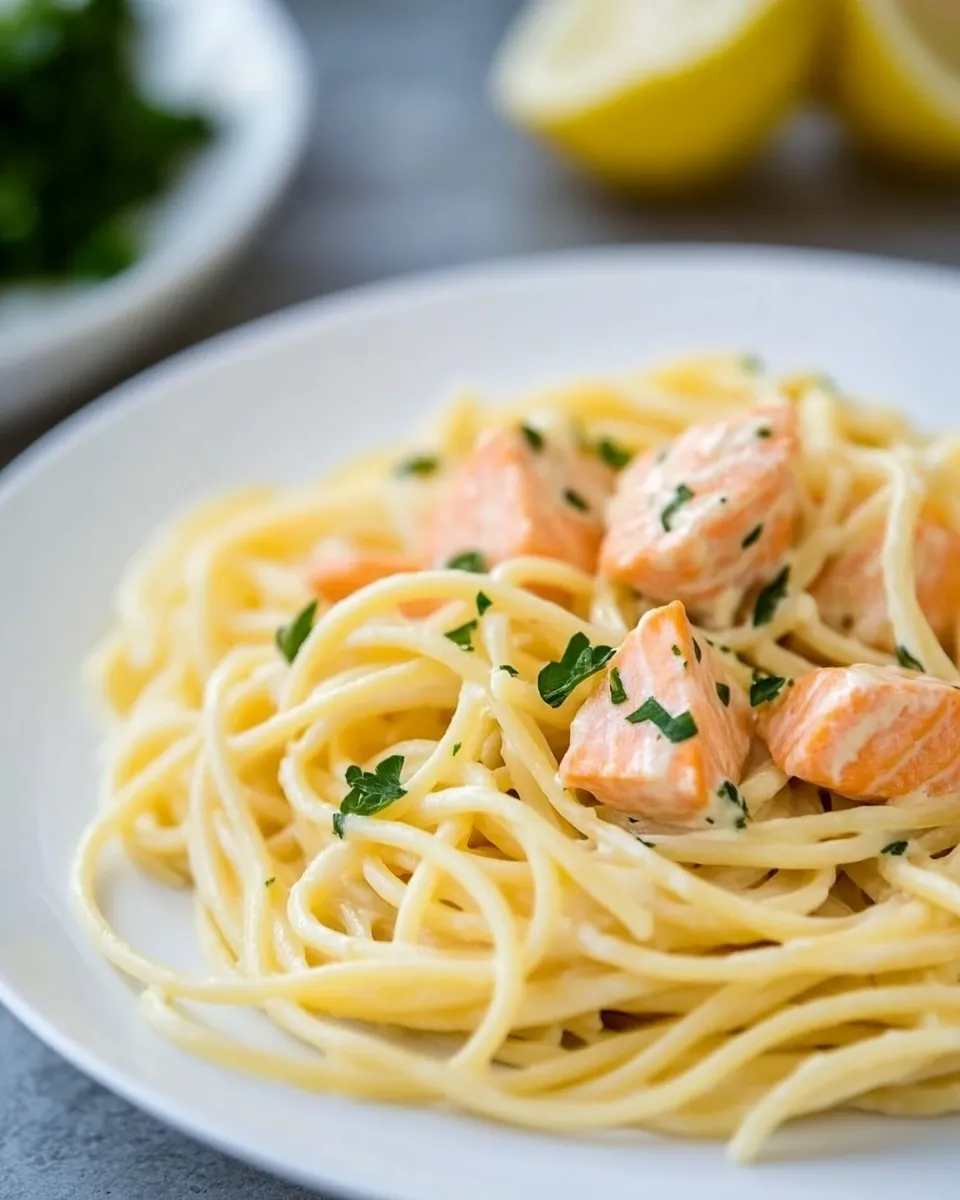
- Spaghetti — swap with linguine, fettuccine, or any long pasta; shorter shapes work too but toss a bit differently.
- Salmon — use trout fillets or firm white fish if you prefer; cook times will be similar for bite-sized pieces.
- Heavy cream — for a lighter sauce, use half-and-half plus a teaspoon of cornstarch whisked in, but heat gently to avoid curdling.
- Lemon juice — you can use bottled lemon in a pinch but fresh juice and zest give far better aroma and brightness.
- Parsley — swap with chopped chives, tarragon, or basil for a different herbal profile.
Before You Start: Equipment
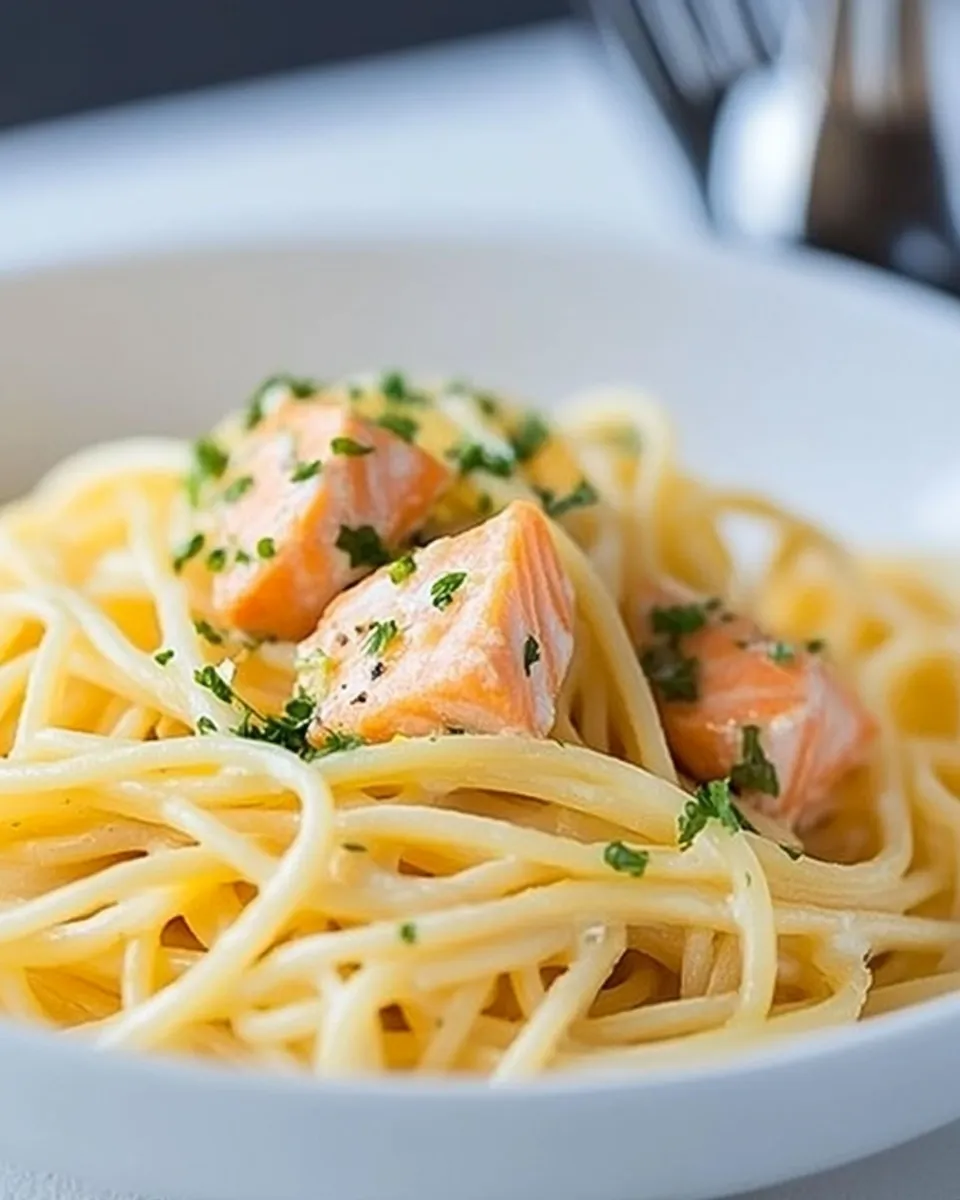
- Large pot — for boiling the spaghetti with room to stir and to keep water from foaming over.
- Large nonstick skillet — the recipe calls for one; nonstick helps sear salmon without sticking and makes cleanup easier.
- Microplane or fine grater — for zesting the lemon; zest is flavor-forward and should be fine.
- Measuring cups and spoons — for precise amounts of cream, oil, butter, and salt.
- Tongs or pasta fork — to move and toss pasta efficiently in the skillet.
Avoid These Mistakes
Two common problems can sabotage this dish: overcooked salmon and a watery, separated sauce. For salmon, keep the pieces bite-sized and watch the pan. Cooking undisturbed then flipping for short intervals gives a crust while preserving a tender interior. Remove the salmon just before it’s fully cooked; it will finish warming in the sauce.
For the sauce, don’t boil the cream aggressively. Bring it to a gentle simmer and watch it thicken in a couple of minutes. Reserve that pasta water — the starch helps the sauce cling to the noodles and keeps it glossy. Add the water a tablespoon at a time until you reach the right texture.
Finally, salt your pasta water early. The 1/4 teaspoon called for here seasons the spaghetti, but if you accidentally under-salt, the whole dish will taste flat. Taste as you go and adjust at the end if necessary.
Season-by-Season Upgrades
Spring: Stir in peas or blanched asparagus tips at the end for a bright, sweet contrast. Fresh tarragon works beautifully with salmon in spring.
Summer: Add halved cherry tomatoes to the skillet after the cream simmers for bursts of freshness, or finish with a little torn basil instead of parsley.
Fall: Swap parsley for chopped sage or a touch of browned butter instead of the tablespoon of olive oil for a nuttier flavor profile.
Winter: Stir in a handful of baby spinach wilted into the hot sauce, or sprinkle crushed red pepper for warmth. Lemon keeps the dish from feeling heavy in colder months.
Author’s Commentary
I test this recipe when I want something that feels special but isn’t fussy. The trick of finishing lemon juice over the cooked salmon and tenting it is a small step that makes a big difference: it brightens the fish and prevents it from drying in the pan while you build the sauce.
Another note: I prefer a nonstick skillet because the cream won’t cling to stainless as easily without a little more attention. That said, a well-seasoned stainless pan works fine if you watch the heat and deglaze properly.
I also like to serve this with lemon wedges on the side and an extra sprinkle of parsley so people can adjust brightness and herbiness to taste. Little choices like that make the meal feel interactive and personal.
Make Ahead Like a Pro
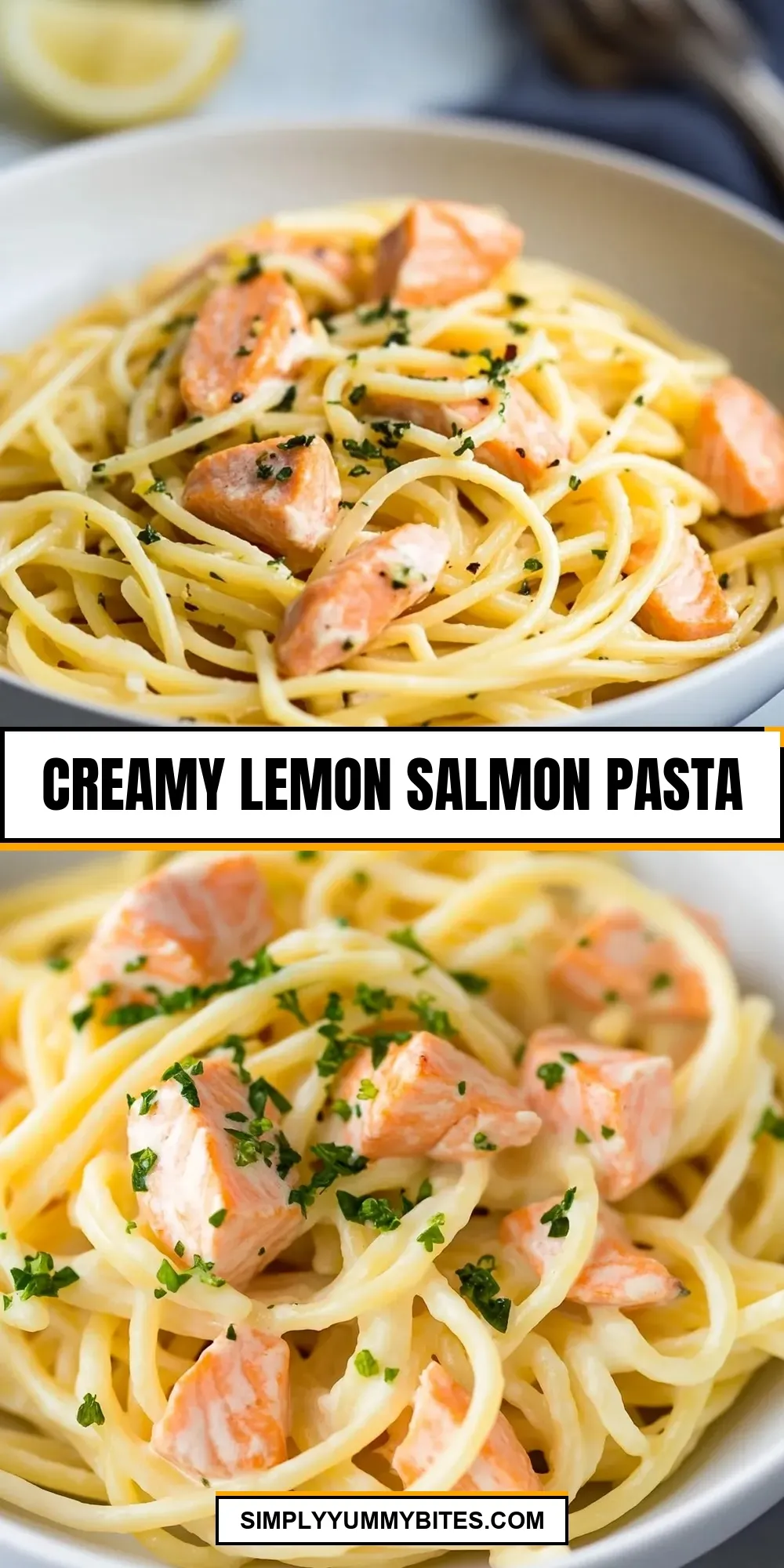
Prep Ahead
- Salmon — cut into pieces and seasoned up to 2 hours ahead; keep chilled on a plate until cooking time.
- Lemon — zest and juice in advance; store zest covered and juice in the refrigerator for up to 24 hours.
- Parsley — chop and keep in a small container or wrapped in a damp paper towel in the fridge.
Storage & Reheat
- Store — keep leftovers in an airtight container in the fridge for up to 2 days. The cream will thicken; it’s normal.
- Reheat — warm gently in a skillet with a splash of water or reserved pasta water to loosen the sauce. High heat will make the cream separate and the salmon dry, so go low and slow.
Ask & Learn
- Can I use frozen salmon? — Yes. Thaw completely, pat dry, and proceed. Excess moisture will steam the fish instead of searing it.
- What if the sauce is grainy? — That can happen if cream overheats. Keep the heat moderate and add reserved pasta water to bring it back to a smooth consistency.
- Can I skip the pasta and serve over rice or greens? — You can, but this sauce is designed for pasta; rice will soak up more and greens will wilt quickly, so adjust quantities and serving method.
- How to make this dairy-free? — Use a neutral olive oil-based sauce and finish with a splash of lemon and a starchy binder like blended white beans or a small amount of non-dairy cream, but results will differ from the original.
In Closing
This Creamy Lemon Salmon Pasta is a dependable weeknight meal that never feels routine. It’s fast, flexible, and full of bright, comforting flavors. Follow the step-by-step method, respect the timing for the salmon and sauce, and you’ll get a restaurant-quality dish with minimal stress.
Make it your own with seasonal tweaks and simple swaps, but keep the key moves: sear the salmon briefly, reserve pasta water, and use both lemon zest and juice. Those small details are what make the dish sing. Enjoy — and come back to this one whenever you want something that looks special but cooks in a flash.

Creamy Lemon Salmon Pasta
Ingredients
Ingredients
- 12 ozspaghetti
- 2 salmon fillets - boned and skinned
- 1/2 teaspooncracked black pepper
- 1 teaspoonbutter
- 1 tablespoonolive oil
- 2 lemon
- 1 cupheavy cream
- 1/4 teaspoonsalt
- 3 tablespooncoarsely chopped parsley
Instructions
Instructions
- Bring a large pot of water to a boil. Add the 12 oz spaghetti and the 1/4 teaspoon salt; cook until al dente according to package directions. When done, reserve 1 cup of the pasta cooking water, then drain the pasta and set it aside.
- While the water is heating (or while the pasta cooks), cut the 2 salmon fillets into bite-sized pieces. Season the salmon evenly with the 1/2 teaspoon cracked black pepper.
- Zest one of the 2 lemons and set the zest aside. Cut both lemons in half and juice them. Reserve the juice of 1/2 lemon to squeeze over the cooked salmon; set aside the remaining 1 1/2 lemons' juice for the sauce.
- Heat a large nonstick skillet over medium-high heat. Add the 1 teaspoon butter and 1 tablespoon olive oil; heat until the butter has melted and begins to foam.
- Add the salmon pieces in a single layer (work in batches if they crowd the pan). Cook undisturbed about 1.5–2 minutes, flip, and cook another 1–2 minutes until a light crust forms and the salmon is almost cooked through.
- Transfer the salmon to a warmed plate, squeeze the reserved 1/2 lemon juice over it, tent with foil, and set aside.
- Pour the 1 cup heavy cream into the same skillet. Add the reserved lemon zest and the juice of the remaining 1 1/2 lemons. Bring to a gentle simmer over medium heat and cook, stirring occasionally, about 2 minutes until the sauce thickens slightly.
- Stir in 1/4 cup of the reserved pasta cooking water to loosen the sauce. Return the drained pasta to the skillet and toss gently to coat; add more reserved pasta water, a tablespoon at a time, if the sauce needs to be thinner.
- Gently fold the cooked salmon into the pasta and sauce to warm through, taking care not to break up the pieces.
- Divide the pasta among plates and sprinkle with the 3 tablespoons coarsely chopped parsley. Serve immediately.
Equipment
- Large Pot
- Colander
- large nonstick skillet
- Measuring cups and spoons
- zester or grater
- Tongs or spatula