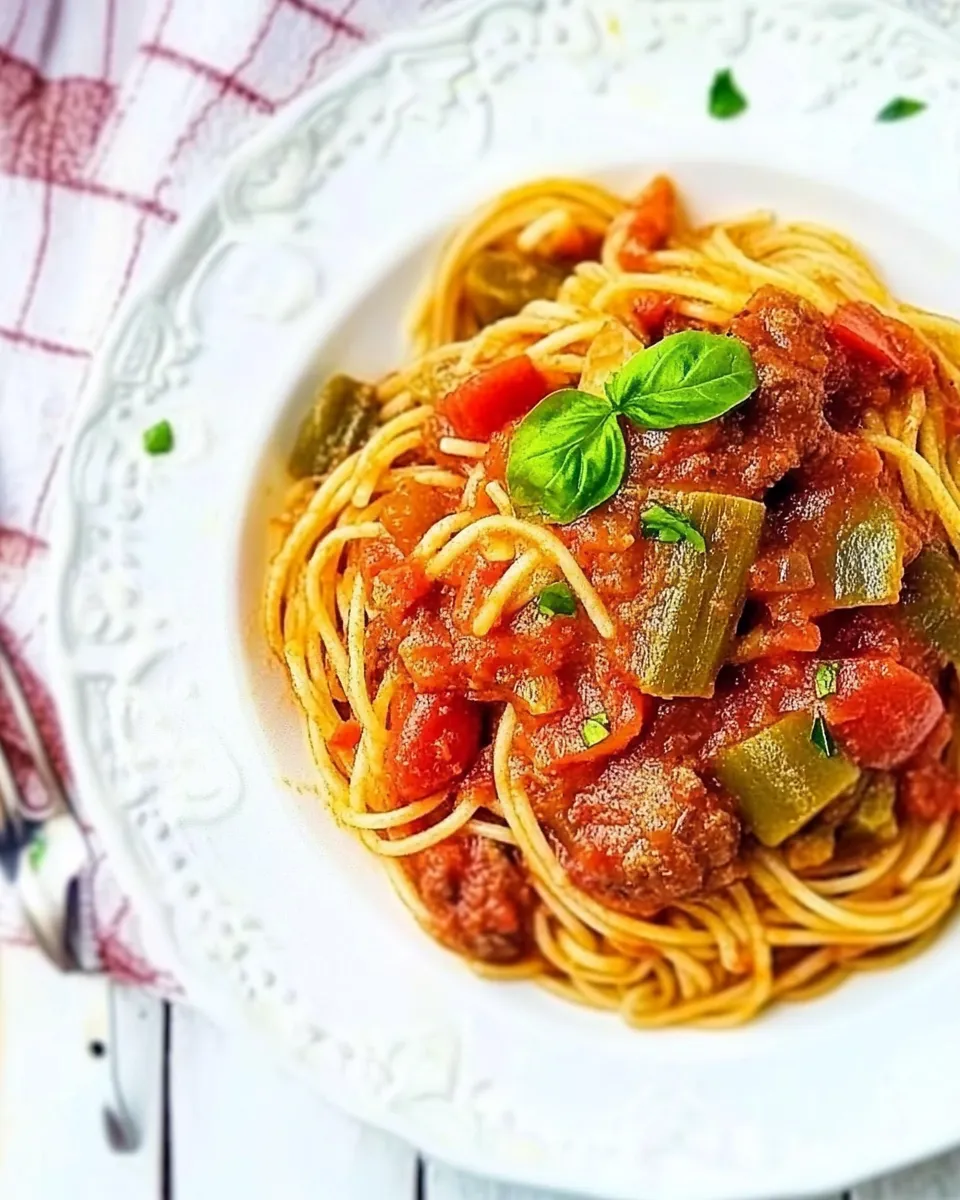
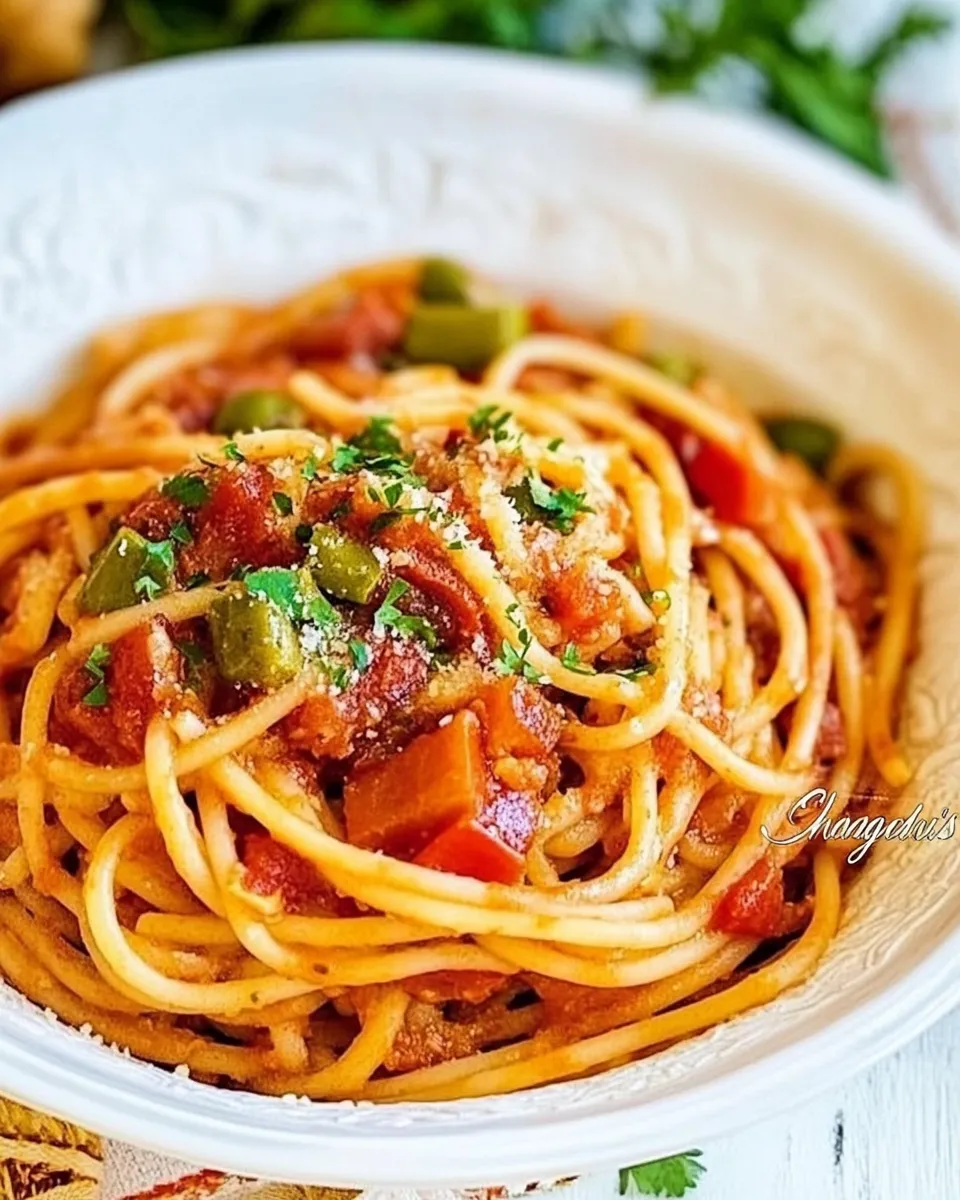
This dish is a weekday champion in many Dominican kitchens: simple, flavorful, and built from pantry staples. It’s the kind of comfort food that arrives at the table warm and unpretentious, with a savory tomato-salami sauce that clings to every strand of pasta. I love it because the recipe is forgiving, quick, and endlessly adaptable depending on what you have on hand.
There’s a sweet-salty balance at play here — the salami browns and releases fat, the tomatoes bring acidity and body, and the optional evaporated milk lends a silky finish without being heavy. The technique is straightforward: cook the spaghetti slightly softer than al dente, make the sauce in the same time the pasta boils, then toss and serve.
Below I walk you through shopping tips, a precise step-by-step using the recipe’s exact directions, sensible swaps, storage advice, and answers to common questions. Read through the ingredients and the method once, then set a timer and get going — you’ll have a lively, homey meal in under 30 minutes.
Ingredients
- 1 pound spaghetti [0.43 kg] — the backbone of the dish; long pasta soaks up the sauce well.
- 1½ tablespoons salt — split between pasta water and final seasoning for balance.
- 1 pound Dominican “salami” [0.43 kg] — the primary savory element; browns and flavors the sauce (often a smoked, firm salami).
- 2 tablespoons olive oil — used to brown the salami and build the sauce base.
- 1 red onion, large, diced — brings sweetness and texture once softened.
- 1 green bell pepper, or red bell pepper, cut into small cubes — adds freshness and a little bite.
- ¼ cup pitted green olives — salty, briny accents that brighten the sauce.
- 2 garlic cloves, crushed — aromatic depth; press or mince for best release.
- 1 tablespoon capers (optional) — extra brininess if you like a sharper, tangy note.
- 4 plum tomatoes, cut into small cubes — provide fresh tomato texture; cook down briefly.
- ¼ teaspoon oregano (dry, ground) — a touch of herbal warmth.
- 2 cups tomato sauce — the sauce base that gives body and color.
- ¼ tablespoon vinegar (optional) — a splash of acid if not using evaporated milk; balances sweetness.
- ½ cup evaporated milk (optional) — makes the sauce creamier and mellows the acidity.
- ¼ teaspoon pepper (freshly-cracked, or ground), or to taste — final seasoning to taste.
- ¼ cup grated Parmesan cheese (optional) — for serving; salty, nutty finish if desired.
Your Shopping Guide
Start by checking what you already have. This recipe is built around pantry-friendly items: dried pasta, tomato sauce, and cured salami. If you’re shopping specifically for this meal, prioritize a flavorful, firm Dominican-style salami — it’s the ingredient that gives the plate its characteristic savory and slightly smoky profile.
Choose a spaghetti you enjoy; higher-protein pastas hold up better to tossing and don’t go mushy. For tomatoes, plum (Roma) tomatoes are ideal because they’re meaty and low in excess water. Buy ripe but firm tomatoes so they hold their shape when diced. If you buy jarred tomato sauce, pick one with simple, clean ingredients — quality here matters because the sauce is a major component.
If you don’t usually keep evaporated milk, it’s optional but worth trying at least once for the creaminess it adds. Capers and green olives are small jars but a little goes a long way; they’re pantry items that can elevate many dishes, so consider keeping them on hand.
Dominican Spaghetti (Espaguetis): Step-by-Step Guide
- Bring about ½ gallon (2 L) of water to a rolling boil in a large pot. Add 1 tablespoon of the salt to the boiling water.
- Add the 1 pound spaghetti to the boiling water and cook until slightly softer than al dente (test by tasting), stirring occasionally.
- While the pasta cooks, reserve the remaining ½ tablespoon salt for seasoning later. When the spaghetti is done, drain it and set it aside.
- While the pasta is boiling, heat 2 tablespoons olive oil in a large skillet or pot over medium heat.
- Cut the 1 pound Dominican salami into small cubes and add them to the hot oil. Cook, stirring, until the salami is browned.
- Reduce the heat to medium-low. Add the diced red onion, diced green bell pepper, ¼ cup pitted green olives, 2 crushed garlic cloves, and 1 tablespoon capers (if using). Cook and stir until the onion becomes translucent (about 1 minute).
- Add the 4 plum tomatoes cut into small cubes and ¼ teaspoon dried oregano. Cover and simmer until the tomatoes are cooked through, about 3–5 minutes.
- Stir in the 2 cups tomato sauce. If you are not using evaporated milk, add ¼ tablespoon vinegar now (optional). If you plan to use the evaporated milk, do NOT add the vinegar.
- If using, add ½ cup evaporated milk now and stir to combine. Keep the heat low and do not allow the mixture to boil (to prevent the milk from curdling).
- Add the drained spaghetti to the skillet or pot and toss gently until the pasta is well coated with the sauce and evenly mixed.
- Season with the reserved ½ tablespoon salt and ¼ teaspoon freshly cracked or ground pepper (or to taste). Adjust seasoning as needed.
- Serve hot and, if desired, garnish each serving with ¼ cup grated Parmesan cheese.
The Upside of Dominican Spaghetti (Espaguetis)
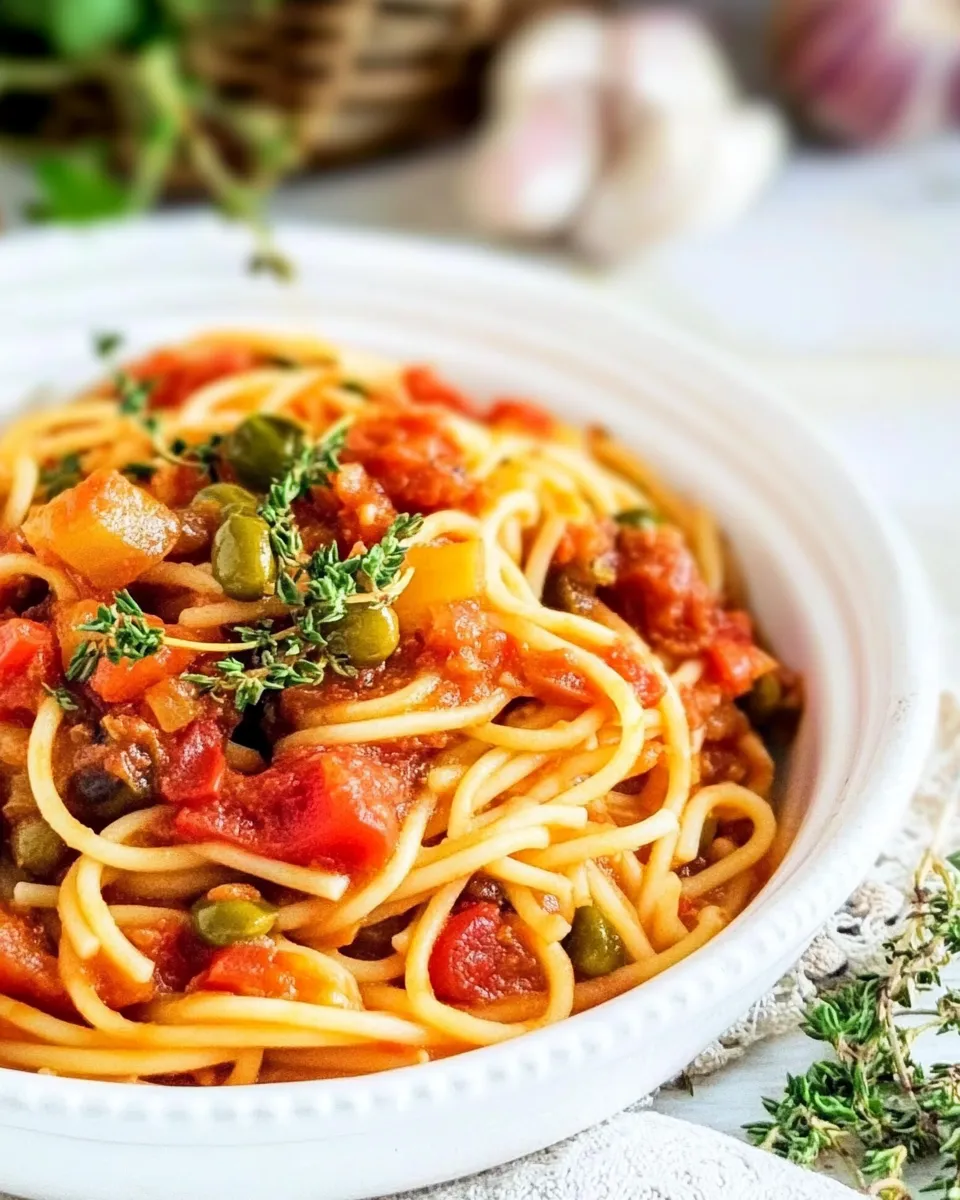
This recipe shines because it’s fast and filling. The whole meal comes together while the pasta boils — no long simmering, no fuss. Browning the salami creates a flavorful fat that acts like a base, so you don’t need to rely on lots of butter or heavy cream.
It’s also economical. A pound of salami and pantry staples feed a family without expensive proteins. The dish freezes and reheats well, and leftovers taste even better the next day as the flavors meld. Finally, it’s crowd-pleasing: kids and adults both appreciate the familiar comfort of pasta with a savory, slightly tangy sauce.
Texture-Safe Substitutions
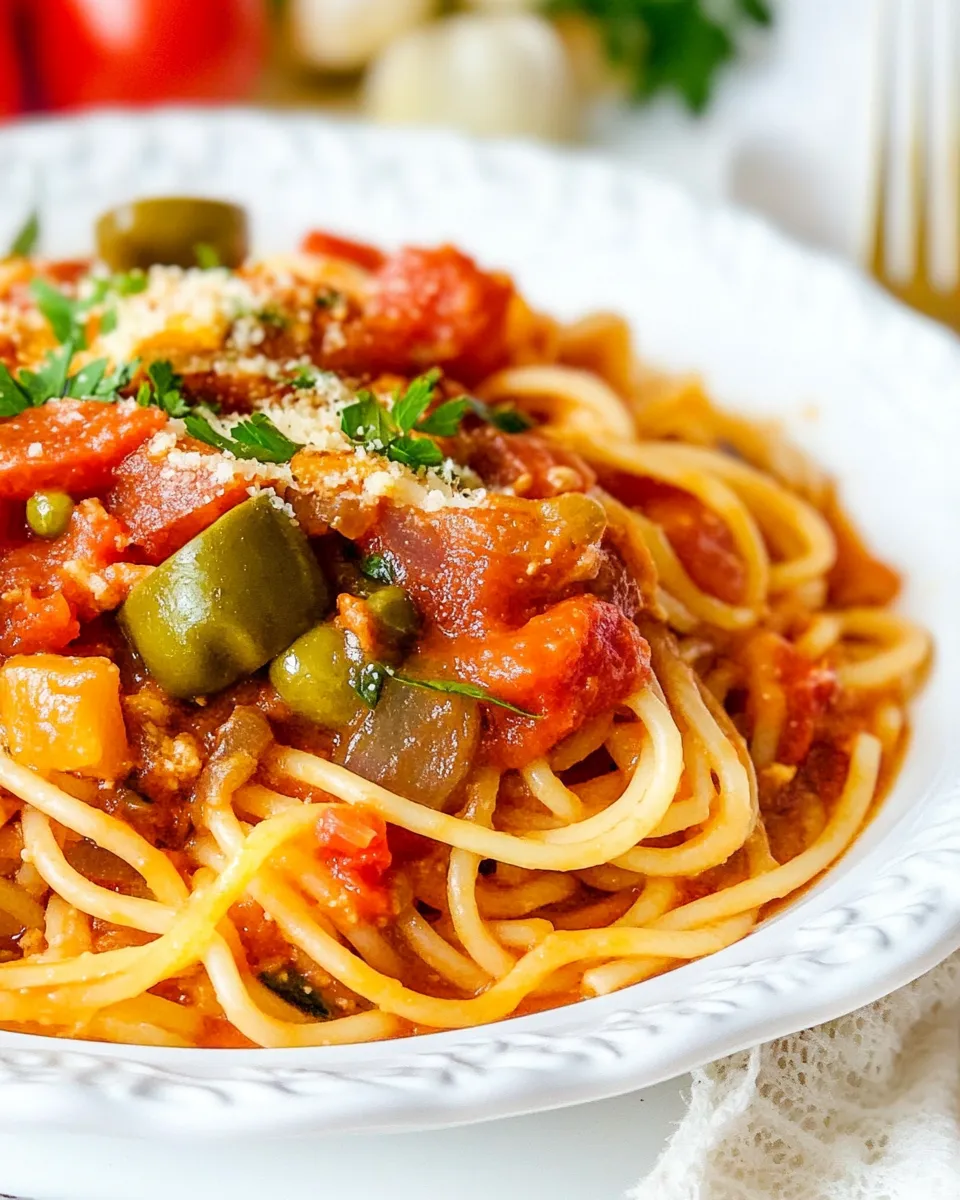
If you need to swap ingredients but want to keep the textures similar, here are safe options:
- Dominican salami — substitute with smoked or cured salami of similar firmness, chopped ham, or sturdy cooked sausage. Choose something that will brown and render fat.
- Plum tomatoes — canned diced tomatoes (drained slightly) can replace fresh ones when tomatoes are out of season; they provide similar body.
- Evaporated milk — whole milk plus a tablespoon of cream will approximate the mouthfeel (watch heat to avoid curdling); omit if you prefer a lighter sauce.
- Green olives/capers — if you don’t like briny bites, cut the amount in half or omit; add a splash of vinegar at the end for brightness instead.
Gear Up: What to Grab
- Large pot for boiling pasta — big enough for 2 L water and 1 lb spaghetti.
- Large skillet or wide pot — for browning salami and finishing the sauce and pasta together.
- Colander — to drain spaghetti.
- Wooden spoon or spatula — for stirring the sauce without scratching cookware.
- Tongs — useful for tossing pasta into the sauce gently.
- Sharp chef’s knife and cutting board — for dicing salami, peppers, onion, and tomatoes.
- Measuring spoons and cup — to measure salt, oil, tomato sauce, and evaporated milk.
Steer Clear of These
A few pitfalls will dull the dish’s best qualities. Don’t overcook the spaghetti — the recipe asks for slightly softer than al dente because it will finish in the sauce; overcooking makes it mushy. Don’t let evaporated milk boil once added; a simmer is fine but a rolling boil will separate the milk.
Avoid skipping seasoning at the end. The pasta water salt, reserved and added later, is part of the overall balance — taste and adjust. Lastly, don’t overcrowd the pan when browning the salami; give it space to brown nicely so you get those caramelized bits that carry flavor into the sauce.
Spring–Summer–Fall–Winter Ideas
Spring: Brighten with a handful of chopped fresh parsley or basil and a squeeze of lemon when serving. Lighter sides like a crisp cucumber salad pair well.
Summer: Use the ripest plum tomatoes you can find and omit evaporated milk for a fresher, brighter sauce. Serve with a simple arugula salad dressed with olive oil and lime.
Fall: Add a small handful of sautéed mushrooms or roasted bell peppers for earthy depth. A side of garlicky roasted vegetables rounds the meal.
Winter: Keep the evaporated milk for a creamier, cozier finish. Serve with crusty bread and a simple warm spinach salad for a comforting plate.
Notes on Ingredients
Spaghetti: Any long pasta will work, but thickness matters — thicker pastas hold up better to the hearty salami sauce. If you prefer shorter shapes, increase the sauce surface area by cutting ingredients a bit smaller.
Dominican “salami”: This is often a smoked or cured, firm salami with a distinctive profile. If you can source authentic salami, great; otherwise, choose a similarly textured cured meat that will brown well and release flavorful oils.
Tomato sauce vs. fresh tomatoes: The recipe uses both fresh plum tomatoes and tomato sauce — fresh for texture, sauce for consistent body and color. If you only have one, use good-quality canned tomato sauce rather than a low-flavor option.
Vinegar vs. evaporated milk: These are mutually exclusive in the directions. The vinegar brightens the sauce if you skip the milk; evaporated milk softens and rounds the acidity. Don’t add both.
Save for Later: Storage Tips
Cool the spaghetti quickly and refrigerate in an airtight container for up to 3–4 days. Reheat gently on the stovetop over low heat with a splash of water or a drizzle of olive oil to restore moisture. If you used evaporated milk, reheat slowly so the sauce doesn’t separate — low and gentle is key.
To freeze: portion into freezer-safe containers and freeze for up to 2 months. Thaw overnight in the fridge before reheating. Texture may soften after freezing, so plan accordingly.
FAQ
Can I use regular salami or pepperoni? Yes — use a firm, cured salami or a sausage that browns well. Pepperoni will be spicier and thinner; adjust amounts to taste.
What if I don’t have evaporated milk? You can skip it and add the ¼ tablespoon vinegar for acidity, or use a splash of whole milk plus a little cream. Avoid boiling the sauce if you add milk.
Can this be made vegetarian? Omit the salami and use a smoky roasted mushroom or smoked tofu to add savory depth; increase olives or capers slightly for briny flavor.
How do I prevent curdling when using evaporated milk? Keep the heat low after adding evaporated milk and avoid bringing the sauce to a boil. Stir gently and heat only until warmed through.
Before You Go
Dominican Spaghetti is a fast, honest meal that showcases how simple ingredients can create something memorable. Follow the steps exactly for timing and seasoning, taste as you go, and be bold with the salami browning — that’s where the flavor lives. If you try it, save a photo and come back to tell me which swap or addition made it your own.
Dominican Spaghetti (Espaguetis)
Ingredients
Ingredients
- 1 poundspaghetti [0.43 kg]
- 1 1/2 tablespoonsalt
- 1 poundDominican "salami" [0.43 kg] (Amazon affiliate link)
- 2 tablespoonolive oil
- 1 red onion large diced
- 1 green bell pepper or red bell pepper cut into small cubes
- 1/4 cuppitted green olives
- 2 garlic cloves crushed
- 1 tablespooncapers (optional)
- 4 plum tomato cut into small cubes
- 1/4 teaspoonoregano dry, ground
- 2 cupstomato sauce
- 1/4 tablespoonvinegar (optional)
- 1/2 cupevaporated milk (optional)
- 1/4 teaspoonpepper freshly-cracked, or ground, or to taste
- 1/4 cupgrated Parmesan cheese (optional)
Instructions
Instructions
- Bring about ½ gallon (2 L) of water to a rolling boil in a large pot. Add 1 tablespoon of the salt to the boiling water.
- Add the 1 pound spaghetti to the boiling water and cook until slightly softer than al dente (test by tasting), stirring occasionally.
- While the pasta cooks, reserve the remaining ½ tablespoon salt for seasoning later. When the spaghetti is done, drain it and set it aside.
- While the pasta is boiling, heat 2 tablespoons olive oil in a large skillet or pot over medium heat.
- Cut the 1 pound Dominican salami into small cubes and add them to the hot oil. Cook, stirring, until the salami is browned.
- Reduce the heat to medium-low. Add the diced red onion, diced green bell pepper, ¼ cup pitted green olives, 2 crushed garlic cloves, and 1 tablespoon capers (if using). Cook and stir until the onion becomes translucent (about 1 minute).
- Add the 4 plum tomatoes cut into small cubes and ¼ teaspoon dried oregano. Cover and simmer until the tomatoes are cooked through, about 3–5 minutes.
- Stir in the 2 cups tomato sauce. If you are not using evaporated milk, add ¼ tablespoon vinegar now (optional). If you plan to use the evaporated milk, do NOT add the vinegar.
- If using, add ½ cup evaporated milk now and stir to combine. Keep the heat low and do not allow the mixture to boil (to prevent the milk from curdling).
- Add the drained spaghetti to the skillet or pot and toss gently until the pasta is well coated with the sauce and evenly mixed.
- Season with the reserved ½ tablespoon salt and ¼ teaspoon freshly cracked or ground pepper (or to taste). Adjust seasoning as needed.
- Serve hot and, if desired, garnish each serving with ¼ cup grated Parmesan cheese.
Equipment
- Large Pot
- Large skillet or pot
- Colander
- Stirring spoon
Notes
Do not add vinegar if you are using milk. Both ingredients are optional, as there are no two homes where this dish is made the same. Both versions have their fans, I love both.