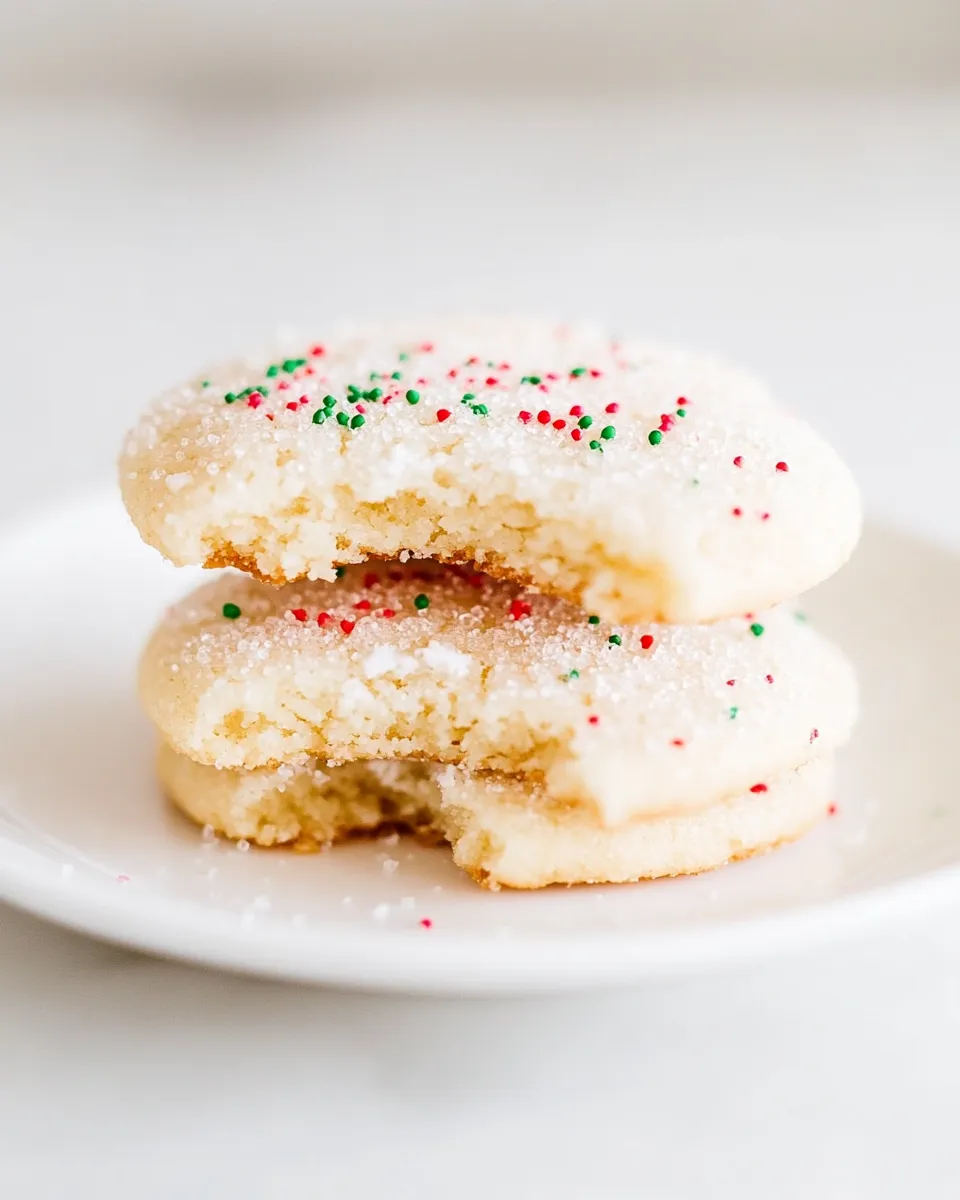
These drop sugar cookies are the kind I turn to when I want something simple, reliable, and universally loved. They don’t require chilling a block of dough or rolling for hours — a straightforward cream, stir, scoop routine that yields soft-centred cookies with lightly golden edges. Plain, perfect, and endlessly adaptable.
I make a batch when friends pop by, when school lunch boxes need a treat, or when I want a blank-slate cookie for decorating. They keep well, handle variations, and the method is forgiving. If you follow the few clear steps below, you’ll have a tray of even cookies the first time.
Read through the ingredient list and the short method first. The recipe scales easily, and you’ll find notes on swaps, tools, troubleshooting, and storage in the sections that follow.
Ingredient List
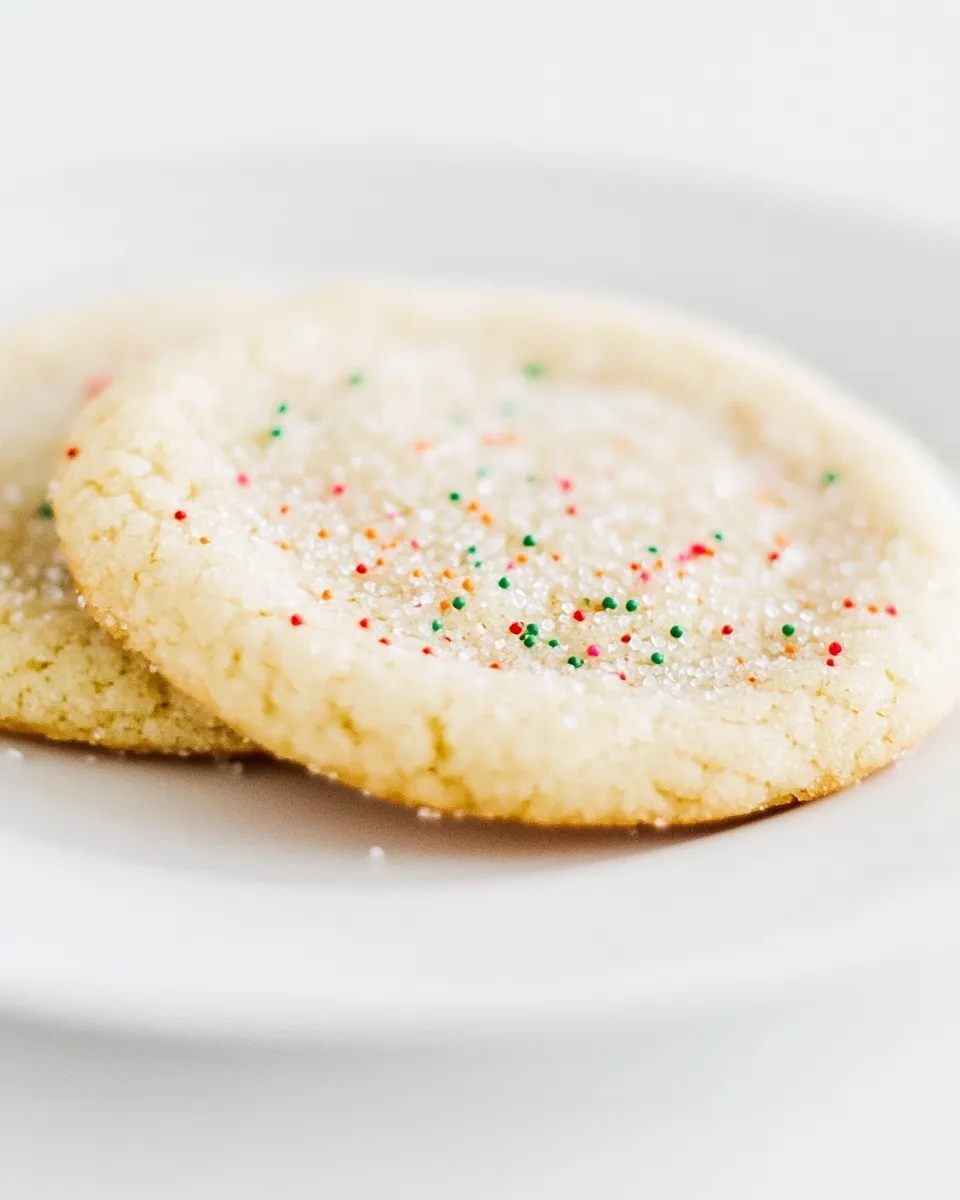
- 1 cup unsalted butter, softened — Provides fat for tender texture and the base for creaming with sugar.
- 1 ¼ cups granulated sugar (260 g) — Sweetens and helps create structure and slight crispness at the edge.
- 1 large egg — Binds the dough and adds moisture and richness.
- 2 teaspoons vanilla extract — Adds flavor depth; use pure vanilla for best results.
- 2 ¼ cups all-purpose flour (290 g) — The main dry structure; measure accurately for consistent cookies.
- ½ teaspoon cream of tartar — Gives a subtle tang and helps create tender crumb and slight chew.
- ½ teaspoon baking powder — Offers lift so cookies are light, not dense.
- ½ teaspoon baking soda — Reacts with the acid to help spread and browning.
- ¾ teaspoon salt — Balances sweetness and enhances overall flavor.
Stepwise Method: Drop Sugar Cookies
- Preheat the oven to 350°F. Line one or more baking sheets with parchment paper.
- In a large bowl, cream together 1 cup unsalted butter (softened) and 1 1/4 cups granulated sugar with a handheld or stand mixer for 2–3 minutes, until light and fluffy.
- Add 1 large egg and 2 teaspoons vanilla extract to the creamed mixture and mix until combined.
- In a separate bowl, whisk together 2 1/4 cups all-purpose flour, 1/2 teaspoon cream of tartar, 1/2 teaspoon baking powder, 1/2 teaspoon baking soda, and 3/4 teaspoon salt.
- Add the flour mixture to the wet ingredients in two additions: first add about 1 cup of the flour mixture and mix until incorporated, then add the remaining 1 1/4 cups and mix just until combined. Do not overmix.
- Use a medium cookie scoop to portion the dough and roll each portion into a ball if desired. Place the dough balls on the prepared baking sheets about 2 inches apart.
- Refrigerate the baking sheets with the shaped dough for 15 minutes to chill.
- Bake in the preheated oven for 9–10 minutes, or until the centers are set and edges are lightly golden.
- Let the cookies cool on the baking sheet for a few minutes, then transfer to a wire rack to cool completely.
Why Cooks Rave About It
There are three practical reasons these cookies earn praise: texture, simplicity, and adaptability. The cream of tartar and the combination of leaveners yield a cookie that is tender in the center with just enough chew at the edge. It’s the cookie you reach for when you want comfort without fuss.
Second, the method is friendly. Softened butter, a short creaming, a single egg, and dry ingredients added in two portions—this recipe tolerates small timing or temperature variations and still performs well. Beginners get consistent results, and experienced bakers will enjoy customizing the base.
Finally, these cookies are a blank canvas. You can leave them plain, roll them in sugar, press an imprint, or decorate them after cooling. Their neutral profile pairs with chocolate, citrus, spices, or add-ins without stealing the show.
Substitutions by Category
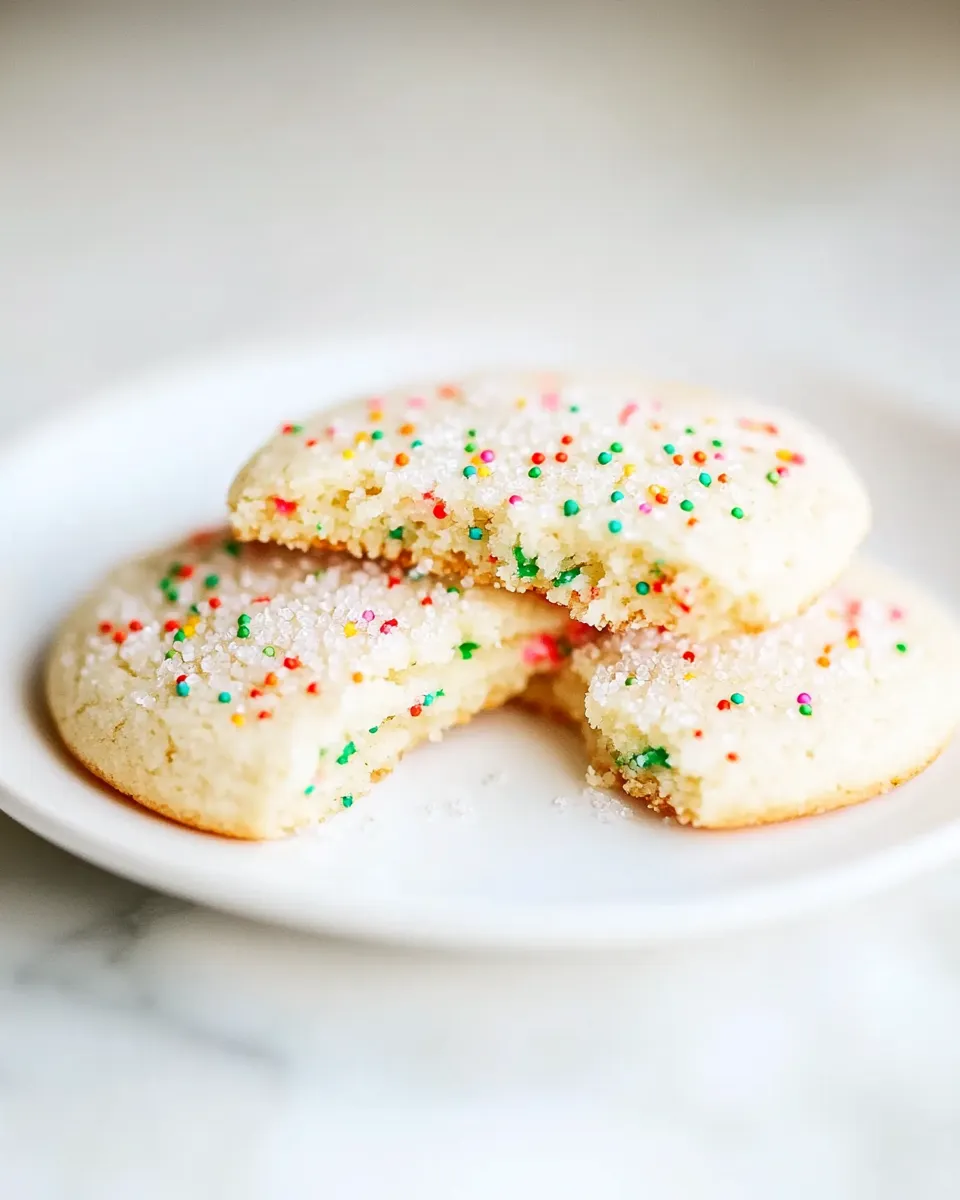
Dairy & Fats
- Butter: Swap with 1 cup of salted butter but reduce added salt slightly; expect a slightly different flavor profile.
- Margarine or shortening: Use as a last resort. They will affect flavor and texture—shortening yields a more tender, less flavorful cookie.
Sweeteners
- Granulated sugar: Substitute part or all with coconut sugar for a deeper, caramel note—texture changes slightly and color will be darker.
- Brown sugar: Replacing some granulated sugar with light brown sugar adds moisture and chew; reduce the overall sugar a touch if you prefer less sweetness.
Flour & Leavening
- All-purpose flour: You can use a 1:1 gluten-free flour blend labeled for baking, but expect a different crumb and possibly a need for an extra binder (like xanthan gum) depending on the blend.
- Leaveners: Do not omit both baking powder and baking soda together; they work in concert for texture and browning.
Flavorings & Add-ins
- Vanilla: Use the same amount of almond or citrus extract for a flavor twist, but reduce strong extracts (like peppermint) by half.
- Add-ins: Stir in up to 1 cup total of chocolate chips, nuts, or dried fruit, folding gently at the end to avoid overmixing.
What You’ll Need (Gear)
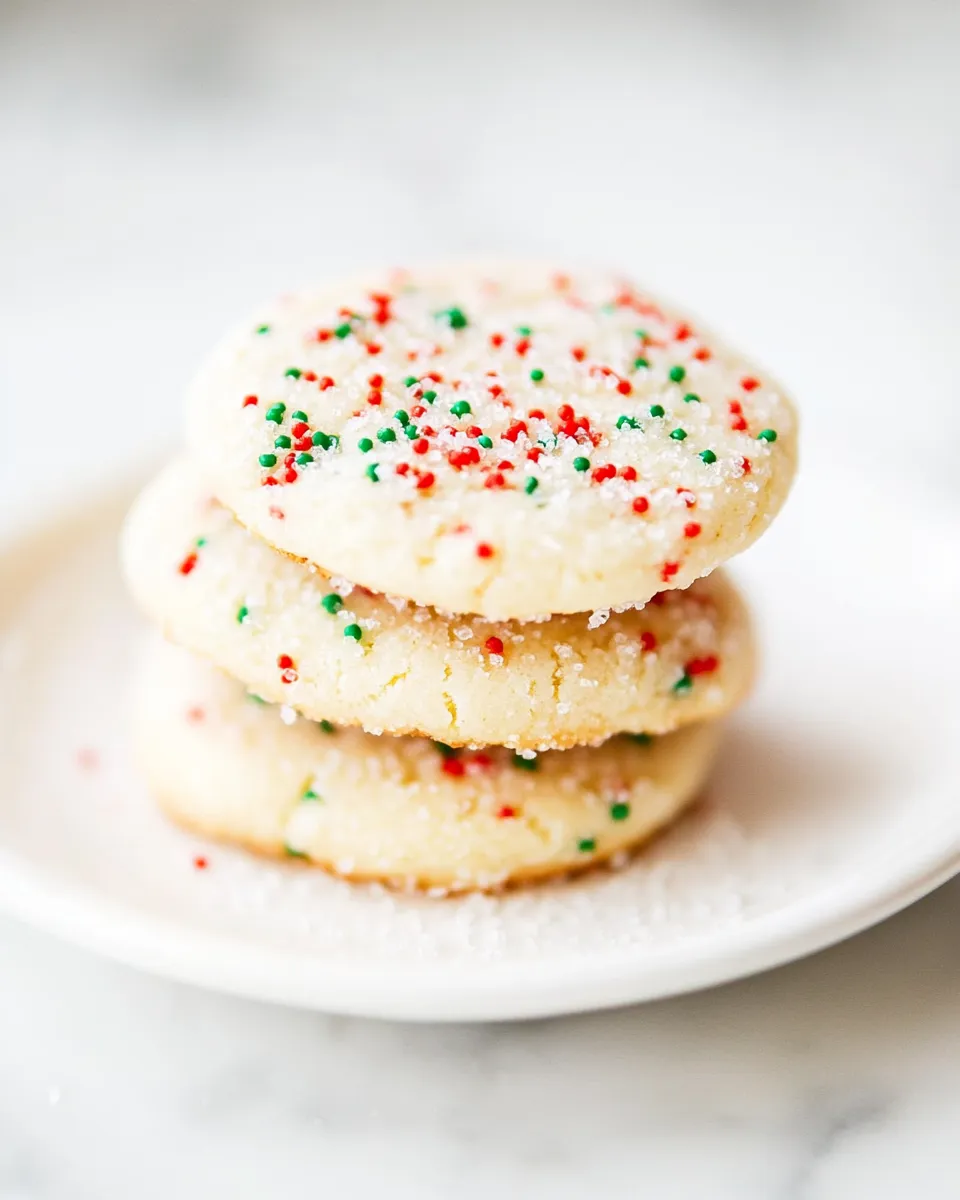
- Stand mixer or handheld mixer — For creaming butter and sugar to the proper light texture.
- Large mixing bowls — One for wet, one for dry ingredients.
- Measuring cups and spoons — Accurate measuring keeps cookie texture consistent.
- Kitchen scale (optional) — Useful if you prefer weighing flour and sugar; recipe gives gram measures for two items.
- Medium cookie scoop — Ensures uniform cookies that bake evenly.
- Baking sheets and parchment paper — Parchment prevents sticking and encourages even browning.
- Wire cooling rack — Cools cookies quickly and prevents sogginess from trapped steam.
Things That Go Wrong
Cookies spread too much: The likely causes are overly soft butter, dough warmed after chilling, or too little flour. Make sure the butter is softened, not melted. Chill the scooped dough on the baking sheet before baking. If your kitchen is warm, pop the tray straight into the fridge for a few minutes before baking.
Cookies are flat and dense: Undercreaming or overmixing after adding flour can cause dense cookies. Cream butter and sugar until noticeably lighter in color and fluffy. When you add the flour, mix just until combined. Also check your leavening: old baking powder or baking soda produces poor lift.
Cookies are dry or crumbly: Too much flour or overbaking are typical culprits. Measure flour properly (fluff, spoon, and level) and bake until centers are set but not browned heavily. If using alternative sweeteners or flours, reduce baking time and check earlier.
Edges burn before centers bake: This often happens with thin cookie sheets or baking at the wrong rack level. Use a middle rack and an insulated baking sheet if edges are browning too quickly. Rotate sheets halfway through a batch to even out hot spots.
Make It Your Way
Want softer centers? Bake for the lower end of the time (9 minutes) and remove when centers are set but still pale. For crisper cookies, bake an extra minute or two until edges are a richer golden.
Decorating options: Roll the dough balls in coarse sugar before chilling to add sparkle and texture. Once cooled, dip half in melted chocolate or pipe a simple glaze made from powdered sugar and milk (start with 1/2 cup powdered sugar and a teaspoon of milk, add more sugar or liquid to reach spreadable consistency).
Flavor variations: Add the zest of one lemon or orange to the creamed mixture for a bright citrus note. Stir in 1 cup of mini chocolate chips for a classic twist. For a spiced version, add 1/2 teaspoon ground cinnamon and a pinch of nutmeg to the dry mix.
Author’s Commentary
I keep this recipe in my regular rotation because it’s predictable and forgiving. I once brought a sheet to a potluck where the host had forgotten dessert; within an hour the tray was empty. I like that it gives me control: quick vanilla cookies for weekday snacks, or a base to dress up for holiday cookie swaps. Little touches—zest, a sprinkle of coarse sugar, or a light glaze—turn the same dough into something different.
Storage & Reheat Guide
Room temperature: Store cooled cookies in an airtight container at room temperature for up to 5 days. Place a slice of bread or a folded paper towel in the container to help keep them soft; the bread releases moisture that the cookies absorb.
Freezing: Freeze baked cookies in a single layer on a sheet pan until firm, then transfer to a freezer bag or container for up to 3 months. Thaw at room temperature; if you want them warm, reheat in a 300°F oven for 4–6 minutes.
Dough freezing: You can freeze the scooped dough balls on a sheet pan, then transfer them to a bag. Bake from frozen; add 1–2 minutes to the bake time and watch for the centers to set.
Ask the Chef
- Q: Can I make these without a mixer?
A: Yes. Cream the butter and sugar with a sturdy wooden spoon and elbow grease until lighter in color, about 4–5 minutes, then proceed as written. - Q: My cookies always come out cakey. Why?
A: Check your measuring technique and leaveners. Too much flour or a fresh, overly active baking powder amount can give a cakey result. Also avoid overmixing the flour in. - Q: Can I halve the recipe?
A: Absolutely. The method scales down cleanly. Use the same ratios and timing; a smaller batch might bake a touch faster, so watch them. - Q: Can I use salted butter?
A: Yes. If you do, taste the dough and reduce added salt slightly next time if the cookies seem too salty. The recipe as written uses unsalted butter.
Time to Try It
Preheat your oven, gather the ingredients, and scoop one test cookie to see how your oven behaves. The recipe rewards attention to small details—properly softened butter, accurate flour measurement, and a short chill before baking—and will give you dependable cookies every time. Make a batch plain first, then experiment with the variations in the “Make It Your Way” section. Send a photo if you like; I love seeing how readers personalize this little workhorse of a cookie.

Drop Sugar Cookies
Ingredients
Ingredients
- 1 cupunsalted butter softened
- 1 1/4 cupsgranulated sugar 260 g
- 1 large egg
- 2 teaspoonsvanilla extract
- 2 1/4 cupsall-purpose flour 290 g
- 1/2 teaspooncream of tartar
- 1/2 teaspoonbaking powder
- 1/2 teaspoonbaking soda
- 3/4 teaspoonsalt
Instructions
Instructions
- Preheat the oven to 350°F. Line one or more baking sheets with parchment paper.
- In a large bowl, cream together 1 cup unsalted butter (softened) and 1 1/4 cups granulated sugar with a handheld or stand mixer for 2–3 minutes, until light and fluffy.
- Add 1 large egg and 2 teaspoons vanilla extract to the creamed mixture and mix until combined.
- In a separate bowl, whisk together 2 1/4 cups all-purpose flour, 1/2 teaspoon cream of tartar, 1/2 teaspoon baking powder, 1/2 teaspoon baking soda, and 3/4 teaspoon salt.
- Add the flour mixture to the wet ingredients in two additions: first add about 1 cup of the flour mixture and mix until incorporated, then add the remaining 1 1/4 cups and mix just until combined. Do not overmix.
- Use a medium cookie scoop to portion the dough and roll each portion into a ball if desired. Place the dough balls on the prepared baking sheets about 2 inches apart.
- Refrigerate the baking sheets with the shaped dough for 15 minutes to chill.
- Bake in the preheated oven for 9–10 minutes, or until the centers are set and edges are lightly golden.
- Let the cookies cool on the baking sheet for a few minutes, then transfer to a wire rack to cool completely.
Equipment
- Mixing Bowl
- handheld or stand mixer
- Measuring Cups
- Measuring Spoons
- cookie scoop (medium)
- Baking Sheet
- Parchment Paper
- Wire Rack
- Refrigerator
Notes
Notes:
Cream of tartar adds to the flavor of this cookie, but you can omit it if you don’t have any on hand.
Topping
: If you’d like to frost these cookies, omit the sprinkles and frost the top.
Storage:
Store leftovers in a covered container up to 4 days or freeze up to 3 months.