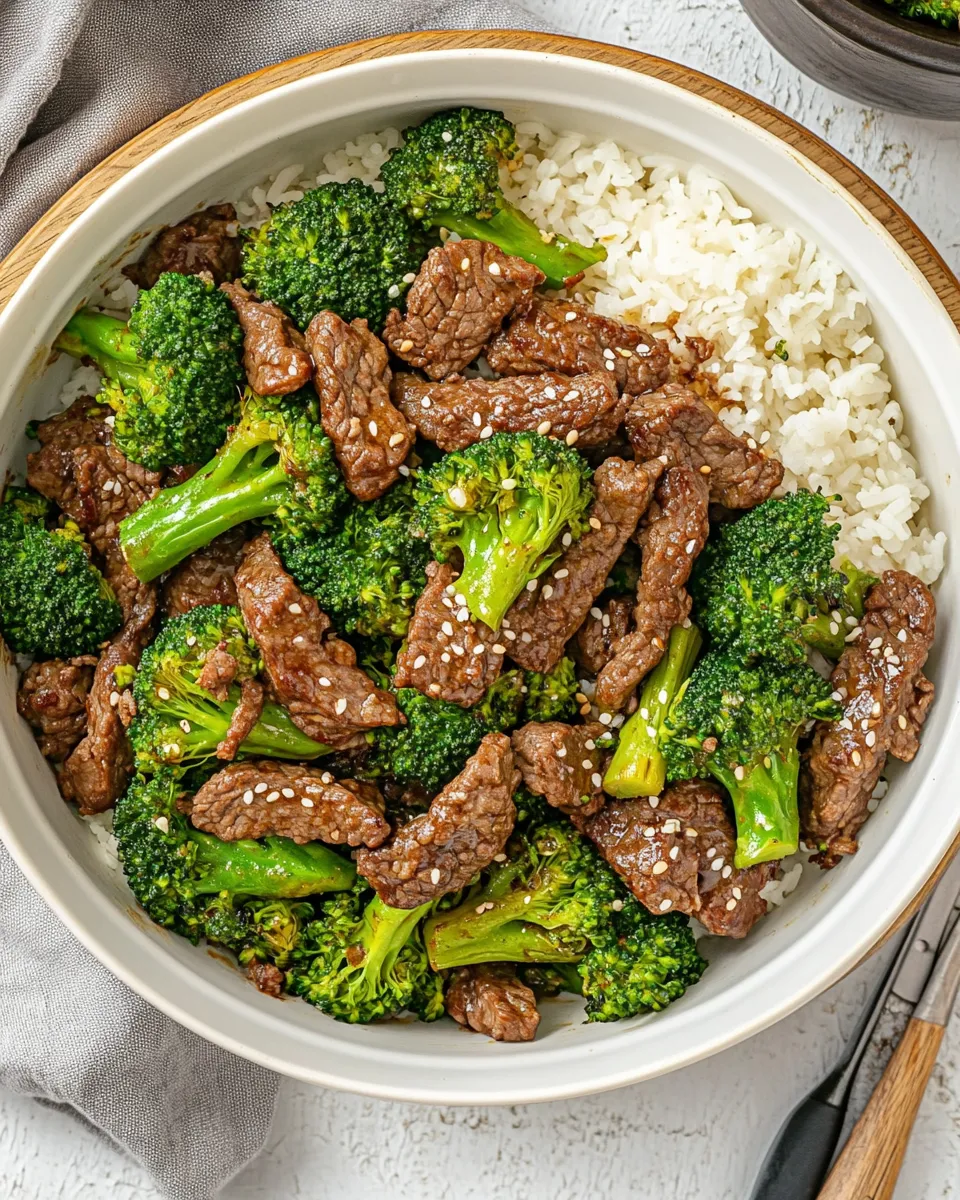
I make this Beef and Broccoli on weeknights when I need something fast, comforting, and reliably delicious. It hits the sweet-salty umami notes without fuss, and it comes together in about the time it takes to cook rice. No complicated steps, just a little prepping and a hot skillet.
This version leans on a simple cornstarch coating to give the steak a silky bite and on a straight-up soy-sesame sauce that brightens with fresh ginger and garlic. The result is a glossy coating that clings to the beef and broccoli—exactly what you want when you spoon it over white rice.
I’ll walk you through the ingredients, the exact steps, and the small technique points that lift this dish from “good” to “weeknight favorite.” No gimmicks. Just reliable technique and flavor you can count on.
Ingredient Rundown
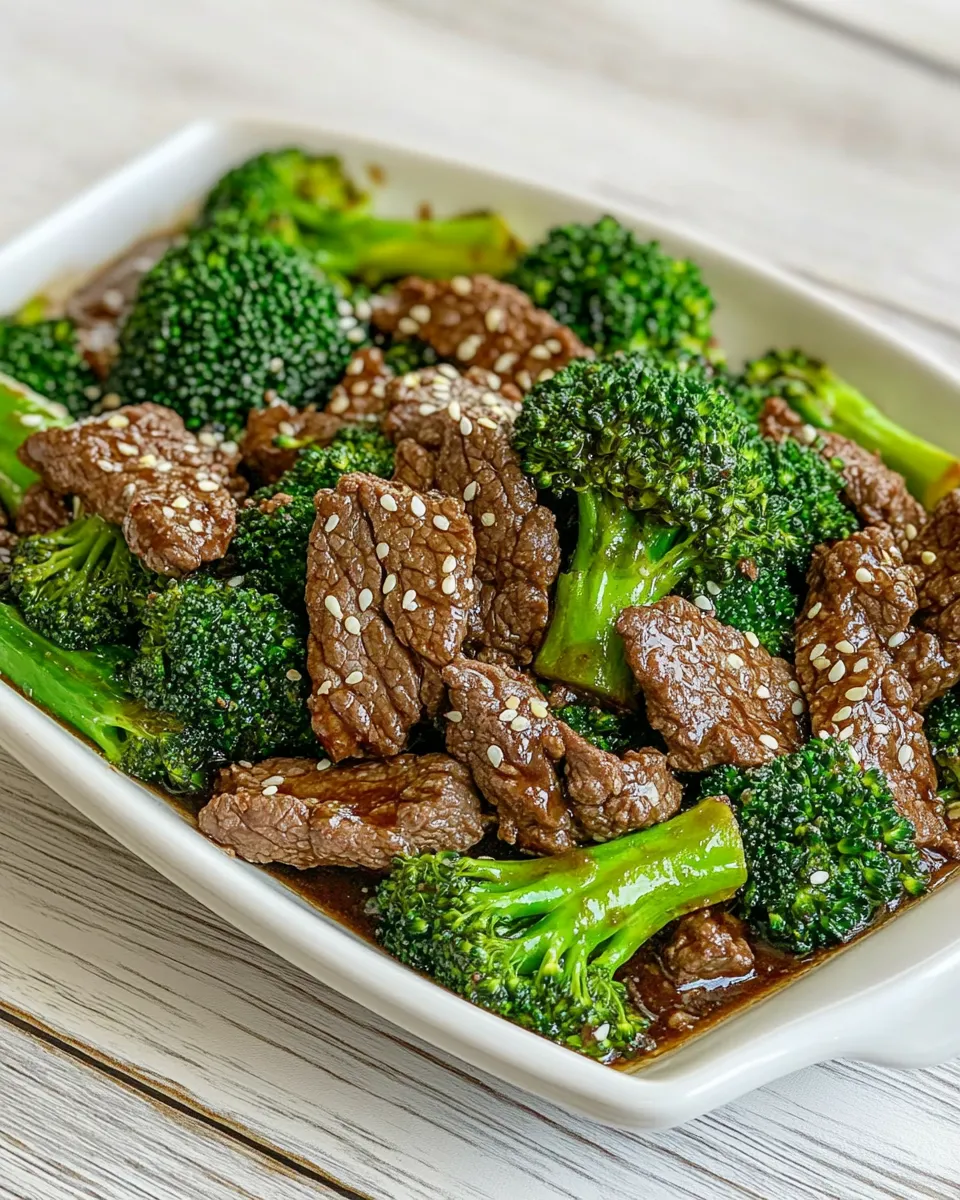
Ingredients
- 1 pound flank steak — lean, flavorful, and slices thinly against the grain for tenderness.
- 3 tablespoons cornstarch, divided — one portion coats the beef for a velvety texture; the rest thickens the sauce.
- 3 tablespoons water — mixed with cornstarch to create the slurry that coats the steak evenly.
- 2 tablespoons fresh ginger, grated — bright, aromatic backbone for the sauce; fresh is best.
- ½ cup low-sodium soy sauce — provides the savory base without overwhelming saltiness.
- 2 tablespoons sesame oil — toasted sesame oil adds nutty depth to the sauce.
- ½ teaspoon ground black pepper — simple seasoning that complements the soy and ginger.
- 3 tablespoons brown sugar — balances the salt and rounds out the sauce with a touch of caramel.
- 1 tablespoon minced garlic (2 cloves) — aromatic lift; mince fine so it cooks quickly and evenly.
- 4 cups broccoli florets — the vegetable star; trim into even pieces so they cook uniformly.
- 2 tablespoons vegetable oil, divided — a neutral oil for high-heat searing and quick stir-frying.
- Cooked white rice and sesame seeds, for serving — rice soaks up the sauce; sesame seeds add a nutty finish and texture.
Beef and Broccoli in Steps
- Slice the 1 pound flank steak against the grain into 1/4-inch-thick strips.
- In a large bowl, whisk together 2 tablespoons cornstarch and 3 tablespoons water until smooth. Add the sliced steak and toss to coat evenly. Set aside to rest while you prepare the sauce and broccoli.
- In a small bowl, combine 2 tablespoons grated fresh ginger, 1/2 cup low-sodium soy sauce, 2 tablespoons sesame oil, 1/2 teaspoon ground black pepper, 3 tablespoons brown sugar, 1 tablespoon minced garlic, and the remaining 1 tablespoon cornstarch. Whisk until the cornstarch is dissolved and the sauce is smooth.
- If needed, cut the 4 cups broccoli florets into even-sized pieces so they cook uniformly.
- Heat 1 tablespoon vegetable oil in a large skillet over medium-high heat. Add the broccoli and cook, stirring occasionally, about 4–5 minutes until crisp-tender and bright green. Transfer the broccoli to a bowl and set aside.
- Add the remaining 1 tablespoon vegetable oil to the skillet. Add the coated steak strips in a single layer (cook in batches if necessary to avoid crowding) and cook over medium-high heat about 3–4 minutes, stirring occasionally, until the steak is seared and mostly cooked through.
- Pour the prepared soy sauce mixture into the skillet with the steak and stir to combine. Cook 1–2 minutes, stirring, until the sauce thickens and coats the steak.
- Return the cooked broccoli to the skillet and toss with the steak and sauce until everything is heated through and evenly coated, about 1 minute.
- Serve the beef and broccoli over cooked white rice and sprinkle with sesame seeds.
Why This Recipe is a Keeper
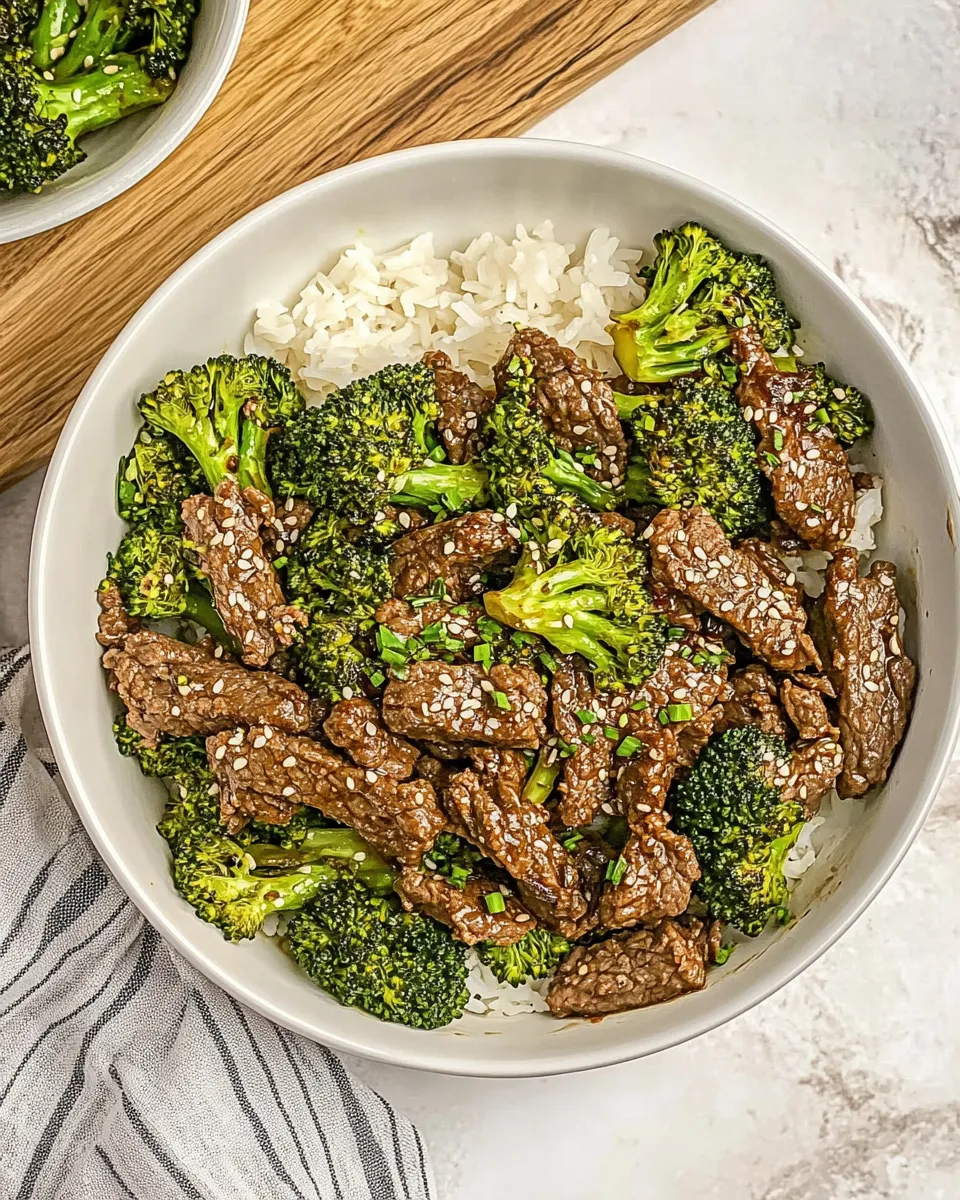
It’s dependable. The method makes the beef tender and the sauce glossy without complicated techniques or long marinating times. You get restaurant-style texture from a single cornstarch coat and a quick sear. The sauce is balanced—salty from soy, sweet from brown sugar, nutty from sesame oil, and bright from ginger and garlic.
It’s flexible. You can scale the recipe up or down, cook in batches, or swap the rice for noodles and still get a satisfying meal. That adaptability makes this dish one I return to again and again.
If You’re Out Of…
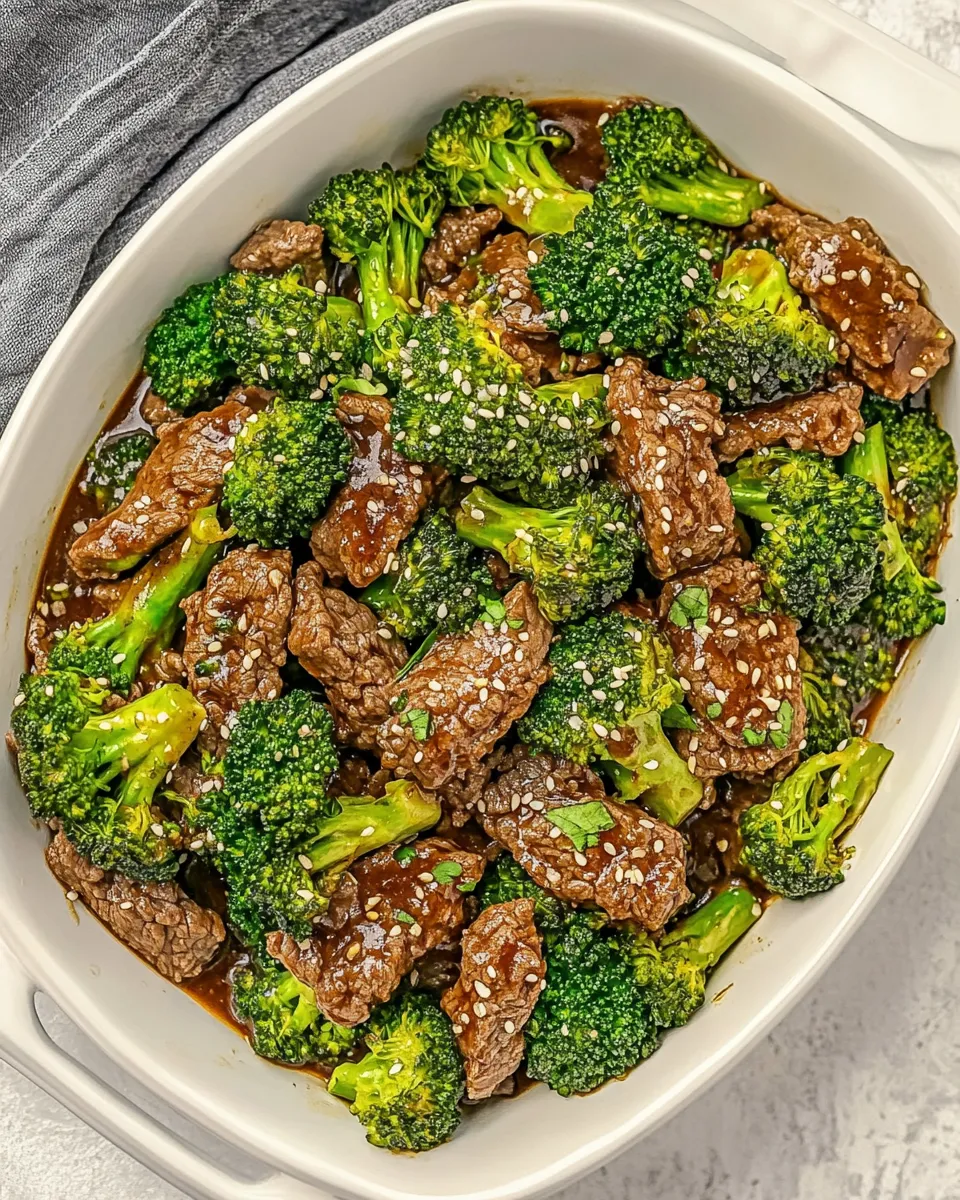
- Flank steak: Use another thinly sliced, quick-cooking cut such as skirt steak or sirloin; aim for similar thickness when slicing.
- Cornstarch: Potato starch works similarly for coating and thickening; use it in the same amounts.
- Fresh ginger: Use a smaller amount of jarred grated ginger in a pinch—fresh is better for brightness.
- Low-sodium soy sauce: If you only have regular soy sauce, taste the sauce before adding extra salt and consider reducing the brown sugar slightly.
- Vegetable oil: Any neutral high-heat oil (canola, peanut) will work for searing and stir-frying.
Equipment & Tools
- Large skillet or wok — a wide surface gives you a hot sear and room to toss.
- Mixing bowls — one for the cornstarch slurry and coating, another for the sauce.
- Sharp knife and cutting board — for thin, even slices of steak and trimming broccoli.
- Whisk or fork — to dissolve cornstarch and blend the sauce.
- Spatula or tongs — for turning steak and tossing broccoli with sauce.
- Measuring spoons and cups — for accurate, repeatable results.
Mistakes That Ruin Beef and Broccoli
- Crowding the pan: If you add too much steak at once the meat will steam, not sear. Work in batches so every piece gets that caramelized edge.
- Not slicing against the grain: Cutting with the grain leaves long fibers intact and makes the steak chewy. Slice across the grain into thin strips for tenderness.
- Skipping the cornstarch coating: That step gives the beef a silky mouthfeel and helps the sauce cling. Don’t skip it even though it adds one extra bowl to wash.
- Overcooking the broccoli: It should be crisp-tender and bright green. Overcooked broccoli turns dull and mushy and loses the textural contrast with the beef.
- Using cold steak straight from the fridge: Letting the coated steak rest briefly at room temperature helps it sear evenly. Cold meat lowers the pan temperature and impedes browning.
Spring to Winter: Ideas
Spring: Add snap peas or shaved asparagus toward the end of broccoli cooking for fresh crunch. Finish with a squeeze of lime to brighten the dish.
Summer: Swap half the broccoli for quickly blistered bell peppers and scallions for color and sweetness. Serve over chilled sesame noodles for a warm-weather twist.
Autumn: Toss in thinly sliced shiitake mushrooms when you sear the steak for an earthier flavor that pairs well with brown sugar and soy.
Winter: Bulk up the dish with roasted root vegetables for heartier texture, or fold in wilted baby spinach at the end for an extra hit of greens.
Method to the Madness
There are a few small moves that make a big difference. First, the cornstarch coating creates a thin protective layer that keeps the beef moist and gives the sauce something to cling to. Second, searing over medium-high heat rather than a lower simmer creates Maillard flavors and texture. Finally, cooking the broccoli first and keeping it separate prevents overcooking; it only needs to reheat briefly with the sauce to finish.
The sauce formula is intentionally simple: soy for salt, brown sugar for balance, sesame oil for depth, ginger and garlic for aromatics, and just enough cornstarch to thicken. It’s a straightforward, dependable combination that adapts well if you want to tweak heat or acidity.
Make-Ahead & Storage
Make-ahead: You can slice the steak, toss it with the initial cornstarch slurry, and keep it covered in the refrigerator for up to 24 hours. Prepare the sauce in advance and keep it chilled in a sealed container.
Storage: Leftovers keep well in an airtight container in the refrigerator for 3–4 days. The sauce will continue to thicken as it cools because of the cornstarch; loosen it with a splash of water or a quick microwave/reheat in a skillet with a tablespoon of water.
Freezing: The texture of the broccoli will degrade if frozen. If you plan to freeze, store the cooked beef and sauce separately from the vegetables and thaw gently before reheating. Reheat in a skillet over medium heat until just warmed through.
Ask the Chef
Q: Can I use a different cut of beef? A: Yes. Use a similarly thin-cut, quick-cooking beef like skirt or sirloin. The key is slicing thin and against the grain.
Q: How do I get a thicker sauce? A: The sauce will thicken quickly in the skillet. If you want it thicker, mix an additional 1/2 teaspoon cornstarch with 1/2 teaspoon water and add it in small amounts while simmering until you reach the desired consistency.
Q: Can I make this gluten-free? A: Swap the soy sauce for a gluten-free tamari or coconut aminos and confirm any other packaged ingredients are labeled gluten-free.
Q: My sauce is too salty—help! A: Balance it with a touch more brown sugar, a squeeze of citrus, or a splash of water to dilute. Using low-sodium soy sauce from the start avoids this issue.
Before You Go
This Beef and Broccoli is exactly the kind of recipe I want in my weeknight rotation: fast, forgiving, and satisfying. The steps are precise but simple, and a few small habits—slicing against the grain, searing in batches, cooking the broccoli separately—make the result reliably great.
Make it once, and I think you’ll find yourself coming back to it. If you do, leave a comment or a tweak you tried—I’ll bookmark the best ideas and try them next time I stir up a batch.
Easy Beef and Broccoli
Ingredients
Ingredients
- 1 poundflank steak
- 3 tablespoonscornstarchdivided
- 3 tablespoonswater
- 2 tablespoonsfresh gingergrated
- 1/2 cuplow-sodium soy sauce
- 2 tablespoonssesame oil
- 1/2 teaspoonground black pepper
- 3 tablespoonsbrown sugar
- 1 tablespoonminced garlic2 cloves
- 4 cupsbroccoli florets
- 2 tablespoonsvegetable oildivided
- Cooked white rice and sesame seedsfor serving
Instructions
Instructions
- Slice the 1 pound flank steak against the grain into 1/4-inch-thick strips.
- In a large bowl, whisk together 2 tablespoons cornstarch and 3 tablespoons water until smooth. Add the sliced steak and toss to coat evenly. Set aside to rest while you prepare the sauce and broccoli.
- In a small bowl, combine 2 tablespoons grated fresh ginger, 1/2 cup low-sodium soy sauce, 2 tablespoons sesame oil, 1/2 teaspoon ground black pepper, 3 tablespoons brown sugar, 1 tablespoon minced garlic, and the remaining 1 tablespoon cornstarch. Whisk until the cornstarch is dissolved and the sauce is smooth.
- If needed, cut the 4 cups broccoli florets into even-sized pieces so they cook uniformly.
- Heat 1 tablespoon vegetable oil in a large skillet over medium-high heat. Add the broccoli and cook, stirring occasionally, about 4–5 minutes until crisp-tender and bright green. Transfer the broccoli to a bowl and set aside.
- Add the remaining 1 tablespoon vegetable oil to the skillet. Add the coated steak strips in a single layer (cook in batches if necessary to avoid crowding) and cook over medium-high heat about 3–4 minutes, stirring occasionally, until the steak is seared and mostly cooked through.
- Pour the prepared soy sauce mixture into the skillet with the steak and stir to combine. Cook 1–2 minutes, stirring, until the sauce thickens and coats the steak.
- Return the cooked broccoli to the skillet and toss with the steak and sauce until everything is heated through and evenly coated, about 1 minute.
- Serve the beef and broccoli over cooked white rice and sprinkle with sesame seeds.
Equipment
- Large Bowl
- Small Bowl
- Large Skillet
Notes
Storage:
Store beef and broccoli in an airtight container in the refrigerator for up to 4 days.