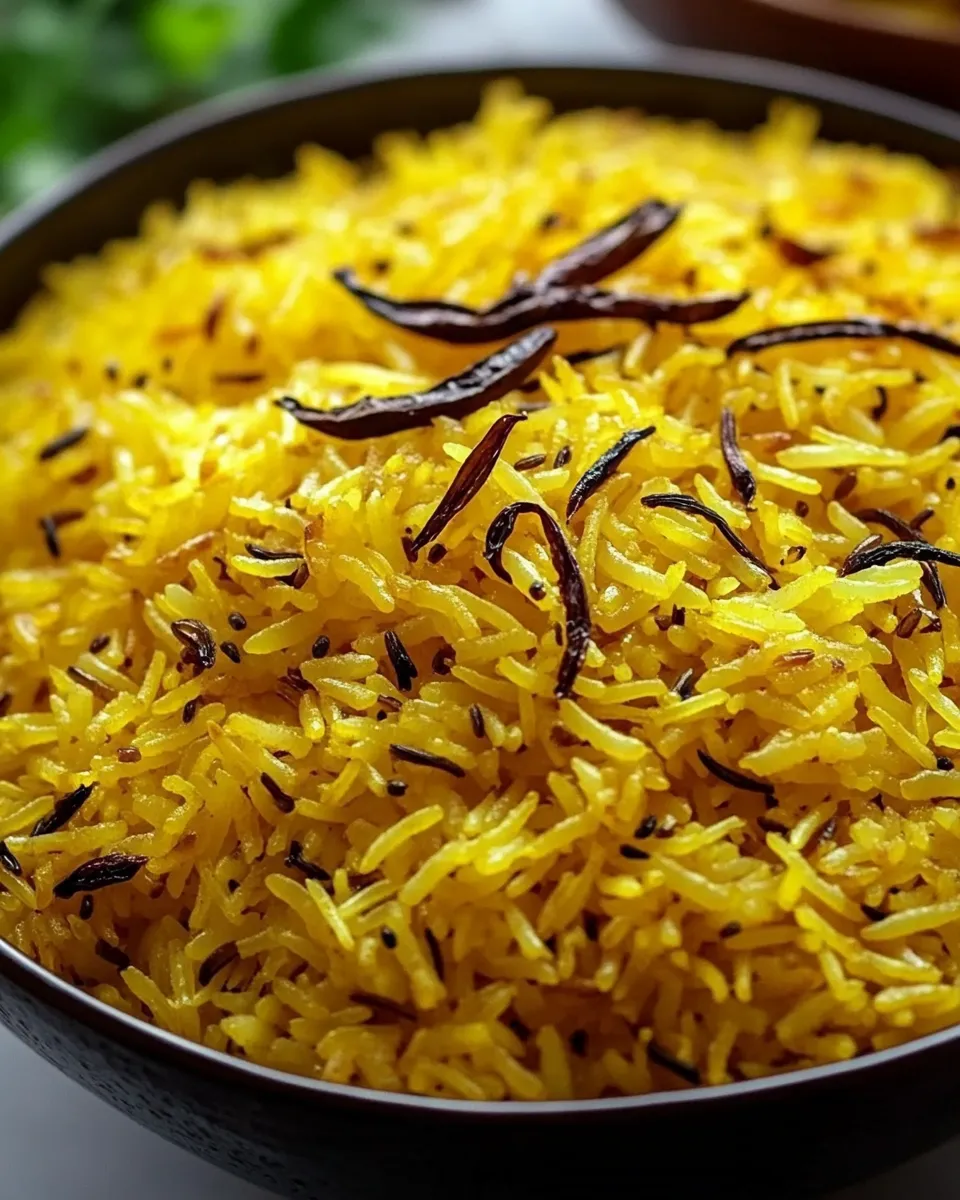
I grew up watching my mother coax golden, fragrant rice from a simple pot. This version is the kind of weeknight recipe I turn to when I want something fragrant and homey without a long ingredient list or fuss. It uses pantry staples and a couple of small techniques—soaking, caramelized onions, and whole spices—to turn plain rice into something you actually want to eat straight from the pan.
The recipe below is straightforward and forgiving. It’s built around basmati rice and a short spice mix, and it separates the par-cooking of the rice from the final flavor assembly so you get light, separate grains flavored through and through. If you can rinse rice, brown an onion, and time a boil, you can make this.
Read through the Ingredients and Method first, then follow the steps in order. I’ll also share shopping notes, common pitfalls, and quick storage and reheating instructions so this becomes a staple you rely on. Let’s get cooking.
Ingredients
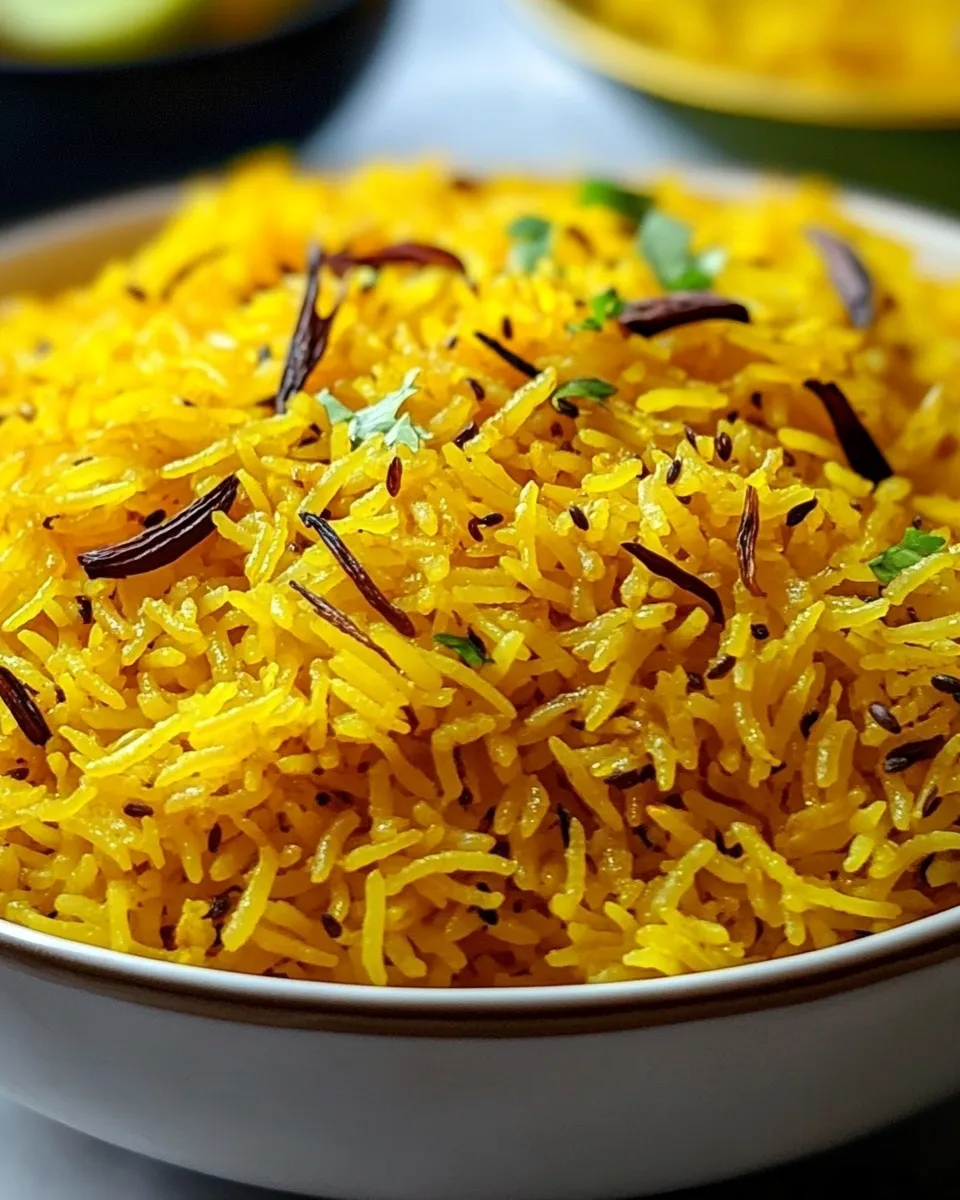
- 2 cups basmati rice — the base: long-grain basmati yields fragrant, separate grains when rinsed and soaked.
- 8 cups boiling water — used for the initial par-cook to remove excess starch and give evenly cooked grains.
- 1 tablespoon salt (Note 1) — seasons the cooking water so the rice is lightly seasoned through.
- 1 teaspoon turmeric — adds subtle color and a warm, earthy background flavor.
- 2 cloves — whole cloves lend a sweet, warm note during the boil.
- 3 cardamom pods slightly crushed (Note 2) — cardamom gives a bright, floral lift; slightly crushing exposes the seeds without losing the pod.
- 2 inch cinnamon stick — a single stick adds depth and comforting aroma to the boiling water.
- 2 onions (Note 3) — thinly sliced and slowly caramelized; they provide sweetness and texture.
- 3 tablespoon vegetable oil — neutral oil for frying the onions and carrying the spices.
- 1 tablespoon butter — added with the oil for flavor and a touch of richness.
- ½ teaspoon black mustard seeds — added to the hot oil to pop and add a nutty, slightly pungent note.
Your Shopping Guide
- Buy good-quality basmati. Look for recent harvest dates if available; fresher rice has a brighter aroma and cooks up fluffier. If you only see “basmati blend,” choose a pure basmati for the classic texture.
- Whole spices matter. The recipe uses cardamom pods, whole cloves, and a cinnamon stick. They are inexpensive and last a long time in a cool, dark place. Fresh whole spices give a cleaner, fresher aroma than pre-ground.
- Onions: any yellow or sweet onion will work. Because the onions are cooked down to caramelized sweetness, avoid watery spring onions unless you want a different texture.
- Stock vs. water: the method calls for boiling water. If you want more savory depth, you can substitute low-sodium broth, but keep salt adjustments in mind.
The Method for Indian Rice (Indian Pilau Rice)
- Rinse 2 cups basmati rice under cold running water at least three times, until the water runs much clearer. Place the rice in a bowl, cover with cold water and soak for 30–60 minutes. After soaking, drain and set aside.
- Peel and slice 2 onions into thin half-moons.
- Slightly crush 3 cardamom pods so the seeds are exposed but the pod remains mostly intact.
- In a large skillet or frying pan, heat 3 tablespoons vegetable oil and 1 tablespoon butter over medium-low heat until the butter melts.
- Add the sliced onions to the pan and cook over medium-low heat, stirring occasionally, until the onions have softened and are beginning to caramelize.
- When the onions are soft and starting to caramelize, add ½ teaspoon black mustard seeds and stir gently until the seeds begin to pop (a few seconds).
- While the onions are cooking, bring 8 cups water to a vigorous boil in a large saucepan. Add 1 tablespoon salt, 1 teaspoon turmeric, 2 cloves, the slightly crushed 3 cardamom pods, and the 2-inch cinnamon stick. Stir to dissolve the salt.
- Add the drained rice to the boiling seasoned water, stir gently once to separate, reduce the heat to a low simmer, and cook for 6–12 minutes until the rice is just cooked through but there is still a lot of water in the pan.
- Drain the rice in a sieve or fine-holed colander, removing and discarding (or setting aside) the whole spices (cloves, cardamom pods, cinnamon stick). Set the drained rice aside until the onions are fully caramelized.
- Add the drained rice to the onion and mustard-seed mixture in the skillet. Gently stir to combine, breaking up any clumps and mixing the rice evenly with the onions.
- Taste and adjust seasoning, adding more salt if required. Serve hot.
Why This Recipe Belongs in Your Rotation
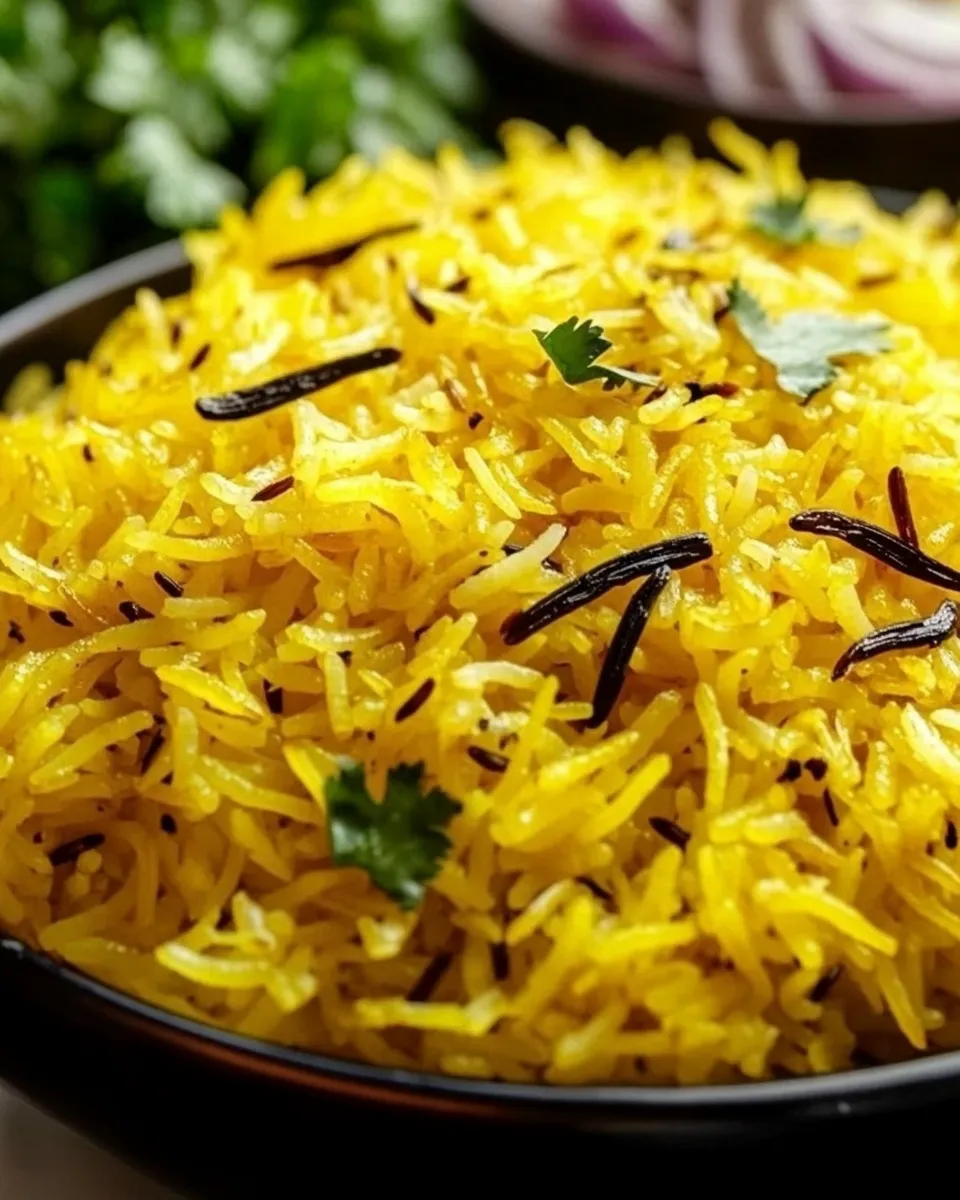
This rice is fast, reliable, and scales well. The two-stage cooking—par-boiling in spiced water, then finishing with caramelized onions—gives you aromatic, separate grains without needing a heavy hand or exact timing. It pairs well with curries, grilled proteins, roasted vegetables, and can stand on its own as a fragrant side.
It’s economical too. The ingredients are pantry staples in many kitchens, and the technique highlights flavor with simple, inexpensive components rather than lots of exotic additions. You get a weeknight win with minimal planning.
Ingredient Flex Options
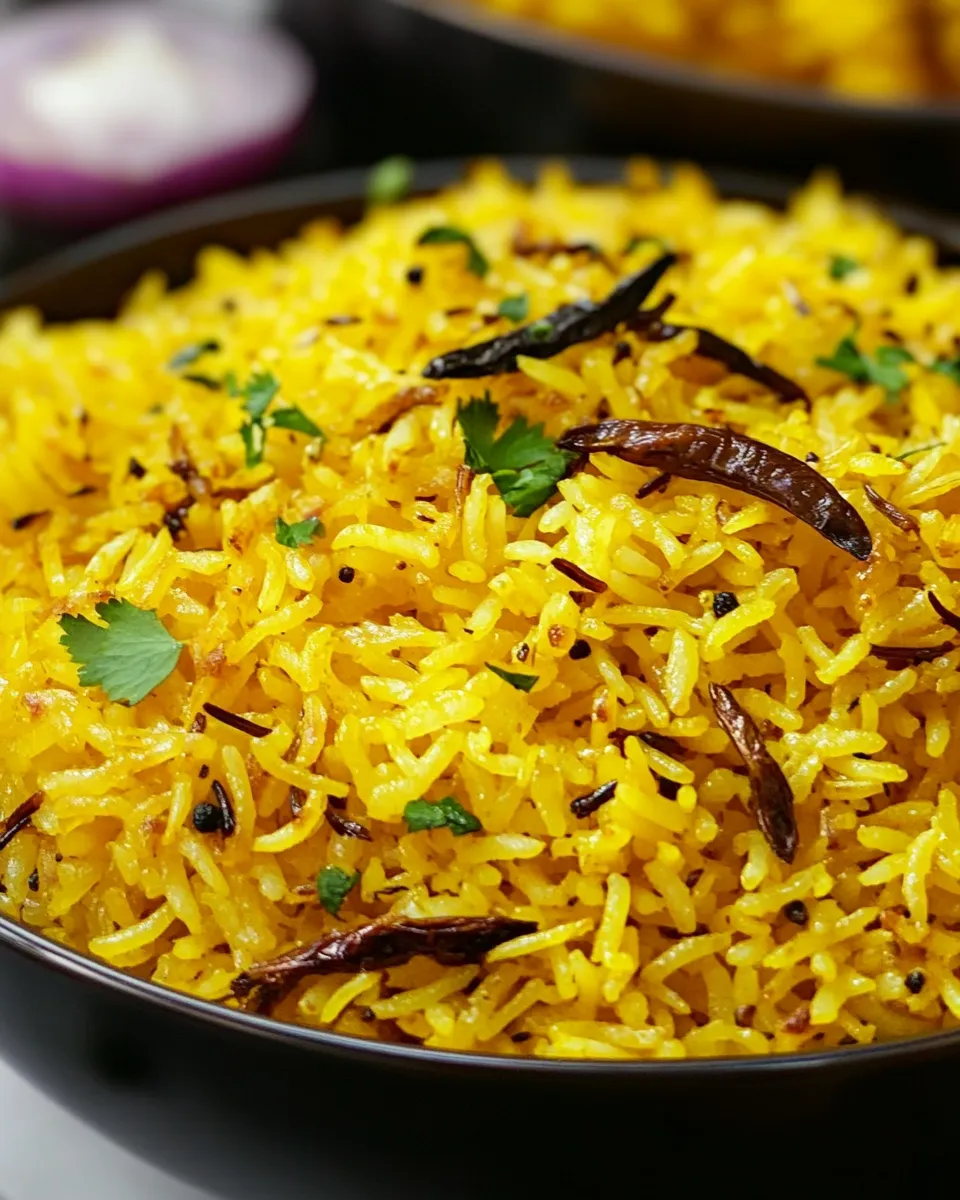
- If you prefer richer flavor, use the same amount of butter in place of some or all of the vegetable oil, or finish with a small pat of butter when serving.
- If you’re short on basmati, other long-grain rices will work though texture and aroma will differ. Keep the soak and rinse steps to help separation.
- If you don’t like mustard seeds, you can omit them; the onions and whole spices still deliver plenty of flavor.
- Want more color or a milder flavor? Reduce the turmeric slightly. It mainly contributes color and a gentle earthiness.
Equipment & Tools
- Large bowl for soaking the rice.
- Large saucepan to bring the water to a vigorous boil and cook the rice.
- Large skillet or frying pan for caramelizing the onions and finishing the rice.
- Fine-holed colander or sieve for draining the par-cooked rice.
- Spoon or spatula for gently combining the rice and onions.
Troubles You Can Avoid
Rice too sticky
Not rinsing or soaking thoroughly leaves surface starch that makes rice clump. Rinse until the water runs much clearer and soak for at least 30 minutes. Par-cooking in plenty of boiling water and draining also helps.
Onions not caramelizing
Caramelization takes time and low-to-medium heat. If you crank the heat, onions will brown quickly and risk burning rather than sweetening. Stir occasionally and be patient—this step builds the flavor backbone.
Grains under- or overcooked
Cook the rice in boiling water until just cooked but with lots of water still in the pan (6–12 minutes as written). Times vary with rice age and stovetop heat. Drain promptly to stop cooking, then finish in the skillet so you can monitor texture.
Better-for-You Options
- Reduce the butter by half or omit it to lower saturated fat; the onion and oil still carry plenty of flavor.
- Use less oil overall—3 tablespoons is written to ensure good onion caramelization. You can cut back to 2 if you cook more slowly and watch the pan.
- Keep the salt as written in the boiling water for seasoning through, but if you need to limit sodium, reduce the tablespoon and season to taste after finishing.
Cook’s Commentary
I like this technique because it separates the tasks: par-cook, caramelize, combine. That separation makes timing and texture forgiving. If I’m making a larger meal, I’ll par-cook the rice earlier in the day, let it drain and dry a bit, then finish it with hot onions right before serving so everything is warm and aromatic.
Little touches matter: slightly crushing the cardamom exposes the seeds so the flavor releases into the boiling water. The mustard seeds add a fleeting pop of texture and flavor at the end of the onion stage. Don’t rush those few seconds when they pop—the aroma changes the whole dish.
How to Store & Reheat
- Cool promptly: spread the rice in a shallow container or tray to cool for no more than an hour, then refrigerate.
- Refrigerate for up to 4 days. Keep in an airtight container to avoid drying out.
- To reheat on the stovetop: add a splash of water or broth to the skillet, add rice, cover and warm over medium-low heat, stirring occasionally until hot.
- To reheat in the microwave: sprinkle a little water over the rice, cover with a microwave-safe lid or damp paper towel, and heat in 30–60 second bursts, fluffing between intervals.
- For best texture after refrigeration, avoid long dry reheats. A brief steam or splash of liquid helps refresh the grains.
FAQ
- Can I make this ahead? Yes. Par-cook and drain the rice earlier, then finish with onions when you’re ready to serve. Fully cooked rice can be stored and reheated as above.
- Can I use brown basmati? Brown rice has a different cooking time and absorbs more water. This method is tuned for white basmati; if you use brown, adjust cooking times and expect a nuttier, chewier texture.
- Do I need to remove the whole spices? Yes—remove the cloves, cardamom pods, and cinnamon stick after draining. They’ve done their job flavoring the water but are not pleasant to bite into whole.
- What if I don’t have mustard seeds? The mustard seeds are optional. They add a small pop and a nutty note. Omit them if you prefer.
- Why soak the rice? Soaking reduces cooking time and helps grains expand evenly, giving lighter, less brittle rice. It also shortens the par-cook time in boiling water.
Bring It Home
This is the kind of rice I make when I want dependable, fragrant results without fuss. The method gives you light grains, a gentle spice background, and sweet, caramelized onion bites that make the dish feel elevated. Use it as a base for saucy curries, grilled meats, or a simple plate of roasted vegetables. It’s one of those small culinary wins that lifts a whole meal.
Make a batch, taste it straight from the pan, and adjust salt or butter next time to match your family’s preferences. It’s flexible, forgiving, and quick once you get the hang of the steps. Happy cooking—and do give the slow-caramelized onions the time they deserve; they’re the secret.

Easy Indian Rice (Indian Pilau Rice)
Ingredients
Ingredients
- 2 cupsbasmati rice
- 8 cupsboiling water
- 1 tablespoonsalt Note 1
- 1 teaspoonturmeric
- 2 cloves
- 3 cardamom podslightly crushed Note 2
- 2 inchcinnamon stick
- 2 onions Note 3
- 3 tablespoonvegetable oil
- 1 tablespoonbutter
- 1/2 teaspoonblack mustard seeds
Instructions
Instructions
- Rinse 2 cups basmati rice under cold running water at least three times, until the water runs much clearer. Place the rice in a bowl, cover with cold water and soak for 30–60 minutes. After soaking, drain and set aside.
- Peel and slice 2 onions into thin half-moons.
- Slightly crush 3 cardamom pods so the seeds are exposed but the pod remains mostly intact.
- In a large skillet or frying pan, heat 3 tablespoons vegetable oil and 1 tablespoon butter over medium-low heat until the butter melts.
- Add the sliced onions to the pan and cook over medium-low heat, stirring occasionally, until the onions have softened and are beginning to caramelize.
- When the onions are soft and starting to caramelize, add ½ teaspoon black mustard seeds and stir gently until the seeds begin to pop (a few seconds).
- While the onions are cooking, bring 8 cups water to a vigorous boil in a large saucepan. Add 1 tablespoon salt, 1 teaspoon turmeric, 2 cloves, the slightly crushed 3 cardamom pods, and the 2-inch cinnamon stick. Stir to dissolve the salt.
- Add the drained rice to the boiling seasoned water, stir gently once to separate, reduce the heat to a low simmer, and cook for 6–12 minutes until the rice is just cooked through but there is still a lot of water in the pan.
- Drain the rice in a sieve or fine-holed colander, removing and discarding (or setting aside) the whole spices (cloves, cardamom pods, cinnamon stick). Set the drained rice aside until the onions are fully caramelized.
- Add the drained rice to the onion and mustard-seed mixture in the skillet. Gently stir to combine, breaking up any clumps and mixing the rice evenly with the onions.
- Taste and adjust seasoning, adding more salt if required. Serve hot.
Equipment
- Bowl
- Large Saucepan
- Large skillet or frying pan
- sieve or fine-holed colander
- Knife
- Cutting Board
Notes
If you can't find cardamon pods, just leave them out.
Any onions will work here, I usually use brown onions, but red or white onions will work too.
I know it is an extra step, but I really do recommend rinsing the rice and then letting it soak for 30 minutes to an hour. It makes the rice so fluffy and keeps every grain separate. It also means the rice cooks more quickly and evenly.How to rinse rice:Place the rice in a bowl and cover with water. Use your hand to turn the rice over in the bowl, be gentle as you don't want to break the grains. Carefully drain the water away and repeat this process twice more. Once you have rinsed the rice three times, use a fine-mesh sieve to drain the rice. To ensure you have washed away as much starch as possible, place the sieve under the flow of running water for 10-15 seconds. Leave the rice to drain dry.
How to rinse rice:Place the rice in a bowl and cover with water. Use your hand to turn the rice over in the bowl, be gentle as you don't want to break the grains. Carefully drain the water away and repeat this process twice more. Once you have rinsed the rice three times, use a fine-mesh sieve to drain the rice. To ensure you have washed away as much starch as possible, place the sieve under the flow of running water for 10-15 seconds. Leave the rice to drain dry.
The cook time on the rice depends very much on the brand you have bought. Check your rice periodically through the cook time to see when it is just tender.
It is important to drain the rice immediately to remove the excess boiling water. This stops the final dish being water logged and leaves you with fluffy rice. You want to use a sieve or fine mesh colander to drain the rice so that all the water is removed.