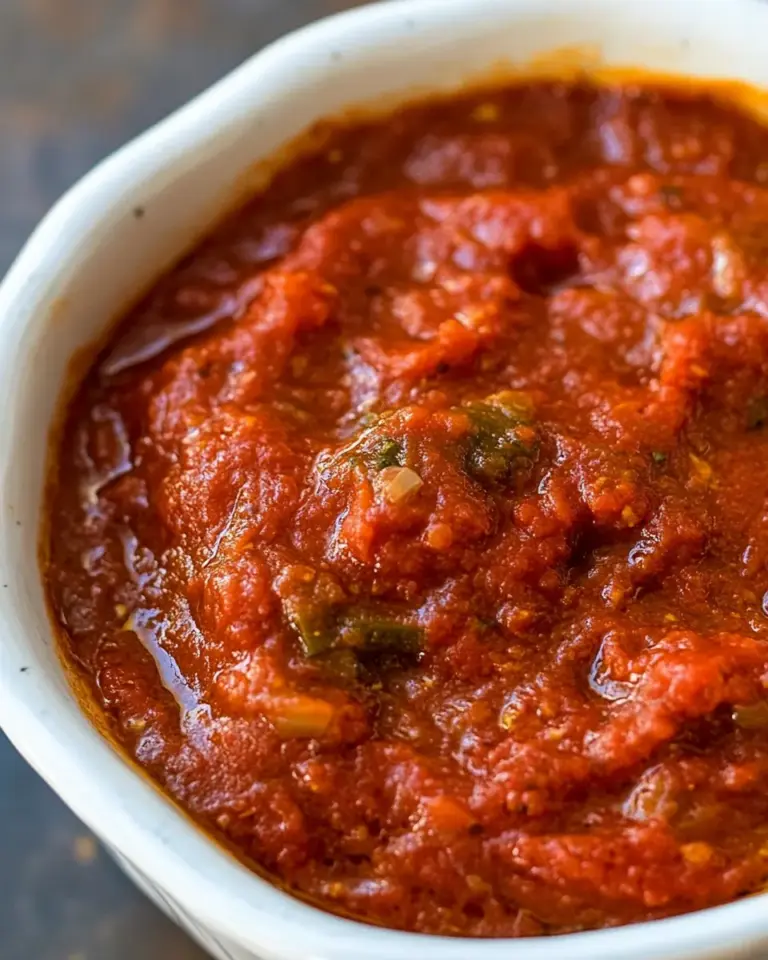
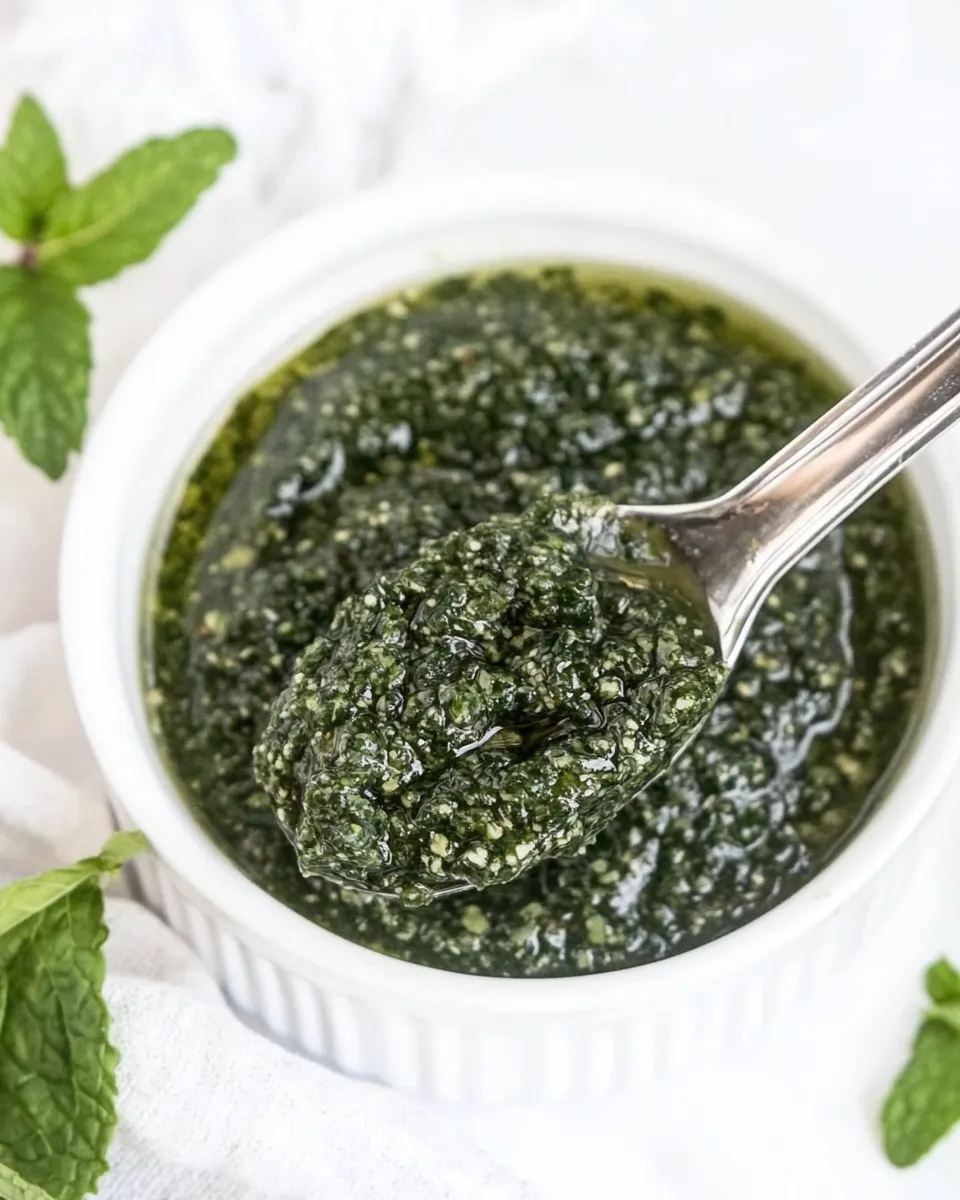
This mint sauce is one of those small, brilliant things that changes a meal. It’s bright, sweet, and just tart enough to cut through rich meats or lift a plate of roasted vegetables. I keep a jar in the fridge during spring and summer for quick finishes and last-minute guests — it’s that reliable.
It’s also wonderfully forgiving and fast. You’ll need only a handful of ingredients and a few minutes of prep, and the payoff is immediate: fresh herb flavor that feels homemade and thoughtful. If you’re used to bottled mint jelly, this version will feel fresher and cleaner.
I’ll walk you through exactly what to use, the precise steps (follow these), swaps, common mistakes to avoid, and storing tips so your batch stays vibrant. No fluff — just practical notes so you get it right the first time.
What Goes In
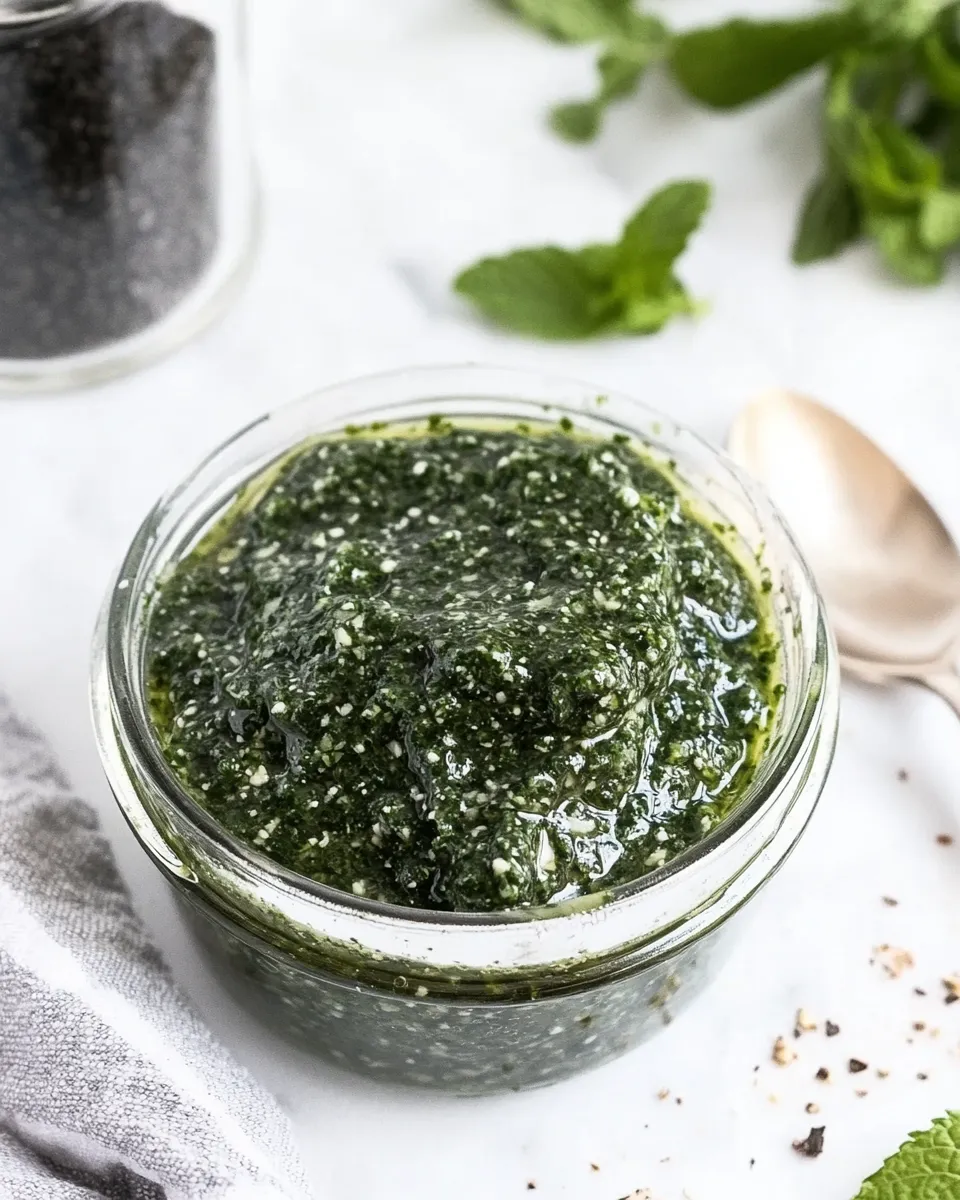
Here’s everything the sauce needs. I keep explanations short so you know why each component matters.
Ingredients
- 1 cup packed fresh mint leaves and stems — the star. Use young, tender stems; they add flavor and body.
- 2 tablespoons distilled vinegar — provides tang and preserves brightness; distilled is neutral and clean-tasting.
- 3 tablespoons honey — balances the vinegar with sweetness and gives the sauce a glossy texture.
- 2 tablespoons hot boiling water — temp and small amount help dissolve the honey and bring the sauce to a sauce-like consistency.
Mint Sauce Recipe — Do This Next
- Finely mince 1 cup packed fresh mint leaves and stems and place them in a medium-sized bowl.
- Add 2 tablespoons distilled vinegar and 3 tablespoons honey to the bowl.
- Stir the mint, vinegar, and honey together until the honey begins to dissolve and the mixture is evenly combined.
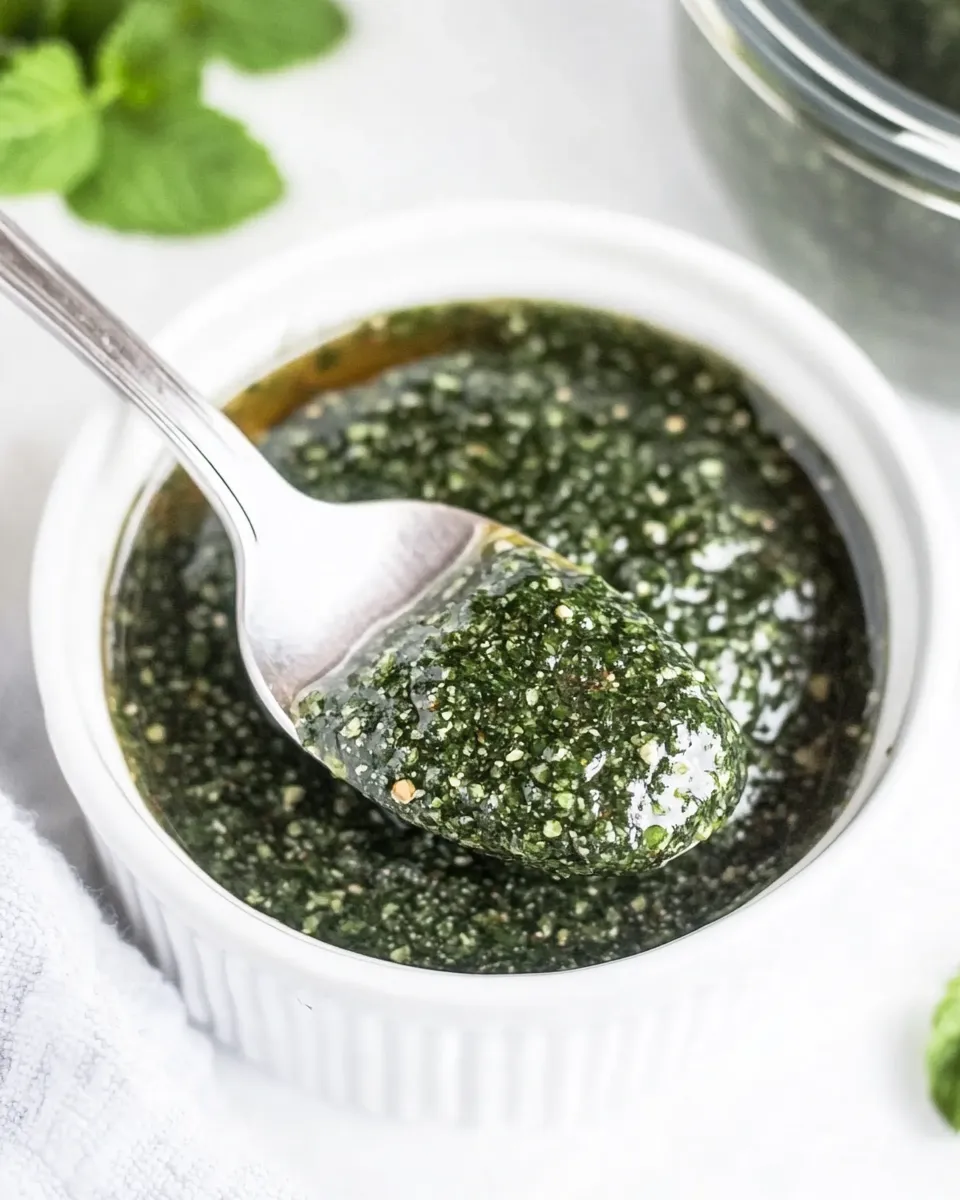
- Measure 2 tablespoons hot boiling water. While stirring continuously, add the hot water slowly in small increments of 1 to 2 teaspoons at a time, stirring well after each addition. Continue until all 2 tablespoons are incorporated and the sauce reaches a thick, sauce-like consistency.
- Taste, then serve immediately or transfer to a covered container and store in the refrigerator.
Why Mint Sauce Recipe is Worth Your Time
First: it takes minutes. From stem to spoon you’re likely under ten minutes, depending on how fast you chop. That makes it perfect for last-minute finishing touches or a quick upgrade to leftovers.
Second: the flavor is immediate and noticeable. Fresh mint has volatile aromatics that are lost in long cooking or in heavily processed condiments. This sauce keeps those fresh notes front and center, brightening dense or fatty foods — think lamb, roasted potatoes, or a simple yogurt dip.
Third: control. You decide the sweetness, the tang, and how fine the mint should be. You can nudge it toward sharp and vinegar-forward or mellow and sweet by tiny adjustments. Store-bought alternatives are convenient, but homemade avoids unnecessary stabilizers, extra sugar, and weird textures.
Swap Guide
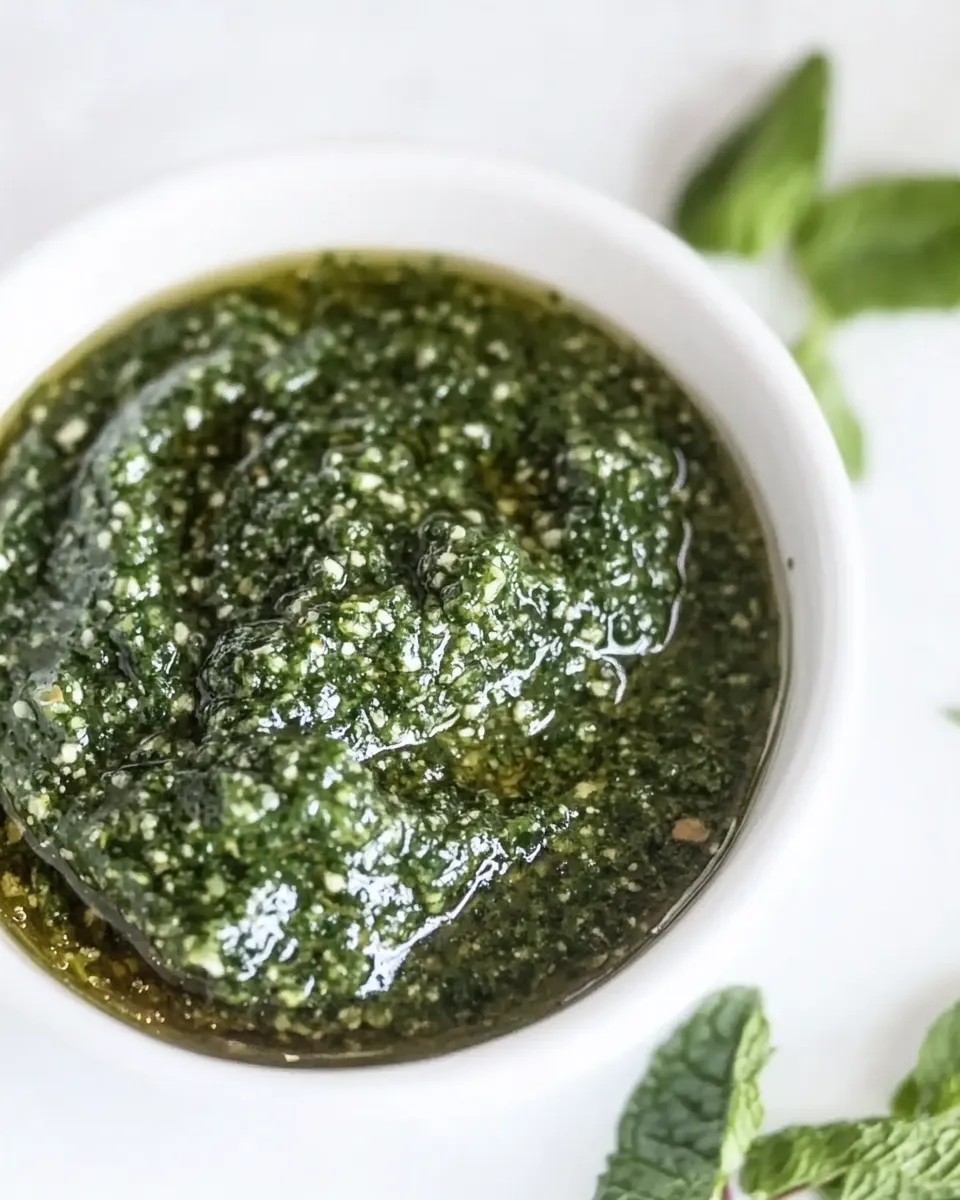
Sometimes you need to swap. Below are straightforward options that keep the sauce close to the original character.
- Vinegar: If you don’t have distilled vinegar, use white wine vinegar or apple cider vinegar. They’ll add a mild flavor note — use the same amount.
- Sweetener: If you avoid honey, use an equal amount of agave or a neutral simple syrup. For very low-calorie swaps, dissolve a measured amount of a granulated sweetener that dissolves in water (follow the product guidance) into the hot water first.
- Mint: If garden spearmint isn’t available, peppermint will work but is more assertive. Adjust the quantity downward if using peppermint to avoid overpowering.
- Water: Hot water is critical to dissolve the honey. Don’t replace it with cold water unless you accept a grainier texture; if you must use cold, pre-dissolve the honey into a little warm water first.
Hardware & Gadgets
You don’t need much. Keep your setup simple so the sauce stays fresh and bright.
- Sharp chef’s knife — for finely mincing the mint.
- Cutting board — sturdy and clean.
- Medium-sized bowl — where everything gets combined.
- Measuring spoons and a measuring cup — precision matters at these small volumes.
- Teaspoon for gradual water additions and a spoon for stirring.
- A small airtight container or jar for storage.
Mistakes That Ruin Mint Sauce Recipe
A few small missteps can turn this bright sauce dull or off-balance. Avoid these common errors:
- Using old mint. If the leaves are limp, brown, or have lost aroma, the sauce will taste flat. Always use fresh, fragrant mint.
- Adding all the water at once. The stepwise addition of hot water is deliberate. Too much too fast can thin the sauce beyond a pleasing consistency.
- Over-chopping. If you blitz the mint into mush, you lose texture and release bitter compounds. Finely minced is good; purée is not.
- Skipping the taste check. Vinegar and honey vary by brand and season. Taste and adjust rather than assuming the ratio is perfect for your palate.
- Storing warm. Don’t seal and store the sauce while it’s still hot. Let it cool briefly, then refrigerate to keep the flavors and texture steady.
How to Make It Lighter
If you want to cut calories or make the sauce feel lighter on the palate, there are small, effective changes you can make without losing the essence.
- Reduce the honey by a tablespoon and add an extra teaspoon of hot water to preserve texture. You’ll keep balance with slightly more tang.
- Replace half the honey with a milder liquid sweetener like agave at the same volume to reduce the honey’s dense mouthfeel.
- Thin the sauce with more boiling water, added a teaspoon at a time, until you reach a lighter, pourable consistency. This dilutes sweetness and heaviness but keep in mind it also dilutes flavor — taste as you go.
- Serve in smaller amounts as a finishing condiment rather than a spooned side — a little goes a long way when cut through rich dishes.
Author’s Commentary
I learned to make this mint sauce while trying to replicate the bright, open flavors I loved in a pub-style mint sauce but without the jelly texture. The trick is the hot water — it’s small but transformative. It dissolves honey cleanly and binds the vinegar and herb into a cohesive sauce rather than a scattered mixture.
I also like leaving some tiny stem pieces in the mix. They bring a pleasant, vegetal note and a bit of rustic texture. If you prefer a very smooth condiment, a quick chop until nearly paste-like will do, but keep it minimal.
Every batch tastes a little different depending on the mint variety and honey. Embrace that variability; tweak honey or vinegar by the teaspoon until it reads right to you.
Storing Tips & Timelines
Proper storage keeps your mint sauce lively. Here’s what I do and recommend.
- Refrigerator: Transfer the cooled sauce to a clean, airtight jar or container. It will keep well for 5 to 7 days. The acid from the vinegar and the honey help preservation, but fresh herbs do degrade.
- Freezing: You can freeze the sauce in small portions (ice cube tray or small silicone molds) for up to 3 months. Thaw in the refrigerator and expect a slight texture change; stir before serving.
- Serving note: Bring a refrigerated jar to room temperature for about 10–15 minutes before serving for best aroma and mouthfeel. Give it a quick stir.
Helpful Q&A
Q: Can I use dried mint if I don’t have fresh?
A: Fresh is strongly preferred for this recipe. Dried mint lacks the volatile freshness and will taste muted; if you must, use about 1 teaspoon dried and adjust vinegar/honey to taste, though the result won’t replicate fresh mint sauce.
Q: What if I don’t have distilled vinegar?
A: White wine vinegar or apple cider vinegar will work. They add subtle background notes but the acidity remains. Use the same quantity and taste before serving.
Q: Can I make this ahead?
A: Yes, it can be made a day or two ahead and refrigerated. Flavor mellows slightly over time; give it a stir and taste before serving. If it tastes flat, a tiny splash of vinegar can revive it.
Q: Is this sauce only for lamb?
A: Not at all. It pairs with grilled fish, roasted vegetables, cold meats, steamed new potatoes, or even stirred into plain yogurt for a quick dip.
Time to Try It
You’ve got everything you need. Mince the mint, measure the honey and vinegar, and add the hot water slowly. The method matters as much as the ingredients. Take a taste and make small adjustments in teaspoons rather than large swings. The result is a fresh, easy condiment that lifts many dishes.
Make a batch tonight — it’s fast, forgiving, and one of those small preparations that will make you feel like a more confident cook instantly. If you like, label the jar with the date you made it and note any tweaks you tried. That way each iteration gets better.
Easy Mint Sauce Recipe
Ingredients
Ingredients
- 1 cuppacked fresh mint leaves and stems
- 2 tablespoonsdistilled vinegar
- 3 tablespoonshoney
- 2 tablespoonshot boiling water
Instructions
Instructions
- Finely mince 1 cup packed fresh mint leaves and stems and place them in a medium-sized bowl.
- Add 2 tablespoons distilled vinegar and 3 tablespoons honey to the bowl.
- Stir the mint, vinegar, and honey together until the honey begins to dissolve and the mixture is evenly combined.
- Measure 2 tablespoons hot boiling water. While stirring continuously, add the hot water slowly in small increments of 1 to 2 teaspoons at a time, stirring well after each addition. Continue until all 2 tablespoons are incorporated and the sauce reaches a thick, sauce-like consistency.
- Taste, then serve immediately or transfer to a covered container and store in the refrigerator.
Notes
Make-Ahead:
You can make this mint sauce up to 3 days ahead of time. Keep it covered in the refrigerator.
How to Store:
Keep covered in the refrigerator for up to 1 week.
How to Freeze:
Keep covered in the freezer for up to 2 months. I like to put them in silicone ice cream trays and pull them out as needed.
Just like
in a
soup recipe
, this will taste better a few days later as flavors will infuse more.
Be sure
to use the stems in the mint, as they have a lot of flavor. Make sure they are tender.