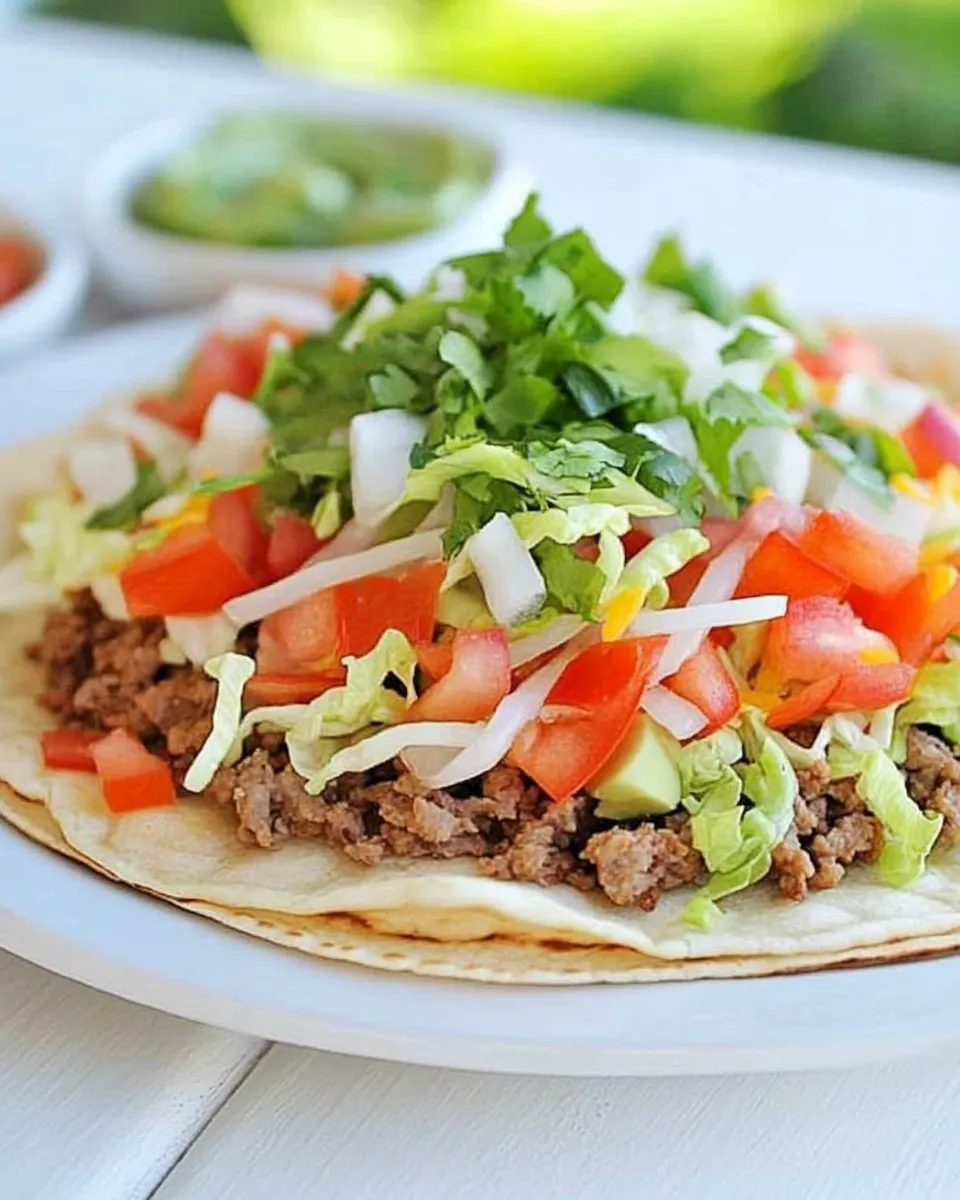
Flatbread tacos are my go-to when I want something speedy, hands-on, and endlessly adaptable. They come together faster than rolling out tortillas, and because the base is a simple flatbread made from a mix, the whole process feels approachable even on weeknights. I love that the technique lets you control the texture: slightly charred on the outside, pillowy inside, ready to cradle whatever filling you have on hand.
In this post I’ll walk you through the exact steps, the few tools I rely on, and the small technique points that make a difference. There’s no fuss here—just practical steps and tips so your flatbread tacos turn out consistently well every time. If you want to batch them, tuck them away for lunches, or make a quick family supper, this method scales and stays forgiving.
Below you’ll find the ingredient list as written, the step-by-step directions in order, and a set of troubleshooting and storage tips that I return to again and again. Keep the fillings simple or go fully loaded—this flatbread is a blank canvas. Let’s get started.
Ingredients at a Glance
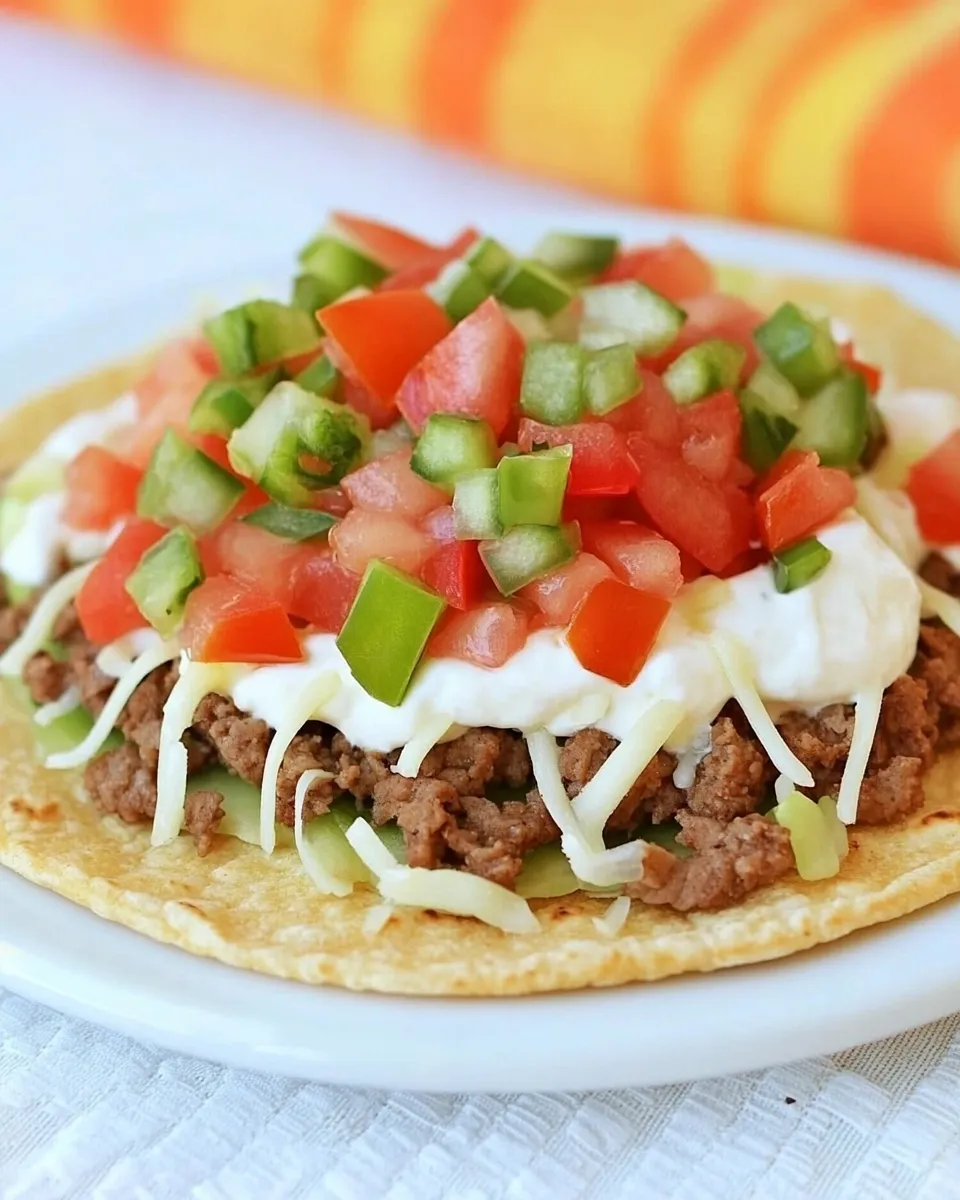
- Krusteaz Flatbread Mix — prepared according to package directions to the point of the dough rising; this is the base of your flatbreads.
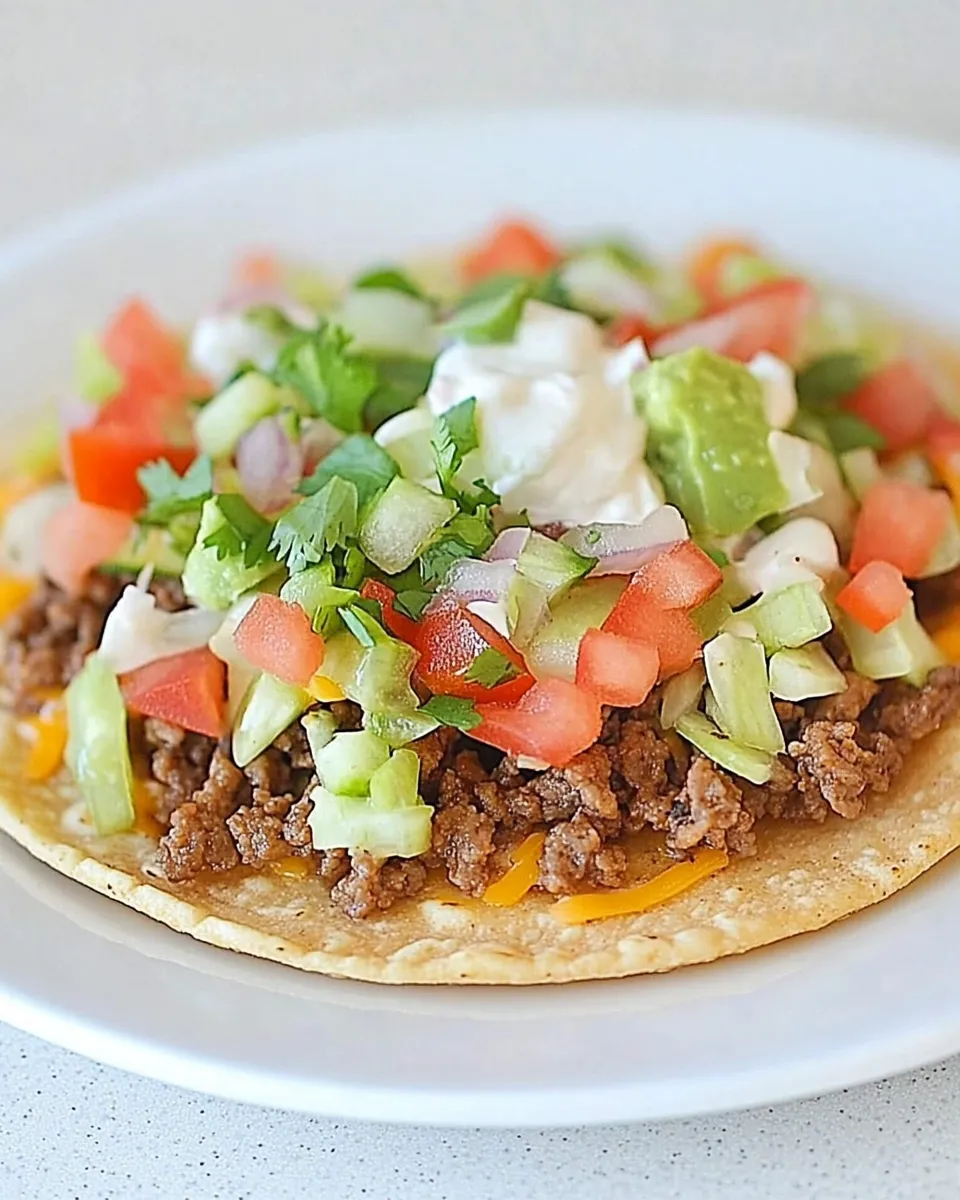
- Fillings of your choice — could include cooked ground beef, ground turkey, shredded chicken, pinto beans, black beans, cheese, lettuce, tomatoes, olive, guacamole, sour cream, salsa or whatever you enjoy putting on your tacos.
Flatbread Tacos: How It’s Done
- Prepare the Krusteaz Flatbread Mix according to package directions up to the point the dough has risen.
- Once risen, turn the dough out onto a clean work surface and separate it into approximately 10 pieces.
- Keep the unused pieces covered with a clean towel or plastic wrap so they do not dry out.
- Place a nonstick skillet or baking pan on the stove and preheat it over medium heat.
- Working with one piece at a time, shape the piece by hand into a round approximately 4–6 inches in diameter.
- Place the dough round into the preheated skillet. Cook about 2 minutes, until the underside is lightly browned and bubbles may form.
- Flip with tongs or a spatula and cook the second side 1.5–2 minutes, until lightly browned and cooked through.
- Transfer the cooked flatbread to a plate and, if desired, keep covered while you cook the remaining pieces.
- Serve the flatbreads immediately and top with your choice of fillings.
Notes on the steps above: follow the sequence as written—prepare the mix, let the dough rise, portion, protect the dough from drying, then cook in a preheated pan. The timing given for cooking is a guideline; look for light browning and telltale bubbles on the surface before flipping. Keeping cooked flatbreads covered helps them stay soft while you finish the batch.
Why I Love This Recipe
This recipe hits three things I always look for: speed, flexibility, and texture. Starting from a mix means the core work is done for you, and you can still customize the toppings however you like. The short skillet cook gives a great contrast—crisp where it counts, tender inside—so the flatbread holds heavy fillings without falling apart.
Another reason is how forgiving it is. Small variations in dough size or skillet temperature don’t break the outcome. If one flatbread is a little thinner, it cooks faster; thicker ones just take a touch longer. That kind of margin helps on busy nights when you’re juggling kids, phone calls, or side dishes.
Texture-Safe Substitutions
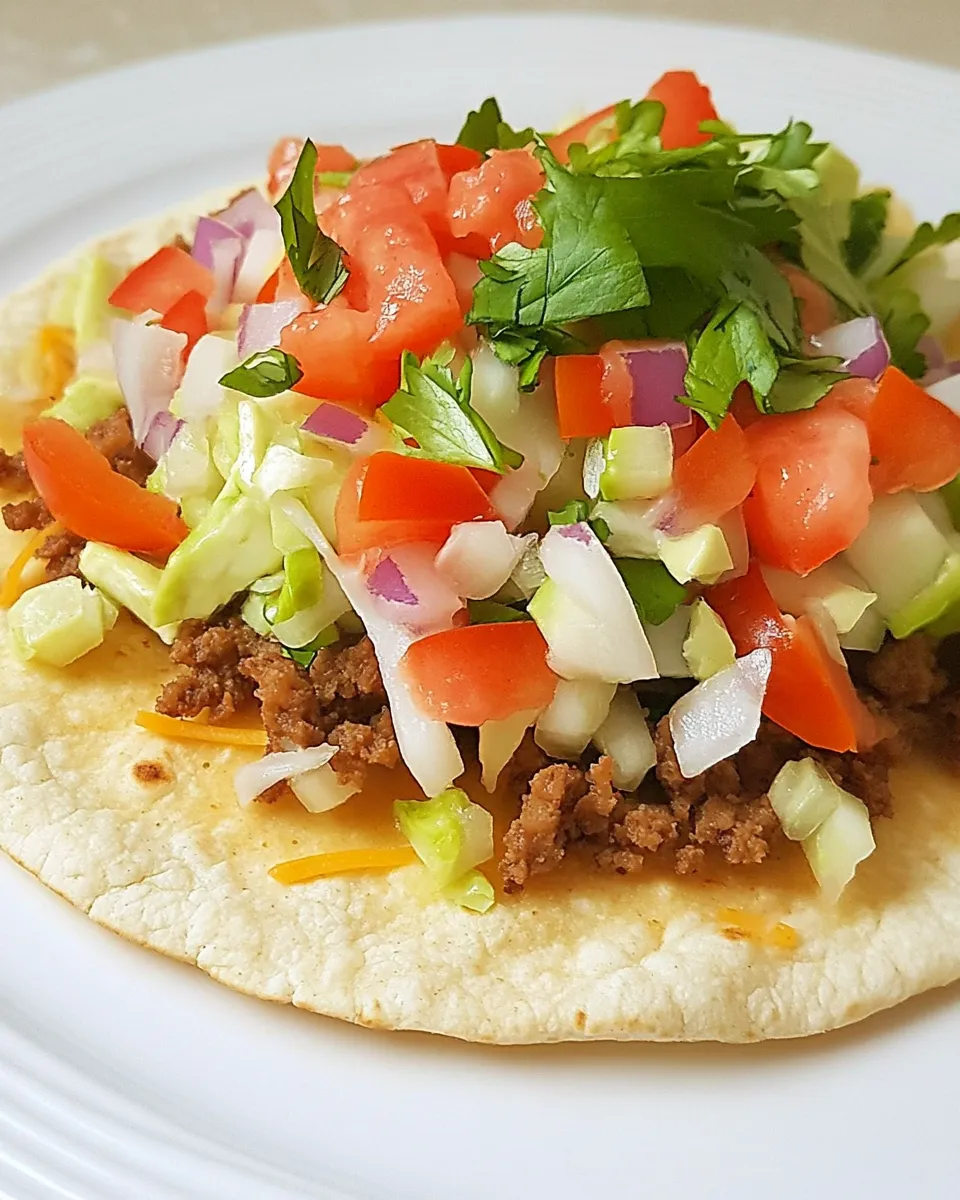
If you want to change the mouthfeel or make small swaps without upsetting the method, stick to swaps the recipe already suggests. Use cooked ground turkey instead of ground beef if you prefer a leaner filling; beans (pinto or black) will add creaminess and fiber while keeping the texture substantial. Swapping chicken for beef keeps the overall balance similar—protein that pairs well with the tender flatbread.
Avoid switching to very wet fillings before serving—soggy toppings will soften the flatbread quickly. If you’re using salsa, spoon it on sparingly or serve it on the side for dipping.
Equipment at a Glance
- Nonstick skillet or baking pan — the recipe calls for one of these to cook the flatbreads over medium heat.
- Clean work surface — for shaping and portioning the dough.
- Clean towel or plastic wrap — to keep unused dough pieces from drying out while you work.
- Tongs or a spatula — for flipping the flatbreads safely and comfortably.
- Plate or shallow dish — to stack cooked flatbreads and keep them covered if desired.
Frequent Missteps to Avoid
- Skipping the rise: if you don’t let the dough rise as directed on the package, the flatbreads will be dense. Follow the package timing for best texture.
- Letting pieces dry out: leaving cut dough pieces uncovered will form a skin and make shaping difficult. Keep them covered until you’re ready to shape and cook.
- Using a pan that’s too hot: the outside will brown too quickly and the center may stay undercooked. Medium heat and watching for bubbles is the safer approach.
- Overcrowding the pan: cook one (or at most two, depending on size of your skillet) at a time so heat isn’t lost and the flatbread gets even contact with the cooking surface.
- Piling wet fillings right away: heavy, wet sauces or salsas will make the flatbread soggy. Add them just before serving or offer them on the side.
Better-for-You Options
There are simple swaps here that keep the joy and trim calories or boost nutrition. Choose ground turkey instead of ground beef; it’s mentioned in the ingredients list and is a straightforward leaner swap. Fill the flatbreads with beans—black or pinto—for a fiber-rich vegetarian option that’s filling and budget-friendly. Load up on lettuce and tomatoes for freshness and crunch instead of extra cheese, and use guacamole or a light dollop of Greek yogurt in place of full-fat sour cream when you want more nutrients and less saturated fat.
These choices don’t change the technique; they only change the profile of the finished tacos so you can tune them to your goals.
Little Things that Matter
Three small habits will make a big difference: keep the unused dough covered, preheat your pan well but keep it on medium, and shape each piece consistently. Covered dough stays soft and easier to shape; consistent rounds cook more evenly. When the underside develops light brown spots and bubbles appear, that’s your cue to flip—don’t rely on the clock alone.
If you want slightly softer flatbreads, rest them covered for a few minutes after cooking. If you prefer a touch of char, leave them a few extra seconds on each side but watch carefully so they don’t burn.
Save It for Later
Short-term (refrigerator)
Cool cooked flatbreads to room temperature, then stack with a sheet of parchment between each to prevent sticking. Store in an airtight container or resealable bag in the refrigerator for up to 3 days. Reheat gently in a dry skillet over low-to-medium heat for about 30–60 seconds per side, or wrap in a damp paper towel and warm in the microwave for 20–30 seconds if you’re in a real rush.
Long-term (freezer)
For longer storage, stack with parchment between each and place in a freezer-safe bag. Flatten gently to remove excess air and freeze for up to 2 months. To use, thaw in the fridge overnight or at room temperature for 30–60 minutes, then reheat in a skillet or oven until warmed through. Avoid microwaving from frozen unless you’ll crisp them briefly in a skillet afterward to restore texture.
Helpful Q&A
Q: Can I make the dough ahead of time?
A: Yes. Prepare the Krusteaz flatbread dough according to package directions and let it rise. You can refrigerate the dough (covered) for a short time if you want to delay cooking; bring it back to near room temperature before dividing and shaping. Follow any timing guidance on the package if you plan to refrigerate the dough.
Q: Can I bake these instead of skillet-cook?
A: The directions specify a skillet or baking pan. If you prefer baking, use a preheated baking surface and watch for light browning and puffing, but the skillet method gives the quickest, most controllable result for a slightly charred exterior and soft interior.
Q: How many tacos does this make?
A: The directions suggest separating the dough into approximately 10 pieces. Yield will depend on how large you shape each round; the guidance in the steps aims for 4–6 inch rounds that make nicely sized tacos.
Q: Can I freeze the dough instead of the cooked flatbreads?
A: You can, but it’s simpler to freeze cooked flatbreads. If you freeze dough, portion it, wrap tightly, and label. Thaw in the fridge, bring to room temperature, then proceed to shape and cook. The texture may be slightly different than fresh.
See You at the Table
Flatbread tacos are one of those recipes that reward a little attention and adapt to whatever you have in the fridge. Follow the package directions for the mix, keep the dough from drying, and cook on a medium-hot surface until the flatbreads show light browning and bubbles—then top and enjoy. They come together fast, store well, and let you swap fillings depending on mood and season.
If you make them, tell me which filling combo became your favorite. I’m partial to beans, shredded chicken, and a bright spoonful of guacamole—simple, balanced, and always satisfying. Happy cooking, and see you at the table.
Flatbread Tacos
Ingredients
Ingredients
- 1 Krusteaz Flatbread Mixprepared according to package directions to the point of the dough rising.
- Fillings of your choice which could include cooked ground beefground turkey shredded chicken, pinto beans, black beans, cheese, lettuce, tomatoes, olive, guacamole, sour cream, salsa or whatever you enjoy putting on your tacos.
Instructions
Instructions
- Prepare the Krusteaz Flatbread Mix according to package directions up to the point the dough has risen.
- Once risen, turn the dough out onto a clean work surface and separate it into approximately 10 pieces.
- Keep the unused pieces covered with a clean towel or plastic wrap so they do not dry out.
- Place a nonstick skillet or baking pan on the stove and preheat it over medium heat.
- Working with one piece at a time, shape the piece by hand into a round approximately 4–6 inches in diameter.
- Place the dough round into the preheated skillet. Cook about 2 minutes, until the underside is lightly browned and bubbles may form.
- Flip with tongs or a spatula and cook the second side 1.5–2 minutes, until lightly browned and cooked through.
- Transfer the cooked flatbread to a plate and, if desired, keep covered while you cook the remaining pieces.
- Serve the flatbreads immediately and top with your choice of fillings.
Equipment
- nonstick skillet or baking pan
- Tongs
- Spatula
- clean towel