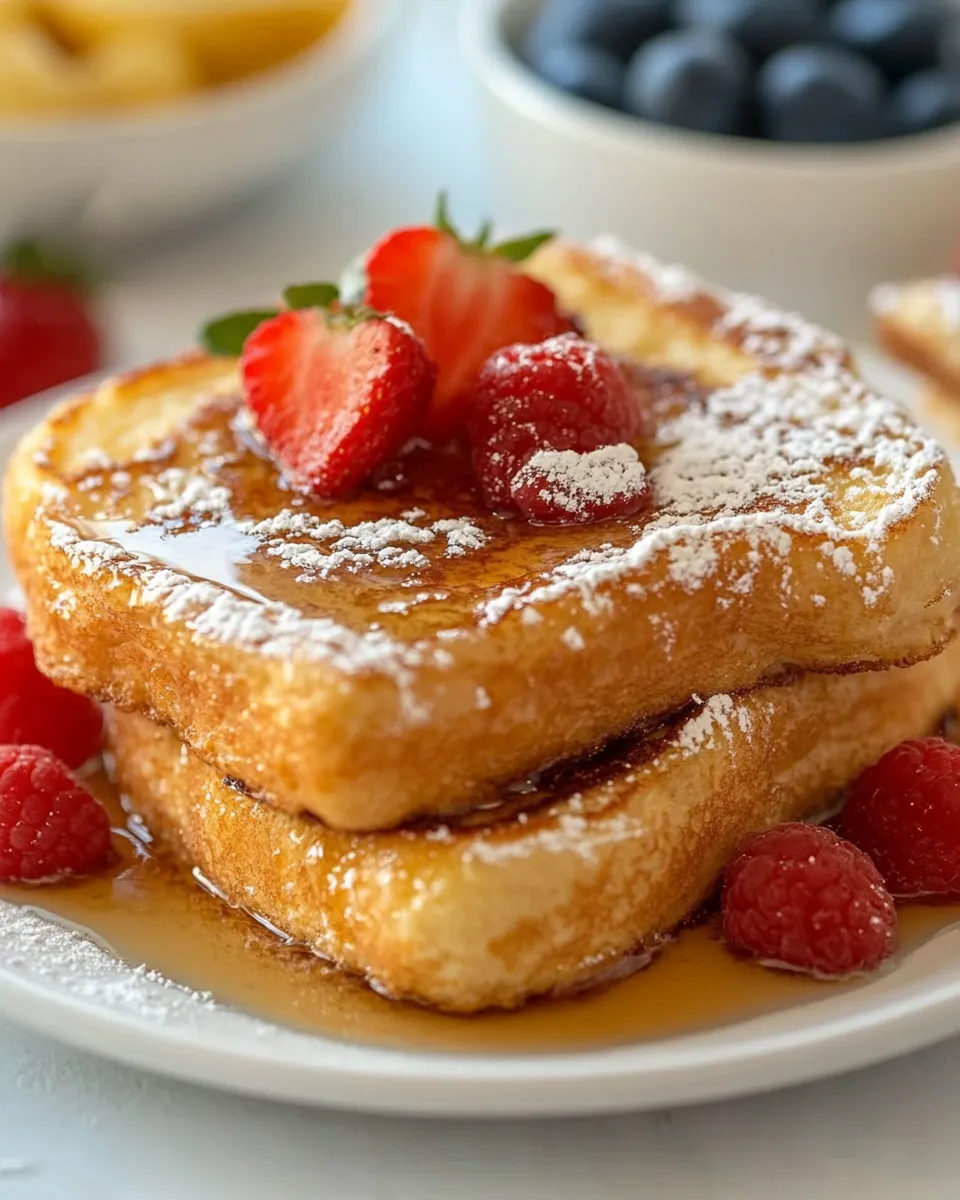
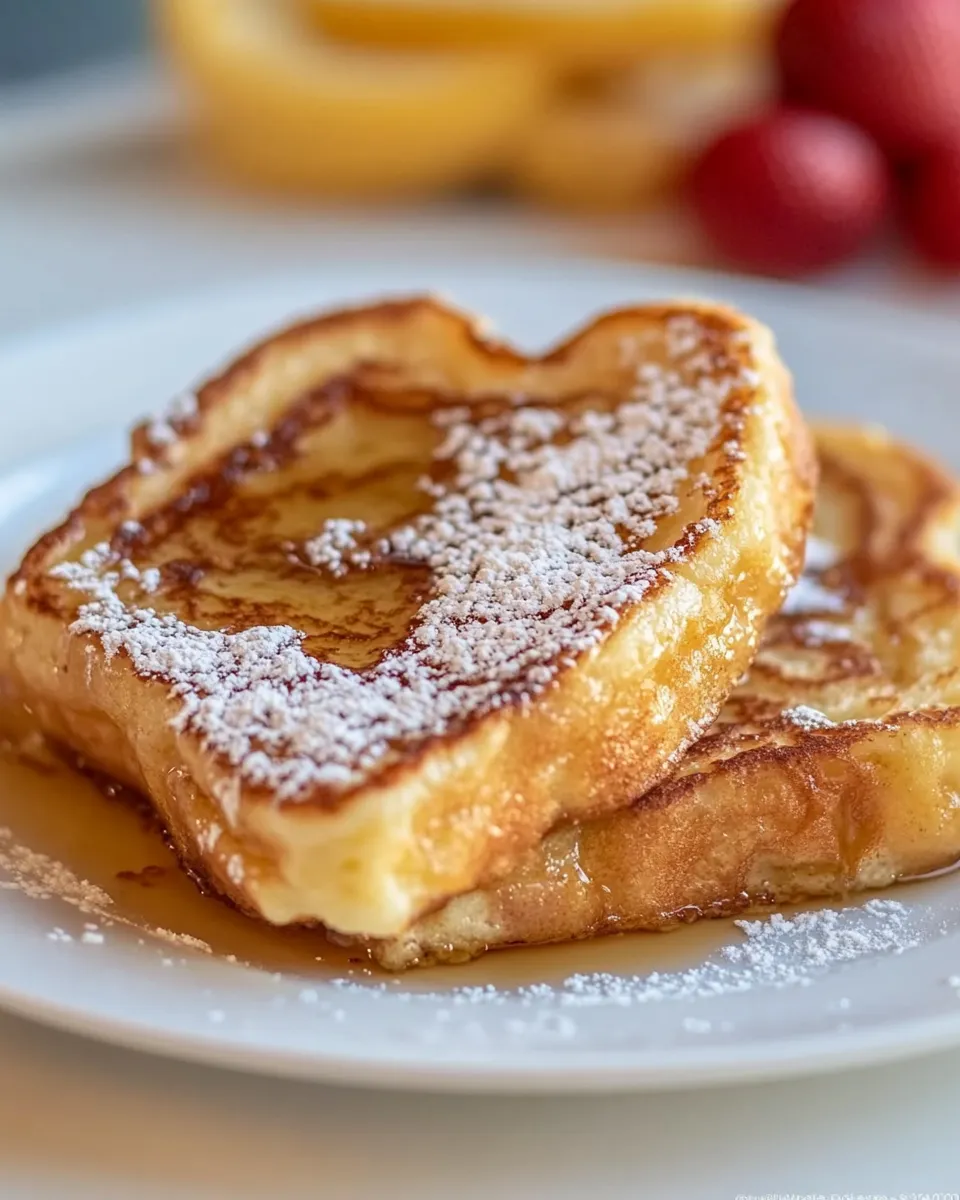
I write about food because it moves people — both stomachs and moods. Fluffy French toast is one of those recipes that does that work with almost no fuss: simple batter, thick slices of bread, a hot pan, and a short amount of time. It rewards small attention with a golden, tender result that feels special for breakfast or a quick weekend brunch.
What I like about this version is how forgiving it is. The technique here builds lift and texture without complicated steps. You don’t need a long ingredient list or a pastry degree. You do need a little patience at the pan and the right pace when soaking the bread.
Below I walk through ingredients, exact steps to follow, why it works, common mistakes, storage, and a few ways to make it your own. Practical, direct, and dependable — that’s the plan.
Ingredient Rundown
Ingredients
- ▢1/4call purpose flour — Adds body to the batter so it clings to the bread and creates a slightly cakey interior when cooked.
- ▢1cmilk — Liquefies the flour and carries the egg; it hydrates the bread during the soak and adds tenderness.
- ▢1pinchsalt — Balances the sweetness and enhances overall flavor. Even a pinch makes a difference.
- ▢3eggs — The main structure and lift agent; eggs help set the custardy interior and give richness.
- ▢1/2tspcinnamon — Provides warm spice notes; you can adjust up or down to taste.
- ▢1/4tspnutmeg — A little nutmeg deepens the spice profile without overpowering the cinnamon.
- ▢1tspvanilla extract — Adds aromatic sweetness and rounds out the batter.
- ▢1tbspsugar — Sweetens the batter and helps with browning on the hot surface.
- ▢8slicesthick bread — Thick slices are essential here; they hold up to soaking and give a plush interior when cooked.
Fluffy French Toast — Do This Next
- In a large mixing bowl, whisk together the flour and the pinch of salt until evenly combined.
- Slowly whisk the milk into the flour mixture until smooth and free of lumps.
- Add the eggs, cinnamon, nutmeg, vanilla extract, and sugar to the bowl; whisk until the batter is fully combined and smooth.
- Preheat a nonstick griddle or frying pan over medium heat. Work in batches if your pan is small to avoid crowding.
- One slice at a time, gently submerge both sides of a thick slice of bread in the batter until saturated (about 10–20 seconds per side). Allow excess batter to drip back into the bowl. Briefly re-whisk the batter between slices to keep it mixed.
- Place the soaked slice on the preheated griddle and cook until the underside is golden brown, about 2–3 minutes. Flip and cook the other side until golden brown, about 1–2 minutes.
- Repeat steps 5–6 with the remaining slices.
- Serve the French toast hot.
Why This Recipe Works
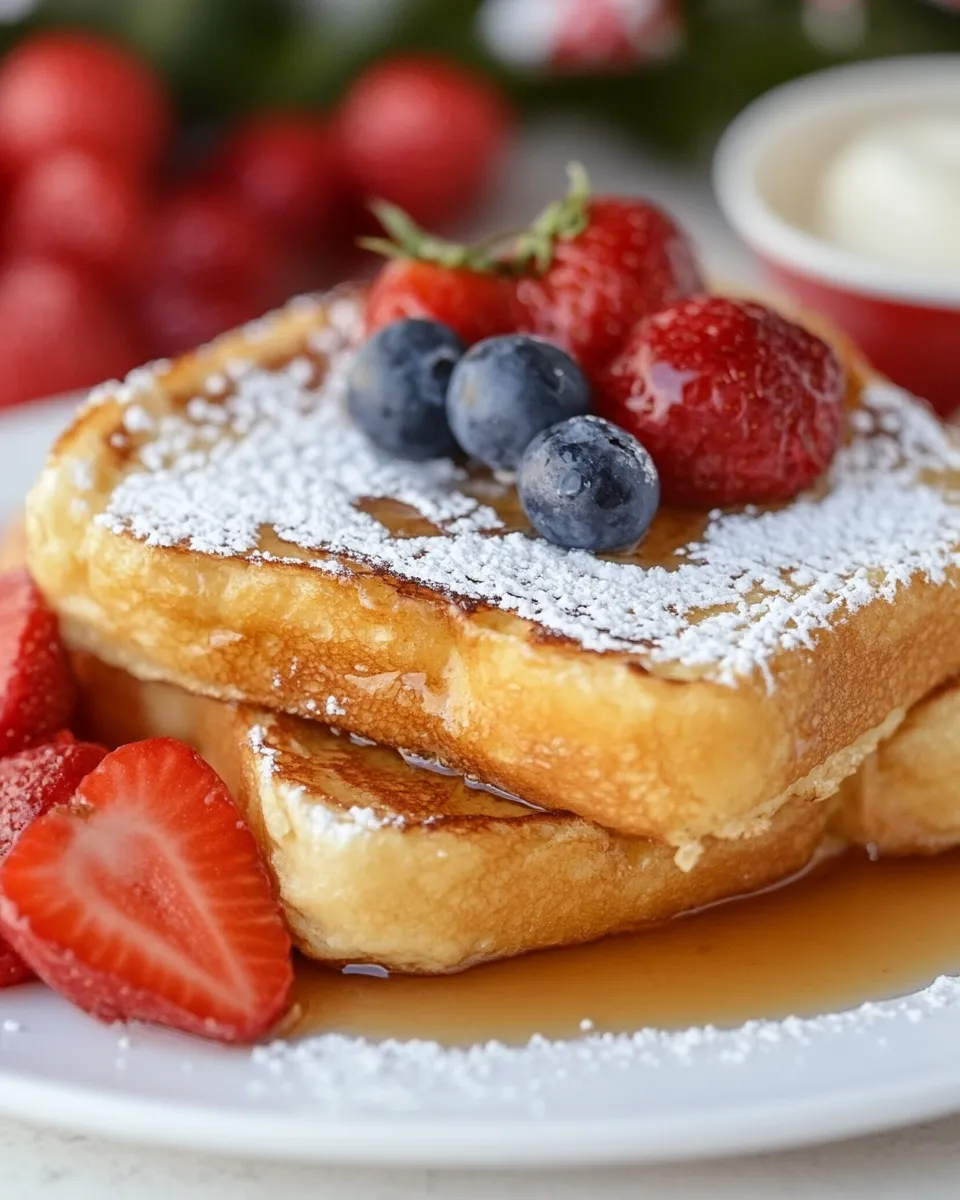
This recipe balances structure and tenderness. The flour in the batter gives the custard a slight body so it doesn’t completely turn into a puddle around the bread. It helps the coating set into a thin, tender crust while the eggs do the heavy lifting for structure and richness.
Thick bread slices are the other key. They absorb enough of the batter to become custardy inside without collapsing. If your slices are too thin, they over-saturate quickly and fall apart. If they’re slightly stale, even better — they soak evenly rather than becoming gummy.
Timing matters on the griddle. Moderate heat gives you a golden exterior without burning while the inside finishes. A quick flip keeps the crust from getting too dark and ensures even cooking. The brief resting and re-whisking between slices keeps the batter uniform and easy to work with.
No-Store Runs Needed
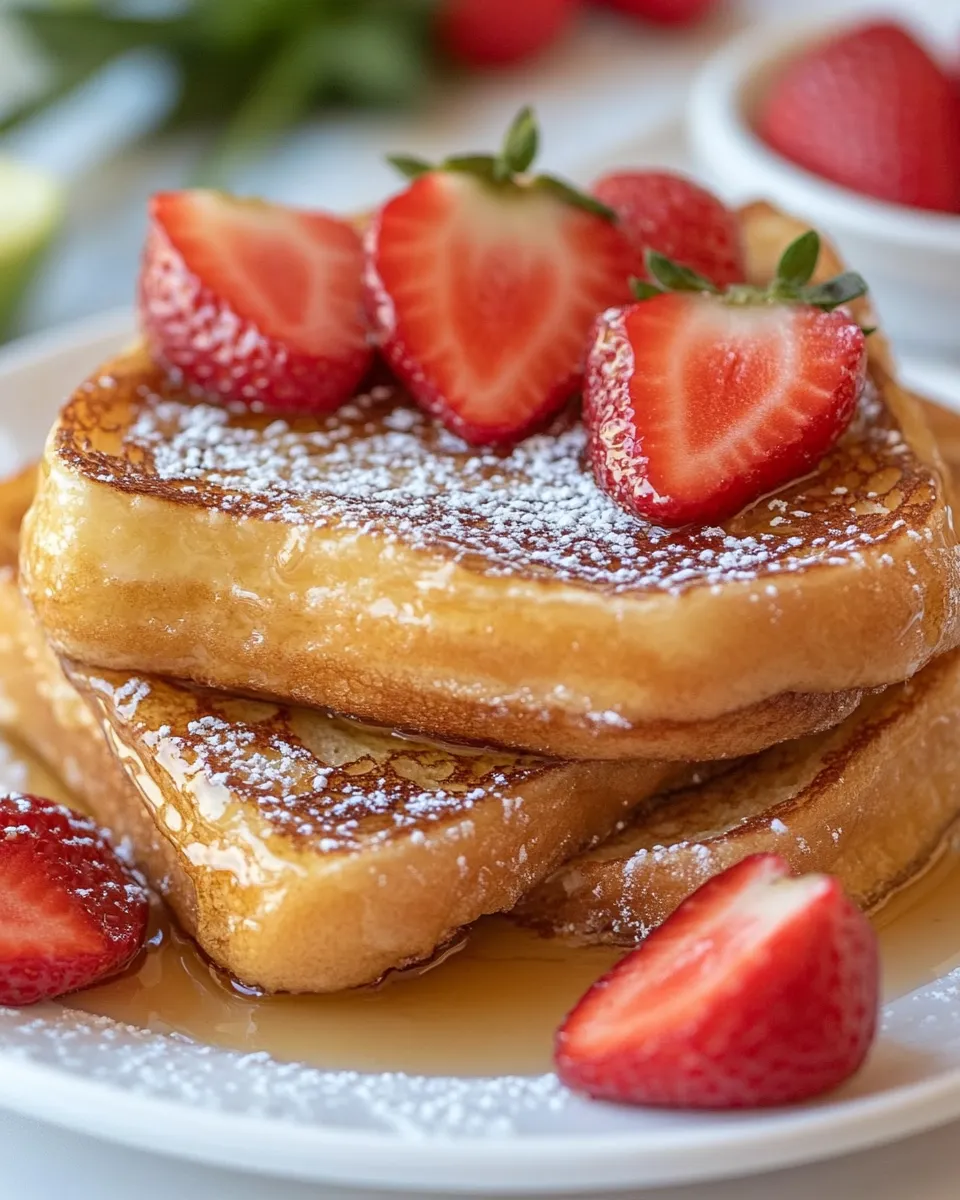
This recipe is wonderfully pantry-friendly. The ingredient list is short and forgiving. If you have eggs, milk, a slice or two of thick bread, and a few basic pantry items like sugar and spices, you’re set.
Shortcuts work: slightly stale or day-old bread absorbs batter better than fresh sliced-within-an-hour bread. If you’re missing a spice, omit or reduce it — the egg-milk base still produces a satisfying result. No special dairy is required; regular milk will do the job.
Setup & Equipment
Get a few things in place before you begin. A calm, stepwise approach keeps the process fast and tidy.
Tools I use
- Large mixing bowl — room for whisking without splatter.
- Whisk — for lump-free batter.
- Nonstick griddle or frying pan — even heat and easy release.
- Tongs or spatula — to flip without damage.
- Cooling rack or sheet pan — hold cooked slices while you finish a batch.
Preheat the pan while you prepare the batter. A hot, but not smoking, surface gives the best color and texture. If you have a thermometer, aim for a griddle surface that feels medium — you should be able to hold your hand a few inches above it for three to four seconds.
Frequent Missteps to Avoid
- Soaking too briefly or too long — 10–20 seconds per side for thick bread is the sweet spot. Too short and the interior stays dry; too long and the bread becomes soggy and breaks apart.
- Cooking at too high heat — the outside will brown too fast while the inside stays undercooked. Medium heat gives control.
- Using thin bread slices — they won’t hold the custard and will fall apart. Use thick slices or tear-resistant loaf cuts.
- Skipping the re-whisk — batter can separate. A quick whisk between slices keeps consistency.
- Crowding the pan — work in batches so each slice touches the hot surface directly and cooks evenly.
Make It Your Way
Once you master the base, small changes make big differences in flavor and presentation. Swap or omit spices. Use a different bread shape. Keep technique the same; change the extras to suit mood and pantry.
- Spice levels — increase or decrease cinnamon and nutmeg to taste. You can also add a pinch of cardamom or ground ginger if you like warm spice echoes.
- Texture changes — for a crisper exterior, add a pat of butter to the pan just before placing the soaked slice. For a softer crust, keep the pan dry or use neutral oil sparingly.
- Serving options — simple is fine: serve hot as-is, or dress with whatever you already have at the table (syrup, butter, jam, or fruit).
Testing Timeline
Timing is short and predictable. Expect a quick turnaround from start to table.
- Prep time (whisking batter, heating pan): about 5–8 minutes.
- Soak and cook per slice: about 4–5 minutes total per slice (including soaking and both sides cooking).
- Total cook time for 8 slices (in 2–3 batches): 20–30 minutes depending on pan size and how many you cook at once.
Work in batches to keep a steady, even result from the first slice to the last. Use a warm oven (about 200°F / 95°C) to keep finished slices hot while the rest cook, if you want everything served at once.
Refrigerate, Freeze, Reheat
French toast is best fresh, but you can store leftovers for convenience.
- Refrigerate: Cool completely, then store in an airtight container for up to 3 days. The texture will change a bit, but reheating restores warmth.
- Freeze: Lay cooled slices in a single layer on a sheet pan and freeze until firm, then transfer to a freezer-safe bag. Freeze up to 1 month. Thaw in the fridge or reheat from frozen.
- Reheat: Reheat gently in a skillet over medium-low heat, or use a toaster oven to crisp the exterior while warming through. Microwave works in a pinch but will soften the crust.
Reader Q&A
Q: Can I use regular sandwich bread?
A: Thin sandwich bread can work, but it tends to soak through. Thicker slices or a sturdier loaf give a better result. If you must use thin bread, shorten soak times and handle gently.
Q: My French toast comes out soggy inside. Why?
A: Likely causes are over-soaking, low pan heat, or too thick a batter. Keep soak times around 10–20 seconds per side for thick bread and maintain medium heat so the outside can seal while the center finishes.
Q: Can I prepare the batter ahead of time?
A: Yes, but re-whisk before using. Flour-based batters can settle. If it sits longer than 30 minutes, give it a quick whisk to reincorporate any settled bits.
Q: Do I need to flip more than once?
A: No. One flip is enough. Cook the first side until golden (about 2–3 minutes), then flip and finish the second side (about 1–2 minutes).
Ready, Set, Cook
Read the steps once, set up your pan and tools, and work steadily. The sequence is short and logical: mix, soak, cook, serve. Keep the heat moderate, re-whisk the batter occasionally, and don’t crowd the pan. You’ll get golden, fluffy slices every time.
If you try this, take note of your bread choice and pan temperature — those two things change the result most. Then make small adjustments until it’s exactly the way you like it. Happy cooking.
Fluffy French Toast
Ingredients
Ingredients
- 1/4 call purpose flour
- 1 cmilk
- 1 pinchsalt
- 3 eggs
- 1/2 tspcinnamon
- 1/4 tspnutmeg
- 1 tspvanilla extract
- 1 tbspsugar
- 8 slicesthick bread
Instructions
Instructions
- In a large mixing bowl, whisk together the flour and the pinch of salt until evenly combined.
- Slowly whisk the milk into the flour mixture until smooth and free of lumps.
- Add the eggs, cinnamon, nutmeg, vanilla extract, and sugar to the bowl; whisk until the batter is fully combined and smooth.
- Preheat a nonstick griddle or frying pan over medium heat. Work in batches if your pan is small to avoid crowding.
- One slice at a time, gently submerge both sides of a thick slice of bread in the batter until saturated (about 10–20 seconds per side). Allow excess batter to drip back into the bowl. Briefly re-whisk the batter between slices to keep it mixed.
- Place the soaked slice on the preheated griddle and cook until the underside is golden brown, about 2–3 minutes. Flip and cook the other side until golden brown, about 1–2 minutes.
- Repeat steps 5–6 with the remaining slices.
- Serve the French toast hot.
Equipment
- Mixing Bowl
- Whisk
- nonstick griddle or frying pan
- Spatula