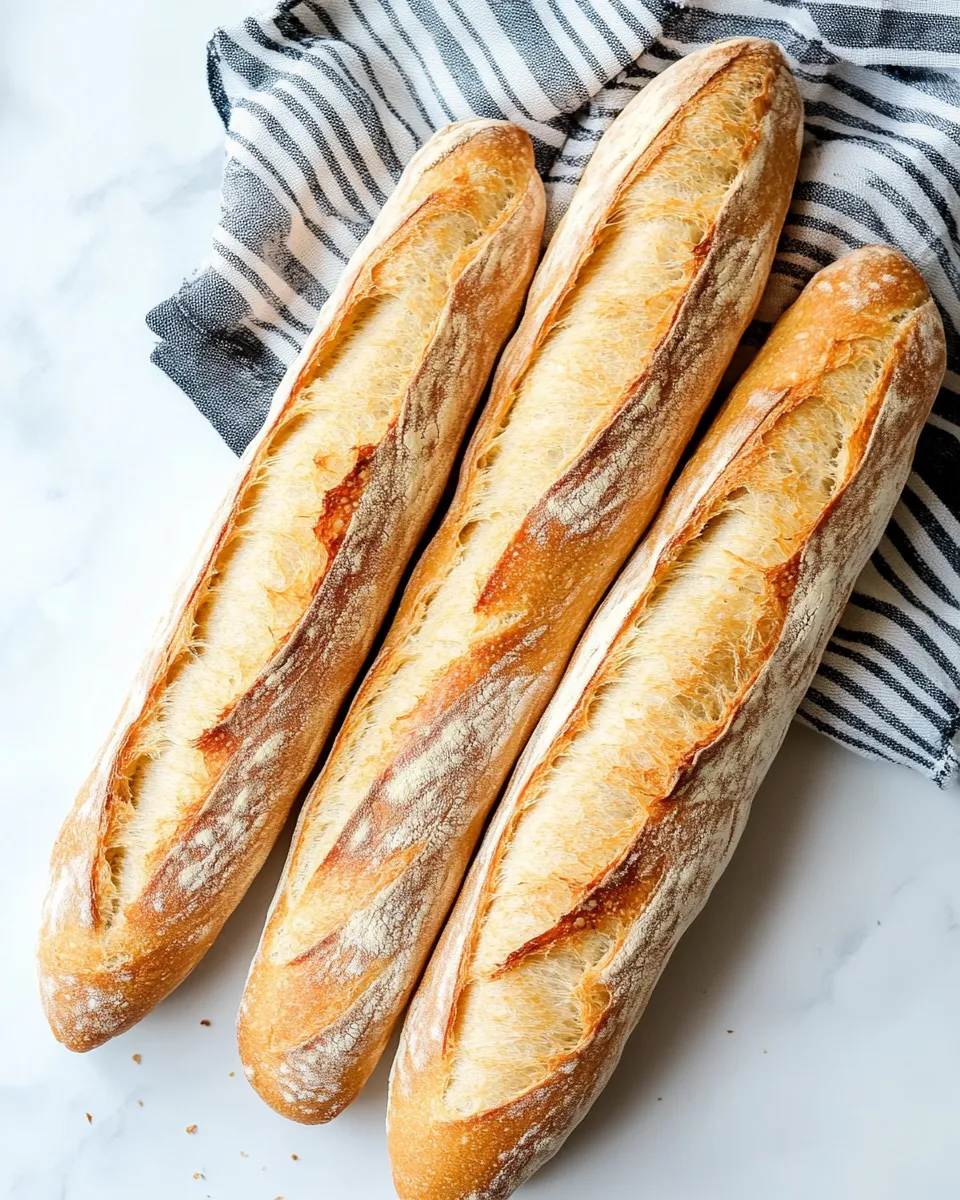
There’s something immediately satisfying about a long, crisp-baked baguette: the thin crackly crust, the fragrant interior, and that perfect chewiness that makes even a simple slice taste elevated. This version is straightforward enough for home bakers who want consistent results without hour-long starters or special flours. It relies on a few deliberate steps and a little patience.
I test recipes in a busy kitchen and write for people who want to bake bread that actually gets eaten—and repeated. You’ll follow a clear schedule: mix, two rises, shape, and a final proof before a short, steam-assisted bake. The method focuses on feel and timing, so you can adapt to your kitchen’s temperature and your schedule.
No fluff here: read the ingredient notes, follow the timed steps below, and expect two classic loaves with a crunchy crust and an open, tender crumb. I’ll also share common mistakes and fixes, equipment that matters, and practical storage tips so those loaves last.
The Ingredient Lineup
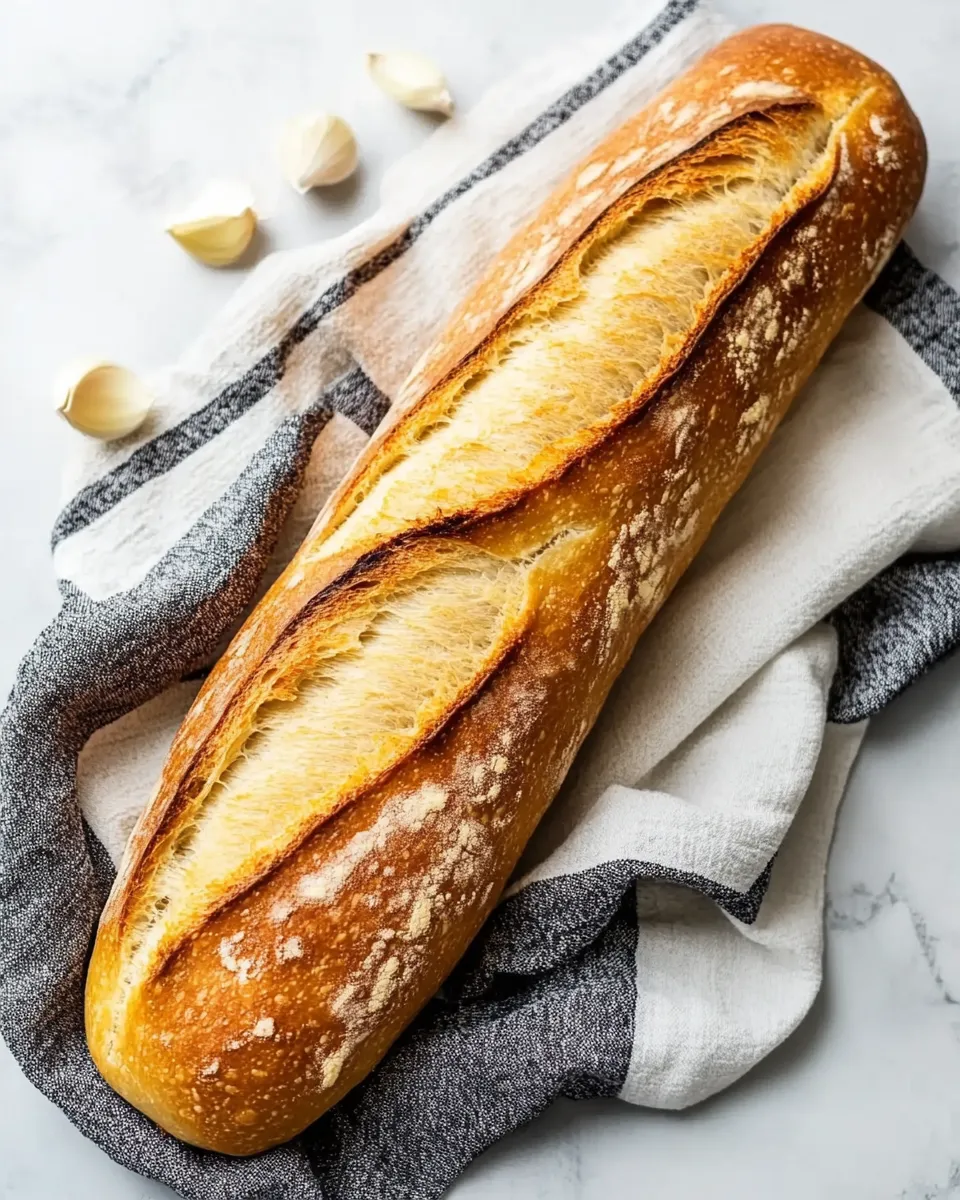
Ingredients
- 1 ⅔ cups warm water — hydrates the dough and activates the yeast; aim for about 100–110°F (38–43°C).
- 2 ½ teaspoons active dry yeast, 1 packet — the leavener; proofing it in warm water confirms it’s active.
- 2 tablespoons honey — feeds the yeast and adds mild flavor and color to the crust.
- 3-4 cups all purpose flour — start with 3 cups and add up to 4 if the dough is sticky; provides structure.
- 2 teaspoons salt — controls fermentation and seasons the dough.
Build French Baguette Step by Step
- Pour 1 ⅔ cups warm water (about 100–110°F/38–43°C) into the bowl of a stand mixer. Sprinkle 2 ½ teaspoons active dry yeast over the water, add 2 tablespoons honey, and whisk briefly to combine. Cover the bowl with a towel and let sit until the surface is bubbly and foamy, about 5–10 minutes.
- Add 3 cups of the all-purpose flour and 2 teaspoons salt to the bowl. Fit the mixer with a dough hook and mix on low–medium speed until the dough begins to come together.
- If the dough is very wet or sticky, add additional all-purpose flour 1/4 cup at a time (up to the total 4 cups) until the dough is tacky but not overly wet. Do not add more flour than needed.
- Once the flour is absorbed and the dough holds together, knead the dough in the mixer on medium speed for 5 minutes. If you prefer to knead by hand, turn the dough out onto a lightly floured surface and knead until smooth and elastic, about 8–10 minutes.
- Shape the kneaded dough into a ball, place it in a clean bowl lightly dusted with flour (to prevent sticking), and cover the bowl. Let the dough rise until doubled in size, about 1 hour.
- After the first rise, turn the dough out onto a lightly floured surface, gently deflate it by pressing or folding it a few times, then place it back in the same bowl (lightly floured if needed). Cover and let it rise again until roughly doubled, about 1 hour.
- Turn the dough out onto a lightly floured surface and press out any large air pockets. Divide the dough into two equal pieces.
- Shape each piece into a loose log, cover them with a towel or lightly with plastic, and let them rest for 30 minutes.
- After the 30-minute rest, roll each log into a baguette shape about 18 inches long, tapering the ends slightly into points. Place the shaped baguettes seam-side down on parchment-lined baking sheets (use two sheets so they fit comfortably).
- Cover the shaped baguettes and let them proof at room temperature until nearly doubled in size, about 45–60 minutes. Meanwhile, position one oven rack in the middle and one in the bottom of the oven and preheat the oven to 425°F (220°C). Place a small metal pan on the bottom rack while the oven preheats.
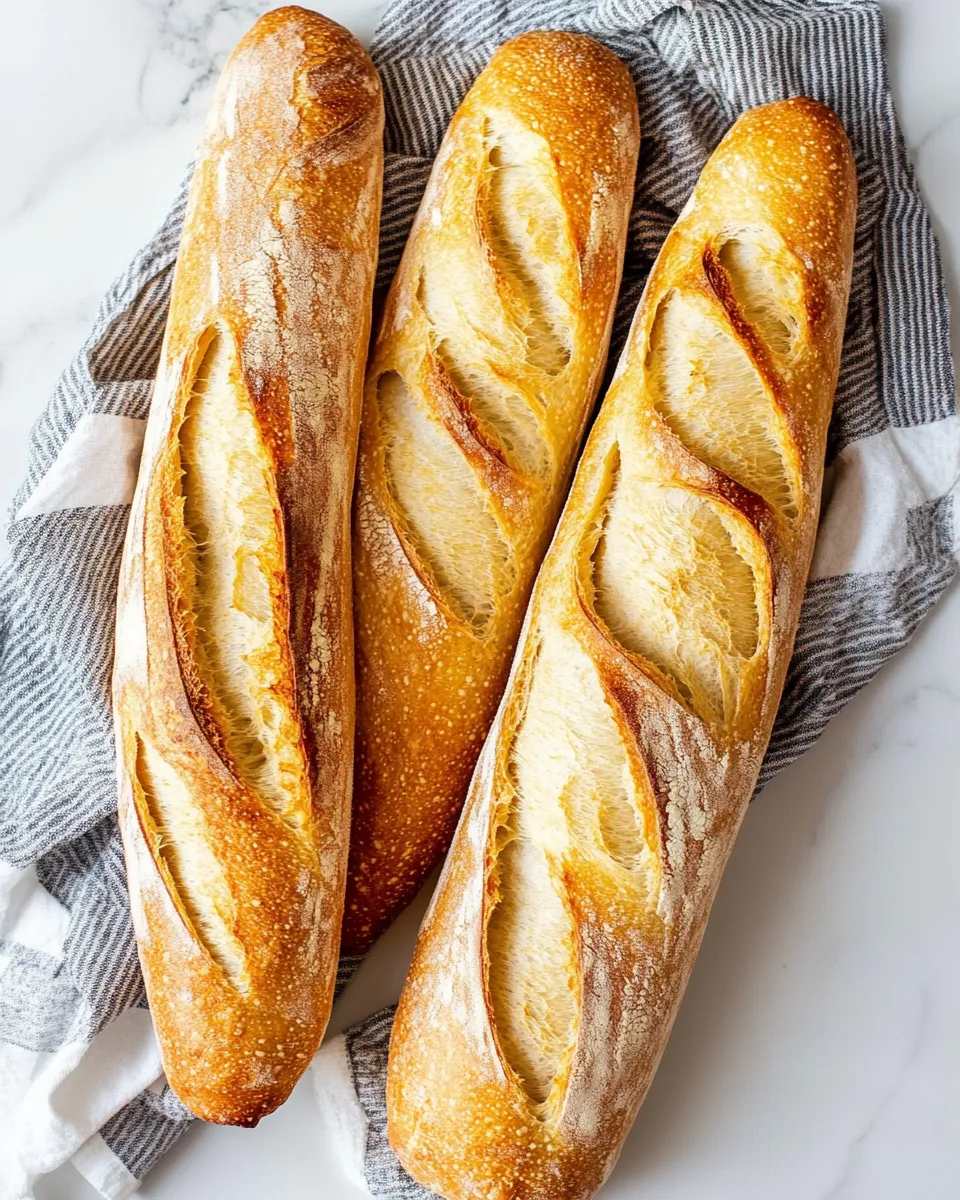
- When the baguettes are nearly doubled, use a very sharp knife or razor to make 4–5 diagonal slashes along the top of each baguette.
- Place the baking sheets with the baguettes on the middle rack. Carefully pour about 1 cup hot water into the preheated metal pan on the bottom rack to create steam, then quickly close the oven door.
- Bake the baguettes for 15 minutes with the steam.
- If the crust needs more color, remove the baking sheets and transfer the baguettes directly onto the middle oven rack (or remove the parchment if it prevents browning) and bake an additional 3–5 minutes until the loaves are a deep golden brown.
- Remove the baguettes from the oven and let cool on a wire rack for at least 20 minutes before slicing.
Why This Recipe Belongs in Your Rotation
This recipe is a low-barrier path to genuinely good baguettes. It doesn’t require a starter or specialty flour, and the timeline fits into a few hours of active and passive work. For everyday baking, that balance of effort to reward is what keeps recipes on rotation.
The method produces a reliably crisp crust and an open crumb because of the two-rise approach and the steam step in the oven. Those short, targeted steps give you control: you can crank up the crust color, lengthen proofing for more flavor, or shape longer, thinner loaves if you want extra crust surface.
Quick Replacement Ideas
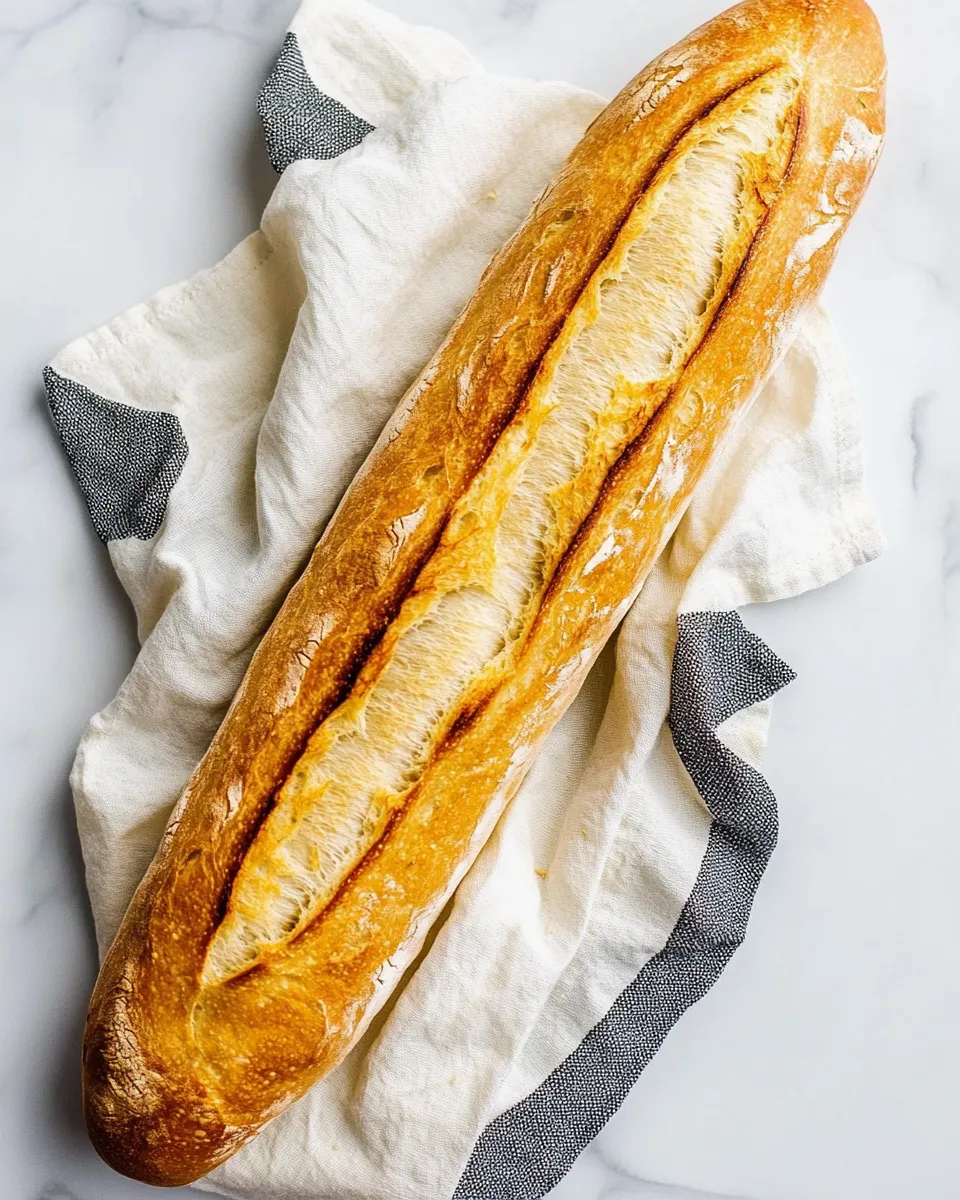
- Omit the honey — the yeast will still work using flour’s natural sugars; fermentation may be marginally slower.
- Use up to 4 cups of flour — you already have that flexibility in the recipe; add it gradually until the dough is tacky but not dry.
- If active dry yeast isn’t available, you can use another instant yeast type but expect slightly different proofing times (monitor the dough’s rise rather than the clock).
Appliances & Accessories
- Stand mixer with a dough hook — speeds kneading and gives consistent results; you can knead by hand if needed.
- Baking sheets and parchment — two sheets so the baguettes fit comfortably; parchment helps transfer and cleanup.
- Small metal pan for steam — placed on the bottom rack to catch hot water and create a humid oven environment.
- Sharp knife or razor (lame) — for clean, precise slashes that control oven spring.
- Instant-read thermometer — optional but useful to check water temperature for yeast proofing.
- Wire rack — allows the loaves to cool without trapping steam and softening the crust.
Common Errors (and Fixes)
- Dough too sticky after initial mix — add flour 1/4 cup at a time (up to the 4-cup total) until tacky but manageable.
- Dough doesn’t rise — your water may be too cool or too hot; aim for 100–110°F (38–43°C) and make sure yeast is fresh.
- Baguettes collapse or flatten — avoid overproofing; if the loaves feel very soft and deflate when touched gently, bake sooner.
- Crust stays pale — finish the bake directly on the rack for a few minutes or remove parchment if it’s blocking browning.
- Crust cracks in uncontrolled places — make a few confident, even diagonal slashes with a sharp blade to direct the oven spring.
Fit It to Your Goals
Need more crust? Bake a touch longer after removing the parchment, and ensure you use the steam step. Want a softer interior for sandwiches? Slightly reduce the bake time and eat the loaves sooner while still warm—or let them cool fully but store wrapped to keep crumb tender.
If you want deeper flavor, let the first or second rise happen a bit more slowly: proof in a cooler spot or refrigerate the dough after the first rise and shape the next day. That longer, slower fermentation develops flavor without changing ingredients.
What Could Go Wrong
There are a few predictable pitfalls. If your kitchen is cold, rises will take longer; don’t rush them. Overcrowding the oven or using a thick baking surface can reduce the steam’s effectiveness and yield a softer crust. Using dull blades for scoring causes ragged tears instead of clean expansion, which affects the appearance and oven spring.
Also watch hydration. Adding too much flour makes a tight crumb; too little leaves overly dense loaves or ones that spread on the sheet. Aim for a tacky, slightly sticky dough that cleans the bowl as it kneads.
Storing, Freezing & Reheating
- Short-term (same day) — keep baguettes unwrapped on the counter or loosely wrapped in a clean kitchen towel to preserve crustiness for a few hours.
- Next day — place loaves in a paper bag or a loosely sealed bag to avoid a stale, leathery crust; re-crisp before serving by heating in a 350°F (175°C) oven for 5–8 minutes.
- Freezing — cool completely, then slice or wrap whole in plastic and foil; freeze for up to 3 months. To use, thaw at room temperature, then reheat in a hot oven (350–375°F) for 10–15 minutes to refresh the crust.
Questions People Ask
Can I make this without a stand mixer?
Yes. Knead by hand on a lightly floured surface until the dough is smooth and elastic, about 8–10 minutes. The recipe includes that option in step 4.
How important is the steam step?
Very. Steam keeps the crust flexible during the initial bake so the loaves can expand fully. The hot water in a preheated pan produces that humid environment quickly and effectively.
Why two rises?
Two rises develop structure and flavor. The first rise builds bulk and activity; the second refines the gluten, producing a lighter crumb and better oven spring.
My loaves brown too quickly — what now?
Lower the oven by 10–15 degrees or tent the loaves with foil partway through the bake. Also check that the loaves aren’t too close to the heating element.
In Closing
This French Baguette recipe gives you predictable, delicious loaves with a manageable time investment and familiar pantry ingredients. The steps are intentional: activate the yeast, control hydration, allow two rises, shape with care, and bake with steam. Follow the sequence, learn the dough’s feel, and you’ll soon make baguettes that disappear from the table.
Once you’re comfortable with these steps, try variations in proofing time and oven finish to dial in your favorite crust and crumb. Keep notes on timing and temperatures—small adjustments in your kitchen can change results more than changing ingredients. Happy baking; there’s nothing like the smell of fresh baguettes to make a day better.

French Baguette
Ingredients
Ingredients
- 1 2/3 cupswarm water
- 2 1/2 teaspoonsactive dry yeast 1 packet
- 2 tablespoonshoney
- 3-4 cupsall purpose flour
- 2 teaspoonssalt
Instructions
Instructions
- Pour 1 ⅔ cups warm water (about 100–110°F/38–43°C) into the bowl of a stand mixer. Sprinkle 2 ½ teaspoons active dry yeast over the water, add 2 tablespoons honey, and whisk briefly to combine. Cover the bowl with a towel and let sit until the surface is bubbly and foamy, about 5–10 minutes.
- Add 3 cups of the all-purpose flour and 2 teaspoons salt to the bowl. Fit the mixer with a dough hook and mix on low–medium speed until the dough begins to come together.
- If the dough is very wet or sticky, add additional all-purpose flour 1/4 cup at a time (up to the total 4 cups) until the dough is tacky but not overly wet. Do not add more flour than needed.
- Once the flour is absorbed and the dough holds together, knead the dough in the mixer on medium speed for 5 minutes. If you prefer to knead by hand, turn the dough out onto a lightly floured surface and knead until smooth and elastic, about 8–10 minutes.
- Shape the kneaded dough into a ball, place it in a clean bowl lightly dusted with flour (to prevent sticking), and cover the bowl. Let the dough rise until doubled in size, about 1 hour.
- After the first rise, turn the dough out onto a lightly floured surface, gently deflate it by pressing or folding it a few times, then place it back in the same bowl (lightly floured if needed). Cover and let it rise again until roughly doubled, about 1 hour.
- Turn the dough out onto a lightly floured surface and press out any large air pockets. Divide the dough into two equal pieces.
- Shape each piece into a loose log, cover them with a towel or lightly with plastic, and let them rest for 30 minutes.
- After the 30-minute rest, roll each log into a baguette shape about 18 inches long, tapering the ends slightly into points. Place the shaped baguettes seam-side down on parchment-lined baking sheets (use two sheets so they fit comfortably).
- Cover the shaped baguettes and let them proof at room temperature until nearly doubled in size, about 45–60 minutes. Meanwhile, position one oven rack in the middle and one in the bottom of the oven and preheat the oven to 425°F (220°C). Place a small metal pan on the bottom rack while the oven preheats.
- When the baguettes are nearly doubled, use a very sharp knife or razor to make 4–5 diagonal slashes along the top of each baguette.
- Place the baking sheets with the baguettes on the middle rack. Carefully pour about 1 cup hot water into the preheated metal pan on the bottom rack to create steam, then quickly close the oven door.
- Bake the baguettes for 15 minutes with the steam.
- If the crust needs more color, remove the baking sheets and transfer the baguettes directly onto the middle oven rack (or remove the parchment if it prevents browning) and bake an additional 3–5 minutes until the loaves are a deep golden brown.
- Remove the baguettes from the oven and let cool on a wire rack for at least 20 minutes before slicing.
Equipment
- Stand mixer
- dough hook
- Mixing Bowl
- towel
- Parchment Paper
- Baking Sheets
- Oven
- small metal pan
- very sharp knife or razor
- Wire Rack
Notes
Originally Posted on July 10, 2021
Updated August 6, 2024