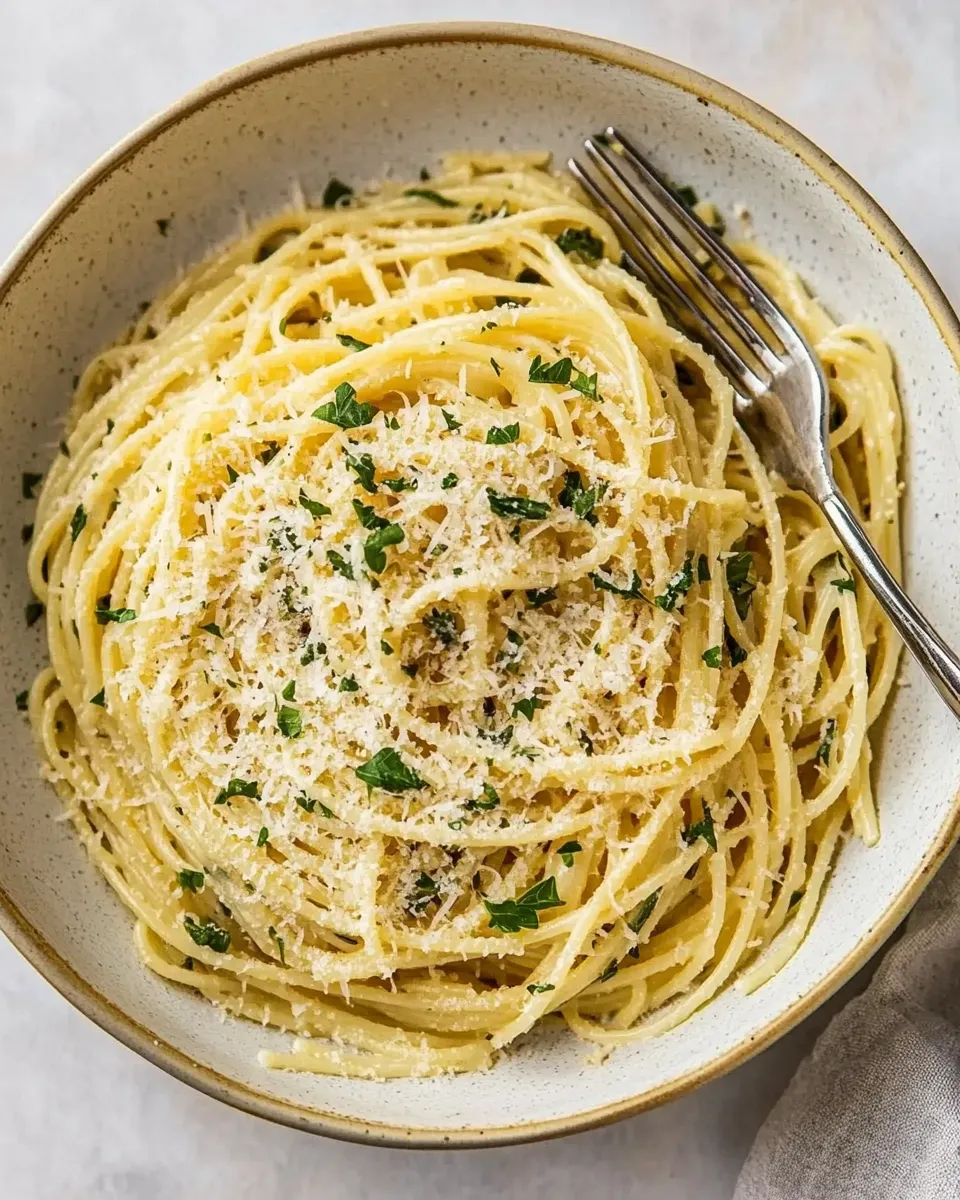
This garlic butter pasta is the kind of recipe I come back to on busy weeknights and quiet Sundays alike. It’s unfussy, fast, and deeply satisfying — butter and garlic do most of the heavy lifting, and the pasta ties everything together. You don’t need a long shopping list or exacting technique to end up with something that tastes restaurant-ready.
I like it because it teaches one useful kitchen habit: save a cup of pasta water. That tiny step changes texture and keeps the sauce glossy and silky without adding cream. The rest is straightforward: cook the pasta, coax the garlic to fragrance (not brown), toss with butter and cheese, and finish with fresh parsley. Timing is the only real trick.
Below you’ll find precise, step-by-step instructions, the exact ingredient list, equipment notes, troubleshooting tips, and a handful of variations to take this from a simple staple to a template for many meals. Read once, then keep the steps in your head — this is meant to be a repeatable, reliable weeknight winner.
Ingredients
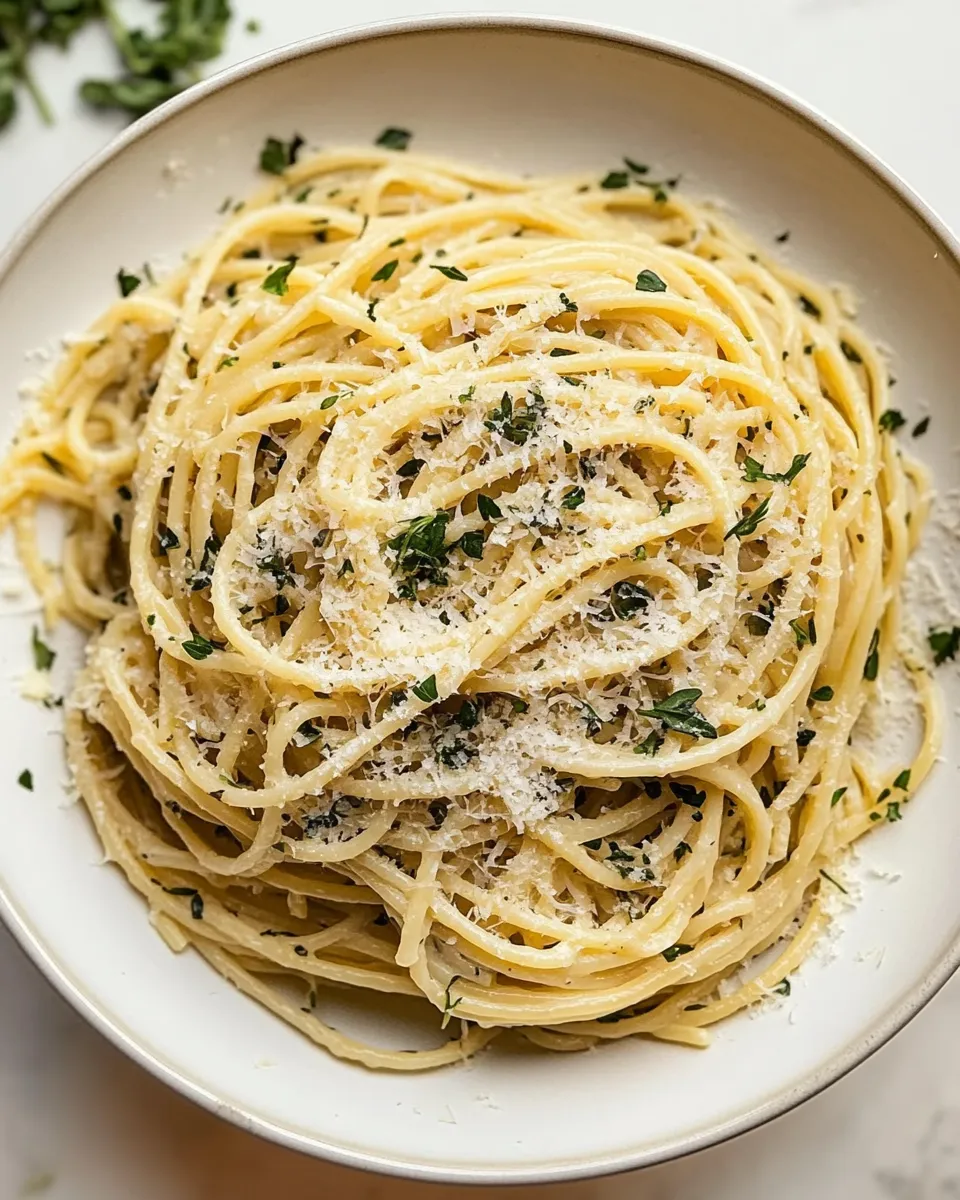
- 8 ounces (225 g) dried pasta such as spaghetti, linguine, or any other long or short pasta — the foundation; any shape works, but long pasta tosses nicely with the butter sauce.
- 4 tablespoons (52 g) unsalted butter, divided — provides richness and the glossy base of the sauce; divided use lets you build flavor in stages.
- 3 cloves garlic, sliced — gives the dish its aromatic backbone; slice thin so it softens quickly without burning.
- ¼ teaspoon ground black pepper — a finishing spice that adds gentle heat and contrast.
- 1 teaspoon salt — added to the pasta water to season the noodles from the inside out.
- ½ cup (43 g) grated Parmesan — melts into the sauce for umami and creaminess; grate fresh for best texture and flavor.
- ¼ cup chopped fresh parsley — bright, herbal finish that lifts the richness of butter and cheese.
What to Buy
When you shop for this dish, prioritize freshness for the small number of ingredients. Buy a block of Parmesan to grate at home — pre-grated cheese dries the sauce and won’t melt as smoothly. Choose unsalted butter so you can control salt levels; if you only have salted butter, reduce the added salt slightly.
Pick garlic bulbs that feel firm with tight skins. For pasta, any dry pasta will do, but choose a shape you enjoy: long strands like spaghetti or linguine follow the classic profile, while short tubes or shells trap pockets of sauce. Fresh parsley should be bright and not wilted.
Cook Garlic Butter Pasta Like This
- Bring a medium-sized pot of water to a boil. Add 1 teaspoon salt, then add 8 ounces (225 g) pasta and cook according to the package instructions until al dente.
- When the pasta is cooked, reserve 1 cup of the pasta cooking water, then drain the pasta.
- Meanwhile, heat a large skillet over medium heat. Add 2 tablespoons of the butter and melt. Add the sliced garlic and sauté very lightly until fragrant and just beginning to turn golden, about 30–60 seconds; do not let it brown.
- Add the hot, drained pasta to the skillet along with part of the reserved pasta water. Use kitchen tongs to toss the pasta until a glossy, thick sauce begins to form and evenly coats the noodles. Add more reserved pasta water a little at a time if the sauce seems too dry.
- Add the remaining 2 tablespoons of butter and continue tossing until the butter melts and is incorporated into the sauce.
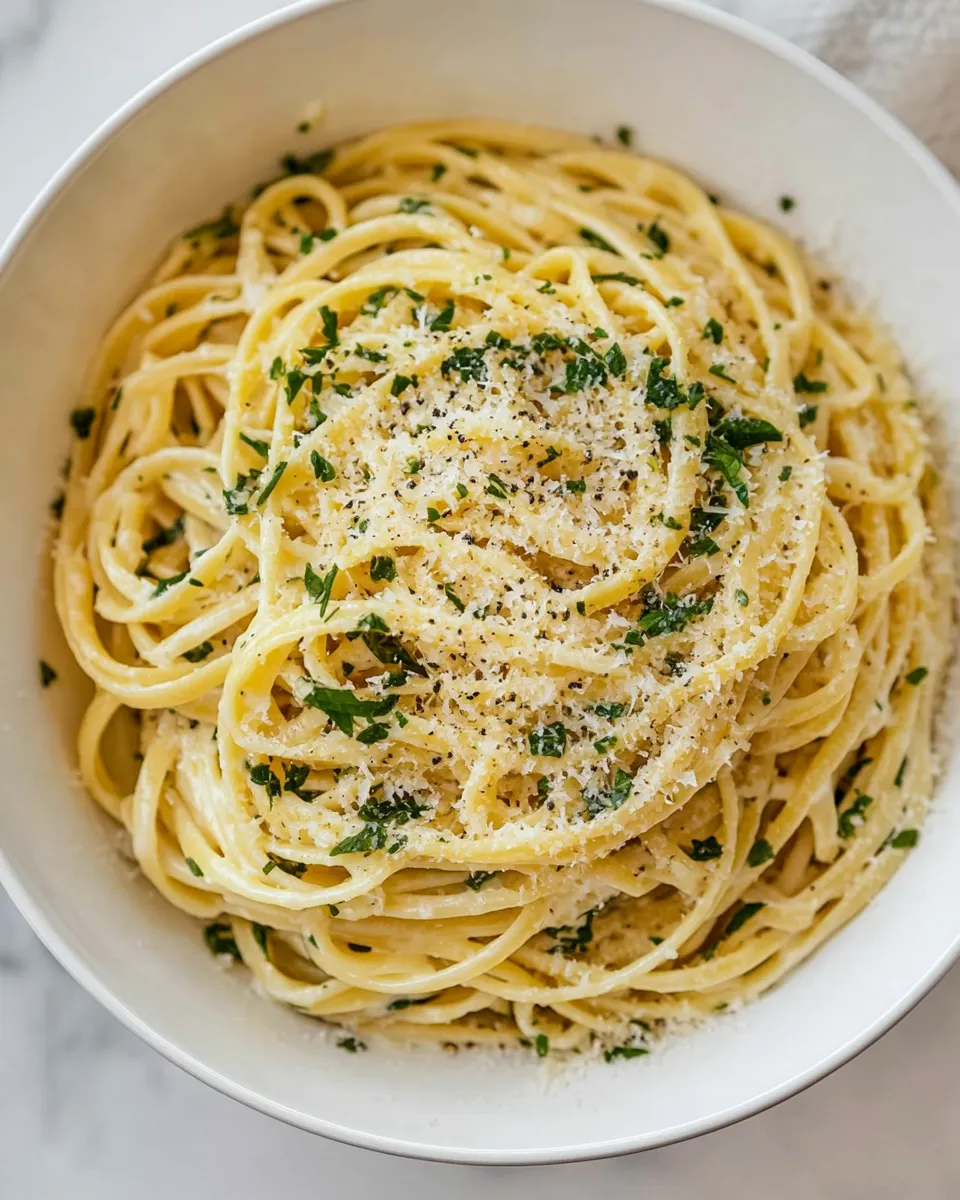
- Remove the skillet from the heat. Add 1/2 cup (43 g) grated Parmesan, 1/4 cup chopped fresh parsley, and 1/4 teaspoon ground black pepper. Toss continuously until the cheese is melted and the sauce is smooth; add a splash more reserved pasta water if needed to loosen the sauce.
- Taste and adjust seasoning if desired. Serve immediately.
Why You’ll Keep Making It
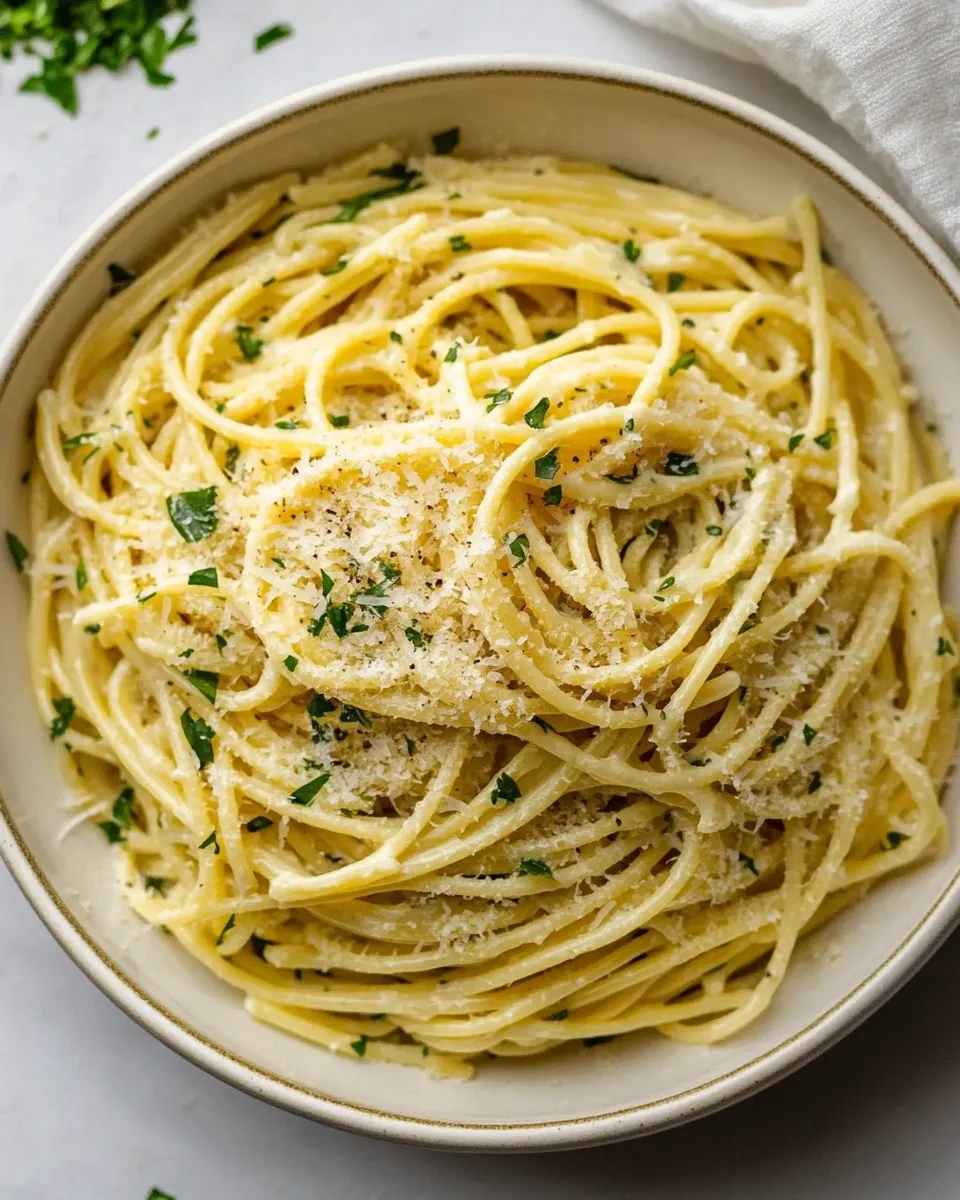
This recipe checks a lot of boxes: fast, minimal cleanup, and honest flavor. The technique — finishing pasta in the pan with butter and reserved water — is a powerful, repeatable method you can apply to many sauces. Once you see how quickly glossy emulsified sauce forms, you’ll use the same approach for other simple pasta dishes.
It’s also forgiving. Slightly undercooked pasta finishes perfectly in the pan; the reserved pasta water rescues dry sauce; and grated cheese smooths into a silky finish. Even when life gets hectic, this dish delivers comfort without fuss.
What to Use Instead
Sometimes you want a swap. Here are sensible alternatives that preserve the spirit of the dish:
- Use salted butter if that’s what you have; reduce the salt added to the pasta water by about half.
- Substitute another hard grating cheese like Pecorino Romano if you prefer a sharper, saltier finish — use slightly less due to its stronger flavor.
- If you don’t love parsley, fresh basil or a small handful of arugula tossed in off the heat will provide a fresh note.
- Short pasta shapes (penne, fusilli) will work; they trap sauce differently but remain delicious.
Setup & Equipment
- Medium-sized pot — for boiling pasta and holding enough salted water so the noodles cook evenly.
- Large skillet — wide enough to hold the drained pasta and let you toss comfortably.
- Kitchen tongs or pasta fork — essential for tossing pasta with the sauce.
- Measuring spoons and a cup — for precise butter, salt, and reserved pasta water measurement.
- Box grater — for fresh Parmesan; it melts better than pre-grated cheese.
Mistakes That Ruin Garlic Butter Pasta
- Overcooking the garlic until brown or burnt — it turns bitter. Sauté just until fragrant and only lightly golden.
- Skipping the reserved pasta water — the sauce will often be dry or clumpy without it.
- Adding the cheese while the pan is too hot — high heat can make the cheese seize instead of melting into a smooth sauce. Remove from heat first as the recipe directs.
- Using pre-grated Parmesan — it contains anti-caking agents that prevent a silky sauce.
- Over-salting the pasta water when using salted butter or a salty cheese — taste and adjust instead of assuming more salt is always better.
Year-Round Variations
This recipe is a great template for seasonal additions. Keep the core steps the same; add extras at the right time in the process so they cook appropriately.
- Spring: Stir in blanched peas and lemon zest at the end for brightness.
- Summer: Toss in halved cherry tomatoes and torn basil right off the heat for a fresher, lighter plate.
- Autumn: Add sautéed mushrooms or wilted kale with the garlic for earthier flavors.
- Winter: Fold in roasted winter squash or a handful of toasted pine nuts for crunch and depth.
What Could Go Wrong
Most problems have simple fixes. If the sauce is gluey, you probably used too much cheese or the pan was too hot; add more reserved pasta water and toss off the heat to smooth it out. If the sauce is too thin, let it sit in the warm pan for a minute to thicken, or add a touch more cheese to bind it.
Burnt garlic has a sharp bitterness that can’t be fully rescued. If you notice browning, discard the garlic and start over with fresh butter and garlic — the flavor of burnt garlic dominates the dish.
Refrigerate, Freeze, Reheat
Store any leftover pasta in an airtight container in the refrigerator for up to 3 days. The sauce will firm up as the butter and cheese solidify.
For reheating: gently warm in a skillet over low heat with a splash of water or milk to loosen the sauce. Toss until warmed through and glossy. You can also reheat in the microwave in short bursts, stirring and adding a little liquid as needed.
Freezing is not ideal for this dish; the butter-and-cheese emulsion can separate and become grainy on thawing. If you must freeze, do so without added fresh herbs and plan to refresh vigorously on the stove with added liquid and a sprinkle of fresh cheese.
Questions People Ask
Can I use olive oil instead of butter? Yes. Olive oil will change the texture and flavor — the result will be lighter and less rich. Use good-quality extra-virgin olive oil and proceed with the same technique.
Why reserve pasta water? It contains starch released from the pasta during cooking. That starch helps bind fat (butter) and cheese into a silky sauce that clings to the noodles.
What if my sauce is clumpy after adding cheese? Remove the pan from heat, add a splash of the reserved pasta water, and toss vigorously. Slow, steady agitation helps the cheese emulsify; avoid high heat which makes it seize.
How do I prevent garlic from burning? Slice garlic thin and cook it briefly over medium heat in melted butter. Watch it carefully; it should become fragrant and just begin to color within 30–60 seconds.
Hungry for More?
If you liked this one, try adapting the technique to other simple sauces: add crushed red pepper and anchovy for a quick puttanesca spin, or finish with lemon juice, capers, and parsley for a bright, briny version. This garlic butter method is a building block — once you master it, you’ll find many ways to make weeknight dinners taste deliberate and delicious.
Make a batch tonight. Keep the steps handy: salt the water, save the pasta water, don’t brown the garlic, and toss until glossy. It’s reliable, fast, and endlessly satisfying.
Garlic Butter Pasta
Ingredients
Ingredients
- ?8 ounces 225 gdried pastasuch as spaghetti, linguine, or any other long or short pasta
- ?4 tablespoons 52 gunsalted butterdivided
- ?3 clovesgarlicsliced
- ?1/4 teaspoonground black pepper
- ?1 teaspoonsalt
- ?1/2 cup 43 ggrated parmesan
- ?1/4 cupchopped fresh parsley
Instructions
Instructions
- Bring a medium-sized pot of water to a boil. Add 1 teaspoon salt, then add 8 ounces (225 g) pasta and cook according to the package instructions until al dente.
- When the pasta is cooked, reserve 1 cup of the pasta cooking water, then drain the pasta.
- Meanwhile, heat a large skillet over medium heat. Add 2 tablespoons of the butter and melt. Add the sliced garlic and sauté very lightly until fragrant and just beginning to turn golden, about 30–60 seconds; do not let it brown.
- Add the hot, drained pasta to the skillet along with part of the reserved pasta water. Use kitchen tongs to toss the pasta until a glossy, thick sauce begins to form and evenly coats the noodles. Add more reserved pasta water a little at a time if the sauce seems too dry.
- Add the remaining 2 tablespoons of butter and continue tossing until the butter melts and is incorporated into the sauce.
- Remove the skillet from the heat. Add 1/2 cup (43 g) grated Parmesan, 1/4 cup chopped fresh parsley, and 1/4 teaspoon ground black pepper. Toss continuously until the cheese is melted and the sauce is smooth; add a splash more reserved pasta water if needed to loosen the sauce.
- Taste and adjust seasoning if desired. Serve immediately.
Equipment
- Saucepot
- Skillet
- Kitchen tongs
Notes
Salt the water to cook the pasta just like sea water.
You might not need to use all of the reserved pasta water, see how much you need to make the sauce as you make it.
Fridge: Store in the fridge in a sealed container for up to 3 days.
Reheat: Reheat the pasta in a skillet over low-medium heat, and add a splash of water to thin out the sauce. Do the same if using the microwave.
Freezer: I don’t recommend freezing this pasta, as I found that it breaks when frozen and reheated.