
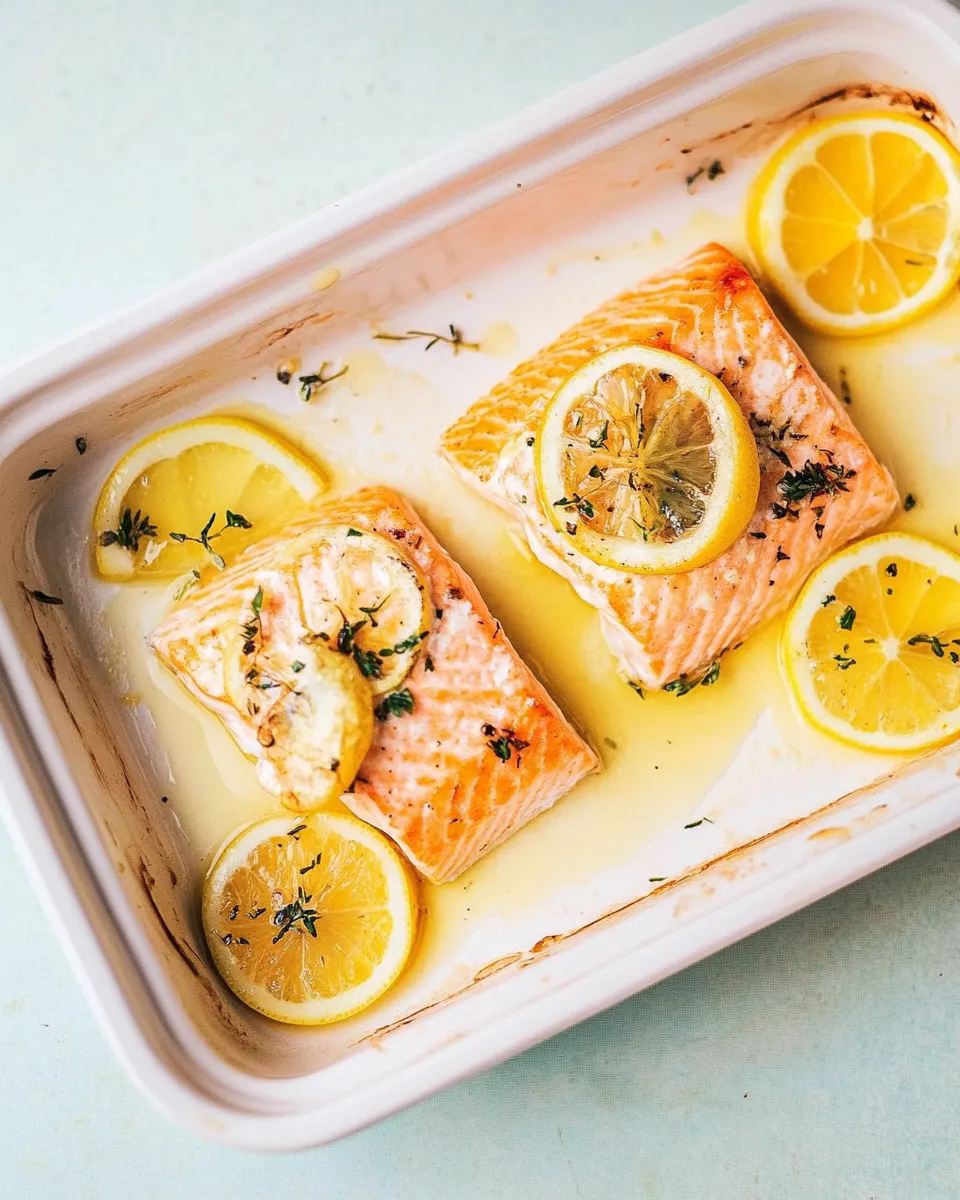
This is a straightforward, reliable way to bake salmon so it stays moist, bright, and fast enough for a weeknight. I lean on lemon, capers, garlic, and parsley for a Mediterranean lift — flavors that play well with salmon’s natural richness without masking it. The parchment packet keeps steam in so the fish stays tender and the aromatics concentrate right where you want them.
There’s nothing fancy to memorize: a quick fold of parchment, a short 15-minute bake at 400°F, and a tidy presentation. The method works for whole fillets or portioned pieces, and the ingredients are pantry-friendly. If you like clean, fresh-tasting fish with minimal fuss and maximum flavor, this is the recipe to keep in rotation.
Below you’ll find the precise ingredients and the step-by-step directions I use every time, followed by practical notes on swaps, equipment, storage, and the small things that make this foolproof. Read the full directions, then get the oven on — it’s fast, healthy, and forgiving.
What Goes In
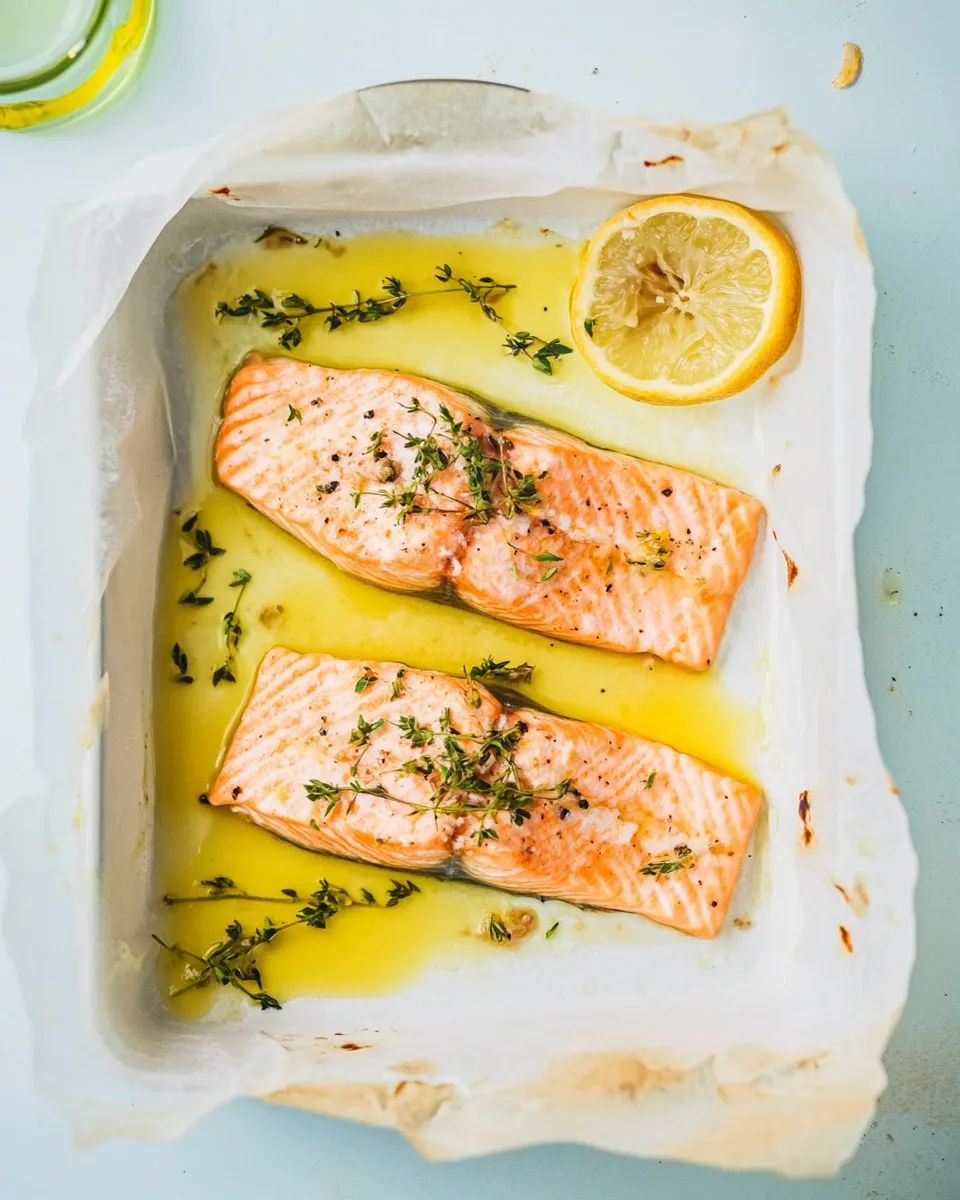
This dish is intentionally simple: salmon, lemon, capers, garlic, parsley, a little olive oil, and salt and pepper. The aromatics and acid (lemon and capers) cut through the fish’s richness, while the parchment packet keeps everything tender and makes cleanup easy. Below are the exact ingredients the recipe uses and a quick note on each.
Ingredients
- 25-ounce salmon fillets — the main protein; enough for several servings. Choose skin-on or skinless based on preference.
- 1 lemon sliced — provides acidity and a fragrant layer beneath the fish; reserve a few slices for the top.
- 2 tablespoons capers — salty, briny pops that brighten the dish.
- 2 garlic cloves sliced — thin slices mellow and infuse the oil without overpowering.
- 1 tablespoon fresh parsley chopped — adds fresh herbal brightness; reserve a little for garnish.
- 3 tablespoons olive oil — coats the fish and carries flavor; use extra-virgin for the best aroma.
- Pinch of salt & pepper — simple seasoning; adjust to taste but keep it light so the lemon and capers can shine.
Directions: Healthy Baked Salmon
- Preheat the oven to 400°F (205°C).
- Fold a sheet of parchment paper in half, then open it so you have two halves.
- Arrange the sliced lemon (from the 1 lemon) in a single layer on one half of the parchment. Reserve a few lemon slices to place on top of the salmon later.
- Sprinkle the 2 tablespoons capers and most of the 1 tablespoon chopped fresh parsley over the lemon slices. Reserve a small amount of the parsley to use as a garnish after baking.
- Place the 25-ounce salmon fillets on top of the lemon, capers, and parsley.
- Season the salmon fillets with a pinch of salt and a pinch of pepper, then top the fillets with the sliced garlic cloves (2 cloves).
- Place the reserved lemon slices and any remaining capers on top of the garlic and salmon. Drizzle the 3 tablespoons olive oil evenly over everything.
- Fold the other half of the parchment paper over the salmon and seal the edges by folding or crimping tightly to form a packet.
- Transfer the parchment packet(s) to a baking tray and bake in the preheated oven for 15 minutes.
- Remove the tray from the oven, carefully open the parchment (watch for hot steam), sprinkle the reserved chopped parsley over the salmon, and serve.
Why You’ll Keep Making It
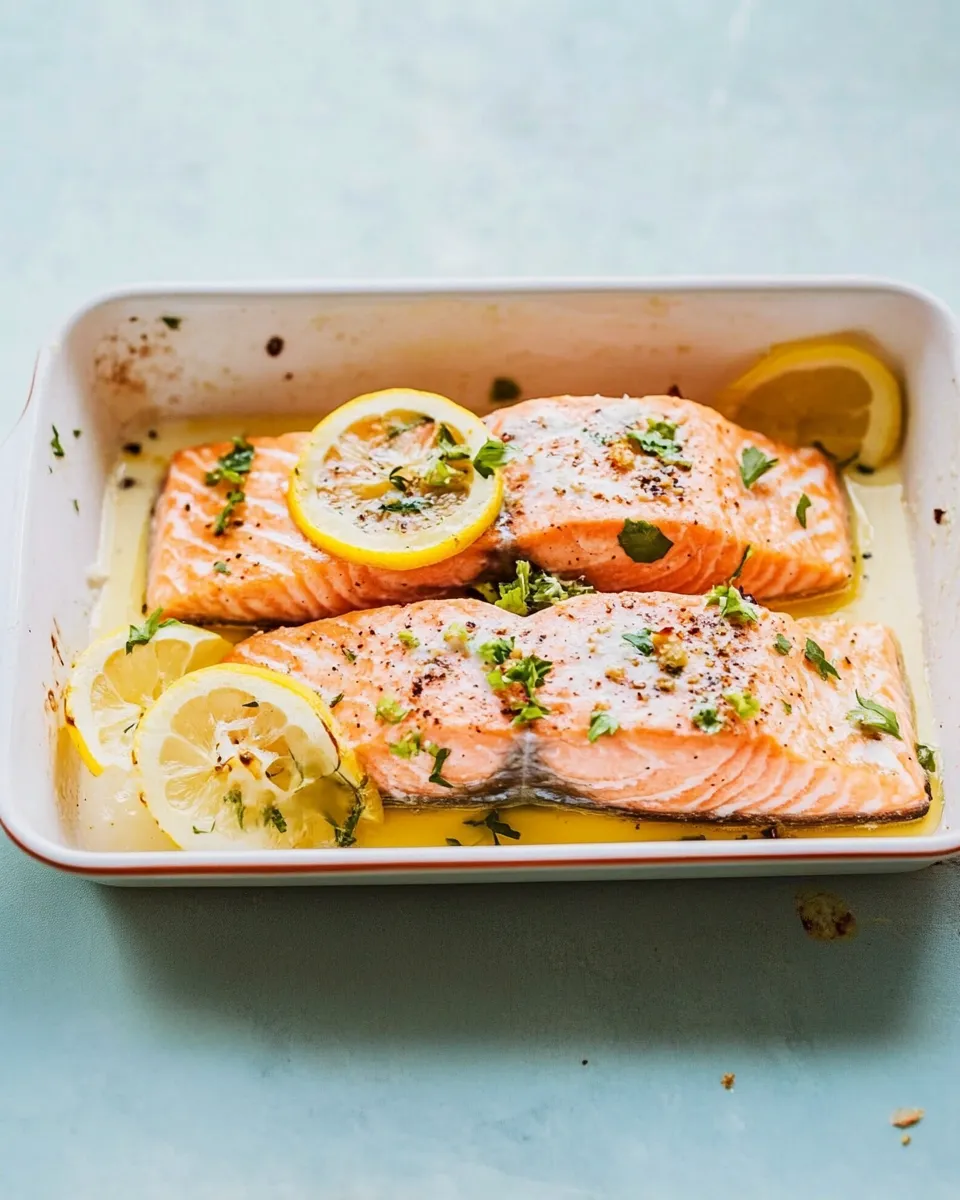
It’s fast. Fifteen minutes in the oven means you can have a healthy, restaurant-quality fish dinner on the table on a weeknight without scrambling. The parchment method traps steam so the salmon rarely dries out, even if your fillets vary in thickness.
The flavors are balanced and forgiving. Lemon and capers give an immediate zip that offsets the salmon’s natural oiliness, while sliced garlic bakes mellow and aromatic. Olive oil carries flavor and keeps the fish glossy without heavy sauces. The herbs at the end add a fresh note that makes the dish feel bright rather than heavy.
Finally, it’s flexible. Use this core technique with different herbs or citrus variants, and the basic approach will still deliver a moist, flavorful fillet every time. Because it’s simple and consistently good, it becomes a go-to for feeding family, entertaining, or meal-prepping.
Smart Substitutions
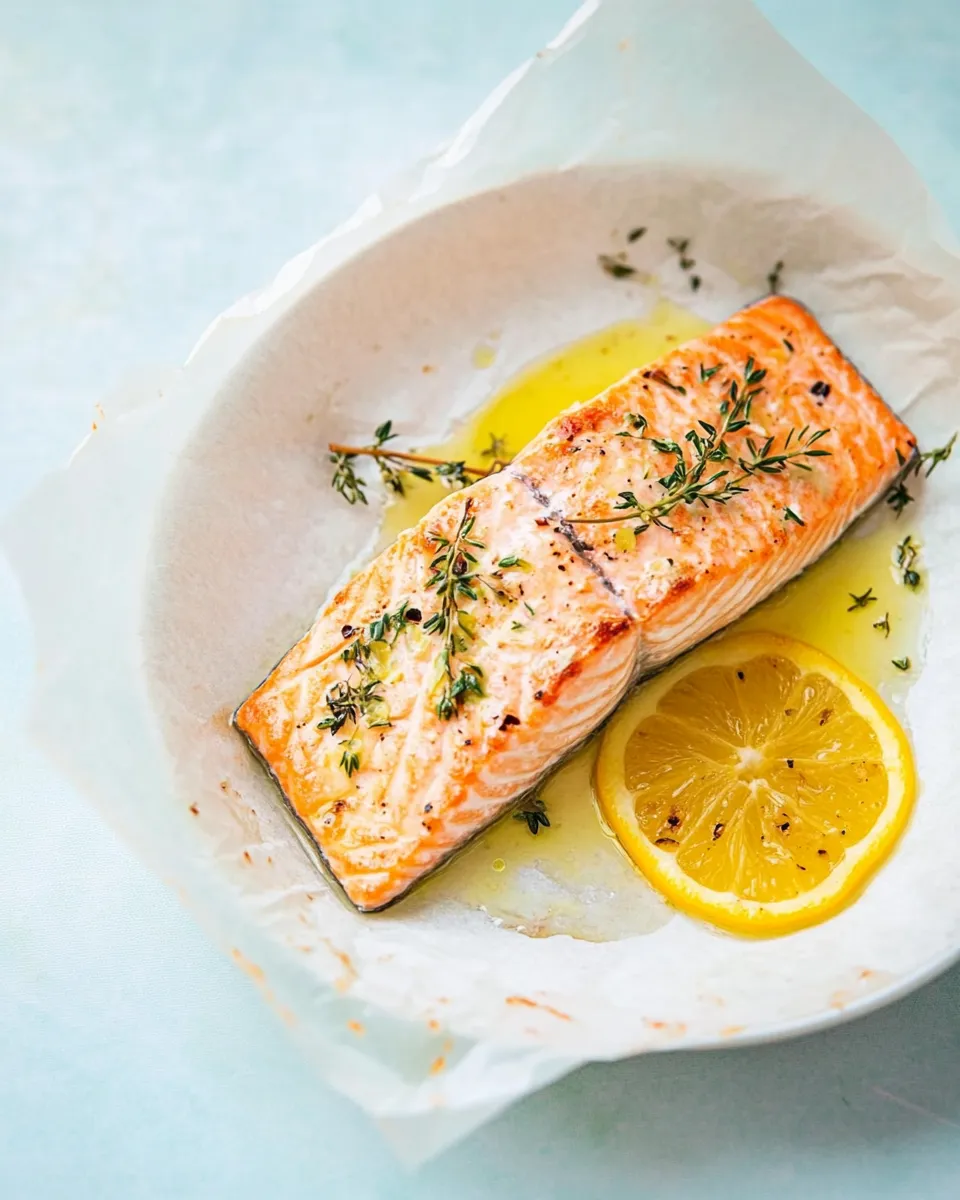
Need to change things up? Here are reliable swaps that keep the spirit of the recipe intact.
Fish & Protein Options
- Use salmon portions or a single large fillet depending on how many you’re serving; adjust cooking time slightly if pieces are very thick.
- If you don’t have salmon, sturdy white fish like cod or halibut work with the same technique — they’ll cook a little faster, so watch the time.
Flavor Swaps
- Swap parsley for chopped dill or basil for a different herb profile.
- If you don’t have capers, a small spoonful of chopped green olives or a pinch of preserved lemon rind can give briny depth.
- Use avocado oil or light olive oil if you prefer a milder taste than extra-virgin olive oil.
Equipment at a Glance
- Baking tray — to hold the parchment packet(s) in the oven.
- Parchment paper — the key to the steam-sealed cooking method; heavy-duty is helpful but not required.
- Sharp knife and cutting board — for slicing lemon, garlic, and chopping parsley.
- Tongs or spatula — to transfer the packet(s) safely to the oven and to open them carefully after baking.
- Instant-read thermometer (optional) — useful if you like precise doneness; salmon is done around 125–130°F for medium-rare, higher if you prefer well-done.
Easy-to-Miss Gotchas
Small mistakes can make a difference with this simple recipe. Here are the things I see most often and how to avoid them.
- Overcrowding the packet: if fillets overlap, they can steam unevenly. Use two packets if needed.
- Not reserving lemon and parsley: the recipe asks you to set aside a few lemon slices and some parsley — those finishing elements matter for presentation and brightness.
- Skipping the crimp: if the parchment isn’t sealed well, steam will escape and the fish won’t steam properly. Fold the edges tightly.
- Opening the packet too soon: let the fish rest briefly after baking before fully opening to avoid losing those concentrated juices as vapor.
- Slicing garlic too thick: thick slices can roast bitter or remain undercooked; thin slices soften and mellow in the steam.
Make It Year-Round
This technique is naturally seasonal-friendly. In warmer months, pair the salmon with a crisp green salad, new potatoes, or a chilled grain salad. In colder months, serve it with roasted root vegetables, a warm lentil salad, or creamy mashed cauliflower for a comforting meal.
To keep bottles and jars from piling up, use preserved citrus or frozen herbs if fresh isn’t available. Frozen salmon can be used straight from thawed, but pat the fillets dry before assembling the packet so the surface isn’t soggy.
Behind the Recipe
I started using this parchment-packet method because it simplifies timing and cleanup. There’s less risk of overbrowning the edges while trying to get the center to set. The lemon bed acts as a buffer between the heat and the fish, while the capers and garlic infuse the oil gently.
The technique borrows from classic “en papillote” cooking — steaming in parchment — but I scale it for a quick, everyday meal. Over time I tuned quantities and kept the bake time short to preserve a tender middle and lively citrus notes.
Leftovers & Meal Prep
Leftover salmon keeps well for 2–3 days in an airtight container in the refrigerator. Save any pan juices with the fish for extra flavor when reheating or mixing into salads.
- Reheating: gently rewarm in a low oven (300°F) for 8–10 minutes, or break into cold salads straight from the fridge for a no-warmth option.
- Meal-prep ideas: flake the cold salmon into grain bowls with roasted vegetables, toss it into pasta with a squeeze of lemon and olive oil, or make sandwiches with whole-grain bread and crisp greens.
Your Top Questions
Below are answers to the questions readers ask most often about this recipe.
- Can I cook thicker or thinner fillets for the same time? Thicker fillets may need a few extra minutes; thinner pieces will cook faster. Keep an eye on thickness and adjust in 2–3 minute increments.
- Do I need to peel the garlic? Yes, peel and slice the garlic thinly so it softens and flavors the oil without burning.
- Is caper quantity flexible? Absolutely. Capers are salty and assertive; reduce to 1 tablespoon if you prefer less briny pop.
- Can I use foil instead of parchment? You can, but foil will brown differently and won’t create the same gentle steaming environment — the result is fine but slightly less delicate.
- How do I know when it’s done? The fish should flake easily with a fork and be opaque through most of the fillet. Use an instant-read thermometer if you want precision: 125–130°F for medium, higher for well done.
The Takeaway
This Healthy Baked Salmon is a minimal-effort, high-return dish: bright, tender, and versatile. The parchment packet method preserves moisture and concentrates flavor, while lemon, capers, garlic, and parsley keep the profile bright and fresh. It’s fast enough for busy evenings, elegant enough for company, and flexible for whatever you have in the pantry. Try it once with the exact ingredients and steps above, then start tweaking herbs and sides to make it yours.
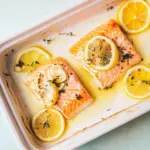
Healthy Baked Salmon
Ingredients
Ingredients
- 25- ouncesalmon fillets
- 1 lemonsliced
- 2 tablespoonscapers
- 2 garlic clovessliced
- 1 tablespoonfresh parsleychopped
- 3 tablespoonsolive oil
- Pinch ofsalt & pepper
Instructions
Instructions
- Preheat the oven to 400°F (205°C).
- Fold a sheet of parchment paper in half, then open it so you have two halves.
- Arrange the sliced lemon (from the 1 lemon) in a single layer on one half of the parchment. Reserve a few lemon slices to place on top of the salmon later.
- Sprinkle the 2 tablespoons capers and most of the 1 tablespoon chopped fresh parsley over the lemon slices. Reserve a small amount of the parsley to use as a garnish after baking.
- Place the 25-ounce salmon fillets on top of the lemon, capers, and parsley.
- Season the salmon fillets with a pinch of salt and a pinch of pepper, then top the fillets with the sliced garlic cloves (2 cloves).
- Place the reserved lemon slices and any remaining capers on top of the garlic and salmon. Drizzle the 3 tablespoons olive oil evenly over everything.
- Fold the other half of the parchment paper over the salmon and seal the edges by folding or crimping tightly to form a packet.
- Transfer the parchment packet(s) to a baking tray and bake in the preheated oven for 15 minutes.
- Remove the tray from the oven, carefully open the parchment (watch for hot steam), sprinkle the reserved chopped parsley over the salmon, and serve.
Equipment
- Oven
- Parchment Paper
- Baking tray



I carry on listening to the news update lecture about receiving boundless online grant applications so I have been looking around for the best site to get one. Could you tell me please, where could i acquire some?