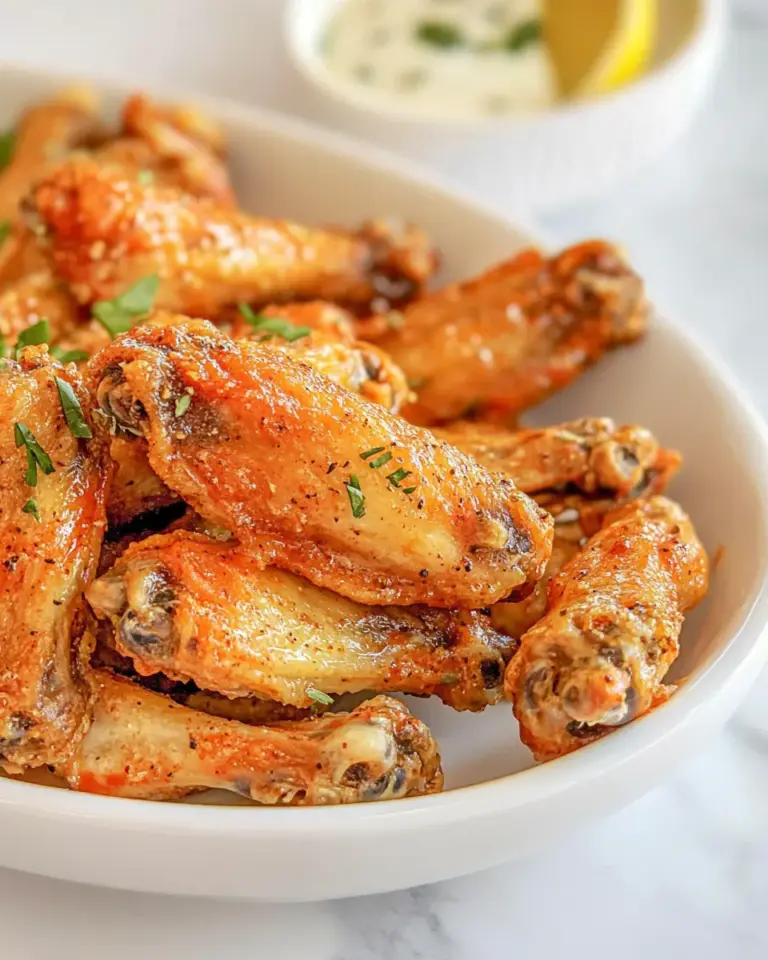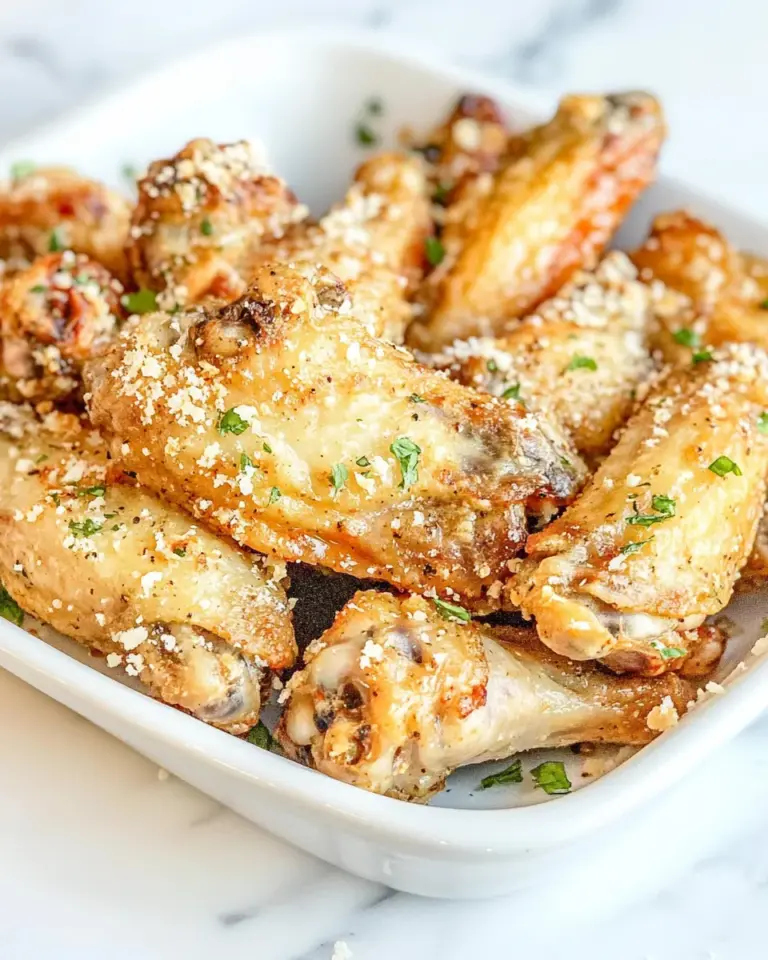
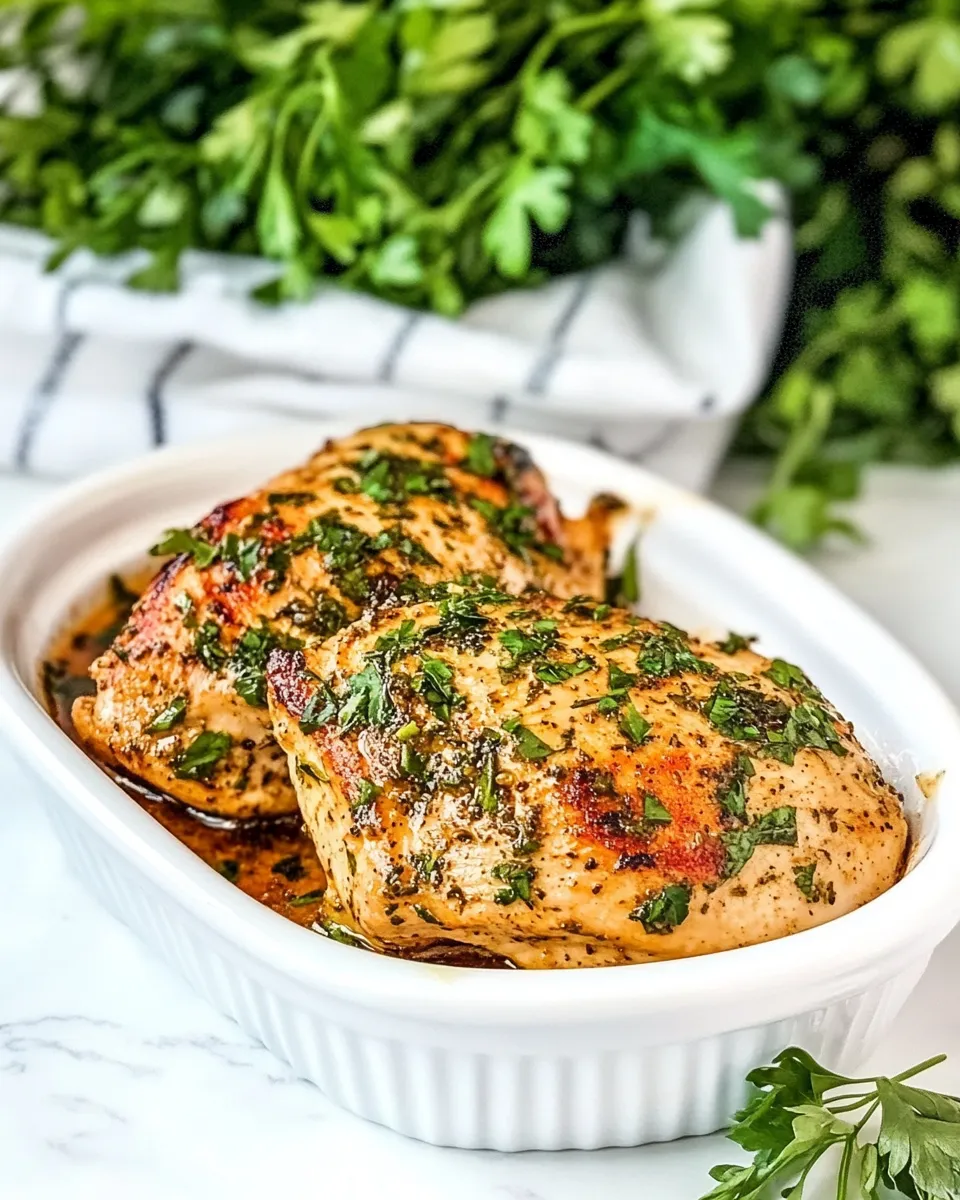
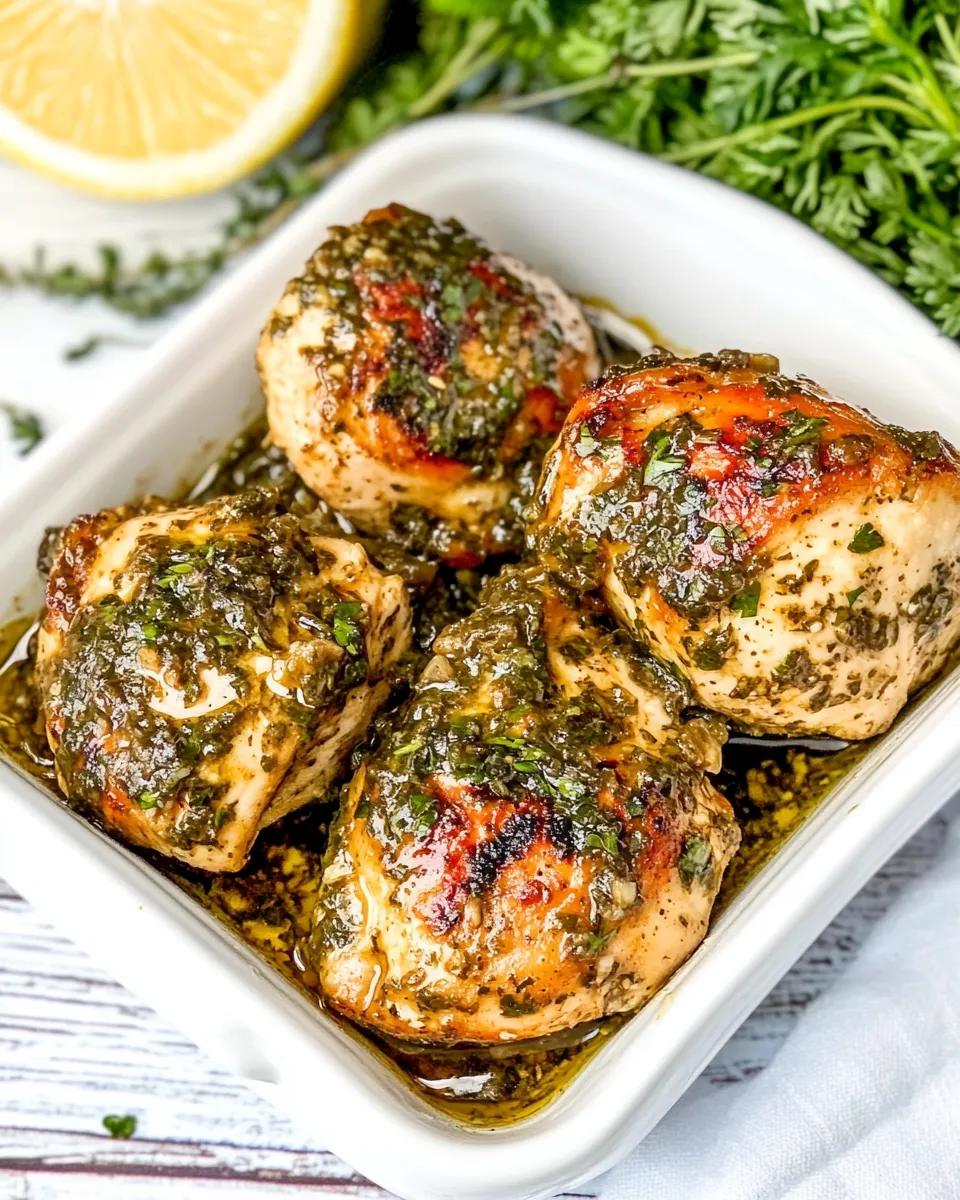
I fell in love with this marinade the first time I tossed the ingredients together and let the chicken sit for an afternoon. It balances bright lemon, savory Dijon, floral oregano, and a hint of honeyed sweetness so the meat comes out juicy and confident every time. No complicated steps. Just good ingredients, a little patience, and a hot grill.
This is my go-to when I want a weeknight dinner that feels like a treat. It marinates quickly, plays well with simple sides, and scales easily if you’re cooking for a few or a crowd. The flavors are Greek-leaning but grounded by Dijon for an approachable, slightly tangy finish.
Read through before you start so you know when to pound, when to refrigerate, and when to light the grill. I’ll walk you through the exact ingredients and the small techniques that keep the chicken moist and evenly cooked.
Gather These Ingredients
Ingredients
- 4 boneless skinless chicken breast halves — Pound to an even thickness so the breasts cook through evenly without drying out.
- ½ cup olive oil — Acts as the fat in the marinade; helps carry flavor and keeps the chicken moist while grilling.
- ½ cup lemon juice — Adds acidity to tenderize and brightens the overall flavor.
- ¼ cup Dijon mustard — Gives tang and body to the marinade; emulsifies with the oil.
- ¼ cup honey — Balances the acidity and creates a touch of caramelization on the grill.
- 3 Tbsp dried minced onion — Provides savory onion flavor without the extra chopping.
- 2 Tbsp oregano — The Greek herb note; dried oregano holds up well in marinades.
- 2 tsp paprika — Adds mild warmth and color to the rub.
- 6 garlic cloves, minced — Fresh garlic powers the marinade; mince finely so it distributes flavor.
- ¼ tsp cayenne pepper — A faint heat note; adjust if you prefer more or less kick.
- salt & pepper, to taste — Essential for seasoning; add enough so the flavor comes through after cooking.
From Start to Finish: Honey Dijon Greek Chicken Marinade
- Pound the 4 boneless skinless chicken breasts to an even thickness and place them in a gallon freezer bag or a shallow pan.
- In a medium bowl, whisk together ½ cup olive oil, ½ cup lemon juice, ¼ cup Dijon mustard, ¼ cup honey, 3 Tbsp dried minced onion, 2 Tbsp oregano, 2 tsp paprika, 6 garlic cloves (minced), ¼ tsp cayenne pepper, and salt & black pepper to taste until well combined.
- Pour the marinade over the chicken in the bag or pan, seal or cover, and turn to coat the chicken evenly. Refrigerate for at least 2 hours or up to overnight.
- When ready to cook, preheat your grill to medium-high. Remove the chicken from the marinade and discard the used marinade.
- Grill the chicken until an instant-read thermometer inserted into the thickest part reads 165°F, flipping once as needed for even cooking.
- Transfer the chicken to a plate and let rest 5 minutes before serving.
Why It’s Crowd-Pleasing
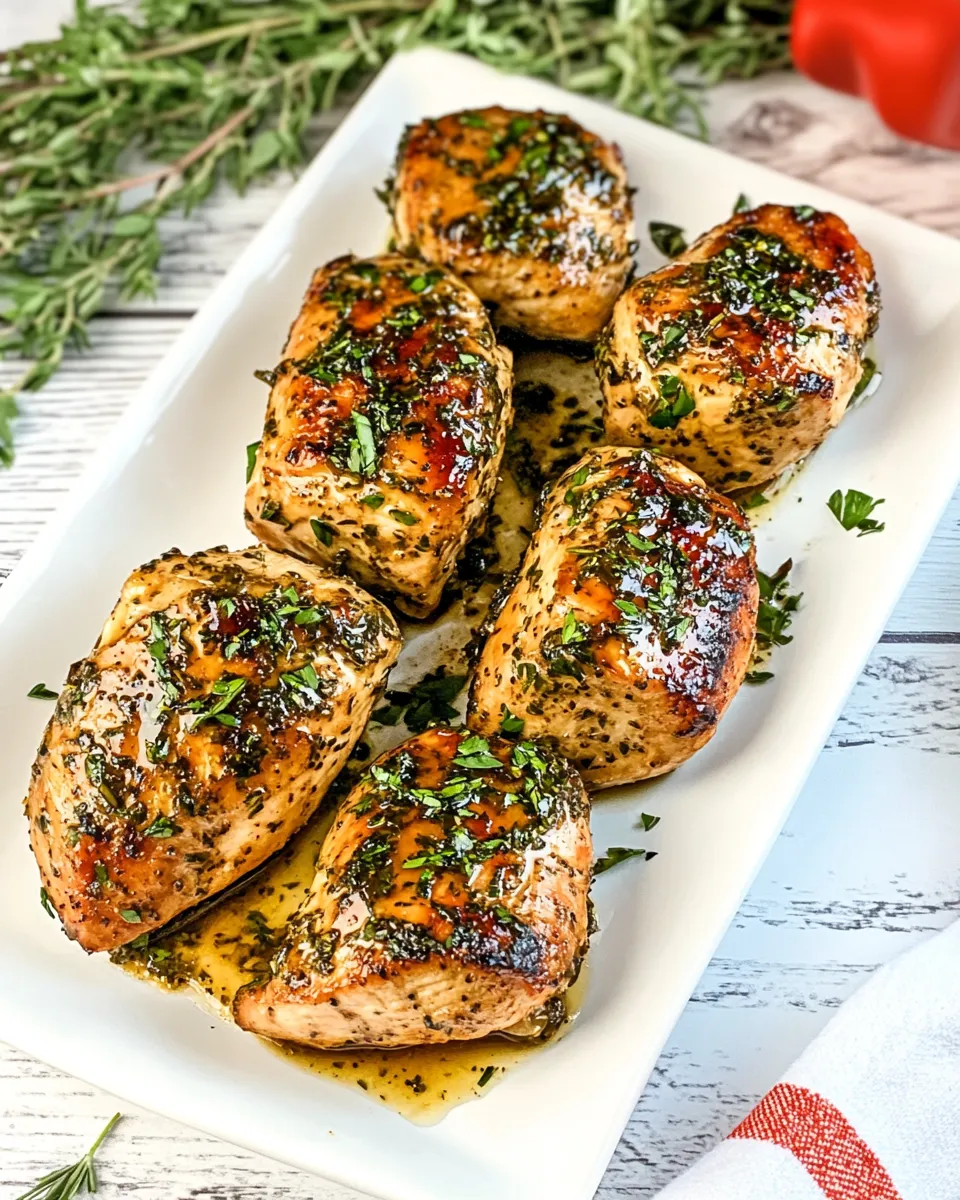
This marinade hits three things most people respond to: bright acidity, clear savory notes, and a whisper of sweetness. The lemon juice and Dijon pull everything toward a fresh, lively profile that doesn’t rely on heavy cream or butter to feel satisfying. Oregano gives a familiar Mediterranean identity without being overpowering. Honey softens the edges so even kids and picky eaters tend to enjoy it.
It’s also forgiving. Pounding the breasts evens them out so you don’t get rubbery edges next to an undercooked center. And because the recipe calls for simple pantry staples, it’s easy to throw together at the last minute or prep in bulk for a barbecue.
Dairy-Free/Gluten-Free Swaps
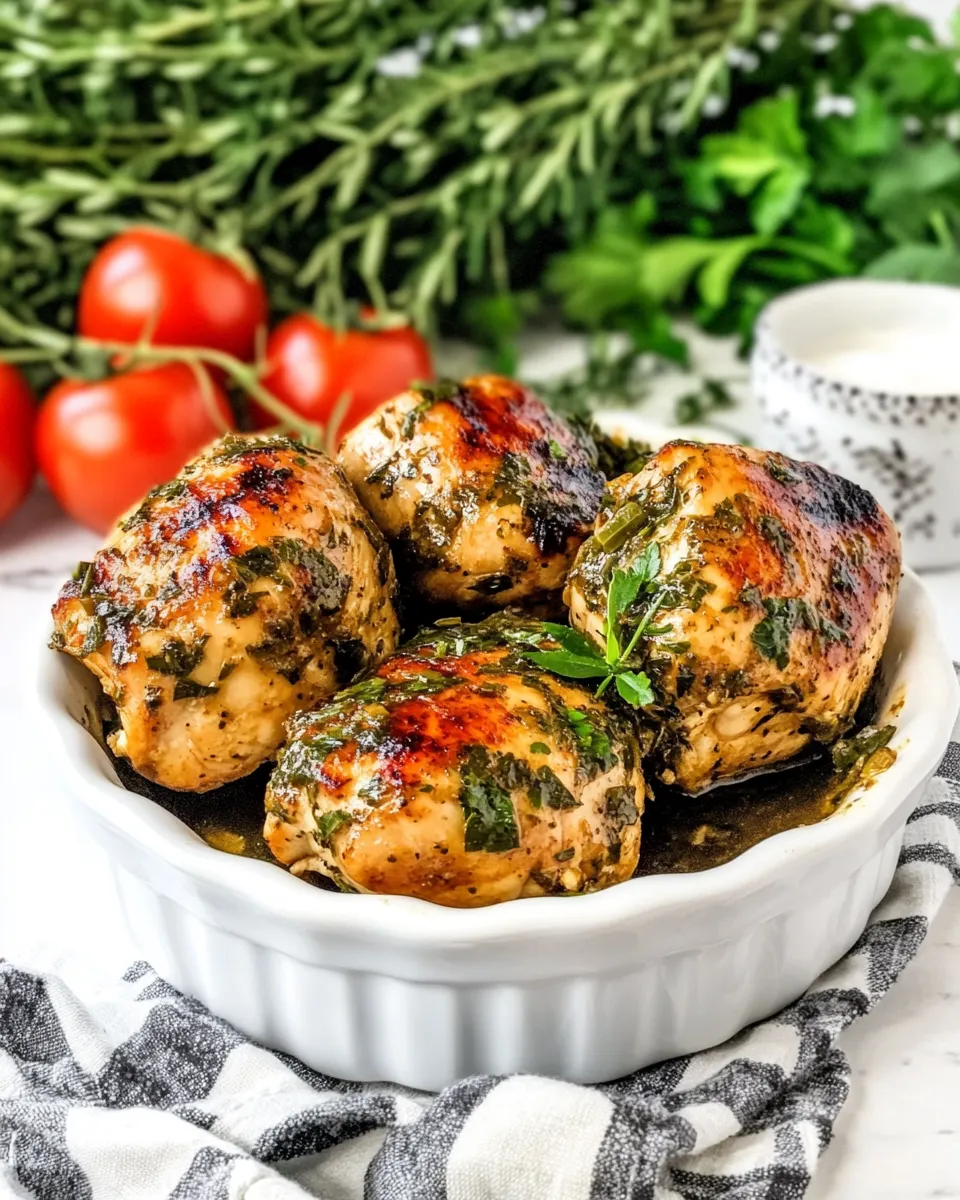
- Gluten-free: Most Dijon mustards are gluten-free, but always check the label. If you need to be certain, look for a brand explicitly labeled gluten-free.
- Dairy-free: The recipe is dairy-free as written. No swaps needed.
- Lower salt: Use reduced-sodium salt or add less salt to the marinade and adjust after cooking to your taste.
Hardware & Gadgets
- Gallon freezer bag or shallow pan — For marinating the chicken and tossing it evenly.
- Meat mallet or rolling pin — To pound breasts to an even thickness.
- Medium mixing bowl and whisk — To emulsify the olive oil, mustard, and lemon into a cohesive marinade.
- Grill (gas or charcoal) — Recipe calls for grilling over medium-high for best texture; a hot surface gives good color.
- Instant-read thermometer — Non-negotiable when cooking chicken. Aim for 165°F in the thickest part.
- Tongs — For safe flipping on the grill.
Common Errors (and Fixes)
- Over-marinating: Acidic marinades can begin to make the meat mushy if left too long. The recipe recommends at least 2 hours and up to overnight; stick to that window.
- Uneven thickness: If you skip pounding, the thin end will dry while the thick end finishes. Pound to an even thickness before marinating.
- Grilling directly from a cold fridge: Let the chicken sit briefly at room temperature (15–20 minutes) before grilling so it cooks more evenly. Don’t leave it out longer than 30 minutes for food safety.
- Discarding the thermometer: Rely on the thermometer rather than timing alone. Chicken thickness varies; temperature is the reliable check.
- Using used marinade: Don’t baste with leftover marinade unless you bring it to a full boil for several minutes. The directions say to discard used marinade — follow that to avoid cross-contamination.
Seasonal Spins
Spring & summer: Grill over charcoal for a smoky lift and serve with a crisp Greek salad and lemony couscous. The lighter seasons welcome that bright lemon-Dijon punch.
Fall & winter: Move the cooking indoors to a heavy skillet or a hot broiler if you prefer. Pair the finished chicken with roasted root vegetables or a warm grain bowl to make it heartier. Keep the marinade the same — it still cuts through richer sides.
Behind-the-Scenes Notes
I test marinades by making multiple batches with one variable changed at a time. For this one I adjusted the honey in small increments until it balanced the lemon and Dijon without making the chicken taste sweet. The dried minced onion is my shortcut; it offers the savory depth of fresh onion without watering down the marinade. If you like a more pronounced garlic presence, increase the garlic by one clove and mince it very fine.
When marinating in a shallow pan, I prefer glass or stainless steel. Plastic can sometimes retain strong odors, especially if the chicken sits overnight. If you use a bag, press out the air and lay it flat so the chicken sits in an even layer and the marinade coats uniformly.
Make-Ahead & Storage
Marinating
Marinate for at least 2 hours. Overnight is fine and often better for flavor, but avoid going beyond 24 hours for texture reasons. Keep the marinating container covered and refrigerated.
Cooked chicken
Store cooked chicken in an airtight container in the refrigerator for up to 3–4 days. Reheat gently in a low oven or slice cold for salads and sandwiches. For best texture when reheating, add a splash of water or broth and cover to keep it from drying out.
Handy Q&A
Q: Can I use bone-in chicken instead of breasts?
A: Yes, but adjust cooking time. Bone-in pieces will take longer to reach 165°F. If you use thighs or drumsticks, monitor temperature at the thickest point near the bone.
Q: Can I make the marinade in advance?
A: Yes. Make the marinade up to a day ahead and store it in the fridge. If you plan to use it for marinating, pour fresh over the chicken; do not use marinade that has been in contact with raw poultry unless boiled first.
Q: Is there a stovetop option?
A: You can cook the breasts in a hot skillet on the stove, but watch doneness closely and use the thermometer. Searing both sides and finishing in a moderate oven helps cook through without burning the exterior.
Q: How spicy is it?
A: The recipe has a mild heat from ¼ tsp cayenne. Increase or omit to match your preference.
Serve & Enjoy
Let the chicken rest five minutes after grilling. That short rest keeps the juices inside when you cut. Slice it against the grain for the best texture and serve alongside vibrant, simple sides: a cucumber-tomato salad, lemon-herb rice, or roasted vegetables. Leftover slices are delicious on wraps, over greens, or folded into grain bowls.
Make a double batch of the marinade and cook for a crowd. The flavors are familiar enough to satisfy picky eaters and layered enough to impress guests. Enjoy — and don’t forget to taste and adjust the salt at the end so the flavors sing.
Honey Dijon Greek Chicken Marinade
Ingredients
Ingredients
- 4 boneless skinless chicken breast halves
- 1/2 cupolive oil
- 1/2 cuplemon juice
- 1/4 cupdijon mustard
- 1/4 cuphoney
- 3 Tbspdried minced onion
- 2 Tbsporegano
- 2 tsppaprika
- 6 garlic cloves minced
- 1/4 tspcayenne pepper
- salt & pepper ,to taste
Instructions
Instructions
- Pound the 4 boneless skinless chicken breasts to an even thickness and place them in a gallon freezer bag or a shallow pan.
- In a medium bowl, whisk together ½ cup olive oil, ½ cup lemon juice, ¼ cup Dijon mustard, ¼ cup honey, 3 Tbsp dried minced onion, 2 Tbsp oregano, 2 tsp paprika, 6 garlic cloves (minced), ¼ tsp cayenne pepper, and salt & black pepper to taste until well combined.
- Pour the marinade over the chicken in the bag or pan, seal or cover, and turn to coat the chicken evenly. Refrigerate for at least 2 hours or up to overnight.
- When ready to cook, preheat your grill to medium-high. Remove the chicken from the marinade and discard the used marinade.
- Grill the chicken until an instant-read thermometer inserted into the thickest part reads 165°F, flipping once as needed for even cooking.
- Transfer the chicken to a plate and let rest 5 minutes before serving.
Equipment
- Mixing bowls
- Charcoal Chimney Starter
- Grilling tongs
- Cast Iron Grill Pan
Notes
Can use boneless or bone-in chicken. Adjust the cooking time to ensure an internal temperature of 165ºF.
Use an instant-read meat thermometer to check the temperature.
We like to let the chicken marinate overnight to achieve maximum flavor. If you don’t have that much time, let the chicken marinate as long as possible.
No grill? No problem! You can cook the chicken inside. Pan-sear the chicken breasts in a skillet or grill pan on the stovetop for 3 to 4 minutes per side over medium-high heat. Place the chicken on a rimmed baking sheet or baking dish. Bake at 400ºF in the oven for 10 minutes, or until it reaches an internal temperature of 165ºF.
Store leftovers in an airtight container in the fridge.