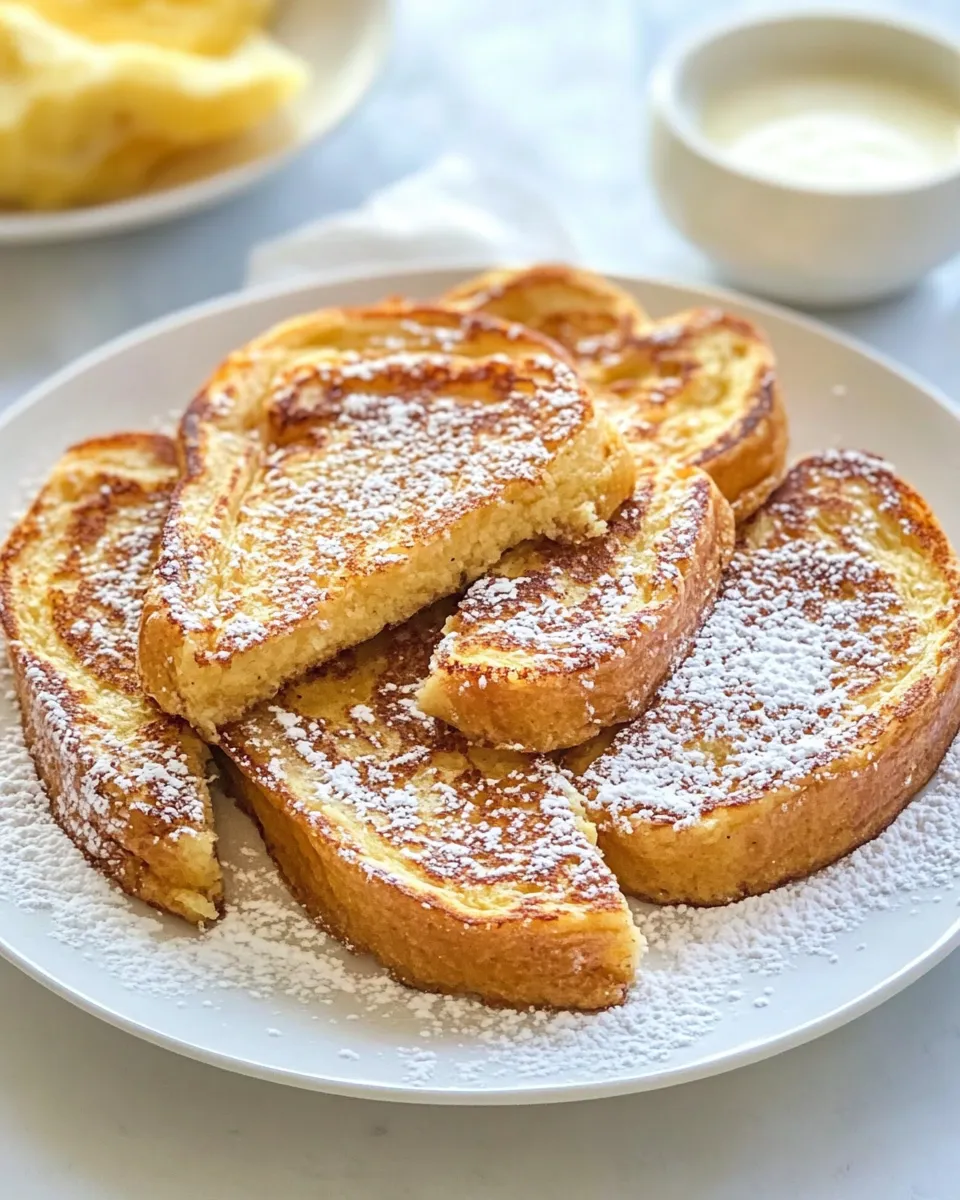
There’s a simple magic in perfectly cooked French toast: a soft, custardy interior and a golden, slightly crisp exterior that holds syrup without falling apart. IHOP nails that balance, and with a few straightforward techniques you can replicate it at home. This version leans on thick Texas Toast, a streamlined custard, and a hot, buttered griddle to recreate that familiar diner texture.
I tested this method over several mornings so I could give you practical notes that actually change the result. The recipe below uses a short ingredient list and eight slices of very thick bread. The steps are focused on timing and temperature—two things most recipes gloss over.
Read this through once, then try it. The process is forgiving if you follow the soaking time, the straining step, and the skillet temperature. I’ll also add troubleshooting tips, gear recommendations, ways to make it yours, and storage advice so you can plan ahead.
What We’re Using
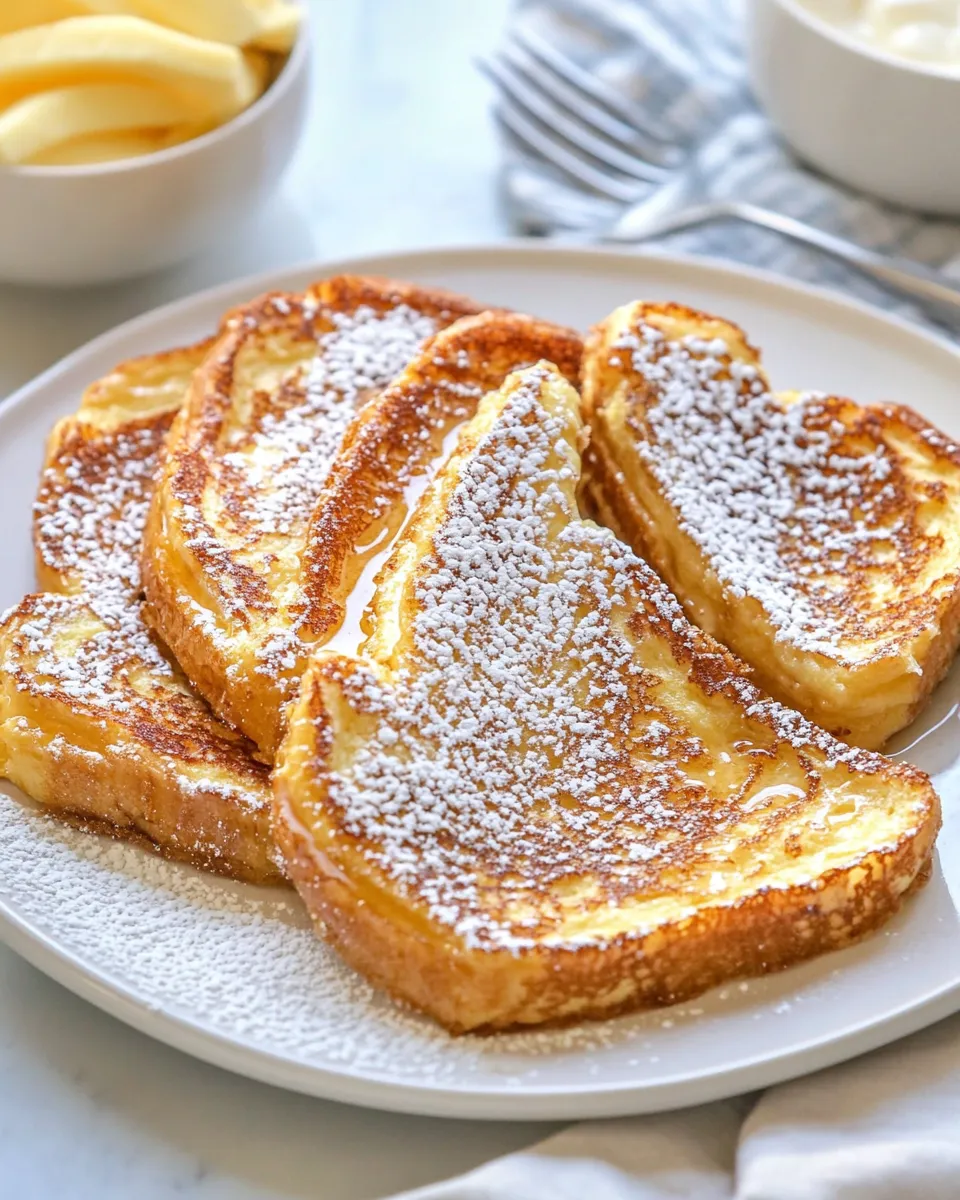
We’re keeping to the essentials: eggs, milk, a small amount of flour to help with body, and butter for cooking. The recipe relies on very thick-sliced bread—Texas Toast—to achieve that diner-style interior. Below are the exact ingredients and a short note on why each one matters.
Ingredients
- 3 eggs — The base of the custard. Eggs set the interior while adding flavor and structure.
- ¾ cup milk — Dilutes the eggs for a tender custard; whole milk gives more richness, but use what you have.
- ¼ cup all-purpose flour — Adds body so the custard clings to thick bread and helps create a light crust.
- 1 tablespoon granulated sugar — Balances flavors and aids in browning without making the custard sweet.
- 1 teaspoon vanilla extract — For warm aromatic notes that complement syrup and powdered sugar.
- ¼ teaspoon salt — Enhances flavor and prevents the custard from tasting flat.
- 8 slices Texas Toast or other very thick sliced bread — The star for texture: thick slices let the center stay custardy while the outside crisps.
- 2 tablespoons melted butter for skillet — For frying and browning; butter gives the best flavor and helps achieve that golden surface.
- 2 tablespoons powdered sugar for dusting — A finishing touch that adds a delicate sweetness and visual appeal.
- maple syrup — To serve. Classic pairing; adjust amount to taste.
Step-by-Step: IHOP French Toast
- In a medium bowl, beat together 3 eggs and 3/4 cup milk until combined.
- Add 1/4 cup all-purpose flour, 1 tablespoon granulated sugar, 1 teaspoon vanilla extract, and 1/4 teaspoon salt; beat until smooth and well combined.
- Strain the custard mixture through a wire mesh strainer into a second bowl to remove any lumps; discard solids left in the strainer.
- Preheat a skillet or griddle to about 350°F. Brush the cooking surface with 2 tablespoons melted butter.
- Working one slice at a time, place a slice of the 8 slices Texas Toast into the custard and soak briefly, about 10–20 seconds per side, flipping once so both sides are evenly coated but the bread does not fall apart.
- Transfer the coated bread to the hot skillet and cook 1–2 minutes per side, until golden brown. Repeat with the remaining slices.
- If desired, cut the French toast diagonally and arrange on plates.
- Sprinkle 2 tablespoons powdered sugar over the French toast and serve with maple syrup.
The Upside of IHOP French Toast
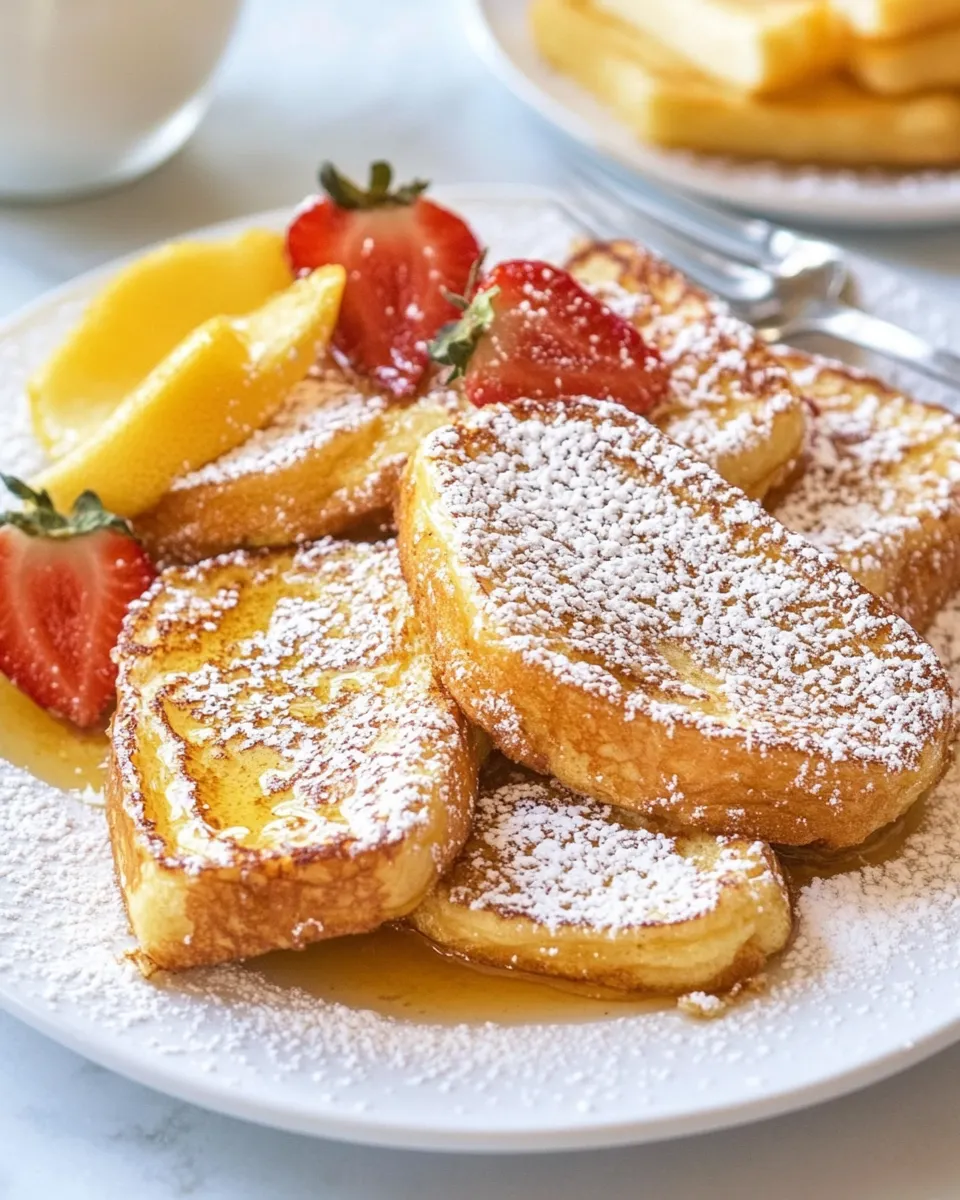
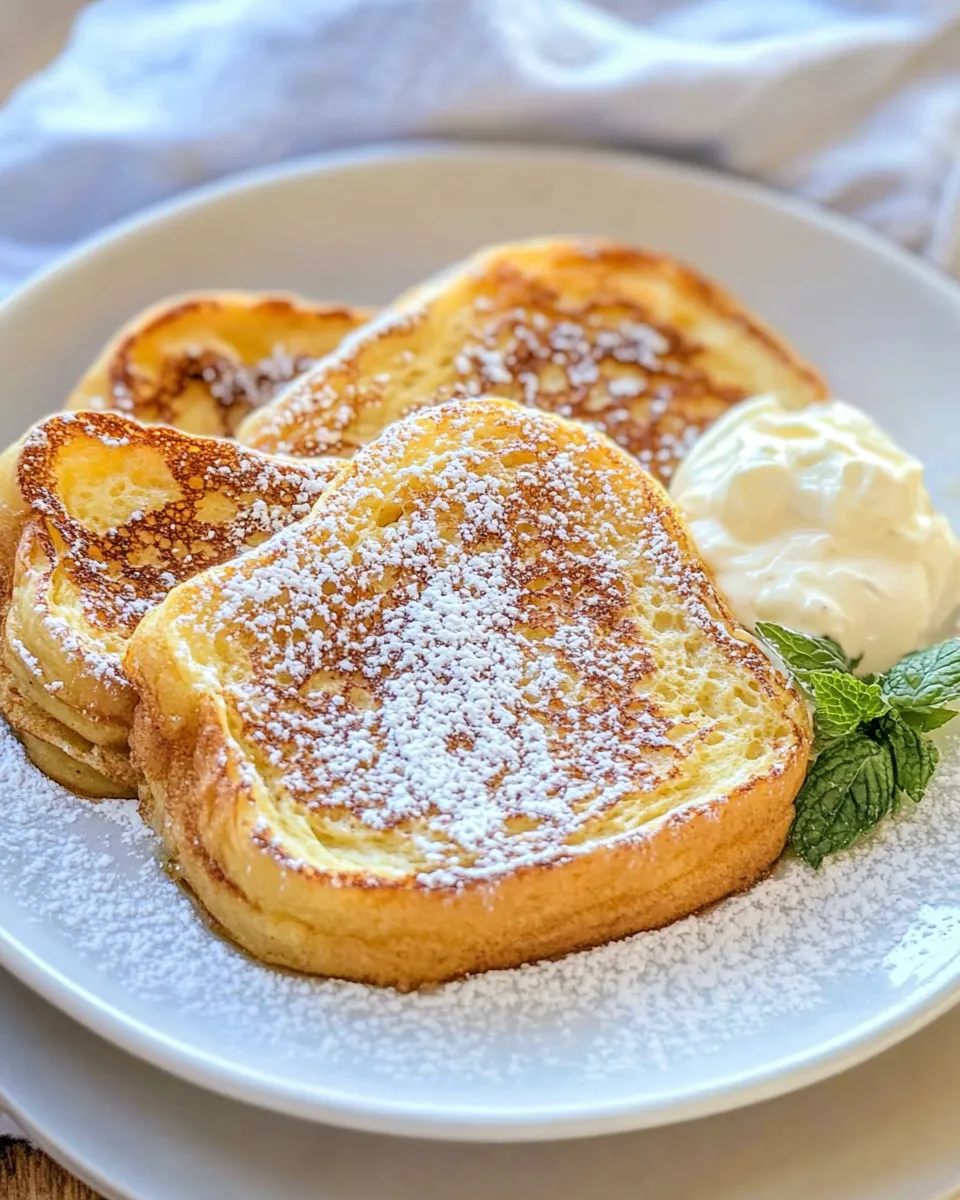
This method gives you the diner-style result without complicated steps or odd ingredients. The flour in the custard is a small but impactful addition: it helps the wet mixture cling to the bread and promotes a slightly crisp exterior once it hits the hot skillet. Using thick slices—like Texas Toast—means you get large, satisfying bites that stay soft in the middle.
It’s fast. The custard comes together in one bowl, and the straining step ensures you don’t get lumps or flour pockets. Once the griddle is preheated and buttered, each slice cooks in about two minutes total, so you can have a full plate ready in under fifteen minutes for two to three people.
International Equivalents
Many cuisines have a version of soaked, fried bread. In France, pain perdu uses stale bread with a richer custard; in Spain, torrijas soak in milk or syrup before frying; and in Latin cuisines, a similar approach appears with slight differences in seasoning or accompanying syrups. The principles are the same: a custard base, an absorbent bread, then a quick pan or griddle fry to set the exterior.
If you’re cooking outside the U.S., look for very thick local bread equivalents to Texas Toast: a sturdy farmhouse loaf, a thick-cut brioche, or a dense country loaf will perform similarly, provided the slices are thick enough to hold moisture without falling apart.
Gear Checklist
- Medium mixing bowl — To beat the eggs and combine the custard.
- Wire mesh strainer — Important for removing lumps and ensuring a smooth custard that coats evenly.
- Skillet or griddle (nonstick or cast iron) — Preheat to about 350°F; cast iron gives excellent, even browning.
- Pastry brush or spoon — To brush melted butter on the cooking surface.
- Tongs or spatula — For flipping the slices safely and easily.
- Measuring cups and spoons — Accuracy matters for the custard ratios.
Things That Go Wrong
Soggy, falling-apart slices
Cause: Over-soaking. Thick bread is forgiving, but if you leave a slice in the custard too long it becomes fragile. Fix: Soak 10–20 seconds per side and handle gently when transferring to the skillet.
Burned exterior but undercooked interior
Cause: Pan too hot. Fix: If slices brown almost immediately, lower the heat a bit—aim for about 350°F. A slightly cooler surface lets the interior set without burning the outside.
Rubbery texture
Cause: Overworking the eggs or using too little milk. Fix: Beat eggs and milk just until combined; include the 1/4 cup flour to help texture, and don’t overcook the slices.
Custard with lumps
Cause: Flour not fully incorporated. Fix: Whisk until smooth and then strain through a wire mesh strainer as directed. Straining is worth the extra two minutes.
Make It Your Way
This recipe is intentionally straightforward so you can control the outcome. Keep the custard ratios the same for consistent results. From there, small choices make a difference:
- Bread selection: Stick to very thick slices. Texas Toast is ideal, but any bread at least 1-inch thick will hold up.
- Cooking fat: Butter gives the best flavor; if you use something else, keep an eye on frying temperature and flavor differences.
- Serving style: Cut slices diagonally for classic presentation. Dusting powdered sugar and serving maple syrup on the side keeps the texture contrast clear—sweet, soft interior and a golden exterior.
What I Learned Testing
Small adjustments made the biggest difference. Brushing the surface with melted butter right before cooking gives more consistent browning than adding butter directly to the pan and letting it burn between batches. Preheating the skillet to a steady 350°F—not scorching hot—lets the custard set gradually and keeps the center tender.
Straining the custard felt unnecessary at first, but it eliminated small floury lumps that would otherwise create dry pockets in the toast. So after the first test batch, I always strain. Also, handling the soaked slices one at a time was slower but prevented tears and uneven coating.
Finally, powdered sugar sprinkled at the end adds just enough contrast without weighing the slices down. It’s a finishing touch that looks polished and tastes light alongside maple syrup.
Make-Ahead & Storage
Cooked French toast keeps well for reheating. Store cooled slices in an airtight container in the refrigerator for up to 3 days. Reheat in a 350°F oven or in a single layer on a medium skillet just until warmed through to preserve crispness. Microwaving will warm quickly but soften the exterior.
If you want to prepare ahead for a crowd, you can make the custard and keep it covered in the fridge for a short period, but because it contains raw eggs, keep it chilled and use within a few hours. A safer option is to assemble and soak slices just before cooking so texture stays ideal.
Frequently Asked Questions
Can I use stale bread? Yes. Slightly stale thick bread absorbs the custard well. The recipe calls for Texas Toast or very thick slices—staleness helps without being required.
Do I have to strain the custard? It’s strongly recommended. Straining removes lumps that can cause uneven texture. It’s a quick step that improves the final result.
How do I keep slices from falling apart? Don’t over-soak and handle each slice gently when moving it to the skillet. Soak each slice about 10–20 seconds per side.
What temperature should the pan be? About 350°F. If you don’t have a thermometer, heat the skillet until a drop of water sizzles and evaporates steadily (not violently), then reduce slightly.
Can I double the recipe? Yes. Work in batches and keep cooked slices warm in a low oven while you finish the rest.
In Closing
This IHOP-style French toast balances a tender interior with a reliable golden crust through a modest custard and careful technique. Use thick bread, don’t skip the straining, and keep your skillet at an even medium-high heat. Simple steps like those turn a good breakfast into a memorable one.
Make it for a slow weekend morning or a quick special brunch. Keep the powdered sugar and syrup nearby, and enjoy the kind of French toast that holds its shape, soaks up syrup, and stays soft in the middle—just like the diners do.

IHOP French Toast Recipe: The Secret to Their Perfect Golden Crisp
Ingredients
Ingredients
- 3 eggs
- 3/4 cupmilk
- 1/4 cupall-purpose flour
- 1 tablespoongranulated sugar
- 1 teaspoonvanilla extract
- 1/4 teaspoonsalt
- 8 slicesTexas Toast or other very thick sliced bread
- 2 tablespoonsmelted butter for skillet
- 2 tablespoonspowdered sugarfor dusting
- maple syrupto serve
Instructions
Instructions
- In a medium bowl, beat together 3 eggs and 3/4 cup milk until combined.
- Add 1/4 cup all-purpose flour, 1 tablespoon granulated sugar, 1 teaspoon vanilla extract, and 1/4 teaspoon salt; beat until smooth and well combined.
- Strain the custard mixture through a wire mesh strainer into a second bowl to remove any lumps; discard solids left in the strainer.
- Preheat a skillet or griddle to about 350°F. Brush the cooking surface with 2 tablespoons melted butter.
- Working one slice at a time, place a slice of the 8 slices Texas Toast into the custard and soak briefly, about 10–20 seconds per side, flipping once so both sides are evenly coated but the bread does not fall apart.
- Transfer the coated bread to the hot skillet and cook 1–2 minutes per side, until golden brown. Repeat with the remaining slices.
- If desired, cut the French toast diagonally and arrange on plates.
- Sprinkle 2 tablespoons powdered sugar over the French toast and serve with maple syrup.
Equipment
- Medium Bowl
- Whisk
- wire mesh strainer
- Skillet or Griddle
- Spatula