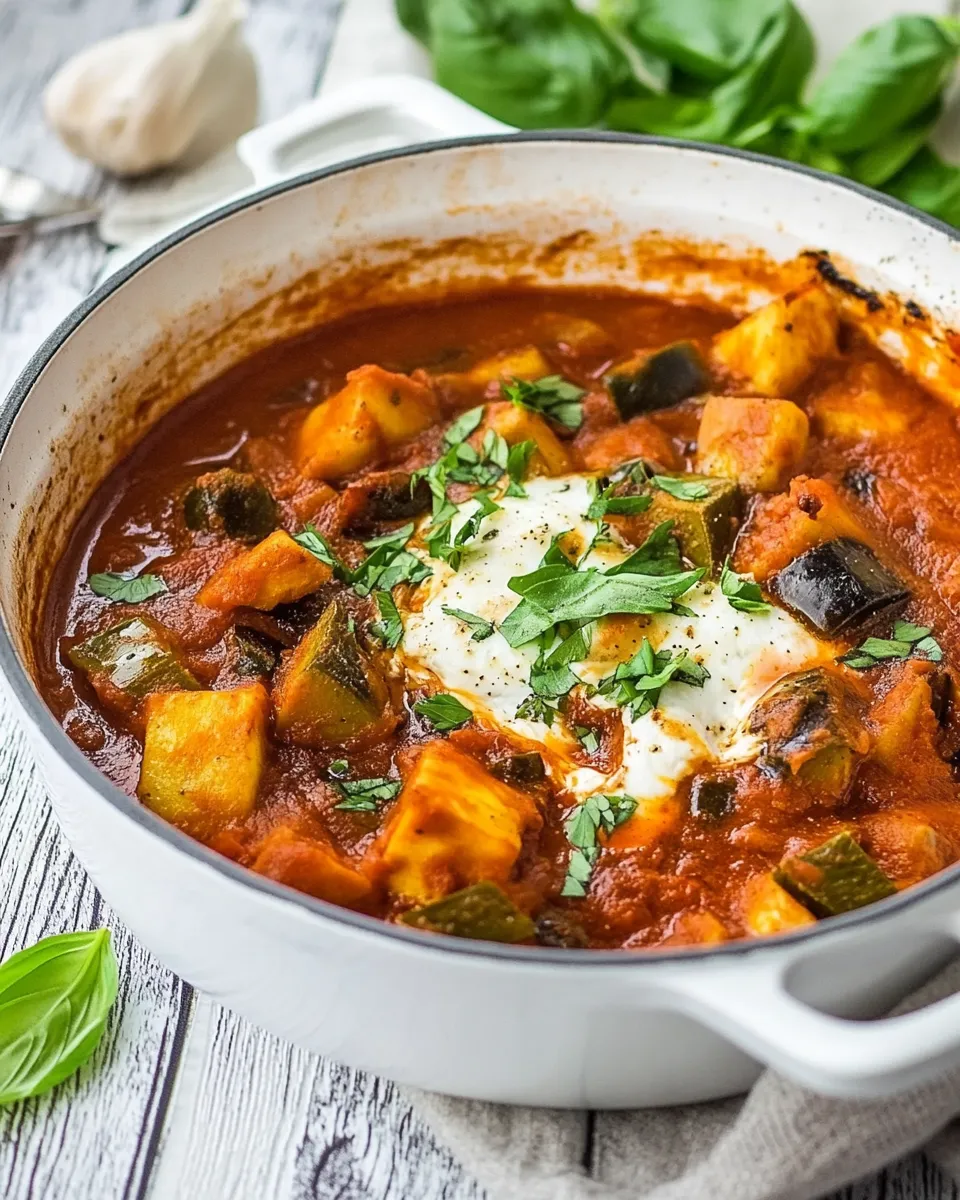
Shakshuka is a one-pan, saucy, egg-forward dish that feels like a warm invitation to the table. It’s rustic, forgiving, and perfectly suited to lazy weekends or a lively weeknight dinner. In my kitchen it’s comfort food and show-off food at once: simple steps, vivid results.
This version leans on roasted potatoes and eggplant alongside the classic tomato-and-egg core. Roasting the veg first gives them a caramelized edge and a firmer bite so they don’t turn to mush in the sauce. The chicken bouillon paste is a small trick that deepens the savory backbone without altering the bright tomato flavor.
I’ll walk you through exactly what to buy, how to roast and assemble, and how to rescue things if the eggs cook too quickly or the sauce is too thin. No flourish, just clear, practical steps so you can get the pan on the table fast and with confidence.
Your Shopping Guide
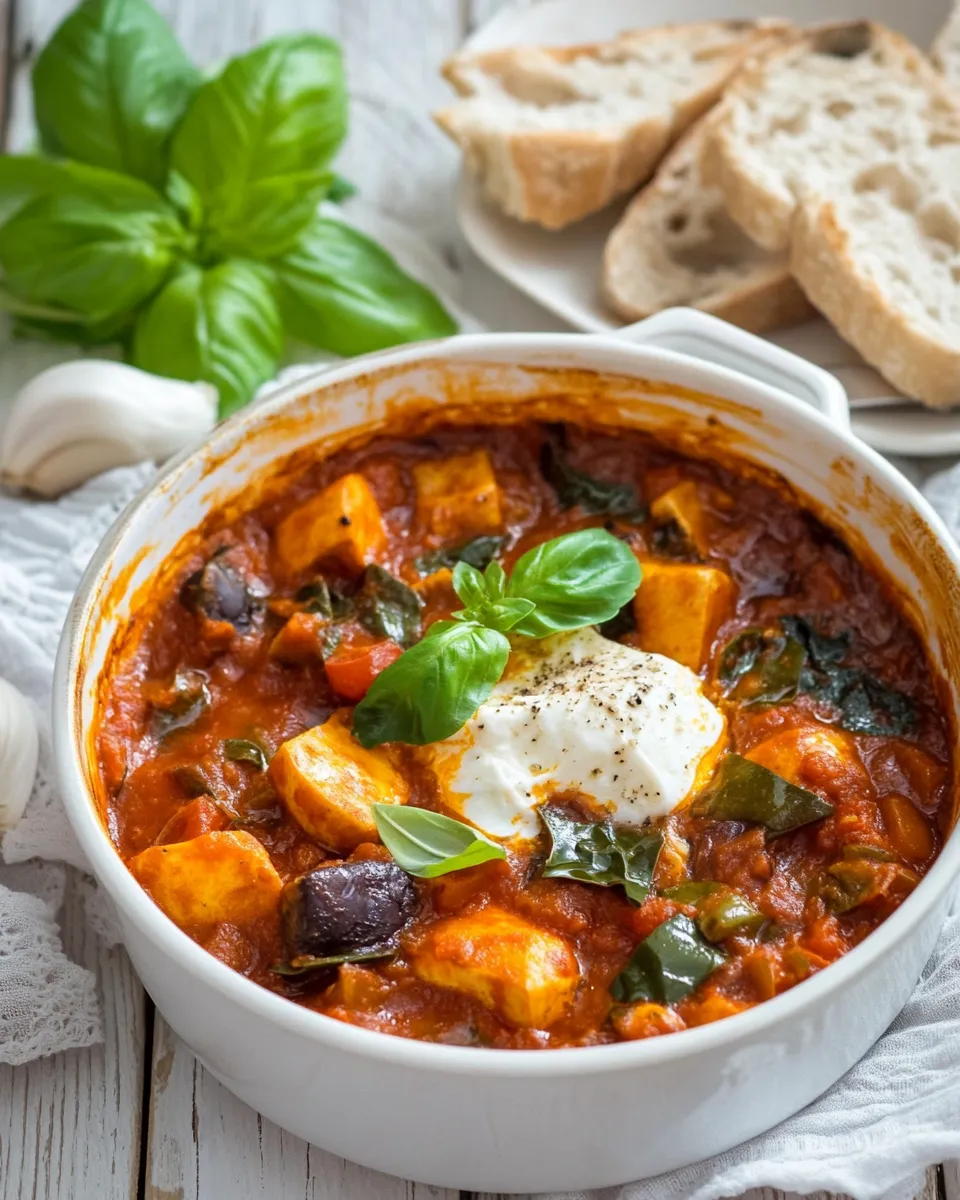
Buy produce that’s firm and unblemished. For the potatoes, a starchy-to-all-purpose variety works best because they crisp on the outside while staying tender inside. Choose an eggplant that feels heavy for its size and has tight, shiny skin—this will roast nicely without getting bitter.
For pantry items, use the canned tomato products you already trust. The tomato sauce provides body and the diced tomatoes give texture; together they build a sauce that clings to the eggs. If you like heat, keep a jalapeño or two on hand. And pick an oil with a high smoke point for sautéing—extra light olive oil is what I use for the pan work, while Extra Virgin Olive Oil is saved for roasting and finishing.
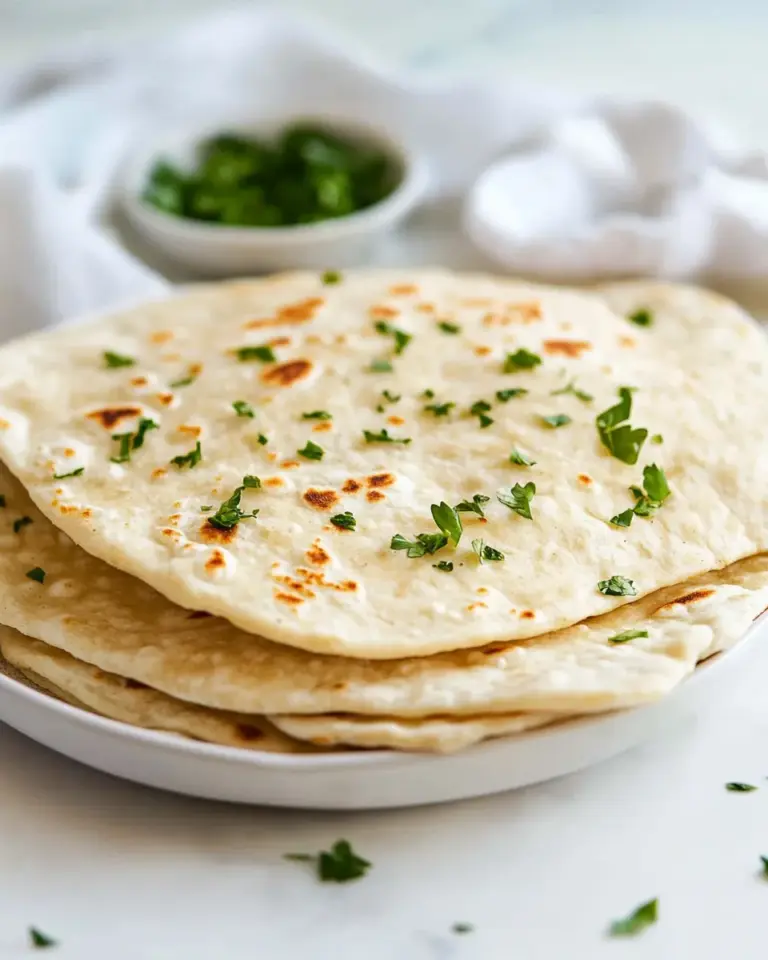
Finally, plan for bread. A crusty loaf, pita, or sourdough makes the dish shine because you need something to soak up the sauce. Buy it fresh or have a loaf in the freezer that you can warm briefly when the shakshuka is ready.
Ingredients
- 2medium potatoes,peeled and sliced into 1″ to 1 1/2″ pieces — provide body and crispy roasted texture.
- 1medium eggplant,sliced into 1″x 2″ pieces — adds meaty texture and soaks up tomato flavor.
- 5TbspExtra Virgin Olive Oil — used for roasting to develop caramelization and flavor.
- Salt & Pepper to taste — seasoning backbone; add gradually and taste as you go.
- 1large yellow onion,finely chopped — builds a sweet, aromatic base for the sauce.
- 1red bell pepper,chopped into 1/2-inch squares — adds sweetness and color.
- 1green bell pepper,shopped into 1/2-inch squares — balances the red pepper with mild freshness.
- 15ozcan tomato sauce — gives the sauce its smooth body.
- 14.5ozcan Diced tomatoes — provides texture and bright tomato bites.
- 1/2cupwater — adjusts sauce thickness for poaching eggs.
- 2tspchicken bouillon,mixed with enough water to form a paste — boosts savory depth without extra stock.
- 1medium jalapeño pepper,finely minced with seeds, optional* — optional heat; keep seeds for more kick or remove for mildness.
- 2large or 3 medium garlic cloves,pressed — sharp aromatic that melds into the tomato base.
- 5-8eggs — the star; number depends on pan size and appetite.
- Oil to saute,I used extra light olive oil — neutral, high-heat oil for sautéing the aromatics.
Shakshuka: How It’s Done
- Preheat oven to 450°F. Line two baking sheets with parchment paper.
- Prepare the potatoes: rinse and dry 2 medium peeled potatoes, then slice into 1″ to 1 1/2″ pieces. Place in a large bowl, season lightly with salt and pepper to taste, add 2 Tbsp Extra Virgin Olive Oil, and toss to coat. Spread the potatoes in a single layer on one prepared baking sheet.
- Prepare the eggplant: place 1 medium eggplant (sliced into 1″ x 2″ pieces) in the same bowl, season lightly with salt and pepper to taste, add the remaining 3 Tbsp Extra Virgin Olive Oil, and toss to coat. Spread the eggplant in a single layer on the second prepared baking sheet.
- Bake the vegetables: put both baking sheets in the oven at the same time if they fit. Bake the eggplant for 15 minutes or until soft and browning on the bottom; remove the eggplant and set aside. Continue baking the potatoes for a total of 25–30 minutes or until cooked through, browned and crispy. (If you bake them separately, follow the same times.)
- While the vegetables are baking, make the chicken bouillon paste: in a small ramekin combine 2 tsp chicken bouillon with warm water—add just enough water to form a paste—and set aside.
- Once the vegetables are in progress, prepare the other vegetables: finely chop 1 large yellow onion, chop 1 red bell pepper and 1 green bell pepper into 1/2-inch squares, finely mince 1 medium jalapeño with seeds if using, and press 2 large (or 3 medium) garlic cloves.
- Heat a large deep pan or Dutch oven over medium heat and add the oil listed as “Oil to saute” (use enough to coat the pan). When the oil is hot, add the chopped onion and cook about 2 minutes until softened.
- Add the chopped red and green bell peppers to the pan and cook, stirring often, about 5 minutes until they begin to soften.
- Add 15 oz tomato sauce, the 14.5 oz can of diced tomatoes, and 1/2 cup water to the pan. Bring the mixture to a boil (tomatoes may splatter—use a splatter screen or be cautious).
- Stir in the pressed garlic, the minced jalapeño if using, the chicken bouillon paste, and salt and pepper to taste. Cook on high for a couple of minutes, stirring to combine.
- Crack eggs one at a time into a small bowl, then gently slide each egg into the simmering sauce, spacing them evenly (use 5–8 eggs depending on pan size and preference). Lightly season the tops of the eggs with salt and pepper to taste.
- Arrange the baked eggplant and potatoes around the eggs in the pan.
- Reduce the heat to medium–low, cover the pan, and cook 6–8 minutes. Check every 1–2 minutes after that until the egg whites are set and the yolks reach your desired doneness.
- Remove from heat and serve immediately (bread for dipping is recommended).
Why This Recipe Works
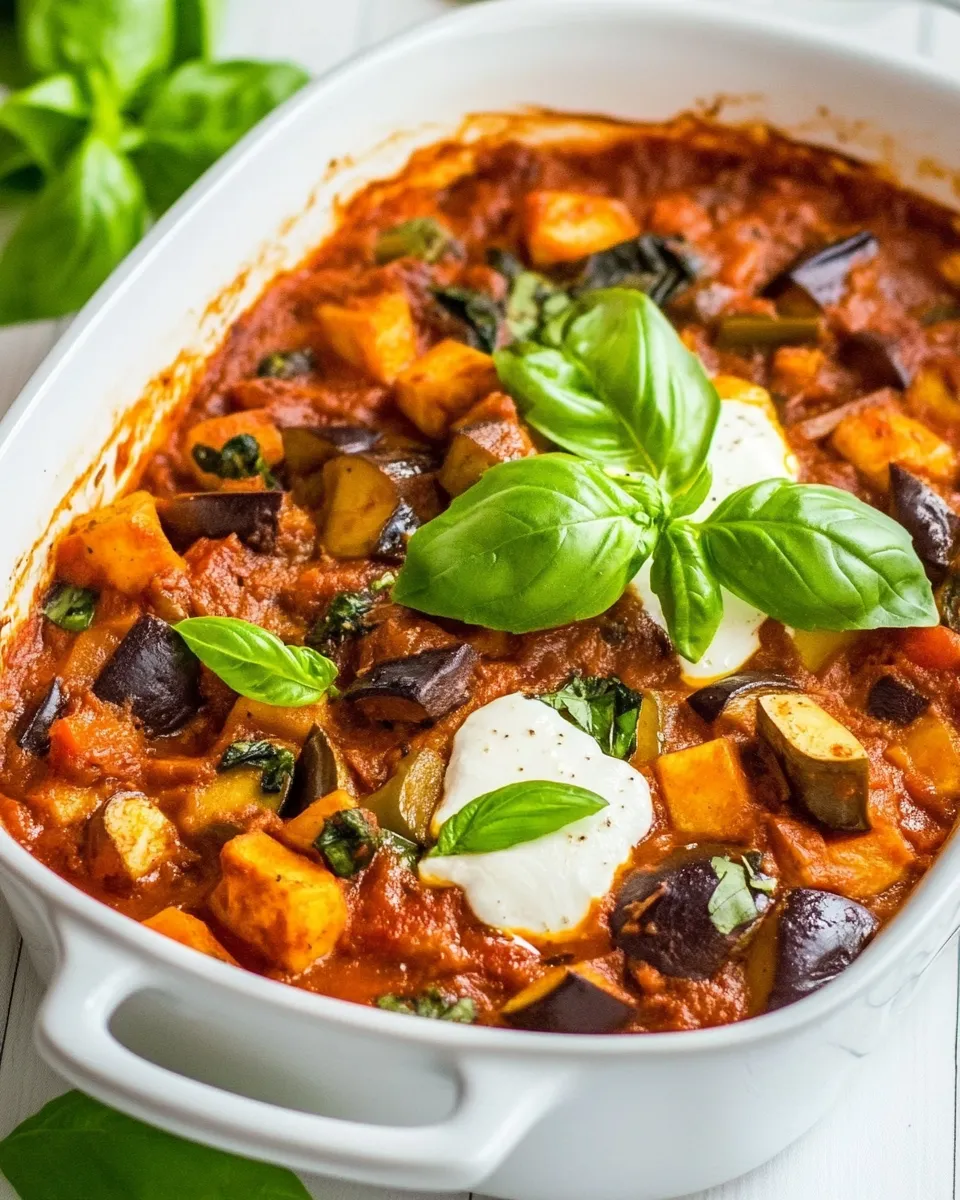
Roasting the potatoes and eggplant first is the architectural decision behind this version. It concentrates flavor and keeps the vegetables from disintegrating into the tomato sauce. The potatoes crisp and develop Maillard notes; the eggplant becomes tender and slightly caramelized so it stands up when returned to the simmer.
The combination of tomato sauce plus diced tomatoes balances body and texture—smoothness for the eggs to rest in, and tomato chunks for interest. The chicken bouillon paste is small but purposeful: it layers in umami so the dish feels rounded even when you don’t have a long-simmered stock on hand.
If You’re Out Of…
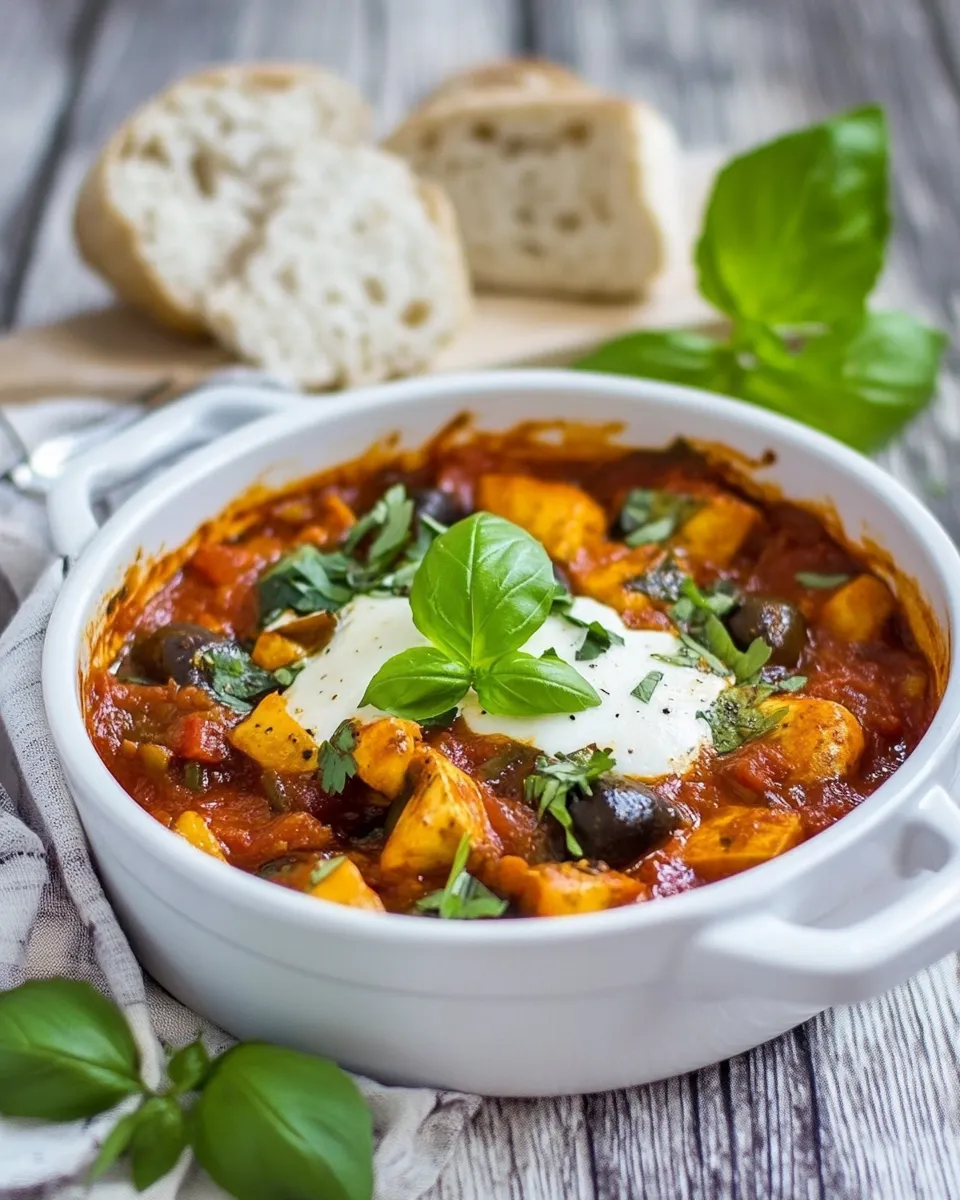
If you don’t have an eggplant, increase the potato portion or add zucchini instead; roast it the same way but for a slightly shorter time. No potatoes? Use roasted sweet potato or leave them out and add extra bell pepper for bulk.
Out of canned diced tomatoes or tomato sauce? A cup of crushed tomatoes plus a splash of tomato paste will work; reduce any added water to keep the sauce from thinning too much. No chicken bouillon? A pinch of soy sauce or a small scrape of anchovy paste can supply savory depth—use sparingly.
Cook’s Kit
- Large baking sheets lined with parchment — for even roasting and easy cleanup.
- Large deep pan or Dutch oven — needed to build the sauce and poach eggs without crowding.
- Splatter screen — optional, but helpful when the tomato mixture comes to a boil.
- Small ramekin — for mixing the chicken bouillon paste so it disperses evenly.
- Slotted spoon or spatula — to arrange roasted vegetables gently around the eggs.
Mistakes That Ruin Shakshuka
Adding raw potatoes to the pan instead of roasting them first leads to a long, dull simmer and soggy texture. Don’t skip the roast step if you want contrasting textures.
Overcrowding the baking sheet prevents browning. Spread the pieces in a single layer so they roast rather than steam.
Poaching eggs at too-high heat makes whites rubbery and yolks firm up too fast. Keep the simmer gentle and check early; residual heat will continue to cook the eggs once you remove the pan from the stove.
Under-seasoning the sauce. Tomatoes benefit from careful seasoning. Taste and adjust salt and pepper during the simmer, especially after adding the bouillon paste.
Make It Year-Round
Shakshuka is inherently seasonal: bright and peppery in summer, cozy in cooler months. In summer, use fresh, ripe tomatoes if you prefer—simmer them down to concentrate flavor. In winter, canned tomatoes are your friend; they deliver steady acidity and sweetness all year.
For colder months, add a pinch of smoked paprika or a small handful of chopped preserved lemon to bring warmth and complexity. In warmer weather, leave the jalapeño in or swap for a hotter pepper and finish with a squeeze of lemon for brightness.
Flavor Logic
The dish rests on a triangular logic: acidity (tomatoes), fat (olive oil and roasted veg), and umami (chicken bouillon). The tomatoes provide the acidity that cuts through the richness of the yolks. Olive oil and the roasted vegetables provide mouth-coating fat and texture. The bouillon paste deepens the savory baseline so the whole pan tastes purposeful rather than one-note.
Garlic and onions are aromatics that infuse the sauce; bell peppers add sweetness and structure so the sauce isn’t just liquid. Eggs add silk and weight—poaching them gently allows the yolks to mingle with the tomato, creating the classic dip-ready consistency.
Storage & Reheat Guide
Store leftover shakshuka in an airtight container in the refrigerator for up to 3 days. The eggs will continue to firm up in the fridge, so for best texture reheat gently.
To reheat, warm the sauce separately in a skillet over medium-low heat until simmering, then nestle the cooled eggs back into the sauce just to warm through—about 2–4 minutes. If you prefer, remove the eggs and reheat the sauce only, then serve the sauce over fresh fried or poached eggs.
FAQ
Can I make this vegetarian? Yes. The chicken bouillon paste adds umami but if you avoid animal products, use a vegetable bouillon paste or a pinch of nutritional yeast for savory depth.
How do I know when the eggs are done? Cook 6–8 minutes covered over medium–low and start checking at 6 minutes. Whites should be set; yolks should have a slight jiggle if you want them runny. Check every 1–2 minutes after the initial window to reach your preferred doneness.
Can I use fewer eggs? Absolutely. Use 5–8 eggs depending on the pan size and how many people you’re feeding. Leave more room between eggs for even cooking.
Before You Go
Shakshuka rewards a little attention: roast the vegetables well, season the tomato base, and poach the eggs gently. The result is a bright, satisfying meal that stretches to feed a crowd or a handful of hungry people at a cozy table. Serve with good bread and plan to scoop, dip, and savor. If you try this version, let me know how you adjusted the heat or vegetables—I love practical swaps that work in real kitchens.
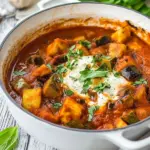
Israeli Shakshuka Recipe
Ingredients
Ingredients
- 2 medium potatoes peeled and sliced into 1" to 1 1/2" pieces
- 1 medium eggplant sliced into 1"x 2" pieces
- 5 TbspExtra Virgin Olive Oil
- Salt & Pepper to taste
- 1 large yellow onion finely chopped
- 1 red bell pepper chopped into 1/2-inch squares
- 1 green bell pepper shopped into 1/2-inch squares
- 15 ozcan tomato sauce
- 14.5 ozcan Diced tomatoes
- 1/2 cupwater
- 2 tspchicken bouillon mixed with enough water to form a paste
- 1 medium jalapeño pepper finely minced with seeds, optional*
- 2 large or 3 medium garlic cloves pressed
- 5-8 eggs
- Oil to saute I used extra light olive oil
Instructions
Instructions
- Preheat oven to 450°F. Line two baking sheets with parchment paper.
- Prepare the potatoes: rinse and dry 2 medium peeled potatoes, then slice into 1" to 1 1/2" pieces. Place in a large bowl, season lightly with salt and pepper to taste, add 2 Tbsp Extra Virgin Olive Oil, and toss to coat. Spread the potatoes in a single layer on one prepared baking sheet.
- Prepare the eggplant: place 1 medium eggplant (sliced into 1" x 2" pieces) in the same bowl, season lightly with salt and pepper to taste, add the remaining 3 Tbsp Extra Virgin Olive Oil, and toss to coat. Spread the eggplant in a single layer on the second prepared baking sheet.
- Bake the vegetables: put both baking sheets in the oven at the same time if they fit. Bake the eggplant for 15 minutes or until soft and browning on the bottom; remove the eggplant and set aside. Continue baking the potatoes for a total of 25–30 minutes or until cooked through, browned and crispy. (If you bake them separately, follow the same times.)
- While the vegetables are baking, make the chicken bouillon paste: in a small ramekin combine 2 tsp chicken bouillon with warm water—add just enough water to form a paste—and set aside.
- Once the vegetables are in progress, prepare the other vegetables: finely chop 1 large yellow onion, chop 1 red bell pepper and 1 green bell pepper into 1/2-inch squares, finely mince 1 medium jalapeño with seeds if using, and press 2 large (or 3 medium) garlic cloves.
- Heat a large deep pan or Dutch oven over medium heat and add the oil listed as "Oil to saute" (use enough to coat the pan). When the oil is hot, add the chopped onion and cook about 2 minutes until softened.
- Add the chopped red and green bell peppers to the pan and cook, stirring often, about 5 minutes until they begin to soften.
- Add 15 oz tomato sauce, the 14.5 oz can of diced tomatoes, and 1/2 cup water to the pan. Bring the mixture to a boil (tomatoes may splatter—use a splatter screen or be cautious).
- Stir in the pressed garlic, the minced jalapeño if using, the chicken bouillon paste, and salt and pepper to taste. Cook on high for a couple of minutes, stirring to combine.
- Crack eggs one at a time into a small bowl, then gently slide each egg into the simmering sauce, spacing them evenly (use 5–8 eggs depending on pan size and preference). Lightly season the tops of the eggs with salt and pepper to taste.
- Arrange the baked eggplant and potatoes around the eggs in the pan.
- Reduce the heat to medium–low, cover the pan, and cook 6–8 minutes. Check every 1–2 minutes after that until the egg whites are set and the yolks reach your desired doneness.
- Remove from heat and serve immediately (bread for dipping is recommended).
Equipment
- Oven
- Baking Sheet
- Parchment Paper
- Large Bowl
- large deep pan or Dutch oven
- small ramekin
- splatter screen (optional)
Notes
*I'm wrote optional on the jalapeno pepper, but I regretted it just as soon as my fingers finished typing it. The heat in the shakshuka really takes it to a new level. It's fantastic, just not very kid friendly when it's spicy.
Other toppings Laurie recommends include: spinach (for even fresher spinach add at the very end before serving - the warmth will wilt it a little bit), chorizo (cooked of course), asparagus (cooked until bright green in a pan & chopped into bite sized pieces). If adding cheese, add either the last minute while still cooking if you like it a little melty or add at the end if you like it cold & fresh! Skies the limit!
For those who really love spice, Laurie recommends a special dip: In a small bowl, combine whole minced hot red pepper & hot green pepper and stir it together with 1 Tbsp oil, 1 Tbsp lemon juice. Lightly salt the mixture and serve on the side with the Shakshuka.