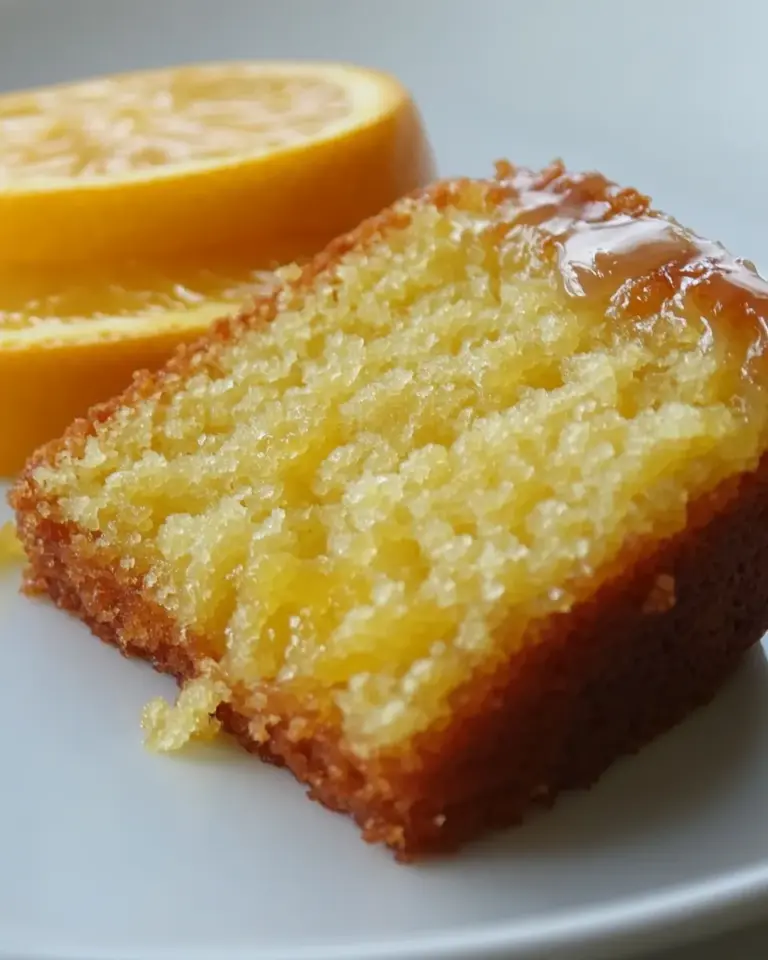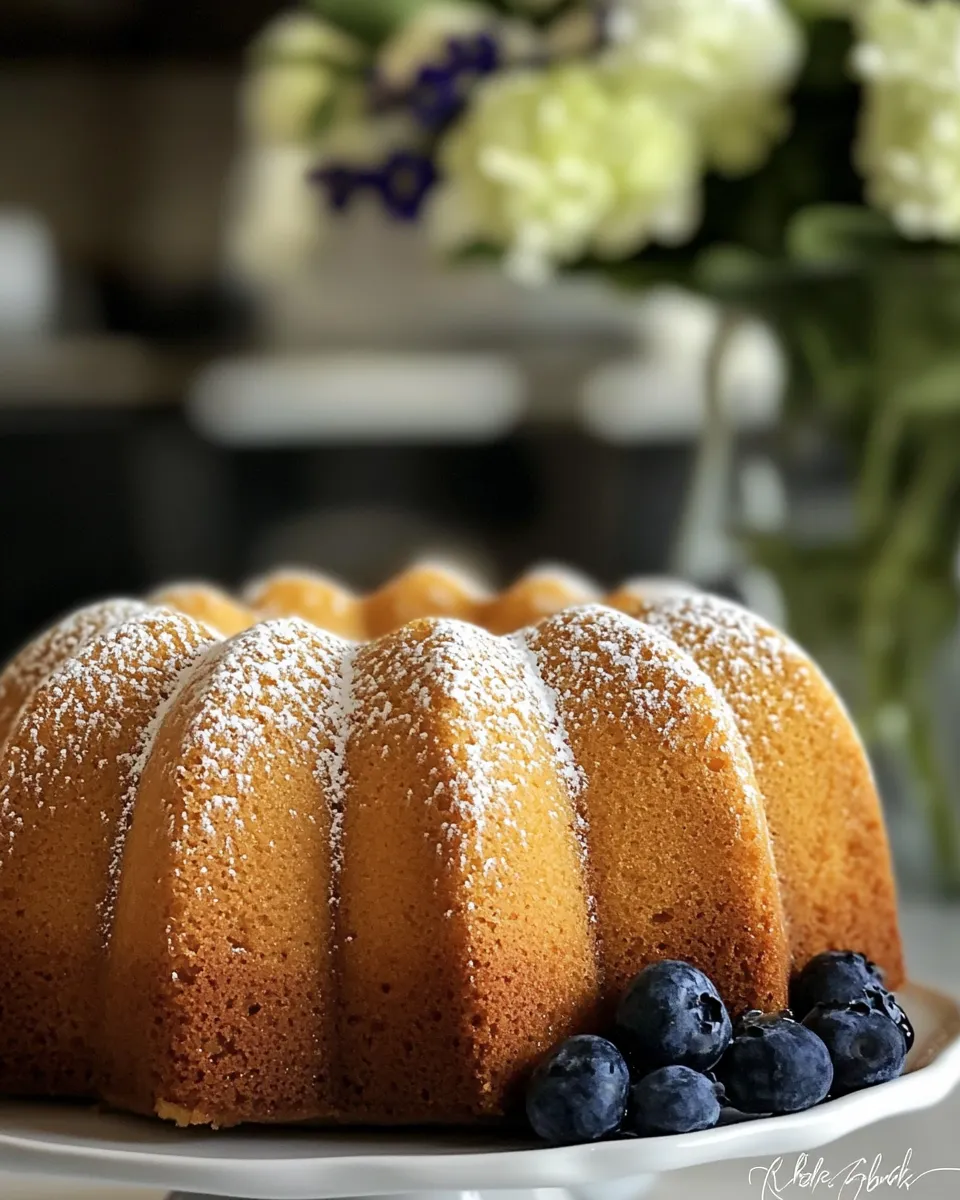
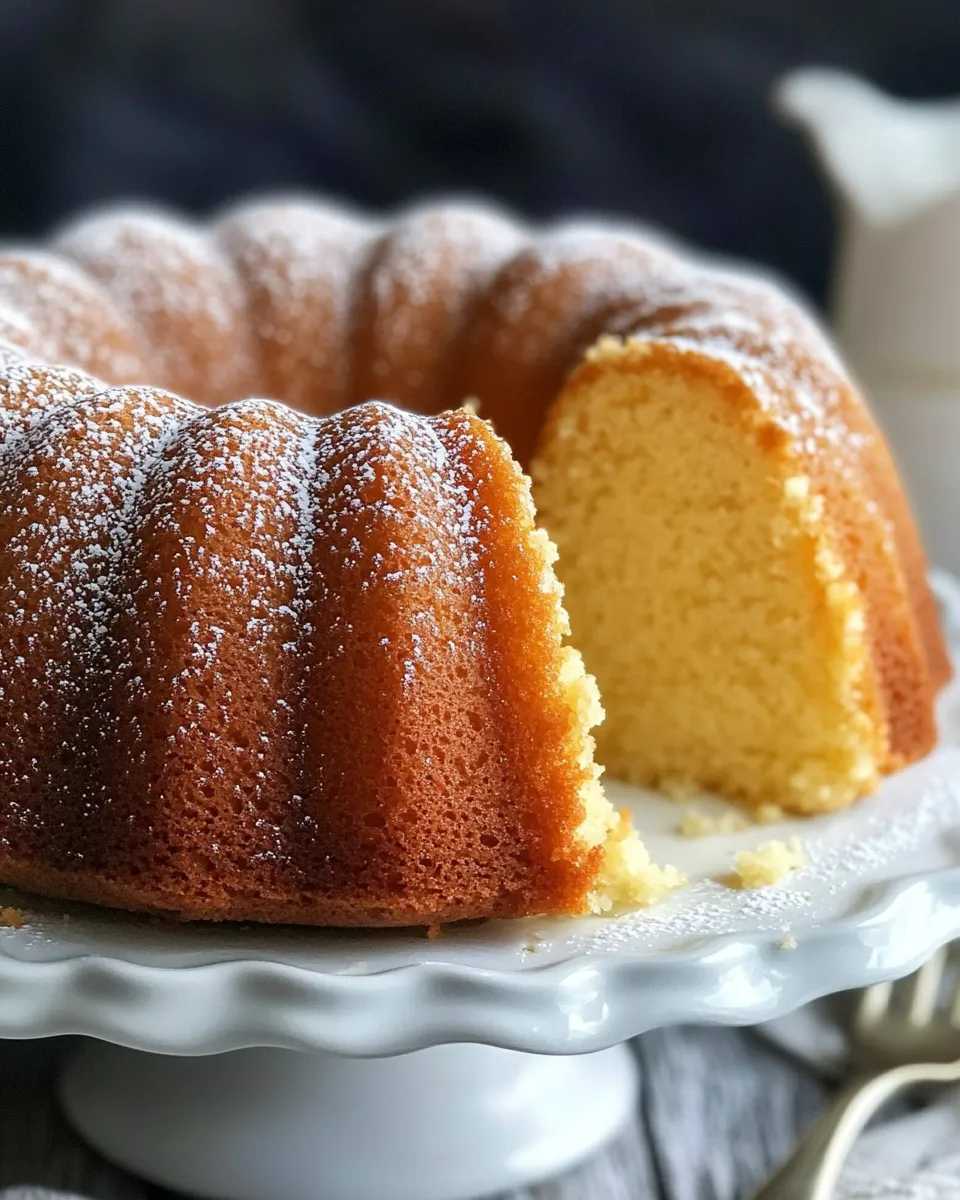
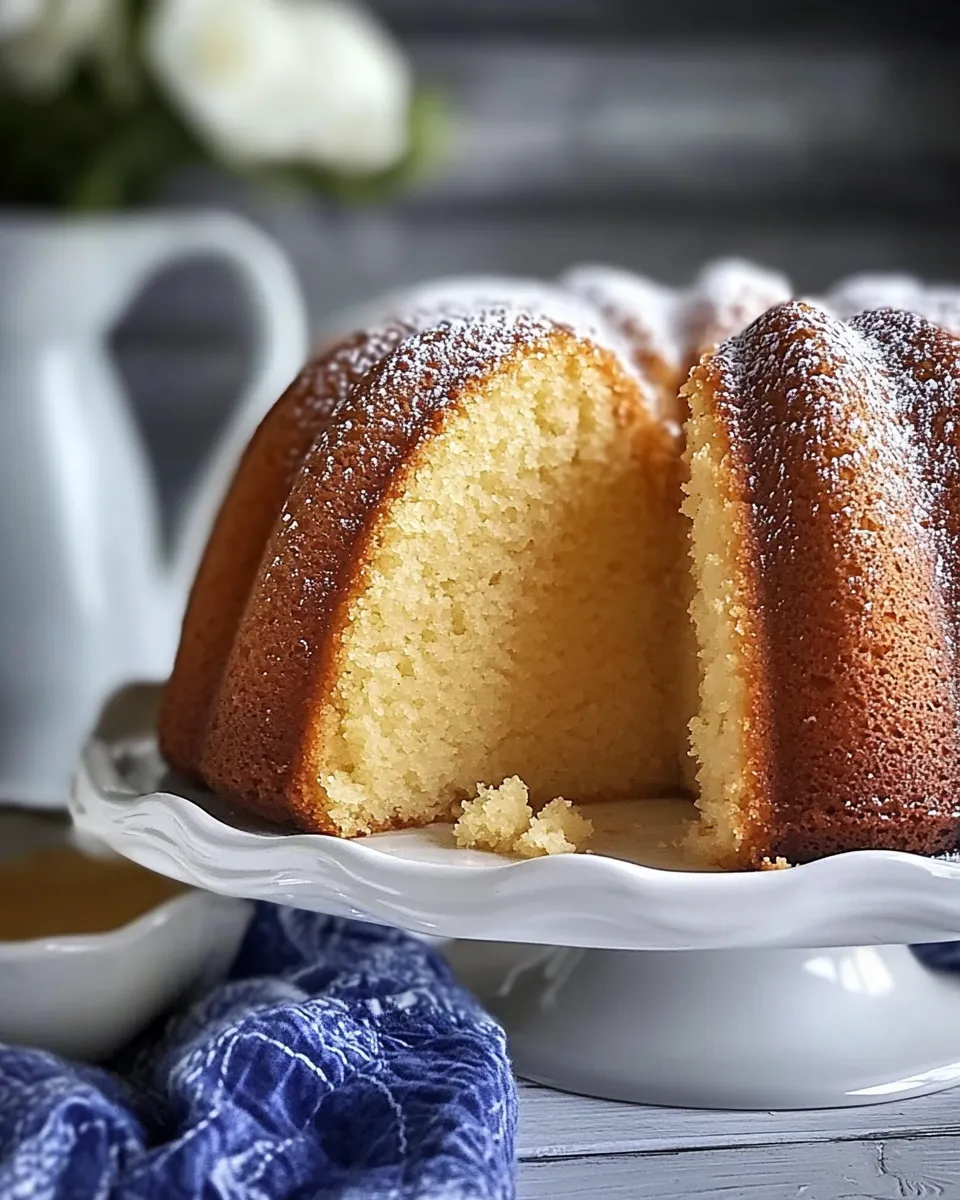
This cake is one of those reliable recipes I reach for when I want something buttery, tender, and pleasantly old-fashioned. It bakes into a deep, golden Bundt with a thin, buttery glaze that sinks into the crumb — small indulgence, big comfort. The texture is soft and close-crumbed, and the method is forgiving if you follow a few simple rules.
I like this recipe for weekend baking and for company. It pulls together with basic pantry items and gives you a cake that looks like effort even when it wasn’t complicated. The finishing butter sauce is the secret: warm, glossy, and it keeps the cake from ever feeling dry.
What We’re Using
Below you’ll find the ingredient list and a short note on why each item matters. These are the only ingredients this recipe calls for; measure and use them as directed in the instructions for the best result.
Ingredients
- 3 cups flour — provides the cake’s structure; measure properly by spooning into the cup and leveling.
- 2 cups sugar — sweetness and tenderness; part of this is reserved for the butter sauce.
- 1 teaspoon salt — balances sweetness and enhances flavor.
- 1 teaspoon baking powder — a primary leavening agent to help the cake rise.
- ½ teaspoon baking soda — works with buttermilk to create lift and a fine crumb.
- 1 cup buttermilk — adds moisture, slight tang, and reacts with baking soda for rise.
- 1 cup butter, at room temperature — richness and flavor; part of it is reserved for the butter sauce.
- 2 teaspoons vanilla — flavoring; one teaspoon is reserved for the butter sauce.
- 4 eggs — structure, moisture, and emulsification for a smooth batter.
Kentucky Butter Bundt Cake: Step-by-Step Guide
- Preheat oven to 325°F. Grease and flour a 10-inch Bundt pan.
- Measure and set aside for the butter sauce: 1/2 cup sugar, 1/2 cup (1 stick) butter, and 1 teaspoon vanilla. Use the remaining ingredients for the cake batter.
- In a medium bowl, whisk together 3 cups flour, 1 teaspoon salt, 1 teaspoon baking powder, and 1/2 teaspoon baking soda; set the dry mixture aside.
- In a large bowl, cream 1/2 cup (1 stick) butter (at room temperature) with 1 1/2 cups sugar until light and fluffy.
- Add the 4 eggs to the creamed mixture one at a time, beating briefly after each addition. Stir in 1 teaspoon vanilla.
- Add the dry ingredients and 1 cup buttermilk to the butter mixture alternately, beginning and ending with the dry ingredients. Mix just until combined and smooth; scrape down the sides of the bowl as needed.
- Pour the batter into the prepared Bundt pan and smooth the top. Bake for about 60 minutes, or until a toothpick inserted into the center comes out clean.
- When the cake is almost done baking (about 10–15 minutes before it finishes), make the butter sauce: in a small saucepan combine the reserved 1/2 cup sugar, the reserved 1/2 cup butter, and the reserved 1 teaspoon vanilla. Cook over medium heat, stirring, until the butter is melted and the sugar is dissolved; do not boil. Remove from heat.
- When the cake comes out of the oven, let it rest in the pan for about 10–15 minutes. Using a long-tined fork or skewer, prick holes across the top of the still-warm cake.
- Slowly pour about one-third of the warm butter sauce over the cake, allowing it to soak in.
- After about 15 minutes (while still warm), invert the cake onto a serving plate. Brush or spoon the remaining sauce over the top and sides of the cake.
- Let the cake finish cooling to warm or room temperature before slicing. Serve as desired.
Why It’s My Go-To
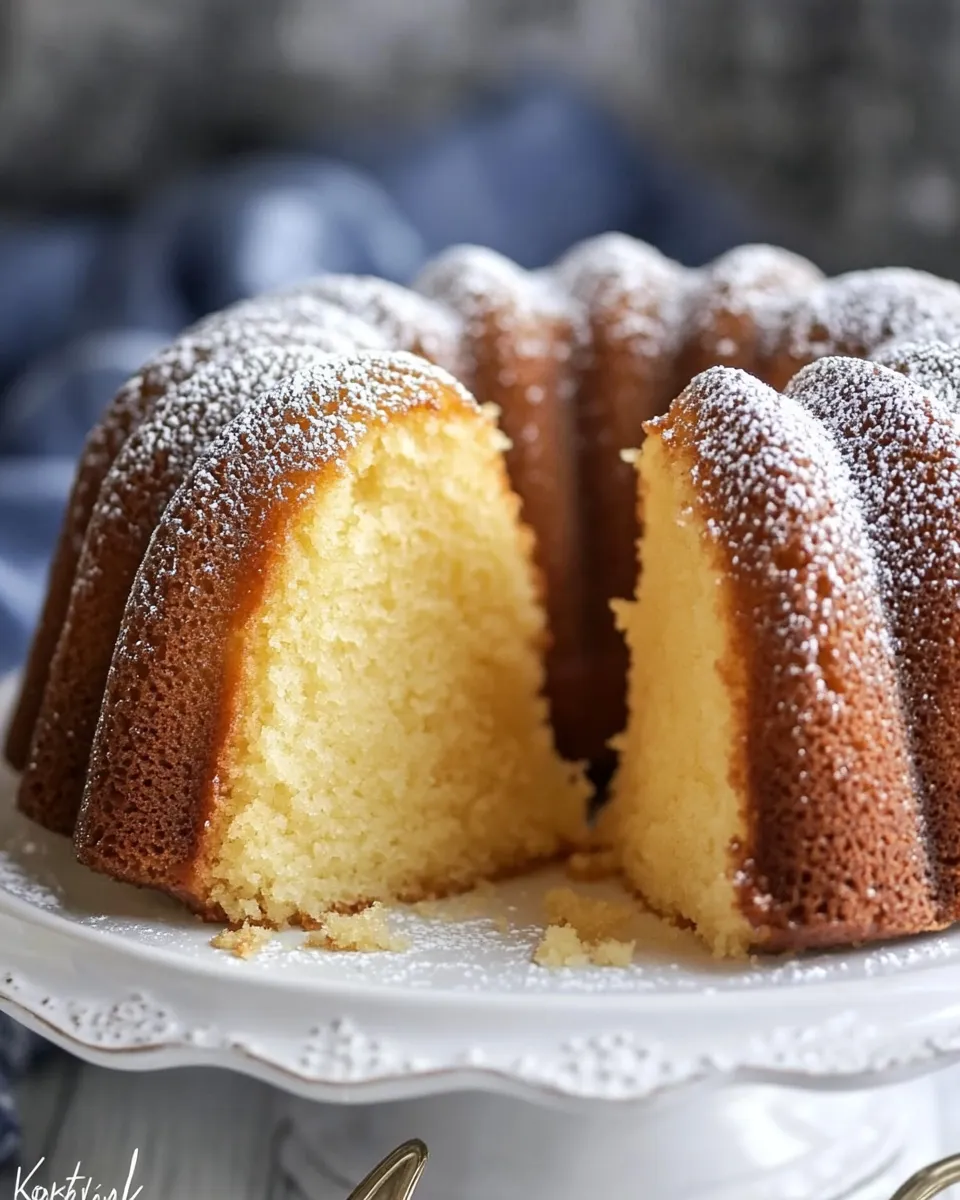
I come back to this cake when I want dependable texture and a generous buttery finish without complicated steps. The method separates a small amount of the sugar, butter, and vanilla up front for the sauce — that little extra step transforms a plain Bundt into something lusciously moist. It’s also versatile: the crumb is neutral enough to pair with coffee, tea, or a simple scoop of ice cream.
It holds up well at room temperature and slices neatly once it has cooled slightly, which is handy for gatherings. The flavors are classic and not fussy, so almost everyone loves it.
Allergy-Friendly Substitutes
- Dairy allergies: Buttermilk can be replaced with a plant-based buttermilk substitute (unsweetened almond, soy, or oat milk + 1 tbsp lemon juice per cup) if you have one on hand; butter can be swapped for a vegan butter stick of equivalent volume. Note: texture and flavor will shift slightly.
- Egg alternatives: Commercial egg replacers or a mix of flax “eggs” (1 tbsp ground flax + 3 tbsp water per egg, chilled) may be used, but rise and crumb will differ from the original.
- Gluten-free: Use a tested 1:1 gluten-free blend designed for cakes. You may need to add a small binder (follow the blend’s directions) and expect a different texture.
Equipment at a Glance
Keep the gear simple and purposeful. Good equipment makes the process predictable and reduces errors.
- 10-inch Bundt pan — essential. The recipe is scaled to this size.
- Electric mixer or stand mixer — for creaming butter and sugar and for a smooth batter.
- Medium mixing bowl and large mixing bowl — to keep wet and dry components organized.
- Measuring cups and spoons — accurate measuring matters here for the ratio of flour to wet ingredients.
- Small saucepan — for making the warm butter sauce near the end of the bake.
- Long-tined fork or skewer — to prick holes for the sauce to penetrate the crumb.
What Not to Do
There are a few common missteps that undo the best intentions. Don’t skip these:
- Don’t salt the batter twice. Use only the 1 teaspoon as stated; too much salt will throw off balance.
- Don’t overmix after the dry ingredients go in. Mix just until combined; overworking the batter yields a dense cake.
- Don’t pour the butter sauce while the cake is cold. The directions call for warming the cake slightly and pricking holes; cold cake repels the sauce and you’ll lose that tender, soaked finish.
- Don’t substitute pan size casually. A smaller or larger Bundt will alter baking time and can compromise structure.
Fresh Seasonal Changes
This recipe is sturdy enough to accept small seasonal touches, as long as you don’t add moisture-heavy ingredients to the batter without adjusting total liquid. A few simple ideas that work well:
- Spring/Summer: Serve slices with fresh berries or a berry compote on the side rather than folding fruit into the batter.
- Autumn/Winter: Warm the cake slightly and serve with a dollop of crème fraîche or a scoop of vanilla ice cream for extra comfort.
- Holiday: For a subtle festive aroma, serve with spiced honey or a quick dusting of powdered sugar right before serving.
Pro Perspective
Timing and temperature
325°F is deliberate: a moderate oven temperature gives this dense batter time to rise and set without darkening the exterior too quickly. Watch the last 10–15 minutes; oven temperatures vary. If the top is browning too fast but the center isn’t done, tent the pan loosely with foil for the remainder of the bake.
Texture tips
Room-temperature butter and eggs emulsify better, giving you a smooth batter and consistent crumb. When creaming butter and sugar, aim for light and fluffy — that incorporates air. When you alternate dry ingredients with buttermilk, start and end with dry ingredients to maintain proper ratio and prevent a curdled texture.
Keep-It-Fresh Plan
Store the cake covered at room temperature for up to 2 days. If you want it to keep a bit longer, wrap it well and refrigerate for up to 5 days; bring to room temperature or gently warm slices before serving to restore softness. For longer storage, slice and freeze individual pieces in airtight containers or freezer bags for up to 2 months. Thaw in the refrigerator or at room temperature, then warm gently if desired.
FAQ
Q: Can I make this in a regular round cake pan?
A: You can, but baking time and texture will change. A Bundt pan helps create the high surface area that absorbs the butter sauce. If you use a different pan, reduce batter depth, watch baking time, and expect differences in how the sauce soaks in.
Q: My cake stuck to the pan — what went wrong?
A: Make sure the Bundt pan is thoroughly greased and floured, getting into the contours. Let the cake rest the full 10–15 minutes before inverting; if it’s too hot it may stick, and if it’s too cool it may be more prone to breaking.
Q: The center seemed underbaked while the edges were done — how to avoid that?
A: An oven that runs hot or a pan that’s too dark can cause edges to set before the center finishes. Use an oven thermometer and tent with foil if needed. Also check you used the correct pan size and filled it as directed.
Q: Can I double this recipe?
A: You can double ingredients for two Bundt pans, but don’t try to bake double batter in a single larger pan without recalculating baking time and volume. Two identical pans yield more predictable results.
The Takeaway
This Kentucky Butter Bundt Cake is straightforward, dependable, and rewarding. Follow the directions closely — especially the step that sets aside ingredients for the butter sauce — and you’ll be rewarded with a moist, buttery cake that looks special and tastes even better. The method is forgiving, but attention to mixing, oven temperature, and the final sauce step make the difference between good and memorable.
Make it for a weekend treat or a casual get-together. It stores well, and the warm butter sauce keeps the slices tender and flavorful. Enjoy the process and the payoff: a simple cake that delivers real comfort.
Kentucky Butter Bundt Cake
Ingredients
Ingredients
- 3 cups flour
- 2 cups sugar
- 1 teaspoon salt
- 1 teaspoon baking powder
- 1/2 teaspoon baking soda
- 1 cup buttermilk
- 1 cup butter at room temperature
- 2 teaspoons vanilla
- 4 eggs
Instructions
Instructions
- Preheat oven to 325°F. Grease and flour a 10-inch Bundt pan.
- Measure and set aside for the butter sauce: 1/2 cup sugar, 1/2 cup (1 stick) butter, and 1 teaspoon vanilla. Use the remaining ingredients for the cake batter.
- In a medium bowl, whisk together 3 cups flour, 1 teaspoon salt, 1 teaspoon baking powder, and 1/2 teaspoon baking soda; set the dry mixture aside.
- In a large bowl, cream 1/2 cup (1 stick) butter (at room temperature) with 1 1/2 cups sugar until light and fluffy.
- Add the 4 eggs to the creamed mixture one at a time, beating briefly after each addition. Stir in 1 teaspoon vanilla.
- Add the dry ingredients and 1 cup buttermilk to the butter mixture alternately, beginning and ending with the dry ingredients. Mix just until combined and smooth; scrape down the sides of the bowl as needed.
- Pour the batter into the prepared Bundt pan and smooth the top. Bake for about 60 minutes, or until a toothpick inserted into the center comes out clean.
- When the cake is almost done baking (about 10–15 minutes before it finishes), make the butter sauce: in a small saucepan combine the reserved 1/2 cup sugar, the reserved 1/2 cup butter, and the reserved 1 teaspoon vanilla. Cook over medium heat, stirring, until the butter is melted and the sugar is dissolved; do not boil. Remove from heat.
- When the cake comes out of the oven, let it rest in the pan for about 10–15 minutes. Using a long-tined fork or skewer, prick holes across the top of the still-warm cake.
- Slowly pour about one-third of the warm butter sauce over the cake, allowing it to soak in.
- After about 15 minutes (while still warm), invert the cake onto a serving plate. Brush or spoon the remaining sauce over the top and sides of the cake.
- Let the cake finish cooling to warm or room temperature before slicing. Serve as desired.
Equipment
- 10-inch Bundt pan
- Mixing bowls
- Measuring Cups
- Measuring Spoons
- Electric mixer or stand mixer
- Small Saucepan
- Spatula
- toothpick
- long-tined fork or skewer