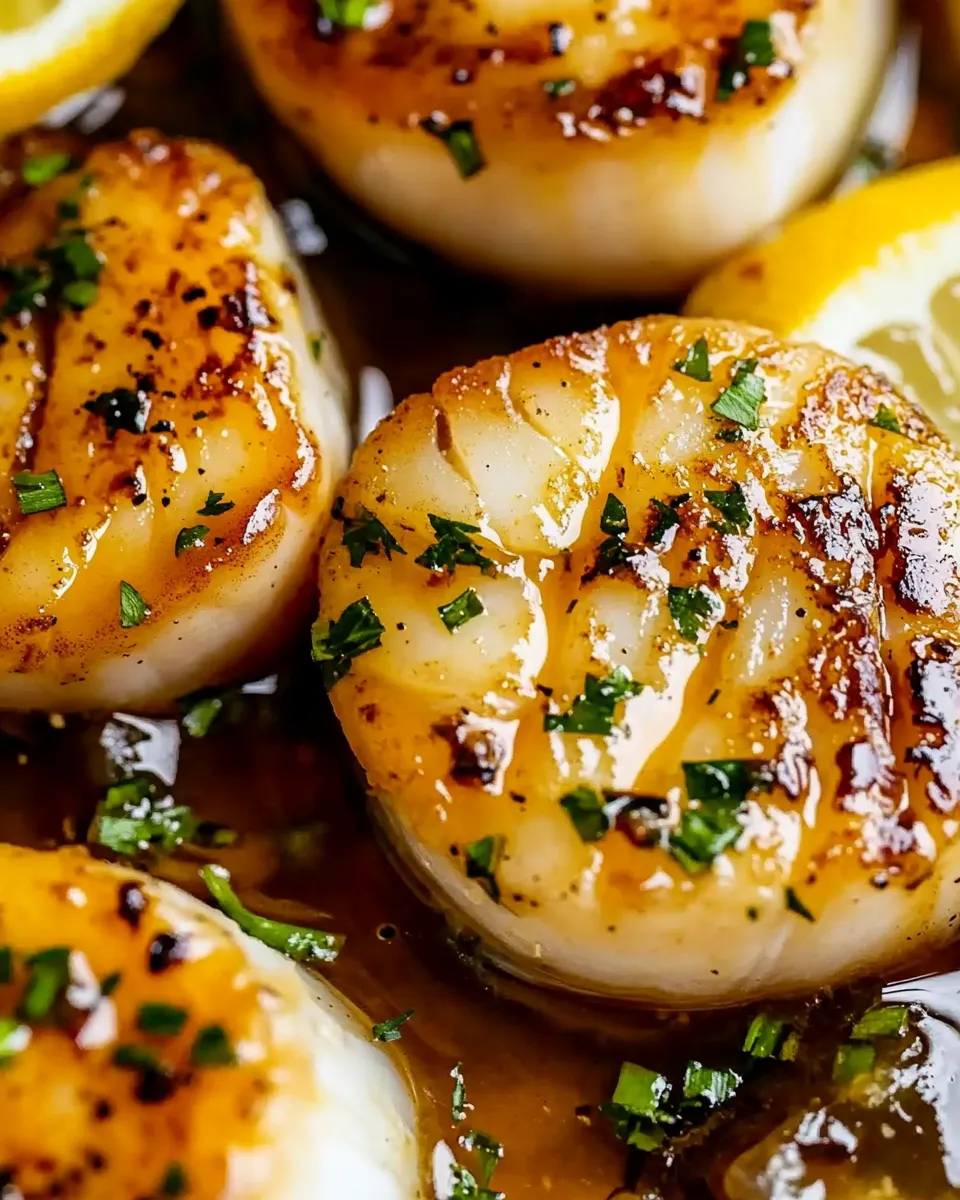
I remember the first time I seared scallops at home: the pan hissed, the kitchen smelled of caramelized sweetness, and within ten minutes we were eating something that felt restaurant-worthy. This Lemon Butter Scallops Recipe is that sort of weeknight triumph — fast, forgiving, and bright with citrus. If you want dinner that feels special without fuss, this is a keeper.
Scallops cook in the blink of an eye, so the technique matters more than complicated ingredients. A hot pan, dry scallops, and a buttery lemon sauce turn simple seafood into a plate you want to linger over. I’ll walk you through exactly what to do and what to avoid.
Below are clear ingredient notes, the step-by-step method I use every time, common mistakes, and a few ideas to vary the dish through the seasons. Read straight through for context, or jump to the section you need. Let’s get cooking.
Ingredient Breakdown
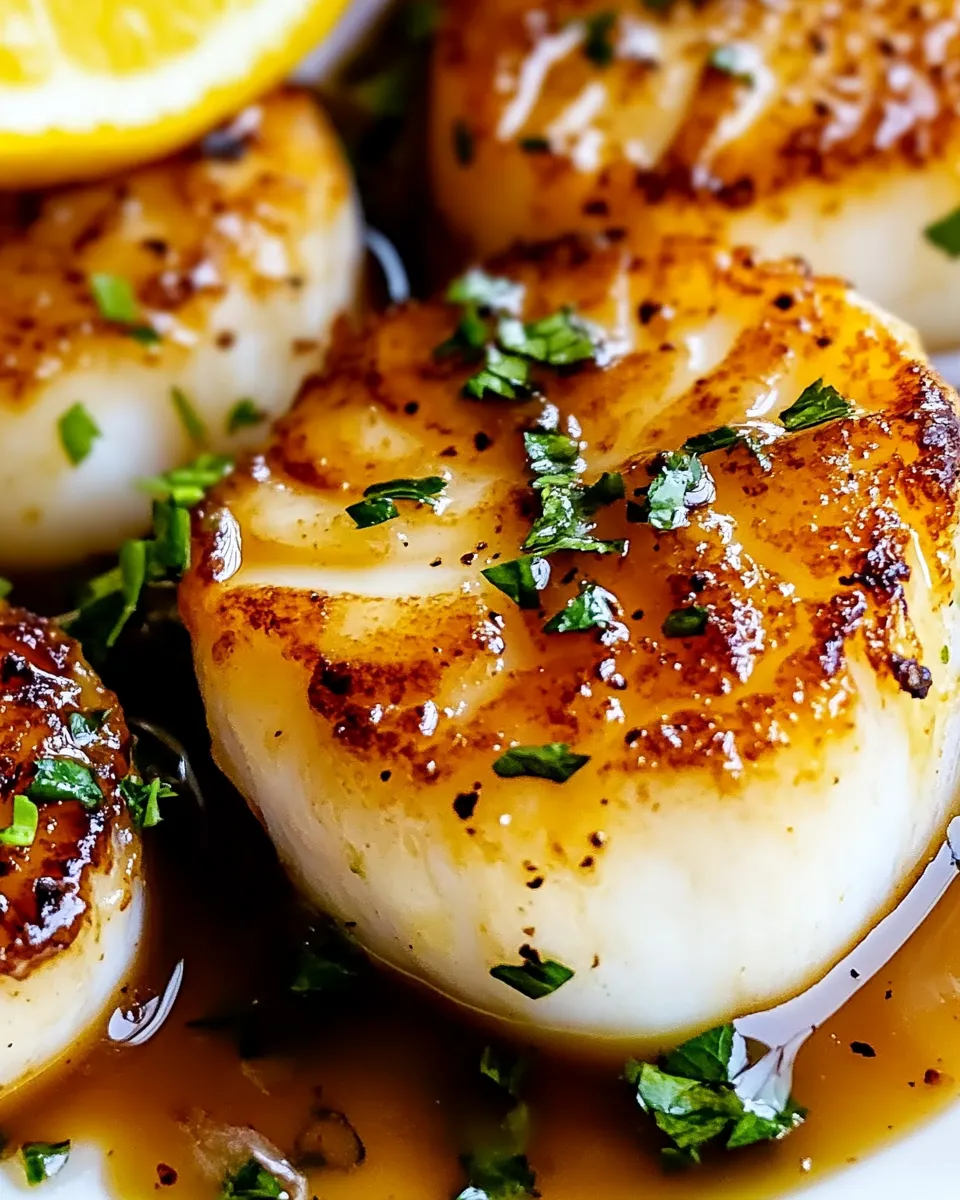
- 2 pounds sea scallops, thawed — the star: pat dry to get a good sear and avoid steaming.
- 2 tablespoons olive oil — brings heat and a little fruitiness; helps develop a golden crust without burning the butter.
- 4 tablespoons butter — makes the sauce rich and silky; use unsalted if you’re watching sodium.
- 4 garlic cloves, minced — fragrant backbone for the sauce; add at low heat to avoid bitterness.
- 2 tablespoons fresh lemon juice — brightens the sauce and balances the butter; freshly squeezed is best.
- 2 tablespoons minced parsley — fresh herb lift and color; stir in at the end to keep it lively.
- pinch red pepper flakes — adds a gentle warmth; adjust to taste or omit for no heat.
- salt — seasons the scallops; taste as you go, especially if using salted butter.
- fresh ground pepper — finishes the scallops with sharpness; grind just before serving for the best aroma.
Lemon Butter Scallops, Made Easy
- Pat the 2 pounds thawed sea scallops dry with paper towels. Season both sides with salt and fresh ground pepper.
- Heat a large skillet over medium-high heat until hot. Add all 2 tablespoons olive oil and heat until shimmering.
- Add scallops to the pan in a single layer without overcrowding (work in batches if needed). Cook undisturbed for 60–90 seconds, until a golden crust forms on the bottom.
- Flip each scallop and cook the other side for 60–90 seconds, until opaque through the center. Transfer cooked scallops to a plate and keep warm. Repeat steps 3–4 with remaining scallops.
- After the last scallops are removed, reduce the heat to low. Add 4 tablespoons butter, 4 minced garlic cloves, and 2 tablespoons fresh lemon juice to the pan.
- Stir the butter, garlic, and lemon juice for 1–2 minutes, scraping up the brown bits from the bottom of the pan, until the garlic is fragrant and the butter is melted.
- Stir in a pinch of red pepper flakes and 2 tablespoons minced parsley. Remove the pan from the heat.
- Spoon the lemon-butter sauce over the cooked scallops and serve immediately.
The Upside of Lemon Butter Scallops
This dish is quick — from pan to plate in under 20 minutes — which makes it perfect for busy evenings or an easy dinner party first course. The texture contrast is delightful: a crisp, caramelized exterior with a tender, just-opaque center. The lemon-butter sauce is simple but transformative; it pulls the pan fond into a glossy coating that sings with garlic and parsley.
Nutrition-wise, scallops are lean and packed with protein, while the lemon juice and herbs keep the dish feeling light. Because the method is so short, the scallops retain their natural sweetness. You also get a lot of flexibility: serve them over pasta, rice, sautéed greens, or a simple bed of dressed salad greens.
Vegan & Vegetarian Swaps
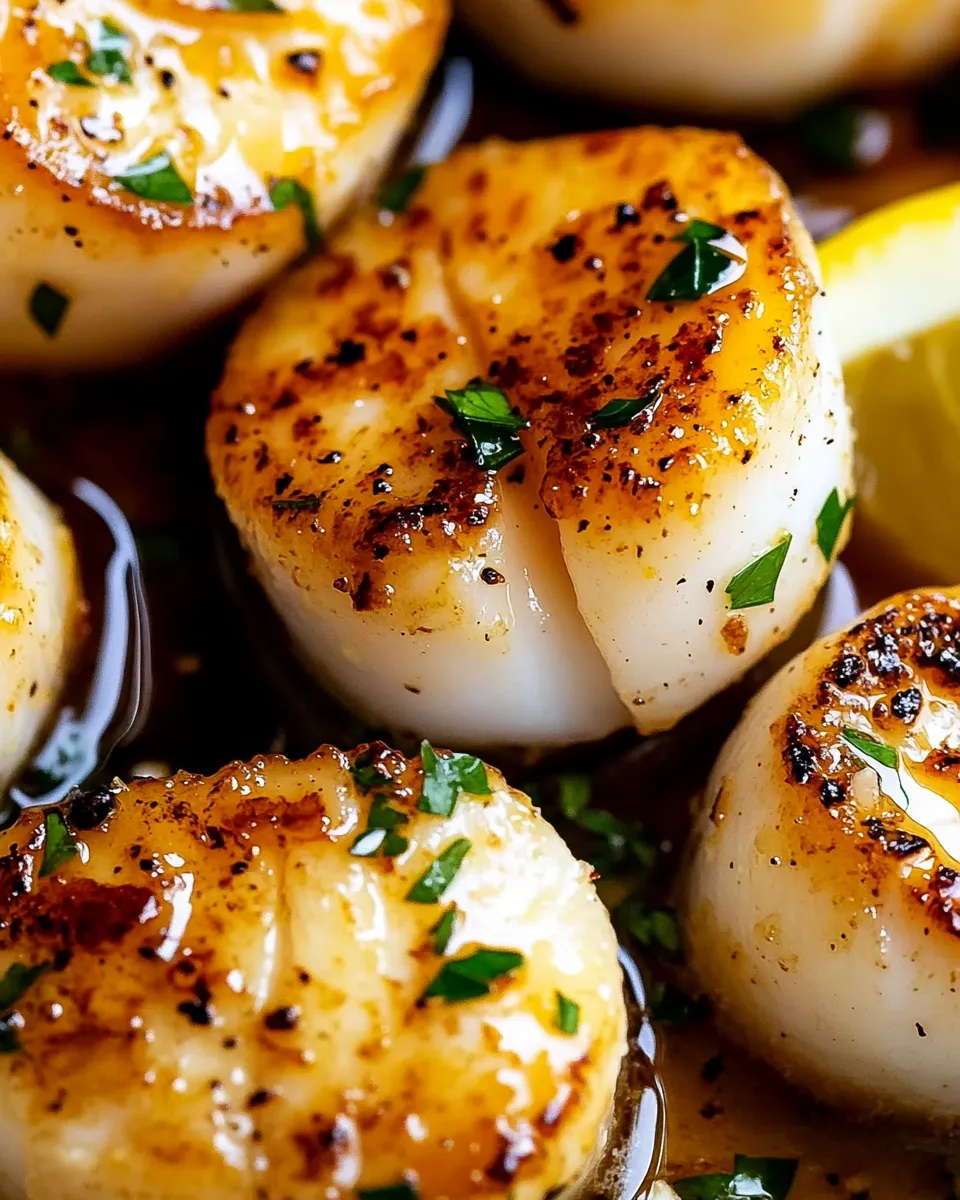
If you want to mimic the pan-seared, buttery, lemon-forward profile without seafood, try one of these swaps. None will be identical, but they capture the spirit of the dish.
- King oyster mushroom “scallops” — slice into thick rounds, press dry, and sear in oil until golden; finish with the lemon-butter sauce (use vegan butter if needed).
- Firm tofu steaks — press to remove moisture, cut into rounds or slabs, dust lightly with a little cornstarch, then sear until crisp; skirt the sauce as written with plant-based butter.
- Cauliflower steaks — thick slices roasted or seared until caramelized offer a hearty base for the lemon garlic butter.
Toolbox for This Recipe
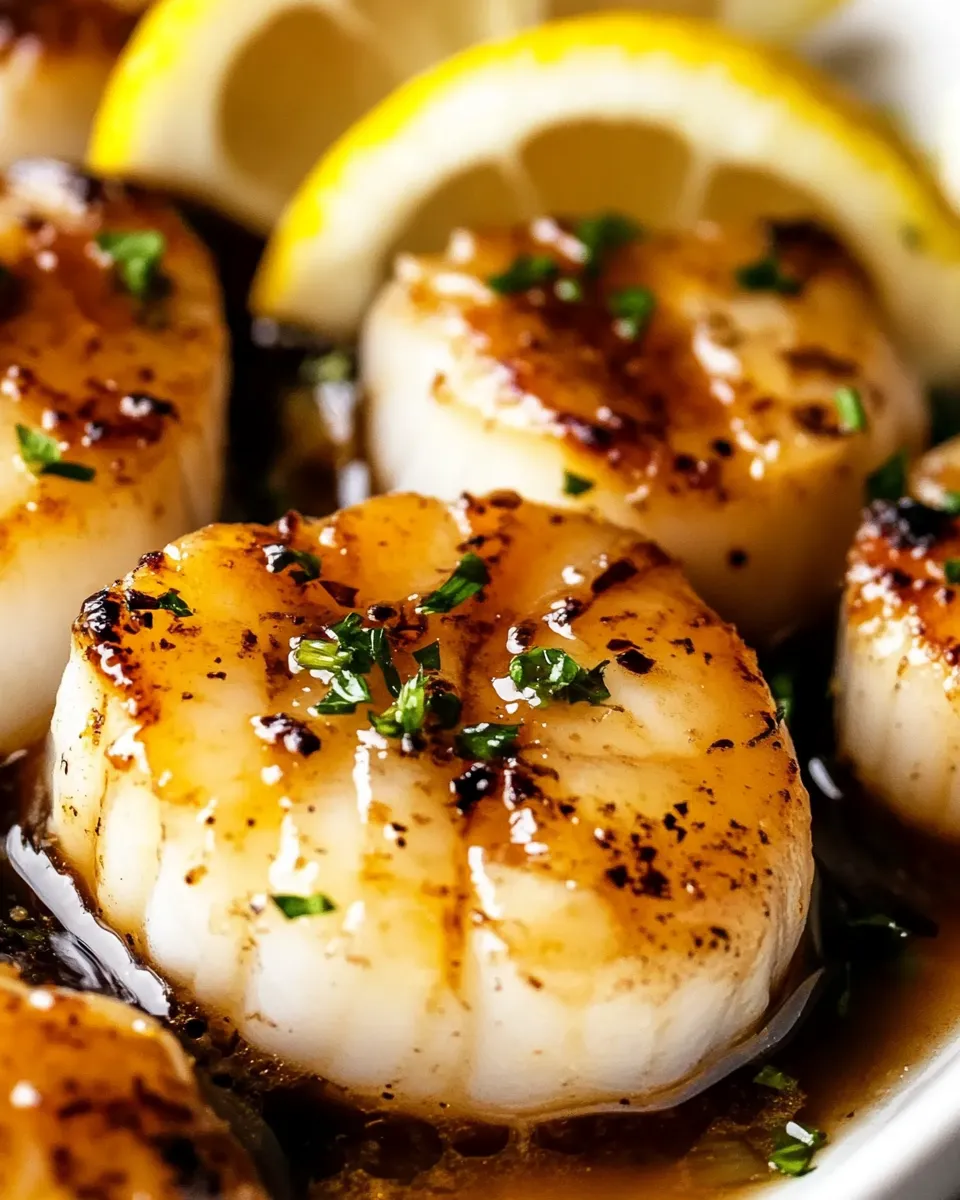
You don’t need a long list of gadgets. A few reliable tools make this foolproof:
- Large heavy skillet — cast-iron or stainless steel gives the best crust; thin pans can heat unevenly.
- Tongs or a spatula — for flipping scallops gently without tearing.
- Paper towels — indispensable for patting scallops dry.
- Measuring spoons — for accurate lemon juice and butter amounts.
- Sharp knife and cutting board — for mincing garlic and parsley quickly.
- Plate or tray — to hold cooked scallops while you finish the sauce.
Mistakes That Ruin Lemon Butter Scallops
Scallops are quick and graceful when treated right, but a few common errors will undo the dish:
- Not drying the scallops: Moisture equals steam, which prevents browning. Pat them thoroughly with paper towels before seasoning.
- Overcrowding the pan: Crowding drops the pan temperature and causes steaming. Work in batches so each scallop touches the pan.
- Pan not hot enough: A lukewarm pan yields pale, unappetizing scallops. Heat until the oil shimmers before adding scallops.
- Overcooking: Scallops go from perfectly opaque to rubbery in minutes. Follow the 60–90 seconds per side guideline and look for an opaque center.
- Burning the garlic: Garlic added at high heat will scorch and taste bitter. Reduce the heat before adding butter and garlic, and stir briefly.
- Adding too much acid too early: Lemon juice brightens the sauce, but too much will curdle or separate a butter sauce. Follow the order in the method.
Year-Round Variations
Small swaps let you adapt this recipe through the seasons without changing the core technique.
- Spring: Add a handful of peas or blanched asparagus tips to the final pan and toss briefly with the sauce.
- Summer: Stir in finely diced cherry tomatoes and basil at the end for freshness.
- Autumn: Finish with a drizzle of browned butter and a pinch of thyme alongside the lemon for a cozy note.
- Winter: Pair the scallops with a creamy risotto or mashed parsnips and use extra parsley for a touch of brightness.
Notes on Ingredients
Here are a few practical notes so you pick the best versions and avoid last-minute surprises:
- Sea scallops: Look for dry-packed scallops if possible; they sear better than wet-packed varieties that have been treated with preservatives. Thaw thoroughly and pat dry.
- Olive oil: Use a light or regular extra-virgin olive oil with a decent smoke point; you want something that heats up without burning immediately.
- Butter: Unsalted butter gives better control of seasoning. If you only have salted, reduce the pan salt slightly.
- Garlic: Mince finely so it releases flavor quickly during the brief sauce stage; avoid pre-blackened pieces in the pan.
- Lemon juice: Fresh juice is brighter and cleaner than bottled. The lemon’s acidity balances the butter and lifts the scallops’ sweetness.
- Parsley: Flat-leaf parsley holds flavor well; mince it fine so it disperses evenly in the sauce.
- Red pepper flakes: A small pinch adds depth without making the dish spicy; adjust based on your tolerance.
- Salt & pepper: Season scallops lightly before searing and taste the sauce before plating; finishing with freshly ground pepper brightens aroma.
Freezer-Friendly Notes
Scallops don’t always freeze well after cooking; their texture can become rubbery. If you need to freeze, follow these guidelines:
- Freezing raw scallops: If you buy in bulk, freeze raw scallops in a single layer on a baking sheet, then transfer to a sealed bag to avoid clumping. Thaw slowly in the refrigerator overnight before cooking.
- Do not freeze after saucing: The lemon-butter sauce separates and the texture suffers if frozen and reheated. Cook from thawed raw for best results.
- Reheating cooked scallops: Gently reheat in a low oven (250°F / 120°C) just until warmed, or briefly in a hot skillet with a touch of butter — but expect a slight loss of succulence.
Lemon Butter Scallops FAQs
Q: Can I use frozen scallops straight from the freezer?
A: No — cook thawed scallops. If you toss frozen scallops into a hot pan, the extreme moisture will steam them and prevent a proper sear.
Q: How do I know when scallops are done?
A: They should be opaque through the center and firm but still springy. Overcooked scallops become tough and rubbery. Follow the 60–90 seconds per side guidance as your baseline.
Q: Can I use bottled lemon juice?
A: Fresh lemon juice is recommended for its bright, clean flavor, but bottled juice will work in a pinch. Adjust seasoning if the bottled juice tastes flat.
Q: What’s the best pan for searing scallops?
A: A heavy-bottomed skillet like cast iron or stainless steel provides even heat and encourages the Maillard reaction that gives scallops a golden crust.
Q: Can I make the sauce ahead?
A: You can prepare components (minced garlic, chopped parsley, squeezed lemon) in advance, but finish the sauce in the hot pan right after searing to capture the fond and flavor.
Final Bite
This Lemon Butter Scallops recipe rewards attention to technique more than fancy ingredients. Dry the scallops, heat the pan, and respect the short cooking time — the rest is graceful, buttery, lemony simplicity. Serve over a bed of herbed rice, wilted greens, or alongside roasted potatoes. A crisp white wine or a bright sparkling water with lemon makes a lovely accompaniment.
Try it once exactly as written, then experiment with the seasonal variations to make it your own. Leave a note about how you served yours — I love hearing new pairings and small wins in the kitchen.
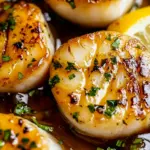
Lemon Butter Scallops Recipe
Ingredients
Ingredients
- 2 poundssea scallopsthawed
- 2 tablespoonsolive oil
- 4 tablespoonsbutter
- 4 garlic clovesminced
- 2 tablespoonsfresh lemon juice
- 2 tablespoonsminced parsley
- pinchred pepper flakes
- salt
- fresh ground pepper
Instructions
Instructions
- Pat the 2 pounds thawed sea scallops dry with paper towels. Season both sides with salt and fresh ground pepper.
- Heat a large skillet over medium-high heat until hot. Add all 2 tablespoons olive oil and heat until shimmering.
- Add scallops to the pan in a single layer without overcrowding (work in batches if needed). Cook undisturbed for 60–90 seconds, until a golden crust forms on the bottom.
- Flip each scallop and cook the other side for 60–90 seconds, until opaque through the center. Transfer cooked scallops to a plate and keep warm. Repeat steps 3–4 with remaining scallops.
- After the last scallops are removed, reduce the heat to low. Add 4 tablespoons butter, 4 minced garlic cloves, and 2 tablespoons fresh lemon juice to the pan.
- Stir the butter, garlic, and lemon juice for 1–2 minutes, scraping up the brown bits from the bottom of the pan, until the garlic is fragrant and the butter is melted.
- Stir in a pinch of red pepper flakes and 2 tablespoons minced parsley. Remove the pan from the heat.
- Spoon the lemon-butter sauce over the cooked scallops and serve immediately.
Equipment
- Large Skillet
- Paper Towels