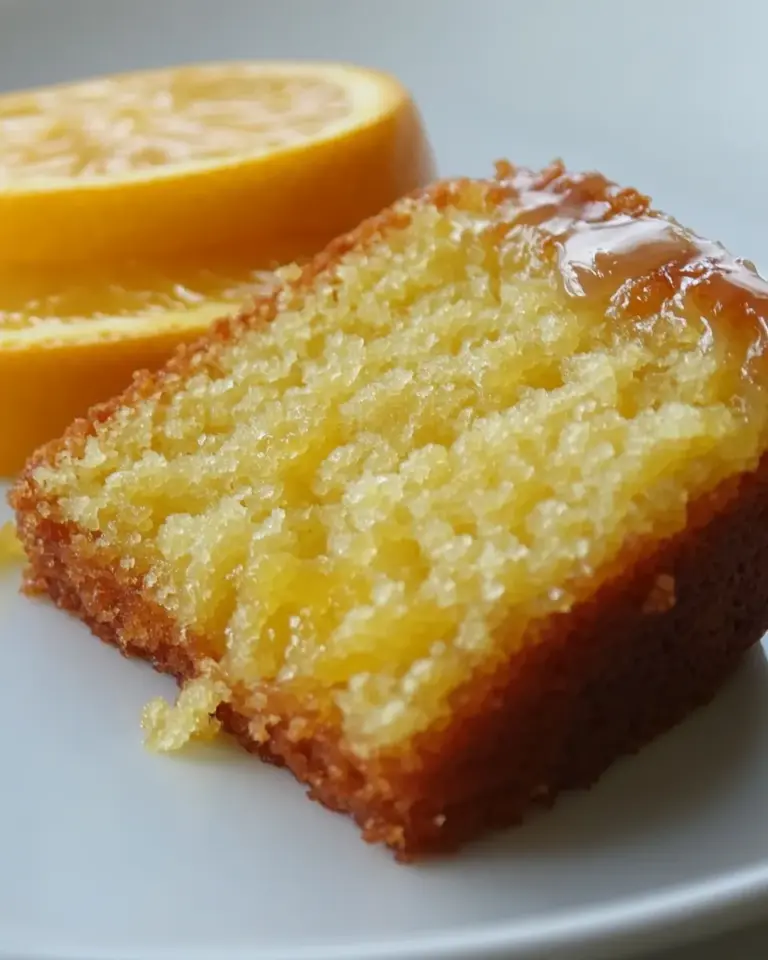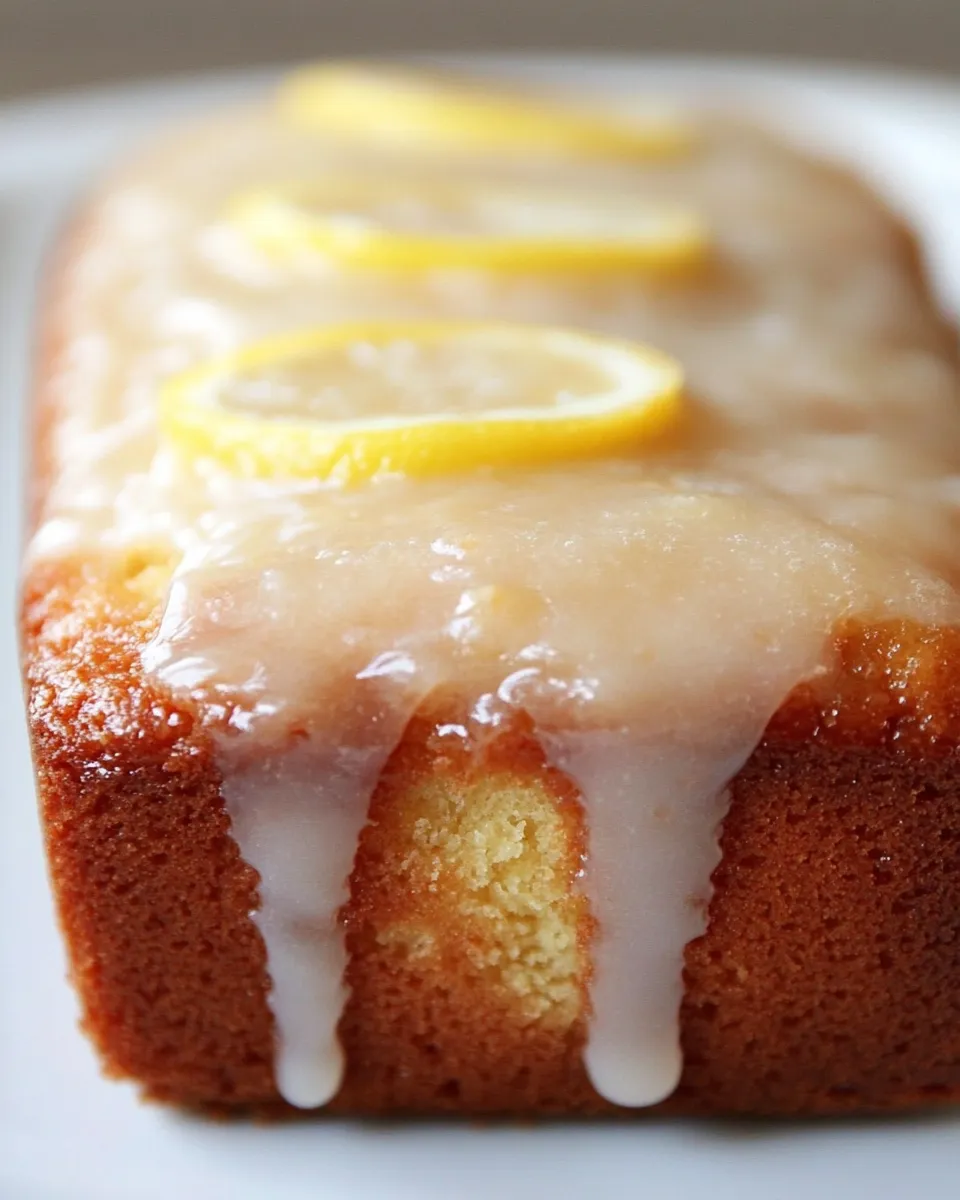
This lemon loaf cake is a lesson in balance: bright citrus, tender crumb, and a shiny glaze that cracks just enough when you slice it. I come back to this recipe whenever I want something that feels special but doesn’t demand an entire afternoon in the kitchen. It freezes well, travels well, and it makes the house smell like spring even on a gray morning.
The method is straightforward, but a few small details—like zesting lemons finely and letting the butter cool before adding it—make a big difference. Follow the steps, respect the temperatures, and you’ll get two beautiful loaves with tight, even crumb and a punch of lemon in every bite.
If you bake a lot, you’ll appreciate that this batter goes together in a food processor, and that the syrup soak keeps the cake moist for days. If you bake occasionally, the clear steps and predictable timing mean you’ll still get excellent results. Either way, wrap one loaf and gift it; people love a lemon loaf as a small, reliable celebration.
Ingredient Notes
I like to spell out why each ingredient is in the batter so you know what you can adjust or pay special attention to. These notes explain roles, timing, and small swaps that won’t change the recipe’s structure. Read them once before you measure; it helps you avoid last-minute mistakes.
Ingredients
- 1-1/2 cups cake flour — adds tenderness and a delicate crumb; sifted to avoid lumps.
- 1-1/2 cups all-purpose flour — provides structure so the loaf holds its shape.
- 2 teaspoon baking powder — the primary leavening; make sure it’s fresh for proper rise.
- 1/4 teaspoon baking soda — helps with rise and browning when combined with the acidic ingredients.
- 1 teaspoon salt — balances the sweetness and enhances the lemon flavor.
- 2-1/4 cups sugar — sweetens and tenderizes; used in the batter for texture and moisture.
- 8 large eggs, room temperature — eggs provide structure and richness; bring them to room temperature so they emulsify better.
- 1/4 cup grated lemon zest (from about 4 lemons) — concentrated lemon flavor; grate finely to avoid bitter pith.
- 1/4 cup fresh lemon juice — brightens and provides acid for the baking soda; fresh is essential.
- 2 cups unsalted butter, melted and cooled — adds flavor and richness; cool it so it won’t cook the eggs in the processor.
- 1/2 cup sour cream, room temperature — keeps the cake moist and tender; room temp prevents curdling.
- 2 teaspoons vanilla extract — rounds the flavors and balances the lemon.
- 1/3 cup fresh lemon juice — for the lemon syrup; use freshly squeezed for clarity and brightness.
- 1/3 cup sugar — combined with lemon juice to make a simple syrup that soaks into the loaves.
- 2 cups powdered sugar – sifted (more if needed) — for the glaze; sifting prevents lumps and keeps the glaze smooth.
- 4-6 tablespoons fresh lemon juice — used to thin the glaze to the right consistency; add gradually.
Lemon Loaf Cake Made Stepwise
- Preheat the oven to 350°F. Spray the sides and bottom of two 9 x 5 x 3-inch loaf pans with nonstick cooking spray, line the bottoms with parchment paper, then spray the parchment.
- In a medium bowl, sift together 1-1/2 cups cake flour, 1-1/2 cups all-purpose flour, 2 teaspoons baking powder, 1/4 teaspoon baking soda, and 1 teaspoon salt; set aside.
- In a food processor, combine 2-1/4 cups sugar, 8 large room-temperature eggs, 1/4 cup grated lemon zest, and 1/4 cup fresh lemon juice. Pulse just until combined.
- With the food processor running, drizzle in 2 cups melted and cooled unsalted butter through the feed tube until incorporated. Add 1/2 cup room-temperature sour cream and 2 teaspoons vanilla extract, and pulse until just combined. Transfer the batter to a large mixing bowl.
- Add the sifted dry ingredients to the batter in three additions (one third at a time), folding gently with a spatula after each addition until just combined. Do not overmix.
- Divide the batter evenly between the two prepared loaf pans and smooth the tops. Bake on the center oven rack at 350°F for 20 minutes. After 20 minutes, rotate the pans, reduce the oven temperature to 325°F, and continue baking for 30 to 35 minutes more, or until a toothpick inserted into the centers comes out clean.
- Let the loaves cool in the pans for 15 minutes. While they cool, make the lemon syrup: in a small saucepan over medium heat, combine 1/3 cup fresh lemon juice and 1/3 cup sugar. Heat, stirring, until the sugar is completely dissolved, then continue to cook for 3 more minutes. Remove from heat and set aside.
- After 15 minutes, invert the loaves onto a parchment-lined half sheet pan. Use a toothpick or skewer to poke holes across the tops and sides of each loaf. Brush the tops and sides of the warm loaves with the lemon syrup, allow the syrup to soak in, then brush again to use most of the syrup. Let the cakes cool completely on the pan (at least 30 minutes).
- To make the lemon glaze, place 2 cups sifted powdered sugar in a small bowl and whisk in 4 tablespoons fresh lemon juice. The glaze should be thick but pourable; if it is too stiff, add up to 2 more tablespoons lemon juice a little at a time. If it becomes too thin, whisk in small amounts of additional powdered sugar until you reach the right consistency.
- Pour or spoon the glaze over the top of each cooled loaf, letting it drip down the sides. Allow the glaze to harden about 15 minutes before serving.
- Storage: the unglazed, syrup-soaked loaves can be wrapped in two layers of plastic wrap and frozen for up to 6 weeks. Glazed loaves, wrapped tightly in plastic wrap, will keep at room temperature for up to 3 days.
Why It’s Crowd-Pleasing
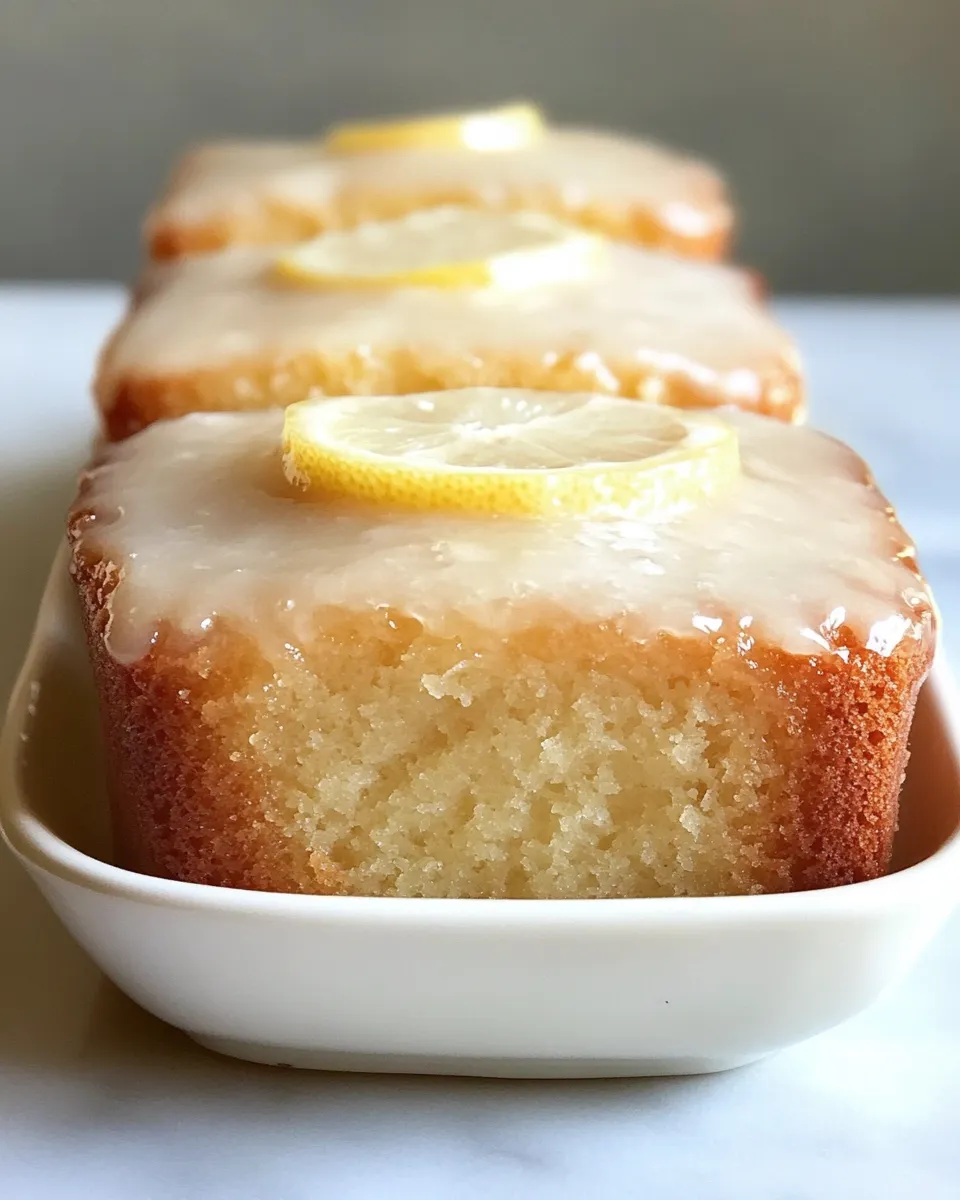
This loaf strikes a rhythm between tart and sweet people recognize immediately. The fine lemon zest dispersed through the batter gives bursts of citrus, while the syrup keeps the crumb moist without making it soggy. The glaze finishes the package with a glossy, slightly crisp top that feels indulgent.
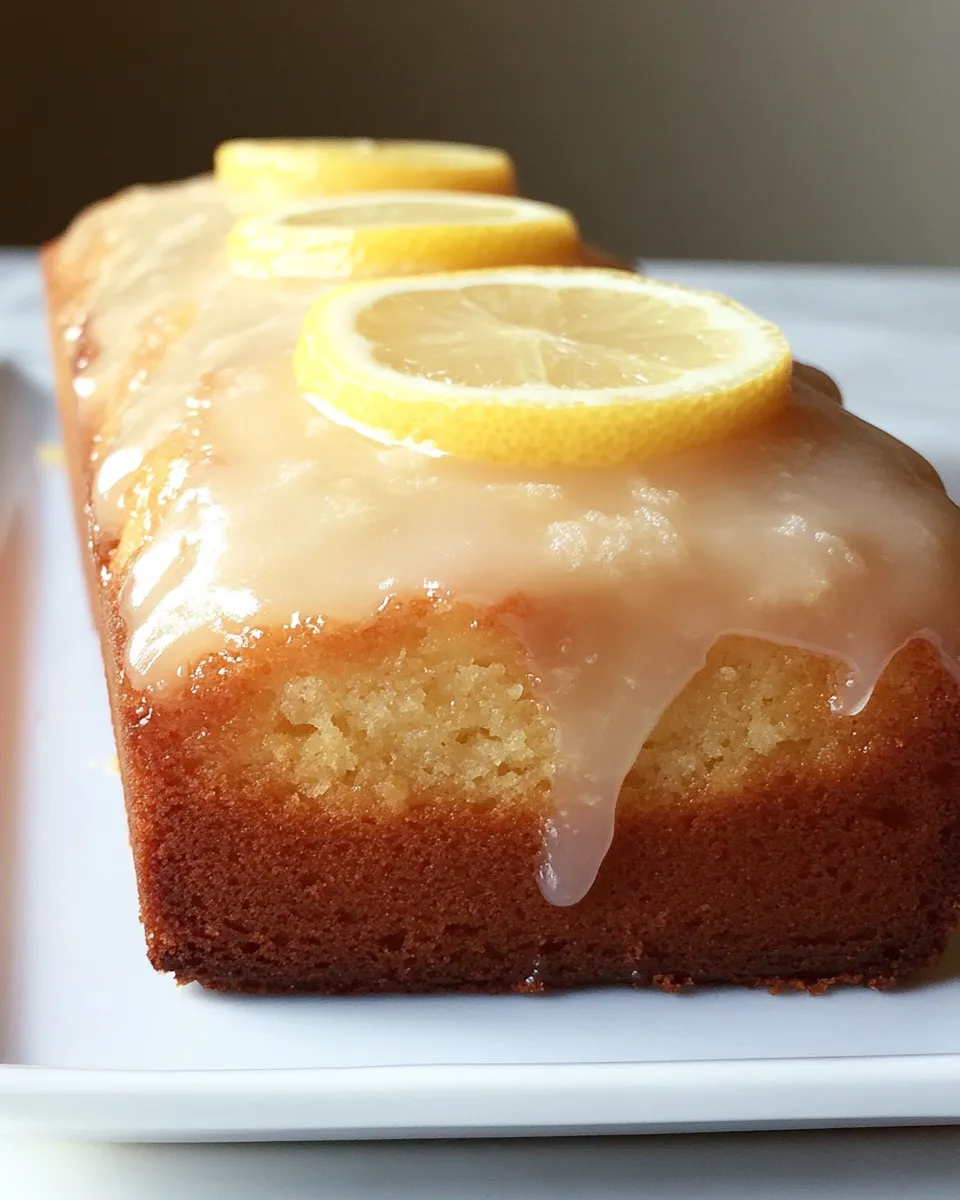
It’s also visually friendly: two golden loaves with a white glaze look homemade and put-together at the same time. Serve it with coffee for an easy morning treat, or slice it for a casual dessert. It travels well, so it’s an ideal contribution to potlucks, school events, or neighbor-drop-offs.
Allergy-Friendly Substitutes

Eggs, dairy, and gluten are the main allergens here. If you need to adapt, do so thoughtfully because each swap affects structure and texture.
- Eggs: Replacing eight eggs is difficult without changing the method. For an egg-free option, use a tested vegan loaf recipe instead of this one; this particular batter relies heavily on eggs for structure.
- Dairy (butter, sour cream): Use a non-dairy butter substitute that behaves like butter when melted, and replace sour cream with a thick dairy-free yogurt. Expect a slight difference in flavor and crumb.
- Flours: To make this gluten-free, use a tested cup-for-cup gluten-free flour blend that includes xanthan or another binder; results vary by brand, so test a small batch first.
- For citrus-sensitive eaters: The lemon is essential here, but you can replace lemon juice and zest with an equal measure of orange for a mellower, sweeter citrus profile.
Recommended Tools
- Food processor — makes quick work of the sugar-egg-lemon mixture and emulsifies the melted butter with minimal effort.
- Two 9 x 5 x 3-inch loaf pans — the recipe divides the batter for even baking.
- Parchment paper and nonstick spray — ensure clean release and keep the loaf rims neat.
- Medium bowl and spatula — for sifting and folding the dry ingredients gently into the batter.
- Small saucepan — for the lemon syrup so you can gently dissolve the sugar without burning it.
- Toothpick or skewer — for poking holes so the syrup penetrates the loaf.
- Fine microplane — recommended for zesting lemons without the bitter pith.
Common Errors (and Fixes)
Dense loaf
Cause: Overmixing after the flour is added. Fix: Fold gently and stop as soon as the streaks disappear. Also check that your baking powder is active; old leavening will produce a heavy cake.
Crumble or dry slices
Cause: Not using the syrup, or baking too long. Fix: Brush the warm cake with the syrup as directed, and start checking for doneness at the lower end of the bake time. Oven temps vary—an oven thermometer helps.
Butter curdles into the batter
Cause: Butter too hot when added to the eggs. Fix: Let melted butter cool to warm or room temperature before adding. If it curdles, continue gently; sometimes it homogenizes when you fold in the flour, but prevention is best.
Glaze too runny or too stiff
Fix: If it’s too runny, add small amounts of powdered sugar. If it’s too thick, add lemon juice a teaspoon at a time until pourable.
Fresh Takes Through the Year
Spring: Keep it classic. The zesty lemon matches light spring brunches and floral teas.
Summer: Fold in a handful of fresh blueberries into the batter for a lemon-blueberry loaf—toss them lightly in a tablespoon of flour before adding so they don’t sink.
Autumn: Swap some lemon for orange or add a teaspoon of ground cardamom to complement the citrus with warm spice.
Winter: Top the cooled loaves with candied citrus peels or a scattering of toasted sliced almonds for crunch and festive look.
Little Things that Matter
Zest only the yellow part of the lemon. The white pith is bitter. Bring the eggs and sour cream to room temperature; they combine more smoothly and produce a finer crumb. Let the melted butter cool; hot butter cooks the eggs and can ruin the emulsion.
When you poke the loaves before glazing, do it while they’re warm so the syrup soaks into the crumb effectively. Brush twice: the first brush gets the syrup into the interior; the second replaces what evaporated and gives an even shine.
Prep Ahead & Store
You can bake the loaves, soak them in syrup, and freeze them unglazed. Wrap each loaf in two layers of plastic wrap and freeze for up to 6 weeks. Thaw at room temperature and then glaze before serving. Glazed loaves keep well at room temperature for up to 3 days when wrapped tightly.
Reader Q&A
Q: Can I halve the recipe? A: Yes, but scale all ingredients precisely and use a single loaf pan or a smaller pan; baking time will be shorter—start checking at 25 minutes after the initial 20-minute phase.
Q: My loaves took longer to bake. Why? A: Oven temperatures vary. Make sure racks are centered, pans don’t crowd the oven, and use an oven thermometer if you suspect your oven runs cool.
Q: Can I make this without a food processor? A: You can whisk the eggs and sugar by hand or with a mixer, then slowly drizzle in the melted butter while whisking to emulsify. The processor saves time but isn’t strictly mandatory.
The Last Word
This Lemon Loaf Cake is unfussy and dependable. It rewards attention to a few simple details—the temperature of your ingredients, the gentle folding, and the syrup soak. If you bake it once, you’ll quickly learn the small adjustments your oven and pantry demand. Then it will become one of those recipes you reach for whenever you want to give someone a slice of sunshine.

Lemon Loaf Cake
Ingredients
Ingredients
- For cake
- 1-1/2 cups cake flour
- 1-1/2 cups all-purpose flour
- 2 teaspoon baking powder
- 1/4 teaspoon baking soda
- 1 teaspoon salt
- 2-1/4 cups sugar
- 8 large eggs room temperature
- 1/4 cup grated lemon zest from about 4 lemons
- 1/4 cup fresh lemon juice
- 2 cups unsalted butter melted and cooled
- 1/2 cup sour cream room temperature
- 2 teaspoons vanilla extract
- For lemon syrup
- 1/3 cup fresh lemon juice
- 1/3 cup sugar
- For lemon glaze
- 2 cups powdered sugar - sifted more if needed
- 4-6 tablespoons fresh lemon juice
Instructions
Instructions
- Preheat the oven to 350°F. Spray the sides and bottom of two 9 x 5 x 3-inch loaf pans with nonstick cooking spray, line the bottoms with parchment paper, then spray the parchment.
- In a medium bowl, sift together 1-1/2 cups cake flour, 1-1/2 cups all-purpose flour, 2 teaspoons baking powder, 1/4 teaspoon baking soda, and 1 teaspoon salt; set aside.
- In a food processor, combine 2-1/4 cups sugar, 8 large room-temperature eggs, 1/4 cup grated lemon zest, and 1/4 cup fresh lemon juice. Pulse just until combined.
- With the food processor running, drizzle in 2 cups melted and cooled unsalted butter through the feed tube until incorporated. Add 1/2 cup room-temperature sour cream and 2 teaspoons vanilla extract, and pulse until just combined. Transfer the batter to a large mixing bowl.
- Add the sifted dry ingredients to the batter in three additions (one third at a time), folding gently with a spatula after each addition until just combined. Do not overmix.
- Divide the batter evenly between the two prepared loaf pans and smooth the tops. Bake on the center oven rack at 350°F for 20 minutes. After 20 minutes, rotate the pans, reduce the oven temperature to 325°F, and continue baking for 30 to 35 minutes more, or until a toothpick inserted into the centers comes out clean.
- Let the loaves cool in the pans for 15 minutes. While they cool, make the lemon syrup: in a small saucepan over medium heat, combine 1/3 cup fresh lemon juice and 1/3 cup sugar. Heat, stirring, until the sugar is completely dissolved, then continue to cook for 3 more minutes. Remove from heat and set aside.
- After 15 minutes, invert the loaves onto a parchment-lined half sheet pan. Use a toothpick or skewer to poke holes across the tops and sides of each loaf. Brush the tops and sides of the warm loaves with the lemon syrup, allow the syrup to soak in, then brush again to use most of the syrup. Let the cakes cool completely on the pan (at least 30 minutes).
- To make the lemon glaze, place 2 cups sifted powdered sugar in a small bowl and whisk in 4 tablespoons fresh lemon juice. The glaze should be thick but pourable; if it is too stiff, add up to 2 more tablespoons lemon juice a little at a time. If it becomes too thin, whisk in small amounts of additional powdered sugar until you reach the right consistency.
- Pour or spoon the glaze over the top of each cooled loaf, letting it drip down the sides. Allow the glaze to harden about 15 minutes before serving.
- Storage: the unglazed, syrup-soaked loaves can be wrapped in two layers of plastic wrap and frozen for up to 6 weeks. Glazed loaves, wrapped tightly in plastic wrap, will keep at room temperature for up to 3 days.
Equipment
- 9 x 5 x 3-inch loaf pans (2)
- Nonstick Cooking Spray
- Parchment Paper
- Food Processor
- Mixing Bowl
- Spatula
- Small Saucepan
- Whisk
- half sheet pan
- Toothpick or skewer